• Skip to primary navigation
  • Skip to main content

International Salsa Magazine

  • HOME
  • Previous editions
    • 2026
      • ISM / March 2026
      • ISM / February 2026
      • ISM / January 2026
    • 2025
      • ISM / December 2025
      • ISM / November 2025
      • ISM / October 2025
      • ISM / September 2025
      • ISM / August 2025
      • ISM / July 2025
      • ISM / June 2025
      • ISM / May2025
      • ISM / April 2025
      • ISM / March 2025
      • ISM / February 2025
      • ISM / January 2025
    • 2024
      • ISM / December 2024
      • ISM / November 2024
      • ISM / October 2024
      • ISM / September 2024
      • ISM / August 2024
      • ISM / July 2024
      • ISM / June 2024
      • ISM / May 2024
      • ISM / April 2024
      • ISM / March 2024
      • ISM / February 2024
      • ISM / January 2024
    • 2023
      • ISM / December 2023
      • ISM / November 2023
      • ISM / October 2023
      • ISM – September 2023
      • ISM – August 2023
      • ISM July 2023
      • ISM Edition June 2023
      • ISM – May 2023
      • ISM April 2023
      • ISM March 2023
      • ISM February 2023
      • ISM January 2023
    • 2022
      • ISM December 2022
      • ISM November 2022
      • ISM October 2022
      • ISM September 2022
      • ISM August 2022
      • ISM July 2022
      • ISM June 2022
      • ISM May 2022
      • ISM February 2022
      • ISM January 2022
    • 2021
      • ISM December 2021
      • ISM November 2021
      • ISM October – 2021
      • ISM September 2021
      • ISM August 2021
      • ISM July 2021
      • ISM May 2021
      • ISM April 2021
      • ISM June 2021
      • ISM March 2021
      • ISM February 2021
      • ISM January 2021
    • 2020
      • ISM December 2020
      • ISM November 2020
      • ISM October 2020
      • ISM September 2020
      • ISM August 2020
      • ISM July 2020
      • ISM June 2020
      • ISM May 2020
      • ISM April 2020
      • ISM March 2020
      • ISM February 2020
      • ISM January 2020
    • 2019
      • ISM December 2019
      • ISM November 2019
      • ISM October 2019
      • ISM Septembre 2019
      • ISM August 2019
      • ISM July 2019
      • ISM June 2019
  • Download Salsa App
    • Android
    • Apple
  • Spanish

Search Results for: Carlos Navarro

Multi-Percussionist Carlos Navarro and his Son Y Clave Orchestra

Who is Carlos Navarro?

There have been many celebrities, orchestras, groups of all genres who played their part in the salsa cultural movement in the United States, but we cannot deny that bandleader Carlos Navarro and his Son Y Clave Orchestra played a very important role, since they achieved many goals in the Latin music scene in California, specifically in Los Angeles.

Carlos Navarro was a child of the couple formed by Rafael Navarro and Maria De Jesus Velasquez de Navarro, being at the same time the brother of Alexis Enrique (the famous singer Cherry Navarro), Manuel, Rene, Lelys and Audy. The whole family decided to move to Caracas, the parish of El Valle, where all the children continued their studies.

The first one to start an artistic career at a very young age was his older brother Alexis, who would later be known as Cherry Navarro in the artistic field. Carlos followed the same steps and also dedicates himself to music, but focused on salsa, mambo, merengue, and Latin jazz.
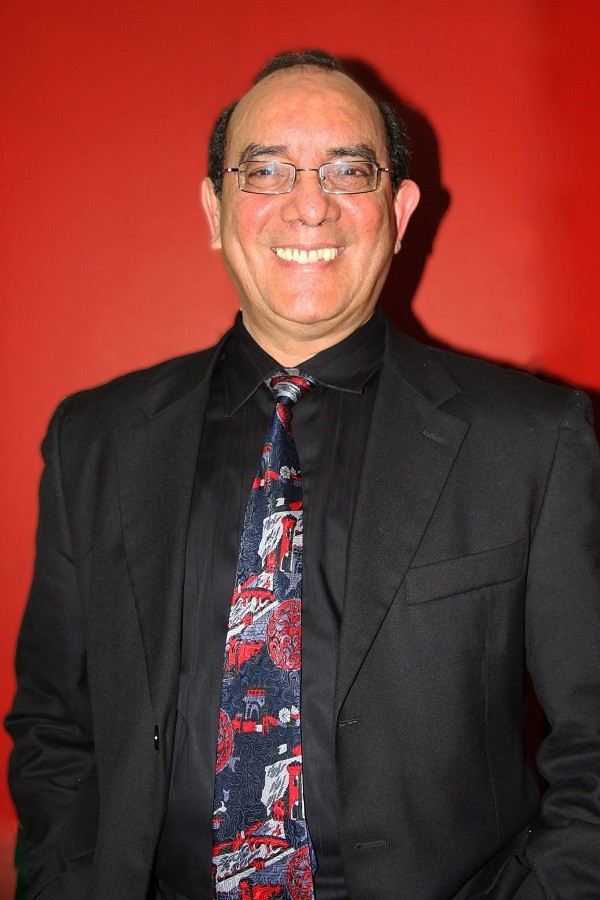
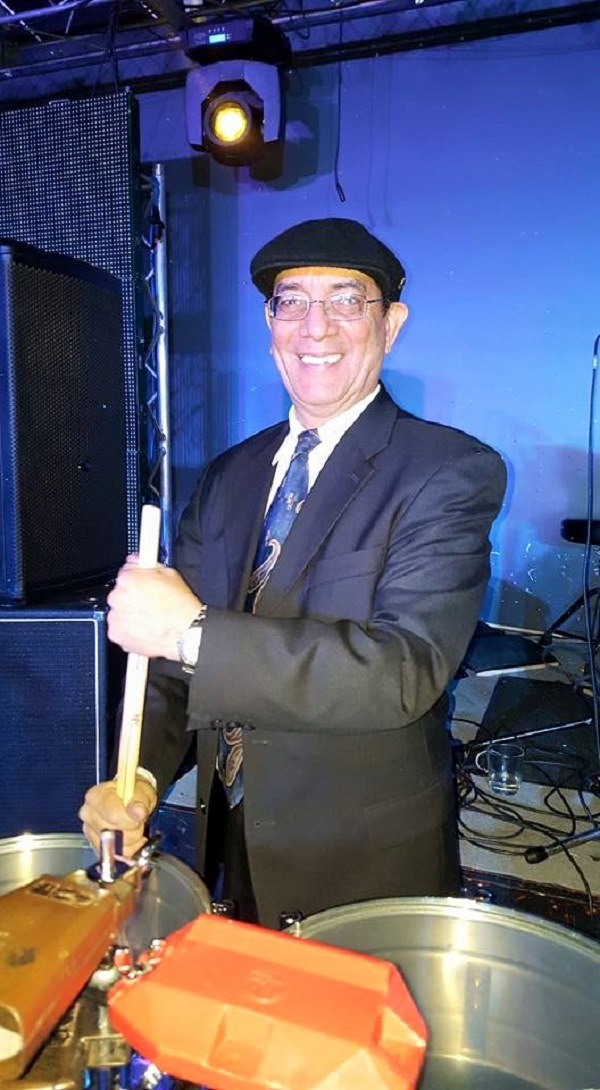
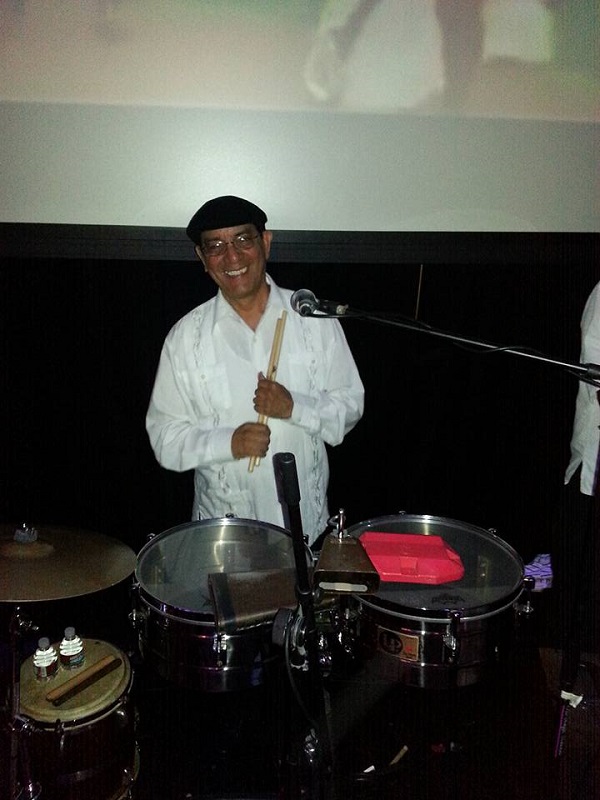
Producer, bandleader, percussionist and singer Carlos Navarro

Las Versalles

In the early 80’s, specifically in 1983, the artist served as co-founder and percussionist in one of the first and most important orchestras in Los Angeles, California, with styles of Salsa, Guaguancó, Merengue, cha cha chá, and Latin Jazz.

This group was called Las Versalles and hired many musicians based in the same city. Here you can see some of the main members and their instruments, Güiro: Carlos Navarro and Jorge Luis Balmaseda, Vocalist, Piano, Arranger: Fito Foster, Vocalist, Guitar, Flute, and Arrangements: Niño Jesús, Bass: Geraldo Zuldo and Luis López, Trumpets: Carleton Smith and Robert Hernández, Trombo: Arturo Velazco, Violin: Gene Hugo, Congas: Humberto Hernández and José “Papo” Rodríguez, Timbales: Héctor Andrade and Edwin Rolland, Backing Vocals: Fitto Foster, Niño Jesús, Bobby Rivas, Jorge Luis Balmaseda and Bass in ‘’Cama Y Mesa’’: Cuco.

Famous singer Cherry Navarro, Carlos Navarro's brother
Famous singer Cherry Navarro, Carlos Navarro’s brother

Son Y Clave

In 1999, the producer, percussionist and singer founded the Son Y Clave Orchestra and became a very important group in the nightlife of Los Angeles and surrounding areas.

One of the most attractive things for spectators of the places where they perform is the ease with which they dance and execute choreography, which are highly contagious, fast and elegant at the same time.

This diversity of performance styles is another one of the many things that has led this orchestra to the summit. In the same way, they have participated in all kinds of festivals, congresses, concerts and much more. They also had an important participation in salsa nights at venues in Los Angeles and the Bay Area such as El Floridita, where they played with Son Y Clave every Monday, until Carlos had to leave for a while and left talented musician Johnny Polanco in charge.

They have been so popular in the last few years that they have managed to open for world famous bands such as the Rolling Stones, who counted on the talent of the orchestra to grace their performances in one of their most important tours.

All members of the Son Y Clave Orchestra

God & Salsa and more

They have also been involved in major film projects such as ”Almost A Woman”, whose director has a long-standing friendship with Navarro. They participated in both the promotional trailer and various parts of the film, especially where there are parties and dancing.

Kaplan was so pleased with Carlos’ work in ”Almost A Woman” that she decided to contact him again to work hand in hand on a project titled ”UNO” which is based on one of the most famous Latin American TV hosts, the famous Renny Ottolina. Once again, Son Y Clave will join forces with the renowned filmmaker to put music to ”UNO”.

”Almost A Woman” had a lot of repercussion at the time, but the film for which they became known in recent years was ”God & Salsa”. Carlos Navarro himself was the main responsible for composing much of the original music that was part of the soundtrack of the film. In addition, they were also present at the filming, displaying their great talent and dedication to the audience.

Currently, Navarro has a lot of contacts, friendships and dealings with other figures and producers of the stature of classical guitarist Yalil Guerra, with whom he has participated in multiple musical projects both with his orchestra and at the production level.

He has also shared the stage with important talents in Los Angeles such as Tito Nieves, Luis Barbarán, Guillermo Canales, Ernie Valenzuela, Melissa Campos, Roosevelt Córdova, among many others.

Carlos Navarro, Luis Conte, Jorge Valmaceda, and the rest of the Siva Orchestra

Professor MSc. Carlos Colmenárez and his “WRITTEN SALSA”

By: Professor MSc. Carlos Colmenárez (Venezuela)

Greetings, dear and consistent readers of Salsa Escrita, from this server, your longtime friend, Professor MSc. Carlos Colmenárez. It is a great satisfaction for me to be able to reach all of you through International Salsa Magazine, to whom I am very grateful for your trust and thus be able to make known the Venezuelan salsa talent and also from other countries, where Afro-Latin music continues and will continue to be projected and promoted with much professionalism in its prestigious pages.

Salsa Escrita, in charge of this server, your friend of always, professor MSc. Carlos Colmenárez
Professor MSc. Carlos Colmenárez (Venezuela)

In this issue of Salsa Escrita, we bring you four exponents of Afro-Caribbean music, born in Venezuela, who exalt the genre with great class and success, earning the respect and admiration of all its followers. So, ladies and gentlemen, we present to you in special reviews Hildemaro “El Sonero del Amor”, Mariana “La Sonera de Venezuela”, Édgar “Dolor” Quijada and Héctor “Malecón”. We hope you enjoy the written interaction between you and International Salsa Magazine.

Hildemaro “The Sonero of Love”

The Venezuelan singer-songwriter, born in Caripito, Monagas state, on November 10, 1957
Hildemaro The Sonero of Love

On this occasion we will mention a vocalist who has stood out for his excellent interpretive quality and professionalism during his long and successful career, both in Venezuela and abroad; we refer to José Hildemaro Hugas Amarista, better known as Hildemaro “El Sonero del Amor”.

The Venezuelan singer-songwriter, born in Caripito, Monagas state, on November 10, 1957, told us that his musical interests came from a very young age, participating in festivals in his home state and musical groups in that locality, until he was presented with the opportunity to go to Caracas in 1976 and join the orchestra “Los Satélites”; Then in 1979 he joined the “Orquesta Ideal”; later he worked with the “Súper Combo los Tropicales”, “Noche Caliente” and the “Orquesta de Porfi Jiménez”; and finally in 1985 he joined Renato Capriles’ orchestra “Los Melódicos”, which gave him the greatest and best experience.

The following year,” Hildemaro continued, “he decided to definitely make his way as a salsa performer, recording his first LP under the TH label, thanks to his music producer, José “El Flaco” Bermúdez, and since then he has remained in his project of a fruitful singing career.

In 1988 he recorded his album “Amanecí contigo”, propelling it into the international market, hitting his songs with great acceptance, both in Venezuela and abroad, showing his face in the country as a salsa performer before the world.

Peru was his first point of attack, as well as the United States, and with that goal he was always renewing his repertoire.

In 1989 he recorded the production “Sin Tabú”, winning a gold record and triumphing on stages in Panama, Mexico, Colombia and New York; In 1990 he recorded the acetate “Romántico y sensual”, with which he demonstrated once again that he has one of the best voices in Latin American and Caribbean salsa, qualities that were also captured in his 4th album entitled “Lo mejor de mi” in 1991, later in 1993 he released his 5th LP “Al natural”, two years later the long play “Lo que siento” in 1995 and in 1996 the album “La mejor salsa con Hildemaro”.

In 2002 and 2003, he burst again into the radio stations nationally and internationally with 2 singles: “Corazón loco” and “El celular”, with which he once again demonstrated his great vocal capacity.

Among his best known hits are: The first time, Hola, Amanecí contigo, Desde el fondo de mi corazón, Negra, Agua caliente, Sin tabú, Al natural, Apago la luz, Como nadie, Cabalgaremos, Lucero and many more.

At the present time it comes from succeeding in Peru, Colombia, Spain, Italy and Sweden. In Venezuela she works with her own orchestra “Caripito all Stars”.

Finally she told us “El Sonero del Amor” that she registered her foundation “Hildemaro Hugas”, a non-profit organization to help children, elderly and people who deserve it.

By 2020, with God’s favor, he returns to the United States, where he is acclaimed by romantic dancers, just like in Peru, his second homeland. Hildemaro’s social networks are: Instagram @sonerodelamor, Facebook: José Hildemaro Hugas, phone: +58 412 2934606 and +58 416 0580079 for bookings.

Edgar “Dolor” Quijada

Édgar José Quijada, from January 23, Caracas. The man of "Pain", a name given to him by his brothers
Edgar “Dolor” Quijada

Sonero from A to Z, it’s that simple. Not everyone can be graded that way and not everyone has the privilege of being so. It is a title that must be achieved “on the go”, working very hard day and night. The “Masters” in sounding were Benny Moré and Ismael Rivera, to name the most significant.

In this regard, we must mention other vocalists of the stature of Cheo Feliciano, Gilberto Santa Rosa, Pete “El Conde” Rodriguez, Chamaco Ramirez and others of renown who took the baton; in the courtyard, Oscar D’Leon, Orlando Watussi, Mariana Guevara, Marcial Isturiz, Charlie Guzman, Ronald Gomez, among others, each with his own style and particularity. The one we will talk about today, has already occupied that place for years, I am referring to Edgar José Quijada, from January 23rd, Caracas. The man of “Pain”, an appellation given to him by his brothers.

In all his life he has not stopped singing and that comes from his mother. The trajectory of Édgar “Dolor” Quijada, born on March 21, 1954, dates from more than 40 years ago, since he began with the Yacambú Orchestra and later he was called to accompany national and international singers and to integrate orchestras such as: Década, Federico y su Combo, Los Incorregibles, Repicao, Soledad Bravo, Naty y su Orquesta, Guajeo, Cheo Feliciano, Celia Cruz, Johnny Pacheco, Pete “El Conde” Rodríguez, Adalberto Santiago, Ismael Miranda, Ismael Rivera, Larry Harlow, Héctor Lavoe and Justo Betancourt.

Since the founding of Cheo Navarro’s Orquesta Bailatino 23 years ago, he has been one of its performers along with Rónald Gómez and Francisco Rojas. His hits include: Mi vecina, Tengo la piel cansada de la tarde, A donde está Margot, Loco en la vía and many more. He is also the vocalist of El Guajeo de Alfredo Naranjo, Orquesta Tributo, Los 12 Apóstoles; as well as his solo performances in shows at the national and international level.

Finally, Edgar “Dolor” Quijada told us that he is currently based in Bogota, Colombia, with new musical projects. Social networks: Instagram @edgardolor; Facebook: Édgar Quijada, telephone for bookings: +57 301 6593904.

Hector “Malecon”

Héctor Luis Montes González, artistically known as “Héctor Malecón”, born on April 3, 1988
Hector “Malecon”
of Barquisimeto

In Barquisimeto, a city known as the “Musical Capital of Venezuela”, there are musicians and vocalists of extraordinary quality, and on this occasion we will mention the singer, sonero and composer, Héctor Luis Montes González, known artistically as “Héctor Malecón”, born on April 3, 1988 and since his childhood he has lived in the El Malecón neighborhood of our twilight city; His musical beginnings were inspired by the composition of songs and by the mythical-religious influence, they motivated him to write and to interpret his first single titled “A la Reina”, in honor to María Lionza.

In April 2012, he decided to gather a group of young musicians from his neighborhood and formed a salsa group, calling it “Orquesta Malecón”, thus beginning his successful career with musical director César Salas and arranger Rubén Levy.

Some songs from their first recording production and authorship are A la Reina, Acepto mi error, Flor de mayo, Qué es lo que te pasa, Mejor plato, Castillo de arena y el Despojo; which you can enjoy on Youtube.

Likewise, he has shared the stage with the Lebrón Brothers, the Dimensión Latina, Bailatino, Orquesta La Salsa Mayor, Grupo Mango, Porfi Baloa y sus Adolescentes, Mariana La Sonera, Édgar “Dolor” Quijada, Hildemaro, Rónald Gómez, among others.

In 2016, he obtains the 1st place in the contest “Dile no a la Payola” of the PDVSA La Estancia Salsa Festival in Caracas and is later applauded by the Caracas salsa sovereign in the Diego Ibarra Square and El Poliedro.

Currently, Héctor Luis, becomes known with his project “Héctor Malecón” and from his own inspiration is promoted with his song “Quieres volver”, through @hectormalecon.

Finally, he declares that he was temporarily based in the city of El Callao, Peru, demonstrating his talent and affinity as lead vocalist of the orchestra “Son D’ Kalibre”, performing group songs and great salsa hits, under the direction of Rubén Medina and integrated by Venezuelan and Peruvian musicians.

At present, already in Barquisimeto, Venezuela, he has planned to structure his new orchestra, with new themes of his own inspiration, to put all salsa lovers to dance. His social networks are: Instagram @hectormalecon; Facebook: Héctor Malecón, for bookings by phone +58 412 7720290.

Mariana “La Sonera de Venezuela”

One of the most emblematic characters of Venezuelan salsa is Janett Guevara García, artistically known as Mariana "La Sonera de Venezuela" Born in Caracas and currently resides in La Guaira
Mariana “The Sonera of Venezuela”

One of the most emblematic characters of Venezuelan salsa is Janett Guevara García, known artistically as Mariana “La Sonera de Venezuela”; she was born in Caracas and currently lives in La Guaira. Since she was a child she showed her taste for music; activity that has been her eternal passion and has led her to make 12 record productions.

Mariana started with Naty Martínez’s Orchestra and has been supported by the Fania Stars, José Alberto “El Canario”, the Gran Combo of Puerto Rico and her great friend Oscar D’León, who has advised and helped her so that, throughout her career, the responsibility of being the sonera of Venezuela falls on her.

Mariana has had the opportunity to alternate with groups of the stature of the Orquesta de La Luz, Grupo Niche, Guayacán, El Canario, Gran Combo de Puerto Rico and la Sonora Ponceña. Among her songs are: Frases hechas and Eres más fuerte que yo.

It is worth mentioning that, among the numerous recognitions received, he was awarded directly from Miami and presented in Caracas by Richard Roman and Nohemy Chavez, the “Salsa Superior” prize, which among those who have it, are Luigi Texidor, Roberto Roena, La Dimensión Latina and Rubén Blades, among other salsa figures. The sonera is worthy of this plaque thanks to God and her public who have supported her during her 30 year artistic career.

The “Sonera” is part of the orchestra “Rumberos del Callejón”, “Los 12 Apóstoles” and also has its own group. Incidentally, she was honored in the city of Barquisimeto in 2018 with the unveiling of a mural in her honor on Oscar D’Leon Boulevard.

She will soon be making musical tours throughout the country and abroad. Among his latest works, he recorded the song “Mulata guerrera”, by Puerto Rican composer Eduardo Zayas, included in the production “Entre Titanes”, which featured the participation of figures such as Marcial Istúriz, Rodrigo Mendoza, Édgar “Dolor” Quijada, Efrén Avellaneda, Noel Machado, Choco Orta, Yomar Méndez “Caballo”, Leo Pacheco Jr.

For hiring Mariana “La Sonera de Venezuela”, you can do it by: +58 414 2921521 y +58 416 0580079. Her social networks are: Instagram @sonsonera1, Facebook: Mariana La Soner

Profesor MSc. Carlos Colmenárez

How Money Is Made Today: Recording Artists, Record Labels, and Digital Platforms

Carlos Navarro is a renowned multi-percussionist, producer, bandleader, and singer, known for leading the Orquesta Son y Clave. Here are some key details about him and his music:

  • Musical Style: He specializes in genres like salsa, mambo, merengue, and Latin jazz.

  • Orquesta Son y Clave: The band has gained popularity in recent years, even sharing the stage with world-class artists like The Rolling Stones.

  • Collaborations: He has worked with major talents in Latin music in Los Angeles, including Tito Nieves, Luis Barbarán, and others.

  • Family Connection: He is the brother of the famous singer Cherry Navarro.

    Carlos Navarro reconocido multi-percusionista, productor, bandleader y cantante, conocido por liderar la Orquesta Son y Clave
    Carlos Navarro reconocido multi-percusionista, productor, bandleader y cantante, conocido por liderar la Orquesta Son y Clave

1). What’s the current process for recording, music production, and royalty distribution?

The current process begins with recording, which can now be done in professional studios or in home studios equipped with high-quality technology. Next is music production, which includes editing, mixing, and mastering to ensure the material meets industry standards.

Once the final product is complete, it’s distributed digitally through aggregators or distributors who place it on platforms like Spotify, Apple Music, and YouTube, among others. As for royalties, these are mainly collected by collective management societies and the platforms themselves, who distribute the income based on streams, downloads, or licenses, assigning it to the author, performer, and producer as stipulated in their contracts.

2). What is the impact of digital platforms that artists use to release their music?

Digital platforms have transformed the music industry by democratizing access. Today, any artist, regardless of their fame or resources, can distribute their music globally. The biggest impact is visibility: a song can reach millions of listeners without the need for a traditional record label.

However, there is also the challenge of market saturation, which requires artists to accompany distribution with solid strategies for digital marketing, branding, and social media presence.

3). How are the revenues distributed once the product is complete?

Revenue distribution varies according to contractual agreements, but generally, it’s split between authors and composers (publishing royalties), performers and producers (master recording royalties), and the distribution company or label.

In the digital environment, streaming platforms pay a percentage for each stream, which first goes to the digital distributor and is then divided according to the percentages agreed upon in publishing and production contracts. This system makes good administrative management essential so that everyone involved receives what they’re owed.

At The Blind Tiger Super Club in Santa Barbara California. Son y Clave Orchestra Carlos Navarro. Great venue.

4). Name some current business models for producing a record.

  • Independent Digital Distribution: The artist pays a digital distributor (e.g., DistroKid, CD Baby, TuneCore) and keeps most of their rights.
  • Record Label Contract: The label invests in production and promotion in exchange for a percentage of royalties and even the master rights.
  • Licensing and Sync: Producing music geared toward films, commercials, and video games, generating income from usage licenses.
  • Crowdfunding: Fans support the funding of the album in exchange for exclusive rewards.
  • 360 Deal: The label or company handles not only production and distribution but also concerts, merchandise, and image rights, in exchange for a larger percentage.

5). What strategies can artists use to monetize their work in the digital environment?

  • Streaming and Digital Downloads: Maximizing presence on Spotify, Apple Music, Deezer, etc.
  • YouTube and Content ID: Monetizing through views, ads, and copyright control.
  • Digital and Physical Merchandise: T-shirts, vinyl records, NFTs, and exclusive products.
  • Social Media and Subscriptions: Platforms like Patreon or TikTok offer the possibility of direct income from fans.
  • Licensing and Sync: Offering music for TV series, films, video games, and advertising campaigns.
  • Virtual Concerts and Exclusive Experiences: Monetized live streams, digital meet-and-greets, or access to exclusive content.

6). What do you think about creating a digital platform among us, the Latin musicians, where the profits go to the artists?

I think that’s an extremely valuable and necessary proposal. A digital platform created by and for Latin musicians would have a direct impact on the independence and sustainability of our artistic projects. By eliminating traditional intermediaries and ensuring most of the profits go directly to the artists, it would foster a fairer and more equitable industry.

Furthermore, this kind of initiative would not only allow for a better distribution of income but also the creation of a strong community where we can support each other, give visibility to emerging talents, and preserve the cultural identity of our music. In a market dominated by global platforms that prioritize volume over quality, having our own space would be a strategic tool to strengthen our voice as Latin artists and give true value to our creative work.

Carlos Navarro
Carlos Navarro

Also Read: How Money is Made Today as a Recording Artist with Record Labels and Digital Platforms

Luis Guillermo Rangel the great friend of everyone

Time is the owner of the best because of what happens 

In this section of International Salsa Magazine, there have been very special characters who provided us with important lessons and wonderful anecdotes about their lives, but the luminary we are going to talk about in this opportunity simply has no comparison with the rest. We are talking about composer, musician and singer Luis Guillermo Rangel, who very kindly welcomed Augusto Felibertt and myself into his home to try to give us an overview of the highlights of his life, since he has a lot to say. 

After having picked us up on a busy street in the city of Caracas and arrived at the beautiful and comfortable home of Mr. Rangel and his family in the Las Mercedes area, we have become fascinated with his living room, which houses an impressive collection of instruments of all kinds, microphones, CDs and vinyl records, showing that the place is a reflection of what the artist is most passionate about. So much so that as soon as we entered the house, the first thing he told us was ”this is my life” as it was more than evident when appreciating the room.  

Mr. Rangel’s beginnings in music  

The first thing we wanted to know about the central figure in this story is obviously his beginnings in the musical world, to which he responded that it all started when he was only a child, since God gave him the opportunity to have parents who liked music very much. His father was a guitarist and his mother sang. 

Although Mr. Rangel lost his mother at a very young age, she gave him with a love of music deeply anchored in his heart. At that time, it was very easy to play in family homes, so his was no exception. 

”We came from El Cementerio, Avenida Los Carmenes 24 and that was a very familiar block. Every weekend, my home was filled with music and my mother loved parties, gatherings and friends. In one of these meetings, I met Alfredo Sadel, but he was not the only one. I also met Rubén Osuna and Sergio Mexicano in that context. My musical career as such began when I was seven or eight years old with a cuatro that dad bought”, he said about the subject.  

Rangel playing the guitar
Luis Guillermo Rangel playing the guitar in his living room

Time in Coche 

It was not long before the artist told us that he went to live in Coche with his family and it is in that same area that he met Cherry Navarro, José Luis Rodríguez ”El Puma”, Fran Acevedo and many other young people who would become his great friends thanks to his passion for music. He also made reference to a very famous group of that time called Los Zeppys and consisting of ”El Puma”, Estelita del LLano, Agustín Calzadilla, Alberto Lewis and Nicolas Alvarado.   

‘’We formed the first Venezuelan music group there in Coche and the harpist was Frank Acevedo, who lived in Los Valles del Tuy, but it was not an impediment for us to have the strength to form the ensemble. Nilson Díaz, who lived in El Valle, was our maraquero and ended up being the musical director of Yolanda Moreno’s group until he passed away recently” Mr. Rangel remembered about his time in Coche.  

Friendship with Cherry and Carlos Navarro 

His friendship with Carlos and Cherry Navarro comes from that Mr. Rangel was about 11 or 12 years old when he lived in the block eight letter D, while the Navarro brothers lived in letter C. They always met in the sports courts of the area to play basketball or rubber ball, but the time gathered also led them to become interested in other hobbies and one of them was music. 

One day, we were all invited to a birthday party and Cherry, who was the fastest of all of us, proposed us to give a small performance to the birthday boy, since we had no money to buy him anything. That’s how we started in this world” said Mr. Rangel keeping with his story. 

He continued his story saying that ”I met Chelique Sarabia at the Industrial Technical School while he was studying oil and I was studying electricity. We became great friends and he invited me to play with his band, with which I was for 26 years. We recorded very beautiful songs with Cherry, José Luis, Chucho Avellanet, Javier Solís and many other great talents. Such was the level we achieved that we even accompanied Placido Domingo at the Teatro Teresa Carreño in 1991 and 1992”. 

Precisely because of the large number of artists he has managed to meet in the music scene, he wants to compile all this information in a book that includes so many anecdotes that no one even heards about before. At the moment, he has a page known as ”Mi Personaje de Hoy” which currently has 21,000 followers and always has interesting things to tell.  

Rangel showing his skills
Luis Guillermo Rangel showing us his musical skills during our interview

What does it mean to have met and shared with so many national and international luminaries? 

Mr. Rangel ensures that the environment around him is very important to him. He thinks that the principles and values of every human being are determined by the people who accompany him in life. In the case of the Navarro family, he deeply values what each and every one of its members has done for him on a personal and musical level. 

”I was very fond of Cherry in life and, today, I have a beautiful friendship with Carlos. The same thing happened with José Luis Rodríguez, although he went international in a way that made it difficult for him to return to the country, and many other friends with whom I still maintain contact because I never forget my friends” Mr. Rangel emphasized on the issue. 

He also remembered singer-songwriter Rudy Márquez, who sadly passed away on October 9 this year. The artist grew up with Márquez in La Florida long before he went to live in Coche, a time when they used to play ball and cards. As adults, they met again on Radio Caracas Television and played in the extinct show ”Club Musical”, after which they went for lunch, had a coffee or shared any other plan to have a good time.  

The family for Mr. Rangel 

For Mr. Rangel, family is the backbone of growth and maturity. Fortunately, his was always very close, so he and his 11 siblings always stuck together and were in touch even after they became adults. Of course, that was until the older ones passed away. 

However, the artist believes that nowadays there is a great deficiency in the current family upbringing and submits that the values and principles of yesteryear are a bit lost. This is part of what has resulted in the situation facing the country at a social level, not to mention that there is no institution to protect these principles. 

Despite everything, he continues to believe in the institution of the family and thinks that the good things it brings to society can be recovered if we all play our part.  

Rangel staring at the guitar
Luis Guillermo Rangel staring intently at his guitar while he is playing it

What does music mean to Luis Guillermo Rangel? 

Mr. Rangel says that, for him, music is everything. It is the best language in the world and the language we all speak. The musician ensures that a human being can be going through any situation in life and, no matter how hard it is, accompanying it with music will automatically calm the spirit and soul almost immediately. 

He also added that ”music activates you. Psychologically, music is an element that helps you and each of its genres has a particular function. In the case of romantic music, we can use a song with this style to dedicate it to whom we like, while the ideal genres to brighten the spirit are guaracha and salsa. All this is what has made me grow and be here with you”.  

Luis Guillermo the composer 

Mr. Rangel claims to be pushing for his own achievements with songwriting, but unfortunately he has not found them yet. However, with sacrifices, he has been able to progressively become known thanks to this facet of his. 

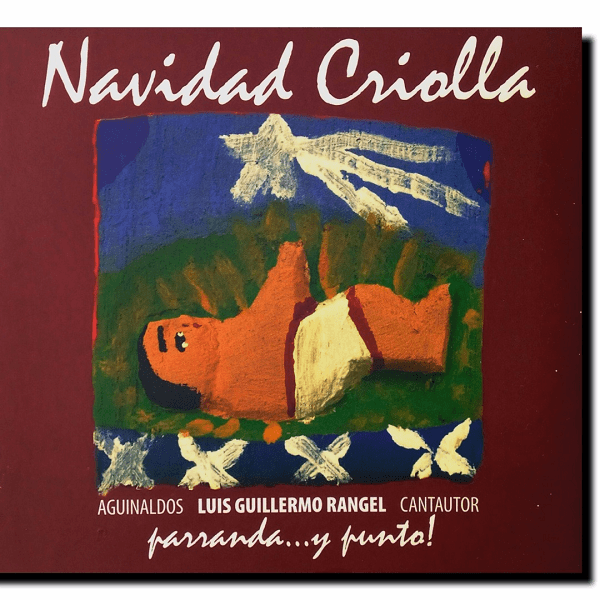
Recently, he recorded a very original Christmas album thanks to the fact that he listened to a lot of Christmas music at home and his father was a great arranger of aguinaldos, so he took some of that essence and poured it into an album which he called ”Navidad Criolla” about eight years ago. The big problem is that he has not had the resources to market it properly and the crisis and currency devaluation have made it even more complicated.  

However, the artist does not give up and continues his campaign to get someone important to be interested in the album and promote it so that people can enjoy it.  

Payola 

Like many other Venezuelan artists, Mr. Rangel has also had to deal with the phenomenon known as payola, which consists of the payment to radio stations by the artists in order to be able to be played in those spaces.   

He told us that when his Christmas album was released, a friend told him that he could make him reach number one on every available radio station in exchange for a specific monetary value, but he absolutely refused. 

”I didn’t know what payola was and I never thought that radio stations would hurt composers, musicians and singers and keep them away from their passion due to their greed for money. I believe that payola is a profound mistake that was made and continues to be made, so I have not been able to get lucky with my songs. I made a spectacular album with La Rondalla Venezolana and I don’t know where all of it will lead” said Mr. Rangel regretfully about the situation.  

Rangel in the bathroom
Luis Guillermo Rangel in the bathroom at home, where there are many photos with famous people such as Carlos Andrés Pérez, Eduardo Serrano, José Luis Rodríguez and many others

Luis Guillermo Rangel the musician 

As for his facet as a musician, Mr. Rangel defined himself in one word: ”guataca”. This means that the artist was always self-taught and did not need sheet music to do his job correctly. In this regard, he told us a very interesting anecdote, which we describe below. 

‘’One day, Chelique Sarabia got a call from Radio Caracas Televisión to ask him to lend one of her cuatristas, me among them, and when I went to the channel, the first thing these people did was to give me a score that I could not read. Then, I told Aldemaro Romero that Chelique and I have never had the need to read music to be able to play, something that surprised him a lot” said Mr. Rangel with a laugh. 

The artist ensures that he has never been ashamed to say that he does not use sheet music to play and he has his own methods to be able to play.  

His greatest musical influences 

Although the answer may seem very obvious, one of the greatest musical influences Mr. Luis Guillermo has had is his great friend Chelique Sarabia from the very moment they met at the technical school. His cuatrista retired, so he asked Mr. Rangel to fill that position and, from that moment on, they became inseparable until the death of the musician in 2022. 

He got to know Sarabia beyond the demanding artist and producer of strong character. He also got to know the romantic, passionate and noble man who always helped those who were just starting in the world of music.  

His great friend has been his biggest inspiration for what he has achieved musically.  

Luis Guillermo the friend 

Mr. Rangel describes himself as an extremely loyal friend who always tries to be consistent and never forgets his loved ones. He also revisits his friendships with Chelique Sarabia, Toco Gómez and Rudy Márquez, whom he met when he was just a 10 or 11year-old boy.   

I have a very broad concept of friendship, but very specific. A friend is not just for the good times or when you are in a good position, but for any moment. A friend can even help prevent you from saying a phrase that could be misinterpreted and lead you to serious problems” said Mr. Rangel, who also defined friendship as ”the conceptual confinement of a human being” and the importance of loving people as such.   

Navidad Criolla by Rangel
Cover of the album ”Navidad Criolla” by Luis Guillermo Rangel

Luis Guillermo Rangel as a father 

Mr. Rangel has four amazing children who unfortunately are abroad due to the current situation in Venezuela, which he assures us has affected him much not to having them close to him.   

He learned the importance of keeping the family together from his own, but also from Cherry and Carlos Navarro’s family, which always faced adversity without separating from each other. For him, the Navarro family was also his family, so much so that he even remembers on one occasion their mother made a shirt and gave it to him, a gesture that he still remembers fondly.   

”This is my life” 

Recalling that Mr. Rangel told us ”this is my life” as soon as we saw his collection of instruments and records in the living room, we wanted him to give us an explanation of why it is, he replied that the contents of his home include the things he loves the most. His guitars, instruments, sound equipment and microphones are among the most valuable things he has because that is how people know him. 

”I want to show people that my love for others is not only sentimental, but also musical, which translates into meetings I hold at my house, where we share, sing and play music. I remember one day Chelique Sarabia, Miguel Angel Landa, Henry Salvat, Toco Gomez and I affectionately baptized our group as ‘Junta Directiva’, since we were all directors. And the one who coordinated our meetings was journalist Aquilino José Mata,” he told us.  

Transition from conservative to modern 

Mr. Rangel claims that he has a lot of respect for music in general, but that there are some modern genres that have caused him a lot of rejection and one of them is reggaeton, which he can not stand since it is strident, rude and vulgar music whose lyrics he does not like in the slightest.  

In fact, both he and Augusto agreed that the aforementioned urban genre can be defined as ”music without music” since its exponents do not know what music is. 

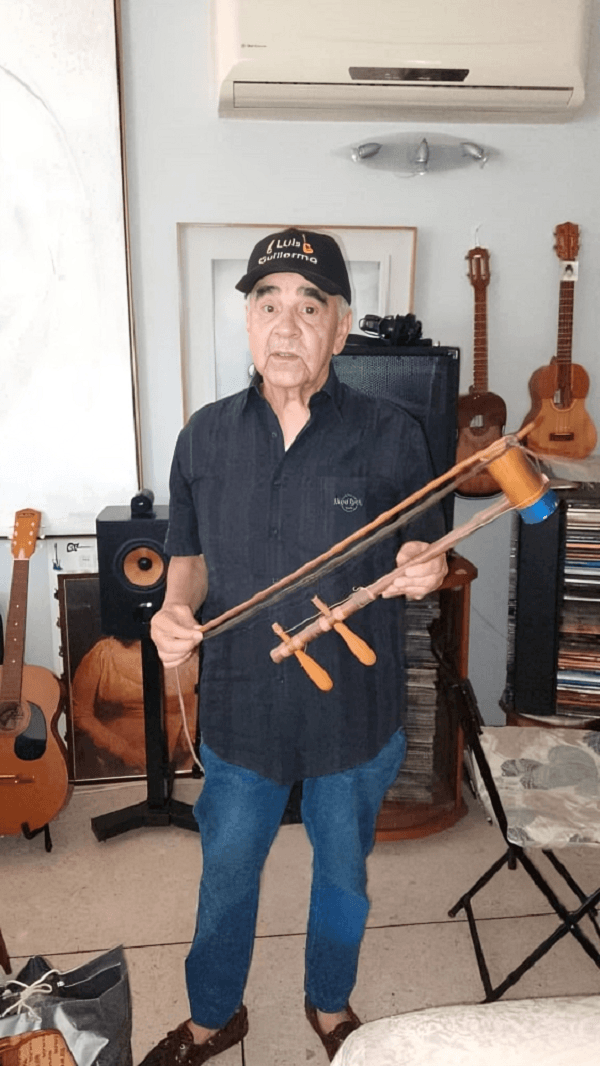
Rangel and his harp
Luis Guillermo Rangel and his Kravik harp or lyre

Luis Guillermo the collector 

One thing Augusto and I noticed was the huge amount of records and instruments he had in his home, so we wanted him to tell us a little about his facet as a collector, to which he wanted to clarify that he does not define himself that way. That is, he simply value the things according to the people who, at the time, gave them to him. In fact, each of his guitars is marked with the name of the person who sent it to him. 

The instrument that most caught our attention is the Kravik harp or lyre designed by a luthier in Africa, but unfortunately, Mr. Rangel has not yet been able to figure out how to tune it. The artist thinks that it must have some harmonic key that he has not yet been able to discover, but he supposes that it is a romantic instrument due to the sweetness of its sounds. It was a gift from the Vice Consul of Venezuela, Mauricio Portañoro, and it draws the attention of all visitors because of its peculiar appearance compared to other instruments. 

He also showed us a Chinese violin, which was also a gift from a diplomatic friend of his and only has two strings, which makes it so special and different from the rest of his collection.  

What Luis Guillermo is doing today 

Although he is very happy with the result he got, he also pointed out that the costs have made it very difficult for him to continue with the process to the point that he has not been able to get certain things done such as mastering. This has been one of the biggest obstacles he has faced in his career, although it has not stopped him from continuing to work with what he has.  

The muse for Luis Guillermo 

Every composer always requires certain conditions to be able to get inspired and write, and that is the case with Mr. Rangel, who needs to be completely relaxed prior to create music. According to his own words, ”I have to be fresh in soul, spirit, heart and mind so that everything flows better. I always prefer to be calm in any life situation and everyone close to me knows that”. 

He also told us that, because of the things he is going living, he has not been able to focus on finishing the song he has been composing for some weeks now. Calmness and lightness are fundamental for him to writing a song, verse, article or whatever comes to mind.  

From 1967 to 2024 

When asked for a summary of his life in all areas from 1967 to 2024, he wanted to give thanks for what he has been able to sustain from that year until now, especially with his health. He feels he has achieved a set of things that make him very happy and he continues to reflect on all those things. 

”I feel I have achieved what I’ve ever looked for, which is love, peace, tranquility and the possibility of creating and giving to others. I’ve tried to be the best I could be in life and I believe I’ve done it” Mr. Rangel concluded on the subject.  

Rangel and his violin
Luis Guillermo Rangel and his Chinese violin


Luis Guillermo the spiritualist 

Although Mr. Rangel can sometimes be arrogant and have a strong character in his own words, he also thinks he is a very spiritual person and, most of the time, very cheerful. That is exactly why his loved ones always want him around.  

He says when he is unable to share with friends for some reason, they always tell him how much they miss him for his smile to cheer them up. He thanks God, to whom he is always devoted, for everything, including his way of being.  

What did you think of the interview? 

We were very curious about what Mr. Rangel thought of our interview, to which he replied that it was not like any other he has given in the past.   

He told us that, throughout his career, he has given about 15 interviews, but in none of them had he felt the sensitivity, warmth and familiarity he found in us.   

Among the many well-known media outlets that have had the opportunity to speak with Luis Guillermo Rangel, International Salsa Magazine has stood out for the closeness it has had to the artist and the interest in knowing the person behind the musical and professional field. 

Therefore, the interview ends with the following words from Luis Gullermo Rangel to us: ”I want to thank Karina and Augusto for being here in my house and I hope you both feel comfortable here. I also hope they get to know my musical and instrumental side, but also my human side” And sure enough we did! 

Read also: Gabrielito Y La Verdad shines in Los Angeles 

Sizzling Summer Nights at the Autry Museum Of The American West

Salsa shows at the Autry Museum

The vibrant salsa nights in Los Angeles offer countless events that make the most unsociable leave home and put the most serious to dance, but there are always some that stand out among the rest for the quality of the groups and shows offered to the public. The case in question is about the series of concerts performed by the Autry Museum, which has been baptized as Sizzling Summer Nights.  

After a break due to the pandemic and without the possibility of enjoying good live music, there is still an anxiety to making up for lost time and dancing to the sound of the best hits of the bands preferred by the public from the area. 

In the year 2023, the Sizzling Summer Nights are back thanks to some of the best orchestras in California and have proven to be a real success, even more than in previous years.   

Join us to see the details of this weekly night of Latin music at the Autry Museum of The American West and the great success it has been since its first day on August 3.   

Chino Espinoza on The Sizzling Summer Nights 
Chino Espinoza y Los Dueños Del Son on The Sizzling Summer Nights

Chino Espinoza Y Los Dueños Del Son on Sizzling Summer Nights 

The first group to play in the series of performances offered by the Autry Museum was Chino Espinoza Y Los Dueños Del Son, which had already been there in previous years before the pandemic. This means that its members already know perfectly well how things have been handled at the museum with respect to this type of event. 

In the previous days, it could be seen how Chino Espinoza, the central figure in the orchestra, was inviting the public to join the event across the institution’s social media platforms while he was wearing a white shirt with black pants and an enthusiastic smile on his lips. 

In any orchestra’s performance, it can be seen that Chino and the rest of his musicians always give the best of them, so we knew that August 3 was not going to be an exception. Hopefully, it will be repeated for other opportunities.  

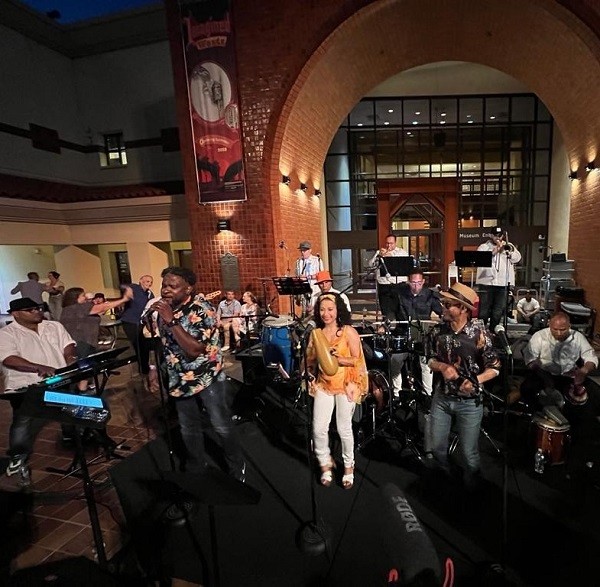
Son Y Clave Orchestra on Sizzling Summer Nights 

The second date of this series of shows hired a friend from house: Carlos Navarro and his Son Y Clave Orchestra. The artist and the rest of the accompanying musicians have been in charge of sprucing up the night of August 10 this year with their great flavor. 

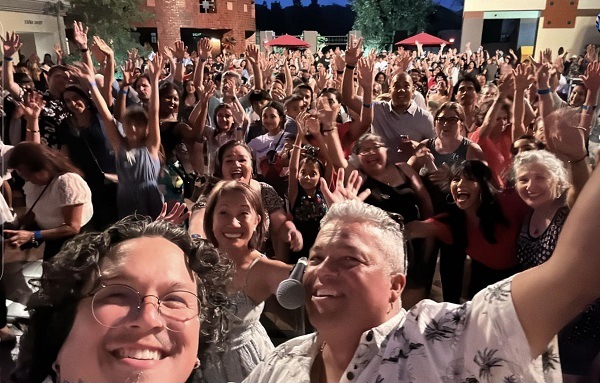
In talks with Carlos, we have learned that the sound quality offered by the venue was simply extraordinary, which made the experience even better for them and those attending the show. The crowd was delighted and wanting more for the coming weeks.  


Carlos Navarro en las Sizzling Summer Nights
Carlos Navarro from Son Y Clave performing on stage

Colombian Latin Sould Band on Sizzling Summer Nights 

For August 17, Colombian Latin Soul Band was chosen to liven things up and keep the audience engaged at the Autry Museum every week throughout the month.   

In the social networks of the group, you can see some photos of the band members while performing on the stage assembled by the Autry Museum for the show they were about to give surrounding themselves with dancing fans eager to see them play on a beautiful, sunny summer afternoon.   

Leading up to the show, they also shared a bit of their rehearsals to make sure everything was in place for the special occasion.  

Colombian Latin Soul on The Sizzling Summer Nights
Colombian Latin Soul Band performing at the Autry Museum of The American West

Vibroso ”Salsa With Vibes” on Sizzling Summer Nights  

Vibroso ”Salsa With Vibes” is the orchestra that will be performing on the afternoon of August 24 to delight all those present with their talent. As of writing this article, the show had not yet taken place, so we cannot give further details. However, we have no doubts that it will be as successful as the other three salsa afternoons at the museum. 

The schedule is expected to be exactly the same under the same protocol. 

Ricardo Lemvo & Makina Loca on Sizzling Summer Nights 

As was the case of the previous group, this orchestra has not yet performed, which will happen on August 31 at the same time as the previous ones. However, we can highlight that Makina Loca is a group founded in 1990 by Congolese musician Ricardo Lemvo, who came to the United States a few decades ago to pursue a college career and ended up working on Latin music.   

Lemvo has said that he seeks to celebrate life and make people forget their worries with his music, so we do not doubt that his show at the Autry Museum will be what many need to relieve themselves of their troubles and daily stress.   

Ricardo Lemvo on The Sizzling Summer Nights
Ricardo Lemvo, leader and founder of Makina Loca

Details of Sizzling Summer Nights 

As regards details on all these events, they were taking place every Thursday in August from 6 pm to 9 pm at the Autry Museum of The American West. These performances were accompanied by dance classes with the professional instructor April Connella who taught her best moves to the attendees during these days. 

In addition, the cost of each general ticket is $25, but members have the opportunity to pay only $5. On this point, it is important to stress that no cash is not accepted at the door, so the best option is to buy directly from the museum’s official website and, thus, avoid bad times when attending any of the concerts.  

Finally, attendees are allowed to access the museum galleries and there is a special dance floor, especially for children, so there is entertainment for everyone.   

From International Salsa Magazine, we invite the entire Los Angeles community to continue supporting all these Latin music activities so that the Autry Museum and other such institutions can continue to offer activities like these in the future. 

Read also: The void left by Felix ”Pupi” Legarreta 

  • Page 1
  • Page 2
  • Page 3
  • Interim pages omitted …
  • Page 6
  • Go to Next Page »

International Salsa Magazine (ISM) is a monthly publication about Salsa activities around the world, that has been publishing since 2007. It is a world network of volunteers coordinated by ISM Magazine. We are working to strengthen all the events by working together.