• Skip to primary navigation
  • Skip to main content

International Salsa Magazine

  • HOME
  • Previous editions
    • 2026
      • ISM / May 2026
      • ISM / April 2026
      • ISM / March 2026
      • ISM / February 2026
      • ISM / January 2026
    • 2025
      • ISM / December 2025
      • ISM / November 2025
      • ISM / October 2025
      • ISM / September 2025
      • ISM / August 2025
      • ISM / July 2025
      • ISM / June 2025
      • ISM / May2025
      • ISM / April 2025
      • ISM / March 2025
      • ISM / February 2025
      • ISM / January 2025
    • 2024
      • ISM / December 2024
      • ISM / November 2024
      • ISM / October 2024
      • ISM / September 2024
      • ISM / August 2024
      • ISM / July 2024
      • ISM / June 2024
      • ISM / May 2024
      • ISM / April 2024
      • ISM / March 2024
      • ISM / February 2024
      • ISM / January 2024
    • 2023
      • ISM / December 2023
      • ISM / November 2023
      • ISM / October 2023
      • ISM – September 2023
      • ISM – August 2023
      • ISM July 2023
      • ISM Edition June 2023
      • ISM – May 2023
      • ISM April 2023
      • ISM March 2023
      • ISM February 2023
      • ISM January 2023
    • 2022
      • ISM December 2022
      • ISM November 2022
      • ISM October 2022
      • ISM September 2022
      • ISM August 2022
      • ISM July 2022
      • ISM June 2022
      • ISM May 2022
      • ISM February 2022
      • ISM January 2022
    • 2021
      • ISM December 2021
      • ISM November 2021
      • ISM October – 2021
      • ISM September 2021
      • ISM August 2021
      • ISM July 2021
      • ISM May 2021
      • ISM April 2021
      • ISM June 2021
      • ISM March 2021
      • ISM February 2021
      • ISM January 2021
    • 2020
      • ISM December 2020
      • ISM November 2020
      • ISM October 2020
      • ISM September 2020
      • ISM August 2020
      • ISM July 2020
      • ISM June 2020
      • ISM May 2020
      • ISM April 2020
      • ISM March 2020
      • ISM February 2020
      • ISM January 2020
    • 2019
      • ISM December 2019
      • ISM November 2019
      • ISM October 2019
      • ISM Septembre 2019
      • ISM August 2019
      • ISM July 2019
      • ISM June 2019
    • 2016
      • ISM December 2016
  • Spanish
  • Download Salsa App
    • Android
    • Apple

Search Results for: Cuban music

Rudy Regalado. The legend of percussion

North America / USA / California

Rudy Regalado was a composer/ educator and one of the top Latin Rock Timbaleros based in the area of East Los Angeles, California during the 1970s and the second more famous Latin percussionist after Tito Puente. His legacy has been exceptional, 23 recorded albums, participated in big Festivals from USA and shared the best platforms with the best in the world. This artist was well known for his style, his contagious rhythm and eccentric presence.
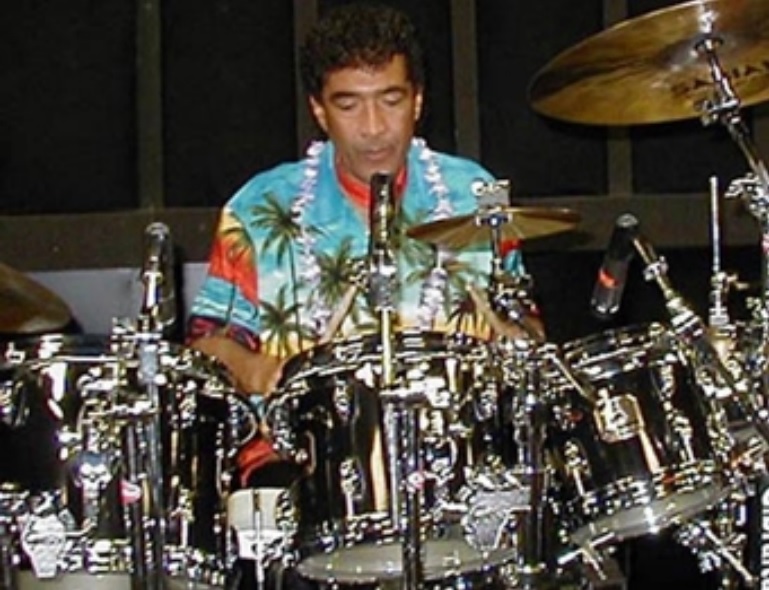
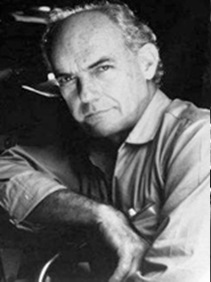
Photo 1: Rudy Regalado

Rudy Regalado was a genuine and outstanding timbales maestro; he was inspired as a child by big bands Machito and Tito Rodriguez, who were two of favorites he became interested in playing music and the Timbales.

His beginnings in this instrument go back at the end of the 1950s. During that period as s teenager, he learned to play the drum and timbales in home town (Caracas-Venezuela). For 1963 and with desire to eat the world with his music he moved to Puerto Rico and started playing in hotels and clubs in the San Juan area with Julio y su combo, the first house bands he played with in Puerto Rico’s at Hotel Caribe Hilton. They were the backup house band for all the famous musicians that performed in the Island in 1965; at the same time he studied harmony and percussion at Pablo Casals Conservatory of music.

Photo 2: Rudy Regalado

A decade later the restless Venezuelan timbalero migrated to Southern California, where he joined playing with local jazz and Latin groups before joining with the extremely popular Latin Rock Band called El Chicano.

The timbalero of timbaleros spent twelve years with El Chicano, singing and playing the timbales in 5 albums, which was included in Top 40 hits during the 1970s with the songs “Viva Tirado” and “Tell Her She’s Lovely”. El Chicano also created the theme song for the television series Baretta, which ran on ABC from 1975 to 1978.

After, Rudy formed his own Latin Jazz All-Star / Salsa Band in 1983, which included a selected group of musician from Los Angeles. Initially known as Todos Estrellas, the band eventually became known as Chévere (aan expression of Venezuelan popular slang) and appeared at the PlayBoy Jazz Festival, Disneyland and Fiesta Broadway, among other engagements. The band also performed overseas in summer festivals in Canada, Hong Kong, Indonesia, Kuala Lumpur, Malaysia, Singapore, Thailand and throughout the European continent.
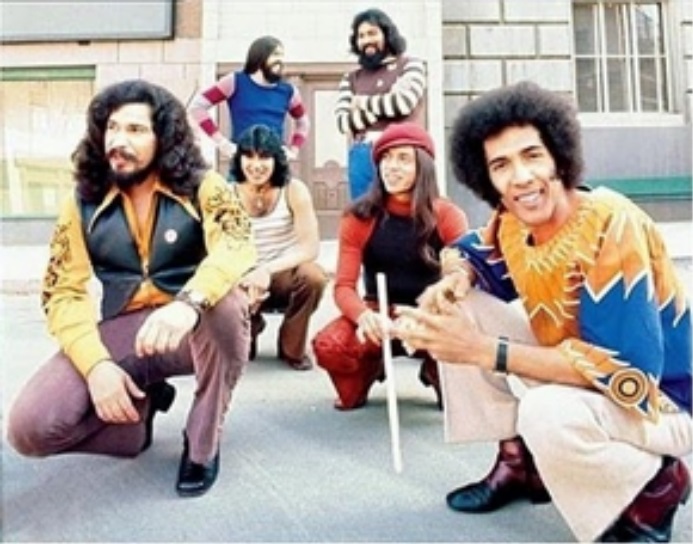
Photo 3: Rudy Regalado

As part of an El Chicano reunion in 2009, the Timbales maestro performed during the 40th anniversary of Woodstock festival at the Golden Gate Park Music Concourse in San Francisco, where the group actually celebrated their own 40th Anniversary, and last played with them at the Greek Theatre of Los Angeles in front of over a 100,000 screaming fans.

In addition, he participated in a variety of sessions with the Zawinul Syndicate, Quincy Jones, Alphonse Mouzon, Caravana Cubana.
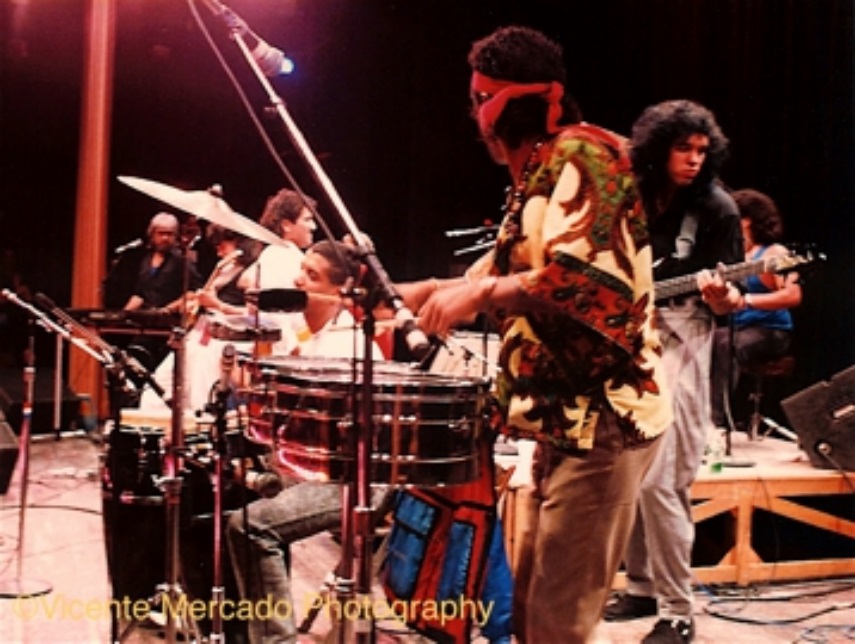
Photo 4: Rudy Regalado

Rudy also toured with Aretha Franklin in charge of her percussion section, was a drummer for Los Melódicos in its 1980 tour of United States, and performed on the Tonight Show, the Nancy Wilson Show and American Bandstand. His film credits include The Skeleton Key (2005), as well as the television series Pepe Plata (1990) and Clubhouse (2004).

Héctor José Regalado better known as Rudy Regalado passed away on November 4th, 2010, in Las Vegas – Nevada, where he died from complications of pneumonia at the age of 67.
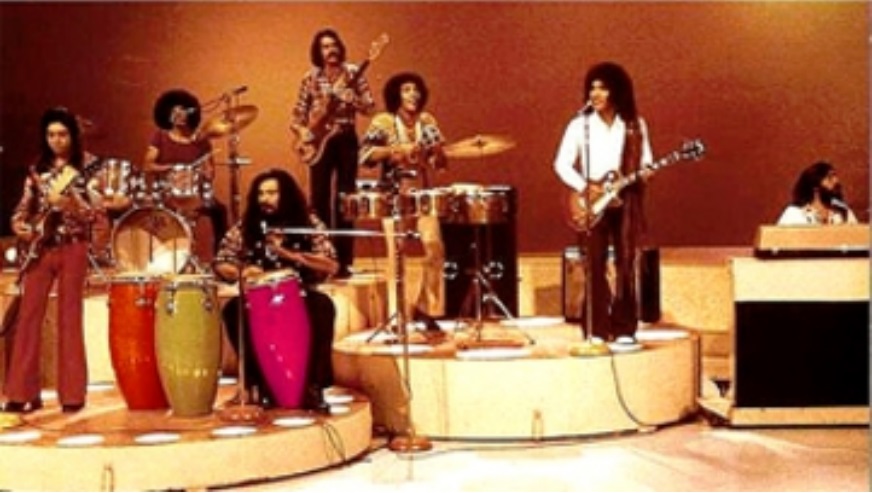
Photo 5: Rudy Regalado

Currently, his daughter Norka Tibisay Regalado founded in 2013, the Rudy Regalado Foundation. The goal of the foundation is to provide inner city music programs with instruments and financial support. “Let no child be left behind due to lack of funds”. In February, 2014, they donated over 2500 instruments and donated $2000.00 to help with cost for instructors. Her goal is to get financial support from big companies and the community in order to reach many more music programs; she is also working on bringing music programs inside children´s hospital to help the healing process to their mentally ill children and burned survivors.

Rudy Regalado will be forever remembered as one of the greatest Latin exponents of Salsa / Jazz sound of all time, undoubtedly, The Legend of Timbales (January 29, 1943 (Caracas – Venezuela) – Covember 4, 2010 (Las Vegas – Nevada).
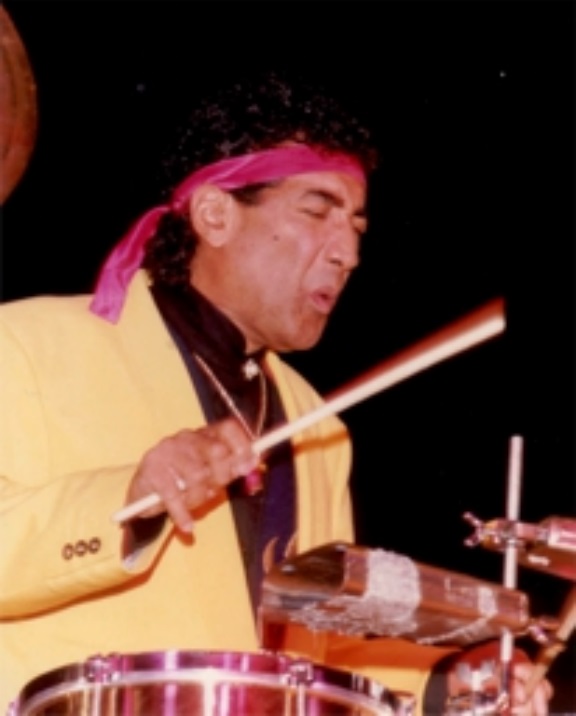
Photo 6: Rudy Regalado

For additional information or to make a donation, please contac Norka Regalado at 323.270.8176 or go to website www.rudysfoundation.org/


Salsa Pal Bailador

Europa /

Salsa Pal Bailador. The success of a passionate venture that goes against commercial trends

Salsa Pal Bailador - Anniversary
Salsa Pal Bailador – Anniversary

By Roberto “Vene Barral”

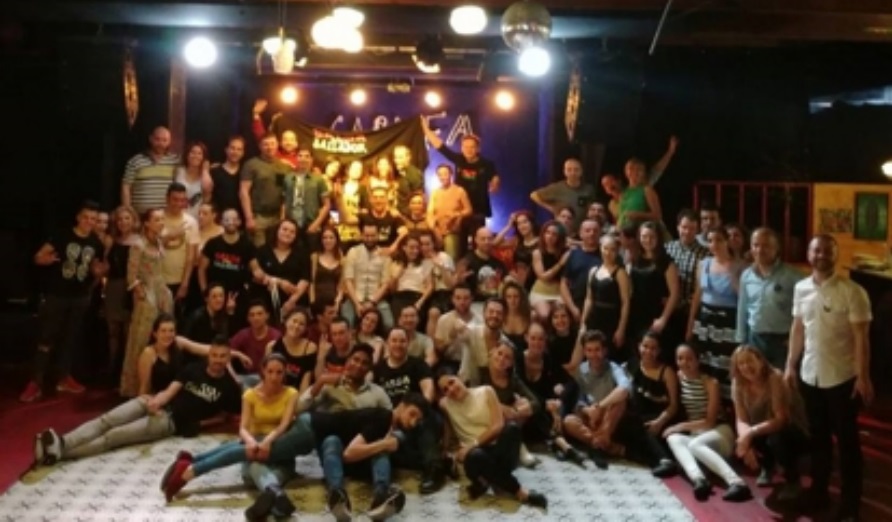
Last Saturday, May 6, the Garufa concert hall in A Coruña, a beautiful city in Galicia, central Spain, hosted the 5th Anniversary of Salsa pal Bailador. This event, created with the humble goal of offering a space to enjoy only quality salsa, has now become one of the most successful social events in Spain.

On the surface, the idea seems simple: organize a monthly event that brings together and gives free rein to all those who are passionate and nostalgic for pure, unadulterated salsa. But we must remember that we live in a consumer society that constantly tells us what we “have” to listen to, what fashions and styles are in and out. This is where SpB took a bold stand, going against what DJs and events were promoting at the time.

SpB emerged when kizomba, an African rhythm from Cape Verde, was spreading from neighboring Portugal into Spain. Along with the already established bachata, these were the trendy styles played at every social event that wanted to be a hit with audiences. But SpB’s proposal was even more daring. Not only did it focus exclusively on the most classic, least commercial, and least-known salsa, but it also had the audacity to schedule the event on a difficult day—Sunday—and at an even more challenging time: in the evening, starting at 8 p.m.

Perhaps in other parts of the world, organizing such an event would guarantee success with the public. But here, for the reasons already explained, it was a real challenge that was only expected to work because of the sheer tenacity that comes from having a passion for what you do.

So who are the impulsive salsa enthusiasts behind the success of Salsa pal Bailador?

DJs - Salsa Pal Bailador
DJs – Salsa Pal Bailador

For one, there’s one of the organizers of these sessions, Martín Fernández, an Argentine who has lived in Galicia for decades. He turned salsa and this event into his dream and his challenge, striving not only to make each edition better than the last but also to bring in dancers, DJs, and collaborators from other parts of Spain and abroad (Portugal, Italy, etc.). More importantly, he has tried to support all the local schools, dancers, and DJs in Galicia, as well as the salsa orchestra created by Galicians, the Orquesta Sonoridad. This is something to keep in mind, as the exposure for all these artists is possible thanks to the celebration and promotion of events like this one.

For its 5th anniversary edition, we enjoyed workshops and shows by Erik and Monika Eym Salsa from the Basque Country and Nuno and Rita from Portugal. There were also local shows like SSN Dancers, a group from a school in Betanzos, and Soulswing, a magnificent group of dancers from A Coruña, led by Javi Azúcar, who is a choreographer and guest DJ at several SpB sessions.

Over the years, many artists have participated in SpB sessions: figures such as Juan Matos, Yemambo, Carla Vocconi, Carlos Flow, Zergyo and Eva Mambo, Rui and Leonor, Nuno and Nágyla, or the local groups Mambo Sins and Son Candela, choreographed by the talented dancer Nuria Rodríguez Dieste, just to name a few.

Second, we have the two hosts who not only help organize all SpB events but also work hand-in-hand to ensure that each SpB session ends later, with more people asking for just one more song to dance to. I assure you that if the rules didn’t require a closing time, we would have the first after-hours venue where people consumed music, not substances, to stay awake. They are Manu Rumberito and El Nene del Bronx.

Salsa Pal Bailador - dance with me with Lugo - DJ Rumberito + El Nene
Salsa Pal Bailador – dance with me with Lugo – DJ Rumberito + El Nene

They are as unique as they are complementary, two tireless treasure hunters, searching for gems that haven’t yet been played on our dance floors, are unknown to our ears, or are classics we haven’t enjoyed in a long time or don’t get to hear very often. This is a luxury that, in these times of commercial music suffocation, very few of us can enjoy.

In addition, their passion for always seeking a more authentic, raw, and—why not say it?—more imperfect sound, but also one that is more acoustic and real, led them to start using vinyl records in their sessions. This trend has become SpB’s hallmark and has spread throughout Europe over time. Fortunately, we can now enjoy it at more and more events.

And, since passion is a state of mind that takes root everywhere, they found their alter egos in Madrid. Of course, they couldn’t celebrate SpB’s anniversary without them. These two turntable phenomena, Chema Sr. Importante and Marcin Martinelli, were the two guest DJs for such a special occasion. Other famous DJs have been featured at SpB sessions, including Hugo Leite, Nuno Melo, Dj Mito, Alexis Rodríguez, and Chris Beat, along with other local DJs such as Melao, Montuno, Sergio Elbembee, and the aforementioned Javi Azúcar. These DJs, like the guest dancers, aren’t unapproachable people; they come down to the dance floor to dance, chat, and enjoy themselves with the audience like everyone else.

Salsa Pal Bailador - Anniversary - DJs and workshops that will be presented
Salsa Pal Bailador – Anniversary – DJs and workshops that will be presented

At this point, many of you may be wondering: How is it possible that in a medium-sized city without a large Latin American population, an event featuring such a particular style of music can be so successful?

Well, it’s true that, fortunately for Galicians, in addition to having been welcomed with great hospitality in all the Latin countries to which we have emigrated, we have many returnees and natives from across the Atlantic living with us. This gives us the opportunity to enjoy many Cuban, Venezuelan, Colombian, and other styles of music and orchestras, which are very successful among both Galician and Latin American audiences.

But the truth is, we can say that they are different phenomena. People go to listen to the traditional music of these groups or orchestras for the pleasure of hearing those familiar tunes; it is more of a sensory delight.

However, when we talk about a social event, we associate it more with fun, leisure, and enjoyment in the sense of recreation. That’s what dancing at a social event means to us, where people of any age or condition simply let the music guide their bodies for pure joy, without any other pretensions.

It might be easy to conclude that this is the reason for the success of this type of event, and why they are so popular in this corner of the country. But we must remember that we are talking about A Coruña, a place that does not have the size or population of other large cities like Madrid, Barcelona, or Valencia. It’s a place where public attendance at these social events is high, where several social events are organized every week and on several days a week, and yet the public has been responding for decades. So what’s the secret?

Without wanting to diminish the great effort made in many other places, which despite this does not always have the deserved result, I believe that part of the success of this event is due to the courage to commit to formats or ideas that may not have an immediate and massive response or support but which, in return, offer sufficient quality to end up convincing even the most skeptical.

Therefore, in these times of commercial bombardment and mass-produced products, committing to creativity, innovation, and quality is a risky move. But we all know that if you don’t take risks, you don’t win, and SpB has taken that risk. As a result, every year it attracts more people from more places, including Portugal, Madrid, Valladolid, Asturias, Valencia, the Basque Country, Barcelona, etc. That is why, on its fifth anniversary, it has reaped its well-deserved rewards.

Salsa Pal Bailador - Congratulations
Salsa Pal Bailador – Congratulations

Congratulations to SpB and to its loyal audience, which is growing every day. Keep betting on quality!

Next event:

Salsa Pal Bailador

Sunday, June 4, 2017

Sala Garufa Club C / Riazor 5, A Coruña, Galicia, Spain

After the success of its fifth anniversary celebration, the Salsa Pal Bailador event returns on Sunday, June 4, to the Salsa Garufa Club in A Coruña, Spain. It will be a night of PURA SALSA, featuring 100% vinyl with DJs Manu Rumberito and El Nene del Bronx. There will also be two shows featuring the talents of Baila Conmigo Lugo and Euphoria Ladies Project from Vigo.

More information:

  • http://www.facebook.com/spb.salsapalbailadorlacoruna
  • http://www.facebook.com/SalsaGarufaClub/

Salsa Brava

Europa /

Salsa Brava. ¡La sensación latina en Dinamarca!

Salsa Brava es una de las compañías con más experiencia y prestigio del norte de Europa en la enseñanza de salsa, la realización de espectáculos de baile y la organización de eventos para empresas o reuniones privadas.

Son los ganadores del campeonato danés de salsa en 2004 y del campeonato de salsa de Copenhague en 2002.

Ima Mustafic - Salsa Brava
Ima Mustafic – Salsa Brava

Están deseando presentarte nuestro universo de salsa sensual, enérgica y elegante. Tras más de 20 años enseñando salsa, Salsa Brava es una de las escuelas de baile con más experiencia de Dinamarca en salsa y otros bailes latinos como bachata, merengue y chachachá.

Han desarrollado un método que hace que nuestros alumnos bailen con elegancia y confianza en sí mismos después de un corto período de tiempo.

Dos elementos importantes de nuestra forma de enseñar son el énfasis en la técnica de baile y la comprensión del ritmo y la música. También nos centramos en desarrollar tu estilo personal desde el primer momento.

No importa si eres principiante o bailarín avanzado. Bailarines de todas las edades son bienvenidos a nuestras clases, y si nunca has bailado salsa, no te preocupes… ¡Con ellos bailarás con confianza muy pronto!

Photo 1: Salsa Brava Social

Todos los estilos de salsa

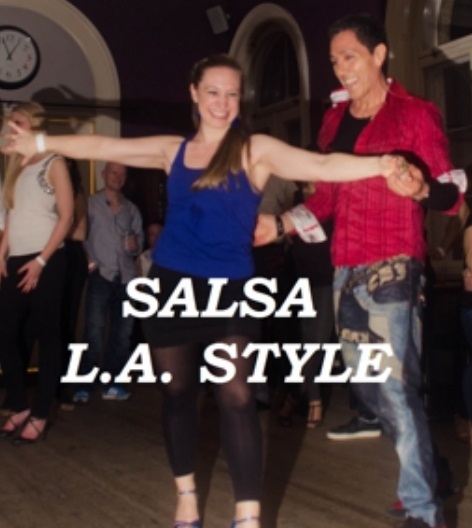
Enseñamos todos los estilos de salsa: “Nueva York”, “L.A.-style” (cross body) y “Cuba”. Al finalizar todos nuestros niveles de clase, podrás realizar combinaciones sensuales, fondos y pasos avanzados.

Desarrollarás tu estilo personal y tendrás un amplio conocimiento de la técnica de baile necesaria para ser un buen bailarín de salsa. Además, podrás improvisar con todo tipo de música de salsa.

¡Salsa Brava es Fernando Hernández!

Ima Mustafic

Ima empezó a entrenar gimnasia de niña. A los 12 años, la sustituyó por jazz, ballet, bailes de salón competitivos, bailes latinos y salsa. Desde entonces, ha entrenado con algunos de los mejores bailarines de salsa del mundo, viviendo en Barcelona, ​​Madrid y Nueva York. Tras muchos años de formación en ballet, jazz, bailes de salón latinos y salsa, Ima ha entrenado, actuado y competido en diversos estilos de baile en todo el mundo, lo que le ha proporcionado un amplio conocimiento de la danza, la interpretación y la técnica de la danza, que puede transmitir a sus alumnos.

Ima Mustafic
Ima Mustafic

Salsa Brava

Salsa LA & Estilo Cubano + Clases de Bachata

La próxima temporada comienza el 25/06 – 2017 con un profesor de latín real http://www.salsabrava.dk/new-classes

Dirección : Estudio de danza Salsabrava: Helgesvej 29, 2000 Frederiksberg. (Piscina Frederiksberg, arriba a la derecha, segundo piso). Estación de metro Frederiksberg. Autobús 2 A (parada Aksel Moellers Have).

Saludos, Fernando Salsabrava Hernández.

  • Correo electrónico: [email protected] – Tel: 2249 5834
Photo 3: Salsa Brava Social

Juancito Torres: The National Trumpet of Puerto Rico

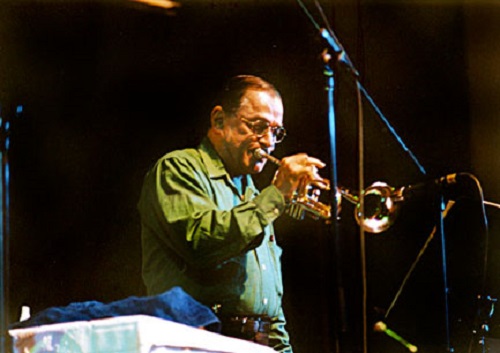
We present the musical life of one of the greatest trumpeters in Latin music, the master Juan “Juancito” Torres Vélez, known as “The National Trumpet of Puerto Rico.”

La Trompeta Nacional de Puerto Rico Juan Torres Vélez

Born on January 14, 1936, in Caguas, Puerto Rico, to Justina Vélez Vázquez and Félix Torres Varcárcel, he began his musical journey playing the violin in his hometown. He joined the Municipal Band, where he was taught by Adrián Benjamín and Carlos Julio Bosch, who also taught him the intricacies of the trumpet.

Juancito was a fan of Placido Acevedo, the trumpeter and director of the Mayarí quartet, and Acevedo was his biggest influence for his development as a professional trumpeter. At the age of fourteen, he studied at the Escuela Libre de Música. In 1952, he joined the orchestra of jazz musician Ramón “Moncho” Usera Vives and stayed with him for a year before joining his teacher Miguelito Miranda’s band.

In 1955, he traveled to New York, where he worked with Xavier Cugat, Noro Morales, and the Lecuona Cuban Boys. It is also said that he was part of the orchestras of Pupy Campo and Tito Rodríguez and that he recorded with René Touzet, Dámaso Pérez Prado, and Eddie Cano.

Juancito Torres Primera Trompeta de Fania All Stars

Juancito returned to Puerto Rico in 1960 and enrolled at the Puerto Rico Conservatory to further his musical knowledge. In 1965, he appeared on the list of musicians who recorded the album Bobby Capó and His Orchestra with the great Bobby Capó. In the late 1960s, Juancito joined master Bobby Valentín’s orchestra, recording five albums with them between 1969 and 1975. During the 1970s, he recorded with Frank Ferrer, Justo Betancourt, Puerto Rico All Stars, and Marvin Santiago.

In 1979, Juan began his participation in recordings, concerts, and international tours with the Fania All Stars. He appeared as a member of the Pacheco and Masucci collective on at least ten albums between 1979 and 1997. These include Habana Jam, Commitment, Latin Connection, Lo que Pide la Gente, “Live”, Viva Colombia, and Bravo 97.

Juancito’s extraordinary musical career and great talent also allowed him to participate in recordings for many singers, musicians, and groups such as Cheo Feliciano, Tommy Olivencia y su Orquesta, Adalberto Santiago, Roberto Roena, Sonora Ponceña, Eddie Palmieri, Tito Rojas, Pedro Arroyo, Descarga Boricua, Lalo Rodríguez, and Ray Barreto, among many others. “The National Trumpet of Puerto Rico” also participated in recordings by musicians and singers of other rhythms and musical genres such as Pop, Tropical, Jazz-Rock, Progressive Metal, Rock, Reggae, and Funk/Soul.

Juancito Torres
Juancito Torres

Regarding our music, we remember some of the tracks in which our great musician from Caguas recorded immortal trumpet solos: “Cuando Te Vea” with Bobby Valentín, “Dime,” “Menéame La Cuna,” “Quítate La Máscara,” and “Puerto Rico/Adoración” with Fania, “Amada Mía” and “Salí Porque Salí” with Cheo Feliciano. “Pedregal” with Justo Betancourt, “Canto A Borinquen” and “Alianza De Generales” with Puerto Rico All Stars, and “Palo Pa’ Rumba,” “Prohibición de Salida,” and “Solito” with Eddie Palmieri.

Through this work on Juancito Torres’ artistic life, we want to pay a small but well-deserved tribute to one of the ambassadors of Puerto Rican music. Juan Torres Vélez’s musical career spanned half a century, during which he participated in more than a hundred albums in our music alone, which was named Salsa from the beginning of the 1970s. The National Trumpet of Puerto Rico will live forever in the hearts of Salseros around the world.

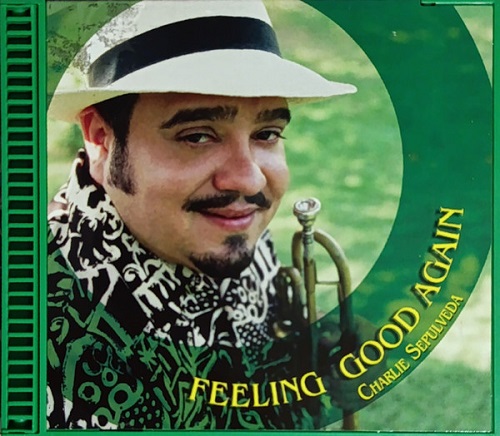
The trumpeter and producer Charlie Sepúlveda presented his new musical work titled Feeling Good Again, a jazz album released in 2003 on the Metrix label, which included our Juancito Torres on flugelhorn. Los Licenciados is the name of an album published by the Duque Records label and Omar Duque y su Orquesta. The recording year for this album is not specified, but Juancito Torres also participated as a trumpeter.

Charlie Sepulveda Feeling Good Again, Lanzado en 2003

Juancito Torres suffered from high blood pressure and bronchial asthma. Unfortunately, he passed away from a heart attack while sleeping at his home in Carolina on July 26, 2003. We will always remember him.

Long Live Music! Long Live Salsa! Long Live Juancito Torres!

By:

The Best Salseros in the World

Dj. Augusto Felibertt

Read Also: Luis “Perico” Ortiz: six decades of impeccable musical trajectory

“La Muerte de un Burocrata” At the Palace Theatre in Downtown L.A.

North America / USA / Los Angeles
La Muerte de un Burocrata

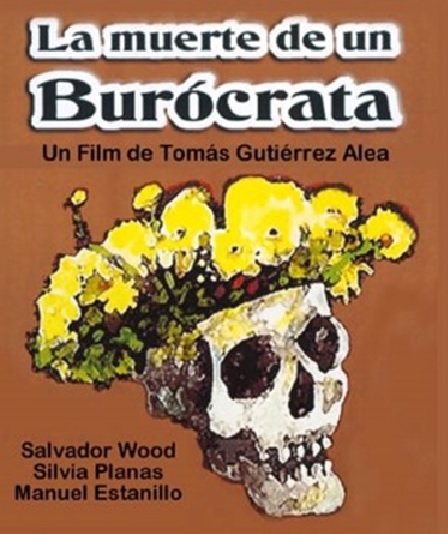
Latin American Cinemateca of Los Angeles (lacla) in collaboration with the Los Angeles Conservancy’s Last Remaining Seats film series, proudly present the Cuban film La muerte de un Burocrata (1966, Tomas Gutierrez Alea).

On June 14th at the Palace Theatre in Downtown Los Angeles’ historic theatre district at 8:00 PM. Satire of the Cuban bureaucracy of the post-revolution era which shows how convoluted it can be to get things seemingly simple.

La muerte de un burocrata is centered on the predicament of a hapless nephew (Salvador Wood) to retrieve the ID of his recently deceased uncle, a model worker and inventor. His widow (Silvia Planas) placed it in the coffin, but now need it, admonished by a bureaucrat that she will not get a pension without this piece of identification. But the bureaucrat in the cemetery tells him no exhumation is possible without a court order.

La Muerte de un Burocrata - Flyer
La Muerte de un Burocrata – Flyer

A clandestine operation yields the coffin but the nephew has to wheel it back to their home when the police unexpectedly show up. (Imagine the depredations of the Caribbean heat on an unrefrigerated cadaver). The farce escalates, the lampooning of recognizable government employees gets more ridiculous, and some sacred cows are turned upside down – like socialist realistart, and the fact that everybody is equal but some are more equal than others.

  • Director and Screenplay: Tomas Gutierrez alea.
  • Stars: Salvador Wood, Silvia Planas, Manuel Estanillo.
  • Music: Leo Brouwer
  • Cinematography: Ramon F. Suarez
  • Edited: Mario Gonzalez
  • Production Co: Instituto Cubano del Arte e Industrias Cinematograficos
  • Release Date: July 24, 1966 I Runtime: 85 minutes
  • Country: Cuba I Language: Spanish.

Tickets can be purchased through the L.A. Conservancy at the following link

http://www.laconservancy.org/event/la-muerte-de-un-burocrata-palace-theatre

For more information, please contact: Mariluz Gonzales, 818-667-6403, [email protected]

About Tomas Gutierrez Alea

Tomas Gutierrez Alea was a fervent supporter of the Cuban revolution, but good director that he was, his pictures never toe an overt propaganda line. They are aligned with the tenets of the regime but at the level of form, they are an artist’s creative take on the medium. “La muerte de un Burocrata” is a case in point, both in content and style. Fifty years after it was made, “La muerte” is still a refreshing, almost post-modern, satire on the plague of bureaucrazy… under any type of government and organization.

Tomás Gutiérrez Alea

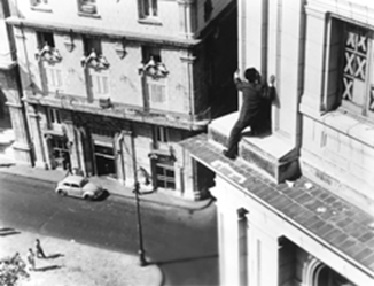
Gutierrez Alea uses the conventions of satire to blast the bureaucratic mindset that reduces life to a succession of absurdities, with witty homages to films and directors, in the guise of scenes filmed a variety of comedic styles: the assembly line of Chaplin’s Modern Times, the clock  from which Harold Lloyd hangs in Safety Last, Dracula’s fangs, the pie fights of Laurel and Hardy, a scattered and curvaceous Cuban Marilyn Monroe, and surrealist dreams like those of Buñuel.

The potpourri works very well, and gets hearty laughs from the audience. By Maria Elena de las Carreras, Ph.D. Noteworthy to mention, the film features music by the legendary composer, Leo Brouwer, who currently resides in Cuba.

About LACLA

Latin American Cinemateca of Los Angeles (LACLA) is a California non-profit organization dedicated to promoting cultural exchange through film by screening classic and contemporary films from Latin America and by USA Latinas and Latinos.

LACLA also supports the film and media efforts of Los Angeles inner-city middle and high school students with its annual student film festival.

About Last Remaining Seats

Last Remaining Seats is the Los Angeles Conservancy’s annual series of classic films in historic theatres. The series began in 1987 as a way to draw attention to the spectacular yet overlooked and underused historic theatre of Los Angeles. The film series has since become a summer tradition, drawing thousands of people from the region, the nation, and outside the U.S.

Photo of Los Angeles

About the Los Angeles Conservancy

The Los Angeles Conservancy is a nonprofit membership organization that works through education and advocacy to recognize, preserve, and revitalize the historic architectural and cultural resources of Los Angeles County. What began as a volunteer group in 1978 now has more than 6,000 member households, making the Conservancy the largest local organization of its kind in the U.S.

  • « Go to Previous Page
  • Page 1
  • Interim pages omitted …
  • Page 53
  • Page 54
  • Page 55
  • Page 56
  • Page 57
  • Interim pages omitted …
  • Page 103
  • Go to Next Page »

International Salsa Magazine (ISM) is a monthly publication about Salsa activities around the world, that has been publishing since 2007. It is a world network of volunteers coordinated by ISM Magazine. We are working to strengthen all the events by working together.