• Skip to primary navigation
  • Skip to main content

International Salsa Magazine

  • HOME
  • Previous editions
    • 2026
      • ISM / March 2026
      • ISM / February 2026
      • ISM / January 2026
    • 2025
      • ISM / December 2025
      • ISM / November 2025
      • ISM / October 2025
      • ISM / September 2025
      • ISM / August 2025
      • ISM / July 2025
      • ISM / June 2025
      • ISM / May2025
      • ISM / April 2025
      • ISM / March 2025
      • ISM / February 2025
      • ISM / January 2025
    • 2024
      • ISM / December 2024
      • ISM / November 2024
      • ISM / October 2024
      • ISM / September 2024
      • ISM / August 2024
      • ISM / July 2024
      • ISM / June 2024
      • ISM / May 2024
      • ISM / April 2024
      • ISM / March 2024
      • ISM / February 2024
      • ISM / January 2024
    • 2023
      • ISM / December 2023
      • ISM / November 2023
      • ISM / October 2023
      • ISM – September 2023
      • ISM – August 2023
      • ISM July 2023
      • ISM Edition June 2023
      • ISM – May 2023
      • ISM April 2023
      • ISM March 2023
      • ISM February 2023
      • ISM January 2023
    • 2022
      • ISM December 2022
      • ISM November 2022
      • ISM October 2022
      • ISM September 2022
      • ISM August 2022
      • ISM July 2022
      • ISM June 2022
      • ISM May 2022
      • ISM February 2022
      • ISM January 2022
    • 2021
      • ISM December 2021
      • ISM November 2021
      • ISM October – 2021
      • ISM September 2021
      • ISM August 2021
      • ISM July 2021
      • ISM May 2021
      • ISM April 2021
      • ISM June 2021
      • ISM March 2021
      • ISM February 2021
      • ISM January 2021
    • 2020
      • ISM December 2020
      • ISM November 2020
      • ISM October 2020
      • ISM September 2020
      • ISM August 2020
      • ISM July 2020
      • ISM June 2020
      • ISM May 2020
      • ISM April 2020
      • ISM March 2020
      • ISM February 2020
      • ISM January 2020
    • 2019
      • ISM December 2019
      • ISM November 2019
      • ISM October 2019
      • ISM Septembre 2019
      • ISM August 2019
      • ISM July 2019
      • ISM June 2019
  • Download Salsa App
    • Android
    • Apple
  • Spanish

Search Results for: Cuban

Toñito Laya

Latinoamerica / Venezuela / Caracas

On this occasion we have the privilege of meeting the new Venezuelan talent Toñito Laya (singer), son of Maestro Antonio “20 DEDOS” Laya, who was one of the most significant conga players in the Venezuelan salsa movement in the 1980s, director of the “ Banbankere Orchestra” of Petare with two musical productions; giving him more than enough reason to grow in Latin music, such as “el Son”, “la Rumba“, “la Guaracha”, “el Danzón”, “Boogaloo”, “la Timba” and “la Salsa” being This is the beginning of his artistic and musical career.

Starting in the 90s, he (Toñito Laya) entered the Bigott Foundation where he had the opportunity not only to learn the various rhythms in Afro-Venezuelan percussion, but also developed as a dancer in one of the most important groups in Venezuela when it comes to popular traditions. “Vasallos del Sol”, eventually becoming “Vasallos de Venezuela” in 2016, where he had 16 concerts, productions, albums and national and international tours; Colombia, Mexico, United States, South Korea and Japan, among others.

Toñito Laya flyer
Toñito Laya flyer

In 2006, a project called “Comprehensive School of Latin Tradition Dance 100% Tumbao” began, where many dancers were trained in the Cuban Salsa Casino genre, combining this training with Venezuelan traditions, making them understand that traditions come first. Venezuelans. Then they participated in the most important events and competitions in Venezuela, they even became Latin American Champions of “CUBAMEMUCHO 2009” in the city of Caracas-Venezuela, thus managing to represent the country in the grand final to be held in the city of Munich-Germany, 2010.

He also tells us that in 2009, they were invited to participate in a new project but this time not to dance, but to “sing” in a group that by then had no name but a particular genre such as “Son Cubano” . From that moment Toñito began his musical career to develop in a somewhat unexpected way, he was a founder and assumed the commitment of being in charge of this group as one of its leading singers for more than 7 years, where the themes arose: To me that, La Ruñidera, Bilongo, El Jamaiquino, I hear a drum, among others; They were part of his first musical repertoire.

With two record productions together with the already structured band “La Séptima Bohemia” he consolidated his musical career as a singer, going through a training process with different teachers and vocal coaches such as: Ronald González, Fanny Olano, Gustavo Gerardo and Marcial Istúriz, among others. others, who would help him develop in the middle of music.

National tours, award nominations and concerts allowed him to share the stage alongside large-scale national and international groups such as: Francisco Pacheco, Canelita Medina, Alexander Abre y su Habana de Primera, Manolito y su Trabuco, El Septeto Santiaguero, José Alberto “El Canario” to mention a few. Toñito records for the year 2012, the song “She takes me”, a song that in turn would be the title of the second album becoming an icon of parties, dances and social events not only in Venezuela but in many salsa and salsa dancing countries. casino in the world.

In the year 2016 Toñito Laya arrives in Aztec land to embark on a new path, he begins by residing in the city of Cancun-Mexico to sing in some local groups and participate in various projects such as: Los Panas.com, La Formula Perfecta, Grupo Swing Latin among others.

This new stage as an artist prompts him to consider a new musical challenge but this time as a solo singer with a well-defined and focused vision, his pleasant experience as a dancer motivates him to dedicate his first promotional single “ABRE QUE VOY”, this being the complement of an orchestra, for the musicians and their singers “EL BAILADOR”.

“ABRE QUE VOY” is the result of the work of talented and renowned Venezuelan musicians who give an important plus to this Musical production of “Maurice Melo”, this first single is created, performed by Toñito Laya, in the company of the Venezuelan talent of the following musicians:

  • Piano and arrangement: Joel Uriola.
  • Bass: Jesús Torres “Mandinga”
  • Percussion: Yomar Méndez “Caballo”
  • Trombone: Jhonal Rivero.
  • Trumpet: Edward Platter.
  • Baritone sax: Michel Peña.
  • Choirs: William “Wywy” Buznego, Carlos Guzmán and Ramfis Fajardo.
  • Recorded in the studio: A Tempo Records by Heyzer Cabrera.
  • Mixing and Mastering: Heyzer Cabrera. Caracas – Venezuela 2018

If you want to meet or contact Toñito, you can follow him through:

  • Correo: [email protected]
  • Facebook: https://www.facebook.com/tonito.laya
  • YouTube: https://www.youtube.com/channel/UCUkjU7SFnPc_W-XJDlMMzRg
  • Instagram: https://www.instagram.com/tonitolaya/
  • Twitter: https://twitter.com/negrolaya

 

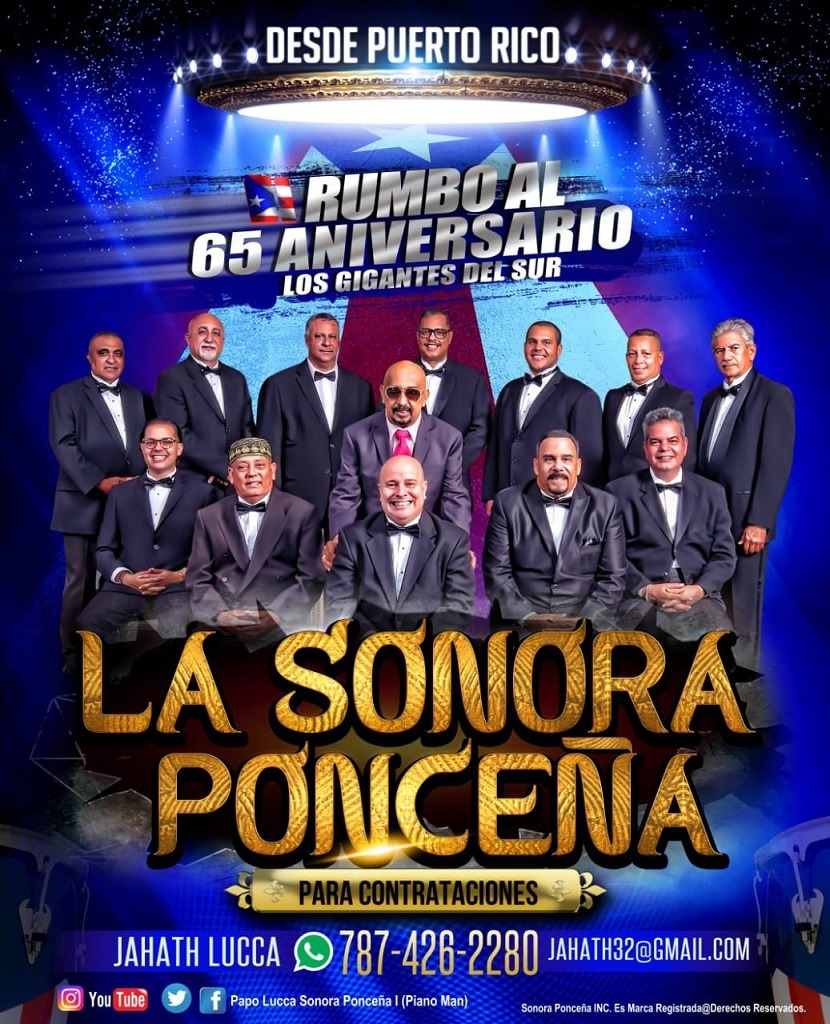
Papo Lucca. The Giant of the South

Latin America / Puerto Rico

Papo Lucca born in Ponce, Puerto Rico on April 2, 1946, Enrique ‘Papo’ Lucca began playing the piano at age 11 with his father’s orchestra. Initially, La Ponceña played versions of tropical hits of the moment by bands like Cortijo y su Combo and La Sonora Matancera.

Papo Lucca. The Giant of the South

In the late 1960s, Papo became the orchestra’s musical director, beginning a profound transformation that would eventually establish la Ponceña as one of the most progressive groups in the history of Afro-Caribbean music. Papo’s orchestrations were bold, experimenting with elements of jazz, rock, and Brazilian music. Representing the authentic spirit of Puerto Rican salsa, his piano solos were velvety, displaying elegance, restraint, and infinite swing.

During the mid-’70s, La Ponceña began to enjoy unprecedented success with critics and the public. The band recorded for the Inca label, which eventually became part of the Fania empire. Papo was invited to arrange and play on sessions for the company’s biggest artists, including Johnny Pacheco, Celia Cruz and Cheo Feliciano. He also recorded and toured with the Fania All Stars.

This compilation pays tribute to the art of Papo Lucca through 14 classic songs recorded between 1967 and 1981. Although Lucca has recorded as a solo artist and also collaborated with a multitude of salsa stars, it is his work with La Ponceña that best expresses the clarity of his vision.

The music we make has to make people happy, as well as make them dance. That’s what it’s all about, says Lucca from her home in Puerto Rico. When the public can dance, no matter how complicated the music is. The first theme that this genre had was to divulge the things that happened in the different communities, as if it were a newspaper.

Our journey begins with two fiery songs from the beginnings of La Ponceña: “Hachero Pa’Un Palo” and “Fuego En El 23” are versions of songs by Cuban Arsenio Rodríguez. La Ponceña always had a soft spot for Puerto Rican folklore, but she also found inspiration in the golden age of Cuban music.

La Sonora Ponceña
La Sonora Ponceña

The precise moment in which La Ponceña becomes a mature orchestra in total control of its aesthetics can be found in the six songs from the Musical Conquest/Conquista Musical and El Gigante Del Sur albums. Launched on the market in 1976 and 1977 respectively, they represent the pinnacle of the salsa movement.

These songs combine a musical skill that approaches virtuosity with deep lyrics and a generous sense of humor. “Ñáñara Caí” is a hilarious narrative of pure magical realism, describing a world where everything is turned upside down (my favorite phrase: I saw a cow/Hit with Pacheco). Also included in Musical Conquest, “El Pío Pío” achieves the perfect cross between Afro-Cuban rhythm and contagious pop. This hit is a mandatory part of all La Ponceña concerts.

The opening theme of the El Gigante Del Sur album, “Boranda” seems to offer a salsa version of progressive rock. Its lyrics contain an important sociopolitical message, and the sophistication of its arrangement is a slap in the face for all those who believe that this music is only for dancing. “Soy Tan Feliz” combines bolero climates with an electric piano solo that recalls the psychedelic sound of jazz-rock from the ’70s. “Noche Como Boca ‘E Lobo” creates a tasty collision between salsa fever and Brazilian rhythms.

Lucca was not alone in his mission to reinvent the rules of Puerto Rican dance music. It was also benefited by the prowess of some of the best instrumentalists on the island. Furthermore, his instinct for choosing singers was always irreproachable.

Some of the vocalists of la Ponceña that appear here are Tito Gómez, who would later find fame with the Grupo Niche de Colombia; the inimitable Luigi Texidor, who gave a sense of placidity to all the songs he performed; and Yolanda Rivera, who added variety to the band’s sound with her unique timbre.

One of Rivera’s happiest moments is included here: Coming from 1980’s Unchained Force, Johnny Ortiz’s “Borinquen” is a soulful anthem to Puerto Rico, blessed with a sinuous melody and subtle instrumental arrangement–one of Rivera’s happiest moments. transcendental within the Ponceña canon.

The golden days of salsa are a distant memory in the new millennium, but Papo Lucca hasn’t stopped shining. Perhaps precisely because he continues to record new music, he refuses to idealize the past when I ask him what his favorite album with “La Ponceña.”

The last one, the most recent, he explained in his characteristically introverted tone. All the albums are very important in the career of the orchestra. They all fulfilled their mission at the time, which was to reaffirm the previous one. That’s the way to maintain a pool after 50 years.

Papo Lucca
Papo Lucca

The teacher was a little more direct when I asked him about his favorite concert of all time.

It was my first concert with the Fania All Stars at Madison Square Garden, back in 1974, he said. All the stars of the Fania were still alive. A few years later we played in front of 47,000 people in Cali. My knees always shake before I go on stage, but this time they shook a little more.

Anacaona Orchestra

Latin America / Cuba / Havana

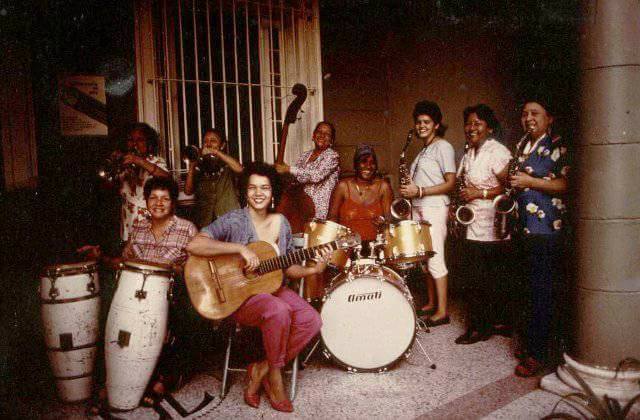
Anacaona Orchestra. Women of Cuba Since 1932

Genesis Founded in 1932

Anacaona Orchestra founded on February 19, 1932 by Concepción Castro Zaldarriaga and her sisters, being then the first female sextet of Son Cubano and in 1934 expanded to the Jazz Band and Charanga Típica format, projecting itself to the world from the famous ¨Aires Libres of the Saratoga Hotel. ¨ in the Havana Prado.

Anacaona Orchestra
Anacaona Orchestra

Between the 1940s and 1960s, these talented women toured throughout North to South America, the Caribbean and France.

In Mexico, one of the countries most visited by the orchestra at this stage, its images and sounds were recorded in some film of Mexican Cinema, such as: ¨the night is ours¨, ¨I do not deny my past¨ and ¨Women of theater¨ in which they alternated with film and music artists from that country. Also at that same time they recorded with the RCA Víctor label.

Anacaona Orchestra photo

The Aguirres

The sisters Giorgia and Dora Aguirre, with a solid musical background, specializing in Double Bass and Saxophone, recently graduated from the ¨Amadeo Roldan¨ Music Conservatory, joined the Anacaona Orchestra with its original founders in 1983, under the direction Alicia Castro, with whom they learned the most genuine genres of Cuban popular music, the rigor and discipline in this profession.

Anacaona Orchestra
Anacaona Orchestra

3rd Generation


After the retirement of the Castro sisters in December 1987, she assumed the direction of the Georgia Aguirre Orchestra, who, together with her sister and other young women who had also graduated from music schools, continued the work begun by the founders, consolidating a style that combines tradition with modernity, to preserve and enhance the history of Anacaona.

Anacaona Orchestra
Anacaona Orchestra

Tours

Internationally, they have traveled to more than 30 countries in Europe, Asia, Africa, America and the Caribbean, performing at important festivals and multiple stages, among which the most outstanding are:

Anacaona Orchestra
Anacaona Orchestra

The tour of 34 countries in the People’s Republic of China; his participation in the play ¨El Burgués Tropical¨ under the direction of Gerome Sabarì, inspired by Moliere’s classic, El Bourgeois Gentleman”; the tour made through some cities in the United States in which they also had a very emotional meeting with Graciela Pérez, singer and founder of Anacaona and the show “Sabor de la Habana” that opened the season of Cuban shows at the Cabaret Del Gran Casino Monte Carlo of the Principality of Monaco,

In addition to other important jazz and summer festivals in Spain, Germany, Belgium, Sweden, Holland, Canada, Jamaica, Aruba, Curacao, French Guiana, Guadeloupe, Martinique, Saint Lucia, Peru, Honduras, Venezuela and Mexico, among others.

Anacaona Orchestra flyer

Europe / July 2024

Calibrated maracasMartinez attorney

fRANCE FLAG
FRANCE
DIRECTORY OF NIGHTCLUBS

Salsabor
Salsabor Paris
31 rue Chapon 75003
Paris, France
+33 1 42 71 61 61

Selsero
Salseroparis
9 Rue du Petit Pont, 75005
Paris, France
+33 6 50 16 74 76

La Peña
La Peña Saint Germain
3 passage de la Petite Boucherie 75006
Paris, France
+33 1 46 33 19 89

Cubana
Cubana Café
47 rue Vavin 75006
Paris, France
+33 1 40 46 80 81

Canela
Canela Club Latino Paris
77 Rue du Faubourg du temple 75010
Paris, France
+33 6 46 78 28 35

Balajo
Le Balajo
9 rue de Lappe 75011
Paris, France
+33 01 47 00 07 87

La Pachanga
La Pachanga Officiel
8, rue vandamme 75014
Paris, France
+33 1 40 47 63 69

Pachamama
Pachamama PARIS
46 rue du Faubourg Saint Antoine 75012
Paris, France
+33 1 55 78 10 00

Cuba Compagnie
Cuba Compagnie Café
48 BD Beaumarchais 75011
Paris, France
+33 1 48 06 07 11

O'Sullivans By The Mil
O’Sullivans Backstage By The Mill
92 Boulevard de Clichy 75018
Paris, France
+33 1 53 09 08 49

Germany circular Flag
GERMANY
DIRECTORY OF NIGHTCLUBS

Clärchens
Clärchens Ballhaus
Auguststraße 24
10117 Berlin, Germany
+49 30 555785440

Havanna
Havanna Berlin
Hauptstr. 30
10827 Berlin-Schöneberg, Germany
+49 30 78899655

SODA
Soda Club Berlin
Schönhauser Allee 36
10435 Berlin, Germany
+49 30 44056071

Zapatissimo
Zapatissimo Dance School
Kolonnenstrasse 29
10829 Berlin, Germany
+49 176 20470772

Brotfabrik
Brotfabrik Frankfurt
Bachmannstr. 2-4
60488 Frankfurt, Germany
+49 69 24790800

Latin Palace Changó
Latin Palace Changó
Münchener Strasse 57
60329 Frankfurt, Germany
+49 69 27220807

Cascadas
Cascadas
Ferdinandstr. 12
20095 Hamburg-Mitte, Germany
+49 69 27220807

Spain Flag
SPAIN
DIRECTORY OF NIGHTCLUBS

ACM City
ACM CitY
Carrer Can Pallarès 2, Cerdanyola del Vallès
08290 Barcelona, Spain
+34 675 30 26 64

Antilla
Antilla Barcelona
C/ d’Aragó, 141
08015 Barcelona, Spain
+34 610 90 05 58

Mojito
Mojito Club
Rosselló, 217
08008 Barcelona, Spain
+34 654 20 10 06

Morena
Morena Barcelona
calle 11 num.29
08860 Castelldefels, Spain
+34 691 46 57 72

Que Chimba
¡Qué Chimba!
Av. del Vallès, 117
08223 Terrassa, Barcelona, Spain

Seven Dance
Seven Dance (Dio Club)
Carrer del Perill 10
08012 Barcelona, Spain
+34 934 51 61 18

Azucar
Azúcar SalsaDisco
Calle de Atocha, 107
28012 Madrid, Spain
+34 639 64 29 06

El Son
Discoteca El Son
C. de la Victoria, 6
28012 Madrid, Spain
+34 671 05 67 91

Prisma Discoteca
Discoteca Prisma
C. de Alcalá, 192
28028 Madrid, Spain
+34 638 92 16 98

Sala Olvido Madrid
Sala Olvido
C/ Olvido 15
28026 Madrid, Spain
+34 619 22 29 19

The Host Madrid
The Host
C/ Ferraz nº 38
28008 Madrid, Spain
+34 918 05 36 48

Disco Bar Cuba Live
Cuba Live
Ramón y cajal número 2
07011 Palma de Mallorca, Spain
+34 618 86 78 20

Discoteca El Edén Boliviano
El Edén Boliviano
Carrer Gremi de Tintorers, 49A
07009 Palma, Illes Balears, Spain
+34 676 64 68 26

United Kingdom circular flag
UNITED KINGDOM
DIRECTORY OF NIGHTCLUBS

Rosies
Rosies Birmingham
259-262 Broad St
B1 2HF Birmingham, UK
+44 121 632 4936
Revolucion de Cuba
Revolucion de Cuba Leeds
64-68 Call Lane
LS1 6DT Leeds, UK
+44 113 350 6556


All Stars Salsa
All Stars Salsa Fridays
122 Oakleigh Road North
N20 9EZ London, UK
+44 7956 941172

Salsa Soho
Bar Salsa Soho
96 Charing Cross Rd
WC2H 0JG London, UK
+44 20 7379 3277
Salsa Temple
Bar Salsa Temple
Victoria Embankment, Temple
WC2R 2PH London, UK
+44 20 7395 3690


Earl's Court
Earl’s Court Salsa & Bachata Club
St Philips Church, Upper Grand Hall, Earls Court Road
W86QH Earl’s Court, UK
+44 7831 715368

Juju's
JUJU’s Bar & Stage
Ely’s Yard 15 Hanbury Street
E1 6QR London, UK
+44 020 7770 6109
LightHouse
The LightHouse Bar & Club
62 Rivington Street
EC2A 3AY London, UK
+44 20 3325 9745


Wimbledon Salsa Bachata
Wimbledon Salsa & Bachata Club
Drake House, 44 ST George Road
EC2A 3AY London, UK
+44 7831 715368

Promo Aquae Flaviae 2024​

JULY 2024 FESTIVALS by Karina Bernales

France circle flag
FRANCE
Kizomba Castle 2024

Kizomba Castle Exkiz

Jul 11 / 14 2024

Chateau de Montbraye
Route de Brette Les Pins
Parigne , France,72250

€ 61.54

2K Festival July 2024

2K Festival

Jul 19 / 21 2024

Palais des Congrès
Place de l’Hermitage
Touquet-Paris-Plage, France,62520

Tempo Latino 2024

Tempo Latino

July 25 / 27 – 28, 2024

Vic-Fezensac 31 Avenue Edmond Bergès
32190 Vic-Fezensac, France

€441.10

Germany circular Flag
GERMANY
Bachata Explosion

Bachata Explosion

Jul 26 / 28 2024

Prinzenstraße 1
Berlin, Germany,10969

€75.00 + 0.90

Greece circular flag
GREECE
Sensual Summer Weedend 2024

Sensual Summer Weekend

Jul 12 / 14 2024

Peristeri Exhinition Center
Dodekanisou 106
Peristeri, Greece,12134

€ 70

Hungary circular flag
HUNGARY
Huangariam Festival Summer 2024

Hungarian Summer Salsa

Jul 02 / 08 2024

Balaton Conference Center
Horvath Mihaly St.
Balatonfured, Hungary,8230

€ 127

Lithuania circle flag
LITHUANIA
Vilniuos Kizomna 2024

Vilnius Kizomba Summer

Jul 11 / 14 2024

Ponas Tadas Hotel
Naugarduko g. 76
Vilnius, Lithuania,03202

€ 60

Netherlands circular flag
NETHERLANDS
Adam Bachata 2024

Adam Bachata Experience

Jul / 15 2024

CanDance Studios
28 Isolatorweg
Amsterdam, Netherlands,1014 AS

€ 95

Amsterdam Sensual Dance 2024

Amsterdam Sensual Dance Fest

Jul 19 / 21 2024

CanDance Studios
28 Isolatorweg,
Amsterdam, Netherlands,1014 AS

€ 120

Viva Kizomba 2024

Viva Kizomba Amsterdam

Jul 31 / Aug 05 2024

Van Der Valk Hotel
Rijksweg A 4 Nr 3
Amsterdam, Netherlands,2132 MA

€ 124.36

Poland flag
POLAND
Bachata Stars 2024 BachataStars Poland

Jul 05 / 07

Warszawski Dom Technika NOT
ul.T.Czackiego 3/5
Warsaw, Poland,00-0432024

€ 61

Kizz Me More

Kizz Me More

Jul 11 / 14 2024

Novotel Warszawa Airport
1 Sierpnia 1
Warsaw, Poland,02-134

€ 75

Bailame Cracow 2024

Bailame! Summer

Jul 19 / 22 2024

Studio Club
Witolda Budryka 4
Cracow, Poland,30-072

€ 66

Slovenia circular flag
SLOVENIA
Salsa Dance 2024

Salsa Dance Festival

Jul 23 / 29 2024

St. Bernardin
Oballa 2, SI
Porto Rose, Slovenia,6320

€ 119

Spain Flag
SPAIN
Loves Kizomba 2024

Loves Kizomba

Jul 03 / 08 2024

Hotel Abades Benacazón
Carr. Sevilla-Huelva, km 16
Benacazon, Spain,41805

€ 97

Love Dance 2024

Love Dance

Jul 05 / 07 2024

Hotel Don Angel
Carrer del Pla de la Torre, 14
Santa Susana, Spain,08398

€ 89

Hot Weekend 2024

Dance HOT Weekend

Jul 26 / 29 2024

Hotel Don Angel
Carrer del Pla de la Torre, 14, Santa Susanna
Barcelona, Spain,098398

€ 90

Switzerland circle flag
SWITZERLAND
Genere French 2024

Geneva French Kizz

Jul 19 / 22 2024

Mövenpick Hotel & Resorts Genėve
Rte de Pré-Bois 20
Geneva, Switzerland,1215

€ 90

United Kingdom circular flag
UNITED KINGDOM
Summer Salsa 2024

Summer Salsa Weekender

Jul 05 / 08 2024

Prince of Wales Hotel Southport
Lord St.
Southport, United Kingdom,PR8 1JS

£ 85

Latin Notion 2024

Latin Notion

Jul 05 / 07 2024

Brighthelm Centre
Brighton And Hove, North Rd, Brighton And Hove
Brighton, United Kingdom,BN1 1YD

London Salsa 2024

London Salsa Marathon

Jul 26 / 29 2024

Haverstock School
24 Haverstock Hill, Chalk Farm
London , United Kingdom,NW3 2BQ

£ 99

So-We-Kiz 2024

So We Kiz Congress

Jul 26 / 29 2024

University of the West of England
Bristol, United Kingdom,BS16 1QY

£ 80


Virgilio Martí participated as aVirgilio Martí participated as a vocalist in the Grupo Folklórico Experimental Newyorkino in which he composed the song “Cuba Linda”

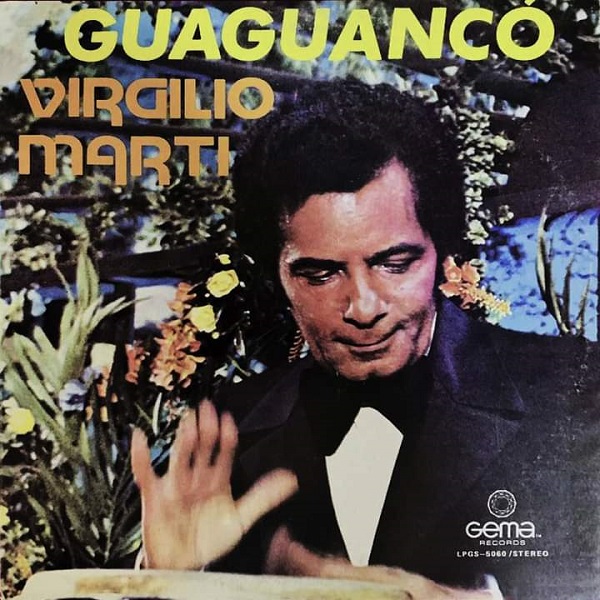
Virgilio Martí, born in the year 1919 Havana, Cuba, Rino Rumbero, Singer, Composer, Arranger, Percussionist, Actor and Orchestra Director, well known since the late 40’s, especially as a guaguancó singer.

He began touring the world in 1949 and met his later wife in 1960 in Peru.

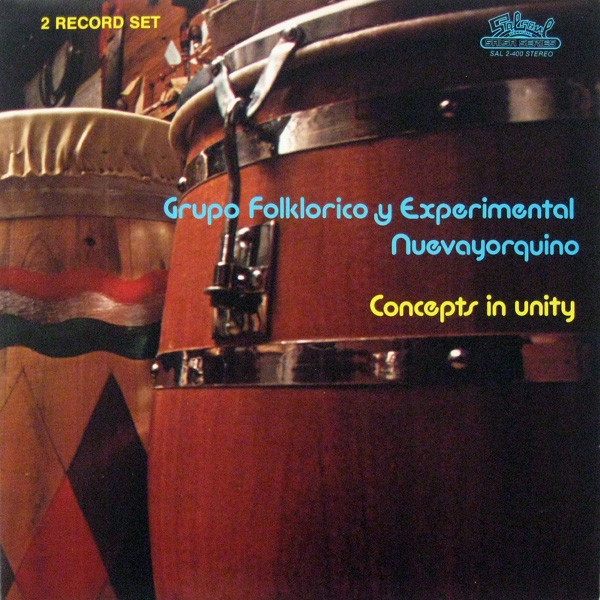
Virgilio Martí participated as a vocalist in the Grupo Folklórico Experimental Newyorkino in which he composed the song "Cuba Linda".
Virgilio Martí participated as a vocalist in the Grupo Folklórico Experimental Newyorkino in which he composed the song “Cuba Linda”.

That same year, he settled in New York, participating in the local scene.

He participated in the LP “Patato y Totico” in 1967, he also participated with his brother Eloy Martí, in a Quintet accompanied by Gene Golden, for the year 1979.

Israel López (Cachao), Arsenio Rodríguez, Héctor Cadavieco, Francisco Valdés, Papaíto, Tony Mayari and Mario Cadavieco also worked on that album.

He participated in the “Grupo Folklórico Experimental Newyorkino”, where he was their vocalist and percussionist, in 1975. During his stay with them, he composed the song “Cuba Linda”.

"Grupo Folklórico Experimental Newyorkino, donde fue vocalista y percusionista del mismo, en 1975
“Grupo Folklórico Experimental Newyorkino, donde fue vocalista y percusionista del mismo, en 1975

Another work of Martí of great remembrance is the album entitled: “Saludando A Los Rumberos”, published by the Caimán label in the early 80’s and in which the Cuban acts as vocalist and main star. In it, Martí is involved with talents such as: Tony Cofresí, Andy and Jerry González, Yomo Toro, Paquito Pastor, Ray Romero, Claudio Roditti and Ignacio Berroa, among others.

Virgilio Martí, born 1919 Havana, Cuba.

“Iya Modapue”, constitutes in itself, a guaguancó with open rumba being at the same time the favorite number of the “Grupo Folklórico”, and even the first groove that was recorded.


The levels of experimentation and the freedom to unload several rhythms in a single musical performance are the factors producing the attraction of the musicians for “Iya Modupue” (which means Thank You Mother).

The vocal part is in the hands of Virgilio Martí. The trumpet of “Chocolate” Armenteros, the trombones of José Rodríguez and Reinaldo Jorge, the flute of Gonzalo Fernández and the percussion of Frankie Rodríguez stand out.

“Se Me Olvidó” – a bolero by Lolita de la Colina – but adapted in guaguancó to the style of the Grupo Folklórico, which, by the way, turned out to be the piece with the greatest radio airplay in the tropical environment and, therefore, the one that would open the doors to the group. The song was performed by Virgilio Martí, who also plays the congas. In “Se Me Olvidó”, the violin of Cuban Alfredo de la Fe, the quinto of Julito Collazo, the street redoblante of Jerry González and a Mexican marimba played by Andy González in counterpoint to the notes of the double bass, also played by Andy, stand out.

Here it is worth mentioning that Alfredo de la Fe is a virtuoso violinist and among his many performances, I remember his work with Eddie Palmieri, Larry Harlow (the wonderful Jew), the Fania All-Stars and the avant-garde Típica 73.

In the early 80’s he formed a band with brothers Andy and Jerry González, and percussionist Ignacio Berroa.

It is worth mentioning Virgilio Martí’s 1985 performance in the film by Cuban filmmaker León Ichaso entitled: “Crossover Dreams” (Sueños truncados). In it, the Havana native plays the role of “Cheo Babalú” and sings the song “Llora Timbero”.

In this film production made in New York City, the actor Rubén Blades, who plays the role of “Rudy Veloz”, also participates. There they sing the song “Todos Vuelven”.

In 1990, he contributed to the “Soundtrack” of the movie Azúcar Amarga.

He maintained a great skill in converting songs from other genres into rumba arrangements. We can mention the adaptation of the song by Brazilian composer Jorge Ben, “Más Que Nada”, which appears on the LP with Patato y Totico. Martí died on October 17, 1995. (Tom Data “Facebook”)

Virgilio Marti - Guaguanco (1979)
Virgilio Marti – Guaguanco (1979)

Virgilio Marti – Guaguanco (1979)

Tracks:

  1. Amanecer (Armando Manzanero)
  2. Todos vuelven (Rafael Otero)
  3. A tus pies (D.R.) (Agustin Lara)
  4. My childhood (Laureano Martinez)
  5. Saluting the rumberos (Manolo Albo)
  6. I’m going to divide it (R. Livi)
  7. Acanapon (D.R.)
  8. The little handkerchief (D.R.)
  9. Que susto (Virgilio Marti)
  10. Odiame (Rafael Otero)

Information realized (June 1, 2024)

Sources:

DiscoGS

Spotify Virgilio Marti

Virgilio Marti Youtube

Also Read: Justo Betancourt Querol Cuban sonero and singer famous for his interpretation of the song “Pa’ bravo yo”

  • « Go to Previous Page
  • Page 1
  • Interim pages omitted …
  • Page 39
  • Page 40
  • Page 41
  • Page 42
  • Page 43
  • Interim pages omitted …
  • Page 114
  • Go to Next Page »

International Salsa Magazine (ISM) is a monthly publication about Salsa activities around the world, that has been publishing since 2007. It is a world network of volunteers coordinated by ISM Magazine. We are working to strengthen all the events by working together.