• Skip to primary navigation
  • Skip to main content

International Salsa Magazine

  • HOME
  • Previous editions
    • 2026
      • ISM / April 2026
      • ISM / March 2026
      • ISM / February 2026
      • ISM / January 2026
    • 2025
      • ISM / December 2025
      • ISM / November 2025
      • ISM / October 2025
      • ISM / September 2025
      • ISM / August 2025
      • ISM / July 2025
      • ISM / June 2025
      • ISM / May2025
      • ISM / April 2025
      • ISM / March 2025
      • ISM / February 2025
      • ISM / January 2025
    • 2024
      • ISM / December 2024
      • ISM / November 2024
      • ISM / October 2024
      • ISM / September 2024
      • ISM / August 2024
      • ISM / July 2024
      • ISM / June 2024
      • ISM / May 2024
      • ISM / April 2024
      • ISM / March 2024
      • ISM / February 2024
      • ISM / January 2024
    • 2023
      • ISM / December 2023
      • ISM / November 2023
      • ISM / October 2023
      • ISM – September 2023
      • ISM – August 2023
      • ISM July 2023
      • ISM Edition June 2023
      • ISM – May 2023
      • ISM April 2023
      • ISM March 2023
      • ISM February 2023
      • ISM January 2023
    • 2022
      • ISM December 2022
      • ISM November 2022
      • ISM October 2022
      • ISM September 2022
      • ISM August 2022
      • ISM July 2022
      • ISM June 2022
      • ISM May 2022
      • ISM February 2022
      • ISM January 2022
    • 2021
      • ISM December 2021
      • ISM November 2021
      • ISM October – 2021
      • ISM September 2021
      • ISM August 2021
      • ISM July 2021
      • ISM May 2021
      • ISM April 2021
      • ISM June 2021
      • ISM March 2021
      • ISM February 2021
      • ISM January 2021
    • 2020
      • ISM December 2020
      • ISM November 2020
      • ISM October 2020
      • ISM September 2020
      • ISM August 2020
      • ISM July 2020
      • ISM June 2020
      • ISM May 2020
      • ISM April 2020
      • ISM March 2020
      • ISM February 2020
      • ISM January 2020
    • 2019
      • ISM December 2019
      • ISM November 2019
      • ISM October 2019
      • ISM Septembre 2019
      • ISM August 2019
      • ISM July 2019
      • ISM June 2019
    • 2016
      • ISM December 2016
  • Spanish
  • Download Salsa App
    • Android
    • Apple

Search Results for: El Gran Combo de Puerto Rico

Roberto Roena and Apollo Sound will celebrate 50 anniversaries at the Puerto Rico Fine Arts Center

Latin America / Puerto Rico / San Juan

Roberto Roena: Staying active in any profession for 50 (fifty) years is not an easy task for anyone. But if it is a musical orchestra that half a century later continues to bring tropical music to all corners of the planet, more than a musical group, it becomes an institution.

That is the reality of the Apollo Sound orchestra and its founder, the percussionist and dancer Roberto Roena, who this summer celebrate five decades making the world dance and will celebrate it with a great concert to commemorate his career.

“We are going to do something big to celebrate 50 years. It will be in the month of June at the Center for Fine Arts, “said Roena in conversation with this medium.

“It’s going to be something really cool. We are going to sing the hits of the orchestra, we will have guests and a little bit of everything”, added the musician, who indicated that the exact date will be confirmed in the coming weeks.

Roberto Roena and Apollo

The Apollo Sound Orchestra was founded in July 1969 and its name derives from the launch that same month of the Apollo 11 space mission, which aimed to carry the first human being to walk on the surface of the moon.

His record catalog includes more than 20 productions and among his most notorious hits are “Tú loco loco y yo tranquil”, “El Escapulario”, “Marejada Feliz” and “El Progreso”, among many others. In the case of Rohena, the renowned 79-year-old musician from Mayagüez began his musical career much earlier, at age 16, with the distinguished group of Rafael Cortijo y su Combo.

He was also part of Rafael Ithier’s Gran Combo and appeared in the star catalog of the famous Fania record company and its All Stars, among other collaborations.

It was in the Mayagüez neighborhood of Dulces Labios where he was born, raised and took his first steps as a dancer. “Sweet Lips is my neighborhood. I have many memories of my childhood days.

From there came great musicians, such as Santitos Colón and Mon Rivera”, he pointed out.
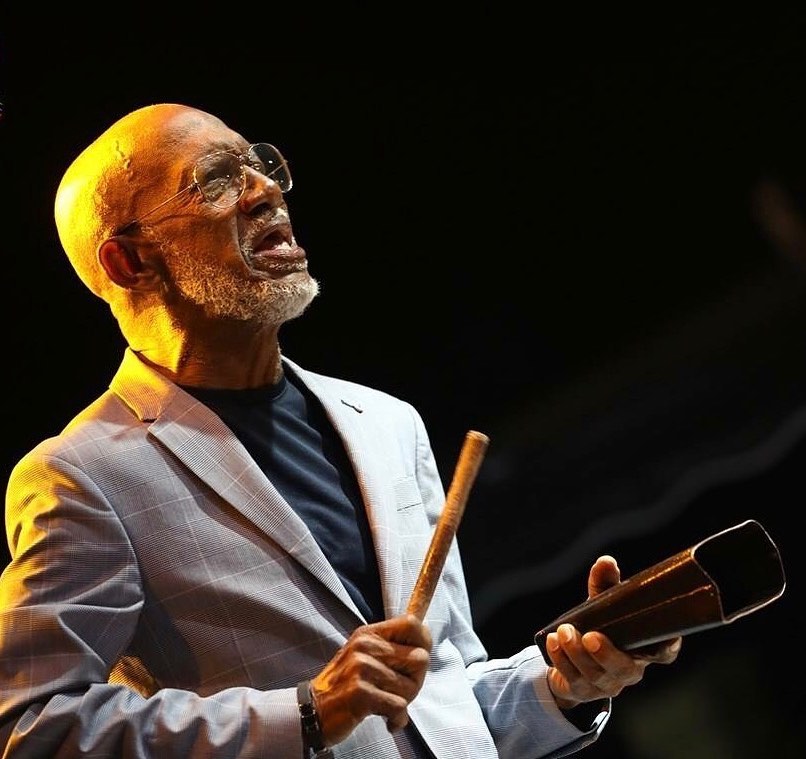
Roberto Roena
Roberto Roena

When she was nine years old, her family moved to Santurce and when she was barely a teenager, she was already appearing on television.

He was discovered by Cortijo in one of his dance performances on the La Taberna India program and from there he became a percussionist for the renowned group. Since then, he has not stopped delighting his followers with his music.

“In these 50 years, there is no greater satisfaction than being able to continue playing,” said Roena, who last Saturday began the celebration of his 50 years in a concert at the Lehman Center of Performing Arts in New York, where he brought together several of the singers who accompanied the group in its beginnings, such as Sammy González, Tito Cruz and Carlos Santos, among others. In addition to the concert, Roena does not rule out going back to the studio to continue shaping her music for posterity.

“This does not mean the end of Roberto Roena and the Apolo Sound. We are going to continue as long as God wants”, he sentenced.
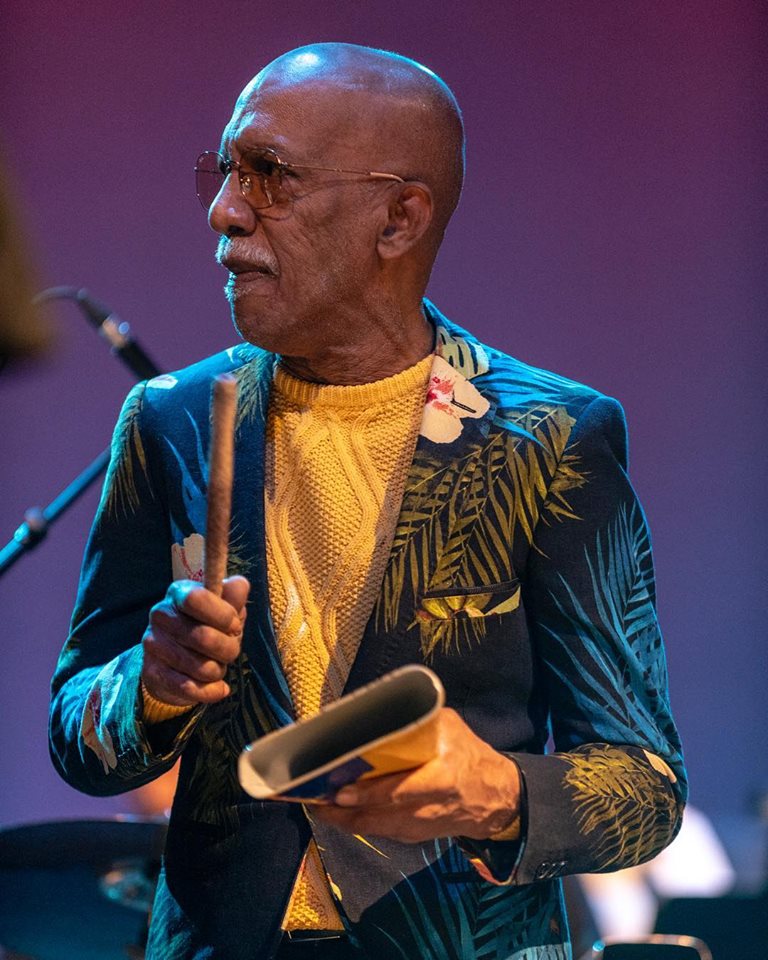
Roberto Roena
Roberto Roena

RELATED ITEMS: 50TH ANNIVERSARY, CENTER OF FINE ARTS P.R., INTERNATIONALS, ROBERTO ROENA AND HIS APOLLO SOUND
http://asondesalsa.com.pa/roberto-roena-y-apollo-sound-celebrara-50-aniversario-en-centro-de-bellas-artes-p-r-para-el-mes-de-junio/

Luis “Perico” Ortiz: six decades of impeccable musical trajectory

The lobby of the Centro de Bellas Artes in Caguas served as a prelude to the concert, entitled Tocando y contando historias (Playing and telling stories), for which we came to enjoy “Perico” and his guests. Mario Ortiz, Jr. brought together a dozen trumpet players (Luis Figueroa, Richie Segarra, Roby Texeira, Rafael Lebrón, Kevin Ibáñez, Ricardo Marrero, Kenneth Torres, Rubén Días, Ricky Zayas and Simón Rivera) to pay tribute to Luis “Perico” Ortiz by performing his most emblematic solo: ‘Coro Miyare’.

Luis "Perico" Ortiz and his Orchestra
Luis “Perico” Ortiz and his Orchestra

Once in the concert hall, the child trumpeter Daniel Torres (whom Perico predicted would be his successor) and Luis “Perico” Ortiz kicked off the concert with a fun trumpet correspondence. The musicians, turned into actors, shared with us the scene in which we saw Luis “Luisín” Ortiz as a child, playing ‘Quítate de la vía Perico’ with his trumpet; introduction that gave way to the custodian of Ismael Rivera’s legacy (“Moncho” Rivera) to sing the emblematic theme to which “Perico” owes his nickname, while the audience enjoyed images of “Maelo” on a giant screen. The short film defined how “El Sonero Mayor”, personified by “Moncho” told “Luisín”, that from that moment on he would be called “Perico”.

Moncho also interpreted ‘Bilongo’, a song in which Richard Carrasco stood out on the bongo after the saxophones made themselves felt with forcefulness. “Perico” also claimed his turn with the trumpet solo that preceded a resounding “Buenas noches” in the voice of the virtuoso trumpet player.

The orchestra was integrated by: Luis “Perico” Ortiz on musical direction; Yturvides Vilchez, Jan Duclerc and Rolando Alejandro Lora on trumpets; Rafy Torres, Jorge Díaz, Randy A. Román, Mario Alonso Ángel Marulanda on trombones; Roberto Calderón on baritone saxophone, Luis Daniel Valentín Muñiz on tenor saxophone; Antonio Luis Orta and Luis Fernando Hernández on alto saxophones; David Marcano on timbales; Gadwin Vargas Vélez on congas; Richard Carrasco Ayala on bongo; Juan Manuel Rivera Colón on piano; Carlos Luis Martínez Peña on bass; Henry Santiago and David Carrero on backing vocals.

Luis “Perico” Ortiz
Luis “Perico” Ortiz

Then, Henry Santiago received the microphone to sing ‘Tres grandes amigos’. For the song, which refers to Tito Rodríguez, Tito Puente, and Machito; “Perico” introduced “Manolito” Rodríguez and Arianelys Ortiz Cruz, a blind autistic timbalera player.

He was followed by Norberto Vélez, who performed ‘Julián Del Valle’ (1978, Súper salsa) and ‘De patitas’ (1979, Luis “Perico” Ortiz, One of a kind) – songs of great vocal and interpretative difficulty, popularized by the unmistakable voice of Rafael De Jesús – with his usual sympathy. Nor-Bert once again demonstrated his powerful voice, and was matched by the saxophones, whose forcefulness did not diminish the power of Vélez’s voice.

“La India” arrived with her usual energy to interpret ‘Químbara’ and “Manolito” did his part singing ‘La Reina es la rumba’, in company of “La India”, alternating on the soneos.

Coro Miyare” made use of Richard Carrasco’s unbeatable performance in the bongo solo with drumsticks -which had been popularized by Roberto Roena-, followed by the crushing solo by “Perico”, the piano solo by Juan Rivera, the conga solo by Gadwin Vargas and the timbales solo by David Marcano.

Richard Carrasco Ayala en el bongó y Luis “Perico” Ortiz

The highlight of the concert was Gilberto Santa Rosa’s brilliant renditions of ‘Atrevida’ and ‘Planté bandera’; recorded and immortalized by Tommy Olivencia’s La Primerísima, to which Santa Rosa briefly belonged.

After the intermission, as a tribute to the “Niño bonito de la salsa”, “Perico” invited Tony Vega to the stage to perform ‘Así se compone un son’ and ‘Borinquen tiene montuno’, the latter adorned with an elaborate trumpet solo by “Perico”.

“Perico” brought Gerardo Rivas to the stage to perform ‘Río abajo va’ (1985, La vida en broma), popularized in the voice of Domingo Quiñones. Gerardo explained that he had accepted the invitation to participate in the concert without knowing which song he was going to sing, in a clear allusion to the vocal difficulty of reaching Domingo’s vocal register. Gadwin Vargas sprinkled the theme with a conga solo with a mozambique beat, very well achieved. Gerardo’s second song, ‘Perico lo tiene’, brought to the stage the cacique of the Rivas dynasty (“Jerry” Rivas, singer of El Gran Combo de Puerto Rico) on the tres and Richie Bastar (bongos player of La Universidad de la Salsa). While Bastar took over on the bongo and the bell, Richard Carrasco took over the güiro. At the end of the intervention, “Jerry” asked for a round of applause for the mulato mayor, Don Rafael Ithier, who was enjoying the concert with all of us who were there.

Then, “Perico” dedicated ‘Perfume de gardenias’ to his mother; a speech that was enjoyed with an instrumental prelude performed by “Perico” and a great vocalization by “El Caballero de la Salsa”.

Next up was Rubén “Panamá” Blades, who received a standing ovation from the audience. This made visibility difficult, although it did not affect our enjoyment of the audio. Blades was in charge of the big hits ‘Plástico’ and ‘Pedro Navaja’ (1978, Siembra). During ‘Pedro Navaja’ Gadwin Vargas replicated the conga sound that Eddie Montalvo immortalized on the recording.

The stage was full when all the guests arrived to perform ‘Como vivo yo’, after Perico announced with a trumpet solo the song that would end the show.

As Luis “Perico” Ortiz said, the vote of love and confidence that we witnessed there will be remembered as an unrepeatable evening, which detailed what has been six decades of impeccable career that the trumpeter, composer, arranger and music producer has achieved.

Luis “Perico” Ortiz y Gilberto SantaRosa
Bella Martinez Puerto Rico 


Also Read: ¡Attack Sergio! Unbreakable: A fun read because of the contradictory content

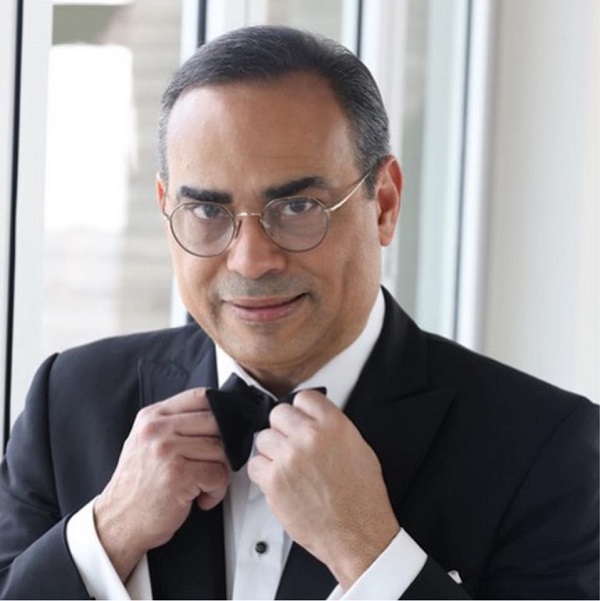
Gilberto Santa Rosa is a Puerto Rican singer, songwriter and sonero better known as “El Caballero de la Salsa” (The Gentleman of Salsa)

Gilberto Santa Rosa (born August 21, 1962) is a Puerto Rican singer, songwriter and also known as “El Caballero de la Salsa” from Carolina, Puerto Rico.

Growing up on the salsa music of the 50’s and 60’s, Rosa became interested in pursuing music during school, participating in her first concert in 1976 while still a tender teenager. After performing with the Mario Ortiz Orchestra.

Gilberto Santa Rosa ex-superior singer and sonero better known as "El Caballero de la Salsa" (The Gentleman of Salsa).
Gilberto Santa Rosa ex-superior singer and sonero better known as “El Caballero de la Salsa” (The Gentleman of Salsa).

Santa Rosa was recruited by La Grande Orchestra where she stayed for two years and met Elías López.

The 1980s brought a series of recordings for the singer with Orquesta Tommy Olivencia, El Gran Combo and the tribute album “Homenaje a Eddie Palmieri” with the Puerto Rican All Stars.

Gilberto Santa Rosa became a unique salsa improviser, walking the line between tropical and romantic styles of music, which contributed to his appreciation and popularity.

In 1986 Rosa signed with Combo Records and among others released the successful albums “Good Vibrations” featuring arrangements by Mario Ortiz, Ramon Sanchez and Tommy Villariny, “Keeping Cool! “and “De Amor y Salso”.

Due to the success of her fourth album entitled “Sala en Movimiento” released in 1989, Rosa signed with CBS Discos who could distribute her music internationally.

Teaming up with the young composer Omar Alfanno on the album “Punto de Vista” Rosa achieved consistent success with a series of hits including “Vivr sin Ella”, Perdoname” and De Cualquier”. The successor album “Perspectiva” released in 1991 was the Salsero’s biggest hit to date and included many of the same collaborators as its predecessor.

In 1990 Rosa was awarded the Billboard Lo Nuestro Award for Best Male Singer, recorded a live album at Carnegie Hall Theatre in New York, USA, the first tropical salsa artist to do so, and acted as Puerto Rican goodwill ambassador to Japan where he sang “De Cara al Viento” in Japanese.

Santa Rosa was recruited by La Grande Orchestra where she stayed for two years and met Elías López.

The singer generated a string of hits throughout the 1990s, always altering his particular sound and diversifying his music. From the orchestral “De Cara al Viento” (1994) and the energized “Esencia” (1996) to “De Corazón (1997) and “Expresión (1999).

At this point Rosa’s popularity and success had increased and the singer seemingly could do no wrong, with Rosa’s subsequent albums achieving both critical and commercial success, including 2002’s “Viceversa” which produced the hits “Por Más Que Intento” and “Un Montón de Estrellas”.

Santa Rosa ha sido honrada por Union City, New Jersey, USA con una llave de la ciudad y una estrella en su Paseo de la Fama, tiene el record de la mayor cantidad de álbumes número uno en la lista Billboard Tropical Albums, así como la mayor cantidad de nominaciones al Grammy por Mejor Salsa.

Canto y grabo varias producciones con el Maestro Mister “AFINQUE” Don Willie Rosario y ese fue el puente para grabar como solista.

En 1981, Gilberto Santa Rosa se unió a la banda Willie Rosario y su Orquesta, con la que grabó seis discos de larga duración. Su primera grabación se presentó en el álbum The Portrait Of a Salsa Man, en el sello Top Hits.

Canciones como “El Antifaz”, “La Mitad” y “El Condenado” se escuchan en la voz de Gilberto Santa Rosa, quien compartió la parte vocal con Tony Vega y Bobby Concepción en dicho álbum.

1982: Willie Rosario y su Orquesta graban el álbum Atízame el fogón para el sello Top Hits. Bobby Concepción, Tony Vega y Gilberto Santa Rosa participan como cantantes en este LP.

1983: El cantante santurcino participa en el álbum de Willie Rosario y su Orquesta, The Salsa Machine, en el sello Top Hits, de este álbum, canciones como “Amigo” y “Cuando Se Canta Bonito” son vocalizadas por Gilberto Santa Rosa.

Gilberto Santa Rosa (born August 21, 1962)

1984: Gilberto Santa Rosa comparte voz con Tony Vega en el álbum de Willie Rosario y su Orquesta llamado Nuevos Horizontes, publicado por Bronco Records, en ese álbum se grabó el tema “Lluvia”, uno de los primeros éxitos de nuestro caballero de la salsa. .

Willie Rosario celebrará 100 años de vida con un gran concierto en el Coliseo de Puerto Rico.

Para la celebración musical estará acompañado por sus amigos y colegas, Gilberto Santarosa y Tony Vega,

El legendario músico puertorriqueño Willie Rosario celebrará sus 100 años de vida en 2024 con un gran concierto en su tierra natal el próximo 27 de abril, junto a dos de los ilustres intérpretes que integraron su orquesta, Gilberto Santa Rosa y Tony Vega.

Willie Rosario celebrará 100 años de vida con un gran concierto en el Coliseo de Puerto Rico.

Source:

El Nuevo Dia

Also Read: The Royalty of our Latin Music Pete “El Conde” Rodríguez first singer signed by Fania Records label

Musical history of Roosevelt Cordova ”El Presidente de La Salsa”

Just as the case of Cuba and Puerto Rico, Peru has also given birth to many salsa exponents worthy of being highlighted and one of them is the talented Roosevelt Cordova, artistically known as ”El Presidente de La Salsa”. 

The sonero has a very interesting career behind him, so we decided to contact him and know a little more about his personal and professional life. Roosevelt responded by thanking us for the opportunity and finally, we were able to agree on a day and time to talk about issues of interest around his figure.  

Roosevelt El Presidente de La Salsa
This is Roosevelt Cordova ”El Presidente de La Salsa”

His taste in music since he was a child 

As has happened with many other salseros, Roosevelt also fell in love with music when still a child, but without knowing at the time that this is what he would dedicate his life to later. 

He always saw his family enjoying music at amateur level, which awakened in him a taste for this branch of art. However, his journey in this world did not begin with salsa, but with Peruvian waltzes and Creole music. It was not until he turned 17 that he became interested in salsa because an uncle of his signed him up for a contest called ”Buscando Un Sonero”, taking third place among 84 participants in total. 

Thanks to his performance in the contest, he was proposed to join the orchestra Camagüey, but his father refused because of all the excesses that an artist must face and he considered that his minor son was not ready for that. On the contrary, he preferred his son to be interested in other activities such as sports and leave music for later.  

In addition to this, the great references in which Roosevelt was inspired to follow his path have been El Gran Combo de Puerto Rico, Willie Rosario, Gilberto Santa Rosa, Héctor Lavoe, La Fania All Stars, among others.   

Roosevelt in Los Angeles 

It wasn’t until Roosevelt, at the age of 25, left for the United States that he could pursue his dreams and become the artist he dreamed he would be.   

He did not initially plan to devote himself to music, as he simply wanted to progress in life like any other immigrant, but it was not long before he decided to take the bully by the horns and return his great passion. It is then when he recorded an entire Peruvian Creole music album, but soon left this genre to return to recording salsa. 

This is how he began to seize every opportunity to participate in salsa orchestras to gain experience little by little.   

The first group he belonged to was La Sonora Santiaguera, which he joined in 1998, but from then on, there were many others with which Roosevelt learned much of what he knows today as an artist. 

Roosevelt in La Sonora and El Conjunto
Roosevelt Cordova belonged to La Sonora Santiaguera and Johnny Polanco Y Su Conjunto Amistad

One of the most important orchestras he belonged to was Johnny Polanco Y Su Conjunto Amistad. After all the experience gained so far, Roosevelt was encouraged to personally look for Johnny to talk to him at El Floridita, where El Conjunto Amistad performed weekly. 

The artist told the leader of the group he was a singer and wanted a chance in his group. After hearing him sing with his musicians that same night, Johnny invited him over to his home to give him a cassette with all the songs he had to learn to work formally with them. Two weeks later, he was already making his debut with Johnny and El Conjunto Amistad. His entry into the group coincided with the farewall of the lead singer, something that was just perfect for Roosevelt. 

Other groups 

After leaving El Conjunto Amistad, Roosevelt continued his career and joined Ángel Lebrón y Su Sabor Latino, with whom he recorded a full album. Some time later, he joined Guapacha Latin Jazz led by the Venezuelan Gil Tower, with whom the Peruvian has an excellent personal relationship, despite having separated professionally. 

In 2011, he became part of Conjunto Oye, which Roosevelt thinks is the best moment of his career because he was able to be himself within the orchestra and express his art with independence, something difficult in his previous groups. It was here that he had the growth he really needed to get ready and to take up greater challenges in the future.   

Solo career  

The information we found about his solo career revealed that Roosevelt went solo in 2019, but he corrected us by saying that, in reality, his first solo album ‘‘Un Nuevo Cantante” was recorded in 2018, which is when he really decided to open paths on his own. 

Although he says he is grateful to all the bands he has played in, he also adds that there comes a point in life where every artist wants to build his own path when he already fulfil the conditions for that. In his case, he already had experience in singing, composing and creating useful contacts, so he gave himself the opportunity to try. The best thing is that his wife supported him at all times and, today, she continues to be his rock in whatever he sets out to do.   

He also noted that he dreams of having his own orchestra someday and that it is important to have dreams in order to get where you want to be.  

Roosevelt singing
Roosevelt Cordova singing on stage


Roosevelt Cordova ”El Presidente de La Salsa”

When we wanted to know the origin of his artistic name, he laughingly told us that it is all abut his first name. Let us remember that Franklin Delano Roosevelt was President of the United States and his last name coincides with the singer’s first name. 

When someone approached him to ask for a picture and asked his name, he said he had the same name as former U.S. President Roosevelt. Since this situation constantly repeated, his wife proposed him to use this to create a stage name for himself. That is how ”El Presidente de La Salsa” was born. 

Llegó La Navidad 

Currently, Roosevelt is currently promoting his new Christmas song ”Llegó La Navidad” of his own authorship. The idea of composing the song came from his wife and daughter, who insisted that it was time for him to release music written by himself.   

So, he started the writing with the chorus and, from there, continued with the rest of the song. This is a technique he uses regularly when composing, as he ensures that people always remember the chorus more than the rest of the lyrics, so he always strives to have a catchy chorus that stands out in the public’s mind. 

Read also: We bring trombonist Félix O. Rodriguez from Santurce to ISM 

Christmas salsa albums to listen to this December

Christmas albums 

Christmas is one of the best times to celebrate with family and friends and a very important element of any celebration is music, especially in Latin countries and communities.   

Because we are in December, we thought it would be a great occasion to relive some of the most iconic salsa albums of all time with which our dear readers can enjoy this wonderful month at the rhythm of the most joyful Latin music from some of the best exponents of the genre.  

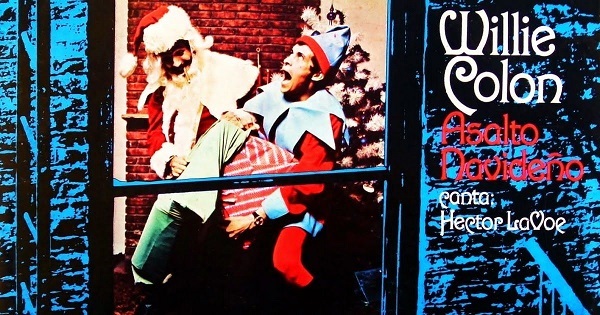
Asalto Navideño Vol. 1 

This album should never miss in a list of this type and it could not be in another way, since it is part of the incredible path traveled by the New York orchestra Willie Colón & Héctor Lavoe. The material is the group’s sixth studio album and was recorded during the first week of December 1970.  

Prior to this, the boom that was taking the orchestra in those years made Jerry Masucci and Johnny Pacheco suggest to the artists that they take advantage of the fame they had harvested so far to create an album dedicated to Christmas, which they both gladly accepted.  

It is then when they got hands on and invited the talented musician Yomo Toro to participate in the album. The artist was not well known by the fans, but he ended up occupying a very important place in the final result. 

Although at first, the material was focused on honoring Puerto Rico, but ended up embracing the Latin community living in the U.S., which had been the main responsible for the strengthening of salsa in the liking of the people and the profit received the Fania Records label. 

The album was recorded in the studios of Fania Records in New York and had a total of 12 songs dedicated to the most beautiful time of the year. Aires de Navidad” and ”La Murga” are among the most successful tracks of the album and the most listened to so far. 

album Asalto Navideño
Cover of the album ”Asalto Navideño Vol. 1”

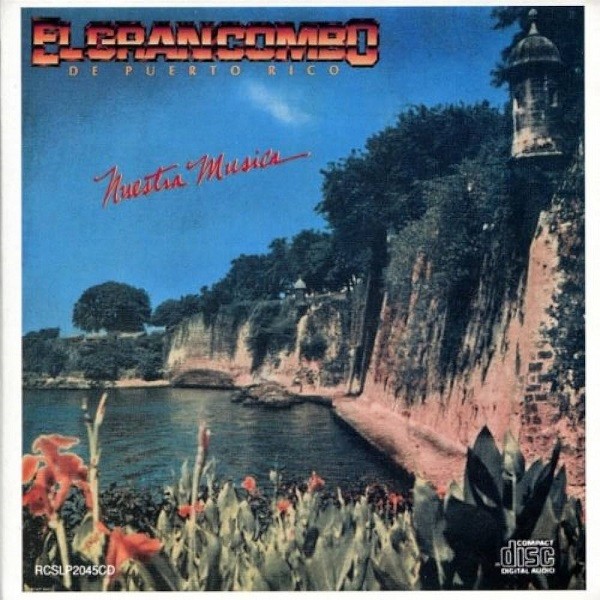
Nuestra Música 

El Gran Combo de Puerto Rico never disappoints and certainly did not do it with its Christmas production ”Nuestra Música”, with which it seeks to pay tribute to this wonderful time and put everyone on dance in their homes during the Christmas holidays.   

The album was released in 1985, the year in which salsa was going through a very challenging time, since merengue was gaining a lot of momentum, displacing the aforementioned genre to some extent. However, this was no impediment for the orchestra to demonstrate, contrary to what many believed, that salsa was more alive than ever.   

The album’s release was surprising as well as exciting for the fans of El Gran Combo de Puerto Rico, which managed to rescue much of the holiday spirit that was lost and gave life to hits such as ”La Fiesta de Pilito”, ”Desenfunda”, ”Arbolito” and ”No Hay Cama Pa’ Tanta Gente”. 

album Nuestra Música
Cover of the album ”Nuestra Música”

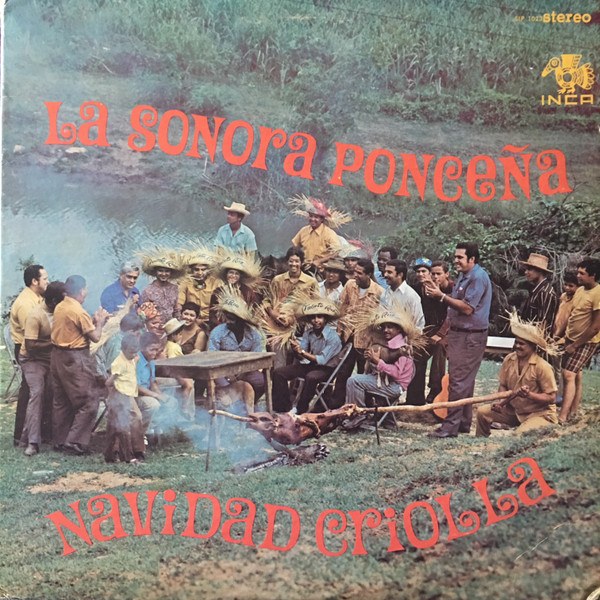
Navidad Criolla 

Another great recor production that could not miss in this list is ‘‘Navidad Criolla’’ by La Sonora Ponceña. A very particular and different thing about this Christmas album is that, instead of using the typical Christmas aguinaldos, salsa dura is the predominant genre. However, the vocalists and musicians do their best to maintain the essence of Christmas at all times. 

The album was released in 1978 and includes the unmistakable voices of Luigi Texidor and Tito Gómez, who add an exciting and cheerful touch to the music with the power of their vocal cords. In addition to that, Adalberto Santiago and Yayo El Indio participated on backing vocals along with the talented musicians of the group.   

The album includes songs such as ”Aguinaldo Antillano”, ”De Noche Buena”, ”Canción de Navidad”, ”Vamonos Pa’l Campo”, among others.  

album Navidad Criolla
Cover of the album ”Navidad Criolla”

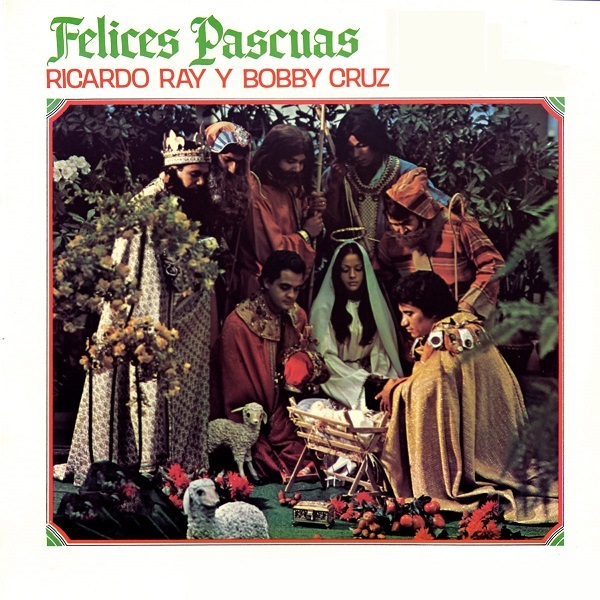
Felices Pascuas 

Ricardo Ray and Bobby Cruz delighted the public during the December holidays in 1971 with this extraordinary musical work with which they conquered the public one of those countless times they did it.  

Ricardo delighted the duo’s fans from the piano and musical arrangements, while Bobby was on voice and backing vocals. Both artists were accompanied by Miki Vimari on voice and backing vocals, Ismael Cocolia Rodríguez and Ismael Rivera on trumpet, Manolito Gonzales on bongos, José Hidalgo on conga, Charlie Cotto on timbales and Plito Huertas on bass.   

Among some of the best-known tracks of the album, we can mention ”Bomba en Navidad”, ”Mi Niñez”, ”Aguinaldo Navideño”, ”Kyrie Eleison”, ”Sinfonia To Cantata No, 29”, and so on. 

album Felices Pascuas
Cover of the album ”Felices Pascuas”

Read also: Legacy of the Cepeda family after eight generations 

  • « Go to Previous Page
  • Page 1
  • Interim pages omitted …
  • Page 4
  • Page 5
  • Page 6
  • Page 7
  • Page 8
  • Interim pages omitted …
  • Page 24
  • Go to Next Page »

International Salsa Magazine (ISM) is a monthly publication about Salsa activities around the world, that has been publishing since 2007. It is a world network of volunteers coordinated by ISM Magazine. We are working to strengthen all the events by working together.