• Skip to primary navigation
  • Skip to main content

International Salsa Magazine

  • HOME
  • Previous editions
    • 2026
      • ISM / March 2026
      • ISM / February 2026
      • ISM / January 2026
    • 2025
      • ISM / December 2025
      • ISM / November 2025
      • ISM / October 2025
      • ISM / September 2025
      • ISM / August 2025
      • ISM / July 2025
      • ISM / June 2025
      • ISM / May2025
      • ISM / April 2025
      • ISM / March 2025
      • ISM / February 2025
      • ISM / January 2025
    • 2024
      • ISM / December 2024
      • ISM / November 2024
      • ISM / October 2024
      • ISM / September 2024
      • ISM / August 2024
      • ISM / July 2024
      • ISM / June 2024
      • ISM / May 2024
      • ISM / April 2024
      • ISM / March 2024
      • ISM / February 2024
      • ISM / January 2024
    • 2023
      • ISM / December 2023
      • ISM / November 2023
      • ISM / October 2023
      • ISM – September 2023
      • ISM – August 2023
      • ISM July 2023
      • ISM Edition June 2023
      • ISM – May 2023
      • ISM April 2023
      • ISM March 2023
      • ISM February 2023
      • ISM January 2023
    • 2022
      • ISM December 2022
      • ISM November 2022
      • ISM October 2022
      • ISM September 2022
      • ISM August 2022
      • ISM July 2022
      • ISM June 2022
      • ISM May 2022
      • ISM February 2022
      • ISM January 2022
    • 2021
      • ISM December 2021
      • ISM November 2021
      • ISM October – 2021
      • ISM September 2021
      • ISM August 2021
      • ISM July 2021
      • ISM May 2021
      • ISM April 2021
      • ISM June 2021
      • ISM March 2021
      • ISM February 2021
      • ISM January 2021
    • 2020
      • ISM December 2020
      • ISM November 2020
      • ISM October 2020
      • ISM September 2020
      • ISM August 2020
      • ISM July 2020
      • ISM June 2020
      • ISM May 2020
      • ISM April 2020
      • ISM March 2020
      • ISM February 2020
      • ISM January 2020
    • 2019
      • ISM December 2019
      • ISM November 2019
      • ISM October 2019
      • ISM Septembre 2019
      • ISM August 2019
      • ISM July 2019
      • ISM June 2019
  • Spanish
  • Download Salsa App
    • Android
    • Apple

Search Results for: Havana

Pancho Quinto is considered one of Cuba’s great rumberos

On April 23, 1933, in the Havana neighborhood of Belen, Francisco Hernandez Mora, known as “Pancho Quinto”, was born.

Remembered man of the Cuban rumba to which he imprinted his own styles.
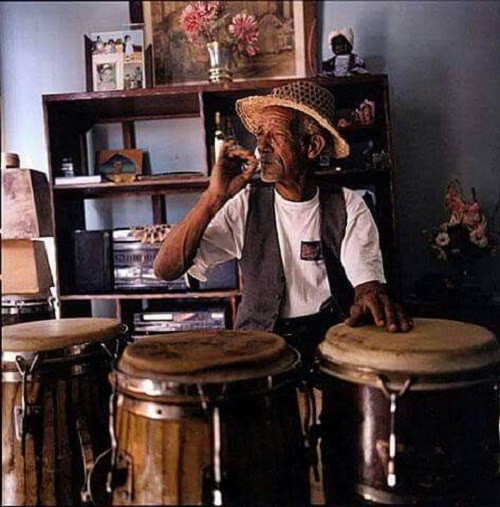
Pancho Quinto es considerado como uno de los grandes rumberos de Cuba

He accompanied for a long time with his percussion the Las D’Aida Quartet and the Canadian artist Jane Bunnett.

Considered as one of the great rumberos of Cuba by introducing new styles in the Cuban rumba whose artistic baptism was given in the famous comparsa of Los Dandys.

He performed in several groups such as Los Componentes de Batea, Los Guaracheros de Regla and other groups whose banner was the tambor bata, he had a brief stint with the Sonora Matancera and played in the orchestra that accompanied the Cuarteto Las D’Aida at the Tropicana Club.

Later he founded the Guaguancó Marítimo Portuario, a group that became the popular Yoruba group Andaba, which performed with the Canadian artist Jane Bunnett, with whom Pancho Quinto collaborated in other productions, and in the twilight of his career he had three productions as a soloist. This rumbero percussionist lived 71 years.

He was preceded by the sonorous echo of Pablo Roche’s bata lucumí juramentados. Such was the heritage that little Pancho gathered when he arrived in this world in the arms of his great-grandmother Camila, with no other identity than his African blood and his diagonal marks on his face, as was the ancestral custom of his family Ilé in the Gold Coast.

That night the conch shells spoke, and from that moment the child was consecrated to the deity of Shangó, god of music and drums.

He received on his right wrist a leather strap with fine bells, which, according to custom, would protect him and his drums from the bad influences of destiny.

Perhaps that is the reason why Pancho Kinto, when he played, knew that his music reached his ancestors in Oyó, beyond time, light and the Atlantic.

This man, a port man for most of his life, inherited the natural wisdom of those princes who came as slaves to Cuba.

In Pancho’s veins runs the blood of Añadí, a respectable warrior in his tribe who adopted the name of Año Juan in the Cuban sugar mills, that of Atandá, olú batá and drum sculptor in the Yoruba people. He was known here as ño Filomeno.

Both built and endowed with religious foundations the first set of bata drum that was born in the island, and from that remote time the sacred song of the orchestra consecrated to the lucumí altar was heard.
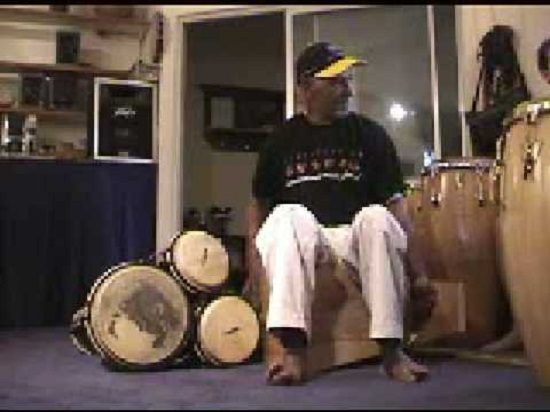
Un 23 de abril de 1933 en el habanero barrio de Belén, nació Francisco Hernández Mora, conocido como Pancho Quinto.

It could be said that they were the survivors of the total of slaves that arrived to America, there is an estimate of fifteen million according to data that I heard the Cuban investigator Leovigildo Lopez say when the first Yoruba congress, celebrated in the Palace of the Conventions in Havana.

But to that fantasy that leads men to the inspiration of that mysterious and mythical love towards life, to that renewed and novel way of singing, dancing, playing, turning the palpable into spiritual and the intangible into vital, men like Francisco Hernández Mora pay tribute, exponent of those traditions that merged in our continent and whose result is none other than the embrace between blacks and whites, although there are groups or castes that do not assimilate it as it is.

I learned a lot with Pablo,” said Pancho in this interview in 1994, when he was just beginning to play with flutist Janet Brunet, with whom he toured internationally, recorded and filmed in Canada.

Pablo was called Akilakua, powerful arm, he was a big black man, he goes on talking, with all gold teeth, ugly as his mother’s pussy, but with something special in his personality.

Of the historical drums he commented that they passed from the hands of the olú batá Andrés Roche to those of his son, later considered one of the greatest bataleros of these times.

Pablo’s father was called the Sublime, because of the way he played the original African bata, he did whatever he wanted with those hands. he added.

Paradoxically, the life of both has always been an unknown for those who try to unravel it or look for a chronological order, as it has almost always happened with many rumberos and composers, I am thinking now of Tío Tom or Chavalonga, but that is not the subject now, What I want to say is that these musicians have been teachers and inspiration for a pleiad of Cuban artists and of other nationalities that with luck have heard of the touches of those drums that officiated in the sacred ceremonies of the orisha pantheons.

From those drums, he commented, were born all the drum sets of secret foundation, because from one is born another, like children.

Among the batá there are two forms, the religious and the aberikula or Jewish, which can even be played by women. Of the old consecrated batá aña there are a few games left in Cuba, but many Jews have emerged, and have lost their orthodox character to serve in many cases for secular parties or to accompany orchestras in public.
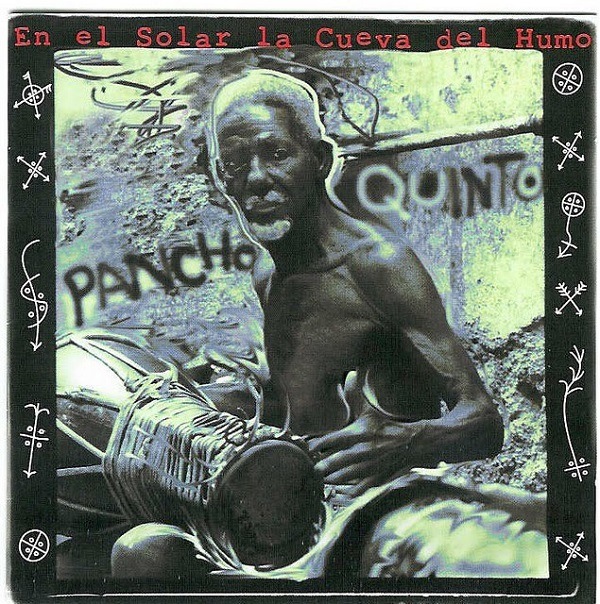
Recordado hombre de la rumba cubana a la cuál le imprimió sus propios estilos

Pancho kinto played with those sworn drums when in the town council of Regla they took out the procession of the virgin, although it was Jesus Perez, another of Roche’s students, to whom it corresponded to offer the first public concert with a robe orchestra, a sacrilege for many at that time, and much more if it was an act in the Aula Magna of the University of Havana.

However, five decades after the writer and ethnologist Fernando Ortiz sponsored that concert, Pancho Kinto played the bata in the same university campus to pay homage to the memory of his ancestors with his sonority.

Pancho was a Cuban musician who learned to play quintiar from a very young age and along with this he made his drums and cajones in his own way, his own inventions, as he said, playing the tumbador with a spoon in his left hand, he was just a party of bata and cajon, I saw him do that many times in the fabulous rumbas that were celebrated in a lot in Campanario, where the group Yoruba Andabo used to meet in its beginnings.

There he became known for being a member of the Cayo Hueso group, but Pancho had been playing with them since they were Guaguancó Marítimo Portuario in the port of Havana.

Originally they were Geovani del Pino, Chang, el Chori, Palito, Fariñas, Callava, Marino, Pancho and others, many are gone forever like Pancho, whose unexpected death surprised everyone on February 11, 2005.
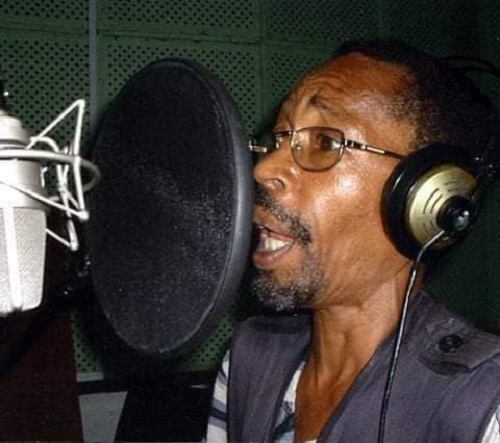
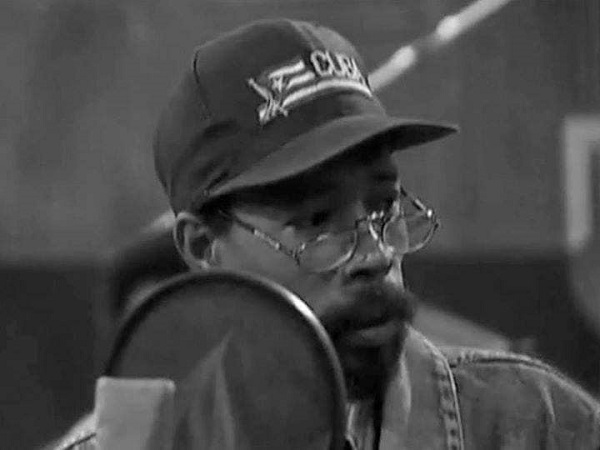
Of those anthological sarayeyeos remains the pleasure of the memory, the pleasant memory of the controversies of the quinto and the columbia dancer, the fraternal brawls between the guanguancó improvisers and the masterful recital of Pancho Kinto with the batá and the cajón.

Also Read: Yilian Cañizares, an excellent Cuban musician, studied in her hometown in the strictest tradition of the Russian school of violin

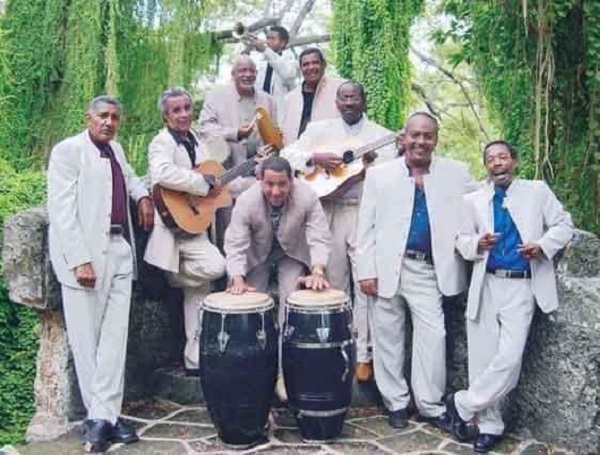
José Antonio “Maceo” Rodríguez was a faithful cultivator of Son Cubano and participated in the Afro Cuban All Stars project

José Antonio “Maceo” Rodríguez was born on April 17, 1950 in Holguín, Cuba.

Famous sonero voice leader of the group Sierra Maestra, he began his career at the beginning of the eighties of the last century with the group Sierra Maestra, integrated by former students of the Polytechnic University José Antonio Echeverría, of Havana, with which he won a televised contest of new musicians.

José Antonio Maceo Rodríguez was a faithful cultivator of Son Cubano and participated in the Afro Cuban All Stars project.

He died at the age of 55 on November 6, 2005 in Copenhagen, Denmark, of a heart attack, after giving a concert with his group at the end of a tour of Europe.

He was born on April 17, 1950 in a modest country house in the vicinity of the Antonio Maceo Sugar Mill, in Cacocun, in the eastern province of Holguin.

Relatives and neighbors say that since he was a child he loved art, music, pirouettes and attracting attention.

October 20, 1976 in Havana, together with his classmates at the José Antonio Echevarría University Center, he founded the musical group Sierra Maestra, called at that time Grupo de Sones de la Facultad de Ingeniería Eléctrica.

Those young dreamers performed in the popular contest “Todo el Mundo Canta”, where they took off on a spiral of success in Cuba and the world.

They traveled to many countries promoting Cuban music. They participated in Festivals of international relevance in Australia, Bosnia, Canada, Croatia, Cyprus, United Kingdom, Greece, Ireland, Israel, Italy, Macedonia, Mexico, Portugal, Puerto Rico, Singapore, Slovenia, Turkey, Yugoslavia and the United States.

A faithful cultivator of Son, Rodríguez participated in the Afro Cuban All Stars project, nominated for a Grammy in 1998 and parallel to the Buena Vista Social Club.

José Antonio Maceo Rodríguez

His excellent voice, comparable according to critics to that of the great cultivators of the genre, was one of the emblematic of the current Cuban dance music scene.

She began recording in 1981 her first album, “Sierra Maestra Llegó con El Guanajo Relleno”, was a silver disc and received excellent reviews. He participated in the Afro Cuban All Stars project, and parallel to the Buena Vista Social Club.

The trumpet player José Alemañy, Cubanisimo, and Juan de Marcos González, founder of the Buena Vista Social Club, were his partners in the group for years, and together they undertook the task of recovering the tradition of famous sones and soneros, revitalizing the genre at a time when other musicians were opting for salsa and more commercial rhythms.

According to the Cuban composer, José Antonio Rodríguez not only possessed a very special voice, “he also had the courage and human qualities to remain faithful to that style, the son style, which is the mother of Cuban music”.

The repertoire of Rodriguez, known as Maceo among his friends and admirers, included, in addition to the great classics of traditional son, pieces that became very popular in his voice, such as Dame un traguito ahora or Esa mujer lo que quiere es que la miren.

Maceo, although small in stature, was an immense man, someone who could not conceive where to keep the torrent of voice he displayed without ostentation, so much musicality, intonation and love for Cuban music.

José Antonio was not only a great musician, he was a great person, very loved by his closest friends and in general by the people whose affection and admiration he won since the participation of Sierra Maestra in the Adolfo Guzmán contest and that thanks to his special way of interpreting the Cuban son, great musicians such as Ignacio Piñeiro’s Septeto were born again in the popular taste.

José Antonio Maceo Rodríguez y su Grupo

The singer died on November 6, 2005, just a few hours after finishing the European tour of Sierra Maestra with a concert at the Amager concert hall in Copenhagen.

With this presentation, the popular band put an end to the performance of all the Cuban artists who participated in the First International Latin Music Festival of that capital. The sonero’s remains were repatriated to Cuba, where he was buried.

Also Read: Bamboleo de Lázaro Valdés is another of those exquisite Cuban products, as well as sweet rum and mild cigars

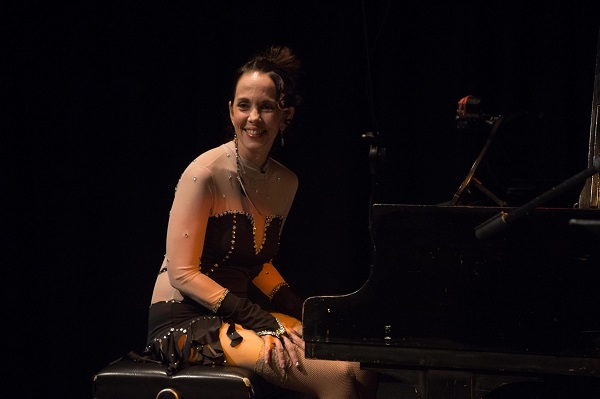
Virginia Ramirez is the artist of the XXI century, the Princess of Piano and Voice, the hope that will save the new generations of anti-music

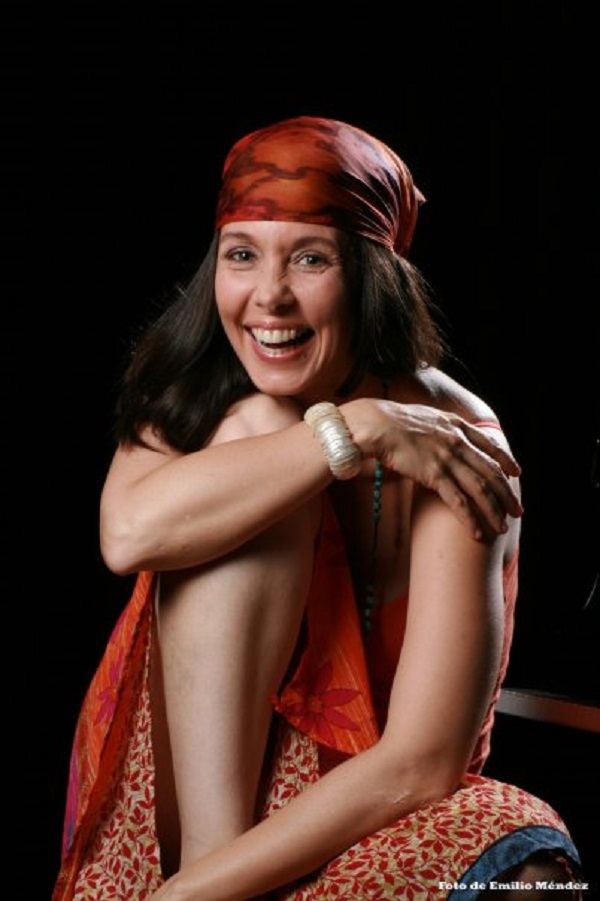
Virginia Ramirez, the talented concert pianist, pianist and singer-songwriter, has been making an impact for her contributions to the music of her country and the world. She was born in the city of San Cristobal, Venezuela and grew up in a family where art, poetry and music were the language of every day.

Virginia Ramírez es la artista del siglo XXI

His mother was a poet (Etha, the Lady of Love), Dr. Enriqueta Martinez, his father Asdrubal Ramirez, a self-taught harpist, guitarist and singer of Venezuelan popular music.

Since she was 7 years old she plays the piano and from a very young age she began to develop her musical skills, she started her training at the Miguel Angel Espinel School with the well-known teachers Edgar Vasquez (Piano) and Heliodoro Contreras (Theory and Solfeo).

She graduated as a pianist, concert pianist and piano teacher at the National School of Music in Havana (Cuba) where she graduated with the highest qualifications and studied at the José Lorenzo Llamozas School and the Simon Bolivar Conservatory of Music.

He has taken courses in harmony and improvisation with professors Gerry Weil, Andres Alen Rodriguez and Mike Orta at the “FIU of Miami” in the jazz department.

Ramirez studied classical piano with Professor Igor Lavrov, recorded her jazz projects with drummer Willy Díaz and bassist José Velázquez in the “Jazz” program of the Venezuelan TV channel “Venezolana de Televisión” in Venezuela on several occasions, and her first album “Espiral de Fuego”.

She participated as a special guest of other groups such as Alberto Borregales and Fredy Roldán and El grupo la Calle.

She participated with a new proposal as a composer and pianist in important Jazz festivals in Venezuela as the “Latin Festival” of the Teatro de la Opera de Maracay (June 2003) and the “Prehot” of the 5th.

Festival de Jazz del Hatillo (October 2003), where he alternated and shared the stage with the American bands of Aaron Thurston (drummer) and Jaime Baum (flutist), receiving excellent reviews from the radio and television press.

She alternates her activity as a jazz concert performer with teaching, as a piano and singing teacher.

In her music school Vicky’s harpsichord.

Her formidable work in music and composition is very beautiful and colorful, because in her proposal she has fused jazz and Afro-Venezuelan elements highlighting the values of Venezuelan and Latin American music and using a variety of drums such as the Culo’e Puya, Quitiplas, Clarines, Cumaco and Chimbangles combining them with the songs of the peoples of the coast of Venezuela making excellent personal harmonic contributions.

He has achieved a high musical concept that has been recognized in the continent and the world, for that incredible capacity to unite the idea of the concert with the characteristics of the Show and for that reason he contributes much more of the pure musical element in each one of his performances.

With a rich repertoire and an unparalleled originality in the world of Venezuelan Female Jazz, this excellent artist is a source of joy and an excellent contribution to the new generations of Jazz.

She has won countless national and international awards and recognitions, among which stand out: World Prize “César Vallejo” for Artistic Excellence, World Prize “El Águila de Oro” for Artistic Excellence 2022, 2023, almo Chispeante prize 2024, awarded by the UHE, world Hispanic writers union, thousand minds for Mexico, and world academy of literature, history, art and culture First Mention in the Juan Sebastián Bach Competition in Havana Cuba.

1993 as a teacher, pianist, concert pianist has participated in various festivals and concerts such as the Fitztrovia Festival in London, in Mexico, Madrid, the south of France, in Colombia with his salsa group tabaco latino, where he performed in different cities, Cali, Bogota and Medellin.

Within the salsa accompanied artists such as: Cheo Feliciano, Hernán Olivera, Meñique Lena Burke the singer Alfredy Bogado of the Venezuelan group “La Calle” and precisely with this group La Calle in the Juan Sebastian Bar when she worked there in 2000 was where they began their activities with salsa in several cycles of pianists, composers and arrangers.

In the Keyboard Museum of Caracas, in a jazz trio with Nene Quintero and William Velázquez on bass, in the Festival a toda Música Caracas, in the opera theater of Maracay and the Simón Bolívar University, among others.

Excellent comments in the national and international critics, have generated the presentation of his CD “Espiral de Fuego” presented by Otmaro Ruiz Jaquest Braunstein and Gerry Weil in his album “Manos y Alma” recorded, outstanding musicians such as: Nene Quintero, Aquiles Baez, Roberto Koch, Gonzalo Teppa.

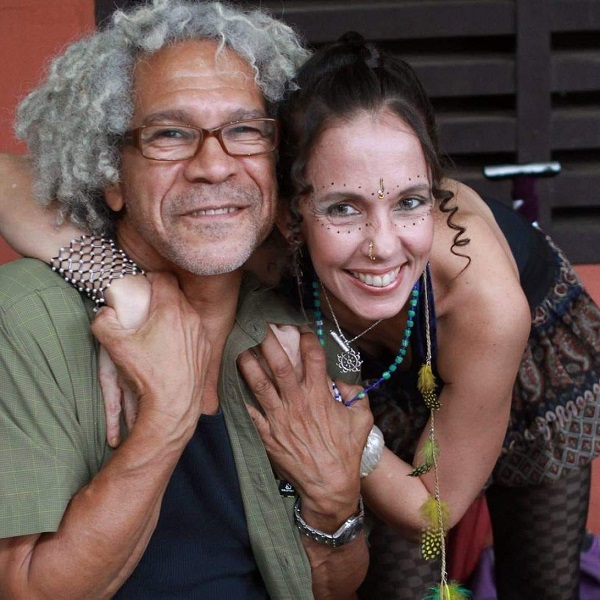
Carlos Nene Quintero y Virginia Ramírez

Special guests: Vasallos del Sol, Aquiles Baez and C4 trio. This album “Manos y Alma” was presented by Aquiles Baez, Luis Perdomo and Pablo Aguirre from the BBC in London, received excellent reviews from the press in the south of France.

Her performance in the church La Canourgue in the south of France accompanied by the musicians Didier Hennot and Tonny Margalejo and her tour of successive concerts, carried out in France in different cities Mende, Saint Privat Des Vieux, Lozere, Ispagnac presenting her albums mentioned above.

She participated in the assembly and production of the play Cabaret with important theater artists such as Francis Rueda, Cayito Aponte, Natalia Martinez, Adrian Delgado, Karl Hoffman, Luis Fernandez performing in the Rios Reyna hall of the Teresa Carreño in different cities of Venezuela.

Virginia had the luxury of playing keyboards in the Kit Kat Club Band directed by Armando Lovera.

Great impact had her album “jazzguinaldos” produced as a trio with musicians Gonzalo Teppa and Nene Quintero, including as special guests Enio Escuariza, composer of all the lyrics of the album.

Her project “Acro Jazz” opens the horizon towards the world of circus arts, performing in different cultural centers of Venezuela musicalizing with the piano circus works and participating herself as a circus artist with the artist Jesús Piña in a pulsating work in the museum of the keyboard, Trujillo, Valencia among other cities with a new band integrated by Rubén Rebolledo Guitar, Willy Díaz Drums, David Rubio Bass and as special guests Jesús Piña and Kerlly Garcia.

He performed in the city of Morelia and Mexico, founded in 2015 a trio with musicians Fernando Mendoza Drums and Flavio Meneses bass, presenting the music of his albums in different nightclubs like Amati, Café de las Rosas, Casa de la cultura de Uruapan, and other cities of Morelia.

Virginia Ramírez, la talentosa concertista, pianista y cantautora

She accompanied drummer Antonio Sanchez in the house of music in Morelia.

Virginia Ramirez has collaborated with different artists of the Venezuelan music scene such as the group Facundo Project a Venezuelan Rock group, the singer Cheo Linares in his album “llegó la Navidad”, the singer Amarilis Bolaño in her album singing Henry Martinez, the singer Alejandra Gonzales in her album “Joyas de mi País” in the album “Tierra Liberada” and in the project “Venezuela demo”.

Ramirez has made music a matter of life and in her habitat of pianist and concert pianist, prepares for this year a vast plan to musicalize the poetry of the greatest poets of the world and a program entitled “La Totalidad de Virginia Ramirez”, by Cabina 11, Canal Global de Queretaro, Mexico, a country that has already known of her beauty and great talent.

I see in Virginia Ramirez, the complete artist with infinite talents as a pianist, singer, composer, songwriter and circus artist, who intentionally projects herself, illuminating the artistic firmament of the world with daring and magical projects that will always surprise the audience and make them feel the desire to ask for more.

Undoubtedly Virginia Ramirez is the artist of the XXI century, the princess of the piano and voice, the hope that will save the new generations of anti-music.

Dr. Carlos Hugo Garrido Chalem president of mil mentes por México and of the UHE Hispanic World Writers Union. President of the world academy of literature, history, art and culture.

Alterna su actividad de concertista de Jazz con la docencia, como profesora de piano y canto en su escuela de música la clave de Vicky.

Also Read: Wilmer Lozano from a very young age his mother saw in him the desire to be a musician

Asia / May 2024

Calibrated maracasBill Martinez

Japan circular flag
JAPAN
DIRECTORY OF NIGHTCLUBS

Bar Mirage
Bar Mirage
5F VORT Roppongi Briller, 3-14-14 Roppongi, Minato-ku
Tokyo 106-0032, Japan
+03-5860-6946

Fiesta
Fiesta Latin Spot Bar
3F, 1 Chome-14-6 Kabukicho, Shinjuku City
Tokyo 160-0021, Japan
+81 90-1086-2878

El Cafe Latino Tokyo
El Cafe Latino
3 Chome-15-24 Roppongi, Minato City
Tokyo 106-0032, Japan
+81 3-3402-8989

JBA
Studio JBA
11-8 HAT Chuo-ku
Chuo City, Tokio 103-0011, Japan
+81 3 62310638

jsdc
Japan Social Dance Club
1-19-5-705 Shibuya-ku
Tokyo 150-0042, Japan
+81 3 5939-7262

Studio Pepe
Studio Pepe
7-17-12 Minato-ku
Tokyo106-0032, Japan
+81 090-4705-715

La Tropi Azabu
La Tropi Azabu
3F Roppongi Azelea Bldf. 1-3-6 Nishi-Azabu, Minato-ku
Tokyo1060031, Japan
+81 3 6804-5776

Latin Club Leon
Latin Club Leon
5-17-6 B1 Shinjuku, Shinjuku-ku
Tokyo 160-0022, Japan
+81 90-6474-5638

Hong Kong `circular flag
HONG KONG
DIRECTORY OF NIGHTCLUBS

PCL
Petticoat Lane
8F, California Tower, 30-32 D’Aguilar Street, Central
Hong Kong, Hong Kong
+852 2808 2893

DANCETRINITY
Dancetrinity
8/F, Fung Woo Centre, 279-281 Des Voeux Road Central
Hong Kong, Hong Kong
+852 9634 9770

Sole Mio Restaurant
Sole Mio
Upper Ground Floor, 51 Elgin Street, Soho. Central
Hong Kong, Hong Kong
+852 5508 8244

Solar LKF
Solar LKF
+2F, Ho Lee Commercial Building, 38-44 D’Aguilar Street
+Central District, Hong Kong 0000
+852 65467339

After Work Salsa Party
Pong, 1st Floor, Ho Lee Commercial Building, 38-44 D’Aquilar Street, Lan Kwai
Fong Central & Western District, Hong Kong
+852 6389 6213

ISRAEL
DIRECTORY OF NIGHTCLUBS

Havana Music Club
Havana Music Club
Yigal Alon St 126
Tel Aviv-Yafo, Israel
+972 3-562-3456

Salsa Carlos
Salsa Carlos
Yegi’a Kapayim St 10, Tel Aviv-Yafo, Israel
+972 54-573-7173

Thailand circular flag
THAILAND
DIRECTORY OF NIGHTCLUBS

bAFROS lOUNGE
Bafros
Sugar Club Complex Sukhumvit Soi 11
Bangkok 10110, Thailand
+66 63 039 8700

Havana Social Cocktail Bar
Havana Social
1/1 Sukhumvit Rd. Soi 11
Bangkok, Thailand
+66 2 821 6111

MillionSpace
MillionSpace Rooftop Bar & Bristro
Soi Sukhumvit 32, Khlong Tan, Khlong Toei
Bangkok 10110, Thailand
+66 83 898 9939
MAY 2024 FESTIVALS by Karina Bernales

Israel circle flag
ISRAEL
Salsa Bachata 2024

Israeli Salsa Congress & Holy Land Salsa Tour

May 23 / 26 2024

Leonardo Club Eilat Hotel
Kampen St
Eilat, Israel 8810201

$ 499

Turkey circle flag
TURKEY
Vivafest 2024 Vivafest Bodrum Summer Dance Holiday

May 15 / 22 2024

La Blanche Island Bodrum
Meşelik, Milas, Pina Yarimadasi
Bodrum, Turkey 48450

€ 100


Asia / April 2024

Calibrated maracasBill Martinez

Japan circular flag
JAPAN
DIRECTORY OF NIGHTCLUBS

Bar Mirage
Bar Mirage
5F VORT Roppongi Briller, 3-14-14 Roppongi, Minato-ku
Tokyo 106-0032, Japan
+03-5860-6946

Fiesta
Fiesta Latin Spot Bar
3F, 1 Chome-14-6 Kabukicho, Shinjuku City
Tokyo 160-0021, Japan
+81 90-1086-2878

El Cafe Latino Tokyo
El Cafe Latino
3 Chome-15-24 Roppongi, Minato City
Tokyo 106-0032, Japan
+81 3-3402-8989

JBA
Studio JBA
11-8 HAT Chuo-ku
Chuo City, Tokio 103-0011, Japan
+81 3 62310638

jsdc
Japan Social Dance Club
1-19-5-705 Shibuya-ku
Tokyo 150-0042, Japan
+81 3 5939-7262

Studio Pepe
Studio Pepe
7-17-12 Minato-ku
Tokyo106-0032, Japan
+81 090-4705-715

La Tropi Azabu
La Tropi Azabu
3F Roppongi Azelea Bldf. 1-3-6 Nishi-Azabu, Minato-ku
Tokyo1060031, Japan
+81 3 6804-5776

Latin Club Leon
Latin Club Leon
5-17-6 B1 Shinjuku, Shinjuku-ku
Tokyo 160-0022, Japan
+81 90-6474-5638

Hong Kong `circular flag
HONG KONG
DIRECTORY OF NIGHTCLUBS

PCL
Petticoat Lane
8F, California Tower, 30-32 D’Aguilar Street, Central
Hong Kong, Hong Kong
+852 2808 2893

DANCETRINITY
Dancetrinity
8/F, Fung Woo Centre, 279-281 Des Voeux Road Central
Hong Kong, Hong Kong
+852 9634 9770

Sole Mio Restaurant
Sole Mio
Upper Ground Floor, 51 Elgin Street, Soho. Central
Hong Kong, Hong Kong
+852 5508 8244

Solar LKF
Solar LKF
+2F, Ho Lee Commercial Building, 38-44 D’Aguilar Street
+Central District, Hong Kong 0000
+852 65467339

After Work Salsa Party
Pong, 1st Floor, Ho Lee Commercial Building, 38-44 D’Aquilar Street, Lan Kwai
Fong Central & Western District, Hong Kong
+852 6389 6213

ISRAEL
DIRECTORY OF NIGHTCLUBS

Havana Music Club
Havana Music Club
Yigal Alon St 126
Tel Aviv-Yafo, Israel
+972 3-562-3456

Salsa Carlos
Salsa Carlos
Yegi’a Kapayim St 10, Tel Aviv-Yafo, Israel
+972 54-573-7173

Thailand circular flag
THAILAND
DIRECTORY OF NIGHTCLUBS

bAFROS lOUNGE
Bafros
Sugar Club Complex Sukhumvit Soi 11
Bangkok 10110, Thailand
+66 63 039 8700

Havana Social Cocktail Bar
Havana Social
1/1 Sukhumvit Rd. Soi 11
Bangkok, Thailand
+66 2 821 6111

MillionSpace
MillionSpace Rooftop Bar & Bristro
Soi Sukhumvit 32, Khlong Tan, Khlong Toei
Bangkok 10110, Thailand
+66 83 898 9939
APRIL 2024 FESTIVALS by Karina Bernales

Egypt cicrcle flag
EGYPT
Hurghada 2024

Egypt Sensual Festival

Apr 10 / 19, 2024

Cleopatra Luxury Resort Makadi Bay
Safaga Rd, Makadi، Red Sea Governorate
Hurghada, Egypt 84515

UNITED ARAB EMIRATES
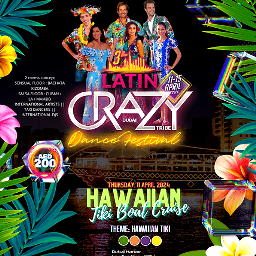
Dubai, Haw-2024

Latin Crazy Tribe Dance Festival

Apr 11 / 15, 2024

Dubai Crazy Tribe Dance Festival
Concorde Tower, Apt 814
Dubai, United Arab Emirates

Fuji Habibi 2024

Fujairah Latin Festival AKA Fuji Fuji

Apr 29 / May 05, 2024

Royal M Al Aqah Beach Resort
Dibba Road Al Aqah Beach
Fujairah, United Arab Emirates

Thailand circular flag
THAILAND
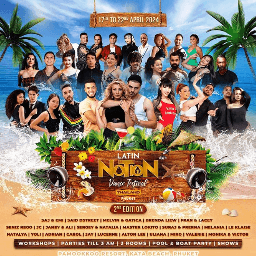
Latin Notion 2024

Latin Notion Dance Festival

Apr 17 / 22, 2024

Pamookkoo Resort
70/1 Thanon Kata, Tambon Karon, Amphoe Mueang Phuket, Chang Wat
Phuket, Thailand 83100


  • « Go to Previous Page
  • Page 1
  • Interim pages omitted …
  • Page 11
  • Page 12
  • Page 13
  • Page 14
  • Page 15
  • Interim pages omitted …
  • Page 38
  • Go to Next Page »

International Salsa Magazine (ISM) is a monthly publication about Salsa activities around the world, that has been publishing since 2007. It is a world network of volunteers coordinated by ISM Magazine. We are working to strengthen all the events by working together.