• Skip to primary navigation
  • Skip to main content

International Salsa Magazine

  • Home
  • Previous editions
    • 2025
      • ISM / November 2025
      • ISM / October 2025
      • ISM / September 2025
      • ISM / August 2025
      • ISM / July 2025
      • ISM / June 2025
      • ISM / May2025
      • ISM / April 2025
      • ISM / March 2025
      • ISM / February 2025
      • ISM / January 2025
    • 2024
      • ISM / December 2024
      • ISM / November 2024
      • ISM / October 2024
      • ISM / September 2024
      • ISM / August 2024
      • ISM / July 2024
      • ISM / June 2024
      • ISM / May 2024
      • ISM / April 2024
      • ISM / March 2024
      • ISM / February 2024
      • ISM / January 2024
    • 2023
      • ISM / December 2023
      • ISM / November 2023
      • ISM / October 2023
      • ISM – September 2023
      • ISM – August 2023
      • ISM July 2023
      • ISM Edition June 2023
      • ISM – May 2023
      • ISM April 2023
      • ISM March 2023
      • ISM February 2023
      • ISM January 2023
    • 2022
      • ISM December 2022
      • ISM November 2022
      • ISM October 2022
      • ISM September 2022
      • ISM August 2022
      • ISM July 2022
      • ISM June 2022
      • ISM May 2022
      • ISM February 2022
      • ISM January 2022
    • 2021
      • ISM December 2021
      • ISM November 2021
      • ISM October – 2021
      • ISM September 2021
      • ISM August 2021
      • ISM July 2021
      • ISM May 2021
      • ISM April 2021
      • ISM June 2021
      • ISM March 2021
      • ISM February 2021
      • ISM January 2021
    • 2020
      • ISM December 2020
      • ISM November 2020
      • ISM October 2020
      • ISM September 2020
      • ISM August 2020
      • ISM July 2020
      • ISM June 2020
      • ISM May 2020
      • ISM April 2020
      • ISM March 2020
      • ISM February 2020
      • ISM January 2020
    • 2019
      • ISM December 2019
      • ISM November 2019
      • ISM October 2019
      • ISM Septembre 2019
      • ISM August 2019
      • ISM July 2019
      • ISM June 2019
      • ISM May 2019
      • ISM April 2019
      • ISM March 2019
      • ISM February 2019
      • ISM January 2019
    • 2018
      • ISM December 2018
      • ISM November 2018
      • ISM October 2018
      • ISM September 2018
      • ISM August 2018
      • ISM July 2018
      • ISM June 2018
      • ISM May 2018
      • ISM April 2018
      • ISM March 2018
      • ISM February 2018
      • ISM January 2018
    • 2017
      • ISM December 2017
      • ISM November 2017
      • ISM October 2017
      • ISM September 2017
      • ISM August 2017
      • ISM July 2017
      • ISM June 2017
      • ISM May 2017
      • ISM April 2017
  • Download Salsa App
    • Android
    • Apple
  • Spanish

Search Results for: La Sonora Matancera

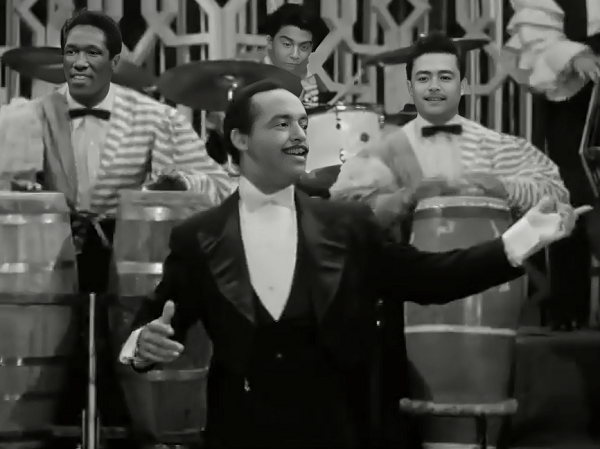
La Sonora Matancera musical congregation of long trajectory and its sound quality, is one of the most popular in the Caribbean island “Cuba”

It was founded in Matanzas in 1924 under the name of La Tuna Liberal.

Its first members were: Valentín Cané, director and tres player, Manuel Valera, guitar and second voice, Manuel Sánchez (Jimagua), timbal, Ismael Governa, cornetín, Pablo Vázquez Govín (Bubú), double bass, Domingo Medina, guitar, Ismael Goberna, cornetín, Julio Govín, guitar, José Manuel Valera, guitar, Juan Bautista Llopis, guitar.

In 1926 Carlos Manuel Díaz Alfonso (Caíto), falsetto voice and maracas, and Rogelio Martínez Díaz (El Gallego), guitar, joined the group and it adopted the name Sexteto Soprano.

On January 12, 1927, under the name of Estudiantina Sonora Matancera, they moved to Havana. In November of that year they recorded their first two recordings for the Victor label: Fuera, fuera, chino, by José Manuel Valera, and El porqué de tus ojos, by Valentín Cané.

With the definitive name of Conjunto Sonora Matancera, it began its transmissions on the radio station El Progreso Cubano (later Radio Progreso). At that time it appeared on Radio Atwater Kent; in 1932, at the suggestion of Rogelio Martínez Díaz, it took the name of Sonora Matancera, and began its performances in the Havana Sport dance academies, and later in Marte and Belona, and later became part of the cast of CMQ Radio. In 1935, trumpeter Calixto Leicea joined the group; in 1939, composer, pianist and orchestrator Severino Ramos, who gave the Sonora its distinctive sound with his orchestrations.

La Sonora Matancera congregación musical de larga trayectoria y su calidad sonora, es una de las más populares en la isla caribeña “Cuba”

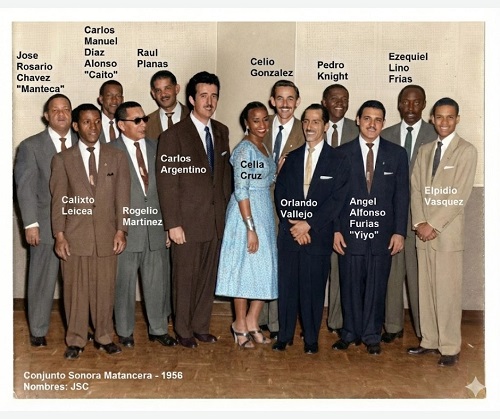
In 1944 pianist Lino Frias and trumpeter Pedro Knight Caraballo joined the group, who with Calixto Leicea formed the most interesting trumpet duo in the history of Cuban ensembles; in 1945 singer Bienvenido Granda Aguilera; in 1948, Angel Alfonso Furias (Yiyo), tumbadora. At this time the Sonora Matancera was formed by Rogelio Martínez Díaz, director, guitarist and chorus; Pablo Vázquez Govín (Bubú), double bass; José del Rosario Chávez (Manteca), timbal; Ángel Alfonso Furias (Yiyo), tumbadora, who replaced Valentín Cané; Calixto Leicea, first trumpet; Pedro Knight Caraballo, second trumpet; Lino Frías, pianist; Carlos Manuel Díaz Alfonso (Caíto), falsetto voice and maracas; Bienvenido Granda, singer and claves; and Celia Cruz, who soon became the stellar singer we knew and the mainstay of the Sonora Matancera hits. Thus began a period that critics have called the golden age of the Sonora.

In 1950, with the advent of television, the Sonora Matancera was one of the first musical groups to perform on this medium. It also signed a contract with the Seeco record company, with whose recordings it made a name for itself in the international market. In 1952, Raimundo Elpidio Vázquez replaced his father, Pablo Vázquez, on double bass (when Rogelio Martínez Díaz died in 2001, he took over the leadership of the group).

In 1926, it changed its name to “Septeto Soprano”. That same year, Carlos M. Díaz “Caíto” accompanied Eugenio Pérez in the choir.

Later in 1927, on Caíto’s recommendation, Rogelio Martínez joined the group and the name of the group was changed to Estudiantina Sonora Matancera.
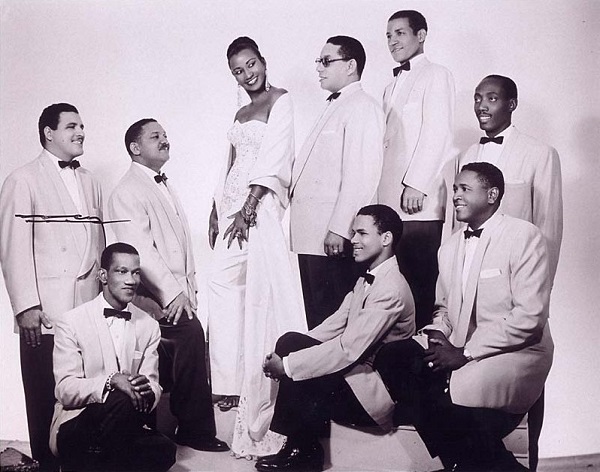
Sonora Matancera
Sonora Matancera

With a great desire to improve the group travels to Havana where they get in touch with the record company “RCA Victor” and make their first recording on January 12, 1928.

At the beginning of the thirties, the group began to adapt to the new rhythms that were appearing at that time as well as adapting new instruments, such as the grand piano, which was played for the first time in the group by Dámaso Pérez Prado, who years later would become the “King of the Mambo”.

But it was in 1935 when the group took the name La Sonora Matancera, and with this change it introduced a new trumpet player: Calixto Leicea, who replaced Ismael Goberna, who died a few months later due to health problems.

The unforgettable José Rosario Chávez “Manteca”, who replaced the resigned “Jimagua”, also joined the band. Humberto Cané joined the group playing the tres and his father Valentín Cané began playing the tumbadora.

In 1938, Dámaso Pérez Prado retired and left the vacant piano position to Severino Ramos, who soon after became the musical arranger of the group.

During the first years of the forties they made presentations in dance academies, cabarets and in Radio Progreso Cubano, they also included in their repertoire: guarachas, montunos.

On January 6, 1944, two musicians from Arsenio Rodriguez’s group joined the group: Lino Frias (author of the popular song Mata Siguaraya) who began to play the piano and Pedro Knight who became the second trumpet player of the Sonora Matancera.

In the month of December, Bienvenido Granda enters the band recommended as vocalist, being his first recording “La Ola Marina” by Virgilio González, and with him they sign a contract with the nascent record label Panart Records. Valentín Cané, Israel del Pino, Caíto and Humberto Cané made recordings with this label.

In the middle of 1946 the founder Valentín Cané suffers asthmatic problems that force him to leave the group, dying two years later. Before the group joined Panart Records, it recorded other songs for the “Varsity” label, without the name of the Sonora Matancera appearing on the labels, here the first version of “Se Formó la Rumbantela” by Pablo Cairo, “Tumba Colorá”, “El Cinto De Mi Sombrero”, Bienvenido Granda and Humberto Cané participated in these numbers.
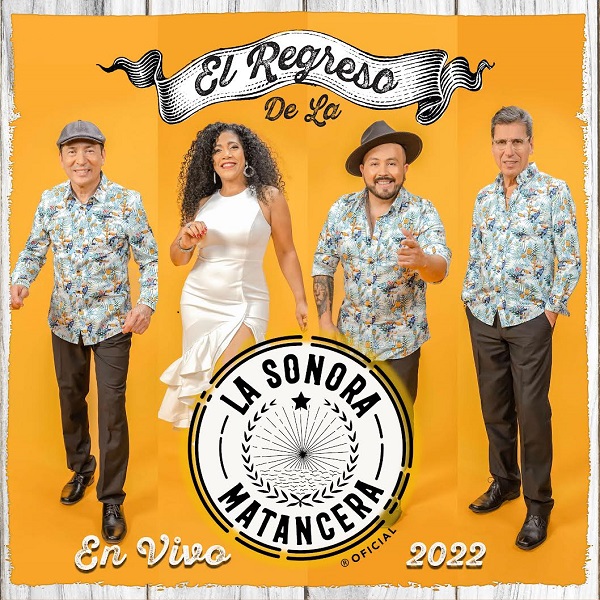
El Regreo de La Sonora Matancera 2022 2023

Members

Trumpets: Calixto Leicea and Pedro Knight

Double Bass: Elpidio Vázquez, replacing his father Pablo Vázquez, “Bubu”.

Piano: Lino Frías

Timbales, Bongó and Campana: José Rosario Chávez “Manteca” Chávez

Tumbadora: Ángel Alfonso Furias “Yiyo”.

Guitar and Choir: Rogelio Martínez

Maracas and Chorus: Carlos Díaz Alonso “Caíto”.

Claves and Choir: Bienvenido Granda.

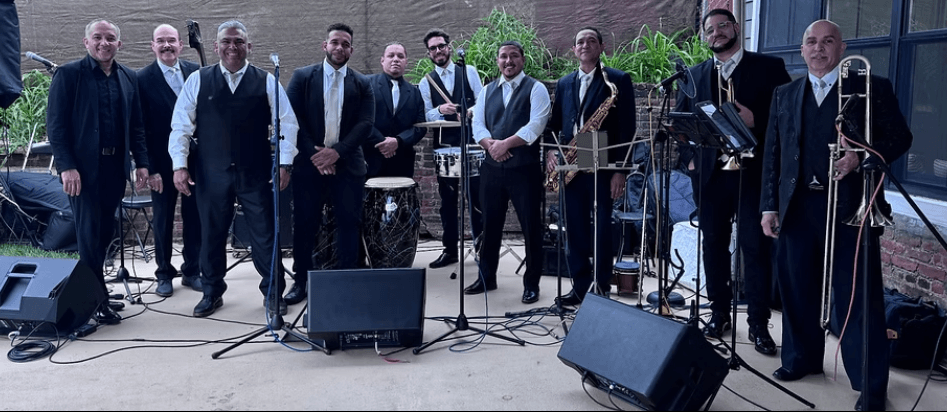
Last January 13, 2023 they turned 99 years old and are still going strong from generation to generation.

Source:

Enrrique “Culebra” Iriarte, Venezuelan pianist, arranger and orchestra conductor.

Bibliography: Ecured Cuba

La Sonora Matancera 

You can read: Carlos “Patato” Valdés one of the best percussionists in the history of Latin Jazz
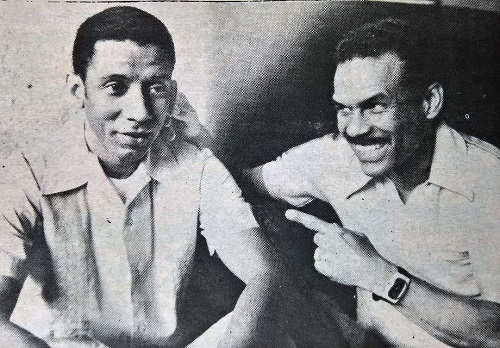
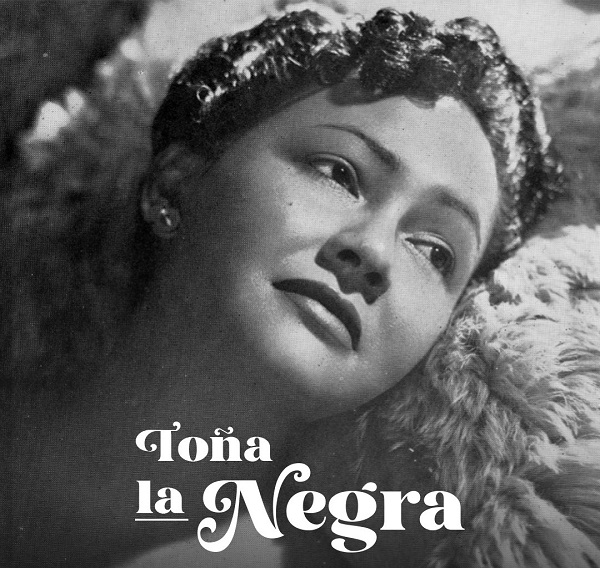
Toña La Negra The Unequaled Velvet Voice of Tropical Song

On November 19, 1982, in Mexico City, Antonia del Carmen Peregrino Álvarez, better known as “Toña La

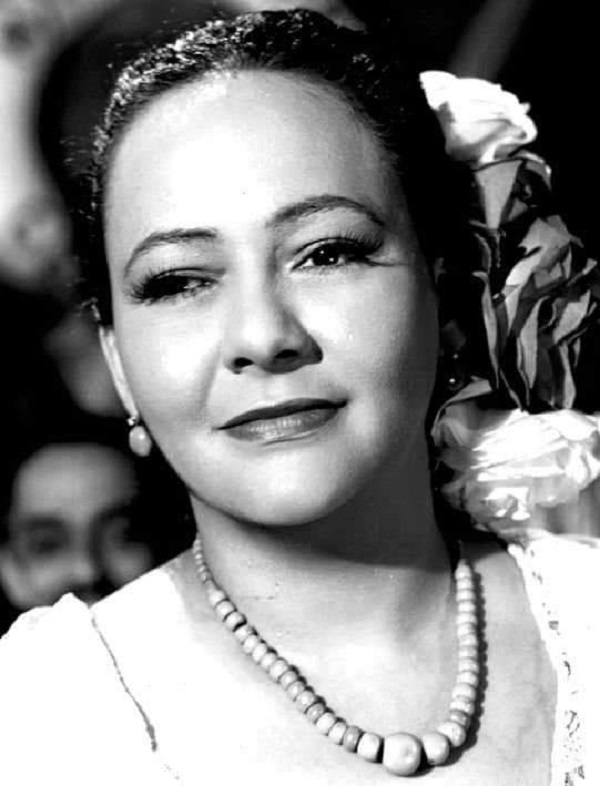
Toña la Negra, passed away. She was a prominent Mexican singer and actress of African descent, famous for her interpretations of boleros and tropical songs by the composer Agustín Lara, who considered her “the greatest female singer of all time” due to her “highly personal style,” “the power of her expression, and the velvet of her privileged throat.”

Toña La Negra The Unequaled Velvet Voice of Tropical Song

Antonia Peregrino was born in the city of Veracruz, in the La Huaca neighborhood, on November 2, 1912.

Her father, Don Timoteo Peregrino Reyes, played the guitar and worked as a freight opener for the crates arriving at the port; he was also one of the founders of the Veracruz Port Commercial Loaders and Openers Guild.

Her mother, Doña Daría Álvarez Campos, sang at family gatherings.

Her paternal grandfather, Don Severo Peregrino, was Haitian and had emigrated to Mexico in the 19th century.

By 1927, she had married Guillermo Cházaro Ahumada, who took her to Mexico City with their first child, who was only forty days old.

On July 16, 1929, she debuted at the cabaret El Retiro. While performing there, where she was known as La Peregrina, she met Don Emilio Azcárraga Vidaurreta. It was Azcárraga, along with Enrique Contel, who christened her “Toña La Negra.”

On November 19, 1982, in Mexico City, Antonia del Carmen Peregrino Álvarez, better known as “Toña La Negra”, passed away.

She began to gain recognition with her interpretation of the song “Enamorada” (In Love) by Agustín Lara. Lara also produced tracks for her such as “Lamento Jarocho,” “Veracruz,” “Noche Criolla” (Creole Night), “Oración Caribe” (Caribbean Prayer), “Palmera” (Palm Tree), “La Clave Azul” (The Blue Key), and “La Cumbancha.” They presented these together in a musical revue at the Teatro Esperanza in December 1932, achieving such success that they had to extend their performances for a long time.

Her voice tone was rather deep, with a velvety and rounded sound, and impeccable vocal techniquecharacteristics that became her interpretive signature.

Azcárraga added her to the cast of the XEW radio station, where she sometimes performed accompanied by Lara and other times by the Alfredo Girón orchestra.

Shortly thereafter, her spectacular performances began at the Teatro Politeama, across from Las Vizcaínas and next to San Juan de Letrán street.

Her recordings for the RCA Victor label constitute one of the most precious musical legacies in the history of the bolero.

One of the first records she cut for this label contained the song «El Cacahuatero» (The Peanut Vendor); this recording dates back to the 1930s. For RCA Victor, she recorded several long-play albums, including Caleidoscopio musical con Toña la Negra (Musical Kaleidoscope with Toña la Negra), Noche Criolla, vol. II, and La Sensación Jarocha, vol. III (The Jarocha Sensation, vol. III).

In the mid-sixties, she signed an exclusive contract with Discos Orfeón, where she recorded the last albums of her career.

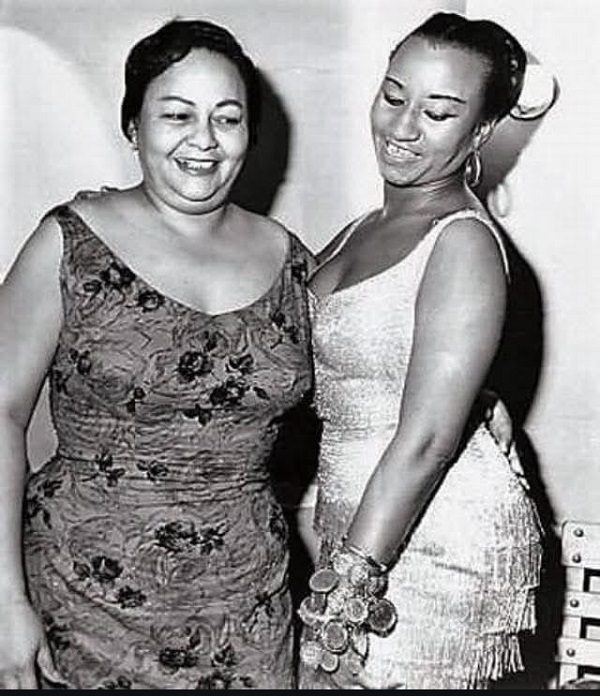
“Este amor salvaje” (This Wild Love), “Por qué negar” (Why Deny It), “Obsesión,” “Mentiras tuyas” (Your Lies), “Y sin embargo te quiero” (And Yet I Love You), “Noche criolla,” “Pesar” (Grief), “Vereda tropical” (Tropical Path), “Cada noche un amor” (A Love Every Night), “Angelitos negros” (Little Black Angels), “Lágrimas de sangre” (Tears of Blood), “Estás equivocado” (You Are Wrong), “De mujer a mujer” (From Woman to Woman), “Como golondrinas” (Like Swallows), “Diez años” (Ten Years), and “Cenizas” (Ashes) are some of her successful titles recorded on over 75 LP records, some of them for the Peerless label. Already famous for many years, she recorded two songs with the legendary Sonora Matancera in 1974.

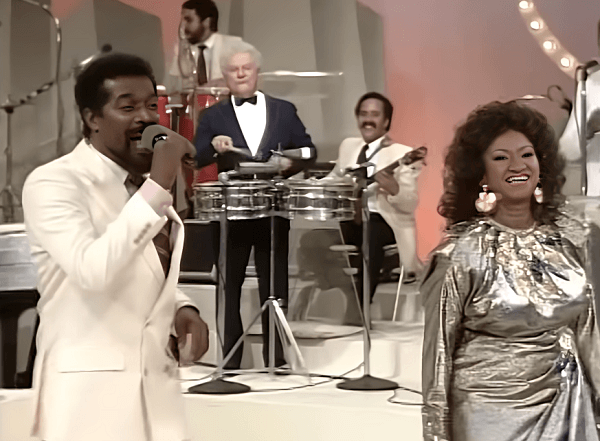
Toña La Negra y La Reyna Celia Cruz

In her final years, due to some health issues, she gradually withdrew from the stage and recording.

Toña La Negra always maintained a very reserved personal life. With her first husband, the musician Guillermo Cházaro Ahumada, she had three children: Ramón (b. 1932), Guillermo (b. 1933), and Ernesto (1935–1979). Toña and Cházaro Ahumada separated in 1945.

Later, in 1955, she remarried the Veracruz-born bassist Víctor Ruiz Pazos, known as “Vitillo.” This marriage lasted until 1963. In an interview, Ruiz Pazos spoke about Toña’s artistic qualities:

Her commitment, her feeling when she sang, her style, the way she did it, how she expressed things musically; I have lived a long time, I have heard many fabulous singers, but none of them come close to Doña Toña.

The German filmmaker Christian Baudissin made a documentary about Toña La Negra for television in 1993, featuring interviews with her ex-husband, the musician Vitillo (Víctor Ruiz Pazos), and other artists who knew her during her lifetime.

Collaborators:

Los Mejores Salseros del Mundo

Dj. Augusto Felibertt

Also Read: Santa La Salsera and Diva of Mexico with her unique voice and style will continue to conquer us all

“An Argentinian with a taste of Cuba,” Rogelio Martínez told Carlos Argentino, the King of La Pachanga

On June 23, 1929, in Buenos Aires, Argentina, Israel Vitenszteim Vurm, better known in the music world as “Carlos Argentino,” was born. He was an excellent Argentinian tropical music singer who was part of the Cuban band Sonora Matancera. He was also known in musical slang as “The King of Pachanga.”

Born in the La Paternal neighborhood of Buenos Aires, his parents were in the textile manufacturing business, and from an early age, he showed an entrepreneurial spirit. Despite belonging to a socially and economically well-off family, he worked as a street vendor, selling newspapers, magazines, and even coffee on trams and at racetracks.

Un argentino con sabor a Cuba, dijo Rogelio Martínez a Carlos Argentino, el Rey de La Pachanga Imagen Discogs
An Argentinian with a Cuban flavor, said Rogelio Martínez to Carlos Argentino, the King of La Pachanga Discogs Image

Ignoring his parents’ wishes for his professional future, he ventured into singing under the pseudonym Carlos Torres. In 1946, at just seventeen years old, he traveled to Brazil with an unknown orchestra. Problems quickly arose, as he had to ask for the intervention of the Argentinian ambassador to return to Buenos Aires, with the intention of studying medicine at Otto Krausse University, as his parents wished.

While there, he completed his mandatory military service, and upon finishing it, he returned to the music scene, definitively abandoning his professional career. He joined the orchestras of Luis Rolero and Raúl Marengo, performing in Peru and Chile. He then traveled to Colombia with Efraín Orozco’s orchestra. Something very curious happened on that trip: there was a Colombian singer named Carlos Torres, and to differentiate himself, he added his patronymic, becoming Carlos Torres Argentino, before artistically consecrating himself as Carlos Argentino.

Carloa Argentino También fue conocido en el argot musical como «El Rey de la Pachanga».

In 1952, he also traveled to Havana, where he worked with the orchestras of Felo Bergaza, Arnoldo Nalli, and Julio Cuevas. He studied singing with the Italian professor Eduardo Bonessi.

In June 1954, he visited Bogotá, and in December, he traveled to Medellín. In February 1955, Sonora Matancera (from Cuba) went on tour in Colombia. They met at the Teatro Colombia in Bogotá. According to Carlos himself, Rogelio Martínez, director of Sonora, asked him if he was from Cuba, and Carlos replied, “I am Argentinian!” Martínez retorted, “Well, you’re an Argentinian with a taste of Cuba; you have to get on the vehicle!” “What vehicle?” Carlos asked. “Ours!” Don Rogelio replied and proposed that he travel to Havana, to which he agreed.

After several months of rehearsal, on August 17, 1955, they recorded their first 78 RPM record. His first single was the bolero-tango “Una canción” (by Aníbal Troilo), and on the other side, the guaracha “Las muchachas caraqueñas” (by Billo Frómeta). Later, he would record other songs such as: “Ave María Lola,” “El solterito,” “Cuartito 22,” “¡Ay, cosita linda!”, “Un poquito de cariño,” “Tu rica boca,” “En el mar,” “Boquita golosa,” “El novio celoso,” “Apambichao,” “Lamento náufrago,” and “La mamá y la hija,” among others; in addition to the boleros: “Alma Vendida,” “No pidas más perdón,” “El amor no existe,” “Cruel indiferencia,” and “Cuando tú seas mía.”

El Rey de la Pachanga

With Sonora Matancera, he traveled throughout Latin America and remained with the group until November 1959. In 1960, he left Cuba and traveled to Mexico. After this, in 1961, he returned to Argentina, where he was received with joy. He settled back in his native neighborhood of La Paternal, in Buenos Aires.

As a distinguished horseman, he became the owner of several thoroughbred horses, which he named after his songs: “Pachangueando,” “La Espumita,” and “El Manotón.” Apart from horse racing, Carlos was a football fan and supported his neighborhood club: Argentinos Juniors (the club where Diego Armando Maradona was born), and Boca Juniors, to whom he dedicated “Pachanga de Boca,” celebrating the title the “Xeneize” team won in 1962, and the album Somos la mitad más uno, celebrating Boca’s Metropolitano championship with Maradona in 1981. He also dedicated songs to other teams, for example, “Equipo de José” (the Racing champions of 1966-67); the one he recorded when Estudiantes de la Plata became world champions in 1968, under the technical direction of Osvaldo Zubeldía; or Chacarita Juniors (Metropolitano champions of 1969), among others.

Throughout his life, he resided – in addition to Cuba – in Colombia, Mexico, and Venezuela, where in 1978 he performed as a singer with the orchestra Los Solistas de Renato Capriles, and participated in their first two LPs, but he always returned to his Argentina.

On a memorable afternoon, July 1, 1989, he reunited with Sonora Matancera in Central Park, New York, to celebrate the group’s 65th anniversary with his old recording companions. On that occasion, he shared the stage with Celia Cruz, Daniel Santos, Vicentico Valdés, Welfo Gutiérrez, Leo Marini, and Nelson Pinedo, among other figures.

Argentino El Rey de la Pachanga con La Sonora Matancera

It was the last time he would be seen in performances, as on June 20, 1991, he died of a myocardial infarction while watching a horse race in Buenos Aires. May he rest in peace and eternal glory!

Also Read: Argentina y sus géneros musicales de origen y los tropicales

By:

Dj. Augusto Felibertt

Los Mejores Salseros del Mundo

Federico Betancourt “Pioneer of Salsa in Venezuela”

Latin America / Venezuela / Carabobo

Jesús Federico Betancourt was born in the city of Valencia, Carabobo state, on March 22, 1940. He was always attracted to music from a very young age.

Photo of Federico Betancourt on stage

In his adolescence, he liked Cuban rhythms, being influenced by Sonora Matancera, Mon Rivera, Eddie Palmieri and Joe Cotto. Before entering the entertainment world, he works at the Bank of Venezuela.

He affirms that he has not carried out formal studies at the musical level, learning the necessary theory to be able to perform as an orchestra conductor, but without interest in interpreting any instrument, but with a well-tuned ear, which has allowed him to remain in the music business for decades. , in fact on certain occasions he is named as the King of the Güiro.

Photo by Federico Betancourt

His career began when he entered the Los Selectos Orchestra, where they played songs by the Billos Caracas Boy’s and the Los Melodicos Orchestra, which were at their peak in the 1960s, all this in a particular way, said Orchestra did not go beyond that.

In 1965, Federico Betancourt decides to satisfy his artistic restlessness and founds a band called Federico y su Combo Latino. The members that made up this band were chosen from among the founder and together with Roberto Monserrat.

But it was not until the middle of 1966, when the twenty-six (26) year old undertook the recording of the LP that would make him famous forever. This record production entitled LLEGO LA SALSA, would mark an important stage in Venezuelan Salsa, because it was the first LP that made use of the word SALSA in the country.

Federico Betancourt
Federico Betancourt

Federico Betancourt himself recounts that the Venezuelan announcer Phidias Danilo Escalona had a Radio Program called LA HORA DE LA SALSA, EL SABOR Y EL BEMBÉ, where all the Cuban and Puerto Rican Caribbean rhythms that were fashionable at the time were placed, among those who highlighted La Sonora Matancera with Celia Cruz, Tito Puente, Joe Cuba, Tito Rodríguez among others, and who was the one who supported them the most in terms of recording the album.

The production was recorded under the Palacio label, and the LP was titled LLEGÓ LA SALSA, he affirms that the title was chosen without taking into account the importance that it would revert in the future, he also affirms that it was not the name that gave him success , the album was a “bump” in sales, since all the songs were the most requested at the time, using his words: “The album sold like hot cakes”.

The music lovers of the time requested it on specialized sites such as the LA SALSA album. Federico says: “The father of the word SALSA was Phidias Danilo Escalona, ​​he used it for the first time in his radio program, and I, humbly, with the success of my LP, gave him the push for its mass use.”

Federico Betancourt - Photo
Federico Betancourt – Photo

In Venezuela, the word SALSA was welcomed by the public willingly, since it suggested a mixture of flavors, which was exactly what happened in the Phidias program, but at the level of rhythms. After the appearance of Federico’s album, all the shows that were performed at the level of Caribbean and Cuban rhythms, carried the name of SALSA.

It is important to name the musicians who took part in this historic production: The musicians are: Ali Rojas Bongo and Cencerro, Roberto Monserrat Music Director and Timbal, Pedro Medina Congas, Alfredo Arcas Trombone, César Pinto Trumpet, Enrique Iriarte Piano, Rafael Prado Bass, Carlín Rodríguez Singer and maracas, Dimas Pedroza Singer, Federico Betancourt Güiro and Director of the Orchestra. The musical arrangements were by the famous trumpeter Eduvigis Carrillo (RIP). Production themes:

Llego la Salsa CD - Federico su Combo Latino
Llego la Salsa CD – Federico su Combo Latino
1.- Cocolía

2.- Conmigo
3.- El Pachanguero

4.- Sancocho Caliente
5.- Guaguancó Manía

6.- Celosa

7.- Despierta Rumbero

8.- No Critiquen
9.- Saoco

10.- Baila Yemaya
11.- Café Y Pan

12.- Que Me Querías

After the success obtained with the record work, the time came for the first international outing, which was to Colombia, in 1969. It happened because the singer of Los Melodicos, Víctor Piñero, informed Betancourt that he was stuck in Cartagena and Barranquilla with the themes El Cobrador and Federico Boogaloo. After the information, the young musician went to the neighboring country and got a contract for the famous Reina del Mar parties, in Cartagena, on November 11, 1969.

The experience of the band was so good, that in 1970 they returned to visit the country. From then until our days Federico y su Combo continues to be an emblematic and legendary band in Venezuela, for this reason the WEB of the classy salsero SALSA BRAVA, offers its respects to such an important salsa figure.

Discography
1966 Llegó La Salsa Palacio (LPS-6171)
1966 Salsa y Sabor Palacio (LPS-6185)
1967 Más Salsa Palacio (LPS-6205)
1967 Durísimo – Vol. 4 Palacio (LPS-6216)
1968 Federico Boogaloo Palacio (LPS-6228)
1968 Psicodélico Con Salsa Gilmar (LPG-110)
1969 Mejor Que Nunca Gilmar (LPG-111)
1969 Vibración y Ritmo Sonus (102-17080)
1970 Dos Sets Velvet (LPV-1539)
1970 La Machaca Velvet (LPV-1539)
1973 Federico Si Te Pone A Bailar Palacio (LPS-6332)
1975 Derrape De Salsa BASF (10.068)
1976 Siguelo Ahí…. a Lo Cortico BASF (10.070)
1977 Ayer y Hoy BASF (10.076)
1977 Esto Es Lo Mejor Palacio (LPS-6372)
1978 Mis Exitos y Más BASF (10.079)
1978 Sabor Foca (LPF-10.037)
1979 Federico y Su Combo Foca (LPF-10.120)
1979 Federico y Su Orq. – El Maestro Discomoda (DCM-1128)
1980 Federico y Su Orq. con Memo Morales Discomoda (DCM-1148)
1982 No Le Digan Integra (PF-14.075)
1983 Nuevamente Palacio (LPS-66.541)
1984 SaaaBroooSo! Palacio (LPS-66.552)
Compilation
1996 Mis Exitos y Más…Vol.1 Sonograma
1996 Mis Exitos y Más…Vol.2 Sonograma
1996 Mis Exitos y Más…Vol.3 Sonograma
2005 El Pionero De La Salsa Palacio
2008 Salsa De Oro Gilmar


Andy Gonzalez started as a musician at the age of 13 in the Latin Jazz Quintet in New York

Andrew “Andy” Gonzalez passed away on April 9, 2020.

Virtuoso bassist, arranger and musical director of Don Manny Oquendo’s “El Conjunto Libre” and Eddie Palmieri’s “La Perfecta”.

Andy has worked throughout his extensive artistic career that spans almost 50 years, with approximately 800 recordings, where he has had the opportunity to be as co-leader, producer, musical director or sideman.

Andy began as a musician at the age of 13 in the Latin Jazz Quintet, a group inspired by the music performed by vibraphonist Cal Tjader and in which he shared with his brother Jerry.

Although long before that, Gerardo Gonzalez, Gonzalez’s father, had already begun his son’s musical

Gerardo was the vocalist of Augie Melendez y Su Combo, an ensemble influenced by the sound of Sexteto La Playa.

Andy Gonzalez virtuoso Bajista, Arreglista y Director musical de “El Conjunto Libre” de Don Manny Oquendo y de “La Perfecta” de Eddie Palmieri

It is worth mentioning that during their time in the Latin Jazz Quintet, the Gonzalez brothers met a person who would change their lives: pianist Llewellyn Matthews, with whom they learned the discipline necessary to “graduate” as professional musicians, both were part of the big band of this decisive leader.

Later came Eddie Palmieri’s La Perfecta, his brother’s Fort Apache Band, the Grupo Folklorico Experimental Nuevayorquino and Manny Oquendo y Libre, 4 groups that changed forever the perception of the music we know today as Salsa.

He collaborated with The Fort Apache Group, Dizzy Gillespie, Tito Puente, Eddie Palmieri, Astor Piazzolla and Ray Barretto.

Andy González is a fundamental reference in the history of Caribbean music and Latin jazz. He has played with almost mythological musicians at times when they left a deep mark on both Latin jazz and dance music.

Andy González se inició como músico a los 13 años en el Latin Jazz Quintet en New York

He has been bassist for Eddie Palmieri, Ray Barreto, Conjunto Libre, Grupo Folklorico Experimental Nuevayorquino, Fort Apache Band, and on some occasions for Ismael Rivera y sus Cachimbos, Cortijo y su Combo and Sonora Matancera.

In this conversation, held in Santiago de Compostela -during the Compostela Millenium Festival in August 2000- he vibrates when talking about his record collection, he declares himself a fan of the study of the roots of the music he makes and reviews his artistic life since when with his band, at the age of 13 and together with his brother Jerry, they imitated the sound of Cal Tjader.

Passion for music      

I’m as much a music fan as I am a musician. Just like any music lover. I’m a fan of the things I appreciate that are important in the history of music. I have studied a lot and that has allowed me to notice the quality and quantity of artists that this music has produced. Great artists, people who have contributed a lot. When you have and study a collection of records like the one I have, you realize that now there are few.

Andrew “Andy” González muere El 9 de abril de 2020ººº
Andrew “Andy” González muere El 9 de abril de 2020

Inspiration

Cal Tjader was my inspiration when I started. Also for Fort Apache Band, because their music had a strong jazz component, but with Cuban rhythms. Good rhythms. We had a great interest in what Cal Tjader was doing.

When we started playing we were copying what Tjader was doing. We were little kids of 13 and 14 years old. We had a very similar repertoire with the same quintet, where Jerry played congas.

Once we even had a dance next to the place where Tjader played, doing the same music. Armando Peraza played congas for Tjader and once he saw us and congratulated us. We always had the support of musicians with more experience, veterans of other generations.

Dj. Augusto Felibertt, Andy Gonzalez, Rafael Muro y Omar Mejias. Centro Cultural La Estancia en Caracas

Main Source: Pablo Larraguibel

Also Read: Roberto Rodríguez fue un trompetista y compositor cubano, autor del éxito de Ray Barreto «Que viva la Música»

  • Page 1
  • Page 2
  • Page 3
  • Interim pages omitted …
  • Page 9
  • Go to Next Page »

International Salsa Magazine (ISM) is a monthly publication about Salsa activities around the world, that has been publishing since 2007. It is a world network of volunteers coordinated by ISM Magazine. We are working to strengthen all the events by working together.