• Skip to primary navigation
  • Skip to main content

International Salsa Magazine

  • HOME
  • Previous editions
    • 2026
      • ISM / April 2026
      • ISM / March 2026
      • ISM / February 2026
      • ISM / January 2026
    • 2025
      • ISM / December 2025
      • ISM / November 2025
      • ISM / October 2025
      • ISM / September 2025
      • ISM / August 2025
      • ISM / July 2025
      • ISM / June 2025
      • ISM / May2025
      • ISM / April 2025
      • ISM / March 2025
      • ISM / February 2025
      • ISM / January 2025
    • 2024
      • ISM / December 2024
      • ISM / November 2024
      • ISM / October 2024
      • ISM / September 2024
      • ISM / August 2024
      • ISM / July 2024
      • ISM / June 2024
      • ISM / May 2024
      • ISM / April 2024
      • ISM / March 2024
      • ISM / February 2024
      • ISM / January 2024
    • 2023
      • ISM / December 2023
      • ISM / November 2023
      • ISM / October 2023
      • ISM – September 2023
      • ISM – August 2023
      • ISM July 2023
      • ISM Edition June 2023
      • ISM – May 2023
      • ISM April 2023
      • ISM March 2023
      • ISM February 2023
      • ISM January 2023
    • 2022
      • ISM December 2022
      • ISM November 2022
      • ISM October 2022
      • ISM September 2022
      • ISM August 2022
      • ISM July 2022
      • ISM June 2022
      • ISM May 2022
      • ISM February 2022
      • ISM January 2022
    • 2021
      • ISM December 2021
      • ISM November 2021
      • ISM October – 2021
      • ISM September 2021
      • ISM August 2021
      • ISM July 2021
      • ISM May 2021
      • ISM April 2021
      • ISM June 2021
      • ISM March 2021
      • ISM February 2021
      • ISM January 2021
    • 2020
      • ISM December 2020
      • ISM November 2020
      • ISM October 2020
      • ISM September 2020
      • ISM August 2020
      • ISM July 2020
      • ISM June 2020
      • ISM May 2020
      • ISM April 2020
      • ISM March 2020
      • ISM February 2020
      • ISM January 2020
    • 2019
      • ISM December 2019
      • ISM November 2019
      • ISM October 2019
      • ISM Septembre 2019
      • ISM August 2019
      • ISM July 2019
      • ISM June 2019
  • Spanish
  • Download Salsa App
    • Android
    • Apple

Search Results for: Latin Jazz

Argentine tango bassist and Latin Grammy winner Pedro Giraudo returned to his roots

Latin Grammy winner Pedro Giraudo spoke exclusively to us for International Salsa Magazine, so we are very pleased to bring you the best of our conversation with the Argentinian bassist and composer. Next, these are the highlights of his beginnings and his exciting career in his native country and in the United States, where he currently resides.

Pedro Giraudo posing
Argentine bassist Pedro Giraudo posing for the camera

Pedro’s beginnings in music

Pedro comes from a family of musicians. In fact, his father was a bandleader and his mother sang in a choir, so he was surrounded by music practically since he was born. He has memories of him watching his parents rehearse and play instruments when he was very young, so he was always very familiar with this kind of thing.

During his adolescence, he performed recitals with various ensembles, some of which played classical music, jazz, and tango. His professional advancement was very gradual, but he was doing some activities that prepared him for what was to come years later.

His love for this world grew so big that, once he turned 19, he moved to the United States precisely to study music and learn everything he could about what can be expressed through it. His musical interests initially focused on jazz, but that changed over time. 

Already at the end of his last year in college in New York, he was working regularly with various groups of different genres.

Interest in tango

Although, as we have said, Pedro comes from Argentina, he had not been particularly interested in tango at first, but his numerous trips around the world made him feel a little uprooted and detached from his beginnings. For this reason, nostalgia made him reconnect with the traditional music of his homeland. In addition, the fact that he was Argentinean encouraged many groups to call him, even though his knowledge of tango was not yet very deep at that time.

After giving himself the opportunity to play tango more formally, he also set to work to study it much more to learn about its most famous composers, its various styles, its ways to write music in the genre, among other things. In addition to that, he started to transcribe a lot of music to know what it sounded like in different styles and to gain practice. 

This path eventually led the artist to become part of many tango bands and even to lead some ensembles.
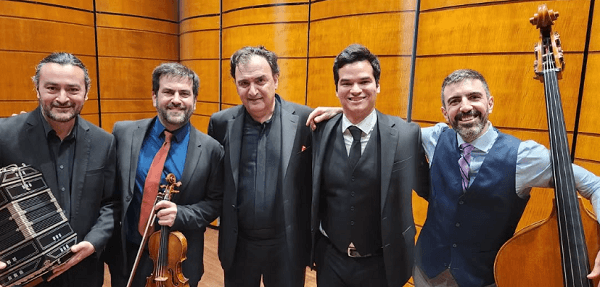
Pedro and friends
Pedro Giraudo, pianist Ahmed Alom, symphonic director Sergio Alessandro Bušlje, violinist Sami Merdinian, and accordionist Javier Sanchez

Groups Pedro was in

Pedro’s main goal in arriving in the United States was to become a double bassist, and after finally achieving it, he graduated from college and started to explore his role as a composer and leader of his own ensemble. From there, the band varied for characteristics and changed members and in size over the next 15 years. The last thing was a 17-piece big band.

Then, in the year 2014, due to the death of a great friend, Argentine pianist Octavio Brunetti, the Lincoln Center for The Performing Arts asked him to lead an event to celebrate his life and music. Therefore, in 2015, the musician started his tango project, which he would name Pedro Giraudo Tango Quartet, taking this request as a starting point. 

Today, he focuses all his efforts on tango ensembles, although he does recognize that he is increasingly angling for the classical side. For example, for his latest album, Pedro used a symphony orchestra, and since the last few months, he has been conceiving his next project with a chamber orchestra. 

Great collaborations in his career

Throughout his career, Pedro has been able to work with great music glories such as Paquito D’ D’Rivera, Rubén Blades, Pablo Ziegler, William Cepeda, and many others. One of the nicest things about this work for the Argentine is that he is always surrounded by very talented people from whom he can learn a lot.

One of them was bandoneonist Hector Del Curto, who was one of the first people Pedro started playing tango with in New York. Del Curto, in turn, had the great honor of playing with the greats of the golden age of Argentine music, such as Osvaldo Pugliese. 

It was through Hector that Pedro was able to meet and play with Pablo Ziegler, who was the principal pianist of Astor Piazzolla’s Second Quintet and greatly influenced the way tango is played on the piano. In fact, playing along with him on the double bass was an experience of which he learned so much, which he appreciated. 

Pedro and his Grammy
Pedro Giraudo holding his Latin Grammy in Las Vegas

In the case of William Cepeda, the artist made some arrangements for him and he received many valuable lessons from him, such as the importance of keeping musicians engaged with sheet music to prevent them from getting too lax. It was also with Zepeda that he made his first arrangements for a symphony orchestra.

On the other hand, Paquito taught him how to be a practical musician and to make perfect, well done arrangements for any occasion. 

Latin Grammy winner

Pedro is fortunate to be a Latin Grammy winner thanks to his album “Vigor Tanguero” in the category Best Tango Album in 2018. When we asked him about his experience, the double bassist said that there are some details he does not fully understand, such as the elements taken into consideration when voting for an artist in a category. However, that did not overshadow the joy of winning such an important award.

He says his victory was a surprise. At the time, he remembers being on tour with Pablo Ziegler, and after a four-hour rehearsal, his phone had about 40 missed calls congratulating him, while he did not even know that the nominations were being announced that day. To his amazement, he was included.

The final event was in Las Vegas, where Pedro finally heard his name and felt a total joy and pride for all he had achieved. In this respect, he said, “I’m not a person who collects awards, but this is a recognition I’m very proud of, to be honest.”

Read also: French flamenco dancer Fanny Ara lets us know the most important details of her career

Azúcar Latin Dance Company

North America / Canada / Ottawa

Ottawa’s premiere dance school specializing in Latin, Street and AfroCaribbean dances. Their mission is to bring the energy, passion and joy of dance to Ottawa and get you dancing to the music in your heart. Teachers expert and friendly instruction will get you dance floor-ready in record time, and the group outings and social events will introduce you to the amazing Ottawa dance community!

Azúcar Latin Dance Company

They take inspiration from the original Queen of salsa, Celia Cruz. She is famous for her sunny disposition, her warmth and passion, as well as her trademark of shouting “Azúcar!” (“Sugar” in Spanish) in her songs. They are inspired by her positive attitude towards life and her desire to share the joy of dance and music with as many people as possible

Meet The Team

Jeff Huang

Director is passionate about music and dances. He started dancing Latin street dances (salsa, bachata, merengue, and cha cha) in 2005 and has not stopped since – learning from many wonderful and talented instructors across Canada as well as across the globe.

Jeff Huang
Jeff Huang

This has made Jeff a well-rounded teacher with an eye for detail, while his easy going attitude makes everybody feels welcome at the studio. Jeff is extremely dedicated to his students, believing that they are the true heart of the company. He hopes to create a loving community where everyone can learn and laugh together, and share their love of dance. CONTACT JEFF [email protected]

Ana Gherasim

Director Ana is definitive proof that anyone can learn to dance. Discouraged from pursuing dance from a young age, she grew up convinced that she had two left feet. Thanks to Jeff’s infinite patience, she took up salsa in 2008 and is now one of our most enthusiastic teachers.

Ana Gherasim
Ana Gherasim

While Jeff is the (clave tempo-ed) heart of Azúcar! Ana is its brain, also dealing with the less artistic aspects of school management and administration. When she’s not teaching or running the studio, you’ll find her in most of our classes, lending a hand as well as honing her own style. CONTACT ANA [email protected]

Salsa Level 1, Instructors: Ana & Brian, Jeff & Ashvini

Take your first salsa steps! Discover the salsa rhythm, basic steps, left and right turns, crossbody leads, inside traveling turns, and simple combinations. You will also learn partnering technique and simple footwork to spice up your dancing! No partners needed!

Ana & Brian
Ana & Brian

Salsa Level 2 Instructors: Ana & Jeff

Go beyond the basics! Each 7-week session we introduce a combination of footwork and partnering moves based on common salsa patterns, including double-hand turns, hammerlock holds, wraps, traveling turn variations and more. We also introduce spin technique and body isolation exercises at this level. No partners needed!

Salsa Level 3 Instructors: Ana & Jeff

Once you have mastered ALL the moves we teach in Salsa Level 2, explore the endless combinations salsa has to offer while honing your technique and style. In this class we introduce more complex concepts (such as copas, 360s, multiple spins) and create new footwork and partnering combinations that will make you the star of the dance floor. No partners needed!

Ana & Jeff
Ana & Jeff

Salsa Shines Choreography Instructor: Ashvini

Ever feel like you’re not sure what to do when it comes to salsa shines? This class introduces and breaks down shines footwork, technique and styling through learning a piece of shines choreography. It’s perfect for those who would like to improve their shines repertoire and feel more confident on the social floor! As an added bonus – if you’ve ever been interested in exploring salsa performance, this is a great taster for what it’s like to learn and perfect a piece of choreography, without the pressure to actually perform (unless you really want to!). Open to all levels and genders.

Ana & Jeff
Ana & Jeff

Bachata Level 1 Instructors: Ana & Brian

Take your first Bachata steps! Our Level 1 course introduces you to the bachata rhythm, basic steps, turns and promenades that are the core of this fun and intimate dance, as well as basic styling elements to add sizzle to your dancing! Get dance floor-ready in 7 weeks! No partners needed!

Bachata Level 2 Instructors: Ana & Jeff

Once you are comfortable with the beginner moves covered in Bachata Level 1, this class takes it up a notch and introduces more complex moves. Mix things up with outside turns, cuddles and hammerlocks, fancy footwork, sensual body isolations and lots of turn patterns and combinations to take straight to the dance floor. No partners needed!

Bachata Level 3 Instructors: Ana & Jeff

Take your bachata to new heights! Once you have mastered Bachata Level 2, join this intermediate-level class. Learn how to get comfortable with your partner, develop great bachata leading and following technique, and make your dancing stand out from the crowd! No partners needed!

Ana & Jeff
Ana & Jeff

Salsaton Instructor: Emilie

Spice it up with Salsa & Reggaeton! This class is about adding spice to how you dance, whether you dance as your workout, to build up your confidence on the dance floor or just to have fun! Emilie will be giving lots of options for everyone to feel comfortable.

Dancehall Funk Instructor: Emilie

Dancehall is a Jamaican dance that includes elements of Reggae, African, Hip Hop, House and Latin. It’s all about confidence, creativity, expression, attitude, and FUN. Come learn a combination of hot moves and an energetic routine full of street smart choreography, dancing to the hottest music. Get ready for an energetic and challenging class!

Photo 1: Azúcar Latin Dance Company

Heels Instructor: Emilie

Strut your stuff! Celebrate creativity, individuality, uniqueness and fierceness! Dance styles such as Vogue, Sass and Jazz to get you moving to great music in heels. Learn a sexy routine and find new confidence on and off the dance floor! You won’t want to miss this class with Emilie!

Afro-Beats Level 1 Instructor: Natalie

Learn the basics of African dance and movement groove to great music, and get your sweat on with fun choreography! We’ll explore styles such as Azonto, Coupé Decalé, Afro House, and Dancehall. You will sweat and laugh, make new friends and improve your stamina as you learn fun combinations, technique and routines. Personal expression is encouraged!

Photo 2: Azúcar Latin Dance Company

Samba Instructor: Natalie

Join the carnival vibe! Experience the pulsating rhythms and energetic moves of Samba. Learn exhilarating dance combinations and routines as we travel across the floor and venture into some of the liveliest dances of Brazilian culture. This exciting class is certain to empower, energize, lift your spirits….and your booty too!

Sunday Workshop Series

Come explore a different dance, or aspect of dancing, the first and third Sunday of each month!

Photo 3: Azúcar Latin Dance Company

Don’t forget to know more about Azucar! in their website, so you can sing up and shop. Natalie http://www.azucarottawa.com/

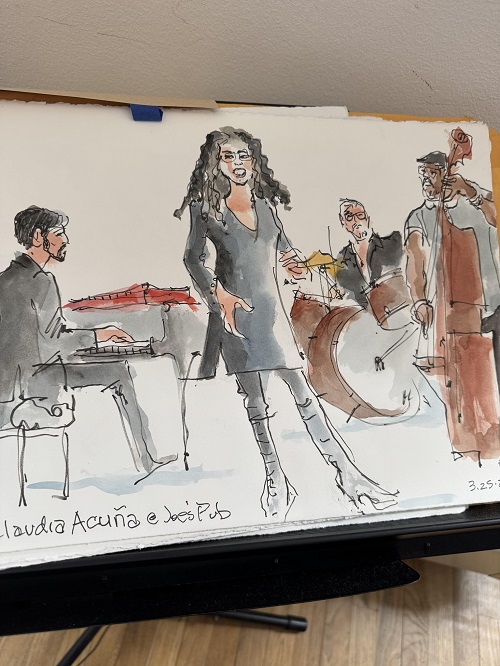
Claudia Acuña She is mainly known for singing jazz standards, ballads, and bossa nova

Claudia Acuña (Santiago de Chile, July 31, 1971) is a Chilean jazz singer considered the most successful Chilean jazz artist of all time. Since 1995 she has lived in New York, USA.

Photo by Hollis King dress by Anthony Manfredonia back stage at Carnegie Hall

She is known mainly for singing jazz standards, ballads, and bossa nova, as well as for developing and promoting Chilean folklore in the United States and the jazz world.

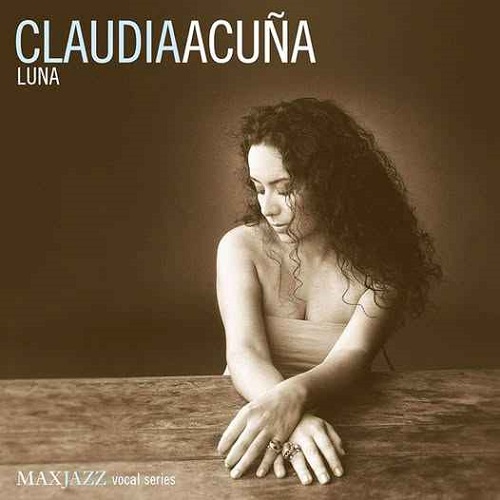
Abandoning the traditional jazz standards she covered in her two works for Verve, Chilean vocalist Claudia Acuña reveals a more contemporary Latin sound, with R&B influences, in her Maxjazz debut.

Undoubtedly Acuña’s most personal work to date, Luna once again displays her immense gift for delicately passionate vocals and interesting arrangements. While still using the smooth, sensitive Fender Rhodes keyboards of longtime collaborator Jason Lindner, Acuña sings more in Spanish on his third disc only Lindner’s “Yesterday You and I” is sung in English and eschews any straight-ahead jazz style for an almost fusion approach.

This is not to say it is jazz-pop, but the delicate melodies are reminiscent of 1970s Airto Moreira and the best Al Jarreau.

Claudia Acuña Se destaca principalmente por cantar jazz standards, baladas, y bossa nova

Although there are few jazz improvisations (most tracks are less than five minutes long), the music remains complex, cultured and sophisticated, with deep harmonies that should please jazz lovers and Latin music enthusiasts alike.  Matt Collar.

Claudia Acuña, born in 1971 in Santiago, Chile, is one of the most representative voices of contemporary Latin American singing.

Her music, which fuses elements of jazz and Chilean folk music, has captured the attention of audiences both nationally and internationally.

Claudia has managed to position herself as a key figure in the diffusion of Chilean culture through her art.

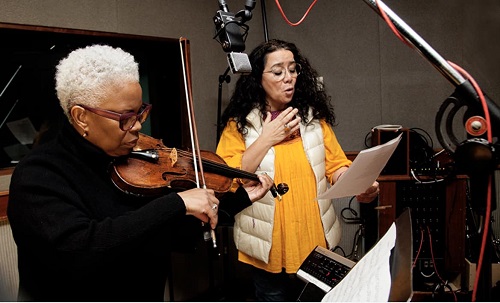
Regina Carter y Claudia Acuña

Early years and formation

From a very young age, Acuña showed interest in music. She grew up in an environment where Chilean musical traditions were part of everyday life. In her childhood, she began to learn about the guitar and piano, which led her to develop her vocal talent. Claudia Acuña trained in the musical field in various institutions, where she cultivated her love for jazz, a genre that would profoundly influence her throughout her career.

Successes and trajectory

Claudia Acuña’s debut in the music world was well received, which opened the doors to a series of presentations in festivals and concerts in Chile and other Latin American countries.

Her debut album, which includes a fusion of traditional Chilean rhythms and rhythms from other cultures, was acclaimed by critics and audiences alike, propelling her career to new heights.

Throughout her career, Claudia has collaborated with leading musicians and participated in important international festivals. Her ability to perform not only Latin American music, but also jazz standards, has made her versatility recognized by her peers and followers.

The albums she has released throughout her career reflect her love for music and her commitment to creating a unique sound that represents her cultural identity.

Cultural Impact

Claudia Acuña is not only a talented singer, but also a fervent advocate of Chilean culture. Through her music, she seeks to preserve and promote the traditions of her country, and often incorporates elements of folklore in her interpretations.

Her presence on international stages has allowed many people to discover and appreciate the richness of Chilean music.

In addition, she is known for her charisma and energy on stage, which makes her a memorable performer in each of her presentations.

Claudia has inspired generations of young musicians in Chile and abroad, encouraging others to explore their cultural roots and express themselves through music.

Recognitions and awards

Throughout her career, Claudia Acuña has been honored with several awards and recognitions, both nationally and internationally. These awards not only highlight her artistic ability, but also her impact on the music community. Claudia continues to work actively in the industry, collaborating with new artists and participating in musical projects that promote Chilean talent abroad.

Conclusions

Claudia Acuña is a Chilean singer who has left an indelible mark on Latin American music. Her music and her commitment to her country’s culture have established her as a unique artist in the contemporary music scene. As she continues her career, her influence is likely to continue to grow, bringing Chile’s rich musical heritage to new audiences around the world.

Claudia Acuna - Luna 2004
Claudia Acuna – Luna 2004

Claudia Acuna – Luna (2004)

Temas:

  1. Esta Tarde Vi Llover (Armando Manzanero)
  2. Yesterday You and I (Jason Lindner)
  3. Tu, Mi Delirio (Cesar Portillo de la Luz)
  4. Arrimate Mi Amor (Pedro Green & Jorge Diaz)
  5. Historias (Claudia Acuña & Jason Lindner)
  6. Chorado (Guinga)
  7. A Meditation On Two Chords (Jason Lindner)
  8. Oceano (Djavan)
  9. Yo No Llevo La Razon (Antonio Restucci)
  10. Lilas (Djavan)
  11. Carita De Luna (Claudia Acuña & Jason Lindner)

Musicians:

Claudia Acuña (Vocals)

Jason Lindner (Acoustic Piano and Fender Rhodes)

John Benítez (Double Bass and Electric Bass)

Gene Jackson (Drums)

Luisito Quintero (Percussion)

Jimmy Greene (Soprano Sax)

By:

Dayhist

Dj. Augusto Felibertt

L’Òstia Latin Jazz

Also Read:  From Chile Nairoby and La Casa del Ritmo with their project “Vinyl Plater Productions”


Latin America / May 2025

Claudia Acuña She is mainly known for singing jazz standards, ballads, and bossa nova

Ismael ‘Pat’ Quintana, born in Ponce Puerto Rico, began his musical career in 1961 alongside Eddie Palmieri and La PerfectaEddie Montalvo Iron Hands: "I'm in love with Venezuela"Calibrated maracas

DIRECTORY OF NIGHTCLUBS

Argentina flag
ARGENTINA

Aruba circular flag
ARUBA

Belize circular flag
BELIZE

Bolivia circular flag
BOLIVIA

Brazil flag
BRAZIL

Chile circular flag
CHILE

Colombia
COLOMBIA

Costa Rica circular flag
COSTA RICA

Cuba circular flag
CUBA

Dominican Republic
DOMINICAN REPUBLIC

Ecuador circular flag
ECUADOR

Guatenala circular flag
GUATEMALA

Mexico Circular flag
MEXICO

Panama circular flag
PANAMA

Peru circular flag
PERU

Puerto Rico circular flag
PUERTO RICO

Venezuela circular flag
VENEZUELA


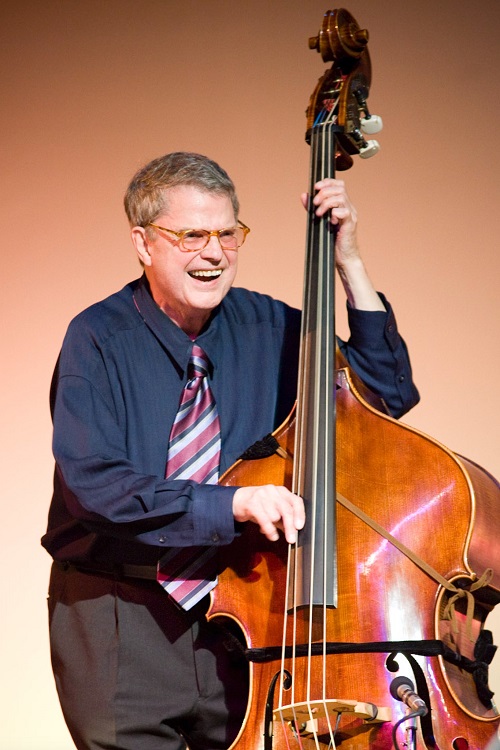
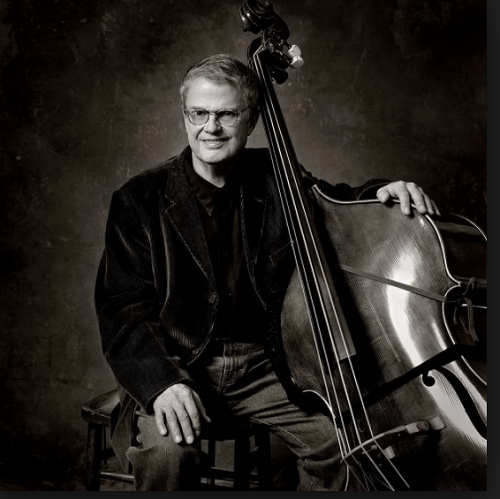
Charlie Haden was an extraordinary double bassist and composer who was a key figure in the history of modern jazz.
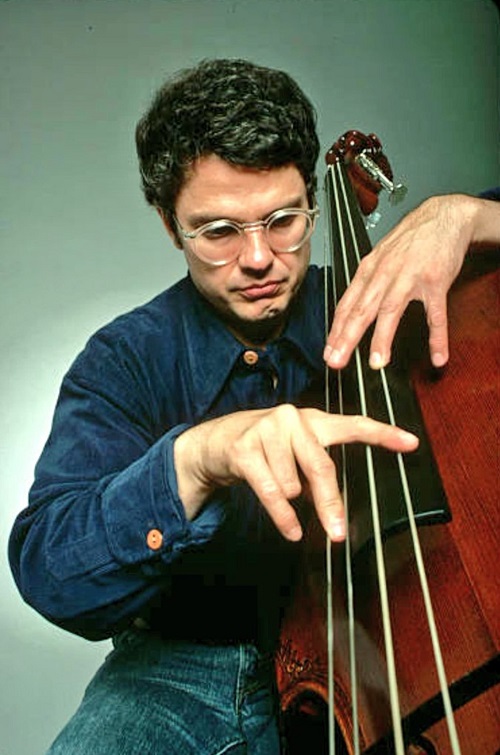
Double bassist and composer extraordinaire, Charlie Haden (Shenandoah, Iowa, August 6, 1937 – Los Angeles, California, July 11, 2014).
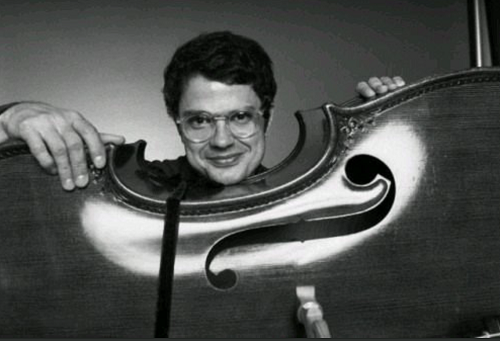
Charlie Haden began his professional activity in 1959 with Ornette Coleman’s quartet, a key figure in the history of modern jazz, and very soon began to investigate in that direction that Coleman initiated known as free jazz.

In that context, Charlie Haden participated in the recording baptism of that movement with the album recorded on May 22, 1959 for the Atlantic label and entitled: “The Shape of Jazz to Come” with the invaluable collaboration of Don Cherry, another incomparable musician and leader together with Coleman of that revolutionary musical movement that still lasts today.

Charlie Haden (August 6, 1937- July 11, 2014)

Charlie Haden in 1960 participated with another double bass player, Scott LaFaro in an operatic manifesto entitled: “Free Jazz” of whom both were distinguished representatives in their instrument.

In 1964 he worked with Denny Zeitin’s trio and in 1966 he returned with Ornette Coleman while expanding his performance area with collaborations left and right.

In these areas he stood out for his participation in the work, studio and recording meetings of the “Jazz Composer’s Orchestra” and in 1969 he was finally able to realize a wish he had been pursuing for years: to record his first album under his own name with the Liberation Music Orchestra.

With original arrangements by Carla Bley, the music of the Liberation also stood out for the political character of the songs, being the first time that, in that context, a jazz group echoed the popular songs alluding to the Republican side of the Spanish Civil War.

After the album recorded by Impulse in 1976 entitled: “Song for Che” in homage to Ernesto Che Guevara, Charlie Haden formed with Don Cherry, the quartet “Old and New Dreams” with which he toured throughout Europe, Asia and North America. At the end of the eighties, Charlie Haden elaborates a new musical discourse within the framework of his new formation entitled “Quartet West”.

The founding album of this new discourse was an extraordinary album generically entitled “Quartet West”, a musical manifesto of great beauty and one of the essential albums of contemporary jazz. From 1990 onwards, Charlie Haden explores more intimate jazz universes, introducing the duo format into his discourse.

Charlie Haden
Charlie Haden

In this context, the musician explores himself in the composition and his relaxation together with the other protagonist discovers us a music of great inventiveness, clean in the execution and approached from a purely instrumental point of view.

This is how on Thursday, November 14, 2002, Charlie Haden appears in Seville at the Central Theater with the master of the guitar, Jim Hall to offer a portentous concert, full of sensitivity, art and talent.

Fortunately Apoloybaco was present that magical night in Seville and Charlie Haden is still making music of the highest level. ~ (apoloybaco)

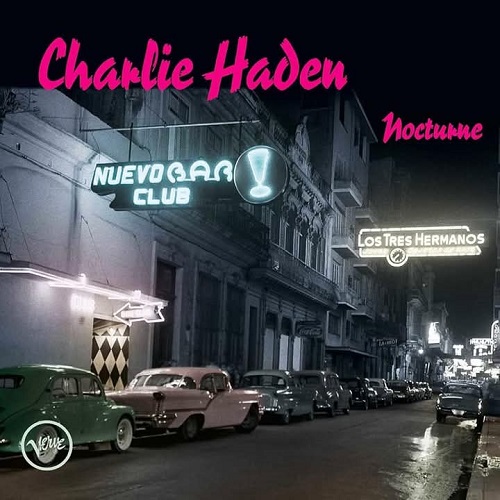
Charlie Haden teams up again with the young Cuban pianist Gonzalo Rubalcaba in this melancholic and relaxing album. Ignacio Berroa on drums and percussion completes the main trio.

Special guests include tenor saxophonists Joe Lovano and David Sánchez, violinist Federico Britos Ruiz and guitarist Pat Metheny (one track only).

Charlie Haden photo 1978 Roger Ressmeyer

Rubalcaba contributes orchestrations on two tracks, both of which omit drums and percussion. Haden’s intention is to explore the bolero, a distinctive Latin dance rhythm that Ignacio Berroa accentuates with a soft, subtle snare drum roll, played with brushes, that begins on the “y” of the first beat of the measure and ends on the second.

This rhythm is perfect for a slow dance and, in fact, the whole album is very romantic, with bittersweet melodies and lilting cadences.

The only problem is that Berroa’s bolero figure is present on almost every track, perhaps what you would expect from a bolero album, but there is no getting around the fact that the music sounds pretty much the same on every track.

 (To be fair, Berroa is not the only one guilty of uniformity.) Most of the songs, except for two Haden originals and one by Rubalcaba, are Cuban and Mexican standards, and they are beauties. Haden’s reluctance to mess with them is understandable.

Charlie Haden fue un gran padre.

But the arrangements, always straightforward, fade too easily into the background.

Nocturne may be the best music for a candlelit dinner party, but Haden and his guests are capable of much more.  David R. Adler.

Charlie Haden – Nocturne (2001)
Temas:
01. En La Orilla Del Mundo (At The Edge Of The World) (Martin Rojas)
02. Noche De Ronda (Night Of Wandering) (Maria Teresa Lara)
03. Nocturnal (Sabre Marroquin/José Mojica)
04. Moonlight (Claro De Luna) (Charlie Haden)
05. Yo Sin Ti (Me Without You) (Arturo Castro)
06. No Te Empeñes Mas (Don’t Try Anymore) (Marta Valdès)
07. Transparence (Gonzalo Rubalcaba)
08. El Ciego (The Blind) (Armando Manzanero)
09. Nightfall (Charlie Haden)
10. Tres Palabras (Three Words) (Osvaldo Farrès)
11. Contigo En La Distancia·En Nosotros (With You In The Distance·In Us) (Cèsar Portillo De La Luz/Tania Castellanos)

Músicos:
Charlie Haden (Bajo)
Gonzalo Rubalcaba (Piano, Orquestación)
Ignacio Berroa (Percusión, Batería)
Joe Lovano (Saxo tenor en temas #1, #4, #7, #11)
David Sánchez (Saxo tenor en temas #6, #10)
Pat Metheny (Guitarra acústica en tema #2)
Federico Ruiz (Violín en temas #1, #5, #8)

Grabado del 27 al 31 de agosto de 2000 en Criteria / The Hit Factory Studios, Miami, FL.

Charlie Haden - Nocturne (2001)
Charlie Haden – Nocturne (2001)

Research Sources:

L’Òstia Latin Jazz

Dj, Augusto Felibertt

Also Read: Andy Gonzalez started as a musician at the age of 13 in the Latin Jazz Quintet in New York

  • « Go to Previous Page
  • Page 1
  • Interim pages omitted …
  • Page 6
  • Page 7
  • Page 8
  • Page 9
  • Page 10
  • Interim pages omitted …
  • Page 95
  • Go to Next Page »

International Salsa Magazine (ISM) is a monthly publication about Salsa activities around the world, that has been publishing since 2007. It is a world network of volunteers coordinated by ISM Magazine. We are working to strengthen all the events by working together.