






In September 2025, Don Perignon and Andy Montañez reunited in the recording studio to reinvent “La Bikina.” The digital single fused the signature sound of Don Perignon’s La Puertorriqueña with the seasoned expertise of Andy Montañez. This alliance revives a nostalgic duo—the “dancing timbal” and the “singing compressor” that dates back to 1981. At that time, “Perín” took the reins as Andy’s musical director at the invitation of the legendary vocalist following his departure from Dimensión Latina. From that eight-year partnership, Andy Montañez still treasures Don Perignon’s participation in the 1988 recording of El Eterno Enamorado (TH-Rodven), where the latter not only played the timbales but also served as the album’s musical director. Regarding this, Andy says: “I remember him with great affection and appreciate his discipline in directing that recording, especially because every track became a hit.”

Tracklist and Credits
The tracklist for Classique et Savoureux is as follows:
The Musicians
Leading his musical generation on the timbales and as director, Don Perignon was backed by the musicians of La Puertorriqueña and several guest artists. On the congas, Antonio “Coqui” Marrero, Jean Carlos Camuñas, and the late William “Kachiro” Thompson ensured the time and clave remained rhythmically precise. On the bongos, you can hear the distinctive touch of one of the original members of La Puertorriqueña, Miguel Aponte. On bass, the unmistakable Efraín Hernández interacts with Juan Rivera on piano. Other pianists on the recording include Luis Marín, Leni Prieto, and Ricky Rodríguez. The production is rounded out by the backing vocals of the incomparable Henry Santiago, Juan Bautista, and Joe González. The trumpet section featured Ángel and Richie Segarra along with Jesús Alonso; Sammy Vélez on baritone sax; and the trombones were handled by Juan C. Cardona, Gamalier González, César Javier Ayala, and Carlos “Cuto” Soto.

The album was recorded at the studios of Rolando Alejandro and Angelito Segarra, with mastering by Wiso Rivera.
With the title Classique et Savoureux, Don Perignon honors more than four decades of using his stage name inspired by the French champagne Dom Pérignon. He expresses gratitude for the longevity of a concept that began without a clear goal but was built on heavy discipline and the firm purpose of making music for the dancer. In an interview, the bandleader stated that his musical project “is already a classic, thanks to the dancers who have appreciated and supported its sabrosura (flavor).”

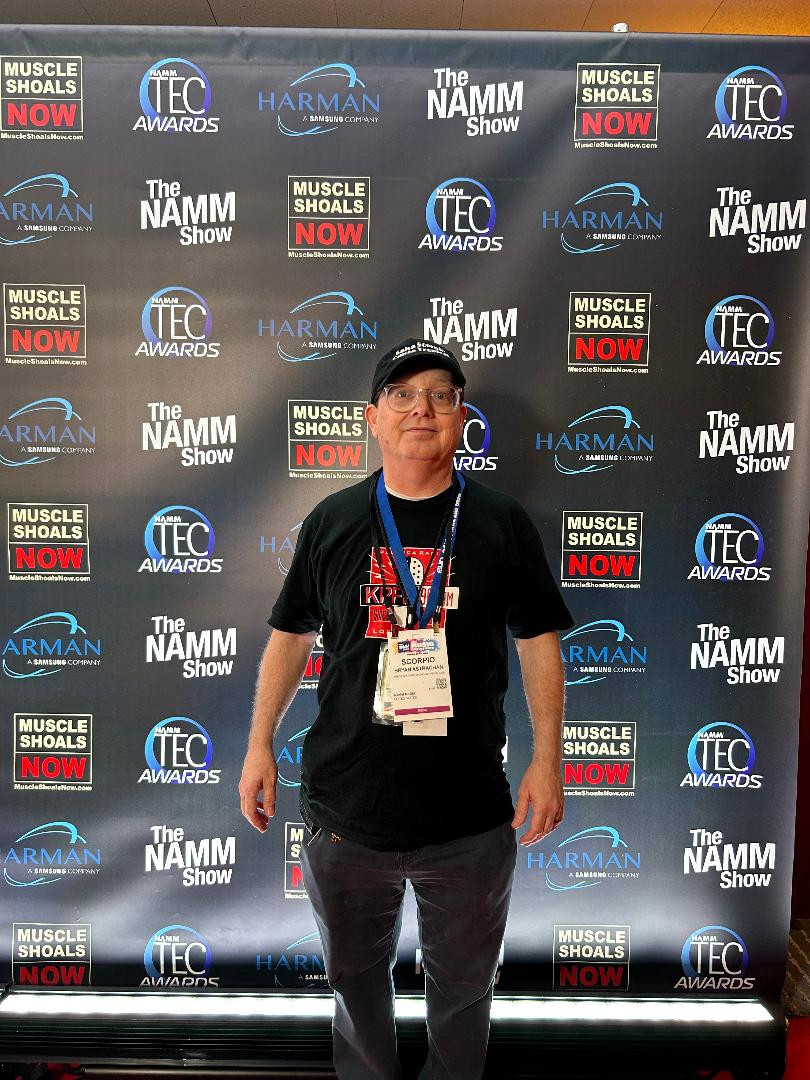
The 2027 NAMM Show is already in the works for January 26-30, 2027, at the Anaheim Convention Center. Booths with early bird rates and discounts are available now at NS27 Exhibit | NAMM.org
“I have worked with Gary since 2018 and I have been able to actively learn from his expertise as an engineer, host, programmer and now as the interim program director”
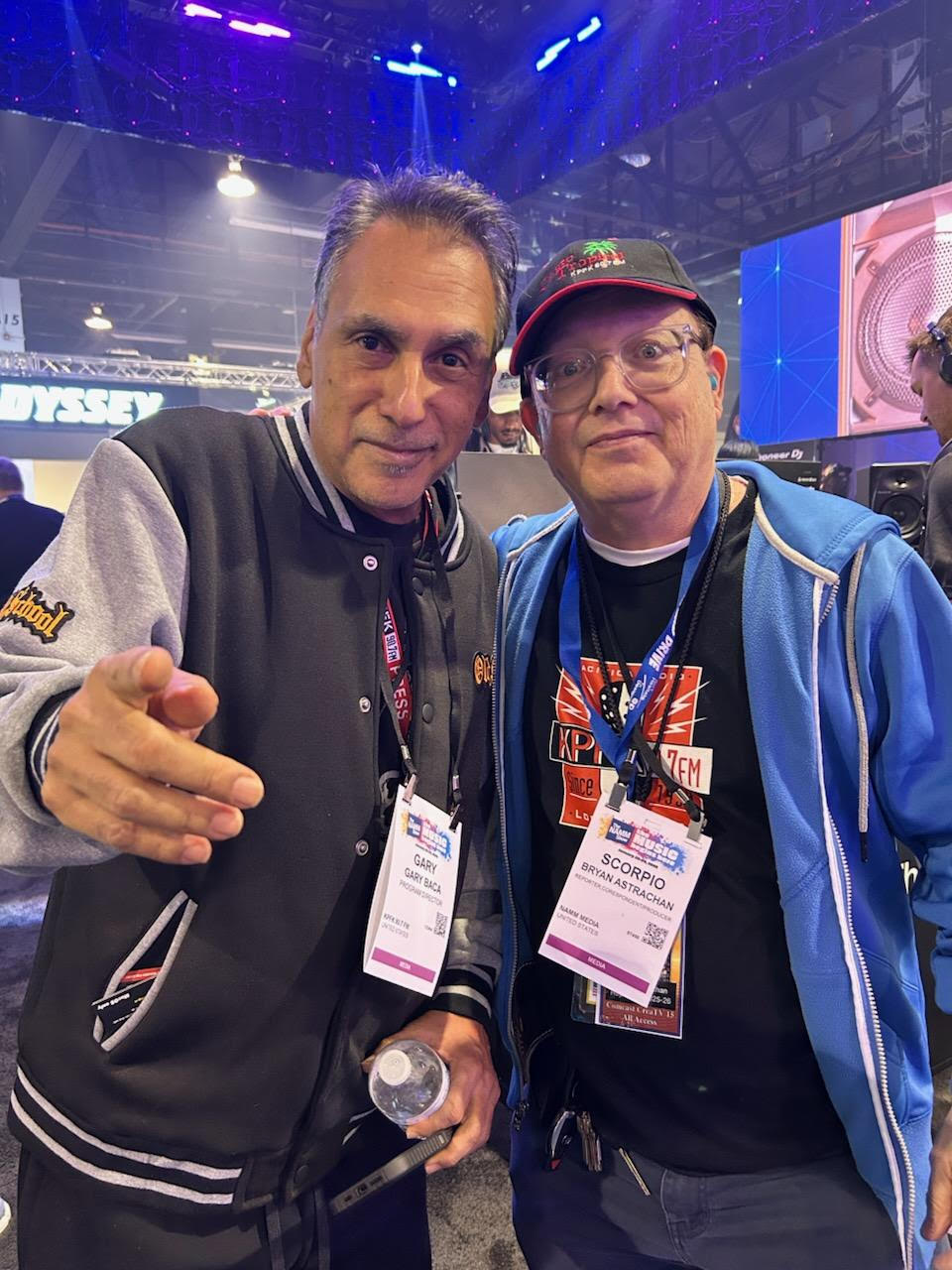
Gary Baca, aka G-Spot was born and raised in East Oakland. Baca began his radio career at KALX Berkeley before initiating his radio programming at KPFA Berkeley which then lead him to KPFK Los Angeles.
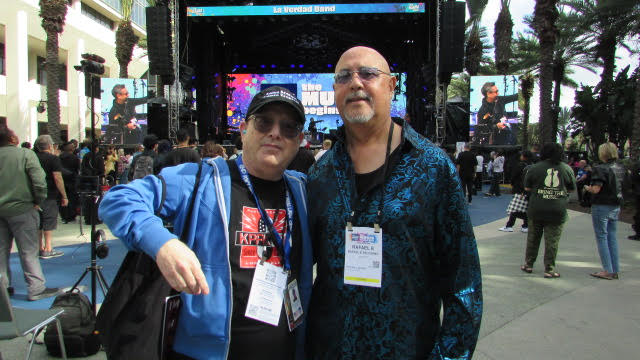
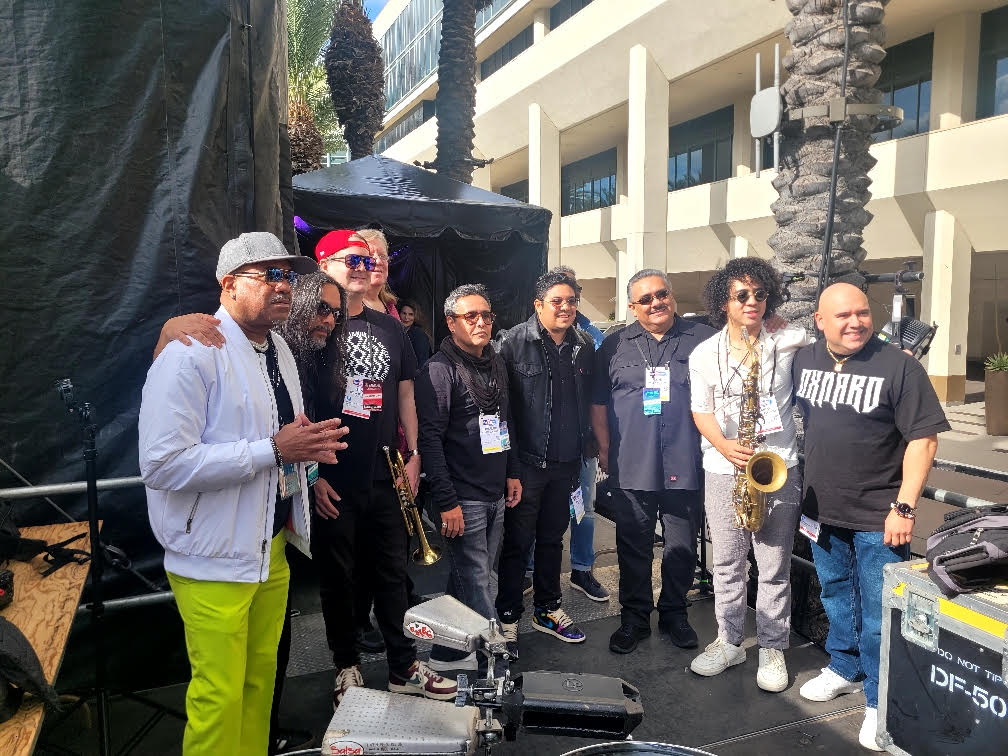
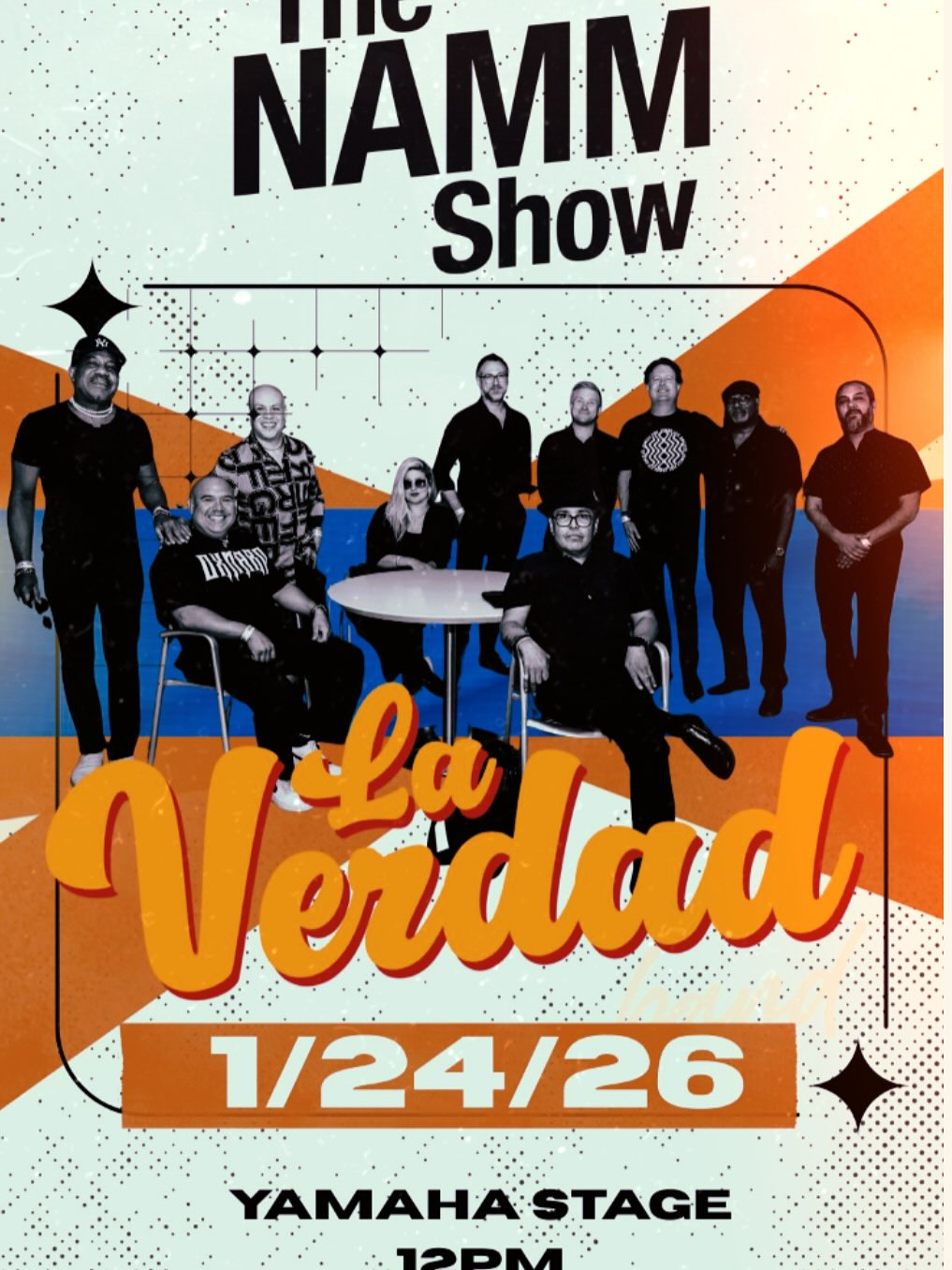
Gabriel Gonzalez, also known by his stage name Gabrielito, is a multi-talented artist whose career spans decades of film, music, videos, commercials, theatre and live-performance concerts. Internationally recognized for movie roles from his childhood work in Mexican cinema to cult classic films as well as countless mainstream commercials, tours and stage productions, Gonzalez captivates audiences with his dynamic stage presence and larger-than-life vocals that make each performance a memorable experience.
He began his career in show business at the age of seven appearing in numerous top grossing films in Latin America featuring the Latin Orchestra La Sonora Santanera and famed comic Resortes. At eight years old, he recorded his first album. Gonzlaez has toured and shared billing with some of today’s most iconic artists across Mexico, Cuba, and the U.S. including Camilo Sesto, Lalo Guerrero, Juan Gabriel, Los Van Van, QUETZAL, Cubanismo, Lila Downs, Los Lobos and many more.
Most notably, he toured with the Tony award-winning musical, In the Heights by acclaimed composer Lin-Manuel Miranda as a principal character of the 2011-2012 North American National Tour. Gonzalez’s latest projects include working in the Salsa community with bands such as Boogaloo Assassins and the Los Angeles-based La Verdad.
La Verdad is the premier West Coast Latin music ensemble. A collective of world-class musicians embodying the truth of the Los Angeles Latin experience, the group is led by Grammy award-winning singer-songwriter Gabriel Gonzalez. La Verdad’s traditional and original repertoire spans the scope of Latin American route music including Salsa, Cha-Cha, Boogaloo, Latin Soul and much more.
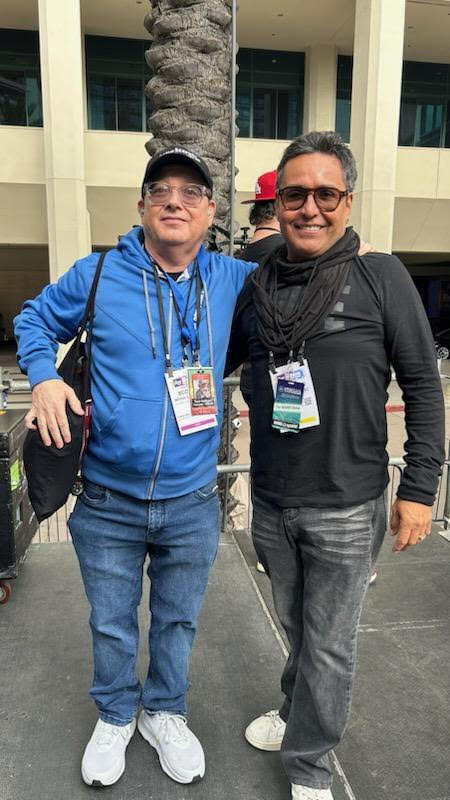
“I have had the absolute pleasure of knowing Gabrielito for several years and I have grown to love & respect his music”
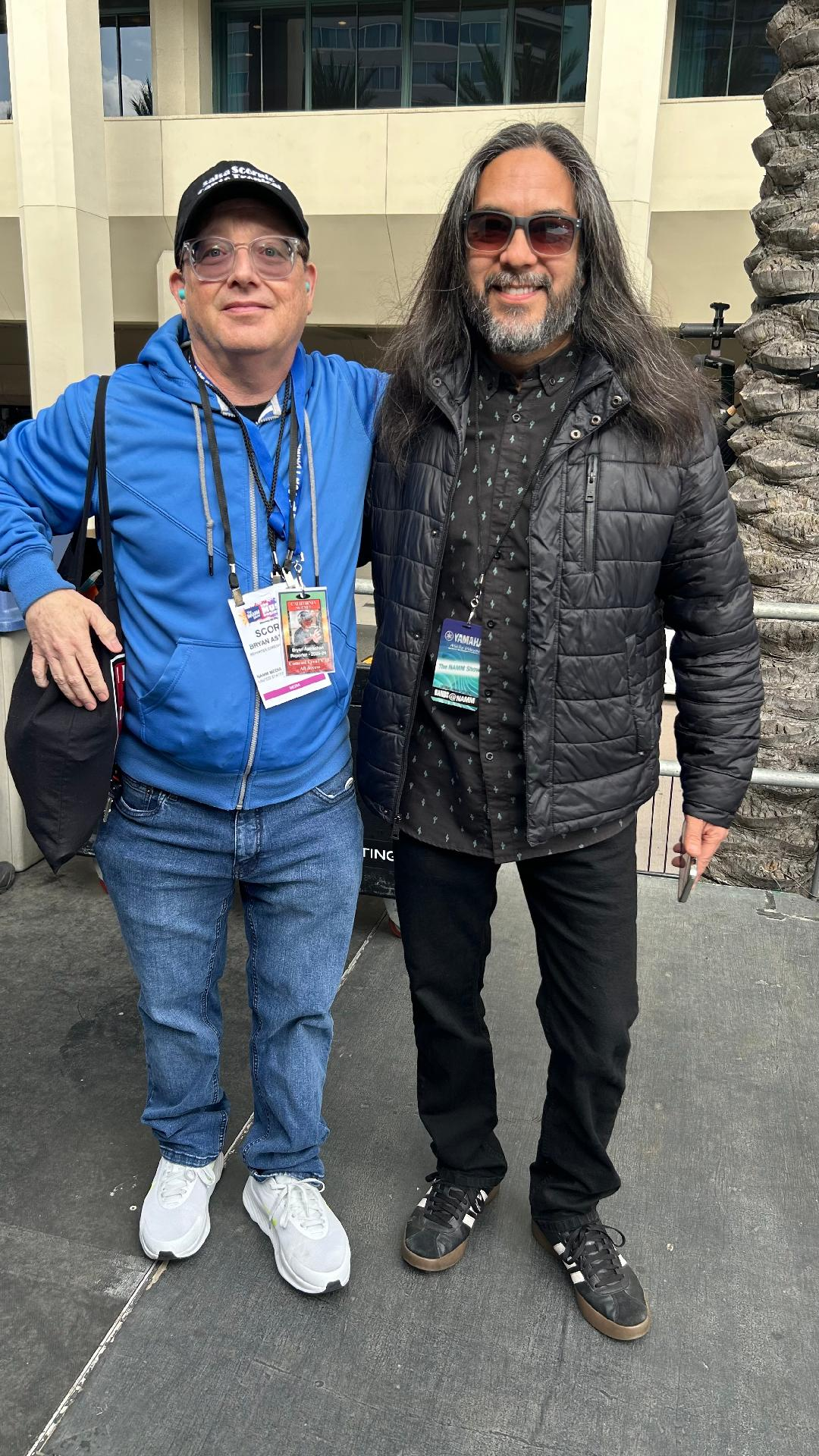

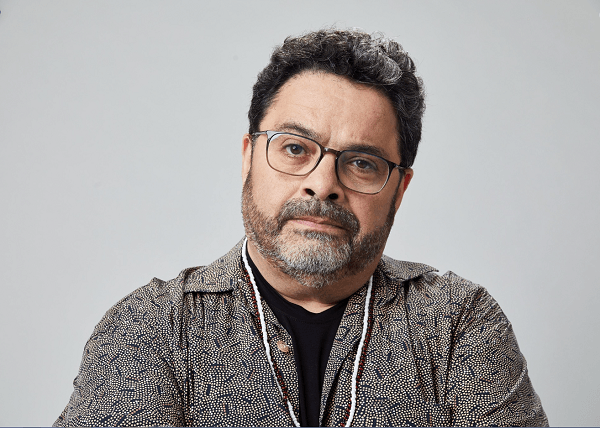
After making some room in his packed schedule, we finally managed to meet with bandleader, composer, and pianist Arturo O’Farrill, who after arriving in Richmond, Virginia, greeted us and talked about various interesting topics related to his long and successful career.
Of course, we did not miss the opportunity to ask if it is true that he and his orchestra will drop out of performing at Birdland as they had done over the past 29 years and what other projects in door they have from now on.
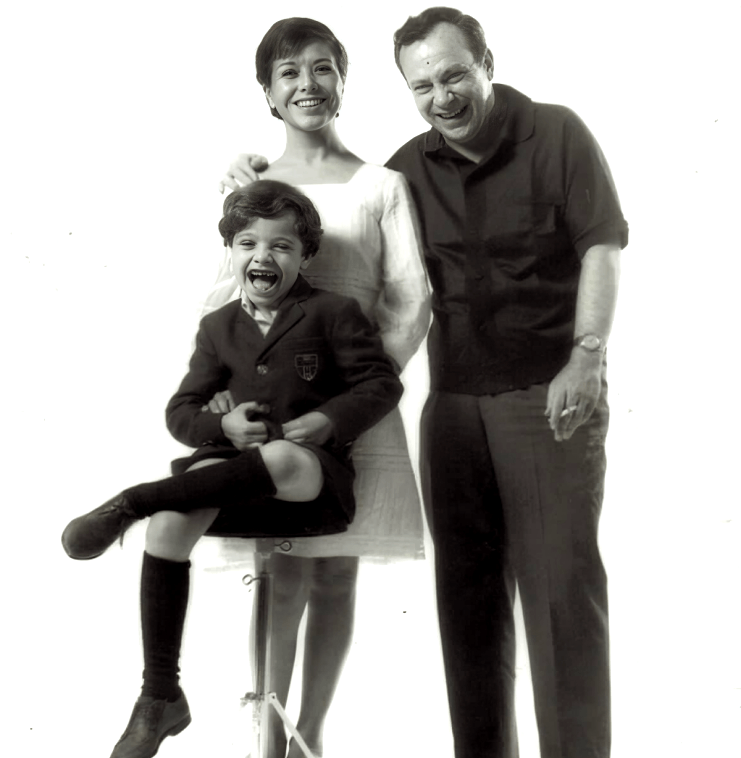
Arturo is the son of Cuban conductor, arranger, and musician Chico O’Farrill and Mexican singer Lupe Valero, so it is natural that he would show an interest in art like them. In addition, being the first male child in the family, there was lots of expectations on him and anything he could get, so he was enrolled in piano lessons and fortunately he had good aptitude for the instrument and was very present at his father’s parties and events with many other artists.
So, he was for a time studying music on Saturdays until he discovered a Miles Davis album in his living room. He says that listening to it changed his life forever, and the song that most marked him was “Seven Steps to Heaven.” At that time, he knew he was going to become a professional musician by choice, not because his father had decided it for him.
He decided to become the best pianist he could be, and because of how busy Chico was with his own career, Arturo studied jazz alongside other young musicians. Some time later, he met bassist Andy González, who finally made him understand his Latin roots and encouraged him to study artists such as Charlie Palmieri and Eddie Palmieri.
“Precisely thanks to Andy, now I understand that our music is a treasure of the Afro-Latin diaspora, and the music my father and so many others of his generation made, for me, is the most incredible thing in the world,” said Arturo.
The artist studied at several top academic institutions, including LaGuardia High School of Music and Art, the Manhattan School of Music, the Brooklyn College Conservatory of Music, and the Aaron Copland School of Music. He clarified that he did not graduate from the Manhattan School of Music, but he does recognize that it was there that he began to truly understand music.
In the case of LaGuardia High School for Music and Art, his parents had to withdraw him because he never attended classes, as he was not interested in history and mathematics, but only in music. He was then enrolled in City As School and got his GED (General Educational Development). Later, at Brooklyn College, he met Professor Teófilo Ruiz, who taught him the importance of forging a social and political conscience, which had a profound impact on his development as a professional and a person.
While working as a musician, Arturo earned his bachelor’s and master’s degrees at Queens College. He spent some time playing, studying, and teaching until Wynton Marsalis, artistic director of the jazz at Lincoln Center program, asked him to create an orchestra for the venue, which they called the Lincoln Center Jazz Orchestra. He worked there for five years until he knew he had to continue his career elsewhere.
After playing along with the great jazz star Carla Bley and Machito, Arturo finally joined his father’s orchestra, the Chico O’Farrill Afro-Cuban Jazz Orchestra, at a time when they were creating many jingles for commercials. When the world was rediscovering Chico, his health was unfortunately in bad shape, so his son stood by his side to support him any way he could.
In the end, he had no other option than taking charge and, together with the rest of the musicians, recording the band’s last three albums. One thing that he had very clear when he took up this challenge was that he did not want to compete with his dad or be constantly compared to him, though he knew it was inevitable. In fact, after doing a concert with him, when he came home, he found a voicemail from someone saying: “You don’t have a fortieth of your father’s talent. In fact, I’ll see you picking through garbage.”
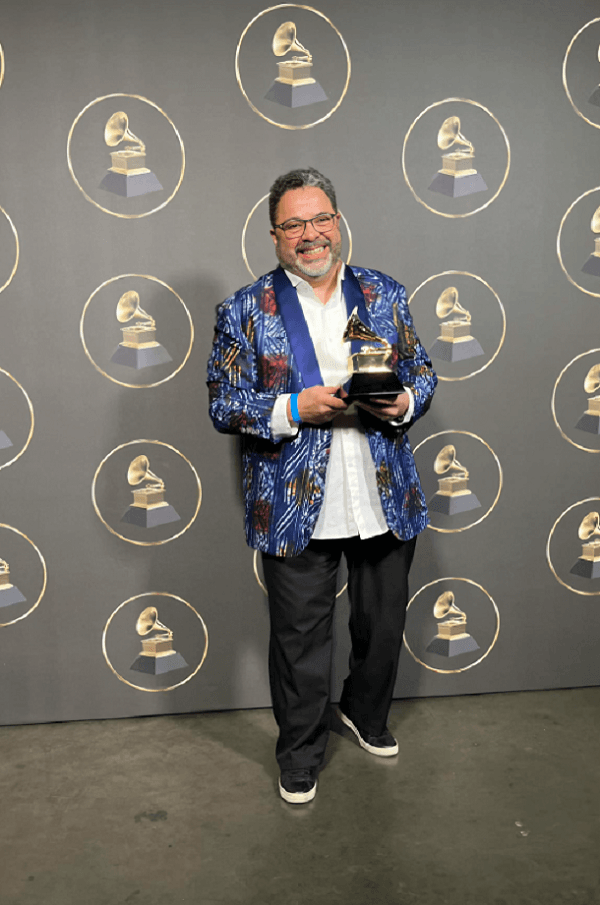
Despite the hurtful comments, it was liberating for him to hear it, since someone had the stupidity to compare him with his father when it did not make sense. That pushed him to use his own compositions in the orchestra, continue creating new music, and have a completely different path from Chico O’Farrill. Unknowingly, the man who insulted him had helped him throw off the mental and artistic chains that bound him by fear of being compared.
Although Arturo was sorry for leaving Chico’s orchestra, he knew he had to make many changes. One of them was that he wanted intergenerational musicians, more races and nationalities. This also led him to change the name of “Afro-Cuban Jazz Orchestra” to “Afro Latin Jazz Orchestra” because, from his point of view, Latin music must include not only Cuba, but also countries such as Puerto Rico, Colombia, Bolivia, Peru, Mexico, and many others.
Despite these changes, Arturo and his orchestra kept playing every Sunday at the prestigious Birdland jazz club, something they had been doing since 1997, before the death of Chico O’Farrill. However, 29 years after that important proposal, Arturo announced on social networks that he would not perform there anymore, but he was very grateful to the staff and management of Birdland for the opportunity they gave him over so many years.
When we wanted to know the reasons for this decision, the artist just told us that this was largely due to “creative and financial disagreements that were making the working environment very toxic,” so the best thing was to cut to the chase and seek pastures new. He assures us that his words do not want to disrespect anyone and that he wishes the best for both the club and its staff, who always treated him and his musicians the best.
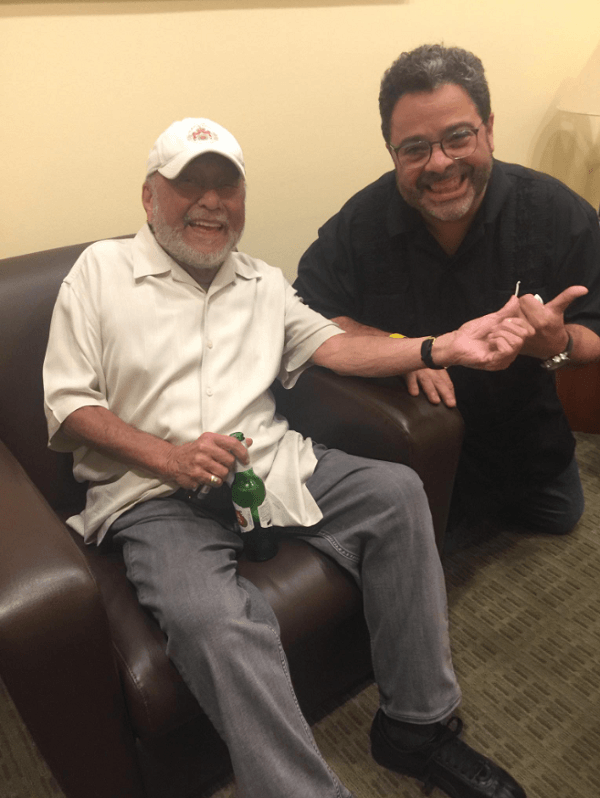
The musician also wanted to talk about his foundation Afro Latin Jazz Alliance, which seeks to educate, play, and preserve. The project has grown so much that today it has 49 teachers, 21 public schools, and a preprofessional program known as “The Fat Cats,” which aims to help young musicians join an orchestra and exploit their talent as never before.
After several formal requests, New York City finally agreed to construct a building with affordable apartments for residents of East Harlem and the first floors are destined to house Casa Belongó. These spaces will include a theater, a jazz club, a healthy restaurant, rehearsal rooms, classrooms, and much more. “Imagine that the power of our Latino community will physically change New York City history,” she concluded on this topic.
Read also: Music reviewer and photojournalist Ricky Ricardo describes his work from the last 35 years