• Skip to primary navigation
  • Skip to main content

International Salsa Magazine

  • HOME
  • Previous editions
    • 2026
      • ISM / April 2026
      • ISM / March 2026
      • ISM / February 2026
      • ISM / January 2026
    • 2025
      • ISM / December 2025
      • ISM / November 2025
      • ISM / October 2025
      • ISM / September 2025
      • ISM / August 2025
      • ISM / July 2025
      • ISM / June 2025
      • ISM / May2025
      • ISM / April 2025
      • ISM / March 2025
      • ISM / February 2025
      • ISM / January 2025
    • 2024
      • ISM / December 2024
      • ISM / November 2024
      • ISM / October 2024
      • ISM / September 2024
      • ISM / August 2024
      • ISM / July 2024
      • ISM / June 2024
      • ISM / May 2024
      • ISM / April 2024
      • ISM / March 2024
      • ISM / February 2024
      • ISM / January 2024
    • 2023
      • ISM / December 2023
      • ISM / November 2023
      • ISM / October 2023
      • ISM – September 2023
      • ISM – August 2023
      • ISM July 2023
      • ISM Edition June 2023
      • ISM – May 2023
      • ISM April 2023
      • ISM March 2023
      • ISM February 2023
      • ISM January 2023
    • 2022
      • ISM December 2022
      • ISM November 2022
      • ISM October 2022
      • ISM September 2022
      • ISM August 2022
      • ISM July 2022
      • ISM June 2022
      • ISM May 2022
      • ISM February 2022
      • ISM January 2022
    • 2021
      • ISM December 2021
      • ISM November 2021
      • ISM October – 2021
      • ISM September 2021
      • ISM August 2021
      • ISM July 2021
      • ISM May 2021
      • ISM April 2021
      • ISM June 2021
      • ISM March 2021
      • ISM February 2021
      • ISM January 2021
    • 2020
      • ISM December 2020
      • ISM November 2020
      • ISM October 2020
      • ISM September 2020
      • ISM August 2020
      • ISM July 2020
      • ISM June 2020
      • ISM May 2020
      • ISM April 2020
      • ISM March 2020
      • ISM February 2020
      • ISM January 2020
    • 2019
      • ISM December 2019
      • ISM November 2019
      • ISM October 2019
      • ISM Septembre 2019
      • ISM August 2019
      • ISM July 2019
      • ISM June 2019
    • 2016
      • ISM December 2016
  • Spanish
  • Download Salsa App
    • Android
    • Apple

Search Results for: Latin

Clubs Tour in Tennessee

North America / USA / Tenessee

Do you want to party in Tennessee? Then, this tour is made for you! It is the perfect opportunity to meet people and dance Latin tropical music all night in the best clubs of the moment.

The Rumba Room

The tour starts with The Rumba Room nightclub every Friday and Saturday from 9:30 pm to 3:00 am. Remember to bring your ID and try the mojitos. Guys first shot is on the house.

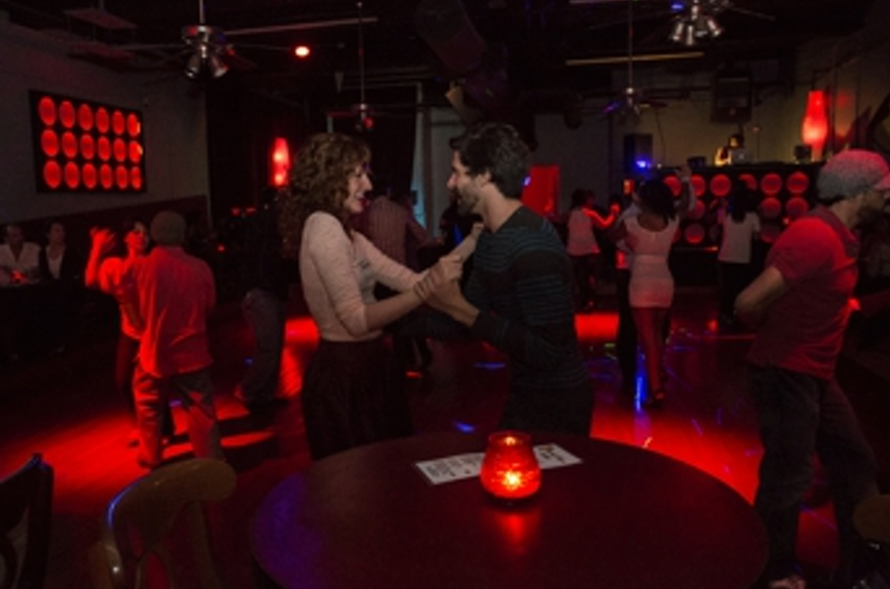
The Rumba Room is the first salsa nightclub located in downtown Memphis! Their mission is to introduce Latin culture to the Greater Mid-South through food, music, and dance.

The Rumba Room specializes in Latin food, tropical mixed drinks and live entertainment. They feature salsa lessons, live salsa bands, dance competitions, shows, concerts, after- parties, and reservations for private events.

THE RUMBA ROOM

There’s a swanky bar area, a colorful mural, a menu full of Cuban and Latin-inspired appetizers, and a large dance area that pulses with a salsa beat. Primarily a DJ-driven dance club, the Rumba Room offers salsa music every Friday and Saturday night, with an occasional live band featured. Free salsa lessons are offered both evenings starting at 09:30pm. On Friday nights starts at 07:00 p.m until salsa time. The minimum age is 21; entry for salsa nights is 18 and up; ladies over 21 are free until 10 p.m., and there’s a $10 cover for all others.
The Rumba Room
The Rumba Room

Website: www.memphisrumba.com Address: 303 S. Main Street, Memphis, TN 38103, USA.

FRIDAY

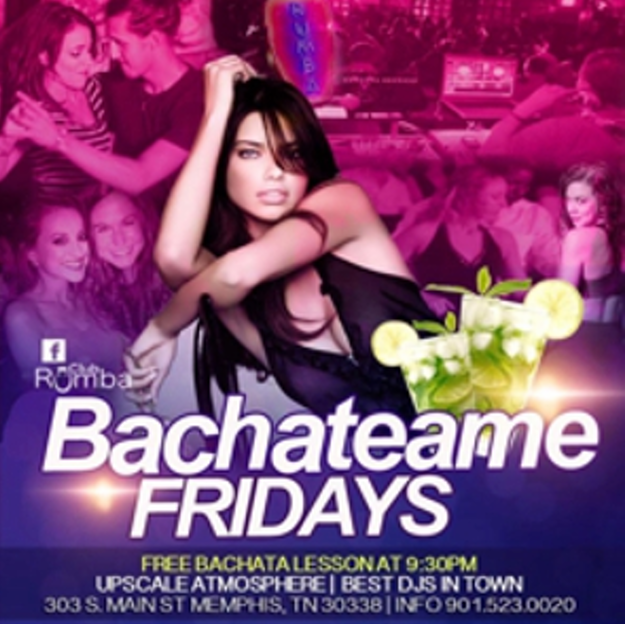
Bachateame Fridays

  • 9:30pm – 3:00am Free bachata lesson at 9:30pm. Ladies free all night. Guys first shot is on the house.
  • The Rumba Room - Bachateame Fridays
    The Rumba Room – Bachateame Fridays

SATURDAY

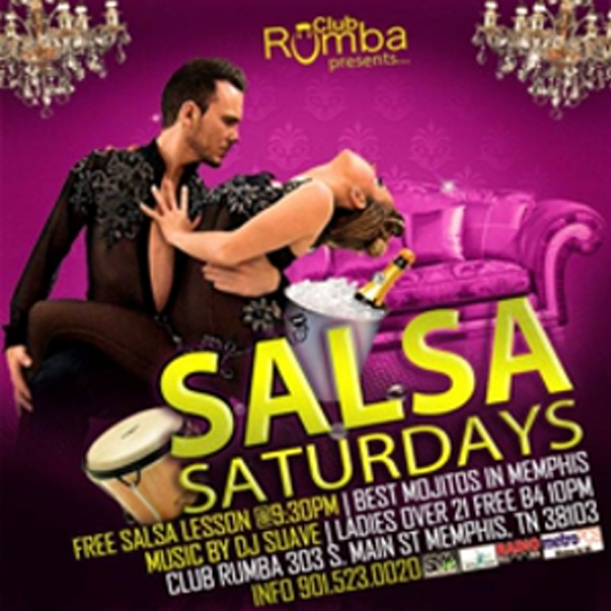
Salsa Saturdays

  • 9:30pm – 3:00am Free lesson at 9:30pm. Best DJs in town.
  • The Rumba Room - Salsa Saturdays
    The Rumba Room – Salsa Saturdays

Salsa Puerto Rican And Latin Cuisine

Explore the limits of your Nashville experience by dancing in this most important nightclub in Tennessee! You will know why Salsa is the queen of the parties and you will meet many people with the same passion as you for this tropical rhythm.

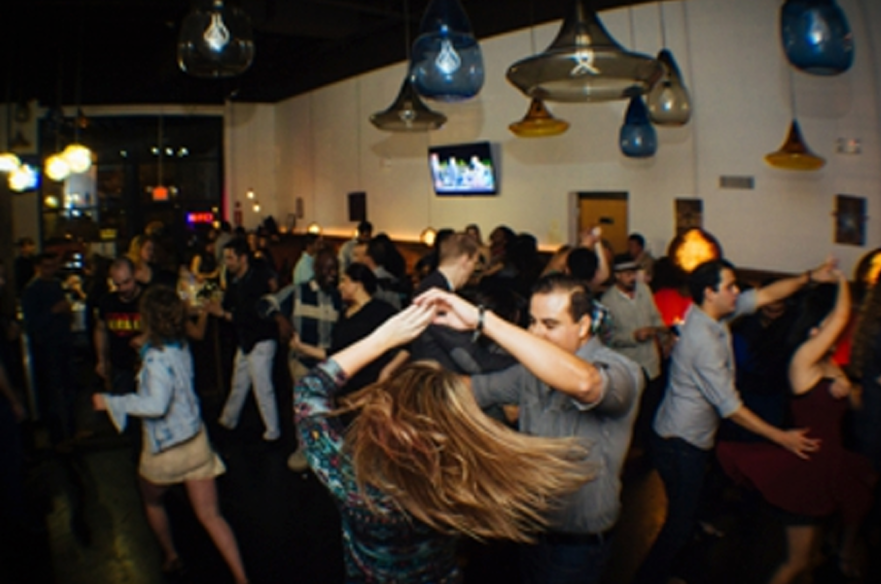
In January of 2013 Salsa Puerto Rican and Latin Cuisine opened its doors to the public in the heart of this city, bringing new flavors to Music City and adding the Caribbean taste to the great cultural variety of Nashville, with Latin dancing evenings and special events.
Salsa Puerto Rican And Latin Cuisine

FREE Salsa Dancing Lessons are presented every Tuesday, starting at 8pm. Aquí el instructor Francisco te ensenara los pasos básico de la Salsa, si eres principiante, para que aprendas a bailar esta música con facilidad y adoptes este ritmo rápidamente. La meta de Francisco es que tú aprendas a bailar Salsa. Es sencillo, te divertirás y socializarás a la vez. No Cover. Free Parking.

  • Address: 818 Palmer Pl, Nashville, TN 37203, USA.
  • Website: www.salsarestaurantnashville.com

404 BAR & GRILL

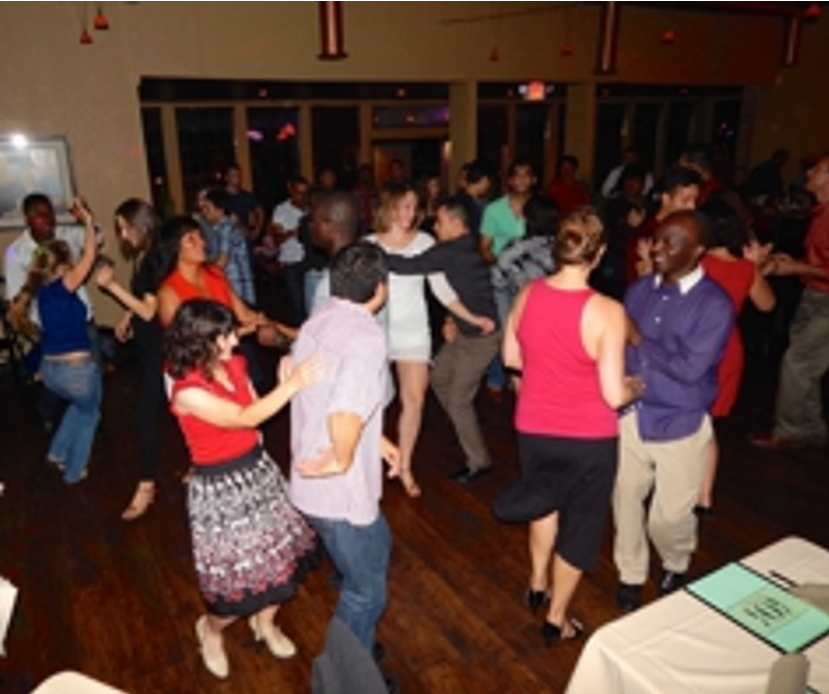
No queuing, no stress, just one of the best experiences of your life in the nightlife town of Nashville. EVERY SATURDAY, Sexy Salsa Dancing, 08:00pm. As always, on the main floor, we will be playing the hottest mix of Salsa and Bachata with just a splash of Cha Cha, Merengue, and Cumbia. It’s a mix that is proven to keep you on the dance floor all night long, so join for great music, people, and a cool time!

Joining for a very special Havana Nights! They will also be opening up the back patio for Kizomba by Moonlight, a separate area strictly kizomba and some afrohouse. (Weather permitting)
404 Bar & Grill
404 Bar & Grill

It has a small parking lot, but there is also plenty of free parking in the lot across the street.

  • Ticket: 8,00 USD/per person
  • 9:00pm Salsa Lesson
  • 10:00pm-01:00am Open Dancing
  • $8 cover charge
  • Website: www.404barandgrill.net
  • Address: 404 Elysian Fields Rd, Nashville, TN 37211, USA.

IBIZA NIGHT CLUB

And finally, take a walk on Ibiza Nightclub. A Club with 11 years of experience and great reputation in South Nashville. Their owners are Colombians and they put 100% Latin music: Salsa, Merengue, Bachata, Reguetón, etc…, punctured by Djs. They have a great musical repertoire that walks you from the great old successes until the present time. You dance all night and the safety is best.
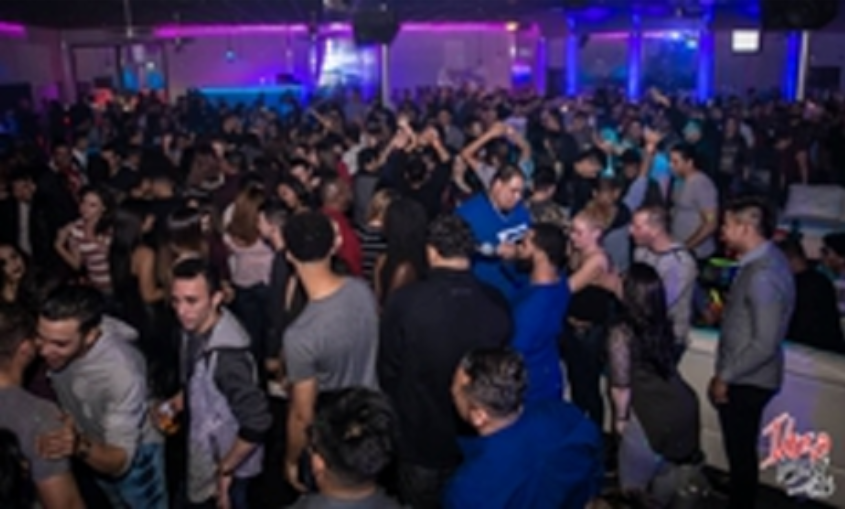
Ibiza Night Club
Ibiza Night Club
  • Parking: In the street or beach
  • Open: Thursdays – Saturdays: 21:00-03:00 & Sundays: 22:00-03:00
  • Address: 15128 Old Hickory Blvd, Nashville, TN 37211, USA.
  • Facebook: Ibiza Night club
Houston Salsa Congress 2017

North America /  USA / Texas

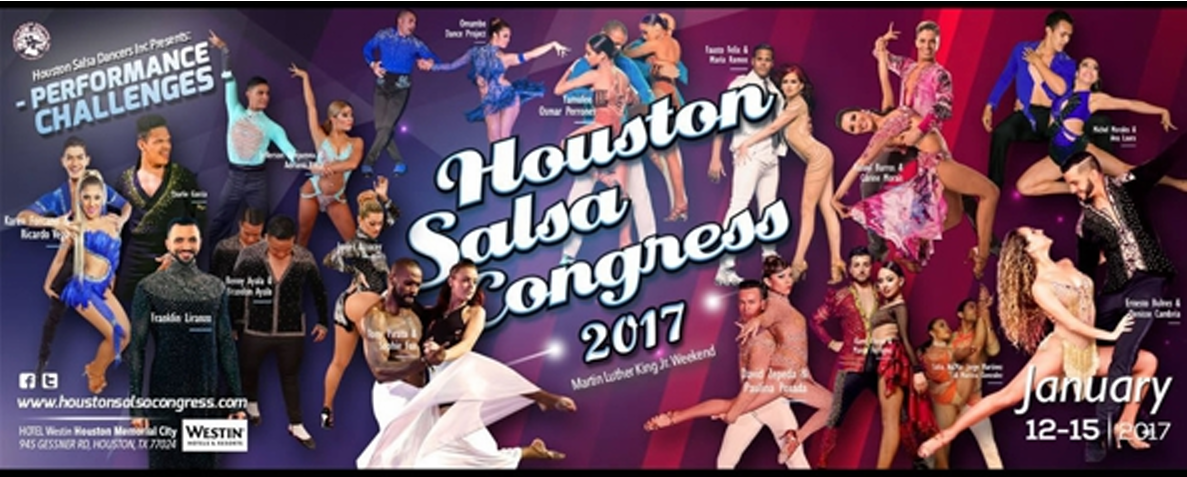
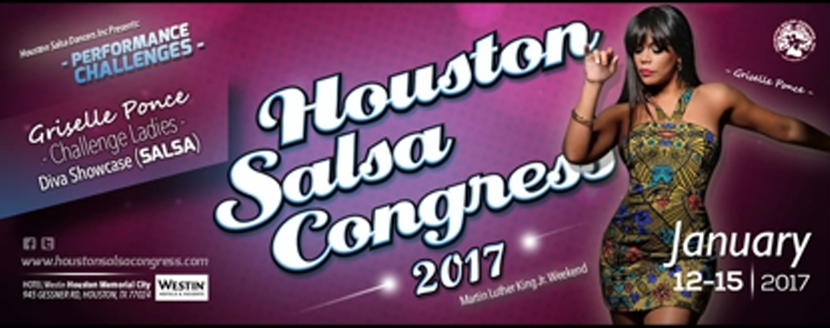
In 2000, Houston Salsa Dancers, Inc. hosted the first Congress of its kind in the City of Houston. Today, the Houston Salsa Congress continues to highlight the beauty, creativity, and culture of Latin dance and music with our featured performing artists and musical artists.

Houston Salsa Congres 2017

HOUSTON SALSA CONGRESS 2017

Houston Salsa Dancers, Inc. is officially recognized as a nonprofit corporation who hosts the LARGEST Salsa Socials in Houston every month raising funds for the annual HSD, Inc. Scholarship Program. Through this program, HSD has helped dozens of students from the Houston area by awarding a cumulative total of over $25,000 in scholarships.

Scholarships are awarded annually at the LARGEST Salsa event in the South, the Houston Salsa Congress, every Martin Luther King, Jr weekend.

The Houston Salsa Congress has become a must-attend event for many dancers and performers. Being the first non-profit Congress, the HSD Board Members are always innovating and changing how Congresses are managed setting the bar high for other events to follow the remainder of the year. The Congress consist of performances by only the best in Salsa and other dances, weekend workshops to help dancers improve their skills, and some of the best social dancing in the world!

Houston Salsa Congress 2017

Another way HSD is stepping above the rest is through its event called “Bailando Hacia La Universidad (“Dancing Your Way to College”)” which was designed to educate High School students on attending college and college admission. (We bring in guests speakers and end it with a special performance… Example agenda: http://www.houstonsalsacongress.com/schedule_collegeday.php).

Houston Salsa Dancers, Inc. also hosts the “SalsaDURA Saturday” social every 1st Saturday every month. SalsaDURA is also called the mini-Congress of the South attracting dancers and performers from all around the world. This monthly event helps fund the Scholarship fund along with the Houston Salsa Congress event.

BANDS

JOSÉ ALBERTO “EL CANARIO”

José Alberto Justiniano (born December 22, 1958 in Villa Consuelo district, Santo Domingo, Dominican Republic), better known by his stage name José Alberto “El Canario” is a Dominican salsa singer. José Alberto moved to Puerto Rico with his family at the age of 7, and inspired by Latin music went on to polish his singing at Las Antillas Military Academy. He relocated to New York in the early 1970s and sang with several orchestras. He received international attention as the bandleader of Tipica 73 in October 1977.

José Alberto started his own band in 1983, and became a major Latin star after the release of his 1984 debut Noches Calientes. His 1991 album Dance With Me, which established a new style of salsa called salsa romántica. He has sung hit songs such as “Sueño Contigo” His voice was widely adored by his fans, and his exceptional whistling abilities (being able to improvise as if he was playing a traverse flute) led them to give him the nickname El Canario (The Canary).

JOSÉ ALBERTO "EL CANARIO"
JOSÉ ALBERTO “EL CANARIO”

El Canario has enjoyed success in the United States and Europe, but especially throughout Latin America, including in his native Dominican Republic, Puerto Rico, Peru, Venezuela, Panama, and Ecuador. El Canario in 1999 also was part of the biggest Latin American festival in Australian history at The Bacardi Darling Harbor Latin American Festival in Sydney, as supporting act for salsa performer Celia Cruz with over 22,000 people in attendance.

On 24 May 2008, José Alberto celebrated 30 years in the music industry at the United Palace Theater in New York City. Among the several special guests were Oscar D’León, Ismael Miranda, Raulín Rosendo, Joe Arroyo, and Latin music mogul Ralph Mercado.

JOSÉ ALBERTO "EL CANARIO"
JOSÉ ALBERTO “EL CANARIO”

Bobby Valentín & His Orchestra

Valentín (birth name: Roberto Valentin) was born in June 9, 194, in Orocovis, Puerto Rico. He was taught by his father to play the guitar at a young age. When his mother died in 1947, he went to live with his older sister and was raised in the town of Coamo where he received his primary education and studied music. When he was 11 years old, he participated in a local talent contest with a trio that he had formed.

He played the guitar and sang for the trio and they won the first place prize. One of his teachers suggested that he attend the Jose I. Quinton Academy of Music, which he did. It was there that he learned to play the trumpet.

Valentin en concierto

In 1956, Valentín moved with his family to New York City where he attended George Washington High School and continued to take music lessons. In 1958, he went to play for Joe Quijano but, shortly after, he played in the band of Willie Rosario, who was from the same neighborhood.

MUSICAL CAREER

In 1963, Valentín joined Tito Rodriguez (after not being hired by Tito in a recording session because of his age, he was given a chance and was added to his regular band) and traveled twice with Tito’s orchestra to Venezuela. He also made musical arrangements for Tito and at times for Charlie Palmieri, Joe Quijano, Willie Rosario, and Ray Barretto. In 1965, he formed his own band and was signed by the Fania Record Label. He recorded “El Mensajero” (The Messenger) and “Young Man With a Horn”. He held his first concert in Puerto Rico during that period of time.

In 1975, Valentín left Fania and founded his own record label “Bronco Records” and released the recordings of “Va a la Carcel” Vol 1 and Vol 2, recorded “live” at “El Oso Blanco”, Puerto Rico’s oldest state penitentiary. At the time, Marvin Santiago was the singer on Valentín’s band; his biggest hit with Valentín was “Soy Boricua”, an ode to Puerto Rican nationality that has since become a patriotic song for the pro-independence faction of the island.

In 1978, salsa singer Cano Estremera made his singing debut with Valentín’s orchestra and recorded various major hits for the band, particularly the Roberto Angleró song “La boda de ella” and “Manuel García”. During the years Valentín has been featured in recordings (and occasional live appearances) by Larry Harlow, Ismael Miranda, Roberto Roena, Cheo Feliciano and Celia Cruz. He also provided backdrop for the Billyván Santiago (Marvin’s youngest brother) song “Mata la cucaracha”, a sleeper hit in Puerto Rico during the 2002 Christmas season.

Houston Salsa Congress 2017. TICKETS
Full Event Pass: $280.00 (USD)
Full Event Pass + VIP Upgrade: $310.00 (USD)
Night Pass (ALL NIGHTS): $110.00 (USD)
Night Pass + VIP Upgrade (ALL NIGHTS): $165.00 (USD)
Night Pass (THURSDAY ONLY): $35.00 (USD)
Night Pass (FRIDAY ONLY): $35.00 (USD)
Night Pass (SATURDAY ONLY): $35.00 (USD)
Night Pass (SUNDAY ONLY): $35.00 (USD)
www.houstonsalsacongress.com
Houston Salsa Congres 2017 FLYER

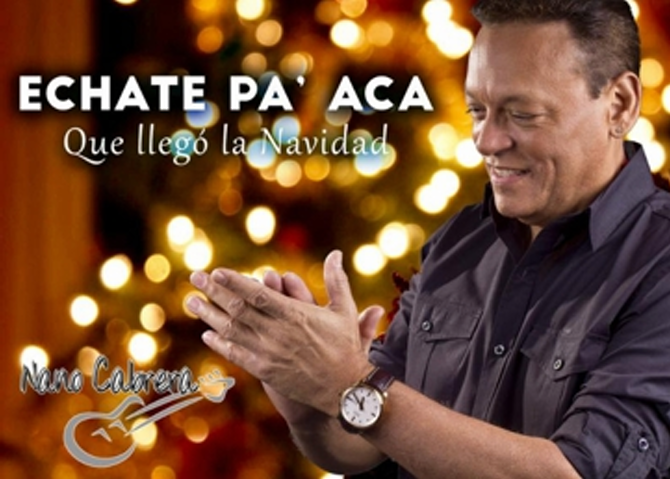
Nano Cabrera Presents “Échate Pa’ Cá

North America / Puerto Rico

Renowned Puerto Rican singer-songwriter Nano Cabrera presents his theme for this holiday season titled “Échate Pa ‘Acá”. This song has mergers with urban music. It was written by Marinés Colón and can be downloaded for free via the Nano channel on the Sound Cloud digital platform.

“I present this song with a lot of humility and I hope you enjoy it, we did it with the purpose of downloading it and enjoy it at your parties.” Christmas is the best time of the year! It’s when forget the problems because the Christmas represents parrandas, joy and sharing in family, “said Nano.

The contagious joy to which we are accustomed, is demonstrated in the musical arrangement of the song “Échate Pa ‘Acá” that was created by the own Nano and counted on the co-production of Durand tla Elite.

Nano Cabrera - Echate Pa aca
Nano Cabrera – Echate Pa aca

Cabrera, responsible for successes such as: “Que le den, que le den” and “Este Pueblo tiene sabor”, is a graduate of the Conservatory of Music of Puerto Rico and dominates the execution of guitar, bass, piano, cuatro and percussion. In addition, it has participated in 65 record productions.

“The Christmas theme can be downloaded for free through the Sound Cloud digital platform”

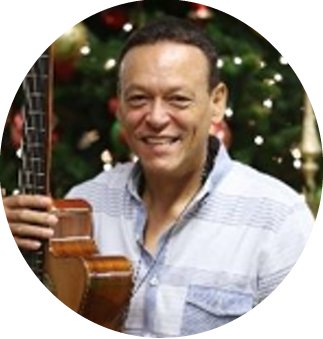
Nano Cabrera

Date of Birth: March 1, 1952

Place of Birth: Puerto Rico

Nano Cabrera Biography

Nano Cabrera
Nano Cabrera

Nano Cabrera was born in the context of a musical family. In his childhood years he began to manifest his talent with the guitar and already in his adolescence he founded his first Latin rock group, “Dios, Madre y Patria”. In that stage of rocker that occurred in the years when the movement of the new wave reigned, Nano composed, arranged and played bass. Already in the late 60’s the young musician coincided with the arrival of the duo Nelly and Tony, with whom he worked for several years as arranger, bassist, composer and vocalist.

Graduated from the Conservatory of Music in the 70’s Nano was a founding member of the new group, Haciendo Punto en Otro Son. With this group, distinguished as one of the pillars of the new Puerto Rican trova, Nano remained for two years, thus polishing his knowledge as arranger and composer. In addition to playing the bass, Nano added to the group a singular falsetto that became the characteristic sound of Haciendo Punto.

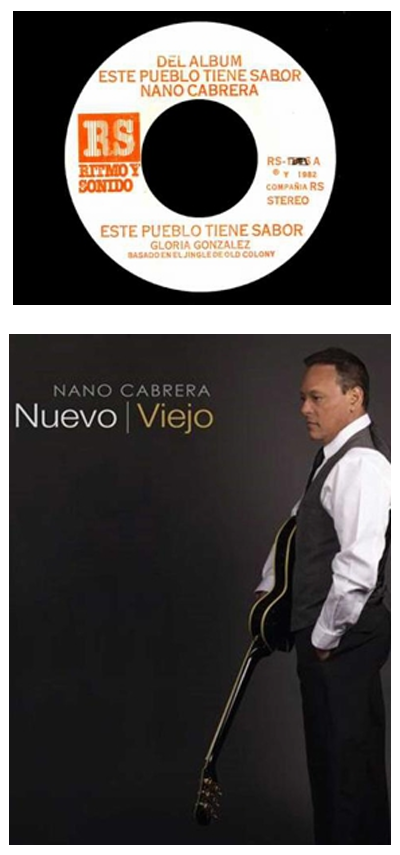
Nano Cabrera - Nuevo Viejo
Nano Cabrera – Nuevo Viejo

After his work with the group, Cabrera began a career as a soloist popularizing the theme “Que le den, que le den” with which he won an exclusive contract with

Wapa Televisión (today Televicentro). At this stage comes his famous “Este pueblo tiene sabor” that brought so much popularity by becoming the jingle of a well-known soft drink.

In his career, Nano has recorded more than a dozen albums as a soloist, in which he has popularized songs such as “María Isabel” and “Ramito de azucenas”.

Part of his artistic career includes performances in the Dominican Republic, Colombia, the United States and Spain.

Since always his shows have been characterized by creating a fresh, original and full of positive energy. Today, along with twelve other musicians and some dancers, Nano Cabrera has managed to create a fusion of sounds and visual elements that allow spectators to make an imaginary journey through different musical genres.

Main Discography

  • A ella le gusta – 2000
  • Amiga de la luna – 1995
  • Con buena nota – 1997 (junto a Ismael Miranda)
  • Tropimusical – 1990
  • Caribe soy – 1986
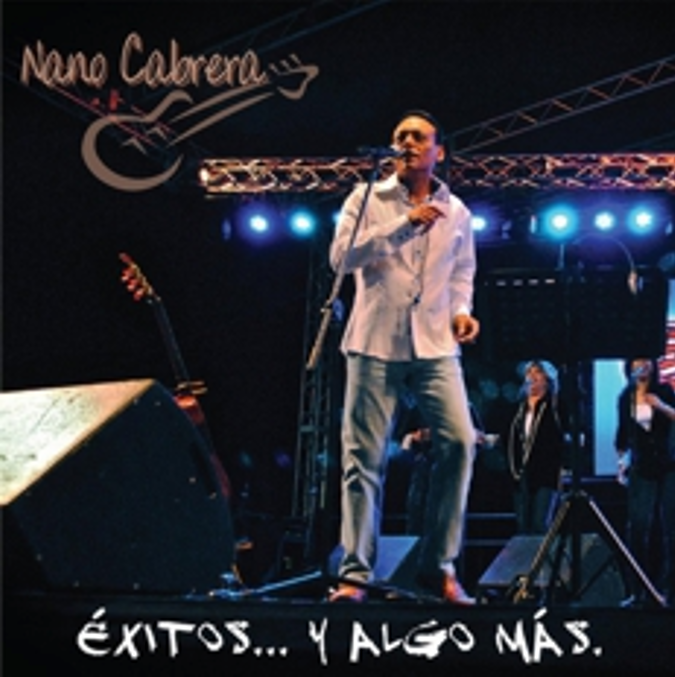
Nano Cabrera - Exitos y algo mas
Nano Cabrera – Exitos y algo mas

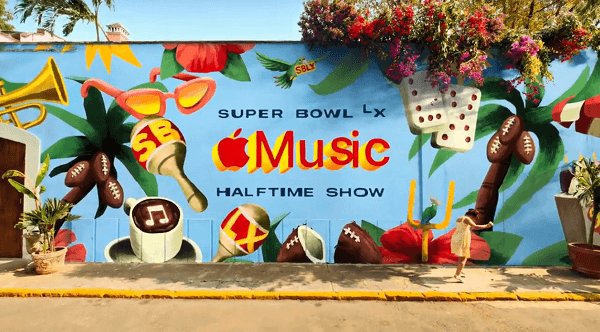
Background and reactions to Bad Bunny’s halftime show in The Super Bowl

The Super Bowl is the name given to the final match of the National Football League (or simply known as the NFL) championship, whose opponents are the winners of the National Football Conference and the American Football Conference. The match is due on the second Sunday of February every year and is one of the most watched broadcasts in the United States, but it is not the only thing that grabs viewers’ attention that day.

Over the years, the Super Bowl has become one of the most important social events in the country, to the point that it is one of the days of the year when more food and drink are consumed. One of its biggest attractions, and a matter of controversy from time to time, since its inception has been the Halftime Show. 

Absolutely every edition has featured a musical performance during halftime of the match. In the beginning, college marching bands were responsible for taking up the cudgel for the show, but its growing popularity got much more famous singers and bands be hired to take this prime spot.

There have been great and supremely talented artists, such as the exceptional case of Michael Jackson, who gave one of the most legendary and memorable performances to date. Likewise, artists such as U2, Justin Timberlake, Prince, Paul McCartney, The Rolling Stones, and Madonna, among others have also participated there. More recently, Shakira, Jennifer Lopez, Rihanna, and Usher have performed at the halftime show.

However, few musical performances have caused as much controversy as this year’s, which was performed by music producer, rapper, and reggaeton artist Benito Antonio Martínez Ocasio, known as Bad Bunny.

How Bad Bunny started his show
This is how the Bad Bunny’s halftime show started

Who is Bad Bunny?

Seeing everything he has achieved on a professional and artistic level, we could find it hard to believe the humble origins of the Puerto Rican artist, who grew up in a working-class household and was the son of a truck driver and a teacher who always instilled in their son the taste for music since childhood. By that time, many of his acquaintances started calling Benito “Bad Bunny” because of a sweet photo of him wearing bunny ears and having an annoying face.

What is known of his working life before becoming an artist is that for a time he worked as a bagger at Econo Supermarket while uploading the songs he composed to SoundCloud, material which reached the ears of producer DJ Luian. Through him, he managed to be signed to the label Hear This Music in 2016 and strengthened himself as an artist by collaborating with urban music greats such as J Balvin, Ozuna, and Cardi B. From there, his fame and popularity did nothing but grow and grow.

After that, what came next was a string of hits from his albums, which were “X 100PRE,” “YHLQMDLG,” “El Último Tour del Mundo,” “Un Verano Sin Ti,” “Nadie Sabe Lo Que Va A Pasar,” and “DeBÍ TiRAR MáS FOToS.” Following the release of “X 100PRE,” the Puerto Rican left Hear This Music and broke his professional relationships with DJ Luian and Mambo Kingz due to creative differences and the lack of support for their projects. 

Already in 2018, it was finally confirmed that “El Conejo Malo” left Hear The Music to join Rimas Entertainment led by his manager Noah Assad, who is the current CEO, public face, and majority owner of the company. However, the main investor since its founding in 2014 was former Venezuelan military officer and public official Rafael Jimenez Dan, whose links with the late President Hugo Chávez have made him a controversial figure and, to some extent, harmful to the company. For this reason, every effort has been made to disassociate Jiménez from the label until he finally sold his 60% stake in 2023, when Assad took full control of Rimas and Sony Music stepped in as a new investor.

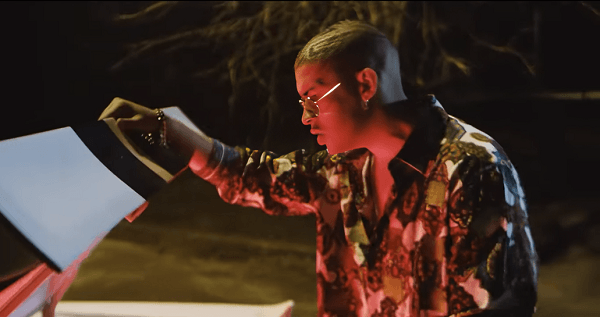
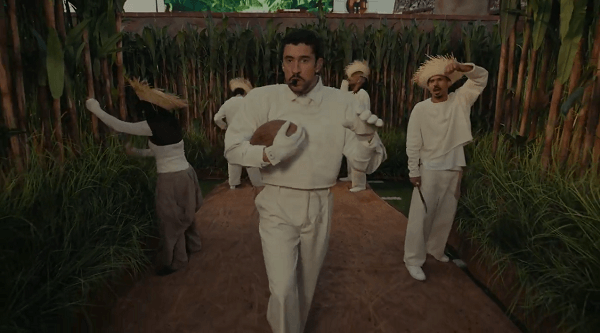
Bad Bunny singing ''Soy Peor''
Bad bunny in his videoclip ”Soy Peor” during his time with Hear The Music

However, this situation inflicts no injury on the image and great success of Bad Bunny, who clearly has nothing to do with these businesses and operations between the owners of his current record label.

Social and political stances

In recent years, Bad Bunny has used his art to put a magnifying glass on important issues for Puerto Rican and Latino communities. Some of them are the exodus of many inhabitants of the island, gentrification, the energy crisis, and the territory’s status of associated state. In fact, he participated in the 2019 protests demanding the resignation of then Governor Ricardo Rosselló and released the song “El Apagón” and financed a documentary of the same name denouncing the constant blackouts, the terrible service provided by the private company Luma Energy, the privatization of beaches, and the government’s abandonment of Puerto Rico’s infrastructure. 

As for the Latino community in the United States, the artist has been very vocal about Immigration and Customs Enforcement (ICE) proceedings against illegal immigrants and recent altercations with some protesters who claim that the institution has criminalized Latinos, no matter if they are criminals or not. Moreover, in his acceptance speech for his Grammy in the category of Best Urban Music Album, he said, “ICE out! We are not savages, we are not animals… we are humans and we are Americans.”

With this prelude, it is clear how Bad Bunny would focus his show at the Super Bowl a week later on February 8 of this year.

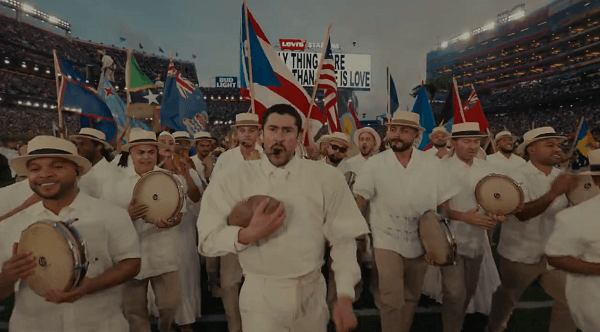
Bad Bunny during his performance
Bad Bunny during his performance in the Super Bowl

Bad Bunny’s participation in the Super Bowl

The NFL and the production company Roc Nation, led by American rapper Jay-Z, chose Bad Bunny as the main artist for the halftime show in order to attract a global and Latino audience, a decision that obtained Commissioner Roger Goodell‘s support, which earned him a tsunami of criticism from much of the American public. What is known about this is that Jay-Z took into account his cultural impact and status as a Spanish-language musical leader, aiming to go for freshness and novelty on stage. 

So, that was how February 8 arrived with a very high expectation for what the artist and his team had prepared for that day. And boy, did they have a few surprises.

The performance, executed entirely in Spanish, was a tribute to Puerto Rico and Latin America in general. During the 15 minutes the Puerto Rican artist was on stage, scenography represented typical elements from the Island of Enchantment and much of Latin America, such as sugar cane fields, men playing dominoes, piragua stands, boxers, plastic chairs, barbershops, among others. 

He kicked off the concert with one of his greatest hits, “Tití Me Preguntó,” followed by a remix of some of the most iconic songs by reggaeton artists such as Daddy Yankee, Don Omar, and Tego Calderón. One of the big surprises was the appearance of Lady Gaga performing “Die With A Smile” in salsa version and dancing with Bad Bunny to make way for Ricky Martin singing “Lo Que Pasó En Hawaii” in open protest against the parallels between the situation in Hawaii and that of Puerto Rico today. 

The show closed with the urban artist saying “God Bless America” and proceeding to list all the countries that comprise the American continent alongside people waving their flags. 

Lady Gaga singing
Lady Gaga singing ”Die With A Smile’’ in salsa version

Some reactions after the show

Reactions to the show were extremely divided. While much of the Latino audience welcomed the Benito’s message, many Americans found it boring and confusing because of unfamiliar references and language barrier. However, it is clear that it had a profound impact and will extend the conversation about Latinos for a long time. 

Even aside from art and the quality of the performance, many understand that the show goes much further than the artist and his actions, but rather the social and political message he wanted to bring to the United States and the world, to the point that President Donald Trump himself described it as “absolutely terrible, one of the worst, EVER!” He also added that the show “doesn’t represent our standards of Success, Creativity, and Excellence” of the United States and that it was “a slap in the face to our country.”

However, other personalities like Jimmy Fallon, who has had Bad Bunny on his show, have shown his support to the artist on numerous occasions both on his show and social media. He also received support and praise from singers such as Katy Perry, Kacey Musgraves, and Alicia Keys. 

Bad Bunny with the flags
Bad Bunny with the flags of Latino countries

A Puerto Rican artist’s perspective on Bad Bunny’s show

There have been many reactions from all over the world, but what do Puerto Ricans themselves think about it? To know what a Puerto Rican artist thinks about this great event, we spoke with singer, comedian, and actress Carmen Nydia Velázquez, who shared her thoughts about “el conejo malo” and all the debate his show generated in the media and social networks. The performer noted the following:

”In common with the vast majority of Puerto Ricans, I am deeply proud of our Bad Bunny’s performance in the Benito Bowl. He was spectacular! The fact that our beautiful island has given birth to a world-famous artist who has reached the most coveted stage for any artist fills your heart with joy. But the most important thing about Benito is his commitment to give us a relevant place in the world, with our Spanish language and our culture. The noise surrounding Benito’s participation, before, during, and after the Super Bowl seems to have no end. It’s now history!”

Read also: Musician and entrepreneur of Latin origin Jorge Torres talks about his band and his company

ISM / March 2026

ISM 03 2026 L ISM 03 2026 R
SalsaApp Left SalsaApp Right
NA 03 2026
LA 03 2026
EU 03 2026
AF 03 2026
AS 03 2026
OC 03 2026
SFSF March 2026

“We are the Real Latin music world network”

Letter to the Editor Joint our team
  • « Go to Previous Page
  • Page 1
  • Interim pages omitted …
  • Page 60
  • Page 61
  • Page 62
  • Page 63
  • Page 64
  • Interim pages omitted …
  • Page 305
  • Go to Next Page »

International Salsa Magazine (ISM) is a monthly publication about Salsa activities around the world, that has been publishing since 2007. It is a world network of volunteers coordinated by ISM Magazine. We are working to strengthen all the events by working together.