• Skip to primary navigation
  • Skip to main content

International Salsa Magazine

  • HOME
  • Previous editions
    • 2026
      • ISM / March 2026
      • ISM / February 2026
      • ISM / January 2026
    • 2025
      • ISM / December 2025
      • ISM / November 2025
      • ISM / October 2025
      • ISM / September 2025
      • ISM / August 2025
      • ISM / July 2025
      • ISM / June 2025
      • ISM / May2025
      • ISM / April 2025
      • ISM / March 2025
      • ISM / February 2025
      • ISM / January 2025
    • 2024
      • ISM / December 2024
      • ISM / November 2024
      • ISM / October 2024
      • ISM / September 2024
      • ISM / August 2024
      • ISM / July 2024
      • ISM / June 2024
      • ISM / May 2024
      • ISM / April 2024
      • ISM / March 2024
      • ISM / February 2024
      • ISM / January 2024
    • 2023
      • ISM / December 2023
      • ISM / November 2023
      • ISM / October 2023
      • ISM – September 2023
      • ISM – August 2023
      • ISM July 2023
      • ISM Edition June 2023
      • ISM – May 2023
      • ISM April 2023
      • ISM March 2023
      • ISM February 2023
      • ISM January 2023
    • 2022
      • ISM December 2022
      • ISM November 2022
      • ISM October 2022
      • ISM September 2022
      • ISM August 2022
      • ISM July 2022
      • ISM June 2022
      • ISM May 2022
      • ISM February 2022
      • ISM January 2022
    • 2021
      • ISM December 2021
      • ISM November 2021
      • ISM October – 2021
      • ISM September 2021
      • ISM August 2021
      • ISM July 2021
      • ISM May 2021
      • ISM April 2021
      • ISM June 2021
      • ISM March 2021
      • ISM February 2021
      • ISM January 2021
    • 2020
      • ISM December 2020
      • ISM November 2020
      • ISM October 2020
      • ISM September 2020
      • ISM August 2020
      • ISM July 2020
      • ISM June 2020
      • ISM May 2020
      • ISM April 2020
      • ISM March 2020
      • ISM February 2020
      • ISM January 2020
    • 2019
      • ISM December 2019
      • ISM November 2019
      • ISM October 2019
      • ISM Septembre 2019
      • ISM August 2019
      • ISM July 2019
      • ISM June 2019
  • Download Salsa App
    • Android
    • Apple
  • Spanish

Search Results for: Legacy of Salsa

“Trayectoria de Clásicos” – Johnny Cruz and Adalberto Santiago

North America / United State / New York

Johnny Cruz releases his new Salsa album “Trayectoria de Clásicos” with Adalberto Santiago to the musical arena

The famous Timbalero and musical producer presents a CD tribute to all the Puerto Rico and the world’s Soneros, along with one of the most privileged voices of Latin music and Fania All-Stars’ vocal ex-leader: Adalberto Santiago.

"Trayectoria de Clásicos" - Johnny Cruz and Adalberto Santiago
“Trayectoria de Clásicos” – Johnny Cruz and Adalberto Santiago

Johnny Cruz “El Señor del Timbal” launches his second historical compilation “Trayectoria de Clásicos” directed to all the Salseros lovers of the whole world, which can relive in a single album ten great classics of this tropical genre in the interpretation of the vocal versatility most famous of six decades, Adalberto Santiago.

This four-years recording album involved more than 20 Latin music personalities, including: Jason Villamar, Louis Perieda and the special guest: Richi Ray (Piano), Rubén Rodríguez and Freddy Rivera (Bass), Johnny Rodríguez, Pedro Segundo and Luisito Rodríguez (Bongos), Eddie Montalvo and Erick Vélez (Congas), Jerry Rivas and Luisito Rodríguez (Three), Nelson Jaime Gazu (Trumpet), Johnny Cruz (Timbales), Moisés Noguera (Trombones), Freddy Miranda (Baritone), Jerry Rivas, Adalberto Santiago and Frankie Vásquez in the choirs and Adalberto Santiago as Leader Vocal.

Each track of this Salsa flagship CD was chosen with special attention for being emblems of the salsa movement of the 60s, 70s, and 80s popularized by great artists and orchestras, such as: Fania All-Stars, El Gran Combo de Puerto Rico, Cheo Feliciano, Tommy Olivencia, Adalberto Santiago, and Justo Betancourt.

Johnny Cruz and Adalberto Santiago

“Trayectoria de Clásicos” comes with the differentiating touch of musical arrangements of extreme sonority concerning their original compositions. “Anacaona” (1971) by Cheo Feliciano with the Fania All-Stars, “El Swing” (1965) and “Un Verano en New York” (1975) by El Gran Combo de Puerto Rico and “Hipocresía”, the work of the Cuban master: Adalberto Álvarez are interpreted by the legendary vocalist Adalberto, who at 82 years of age keeps his voice intact and dominates a wide range of tones. This former member of the Chuíto Vélez orchestra, Ray Barretto, Típica 73 and Los Kimbos has one of the most prominent careers in the music industry, which has allowed him to share stage and recording with almost all the world-famous Salseros.

In this Salsa compilation, the New Yorker Cruz, also included the six singles: “Planté Bandera” (1975) whose original composition is Tommy Olivencia, “No hago más Na” (1973) belonging to El Gran Combo de Puerto Rico, “Pa’ Bravo Yo” (1972) by Justo Betancourt, and “Imposible ha de Ser” (1977), “Más Sabroso” (1985) and “Mañoño” (1973) with Típica 73 by Adalberto Santiago.

Undeniably, it’s an album that was worth every year of waiting. “Trayectoria de Clásicos” is of incomparable quality and a super Salsera production highly recommended.

Waiting for the big concert in the city of New York for all lovers of the genre this year!

Release: 2019

Label: Cruz Music Inc.

“Salsa music means everything to me. It’s a passion that goes hand in hand with my culture and roots… I have been playing it for 40 years as a musician and love it dearly”. Johnny Cruz

Johnny  Cruz “El señor del Timbal”

The New Yorker musician, CEO, businessman, audio engineer, producer and broadcaster of radio and television, Johnny Cruz since 20 years ago has had one of the most important programs of the five counties of the city of New York dedicated to Salsa, “The Johnny Cruz Show”. This program seeks to enhance the genre, raise awareness and make a difference to what has already been established with interviews with Salsa Mainstays and emerging artists. “The Johnny Cruz Show” ​​is already part of the New York Latino culture and you can enjoy it on public access television every Saturday from 3:30 PM to 4:30 PM and also through www.mnn.org  and https://www.youtube.com/channel/UCNT-nQee0t_uiDvUGlyh5dA

Johnny Cruz
Johnny Cruz

Likewise, Cruz is also the host of the digital radio program “Galería de la Salsa” dedicated entirely to this tropical rhythm, concentrating on the biggest hits of all times and salsa styles, as well as presenting outstanding live interviews. “Galería de la Salsa” is broadcasted all over the world online at www.miradio.fm.us

This humble, sincere, and successful multifaceted artist told us that among his plans are to make great concerts in his hometown and the rest of the world.

“My legacy rests on what I have created like the SPAHA Salsa Gallery, my radio show, my TV show and all of my musical productions. I hope future generations look at my work here and are inspired to continue the Salsa tradition”. Johnny Cruz

Johnny Cruz Timbal: https://www.facebook.com/profile.php?id=100028301633677

Adalberto Santiago:

https://www.facebook.com/adalberto.santiago.1401

Balazo Destacado:

Johnny Cruz releases his new Salsa album “Trayectoria de Clásicos” with Adalberto Santiago
Arturo “Chico” O’farrill

North America / United States / New York

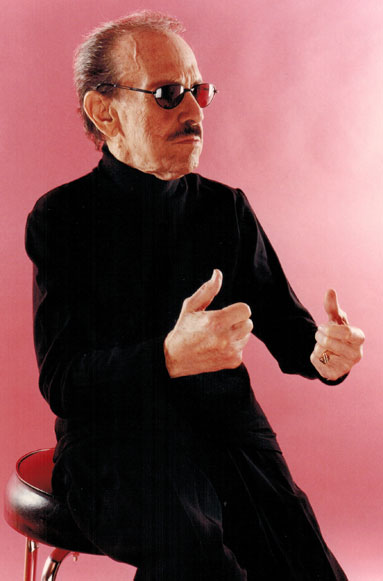
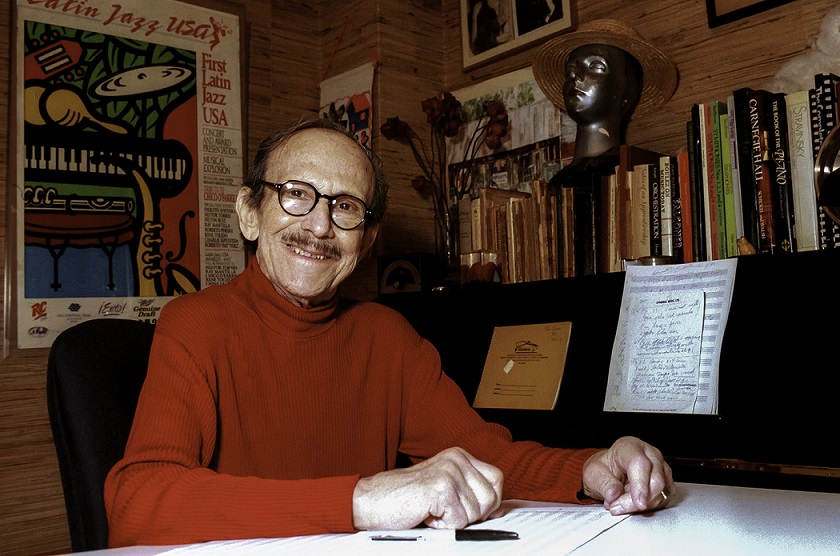
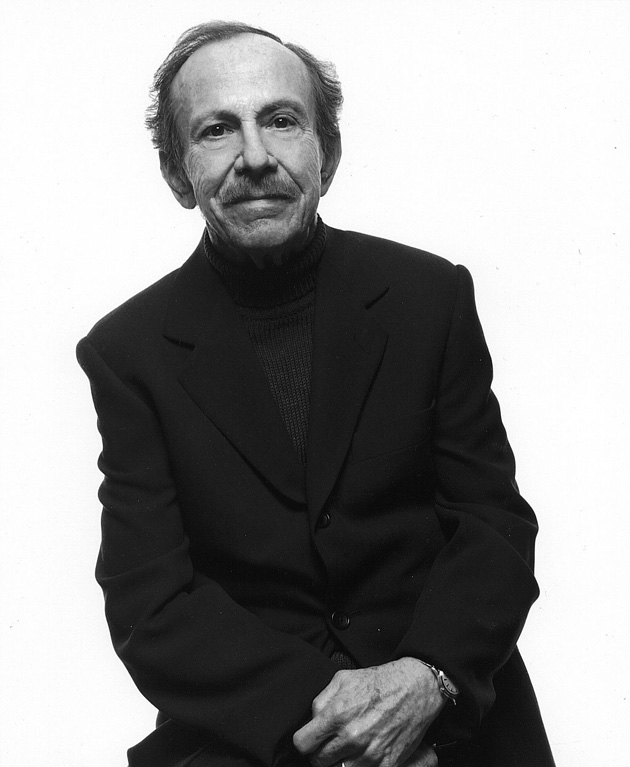
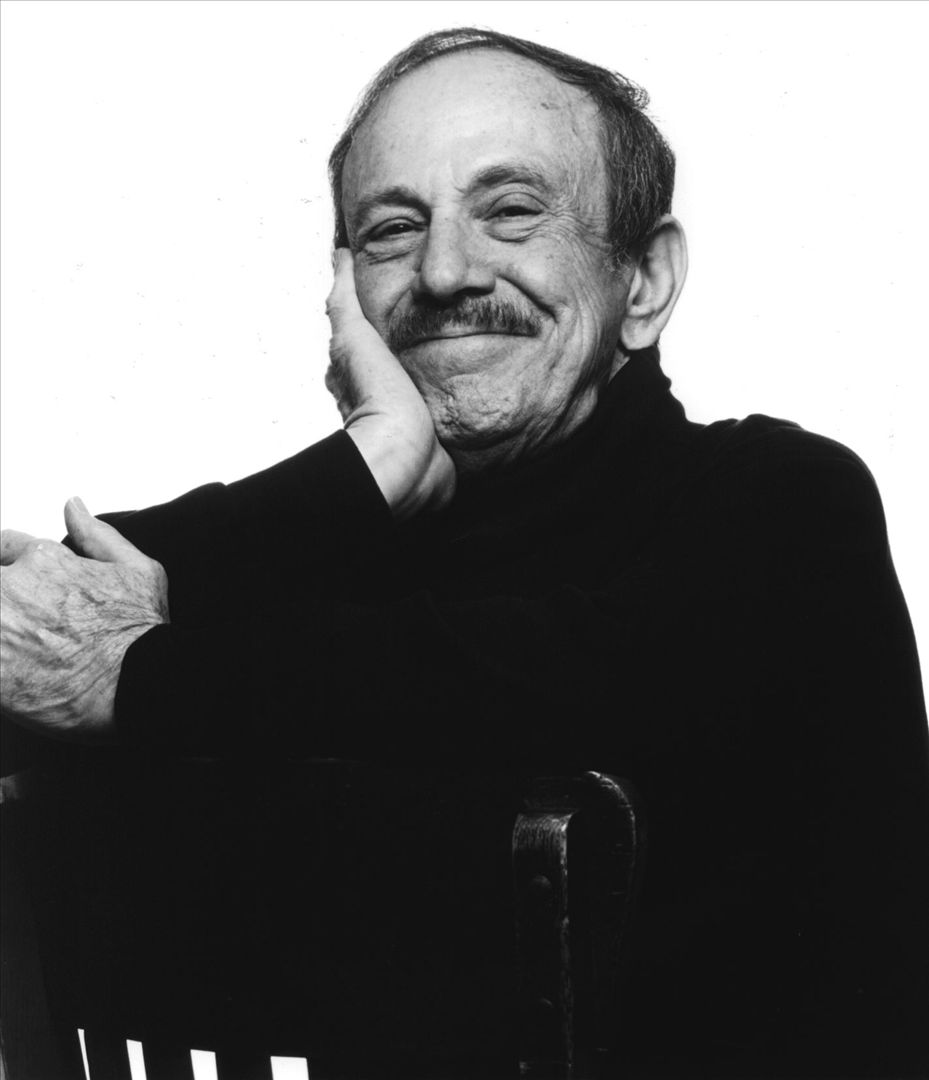
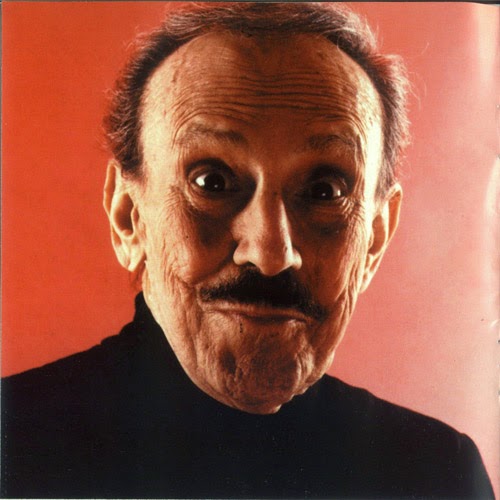
Arturo “Chico” O’farrill  “The Afro-Cuban Jazz Architect” 

Arturo O'Farrill
Arturo O’Farrill

Arturo O’Farrill or better known as “Chico” O’Farrill was born in Havana (Cuba) on October 28, 1921. He was the son of a recognized Jewish family whose father was an eminent lawyer whom one day decided to immigrate to the United States. Arturo undertook his studies at the Riverside Military School in Gainesville, Georgia (interned by his father).

He began to love the jazz orchestras (big bands) and within that environment he fed musically, listening to recordings of Benny Goodman, Artie Shaw, Glenn Miller, and Tommy Dorsey, so much, that in a brief time he learned to plays the trumpet and became the trumpet player of the military band as well as the several dance groups.

Years later, Chico returned to Cuba. He studied law and at the same time developed his facet as a composer, receiving a composition and harmony study with the master, Félix Guerrero. Likewise, he was also Armando Romeu Bellamar Orchestra’s member and the Isidro Pérez Orchestra, when the Son and the Mambo prevailed in the Latin music.


TRAJECTORY

From 1943 to 1947 “The Afro-Cuban Jazz Architect” worked at the cabaret Montmartre. He was a member of Bellamar Orchestra, directed by Armando Romeu and integrated by Luis and Pucho Escalante, Gustavo Mas and Mario Romeu, among others. He traveled to Mexico and Europe as a trumpeter musician as well as he created the band, Los Raqueteros del Swing, being the director and trumpet.

Subsequently, he founded Los Beboppers (the first group of Cuban bop), which was presented at the Saratoga Hotel with Chico again as the director and the trumpet.

Arturo O'Farrill
Arturo O’Farrill

In the ‘50s decade began the successes for Chico as an arranger, working briefly for several orchestra directors, such as Gil Fuller, Noro Morales, Frank “Machito” Grillo, and Benny Goodman.

In the same way, he composed his first great masterpiece “Afro-Cuban Jazz Suite” in five movements: Song, Mambo, 6/8, Jazz and Rumba Open. This masterpiece was made and recorded for the businessman Norman Granz’s label, using the Machito’s Orchestra as an accompanist and rhythmic base.

“Afro-Cuban Jazz Suite”, according to Luc Delannoy: “begins and ends with a hypnotic flute and conga duo that reflects the essence of Cuban treatment; the union of musical universes: the European (the flute) and the African (the conga).

To these two instruments is joined the oboe, followed by the trumpets, saxophones and the “Tumbao” of the double bass… After a return to swing and bebop in the fourth movement, Chico takes us to the origins of Latin jazz with a melody of clear Arabic accents, before sinking back into the universe of Afro-Cuban percussions”. Likewise, for Benny Carter, this Suite was: “The reason for the coherence of the rhythmic parts and their relationships with the solos that have their own life and independence, Masterpiece of a genius.”

In New York and following the success of “Afro Cuban Jazz Suite”, O’Farrill writes “Cuban Fantasy” for Stan Kenton, who later changes its name to “Cuban Episode”.

In 1953 he traveled to California, where he founded his orchestra that included renowned musicians such as Mario Bauzá, Doug Mettome, Jimmy Nottingham, Eddie Bert, Fred Zito, Lenny Hambro, Flip Phillips, and saxophonist Eddie Wasserman. The orchestra used the rhythm section of the Machito’s Afro-Cuban, harp and oboe. With this concept he recorded for Norman Granz, performed in Birdland (New York), and the Hat Ballroom located in Los Angeles. In this period he composed three new movements: “La Jungla”, “Contraste”, and “Rhumba Finale”, baptized as “Manteca Suite” recorded with the Jazz player Dizzy Gillespie and orchestra of 21 excellent musicians in 1954.

Arturo O'Farrill
Arturo O’Farrill

He returns to Cuba again in 1956 to be inspired and immediately began working for the best record companies on the island such as Panart and RCA Víctor, recording “Chico’s Cha-Cha-Cha”, adapting the Charanga rhythm to the big band format. This album is released, one more time, on compact disc by BMG during the last decade of the twentieth century. Chico also made a recording for the popular D’Aida Quartet and arrangements for Bola de Nieve and the famous Orchestra Director, Aldemaro Romero.

In 1958 the restless O’Farrill moved for Mexico, an essential platform for all Latin American musicians at that time. There he returned to create another special sound and appears on television as musical director of the Andy Russell singer, and there his life changed radically. He started a semi-retirement period, but never stopped creating music. At that moment, he composed his famous “Azteca Suite” for trumpeter Art Farmer, and he made history again!

In the 60s he returned to New York and makes arrangements for such important figures as La Lupe (They Call Me La Lupe); Cal Tjader (Along Comes Cal); Clark Terry (Spanish Rice); Count Basie (High Voltage); Gato Barbieri (Chapter Three: Viva Emiliano Zapata); Ringo Starr (Night and Day) and dabbled in the Rock music with David Bowie (I Know It’s Gonna Happen, Looking for Lester), and finally he was director of the Aldemaro Romero´s Orchestra.

This stage extends until the end of the 20th century, although already in the 70s, the big bands go down in history for several genres that would be manifested due to their novelty and immense popularity in the United States and around the world. The architects of the new fashion used new techniques, styles, and sounds, especially in the field of harmonization. Suddenly popular music stopped being exclusively for the ballroom and -of course- “new sound” icons appeared in the Jazz Music. For this reason, Chico O’Farrill begins working in the lucrative field of music for television commercials.

Arturo O'Farrill
Arturo O’Farrill

In the mid-1990s, “The Afro-Cuban Jazz Architect” was contacted by American producer and Jazz director Todd Barkan with Pure Emotion, a compiled of his musical career with which he got a nomination for the 37th edition of the Grammy awards.

O’Farrill toured Europe with his orchestra in 1996 and recorded his latest album titled “Heart Of A Legend”, which contains 14 tracks, a formidable orchestra of 18 masters and a staff of international artists. The arrangements of “Heart Of A Legend”, considered for many as the best album of his career, took care by himself and the musical direction was entrusted to his son, Arturo O’Farrill Jr., a formidable pianist and heir of his legacy.

Arturo “Chico” O’farrill died on June 29, 2001, in New York City at 80 years.

Arturo O'Farrill
Arturo O’Farrill

Undeniably, Chico for more than half a century was a great musical creator. He was at the forefront of an innovative style that many know as Latin Jazz nowadays, which was called at the beginning with many names, such as Cuban bop, Mambo Jazz and Afro-Cuban Jazz.

Our dear “AFRO-CUBAN JAZZ ARCHITECT” Until forever!

In memory of 18 years of his passing!

Balazo de Norteamérica:

Arturo “Chico” O’Farrill

“The Afro-Cuban Jazz Architect”

In memory of 18 years of his passing!

Omar Negron

USA / Florida / Tampa

Omar Negron, The Virtuoso of Trumpet and Percussion

Omar Negron was born in San Juan, Puerto Rico, on March 3, 1972. Music came into his life as a family legacy.

Omar Negron
Omar Negron

From the age of 3 he began to play percussion “las pleneras y el bongo”, guided by his maternal grandfather, his paternal grandfather who was also a musician and cuatro player and his grandmother who sang Puerto Rican trova.

At the age of 7, he entered the Carolina School of Music where he learned to read music to interpret it in percussion, which he had already mastered.

The first witnesses of his talent were his classmates at the Angel Ramos de Country Club elementary school in San Juan P.R, where he was part of the central show in several of the school activities, in some of them even imitating the singer Oscar de León. .

At the age of twelve, while attending his regular studies, he was alternately accepted at the Ernesto Ramos Antonini Free School of Music in San Juan.

Omar Negron
Omar Negron singing

There he began to study Trumpet since there was no room for percussion.

However, the percussion teacher allowed him to be part of his class, so he (Omar Negron) studied Trumpet and Percussion simultaneously.

Proven his talent, Omar Negron had the opportunity to be part of the School’s dance band, where he began playing Bongo and years later he would play Trumpet.

He was part of some talent competitions where he ranked first as a singer.

Upon graduating from the Escuela Libre de Música, Omar Negrón received the Rafael Hernández medal for his versatility playing different instruments, including his voice.

His musical career

At just 16 years old, Omar Negron makes his first professional recording as a singer, thanks to an opportunity he received from Mickey Cora and his Cabala Orchestra, where he was able to record and perform the songs: “Wanting to Live With You” and “We Will Always Be Friends” .

Omar Negron
Omar Negron

In 1990, Omar Negron was recruited by the Conjunto Chaney after the departure of the singer José Cheo Andújar.

A year later he made his first recording with the Ensemble, in the production entitled “Somos Amigos” where he performed the song “En Trance”.

Omar made three more productions with the Chaney Ensemble under the Hit Makers record label, but unfortunately none were released.

In 1994, Chaney made a recording with the Musical Production label, entitled “La Escuela de la Salsa”, where Omar recorded the songs: “I’m back”, “Impulsos”, “I fell in love”, “You are the vice”, ” Gaining Sensuality”, among others. This production earned them several awards including a Gold Record and an ACE Award.

It was a season of success and presentations in Europe, the United States, Central America and South America.

In 2004 he was invited by maestro Willie Rosario to be part of his orchestra after the departure of singer Rico Walker.

Opportunity that he enjoyed for three years and allowed him to gain experience as a son player and interpreter of many of his hits.

However no new recordings were made during that season.

In 2013 he launched himself as a soloist with the song: “No Son Juguetes”, composition and arrangement by Frank Poupart, a song that was widely accepted among the fans of romantic salsa in Puerto Rico, the United States, the Canary Islands, Venezuela, Panama, Colombia. among others.

Then he recorded the song by Ricardo Montaner and Jorge Luis Chasin “Bésame” which made him the winner of two Fox Music Awards in the city of Houston, Texas.

The same theme was placed number one on the Italian and Swiss tropical music radio charts.

A year later, he recorded “Waiting for you” written by Jesse Villareal and arranged by the great experienced arranger Tommy Villarini.

This single allowed him to open doors in countries like Belgium, Turkey, and Germany in addition to the United States, Central and South America, especially in Panama where his music is well accepted.

In 2016, with much more accumulated experience and with the help of a new work team, Omar Negron launches his new single entitled “Por Si Mañana”, composed by Jorge Luis Piloto and arranged by Ramón Sánchez.

This song is the Salsa version of the ballad recorded by the well-known Colombian group Mojito Lite.

Life, Career, and death of Juan Carlos Formell

Juan Carlos Formell

Latin entertainment is in mourning the departure of one of its most talented figures, who leaves a very big void in all his followers and fans. We are talking about former composer, bassist, guitarist and member of Los Van Van Juan Carlos Formell, who sadly departed from this world on Friday, May 26th after a live performance in New York City.

In view of such an unfortunate loss for those of us who have spent years of experience promoting Latin music in all four corners of the world, we consider it appropriate to recall the most important moments in the life and career of this extraordinary artist and all that he contributed to the salsa movement during his lifetime.

Juan Carlos Formell died on May 26th
Juan Carlos Formell died on Friday, May 26th after a live performance in New York City

Story of Juan Carlos Formell

Juan Carlos Formell was born in the city of Havana on February 18, 1964 and was the son of Juan Formell and Natalia Alfonso. He was the oldest of three brothers who would also dedicate themselves to music.

Contrary to what people might think, the fact of belonging to the fourth generation of a musical family and being the son of world famous bassist Juan Formell did not make things easier for him on the path with music. When he was barely three weeks old, he was sent to live with his grandparents in the outskirts of the Havana city.

They were through many financial needs and Juan Carlos himself would admit in an interview years later that other children used to make fun of him for having holes in his shoes, but that did not make him desist from his dreams, far from it. He became interested in music at a very young age, which led him to train professionally at the Alejandro García Cartula Conservatory and the Amadeo Roldán Conservatory. 

In the 1990s, he concluded his studies at the National School of Arts in Cuba with almost three decades of life, so he made the decision to move to New York City to fully exercise his career as a musician. Before this, Juan Carlos had already accompanied several jazz orchestras on stage, but Cuban authorities banned him from traveling due to his regular yoga practice (considered subversive in his native country).

Since he could not leave Cuba directly, he had to use a tour with the Rumbavana orchestra in Mexico to cross the Rio Grande in Texas and later settle in New York. His process of adapting to this new country was not easy from any point of view, but it was all so worth it.

From then on, what came was success for the artist. During the course of his solo career, he recorded some five solo albums, one of which earned him a Grammy nomination in the category of Best Traditional Tropical Latin Performance in 2000.

Juan Carlos Formell at PiPiKi Studios
Juan Carlos Formell recording at PiPiKi Studios

Entry into Los Van Van

Los Van Van is one of the most important Cuban musical groups of recent times, which was founded by Cuban bassist Juan Formell, Juan Carlos Formell’s father. After having participated in several son and jazz groups, the musician decided it was time to innovate and change the style he was using until now.

It was then that he decided to incorporate new instruments and voices, which gave rise to a completely different concept baptized as Los Van Van and that gave much to talk about among critics of the time, and for the better.

After a very successful career in the group, Juan Formell died on May 1, 2014 at the age of 71 as a result of a heart attack during a concert in his hometown, Havana.

This unfortunate event is what led his son, Juan Carlos Formell, to join Los Van Van as a bassist. His brother Samuel was on the drum kit and his sister Vanessa was on backing vocals, so it can be said that this was a bit of a family business.

Since that moment, the intense activity that he had together with the rest of the group in performances, concerts and new songs earned him the recognition of the public in a very short time.

In spite of carrying the fame of his father on his shoulders, he did not let this stop him or be a limiting factor for him. On the contrary, he always left his family name and his father’s legacy high.

Unfortunately, 10 years passed before the artist left a huge void among those who respected and loved him.

Juan Carlos Formell on stage
Juan Carlos Formell performing on stage

Death

On May 26 of this year, Los Van Van was performing at the Lehman Center for the Performing Arts in New York. About 40 minutes after the start of the concert, Juan collapsed on stage in front of all the attendants.

Minutes later, he was aided by ambulances and a fire truck. He was then taken to the nearest health-care center, but unfortunately the doctors could do nothing for him. This is how his bandmates announced the sad news through their social networks.

At the end of the concert, Eduardo Livia himself confirmed the death when he walked off the stage and greatly regretted what happened. The cause of death was determined to be a heart attack and his life came to an end at the age of 59.

After this, the group continued with the rest of the tour they had planned and the performances they had outstanding were in honor of the great Juan Carlos Formell and all that he gave to music during his life.

Read also: Khary Rios and Mayra Rivera from La Poderosa 360

Stelio Bosch Cabrujas a remarkable musician, but completely forgotten by the new generations

One of the greatest Venezuelan arrangers that Venezuela’s tropical music could have had passed away on May 5, 1979, 44 years without Stelio Bosch Cabrujas.

Bosch Cabrujas was the arranger and assistant director of both Billos and Los Melódicos and was the architect of the success of both orchestras in the 60’s and 70’s.

A remarkable musician, but completely forgotten by the new generations.

Stelio deserves to have his place of honor in the tropical music of the Caribbean. Stelio, a native of the State of Bolivar, from a very young age, entered the musical field as a musician and arranger.

Billo Frometa, Renato Capriles, Rogelio Martínez y Stelio Bosch Cabrujas

His musical beginnings date back to the 40’s, when he performed “Campesino” for the then Billo’s, where he was recorded by Victor Perez.

Stelio’s musical baggage at the beginning was as a tres player for La Sonora Caracas, he worked with Pedro J. Belisario’s orchestra in the 50’s. He arranged a lot for the radio programs in the musical shows that they presented under the auspices of various commercial brands.

History of Sonora Caracas

Surrounded by an aura of mystery, elusive discography, and a special attraction as a pioneer of the son groups in Caracas. For a long time it was the musical platform for many local tours and recordings of Caribbean music luminaries, when they visited us in the golden age of radio and incipient television. Backed by more than a hundred immortal recordings, ranging from some of the first acetate recordings of Celia Cruz, to Daniel Santos and his theme forbidden by the always conservative Catholic Church.

Contrary to what some critics thought at the time, it was not a bad copy of its namesake matancera, they began under the structure of a septet, and later in their golden age they abstained from using the nasal choirs, they managed a structure of three trumpets, a clear hammer of the bongo accompanied by the congas, in a group with its own personality and that served as a school for some of the most important orchestra directors of the coming decades in our country.

La Sonora Caracas
La Sonora Caracas

The first Sonora Caracas

In September 1933, our capital was musically shaken by the visit of the Trio Matamoros, famous movie and record stars, who during their twenty continuous days at the prestigious Teatro Ayacucho, stirred up a bucolic Caracas with their sones and boleros, and when they traveled to the west of our country1, they sowed the seeds of the first son groups in Venezuela.

He was in the quintet Los Modernos, who on several occasions accompanied Felipe Pirela on TV. He was the pianist.

He worked for Los Guaracheros de Manolo (when he left Billo’s) and also worked with the Orquesta Sans Sousi.

He worked for a short time in Carlos Guerra’s orchestra and from there he made the leap to Renato Capriles’ Melodicos, recommended by Freddy Coronado when he was the director of LM.

Los Melodicos
Los Melodicos

When Coronado left the direction of LM, Stelio took over the musical direction and catapulted them to the fat and unequaled sound of lm in the 60’s, which represented a sonority like few others.

When Stelio left lm, Manolo Monterrey’s orchestra joined the harmonies, and he suggested to Manolo that he return to lm, which the Antillean cyclone accepted and returned triumphantly to Renato’s organization.

At the beginning of the 70’s Stelio goes to work with the most popular band in Venezuela and there Stelio’s arrangement work gives another big hit, his contribution is immense and Billo’s goes on to live one of the greatest decades that Billo Frómeta’s group has ever had.

Billo Caracas Boys
Billo Caracas Boys

The contribution of Stelio Bosch Cabrujas to tropical music is worthy of study and review, to be included in university courses so that the new generations of arrangers and musicians understand the legacy of a musician who is threatened to be forgotten, it is up to us to make sure that this does not happen and it is mandatory to keep his memory alive.

Sources:

Newspaper library of the popular music of Venezuela.

Gherson Maldonado

Iliana Capriles (Oficial)

Read Also: Renato Capriles, the man who imposed the rhythm with “Los Melodicos”

  • « Go to Previous Page
  • Page 1
  • Interim pages omitted …
  • Page 16
  • Page 17
  • Page 18
  • Page 19
  • Page 20
  • Interim pages omitted …
  • Page 30
  • Go to Next Page »

International Salsa Magazine (ISM) is a monthly publication about Salsa activities around the world, that has been publishing since 2007. It is a world network of volunteers coordinated by ISM Magazine. We are working to strengthen all the events by working together.