• Skip to primary navigation
  • Skip to main content

International Salsa Magazine

  • HOME
  • Previous editions
    • 2026
      • ISM / March 2026
      • ISM / February 2026
      • ISM / January 2026
    • 2025
      • ISM / December 2025
      • ISM / November 2025
      • ISM / October 2025
      • ISM / September 2025
      • ISM / August 2025
      • ISM / July 2025
      • ISM / June 2025
      • ISM / May2025
      • ISM / April 2025
      • ISM / March 2025
      • ISM / February 2025
      • ISM / January 2025
    • 2024
      • ISM / December 2024
      • ISM / November 2024
      • ISM / October 2024
      • ISM / September 2024
      • ISM / August 2024
      • ISM / July 2024
      • ISM / June 2024
      • ISM / May 2024
      • ISM / April 2024
      • ISM / March 2024
      • ISM / February 2024
      • ISM / January 2024
    • 2023
      • ISM / December 2023
      • ISM / November 2023
      • ISM / October 2023
      • ISM – September 2023
      • ISM – August 2023
      • ISM July 2023
      • ISM Edition June 2023
      • ISM – May 2023
      • ISM April 2023
      • ISM March 2023
      • ISM February 2023
      • ISM January 2023
    • 2022
      • ISM December 2022
      • ISM November 2022
      • ISM October 2022
      • ISM September 2022
      • ISM August 2022
      • ISM July 2022
      • ISM June 2022
      • ISM May 2022
      • ISM February 2022
      • ISM January 2022
    • 2021
      • ISM December 2021
      • ISM November 2021
      • ISM October – 2021
      • ISM September 2021
      • ISM August 2021
      • ISM July 2021
      • ISM May 2021
      • ISM April 2021
      • ISM June 2021
      • ISM March 2021
      • ISM February 2021
      • ISM January 2021
    • 2020
      • ISM December 2020
      • ISM November 2020
      • ISM October 2020
      • ISM September 2020
      • ISM August 2020
      • ISM July 2020
      • ISM June 2020
      • ISM May 2020
      • ISM April 2020
      • ISM March 2020
      • ISM February 2020
      • ISM January 2020
    • 2019
      • ISM December 2019
      • ISM November 2019
      • ISM October 2019
      • ISM Septembre 2019
      • ISM August 2019
      • ISM July 2019
      • ISM June 2019
  • Download Salsa App
    • Android
    • Apple
  • Spanish

Search Results for: Legend

Profile of Raimundo Elpidio Vázquez Lauzurica: The Guardian of the Rhythm in Sonora Matancera

The heir to a musical dynasty that defined the sound of the “Dean of Latin Ensembles”

On March 15, 1934, the Jesús María neighborhood in Havana saw the birth of one of the most solid figures in Cuban syncopation: Raimundo Elpidio Vázquez Lauzurica. Known worldwide as “Elpidio Vázquez,” his destiny was written between the strings of a double bass and the mystique of Cuba’s most iconic musical group.

As the son of the legendary Pablo Vázquez Gobín (“Bubú”) and the older brother of master pianist Javier Vázquez, Elpidio did not just inherit an instrument he inherited a historical responsibility.
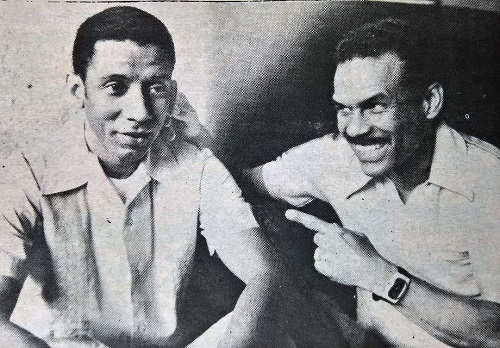
Javier Vazquez y Elpidio Vazquez

His formal connection with Sonora Matancera began in 1952, when he started subbing for his father. It didn’t take long for his talent to secure him the permanent spot, becoming the rhythmic backbone of the institution until the end of his career.

Legacy and Musical Contributions: Beyond the Double Bass

Elpidio Vázquez was not just a performer; he was a sonic architect. His ability to maintain a precise tumbao allowed Sonora Matancera to preserve that unmistakable harmonic signature that captivated the entire continent.

In addition to his technical prowess, Elpidio shined as a composer, contributing tracks that became essential hits:
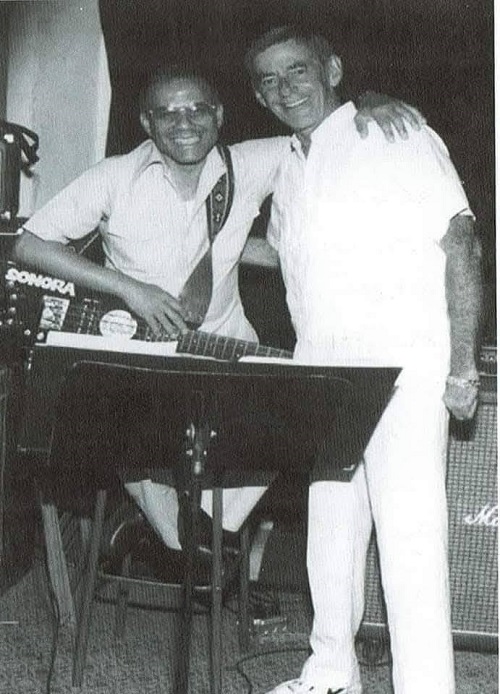
Elpidio y Vazquez y Celio Gonzalez
  • “Le dio con la sartén”: A guaracha recorded by the “Flaco de Oro” (The Golden Thin Man), Celio González, in late 1959.
  • “La negrita inteligente”: A gem performed by the Queen herself, Celia Cruz, in 1961.

His versatility led him to explore other musical horizons. He participated in the vibrant Cuban descarga (jam) sessions alongside Osvaldo “Chihuahua” Martínez and collaborated on historic recordings with giants of salsa and bolero, such as Ismael Rivera, Daniel Santos, Johnny Pacheco, Justo Betancourt, and Roberto Torres.

The Double Bass: Unlike many bassists of the salsa era who quickly transitioned to the Baby Bass or the electric bass, Elpidio is remembered for his mastery of the acoustic double bass, maintaining that organic, deep sonority of traditional, evolved Cuban son.

Recognition and Saying Goodbye to the Stage

One of the most memorable chapters of his career took place in 1989, during the 65th-anniversary celebration of Sonora Matancera. Organized by Gilda Mirós, Elpidio rocked world-renowned stages like Carnegie Hall and New York’s Central Park, reaffirming the band’s timeless relevance.
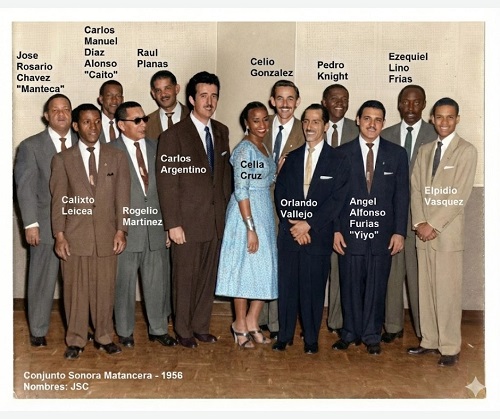
La Sonora Matancera en el año 1956

Career with Sonora Matancera

  • The Historic Handover: In 1952, Elpidio took on the responsibility of replacing his father on the double bass for Sonora Matancera. This was no small task, as he had to maintain the characteristic tumbao that had defined the group’s sound for decades.
  • Sonic Signature: He is credited with imprinting a robust harmonic stamp and a rhythmic stability that allowed Sonora to back the biggest stars of the era (Celia Cruz, Nelson Pinedo, Bienvenido Granda, etc.) with flawless precision.
  • Exile and Continuity: Like the rest of the group, he left Cuba in 1960, continuing his career abroad and participating in Sonora’s prolific New York era and their international tours.

A historical footnote: After the death of Rogelio Martínez, it is said that Elpidio was designated as the group’s musical director by public deed. However, in a gesture of humility and after decades of dedication, he preferred to retire in New Jersey, letting his brother Javier take the helm for the orchestra’s new era.
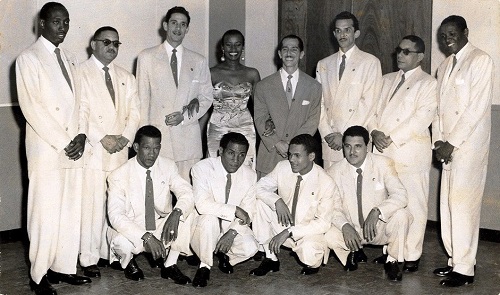
Sonora Mattancera
Sonora Mattancera

Today, the figure of Elpidio Vázquez remains a symbol of artistic fidelity and musical excellence the bridge between the tradition of “Bubú” and the modernity of New York salsa.
Also Read: La Sonora Matancera musical congregation of long trajectory and its sound quality, is one of the most popular in the Caribbean island “Cuba”

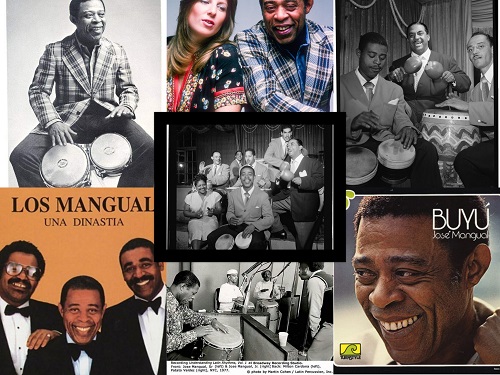
José Mangual Sr. “Buyú”: The Architect of Bongo Sound Defining the Rules of How it Should Sound

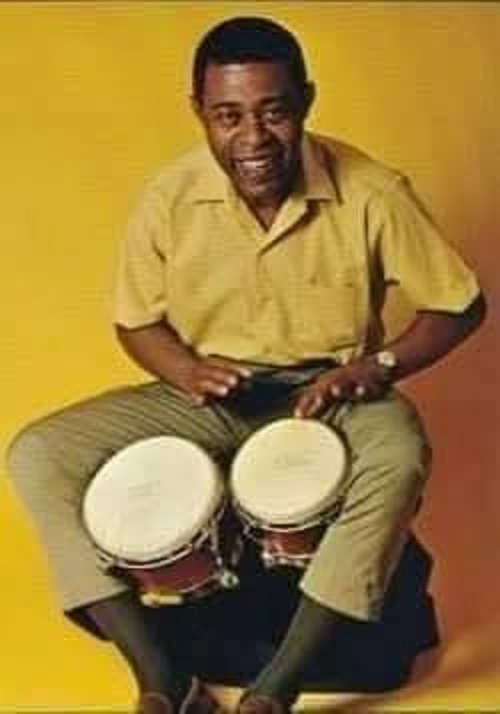
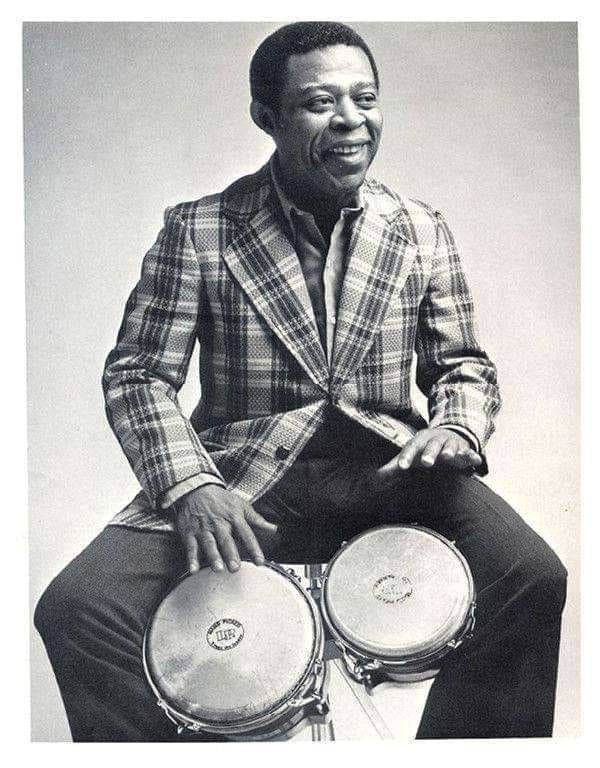
In the history of Afro-Latin music, there are names that didn’t just play an instrument they defined the rules of how it should sound. José Mangual Sr., known universally as “Buyú,” is one of those pillars.

José Mangual Sr., known universally as Buyú, is one of those pillars

An extraordinary and legendary percussionist, José Mangual Sr. was the founder of the prestigious percussive lineage that carries his surname.

Since his childhood in Juana Díaz, he professed a deep love for music; by age ten, he was already playing professionally, and during his youth, he even enjoyed crafting his own bongos.

Over time, he became the musician who endowed the instrument with an extraordinary sonority. He was the father of the equally prominent percussionists José Mangual Jr. and Luis Mangual.

The Architect of Sound on the Bongos defining the rules of how it should sound

The Architect of Sound on the Bongos defining the rules of how it should sound

Considered by experts as one of the greatest bongo players of all time, his legacy remains the gold standard for meter and tuning in Latin Jazz and Salsa.

From Juana Díaz to the Heart of Spanish Harlem

Born on March 18, 1924, in Juana Díaz, Puerto Rico, Mangual discovered his vocation at age 10. However, his musical destiny was sealed in 1938 when he migrated to New York at the age of 14.

Settling in Spanish Harlem (“El Barrio”), he found himself at the epicenter of a cultural explosion that was about to change world music forever.

The Consecration: Machito and his Afro-Cubans

Although he began by filling the timbales position, it was with the Machito and his Afro-Cubans orchestra where “Buyú” made history. Under the direction of Mario Bauzá (who is said to have given him his nickname), Mangual remained with the group for nearly 17 years.

The Legacy and the Patriarch of a Dynasty
  • Rhythmic Innovation: He was part of the “perfect percussion trio” alongside Carlos Vidal (congas) and Machito (maracas).
  • Historic Fusion: His performance was key to blending the complexity of Afro-Cuban rhythms with the harmonies of New York Jazz in the 1940s and 50s.

An Unrivaled Session Musician

His technique was so clean and his sound so bright that he became the preferred collaborator for the biggest stars. Throughout his career, he contributed his mastery to projects led by:

  • Tito Puente: The “King of the Timbales.”
  • Israel López “Cachao”: Participating in historic Afro-Cuban Jazz “descargas” (jam sessions).
  • Jazz Greats: His versatility allowed him to navigate fluidly between the world of Big Bands and traditional Salsa ensembles.

Pedagogical Legacy and Solo Career

In the 70s and 80s, Mangual recorded music not only for enjoyment but also for instruction:

The Patriarch of a Dynasty
  • Album “Buyú” (1977): A Latin Jazz gem on the Turnstyle label, featuring tracks like “Black & Brown Boogie.”
  • Musical Education: Alongside conguero Carlos “Patato” Valdés, he recorded the volumes of Understanding Latin Rhythms. These LPs became the auditory manual for thousands of percussionists around the globe.
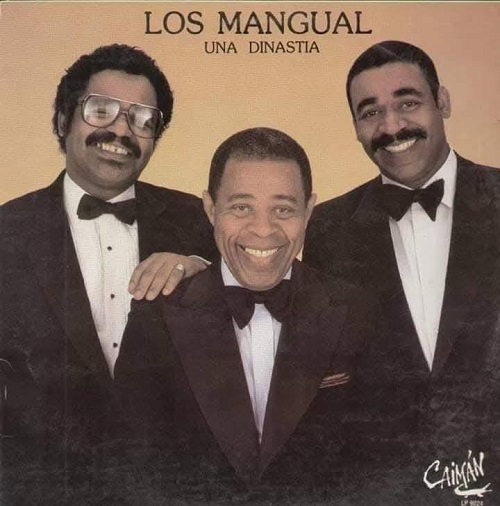
  • The Mangual Dynasty: In 1986, he consolidated his family heritage with the album Los Mangual: Una Dinastía, recording alongside his talented sons.

“The sound of his cowbell and his bongo didn’t just mark time; they cemented the foundations of the music we dance to today.”

The Patriarch of a Dynasty

The impact of José Mangual Sr. extends through his sons, who inherited his musical excellence:

  • José Mangual Jr. (“El Milamores”): Famous bongo player and singer, a key figure in the orchestras of Willie Colón and Héctor Lavoe.
  • Luis Mangual: Renowned percussionist and musical director.

Passing and Recognition: Buyú passed away in 1998, leaving an irreplaceable void. In 2001, he was posthumously inducted into the International Latin Music Hall of Fame  a fitting tribute to the man who gave the bongo unprecedented brilliance and elegance.

Also Read: Israel “Cachao” López, a Cuban musician and composer, has been hailed as “the Inventor of Mambo”

Argentina Tango Salon Festival

Latin America / Argentina / Rio de Plata
Argentina Tango Salon Festival 2017

Tango is a passionate and dramatic dance, characteristic of the Rio de la Plata region and its surrounding areas—primarily the cities of Buenos Aires (Argentina) and Montevideo (Uruguay).

From [Month] 12th to 16th, the Argentina Tango Salon Festival returns for its fourth edition. As one of the most popular festivals in the circuit, it draws over 500 attendees, not only from Buenos Aires and throughout Argentina but also from Europe, Russia, and Asia.

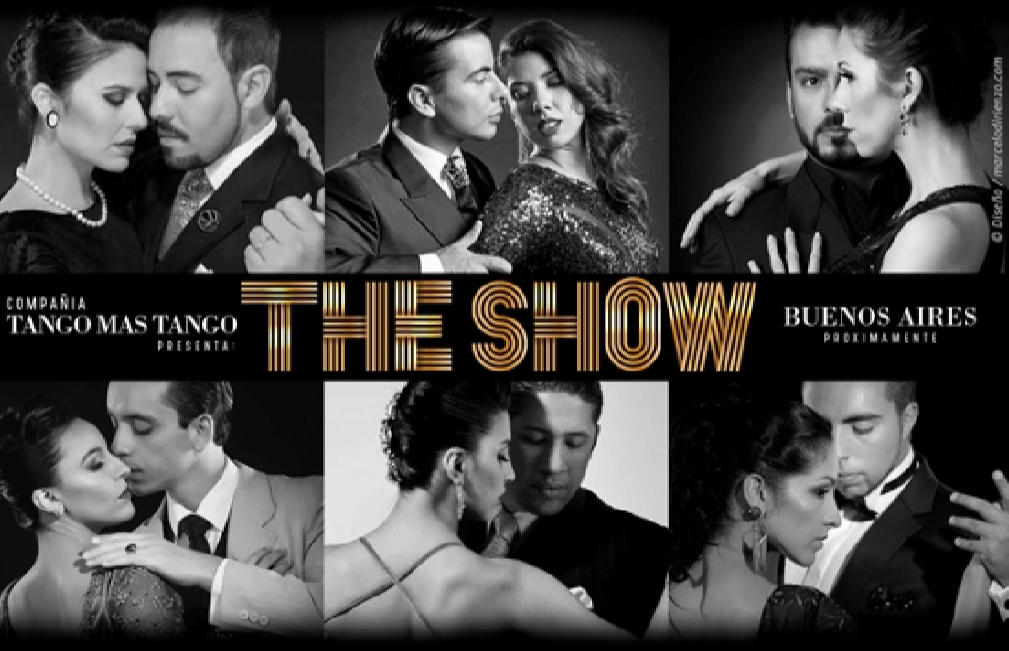
Tango Mas Tango is the company of the moment, renowned for its subtlety and the perfect blend of Tango de Pista (Social Tango) and Stage Tango. The company features six world-class couples, including three World Tango Champions.

The Argentina Tango Salon Festival (ATSF) was envisioned, produced, and directed by Roberto Zuccarino and Magdalena Valdez. It was born out of a desire to provide the Argentine public with a tango festival featuring international stars. These legendary figures and masters come together at ATSF to share their knowledge, legacy, and experience.

Argentina Tango Salon Festival 2017 - Show
Argentina Tango Salon Festival 2017 – Show

This fourth edition of the festival features:

  • 5 days of classes.
  • 19 masters and 29 workshops.
  • 5 nights of milongas with live traditional orchestras.
  • The premiere of the new show by the Tango Más Tango Company, also directed by Roberto Zuccarino and Magdalena Valdez.

Featured Artists for the 4th Edition:

  • Sebastian Achaval & Roxana Suarez
  • Daniel Nacucchio & Cristina Sosa
  • Jonathan Saavedra & Clarisa Aragon
  • Romina Levin & Leandro Gomez
  • Nuria Lazo & Fede Ibañez
  • Sebastian Arce & Mariana Montes
  • Virginia Pandolfi & Jonatan Aguero
  • Christian Marquez & Virginia Gomez
  • Johana Copes
  • Roberto Zuccarino & Magdalena Valdez

“We look forward to seeing you for five days of the festival—European style, but right here in the City of Tango, Buenos Aires,” says Magdalena Valdez.

For more information regarding class rates and locations, please visit: www.argentinatangosalon.com.ar

10th Festival Salsa Cubana

Europe / Germany / Munich

Circulo Events presents 10th Festival Salsa Cubana

Circulo Events presents 10th Festival Salsa Cubana
Munich - Germany / January 27th - 29th 2017

“In January 2017, Munich will be able to experience a high class weekend full of dance and music, again. Inspired by “Baila en Cuba”, the annual dance and music event in Havana (Cuba), we brought this festival to life. And moreover we want to import a part of the wonderful atmosphere of its big Cuban counterpart to Munich”…

Cuban atmosphere and total joy of life!

Let yourself get carried away and dive into the world of Salsa & Co.

“Salsa Cubana is more than a dance – it’s an attitude towards life! Who does not inevitably associate typical Cuban music, Cuban ambience and Son cubano (the most traditional of all Cuban dances) with these words?

Festival Salsa cubana stands for this very diversity. No matter if dancer, music lover or just fancier of the Caribbean atmosphere – you will get your money’s worth!

This year again with the Percussion Ensemble Live: Drums Secret”

http://www.festival-salsa-cubana.de/en.html

This winter’s music and dance event!

  • Top event for all dancers in and around Munich! • Salsa, Afro, Reggaeton and a lot more!
  • Great party with show acts!
  • Taster’s session Salsa Cubana
  • Rueda de Casino: Dancing Salsa with other couples in a circle. Nice combinations with the exchange of the dance partners provide pure fun!
  • Up to 50 workshops with the best in class instructors • For all dancers and future dancers a “must do”: authentic teaching with guest instructors! From beginner to masterclass!
  • Awesome and high class parties and show acts!

http://www.festival-salsa-cubana.de/en/the- festival.html

WORKSHOPS

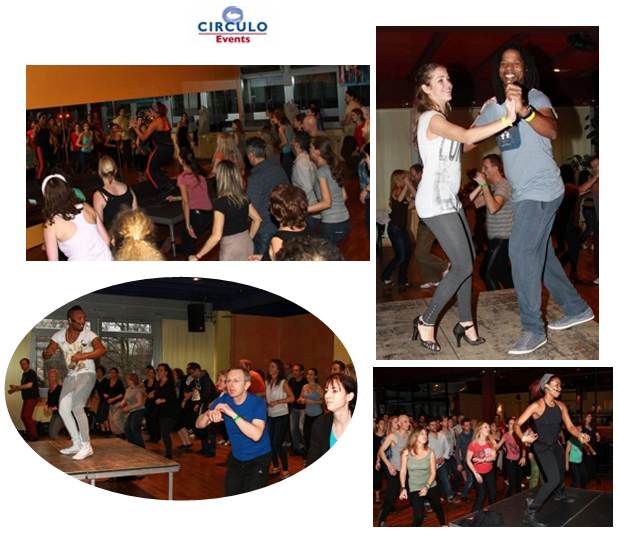
WORKSHOPS - 10th Festival Salsa Cubana
WORKSHOPS – 10th Festival Salsa Cubana

Up to 70 lessons in 5 rooms. Be inspired by the best teachers and artists and enjoy a weekend very special cuban weekend!See the workshops schedule at:

http://www.festival-salsacubana.de/en/festival/kursplan.html

Workshop Topics and ContentFestival Salsa Cubana offers up to 70 high class workshops and training lessons!

  • Salsa elegante / Musicalidad en la Salsa
  • Salsa figuras / Nudos en la Salsa
  • Salsa con rumba – Rumba en la Salsa!
  • Salsa con pasitos / Pasitos en la salsa • Rueda de Casino
  • Son cubano
  • Manstyling
  • Ladystyling
  • Salsa suelta
  • Cubaton/Reggaeton
  • Afro – Movimientos afrocubanos • Afro-cuban Dances (ACD)
  • Makuta / Palo
  • Guaguancó – black soul of the Cuban Salsa!
  • Columbia
  • Bantu
  • Shangó
  • Ογά
  • Kizomba
  • Semba

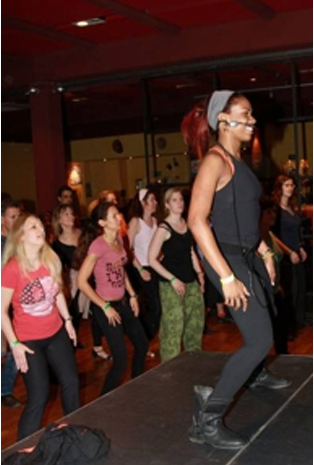
Photo 1: 10th Festival Salsa Cubana

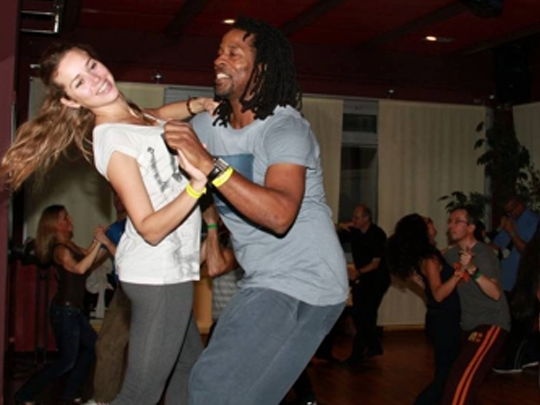
Photo 2: 10th Festival Salsa Cubana

See the information about workshop content and topics at: http://www.festival-salsa-cubana.de/en/festival/kursinhalte.html

Location

The festival is located in the rooms of the CIRCULO. CIRCULO is the biggest dance shoool for Salsa Cubana in Munich. Additionally, as a salsateca, with legendary salsa parties and a lot of Salsa live concerts, CIRCULO is an integral part of Munich’s salsa scene. CIRCULO’s address is Rosenheimerstrasse 139, in Munich. With its seven, highly equipped rooms, it is predestined for the realization of all classes and parties that are part of the Festival Salsa Cubana.http://www.festival-salsa-cubana.de/en/location.html

See more information at:

  • http://www.circulo.de/
    http://www.festival-salsa-cubana.de/en.html
    https://www.facebook.com/events/1121917691219559/

“Sonido Bestial Sinfónico” solidifies classical sound in salsa

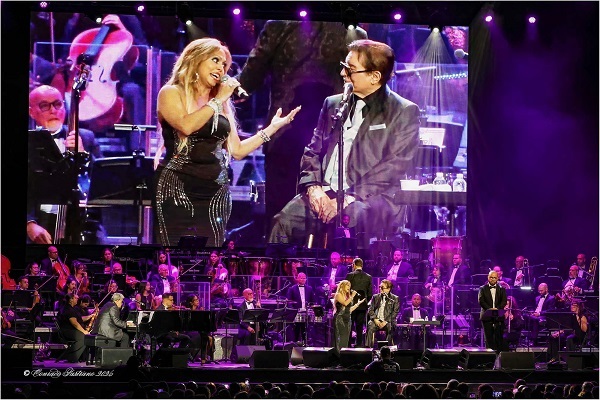
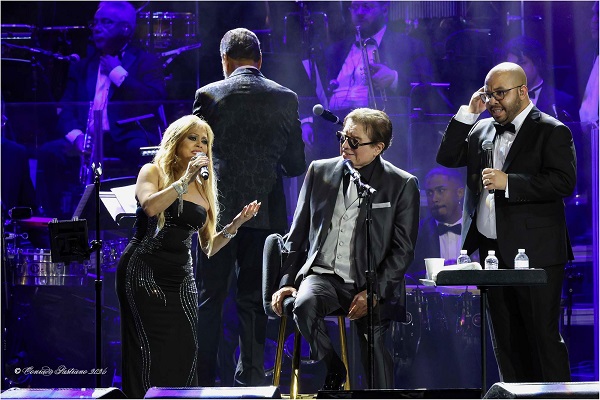
The February 27, 2026, performance of Sonido Bestial Sinfónico, which reunited “The Kings of Salsa,” Richie Ray and Bobby Cruz, at Puerto Rico’s Coca-Cola Music Hall, served as a farewell for Bobby Cruz. With a sold-out crowd thanks to Alexandra Fuentes’ production and a promotional alliance with the radio station Salsoul the legendary salsa vocalist said goodbye to the stage, insisting that while death had come looking for him, it had taken Willie Colón instead.

"Sonido Bestial Sinfónico" solidifies classical sound in salsa
“Sonido Bestial Sinfónico” solidifies classical sound in salsa

During Sonido Bestial Sinfónico, the audience also celebrated the 81st birthday of virtuoso pianist Richie Ray (born February 15) and the 88th birthday of singer Bobby Cruz, who celebrated his birthday the day before the event. Midway through the performance, the duo took a moment to blow out the candles on a cake brought onto the CCMH stage.

The concert was conducted by maestro Cucco Peña, featuring the voice of Yanira Torres and the Philharmonic Orchestra of Puerto Rico. From the local salsa scene, standout musicians included timbalero maestro Edwin Clemente, Emanuel Navarro on congas, and Richie Carrasco on bongo and cowbell, alongside the essential bass swing provided by Edwin Morales, director of the Orquesta Mulenze. Richie Ray’s wife, Angie Maldonado, and Jerry Medina were featured on backing vocals.

This symphonic concert, which celebrates more than six decades of “The Kings of Salsa” in music, had been postponed from its original date of October 25, 2025.

The repertoire included major hits popularized by the duo that have become classics of tropical music. Following a symphonic medley opening, the setlist included “Sonido Bestial,” “Agúzate,” “Richie’s Jala Jala,” “La Lluvia,” “Míster Trumpetman,” “El Diferente,” “Mi Amigo Juan,” “Yo Sé Que Te Amo,” “La Zafra,” “Juan en la Ciudad,” “A Mi Manera,” and a reprise of “Sonido Bestial,” among others.

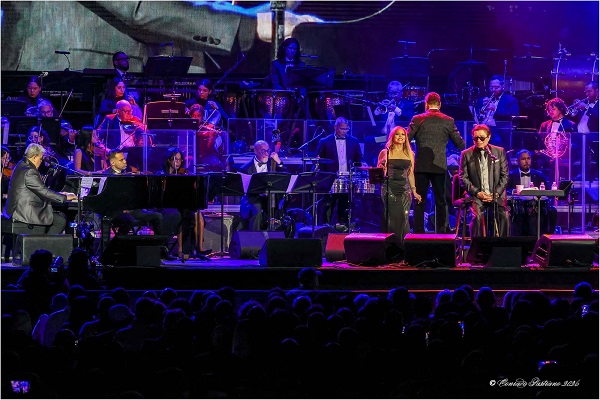
The performance on Friday, February 27, 2026 of the Symphonic Bestial Sound concert that reunited "The Kings of Salsa", Richie Ray and Bobby Cruz
The performance on Friday, February 27, 2026 of the Symphonic Bestial Sound concert that reunited “The Kings of Salsa”, Richie Ray and Bobby Cruz

The show’s pinnacle featured Cucco Peña singing “Idilio” alongside Norberto Vélez in a heartfelt tribute to the late Willie Colón. The conductor acknowledged that figures like Willie Colón have made it possible for Puerto Rico to hold an important place on the global stage, affirming that “music is the face of Puerto Rico to the world.”

Richie Ray interjected a segment in which he shared his testimony of conversion to Christianity, extending an invitation to anyone who wished to join the ministry he now leads as a pastor. During this segment, the song “Hombres de Valor” was performed.

Another significant moment occurred when Bobby Cruz sang “La Novia,” clarifying that he is “free, but not available.” In addition to the hits achieved during the duo’s monumental and historic musical career, Richie Ray led several classical music pieces adapted for salsa.

The Coca-Cola Music Hall in Puerto Rico served as Bobby Cruz's farewell concert. It was a sold-out show.
The Coca-Cola Music Hall in Puerto Rico served as Bobby Cruz’s farewell concert. It was a sold-out show.

The patriotic finale featured the performance of “Mi Bandera,” which served as a farewell from both Richie and Bobby to the island, as both artists reside within the Puerto Rican diaspora in the continental United States. Events of this magnitude are what give deep meaning to maestro Cucco Peña’s statement: “Music is the face of Puerto Rico to the world” within the universal musical scene.

Bella Martinez Puerto Rico


Also Read: Don Perignon and La Puertorriqueña Release Classique et Savoureux


  • « Go to Previous Page
  • Page 1
  • Interim pages omitted …
  • Page 3
  • Page 4
  • Page 5
  • Page 6
  • Page 7
  • Interim pages omitted …
  • Page 56
  • Go to Next Page »

International Salsa Magazine (ISM) is a monthly publication about Salsa activities around the world, that has been publishing since 2007. It is a world network of volunteers coordinated by ISM Magazine. We are working to strengthen all the events by working together.