• Skip to primary navigation
  • Skip to main content

International Salsa Magazine

  • HOME
  • Previous editions
    • 2026
      • ISM / April 2026
      • ISM / March 2026
      • ISM / February 2026
      • ISM / January 2026
    • 2025
      • ISM / December 2025
      • ISM / November 2025
      • ISM / October 2025
      • ISM / September 2025
      • ISM / August 2025
      • ISM / July 2025
      • ISM / June 2025
      • ISM / May2025
      • ISM / April 2025
      • ISM / March 2025
      • ISM / February 2025
      • ISM / January 2025
    • 2024
      • ISM / December 2024
      • ISM / November 2024
      • ISM / October 2024
      • ISM / September 2024
      • ISM / August 2024
      • ISM / July 2024
      • ISM / June 2024
      • ISM / May 2024
      • ISM / April 2024
      • ISM / March 2024
      • ISM / February 2024
      • ISM / January 2024
    • 2023
      • ISM / December 2023
      • ISM / November 2023
      • ISM / October 2023
      • ISM – September 2023
      • ISM – August 2023
      • ISM July 2023
      • ISM Edition June 2023
      • ISM – May 2023
      • ISM April 2023
      • ISM March 2023
      • ISM February 2023
      • ISM January 2023
    • 2022
      • ISM December 2022
      • ISM November 2022
      • ISM October 2022
      • ISM September 2022
      • ISM August 2022
      • ISM July 2022
      • ISM June 2022
      • ISM May 2022
      • ISM February 2022
      • ISM January 2022
    • 2021
      • ISM December 2021
      • ISM November 2021
      • ISM October – 2021
      • ISM September 2021
      • ISM August 2021
      • ISM July 2021
      • ISM May 2021
      • ISM April 2021
      • ISM June 2021
      • ISM March 2021
      • ISM February 2021
      • ISM January 2021
    • 2020
      • ISM December 2020
      • ISM November 2020
      • ISM October 2020
      • ISM September 2020
      • ISM August 2020
      • ISM July 2020
      • ISM June 2020
      • ISM May 2020
      • ISM April 2020
      • ISM March 2020
      • ISM February 2020
      • ISM January 2020
    • 2019
      • ISM December 2019
      • ISM November 2019
      • ISM October 2019
      • ISM Septembre 2019
      • ISM August 2019
      • ISM July 2019
      • ISM June 2019
  • Spanish
  • Download Salsa App
    • Android
    • Apple

Search Results for: Los Angeles

Larry Harlow ¨El Judío Maravilloso¨ Salsa Legend

He is a traditional and important figure in Latin music.

Pianist, Multi-Instrumentalist, Arranger, Composer, Producer and Musical Director Lawrence Ira Khan “Larry Harlow el Judío Maravilloso” was born on March 20, 1939, in Brooklyn, New York, USA.

He traveled to Cuba in the ’50s, at which time he established his residence and began to study Afro-Cuban music. After gaining experience, he returned to New York to develop his own style and created his group “The Harlow Orchestra”.

Later, he participated in “The Fania All Stars”. During his years with Fania, Harlow recorded 35 albums as the leader of his own orchestra and another 20 as a member of Fania.

Harlow ha participado activamente en giras internacionales y en las principales ciudades de Estados Unidos. Actualmente, además de tocar con su banda, Harlow graba y dirige videos para artistas líderes en Estados Unidos y Europa.
Larry Harlow, creator and innovator of salsa.

He also produced more than 200 recordings for other artists, created and composed the first salsa opera, “Hommy”, which he orchestrated, directed and performed in New York and Puerto Rico.

Harlow stays active on international tours as well as in the main cities of the United States. In the present day, in addition to playing with his band, Harlow records and directs videos for standout artists from the United States and Europe.

Larry Harlow, a salsa composer.

The Latin music iconic pianist’s career in 10 recordings that marked an era and the history.

Heavy Smokin’ (1966)

Impresionado con la forma de tocar de la orquesta, Masucci se acercó a su líder, un joven pianista de origen judío llamado Larry Harlow, y le ofreció un contrato discográfico. Harlow sería el primer artista firmado con el nuevo sello Fania Records. Grabado con el cantante cubano Felo Brito, este primer LP incluye "La juventud", además de "Chez José", un homenaje al conjunto donde todo comenzó.
Heavy Smokin (1966)

In 1964, future salsa impresario Jerry Masucci went to the Chez José club to go dancing with his girlfriend in Manhattan. Impressed with the orchestra playing, Masucci approached its leader, a young pianist of Jewish origin named Larry Harlow, and offered him a record contract. Harlow would be the first artist signed by the newly-opened label of Fania Records. Recorded with Cuban singer Felo Brito, this first LP includes “La juventud”, as well as “Chez José”, which was a tribute to the club where it all started.

Presenta a Ismael Miranda (1969)

Aunque sus personalidades son completamente distintas, Harlow y Miranda graban una serie de LP explosivos con ritmos afrocubanos. Esta es su segunda colaboración y presenta algunas canciones de boogaloo, que estaba de moda en el momento. El bajista es Bobby Valentin, quien aporta tres temas, entre ellos el swing letal de "La Contraria".
Presenta a Ismael Miranda (1969)

In the late 1960s, Harlow found the singer who would bring his group to the aristocracy of salsa: a young Puerto Rican boy named Ismael Miranda. Although their personalities are completely different, Harlow and Miranda record a series of explosive LPs with Afro-Cuban rhythms. This is their second collaboration and features some boogaloo songs, which was the fashion of the moment. The bassist is Bobby Valentin, who contributes three songs, including the lethal swing of “La Contraria”.

Abran Paso! (1971)

Su sonido de trombón y trompeta alcanza un paroxismo de sabor en Abran paso !, anclado en tan maravillosas composiciones de Ismael Miranda como "Abandonada fue", "Donde llevas el son" y "Dolor y amor". El cantante aporta su sensibilidad puertorriqueña, mientras que las orquestaciones de Harlow se nutren de la tradición del son cubano. Una combinación de electrizante éxito artístico y comercial.
Abran paso! (1971)

While collaborating with the legendary Fania All Stars as a keyboard player, Harlow feverishly records, taking advantage of the explosion of salsa as a cultural phenomenon. His trombone and trumpet sound reaches a paroxysm of flavor on Abran paso!, anchored in such wonderful compositions made by Ismael Miranda as “Abandonada fue”, “Donde llevas el son” and “Dolor y amor”. The singer brings his Puerto Rican sensibility, while the orchestrations of Harlow are nurtured in the tradition of Cuban son. An combination of electrifying artistic and commercial success.

Homenaje a Arsenio Rodríguez (1971)

Junto a Miranda, compuso la canción "Arsenio", una salsa fuerte con sabor cubano y un clima de melancolía desgarradora. El resto del LP, que fue grabado en una sesión de ocho horas, está dedicado al repertorio de Rodríguez, con versiones extraordinarias de "Tumba y bongo", "No me llores" y "El terror", entre otros. Indispensable.
Tribute to  Arsenio Rodríguez (1971)

When Arsenio Rodriguez (musical genius, blind, and pioneer of Cuban son passed away in Los Angeles in December 1970) Harlow quickly decided to record an LP dedicated to his work. Along with Miranda, he wrote the song “Arsenio”, a strong salsa with Cuban flavour and a climate of heartbreaking melancholy. The rest of the LP, which was recorded in an eight-hour session, is dedicated to Rodríguez’s repertoire, with extraordinary versions of “Tumba y bongo”, “No me llores” and “El terror”, among others. Indispensable.

Hommy A Latin Opera (1973)

Inspirado en la ópera rock Tommy del grupo inglés The Who, grabó Hommy, con la participación de Cheo Feliciano y Pete "El Conde" Rodríguez, entre otros. Harlow le pidió a Celia Cruz, que estaba desatendida por la industria de la música en ese momento, que cantara "Gracia Divina", que resucitó su carrera.
Hommy A Latin Opera (1973)

In the early 70s, Ismael Miranda decided to leave the orchestra of Harlow and pursue a solo career, which would cause animosity between them for a long time. Harlow began developing ambitious projects. Inspired by the rock opera Tommy by the English group The Who, he recorded Hommy, with the participation of Cheo Feliciano and Pete “El Conde” Rodríguez, among others. Harlow asked Celia Cruz, who was neglected by the music industry at that time, to sing “Gracia Divina”, which resurrected her career.

Salsa (1974)

Bajo el sencillo título Salsa, rinde homenaje a las raíces cubanas de la música tropical, combinando el sonido del trombón y la trompeta con dos violines que evocan la estética charanga de grupos como la Orquesta Aragón. Con "La cartera", una versión de una canción de Arsenio Rodríguez, Harlow logró su mayor éxito. Gracias a los cantantes Adalberto Santiago y Junior González surgió el sobrenombre de "El Judío Maravilloso"
Salsa (1974)

Harlow recorded one of his most significant albums in just two days. Under the simple title Salsa, it paid tribute to the Cuban roots of tropical music, combining the trombone and trumpet sound with two violins that evoke the aesthetics charanga made by groups like Orquesta Aragón. With “La cartera”, a cover version of a song by Arsenio Rodriguez, Harlow achieved his biggest hit. Thanks to singers Adalberto Santiago and Junior González, the nickname “El Judío Maravilloso” came about.

El Judío Maravilloso (1975)

Este LP del año 1975 sigue explotando un sonido épico con marcada influencia cubana. El tema de apertura, "El dolorcito de mi china", de Arsenio Rodríguez, tiene una duración de 10 minutos e incluye un solo de piano lleno de virtuosismo y expresividad. El auge de la carrera del tecladista no mostró signos de desvanecimiento, como lo demuestran sus versiones de "Buenavista guaguancó" y "El negrito ñéngere", así como el instrumental psicodélico "Latin Roots", compuesto por el propio Harlow.
El judío Maravilloso (1975)

Harlow continued to record prodigious albums, now with Junior Gonzalez as lead vocalist. This LP of the year 1975 continues to exploit an epic sound with a amarked Cuban influence. The opening track, “El dolorcito de mi china”, by Arsenio Rodriguez, lasts 10 minutes and includes a piano solo full of virtuosity and expressiveness. The peak of keyboard player’s carrer showed no signs of fading, as demonstrated by his versions of “Buenavista guaguancó” and “El negrito ñéngere”, as well as the psychedelic instrumental “Latin Roots”, composed by Harlow himself.

La Raza Latina (1977)

Harlow participó de esta tendencia con un musical, A Salsa Suite, que describe la evolución del género tropical desde África hasta el Caribe, pasando por Nueva York de los años 50 y 60 y culminando con una canción dedicada al futuro. Harlow contrató a Rubén Blades para que fuera su vocalista, aunque este no es su mejor momento. Un disco fallido y breve, pero fascinante en su ambición conceptual.
La Raza Latina (1977)

At the end of the 70s, salsa is fertile ground for grandiloquent experiments of a symphonic character. Harlow participated in this trend with a musical, A Salsa Suite, which describes the evolution of the tropical genre from Africa to the Caribbean, passing through New York of the 50s and 60s and culminating in a song dedicated to the future. Harlow hired Rubén Blades to be his vocalist, although this is not his prime. A failed and brief album, but fascinating in its conceptual ambition.

Larry Harlow presents Latin Fever (1978)

A fines de la década de 1990, cuando el interés por la salsa clásica había ido en aumento, formó la banda Latin Legends con el conguero Ray Barretto y el cantante Adalberto Santiago. Este primer disco cuenta con la participación de Pete "El Conde" Rodríguez (unos años antes de su muerte) e Ismael Miranda. El sonido es cálido y orgánico, enfatizando el conocimiento musical de estos veteranos. Según Harlow, era su banda favorita para tocar en vivo.
Banda de leyendas latinas de Larry Harlow (1998)

Harlow always showed the eclectic trends of a cosmopolitan musician. In 1970, for example, he recorded a rock record in the style of Chicago band with the group Ambergris. In 1978, he produced this fascinating LP by Latin Fever, a group consisting of 14 female singers and instrumentalists. These include percussionist Susan Hadjopoulos, who would become famous with English Joe Jackson, and the singer Ada Chabrier, who also collaborated with Ray Barretto and Willie Colón. A rarity that is worth discovering.

Larry Harlow’s Latin Legends Band (1998)

Harlow continued to record high-quality LPs in the 1980s. In the late 1990s, when the interest in classic salsa had been increasing, he formed the band Latin Legends with conguero Ray Barretto and singer Adalberto Santiago. This first album includes the participation of Pete “El Conde” Rodríguez (a few years before his death) and Ismael Miranda. The sound is warm and organic, emphasizing the musical knowledge of these veterans. According to Harlow, it was his favorite band to play live.

The Jewish Salsa Pianist, Innovative and Irreverent

This day 20 / 8 /2021 and after 32 days hospitalized “El Judío Maravilloso” Larry dies in New York at 12:30 a.m. from complications as a kidney patient that weakened his already weary heart.

Words of his wife Maria Del Carmen Harlow-Kahn

“Mi Amore, you are already free to play your music in the celestial orchestra. Thank you for the honor of accompanying you and loving you till the end of your life. 

You will live forever in my heart and in the hearts of all who love your music and your huge legacy, fly high my Wonderful Jew and rest in peace.”

Sources:

Ernesto Lechner de AAPR

Artículo de interés: La voz de Markolino Dimond y su irreverente piano en Funk / Soul & Funk-Disco “The Alexander Review

Professor MSc. Carlos Colmenárez and his “WRITTEN SALSA”

By: Professor MSc. Carlos Colmenárez (Barquisimeto, Venezuela)


Hello there, regular Salsa Escrita readers, here is your ever friend, Professor Carlos Colmenárez MSc, greets you from Barquisimeto, the musical city of Venezuela. In this edition, we are introduing three vocalists and an orchestra with a great trajectory at a national and international level, who have done a great job on behalf of Latin music and we want to continue projecting them worldwide on these pages.

Among these names are: Jorge Luis Suárez, Cheo Valenzuela, Gustavo Gerardo and the orchestra “Negramenta”, si I certainly hope the written interaction between you and us is to your liking.

Salsa Escrita, in charge of this server, your friend of always, professor MSc. Carlos Colmenárez
Professor MSc. Carlos Colmenárez (Venezuela)

Jorge Luis Suárez, “Pride and Symbol of Afro-Caribbean Music”

In Venezuela, the musical talent is undoubtedly first line and proven quality on any stage nationally and worldwide. Specifically in the state of Lara and in the city of Barquisimeto, a great number of artists with category and hierarchy have emerged and been born, exalting our Latin rhythms.
Jorge Luis Suárez, “Pride and Symbol of Afro-Caribbean Music”

In Venezuela, musical talent is without a doubt top of the line and of proven quality nationally and globally. A great number of artists with seniority and status have emerged and born in Barquisimeto, Lara, exalting our Latin rhythms.

For this edition of “Salsa Escrita”, we are honored to have as a special guest the vocalist Jorge Luis Suarez, pride and symbol of Afro-Caribbean music and diverse genres, who has showed his class and professionalism for years.

Jorge Luis is a singer, musician and multi-faceted artist; he was born on August 7 in the city of Maracaibo, the son of parents from the city of Carora, where he spent the most of his childhood in the state of Lara, began to lean towards music, and was largely influenced by his father, who played the guitar and sang romantic music.

At the beginning of the 80’s, he moved to Barquisimeto to attend university and was discovered as a singer and bass, cuatro and guitar player. Welcome to “Salsa Escrita”, through International Salsa Magazine, Jorge Luis Suarez.

To start this pleasant, enjoyable and long-awaited meeting, we would like you tell us your experiences about your artistic career, which has been very successful nationally and globally to make everyone who knows you very proud.

Thank you Professor Carlos Colmenárez for inviting me to your widely read and recognized salsa column, unique at a national and international level and in which you project Venezuelan musicians.

Jorge Luis, with which groups did you start your journey of this wonderful art in which you have demonstrated versatility, perseverance, discipline and quality? Well, let me tell you that I started my musical activity professionally, being part of groups of regional standing like “Las Estrellas del Momento”, “Orquesta Alegría” and then “Venezuela en Gaitas”, “Sason Latino” and at the end of the 80’s and beginning of the 90’s, I joined the staff of the orchestra “La Banda Actual”, a salsa icon in the state of Lara.

By the way, Jorge, we remember your beginnings with “La Banda Actual” and it was an obligatory reference for private parties, night places and of course sharing stage with great artists and Latin and Caribbean music luminaries.

In which groups did you have the joy and the pleasure to sign with national and international stars? In fact, Professor, when I was part of La Banda Actual, we performed with Héctor Lavoe, Wilfrido Vargas, Las Chicas del Can, Porfi Jiménez, Guaco, Los Melódicos, Hermanos Carruyo, Billos Caracas Boys, Orquesta La Crítica and many more during their visits to Barquisimeto, having the Bolivarian Dome and the Trade Fait Complex as locations.

In fact, Jorge Luis, due to your outstanding vocal capacity, gave rise to the call of Luis Frómeta, Billo Frómeta’s son, to join the ranks of Billo’s Caracas Boys. With them I learned to have more artistic discipline and gain experience during 4 years, managing to record three musical productions and traveling through Latin America, the US and Europe; precisely in the Tenerife carnivals we achieved the Güines Record related to public attendance to a dancer, sharing the stage with Celia Cruz and Oscar D’León.

 Jorge, tell us about your entry into the orchestra of the world’s leading sonero Oscar D’León. Professor Carlos, precisely as a result of that event in the Canary Islands, Oscar called me and told me that he needed a vocalist of my characteristics to accompany him in his shows and international tours and honestly, it was a difficult decision because with Billo’s Caracas Boys, I was well established along with other Barquisimeto artists: Ely Mendez and Wolfang Perdomo, integrating the line of vocalists for that time, it was all “guaros” (nickname received by the Barquisimeto people).

Jorge Luis is a singer, musician and multifaceted artist, born on August 7 in the city of Maracaibo, son of parents from the city of Carora, where he spent part of his childhood in that entity larense and began to lean towards music, having as main influence his father, who played the guitar and sang romantic music.
Jorge Luis Suárez, “Pride and Presidium of Afro-Caribbean Music”.

But I found Oscar’s offer interesting and finally I said yes. With the Word’s Leading Sonero, to whom I owe a lot, because thanks to him I established myself even more as a performer and especially in salsa, bearing in mind his recommendations to the letter and of course it was an unforgettable experience, since with his orchestra we traveled many countries and performed on stages such as: Carnegie Hall, Madison Square Garden, House off Blue in Los Angeles, Orange Ball, jazz festivals in Europe, sharing with established artists.

Professor, while I worked with Oscar’s orchestra, I recorded my production “Una Tercera Persona”, in mid 1992, which spawned the hit single “Niegalo Todo”, obtaining the first places in the hit parade.

In that production, I was accompanied by renowned musicians, such as Luisito Quintero, Roberto Quintero, Robert Vilera, Raúl Agraz, Yorman León and the Nicaraguan Luis Enrique.

Jorge, how many years did you work with Oscar and why did you decide to leave his orchestra? I worked with Oscar for approximately four years and I decided to leave the group due to force majeure such as business and commercial commitments that I had and still maintain to this day in Barquisimeto.

For those who do not know, Jorge Luis is a multifaceted artist and has managed to enter in different musical genres as a vocalist, from salsa, bagpipes, tropical dance, guaracha, merengue, Venezuelan and boleros; becoming the musical arranger and producer of the trio Carora International at the end of 2014 in the last one.

At the same time, he produced and performed 19 Venezuelan music songs with arrangements by Jean Piero González, which will be released soon.

Jorge Luis, when you settled again in the musical capital of Venezuela, who did you record with? Professor, in Barquisimeto I have been invited to record with the following groups: Venezuela Somos Gaita, Nikitao, Amantes de la Gaita, Venezuela en Gaitas, Unión Gaitera, Rafa y sus Diamantes, Grupo Colorama, Con Klase, Orquesta Variación, Orquesta la Mayor, Orquesta la Gran Premiere, Venezuela Rumba, La Orquesta Raza Caribe, recording 8 songs with this last one in the production that is also about to be released.

Likewise, I was invited to record with the Son Colón Orchestra from Maracay and the Latin Grammy nominees, our Grupo Santoral from Barquisimeto, participating with them as a special guest in the show “El Amor se Canta” during Valentine’s Day, touring and starting in Juares Theater and other cities in the country, and private presentations.

Regarding current projects, what can you tell Salsa Escrita readers? Currently, my second solo production in the gender of salsa is about to be released with arrangements by Barquisimeto multi-instrumentalist Taylor Aranguren and myself.

We are releasing the album this June with the promotional track “No lo beses”, a song that was interpreted by Alejandro Fernández and by Mexican composer José Luis Roma. The production is called “Jorge Luis Suarez Covers”, which includes songs that have been hits around the world, such as: Cobarde cobarde, Escándalo, La bomba, Cuatro rosas, Darte un beso, El amor más grande del planeta, Bailando, No lo beses, among others.

In this production, I am accompanied by my nephew Taylor Aranguren and the musicians: Carlos Giménez, Rómulo Paiva, Jeison Marchán, Wílner Navas, Freddy Adrián, in the master and mixes: Latin Récods Digital.

Sound engineer: René Zerpa and in the general production: Jorge Luis Suárez. Jorge Luis, what are your social networks or digital platforms to interact with your followers? My contacts are, Instagram: @jorgeluissuarezoficial, Youtube: Jorge Luis Suárez Oficial, [email protected].

Jorge Luis, finally, we want to congratulate you for your consistency in music and wish you continue to fresh triumphs, because you have quality and to spare. Salsa Escrita “La Columna Salsera”, will be at your disposal to support you in your present and future projects, at a good time… Thank you professor and personal friend, Carlos Colmenárez, for offering me your support in your salsa column, allowing me to reach your regular readers all over the world; once again a thousand thanks, blessings and long live Venezuela!.

Cheo Valenzuela, “El Sonero de la Dulzura”

At the age of 7 he moved with his family to the city of Caracas, settling in one of the most popular parishes: La Pastora. Welcome Cheo to Salsa Escrita, "La Columna Salsera" and the International Salsa Magazine.
Cheo Valenzuela, “El Sonero de la Dulzura”

We are pleased to have as a special guest in our salsa column one of the vocalists who has a unique, admirable and respected quality of interpretation, which has been highlighted in our country and abroad and took his flavor and swing with great professionalism and hierarchy. We are talking about Cheo Valenzuela, “El Sonero de la Dulzura”, born in Cantaura, Anzoátegui on January 24th.

At the age of 7, he moved with his family to the city of Caracas, specifically in one of the most popular parishes: La Pastora. Welcome Cheo to Salsa Escrita, “La Columna Salsera” and International Salsa Magazine. Thank you, my friend and professor Carlos Colmenárez, for giving me the opportunity to be present in this tribune of our Afro-Caribbean music, which serves us to make known our talents and musical projects and thus be able to interact with its ragular readers in Venezuela and around the world. Cheo, to begin with, we would like you to tell us how your beginnings in music were. Carlos, at the age of 14 I began my career as salsero and eventually I was called to join quite renowned orchestras.

Such as? I belonged to the Latin Dimension, then Oscar D’León called me nd I was at his side with his orchestra; later I joined “Nuestra Orquesta la Salsa Mayor”; later I was called by “La Sonora Antillana”; then I joined the following groups: Rumbero Menor, Venezuelan Master Orchestra, Orquesta los Latinos, among others. Nowadays I have my own salsa orchestra “Cheo Valenzuela y su Orquesta” and also my own bolero group, called “Cheo Valenzuela y su Ensamble”. It is amazing, Cheo, we really admire your work, which has been persevering and constantly on the up over the years with national and international projection. Yes, Carlos, let me tell you, apart from thanking you for inviting me to your salsa column, I was launched as a soloist some time ago and I currently have two musical productions, the first one entitled “Cheo Valenzuela y su Orquesta eres tù”.

I belonged to Dimensión Latina, then Oscar D'León called me and I was at his side with his orchestra; then I joined "Nuestra Orquesta la Salsa Mayor"; later he called me "La Sonora Antillana".
Cheo Valenzuela y su Orquesta

This CD is composed of traditional salsa, romantic salsa, bolero, son and ballads. Dear salsa lovers and consistent readers, let me tell you that Cheo, every time he gets on stage, shows off all his musical talent with total stage control, since he is a sonero backed by multiple experiences acquired in his presentations, both in Venezuela and in the different countries he has visited.

Cheo, what can you tell us about your current musical situation? Professor Carlos, at present I am presenting the new promotional theme to all music lovers, which is part of my second musical production called “Salsa buena”, a theme of my own with musical arrangements by Venezuelan pianist, trombonist and singer Mauricio Silva, which we hope will lead to your full satisfaction.

Of course, it will be a success, my friend Cheo, because your productions always carry an indisputable seal of quality. By the way, what are your digital platforms and contacts? You can get me as Cheo Valenzuela in all social networks, you can also do it by email: [email protected] and [email protected] and for bookings by phone +58 424 1044822 and +58 416 6388420.

At the end of the interview, let me say that it was an honor to have you in Salsa Escrita “La Columna Salsera” and wish you continue to succeed inside and outside our country, so that we all enjoy Cheo Valenzuela “El Sonero de la Dulzura”.

A thousand thanks, Professor Carlos Colmenárez, for your unconditional friendship and for giving me a space in your column through International Salsa Magazine, I also predict successes to bulk and that you continue to support us in order to make our productions and presentations known very soon in the name of the lord. Blessings to you Carlos and count upon the Cheo Valenzuela’s friendship “Con Dulzura” and a lot of salsa…!

Gustavo Gerardo

Gustavo Adolfo Gerardo González, artistically known as Gustavo Gerardo: singer and composer. He was born in Caracas, Venezuela, on September 12, 1972.
Gustavo Gerardo Singer and composer from Venezuela to the World

“Singer and composer from Venezuela to the world”.

Today’s character is the extraordinary vocalist Gustavo Adolfo Gerardo González, artistically known as Gustavo Gerardo: singer and composer. He was born in Caracas, Venezuela, on September 12, 1972.

He began his career in July 1990, studied theory, solfege, and lyrical singing at the José Reyna School (CONAC). He has participated in different orchestras and accompanied more than 90 artists or orchestras of Venezuela, and almost 60 of other countries live and/or in record productions, on backing vocals or as a soloist.

His voice has transcended boundaries of his land, as he has sung on stages in Panama (Chiriqui and Panama City), Colombia (Cali, Bogota, Manizales, Medellin, Quibdó, Apartadó, Barranquilla, Supía, Istmina, Pereira, Necoclí, Marmato), France (Marseille and Dax), and Mexico (DF).

He has already recorded his first album, which will be entitled “Valió la Pena Esperar”, under the musical production of Víctor “Piolín” Gámez, of which 3 songs are already known, and at the same time he is working on what will be his second album, still without a name, produced musically by Irving Manuel, of which 2 releases have also been made: his first single as a soloist, “Volveré a nacer en ti”, to be released in October 2015, with lyrics and music by Sonsireth Perdomo and arrangements by Alexis Sánchez.

His second promo single “Manos Negras” was released in May 2016, a composition by Pedro Linares, and an arrangement by Víctor “Piolín” Gámez. In February 2017 he presented his third proposal, “Lo que me quedó”, a composition by Colombian singer-songwriter Santiago Cruz, with an arrangement by Irving Manuel; all accompanied by video clips made by Montmadfilm and Jam Producciones.

In October 2017, in Medellín, he released his fourth single, “Se me acabó el amor”, whose authors are Karen Loewy and Ricardo Prado, arrangements by Irving Manuel. February 2018 was the month chosen for several Youtube channels (Venezuela, Colombia, Mexico, Ecuador and Peru) to make public their fifth theme, “Me extrañarás”, again with arrangements by Irving Manuel, and authorshipof lyrics and music by Sonsireth Perdomo; both accompanied by audiovisuals in photo format made by Jam Producciones.

There is particular focus on featuring or collaborations in productions by other artists: “Cuando una madre se va”, (Los Andrade ft Gustavo Gerardo / May 2017); “Homenaje a Leo” (Luis Ángel Tovar y su Distrito Salsa ft Gustavo Gerardo / 2017); “Ángel o demonio” (Carlitos Flores ft Gustavo Gerardo / December 2017); “007 Mambo” (Orquesta Siguarajazz ft Gustavo Gerardo / September 2018).

Among the songs recorded as the leading voice in recordings by Venezuelan artists are: “Plazos traicioneros” (Reinaldo Torcatt y su Orq. “La Manzana”), “Mujer sensual” (Pedro Méndez y su Orquesta), “Vuelve” (Pedro Méndez y su Orquesta), “Sueño enamorado” (Pedro Méndez y su Orquesta), “Ahora Dios sabe” (Pedro Méndez y su Orquesta), “Ven tú” (Machado y su Orquesta 210), “Esa mujer” (Machado y su Orquesta 210), “Dudo” (Machado y su Orquesta 210), “Marijuana” (Carlitos Guzmán y su Orquesta), “La lluvia” (Carlitos Guzmán y su Orquesta), “Me falta todo” (Carlitos Guzmán y su Orquesta), “De jean y franela” (Carlitos Guzmán y su Orquesta), “Nunca dejé de amarte” (Frank Márquez y su Orquesta) “Dancing was dancing” (Sabadonga), “At Maria’s house” (Sabadonga), “Thirsty for rumba” (Sabadonga), “Paint your lips Maria” (The Constellation “Wladimir Lozano”), “Llanerísimas 1” Popurri (Los Eléctrikos del Vallenato), “Burial night” (Los Eléctrikos del Vallenato), “Nobody is eternal” (Los Eléctrikos del Vallenato), “The Testament” (Los Eléctrikos del Vallenato), “The Old Men are in charge” (Los Eléctrikos del Vallenato), “Your love is good for me” (Los Eléctrikos del Vallenato), “Back to the Amazon” (Kenny su Orquesta El Trovador de la Salsa / September 2018.

Venezuelan artists or orchestras that has been accompanied by Gustavo Gerardo live and/or in record productions, on background vocals or as a soloist:

His first album, "Valió la Pena Esperar", is already recorded, under the musical production of Víctor "Piolín" Gámez, of which 3 songs are already known, and in parallel he is working on what will be his second album, still unnamed, musically produced by Irving Manuel, of which 2 releases have also been made: his first single as a soloist, "Volveré a nacer en ti", was released in October 2015, with lyrics and music by Sonsireth Perdomo and arrangements by Alexis Sánchez. Her second promotional single, "Manos negras" was released in May 2016, a composition by Pedro Linares, and arrangement by Víctor "Piolín" Gámez. In February 2017 he presented his third proposal, "Lo que me quedó", composed by Colombian singer-songwriter Santiago Cruz, with arrangement by Irving Manuel; all accompanied by video clips made by Montmadfilm and Jam Producciones.
Gustavo Gerardo Singer and composer from Venezuela to the World
  1. Marianella (La Rubia de la Salsa), 2. Salvador Pino, 3. Naty y su Orquesta, 4. Wladimir Lozano, 5. Hildemaro, 6. Erick Franchesky, 7. La Salsa Mayor, 8. Paquito Barón, 9. Mariana (La Sonera de Venezuela), 10. Los Generales de la Salsa, 11. La Dimensión de Siempre, 12. La Constelación, 13. Magia Caribeña, 14. La Orquesta de Franklyn y Alonso, 15. Cheo Valenzuela, 16. El Pavo Frank Hernández, 17. Canelita Medina, 18. Trina medina, 19. Rodrigo Mendoza, 20. Cesar Monges (Albóndiga y su Pandilla), 21. Roxana, 22. Wilmer Cobos, 23. Jimmy (El León), 24. Mundito y su Orquesta Celestial, 25. Edgard Rodríguez (El Abuelo), 26. Orquesta Caché, 27. Pasión Juvenil, 28. Wilmer Lozano, 29. Wiwi Buznego, 30. Orquesta Filarmónica Nacional, 31. Argenis Carruyo, 32. Julio Moreno, 33. Pedro Santana, 34. Reinaldo Torcat (Orquesta la Manzana), 35. Pedro Méndez y su Orquesta, 36. Tommy Mata, 37. Descarga Criolla de Pibo Márquez, 38, Orquesta Los Satélites, 39. Wilman Cano, 40. Bazil Alexander, 41. Oscar D´León, 42. José Madera Niño (3er Mundo), 43. Machado y su Orquesta 210, 44. Orquesta La Negramenta, 45. Carlitos Guzmán y su Orquesta, 46. Frank Márquez (El Ingeniero del Timbal), 47. Los Soneros de La Calle, 48. Orquesta Calle Luna, 49. Lisandro Torres y su Orquesta, 50. Luis Conny, 51. Adrián Marchán, 52. Roberto Antonio, 53. Mireya, 54. Marco Toro y su Ensamble, 55. Orquesta Selecto, 56. Orquesta Puerto Rico es Salsa, 57. Charanga Cien Fuegos, 58. Orquesta Tierra en Trance, 59. Swing Band, 60. Orquesta Camagüey, 61. Tito Gamero y su Orquesta, 62. María José Estrella y su Grupo, 63. Milenio Banda Show, 64. Orquesta Entre Panas, 65. Orquesta La Trayectoria, 66. Orquesta Los Latinos, 67.?Mayito Rivera, 68. Louis Cuellar, 69. Wito Rodríguez, 70. Jairo Andrade y Charlie Andrade (Los Andrade), 71. Siguarajazz Orquesta, 72. Alejo Beltrán, 73. Mauro Mosquera, 74. Sammy Marrero y su Orquesta El Trovador de la Salsa, 75. Mario Kaona y su Orquesta, 76. Diego Velasco (D´Velasco), among others.

Currently, he records songs for his solo record productions, teaches vocal technique classes in Medellin, Colombia: vocal coach and recordings vocals or leading voice for other artists.

He participated in the symphonic Latin concert of radio station Latin Stéreo Medellín, in which he interpreted the work Hommy of master Larry Harlow and the always cheerful theme by Raphy Leavitt, accompanied by the Symphonic Orchestra of the University of Antioquia. Finally, Gustavo Gerardo reiterated the invitation to the Gala Night this Saturday, November 2 at the Santo Juan Nueva Era club in Medellin.

For bookings, please contact him at +57 323 5116736 with his legal representative Sonsireth Perdomo. From “Salsa Escrita” the salsa column and from this servant Carlos Colmenárez, we wish all success to this extraordinary Venezuelan vocalist.

Negramenta Orchestra

One of the Venezuelan salsa bands with greater international projection "La Negramenta", an orchestra formed in 1998 by Pedrito Linares and Willians Castillo, with the idea of highlighting all the contribution that Barlovento has given to salsa. In 2008 they recorded their first production "Cosas de negros". "La Negramenta" has its origin in the "Orquesta Magistral", founded by Pedro "Saba" Linares. The name of the group "Negramenta", is given to highlight the gentilicio, ideals and feelings of its people.
Negramenta from Barlovento and its black guy stuff

 Negramenta from Barlovento and its black guy stuff.

It is the turn of one of the most onternationally recognized Venezuelan salsa bands “La Negramenta”, an orchestra formed in 1998 by Pedrito Linares and Willians Castillo, with the idea of highlighting all the contribution given by Barlovento to salsa. They managed to record in 2008 their first production “Cosas de negros”. “La Negramenta” has its origin in the “Orquesta Magistral”, founded by Pedro “Saba” Linares. The name of the group “Negramenta”, is given to highlight the kindness, ideals and feelings of its people.

They have recorded the following productions: “Cosas de negros volume 2”, “Otra cosa”, “Pa’los cuatro vientos” and “Libre”. The list of their successes includes: Aquí no se rinde nadie, Música negra, No me caso, La ley y Pedrito el lento; by the way, these last two songs reached the top ten brands in the Latin environment of New York, Miami, Peru and Colombia.

The staff of “La Negramenta” is made up of: Wiwi Buznego, Anthoni Ramos and Noel Alexánder Machado (vocalists), Heyzer Cabrera (bongo and chorister), Renzo Hernández (tombales), Mauricio Landaeta (timbales), Willie Melo (piano), Franklin Rodríguez and Joel Brito (trombones), Luis Allen and Ignacio Blanco (trumpets), Wílmer Maestri (sax), Willians Castillo (bass and musical direction), Pedro Linares (composer and general director), Celedonio Martínez (production and animation).

La Negramenta’s contacts for booking are: +58 414 2988874 and +58 426 5132334

Orquesta Negramenta Los Buenos
Negramenta Los Buenos Orchestra


Inicio 

Professor MSc. Carlos Colmenárez

Mauricio Silva with ¡fury!

Composer, arranger, producer, pianist, trombonist, vocalist and conductor he participated in the recording of more than 200 productions.

It is a great honor and the pleasant satisfaction of having one of the most prolific, successful and recognized Venezuelan musicians who works as a composer, arranger, producer, pianist, trombonist, vocalist and conductor as a special guest; who is also recognized by all salsa fans at home and internationally.

We refer to Mauricio Silva, who has a musical lineage inherited from his grandfather Manuel Silva Linares and his father Miguel Angel Silva; the latter stood out as the jazz bassist for Gerry Weil, Billo’s Caracas Boys, Los Melódicos and Orquesta de Porfi Jiménez, among others; his uncle Rafael Silva was considered one of the best and most experienced trombonists in Venezuela.

Composer, arranger, producer, pianist, trombonist, vocalist and conductor He participated in the recording of more than 200 productions
Mauricio Silva with ¡fury!

Some of his brothers are also musicians and include: Josué Miguel Silva (now deceased) and Daniel Silva, an outstanding bassist and singer in diverse orchestras nationally and internationally. His son Briant Silva and his nephew Harold Silva are part of the new generation.

Mauricio Silva was born in Caracas on December 30th and became interested in training very well in his profession from a very young age which is why he studied with great Venezuelan and foreign musicians.

He has participated in the recording of more than 200 productions. Some of them with: Sexteto Juventud, La Crítica de Oscar D’León, Wladimir y su Constelación, Dimensión Latina, Los Satélites, La Salsa Mayor, Arabella y su banda, Los Melódicos, Billo’s Caracas Boys, Silva y Guerra, Mauricio Silva y su orquesta, Oscar D’León, Cheo Valenzuela, Caribbean Magic, Porfi Jiménez, Salserín, Erick Franchesky, Guaco, El Trabuco Venezolano, Wílmer Lozano, Legacy of Venezuelan Salsa, Legacy of World Salsa, among others. His compositions include Se Necesita rumbero (recorded by Oscar D’León), Te haré feliz, Debe ser el amor and Canto al Madera.

To start this interesting interview, we want to welcome to Mauricio to “Salsa Escrita” the salsa column in which we support musical talent and promote the event of our Latin music nationally and globally through International Salsa Magazine www.salsagoogle.com.

Thank you very much Professor Carlos, the truth is that I am very happy to appera as a guest in your widely-read column and I want to send my greetings to your readers and followers, I am very happy to share with you.

Master Mauricio for us it is a pleasure to interact through this prestige means of communication, let me tell you that we consider you a great idol of our Afro-Caribbean music and want to know how you started liking music. Carlos, music means everything to me, it is my formula of life and I am in it as long as I can remember. Through many studies and divine support for everything I have done and although I am not the most successful in the world, I feel very satisfied with it.

Well Mauricio, by the way, by the time you were in the orchestra “La Crítica”, were you influenced by any musician?

Yes, when I was in La Crítica, I was very much influenced by Oscar D’León as the main factor, when I saw him playing and singing with that incredible swing, that definitely left its mark and listening to artists of the time such as Andy Montañez, El Gran Combo, Ismael Rivera, Héctor Lavoe, Celia Cruz and note that life allowed me to work with all of them;

because I worked with Hector, Celia, Oscar and many others from Puerto Rico, Cuba and my training was routed to tropical music by accompanying Daniel Santos, Celio Gonzalez, Alberto Beltran and the commitment was greater to know that they came from the Sonora Matancera and that is how my taste for music was cultivated.

And to start this interesting interview, we want to welcome you Mauricio to "Salsa Escrita" the salsa column, where we project the musical talent and make known the events of our Latin music nationally and globally through International Salsa Magazine www.salsagoogle.com.
Mauricio Silva has participated in the recording of more than 200 productions

When was the idea of singing born, Mauricio? Really, the idea of singing was not one of my goals, it dit not crossed my mind to be a singer, and moreover, being in front of an orchestra got me so nervous, since being behind made feel like a duck to water, conducting, playing, but not facing the public. I did not consider myself a singer, I simply have a normal ear to have a guide to melodies of the songs, the fact that I started singing was with “Salsa, Silva y Guerra”.

Manuel Guerra had asked me for some musical arrangements for one of his projects, which was going to be recorded in Puerto Rico with arrangers from there such as Ray Santos and Máximo Torres.

Manuel Guerra had asked me for some musical arrangements for a project of his, which was going to be recorded in Puerto Rico with arrangers from there, with Ray Santos and Máximo Torres.
“Salsa, Silva y Guerra”

I made arrangements to two of my compositions for him: “Qué linda es la vida”, “Se va el amor”, and well, it was recorded on the island of Puerto Rico, that was spectacular, but the “Black Friday” occurred and costs doubled, so Manuel had to finish the production in Venezuela and then he asked me to help him finish it, we set up the trombone, chorus and I took him to ride the voice, but Manuel had tone problems with the songs, he did not get the tones in the right way, I recorded all the guides to the songs, I learned them and I recorded them for him.

Well, we have been trying to get him to record for 3 months, but he could never record that and the sound guy said that I was doing well without being a singer and he wasn’t.

And yet, at the end, I ended up recording that album, which was called “Salsa, Silva y Guerra”, because I got involved with Manuel Guerra and the label Rodven decided to call it that, and there the singer Mauricio Silva was born without wanting to. I never intended to be a singer, so when it is for you, it is like you do not even take off and so begins my career as a vocalist. Mauricio, we understand that you participated in more than two hundred productions and that shows that you are a very active musician in the music industry due to your professionalism.

When was the idea of singing born, Mauricio? Really, the idea of singing was not one of my goals, it dit not crossed my mind to be a singer, and moreover, being in front of an orchestra got me so nervous, since being behind made feel like a duck to water, conducting, playing, but not facing the public. I did not consider myself a singer, I simply have a normal ear to have a guide to melodies of the songs, the fact that I started singing was with “Salsa, Silva y Guerra”.

Manuel Guerra had asked me for some musical arrangements for one of his projects, which was going to be recorded in Puerto Rico with arrangers from there such as Ray Santos and Máximo Torres.

I made arrangements to two of my compositions for him: “Qué linda es la vida”, “Se va el amor”, and well, it was recorded on the island of Puerto Rico, that was spectacular, but the “Black Friday” occurred and costs doubled, so Manuel had to finish the production in Venezuela and then he asked me to help him finish it, we set up the trombone, chorus and I took him to ride the voice, but Manuel had tone problems with the songs.

He did not get the tones in the right way, I recorded all the guides to the songs, I learned them and I recorded them for him. Well, we have been trying to get him to record for 3 months, but he could never record that and the sound guy said that I was doing well without being a singer and he wasn’t.

And yet, at the end, I ended up recording that album, which was called “Salsa, Silva y Guerra”, because I got involved with Manuel Guerra and the label Rodven decided to call it that, and there the singer Mauricio Silva was born without wanting to. I never intended to be a singer, so when it is for you, it is like you do not even take off and so begins my career as a vocalist. Mauricio, we understand that you participated in more than two hundred productions and that shows that you are a very active musician in the music industry due to your professionalism.

Tell us: look, I had about 200 albums I had them computed, but I don’t know, I lost count.

For example, these days I met again with a musician from Barranquilla, we had already worked together in 1987 during a musical tour of the United States, me as a pianist in an orchestra and him as a timbalero, who is very famous in his city and I made an arrangement for him at that time and he brought back to that work and told me it was on Youtube.

So my participation has been as an arranger, musician, pianist, trombonist, choirboy, apart from the records I have served as a singer or as a guest.

I remember that I worked with “El Trabuco Venezolano”, artists from Panama, Puerto Rico, Colombia, naturally Venezuela, the United States, and Cuba.

I have done many things, both with salsa, boleros, bagpipes and much more, what happens is that I am more known in the salsa style, Venezuelan music, jazz, Bosanova, merengue, the Billo’s music, Los Melodicos, actively participating with them and salsa I have done work with Choco Orta from Puerto Rico, El Canario, Oscar D’León, Arabella, with the song’s arrangement I made of “Callejón” by Tite Curet Alonso; the truth is that I’m not complaining. Mauricio, by the way, an almost obligatory question, what have you made in such confinement by the pandemic there in Miami and how has Covid-19 affected you?

Tell us: well, the year 2020 was very difficult for all of us and the main thing that can never stop is the food and medicines supply; but entertainment and recreation is paralyzed and has timidly begun to move a little bit, but they have even stopped it again because the pandemic is still going on and here vaccination began here but the first to receive them will be the doctors, the nurses, elderly people, children and the general public, which, hopefully, will be the solution by 2021 and so artists will return to the stage.

I was affected by the coronavirus, it really hit me, solitary confinement for 15 days with many symptoms, but it detected with the exam, I did all medical treatment, I went through a lot of depression, but thank goodness I woke up much better one Sunsay and I said, am I cured? (laughter) then I had another test and it was negative, but it is an experience that has killed colleagues, friends and family; here in Florida, more than 2000 people are infected daily and 3000 people die every day in the whole country, but we remain optimistic with respect to work out airy.

Mauricio, do you have any upcoming project? Yes, there are always projects, I am producing new artists that will be know later on, but the global legacy of salsa is the most recent thing I put on the market, it is a tribute to salsa, so that the new generations can get to know that salsa that falled us in love in the 70s, 80s and 90s.

This is on all digital platforms and there is also the legacy of Venezuelan salsa. Likewise, the album “Billo’s Legendarios” in which I got the chance to be the arranger and in charge of the musical part of that production with the participation of: Carlos Vives, Oscar D’León, Charlie Aponte, Wilfrido Vargas, Sergio Vargas, Alex Bueno, Eddie Herrera, Don Fulano and Mily Quesada; in addition, the Venezuelan singer Karina and the vocalists of Billo’s Caracas Boys are special guests.

This is on all digital platforms and there is also the legacy of Venezuelan salsa
The legacy of Venezuelan Salsa.

I am also working with the new from “Adolescentes” in its new phase from the hand of El Negro Mendoza.

I am doing the “Legendary Billo’s No. 2” and in talks with Gilberto Santa Rosa, Tito Nieves, Silvestre Dangon, Carlos Vives, who wants to sing the theme “La Casa de Fernando”, and also I am helping many colleagues because the world of the record has changed a lot, there are no longer record companies that support, so stay tuned to 2021 because very good productions are coming.
“Billo’s Legendary” – Mauricio Silva

Mauricio, tell us, which singers have you accompanied in your successful career? Well, I had the honor of learning and playing with Alberto Beltrán, Celio González, Daniel Santos, those three singers from “Sonora Matancera”, we accompanied them with “La Crítica”, but even then, I accompanied Ruddy Márquez, José Luis Rodríguez, Oscar D’León, Celia Cruz, Héctor Lavoe, Justo Betancourt, Ismael Miranda, Eddie Santiago, Vity Ruiz, Maelo Ruiz, Tito Rojas (QEPD), Pedro Arroyo, Luisito Carrión, Rafu Warner, most of those artists from the 80s and 90s, and many more with whom I had the opportunity to be formed, musically speaking.

Mauricio, to finish, we have a friend in common, Nelson García “Nelsonero” in Barquisimeto, how was your work with him? Speaking of Nelson, is to talk about a great musician, a great person, from the first time I knew him, we were connected, we made a record with very few resources, but there was a magic of a talented boy who looked for a musician that is me and he put himself in his hands, and let them take him, although the songs are mostly from him or almost all the songs were from Nelson and I made those arrangements looking for a style with trombones and baritone sax, resulting in an album with a lot of heart, and from then on.

Many doors have been opened to Nelson for his way of being and he has traveled to many places in the world, and I really love him very much, I ask you to support him because he is one of those real talents, he is not made up, he is not manufactured, he is natural, that is Nelson de Jesus “Nelsonero”.

Dear Salsa fans, regular Salsa Escrita readers, we are very grateful to Mauricio Silva for the interaction we have had, give us a final message: Thank you Professor Carlos, of course, very grateful for allowing me to share in your widely read salsa column in which you promote and support the talent from my country and the rest of Latin America; I hope we can meet up again soon; I have a little bit of Barquisimeto, because I have an aunt who lives in the urbanization El Obelisco, I have cousins, godparents, Rafael Ure and a very big big greeting to all of them.

I love that city a lot, the “Musical City of Venezuela”, I have numerous friends there and I participated in orchestras such as: Nino y si Orquesta, La Banda Actual, they are all friends and we share a lot, so I send my greetings to all of them, thank you for this opportunity Professor Carlos Colmenárez “The Friend of the Salseros” and I hope to see you soon, we love you with fury!

after the rehearsal with the Los Angeles Philharmonic with Gustavo Dudamel and Oscar D'Leon - Mauricio Silva
Mauricio Silva after the rehearsal with the Los Angeles Philharmonic with Gustavo Dudamel and Oscar D’Leon

 See you next time and keep dancing  salsa!


Don Perignon Y La Puertorriqueña releases his new album ‘‘Classique et Savoureux’’

Today we welcome a friend of the house we have not spoken to in a long time, but who has a lot to tell. We are talking about bandleader and timbalero Pedro Luis Morales Cortijos, artistically known as Don Perignon, whom we have had the pleasure of interviewing after many years.

The artist and his orchestra La Puertorriqueña have released their latest album, ‘‘Classique et Savoureux,’’ which the Puerto Rican musician talks about in this conversation, among many other interesting topics regarding his personal life and career.

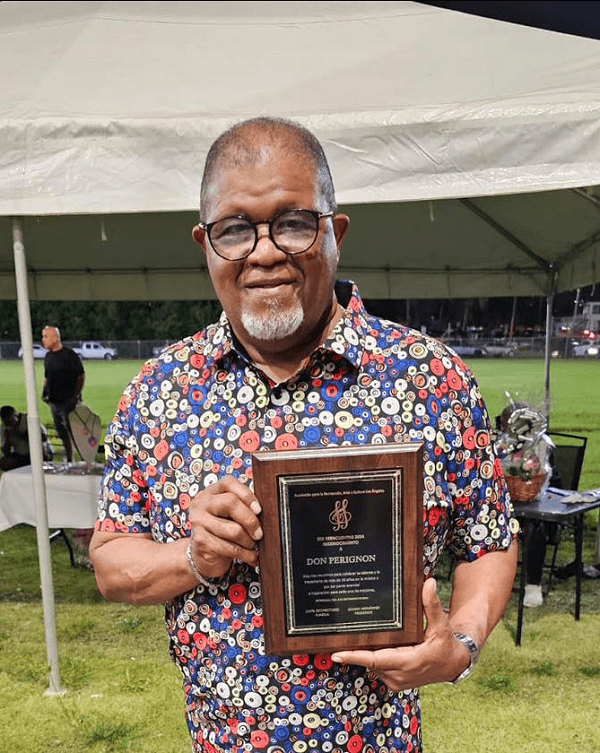
Don Perignon with a recognition
Don Perignon receiving recognition by the City of Los Angeles

A long-awaited reunion

When we were last in touch with Don Perignon, he was promoting his latest album, Demostrando A Tiempo, and, of course, much water has flowed under the bridge since then. After having released that album, the artist had many performances and quite emblematic events, such as the previous edition of El Crucero de La Salsa, which welcomed big names including El Gran Combo de Puerto Rico, La Sonora Ponceña, and many more. 

There were also some performances in Puerto Rico and travel to certain parts of the United States, such as Connecticut and New York. At the same time, they were already working on “Classique et Savoureux” and another production. With Christmas approaching, he and his team preferred to shove these projects aside for a while to leave center stage to Christmas music.

Arriving January, they finally got down to work to start the production without further delay. The premiere on digital platforms was held on January 23, and the physical release will be on February 13, but it does not end there, as they are also planning a second release on March 21, on the eve of Puerto Rico’s Día Nacional de La Zalsa. For the same date, vinyls are expected to be ready for collectors who want to buy them.

For the time of this interview, the music had already been recorded, and it was now the singers, including Alex D’Castro, Hermán Olivera, Josué Rosado, and Marcial Istúriz, who were in the studio recording their voices for the album.

Gilberto and Don Perignon
Gilberto Santa Rosa and Don Perignon

Why is the album called “Classique et Savoureux”?

With regard to the curious name he chose for his album, it was a whim of Don Perignon himself, who wanted to recognize and give thanks to the public of France and the French language, from which he adopted the name Don Perignon. The artist has been calling himself that for the last 40 years and has built his career on it. Although the name comes from a famous French champagne, he has never received any claims or lawsuits demanding that he stops using it, which is much appreciated. 

In fact, he got to talk to the person responsible for introducing that champagne in a beverage company in Puerto Rico and understood that Don Perignon’s career and fame in no way damages the brand’s name and reputation.

Authorized biography 

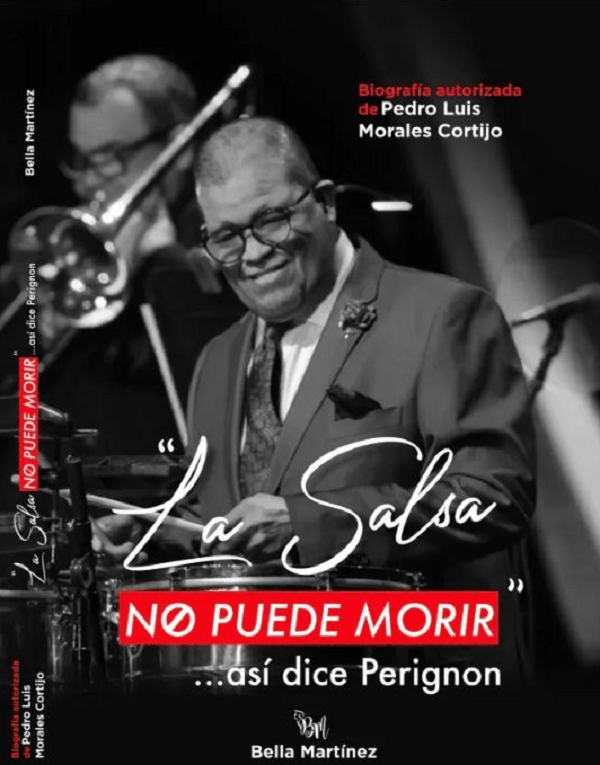
In addition to releasing his album, Don Perignon has also committed part of his time to engage in his authorized biography written by Puerto Rican author and International Salsa Magazine correspondent Bella Martínez. The book tells his story from his childhood to this day and includes the participation of the artist’s great friends and collaborators, including Andy Montañéz, Víctor Manuelle, and Gilberto Santa Rosa.

Some members of his family and other important people in his life also took part in the biography. 

Don Perignon and Victor
Don Perignon and Victor Manuelle

In each and every stage of his life described in the book, music plays a fundamental role given that, in his own words, it is an enjoyment that he has never been able to see as work.

It is titled “La Salsa No Puede Morir, así dice Perignon”, and is now available through platforms such as Amazon. In addition, the cover was designed by Félix Disla, the image is by Alina De Lourdes Luciano, the introduction is by Jaime Torres Torres, and the editorial care is by Robert Tellez M. 

Activities outside of music

Let us remember that Don Perignon was working as a bailiff at the Puerto Rico Department of Justice until April 2023, when he finally retired and was able to dedicate himself in full to music because he finally had time for it. He also pointed out that, should his health permit him, he will be involved in many other collaborations and projects with other singers who want to enter the Puerto Rican market, and he is happy to be able help them. 

Similarly, he assures us that he leaves it all in Our Lord Jesus Christ’s hands, who will let him know that he can achieve all this.

Cover of the book
Cover of ”La Salsa No Puede Morir, así dice Don Perignon”

Read also: Carlos Jimenez offers his talent and passion to charm the audience in universities, hotels, and restaurants all over New York

Bandleader and conga player Tony Rosa tells us how he built his career

The great percussionist, conga player, and six-time Grammy winner Tony Rosa has honored us with his presence for this February edition, which is full of many interesting things despite being a very short month.

Like so many other artists of this kind, he started very young in this world. Although his musical roots were not so Latin or folkloric, as is common, he ended up falling in love with one of his great passions today: Latin music.

Tony Rosa with his Grammy
Tony Rosa as part of the Latin Grammy Arturo O’Farrill & The Chico O’Farrill Afro-Cuban Jazz Orchestra won

Tony’s beginnings in music

Tony started playing the tumbadora at the age of just 10 in New York, his native city, but when he turned 12, he moved to Los Angeles, California, which is where his formal career as a musician began. It was in Los Angeles that he learned to play percussion, more specifically the conga, in the streets of this new city that welcomed him and his family.

One interesting thing about this is that absolutely everything he knows about instruments he learned by himself, indicating that he did not attend any institution that provided formal training in music. At that time, as a 15-year-old boy, he was already playing for different orchestras and touring with them.

Rock phase

Before becoming integrally involved with salsa, Tony played with some rock bands such as Chicanos. In fact, rock is a genre he still likes very much, and several of his favorite groups are rock bands such as Queen and Santana. However, that phase did not last for ever, and it was not long before, at the age of 16 or 17, he played with orchestras such as Azuquita Y Su Melao. 

In 1997, he moved back to his native New York, where he started collaborating with Conjunto Libre and other groups of salsa and Latin jazz, a genre that was also making him curious.

Tony and Gilberto
Tony Rosa and ”The Salsa Gentleman” Gilberto Santa Rosa

Time with the Afro Latin Jazz Orchestra and Arturo O’Farrill

In 2008, while playing with Manny Oquendo, Tony met orchestra leader, composer, and pianist Arturo O’Farrill, who, after witnessing the great talent he had, asked whether he would be interested in joining his Afro Latin Jazz Orchestra, and he said yes. In total, he spent about nine years playing with O’Farrill and it was over five years ago. In fact, when asked if he knew why the Afro Latin Jazz Orchestra would no longer be playing at Birdland, he said he knew absolutely nothing about it.

After that, the artist found the right time to create his own quintet which he named Tony Rosa’s Afrojazz and with which he has songs such as “Mambo Mongo,” “Nothing Personal,” “Alfie’s Theme,” “Isn’t She Lovely,” and “Rica Mulata.”

Tony, Eddie, and Adan
Tony Rosa, legendary pianist Eddie Palmieri, and producer and arranger Adan Pérez

However, he assures us that his affection for O’Farrill and the orchestra remains intact, and they even played together again in a tribute to Andy González at Saint Peter’s Church in Manhattan. He is also grateful for all the experience he gained there, otherwise he would not have the project he currently manages.

Projects apart from Tony Rosa’s Afrojazz

In addition to his work he does with his Latin jazz quintet, Tony is also recording with another musical group called Los Amigos, with which he recently released an album.

And about tours and performances at arenas and well-known venues, he says he does not know yet what he will be doing in the coming months. However, he expects things to start moving as the year progresses.

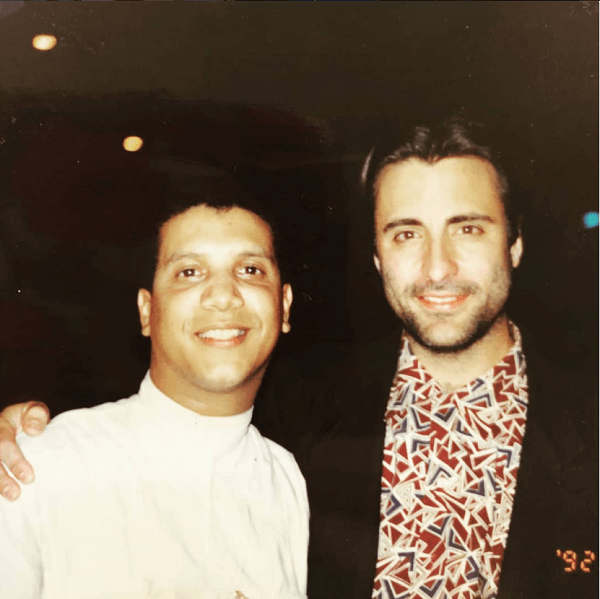
Tony and Andy
Tony Rosa and Cuban-American actor Andy García in 1992

Read also: Bandleader Arturo O’Farrill leaves behind Birdland to look for other opportunities

  • « Go to Previous Page
  • Page 1
  • Page 2
  • Page 3
  • Page 4
  • Page 5
  • Interim pages omitted …
  • Page 33
  • Go to Next Page »

International Salsa Magazine (ISM) is a monthly publication about Salsa activities around the world, that has been publishing since 2007. It is a world network of volunteers coordinated by ISM Magazine. We are working to strengthen all the events by working together.