





| DIRECTORY OF NIGHTCLUBS | ||
|
|
|
|
|
|
|
|
|
|
|
|
|
|
|
|
|
|
|
|
|
|
|
|
| OCTOBER 2023 FESTIVALS | ||
|
|
|
|





| DIRECTORY OF NIGHTCLUBS | ||
|
|
|
|
|
|
|
|
|
|
|
|
|
|
|
|
|
|
|
|
|
|
|
|
| OCTOBER 2023 FESTIVALS | ||
|
|
|
|
USA / New York / New York
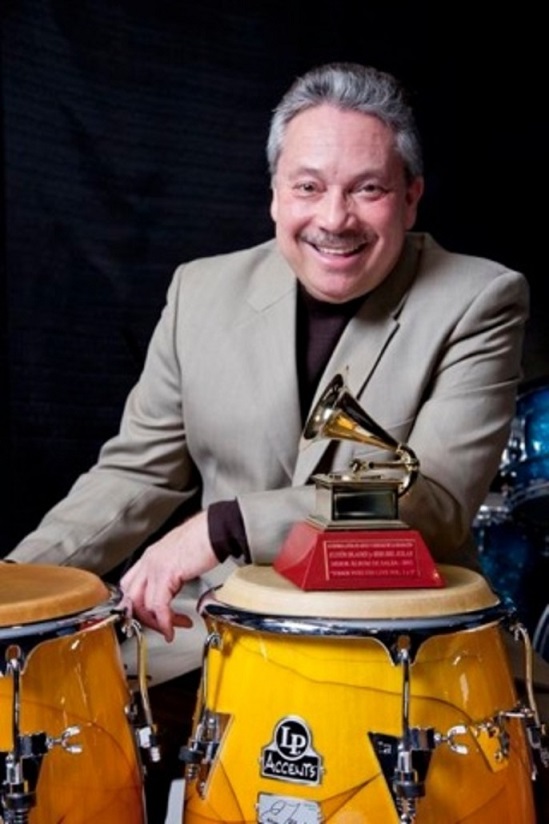
Eddie Montalvo, two time Grammy award winner, born and raised in the South Bronx of New York City, descendent of Puerto Rican roots, found his passion for music at very early age.
His parents Leonardo and Carmen instilled in Eddie the richness of Latin music and the heritage of their Puerto Rican culture.
During his high school years, he ventured in the school band and decided to become a conga player.
In 1970 at the age of 17, Eddie’s first professional show was with Joey Pastrana which led to another show with Tony Pabon & La Protesta and Ernie Agosto y La Conspiracion.
Then immediately after studio recordings commenced with La Conquistadora de Martin Galagarza, Tony Pabon y La Protesta.
Then in 1976 Eddie joined the band Los Kimbos of Orestes Vilato as the band’ conga player.
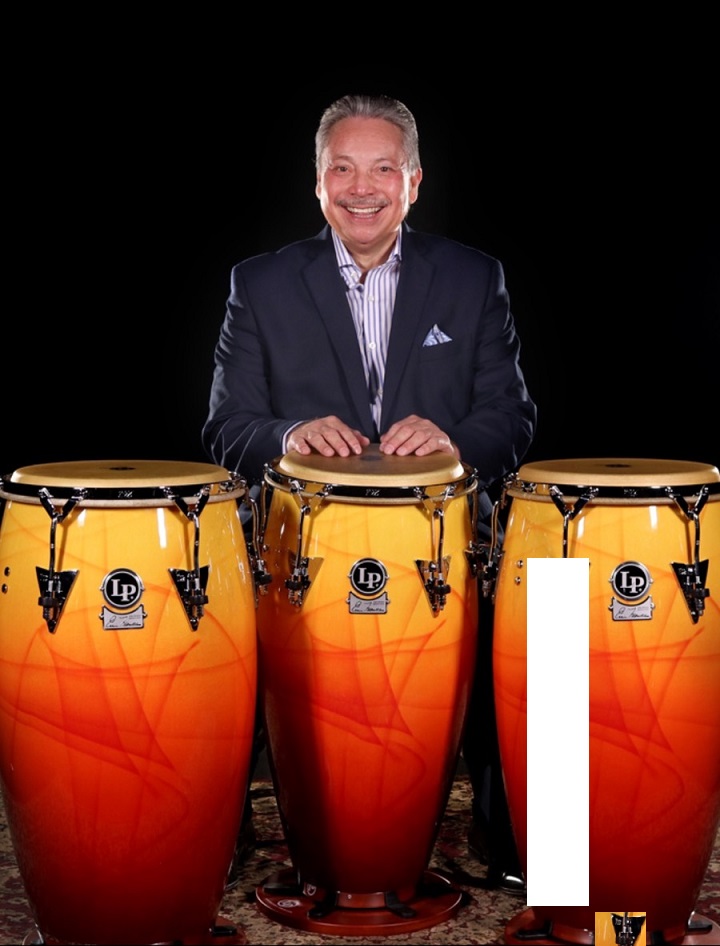
Montalvo’s distinctive and unique conga playing was spreading like wild fire among his peers and in the music industry which consequently led his endorsement in 1976 by the instrument company Latin Percussion and recordings with Luis Perico Ortiz, Nicky Marrero, Jose Fajardo, Pupi Lagaretta, Luigui Texidor, Los Kimbos, Hector Casanova, Santiago Ceron and renown artists such as Celia Cruz, Hector Lavoe, Fania All Stars and Juan Luis Guerra and with Johnny Pacheco where Eddie was a member of his band for two years.
Eddie has had the privilege to record in over 200 productions for renown artists, as well as up and coming artists.
In 1977 Eddie had the honor of joining the band of one of salsa’ greatest artists, Hector Lavoe. Not only did Eddie successfully embraced the roll of conga player with Hector Lavoe’s band, but also did back up chorus for him as well.
While his time with Lavoe, Montalvo was hired to record on the album “Siembra” with renown artists, Willie Colon and Ruben Blades which sold over 25 million copies worldwide and became one of the most prestigious Salsa productions of all times.
In 1979 Eddie proceeded to audition and became the youngest member of the renown Salsa band, Fania All-Stars.
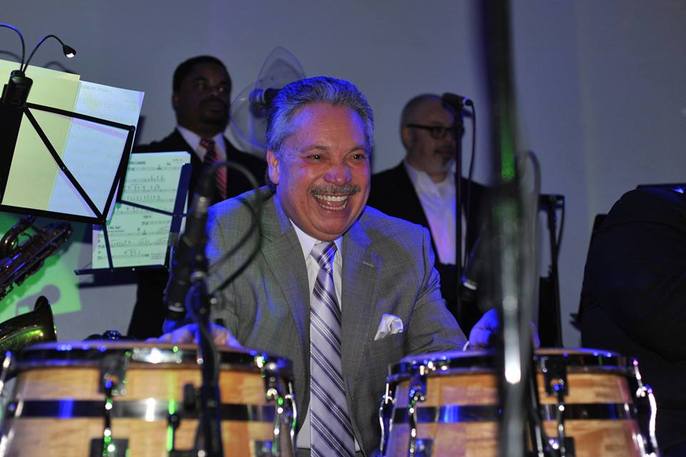
After numerous accolades, worldwide notoriety and sold out concerts, today Fania continues bringing to the world the very best of Salsa of which Eddie continues being a member and is about to embark on Fania All Stars 2013-2014 World Tour.
During this time it’s when the opportunity of a lifetime presented itself. Ruben Blades approached Eddie in 1983 to join his world renown group, Seis del Solar.
After a series of successful tours around the world, Eddie recorded on the 1986 Grammy award winning album “Escenas” with Seis del Solar.
Then in June 2009, Ruben Blades reunited the Seis del Solar for the 25th Anniversary of Buscando America in an ambitious tour of the Americas.
Culminating with the world tour of Todos Vuelven in 2010 which earned Eddie a Latin Grammy win in 2011 for the live recording of Todos Vuelven Live Vol 1 & 2.
Eddie Montalvo also had the privilege of performing with Ruben Blades and Sting at the Amnesty International in Santiago, Chile.
Eddie Montalvo has achieved many goals and one of them was to record his first production titled On My Own in 1995.
He also had the privilege of participating in a supporting roll in the 2006 movie “El Cantante” based on the life of his personal friend and Salsa legend, Hector Lavoe, and also recorded in the sound track of the Broadway play The Capeman with Paul Simon.
In August 2012, Eddie Montalvo finally launches his new recording project titled “Desde Nueva York a Puerto Rico”.
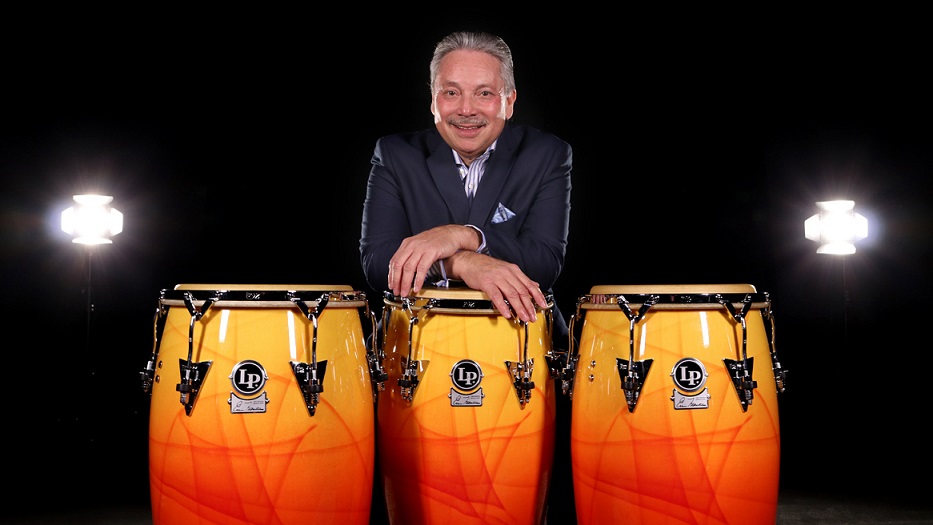
This amazing production is a master piece in the making which was brilliantly produced by Eddie Montalvo and Jose Lugo, which has gathered some of Salsa’ greatest like: Ruben Blades, Cheo Feliciano, Willie Rosario, Papo Lucca, Domingo Quiñones, Rico Walker, Issac Delgado, Wichy Camacho, Pichie Perez and Tito Gonzalez.
Since Nueva York a Puerto Rico took the music industry by storm and earned Eddie an American Grammy nomination on February 2013 for Best Tropical Latin Album.
The first single of the album titled El Hijo del Ricachon featuring Ruben Blades received airplay in the Northeast and Puerto Rico.
The following singles Caonabo featuring Cheo Feliciano and Abicu featuring Tito Gonzalez are currently receiving airplay in Puerto Rico and throughout the Northeast of the U.S with much success.
This is one production all hardcore Salsa lovers cannot miss. Eddie is also presently showcasing and featuring his talent with Jazz artists like Lou Caputo, Dave Chamberlin, Joe Battaglia and Pucho & Latin Soul Brothers.
As one of the most sought after conga players, Eddie will continue to build his legend as a skilled clinician who shares his limitless knowledge of music to congueros and percussionists around the world.
North America / USA / New York
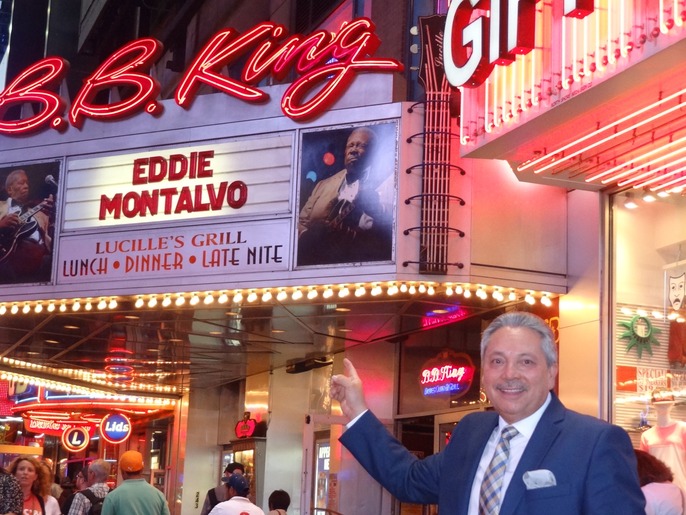
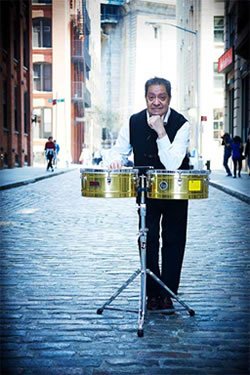
In this edition (Johnny Cruz) I would like to tell you about the memorable career of my good friend Nicky Marrero, whom I esteem and consider to be one of the best timbaleros in the world and who has been an inspiration to many artists of different generations, even today. Also, Nicky is about to turn years this month.

Known to all as Nicky Marrero, of Puerto Rican roots, came to the world on June 17, 1950 and grew up among musical instruments such as the maracas, güiros, and the guitars through his family. His born talent led him to start studying the drums, but he was seduced by the sounds and influence of Tito Puente and Willie Bobo.
His musical debut was with Orquesta Caribe. There has been speculation about his first recording at age 15 with Willie Colón’s band, but that recording was not released. His first published recordings, in which he participated as timpani player, were the albums El Malo and The Hustler, by Willie Colón, recorded in 1968 for the Fania Records label in LP format. He was invited to participate in a single titled Descarga de Dos Pianos with Charlie Palmieri and Louie Ramírez.
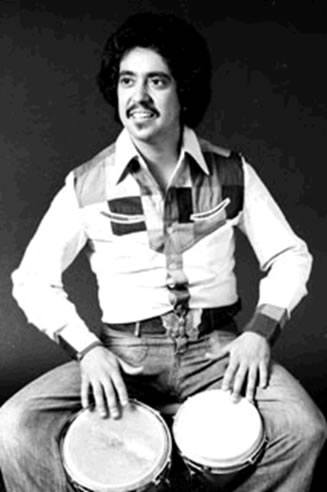
In 1968, Nicky Marrero worked with Eddie Palmieri’s band; That same year, he took part in the recording of the Champagne album, released by the Tico Records label. He has participated with maestro Eduardo Palmieri in fifteen albums between 1968 and 2018, most of them very successful.
In fact, with albums The Sun of Latin Music and Unfinished Masterpiece, they won the Latin Grammy Award. Nicky Marrero is one of the best timbaleros in the history of Latin music; in 1973, he replaced Orestes Vilato in the Fania All Stars of Pacheco and Masucci, with which he made tours, presentations and concerts playing the timpani in many countries of the world.
Nicky Marrero’s gigantic musical career has allowed him to participate in the most important Fania recordings; there are around 25 musical productions in which the imprint of his timpani, his bongo and his bell with La Fania All Stars has been registered.
Not only Latin music and Latin Jazz have had the participation of the Bronx timbalero, other musical genres such as Jazz, Rock, Funk, Soul, World, Country, Stage & Screen; have also had the participation of the portentous timbalero. The most important groups of Latin music, as well as the greatest musicians and singers of Salsa, have had the participation of this prodigious musician.
With great emotion, I congratulate and greet my friend Richard Román for the 25th Anniversary of Radio Salsa Superior, I wish him and his team many successes to continue his work in the world of music. The celebration will be virtual, given the circumstances, but stay tuned because many surprises come. The marvelous Salsa Superior team transmits day by day from Miami at salsasuperior.com/radio.
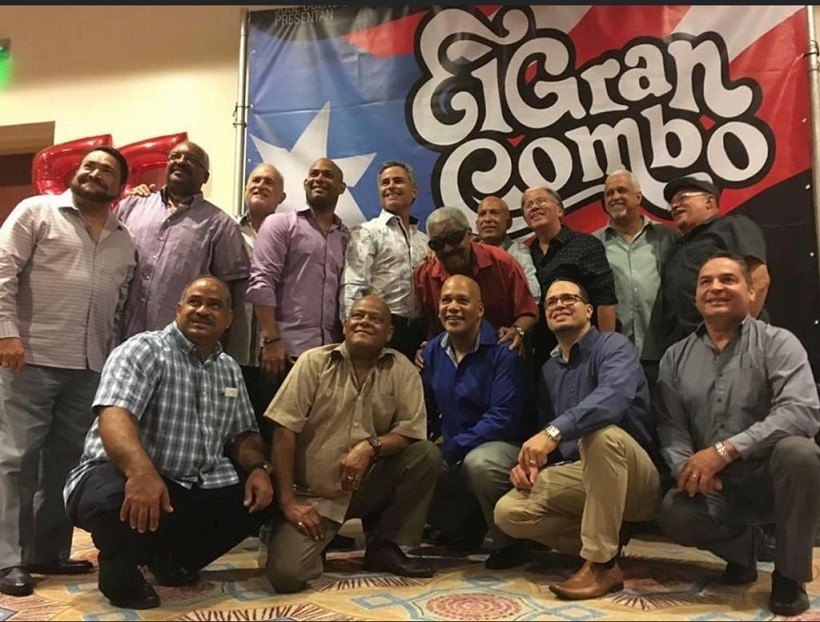
I want to congratulate my great friend Rafael Ithier and all the musicians of the Gran Combo on their 58th anniversary. Keep reaping successes and being part of the salsa tradition of those who love this genre. For many more years dancing to the rhythm of the Gran Combo of Puerto Rico.
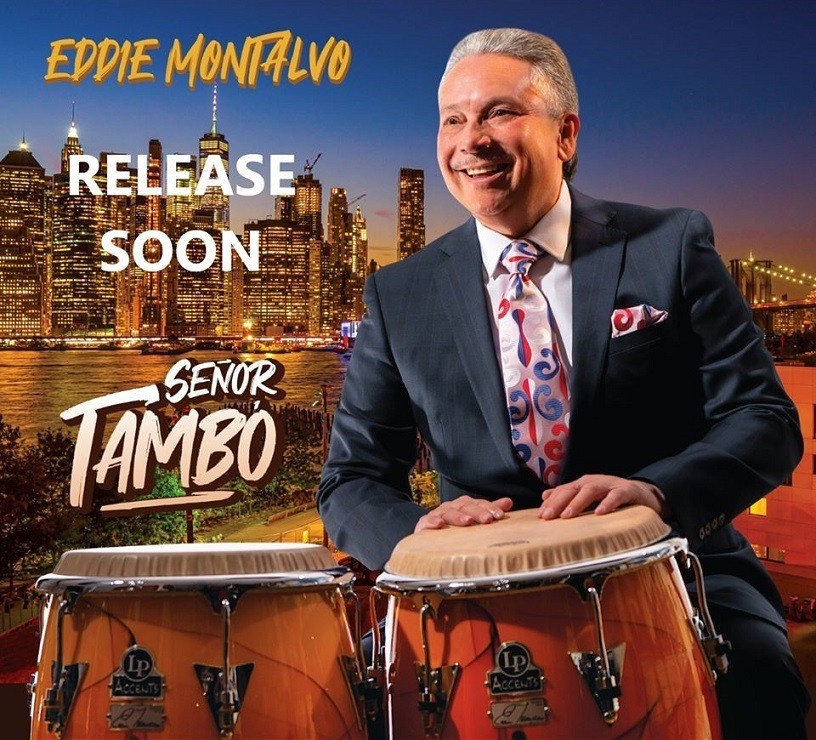
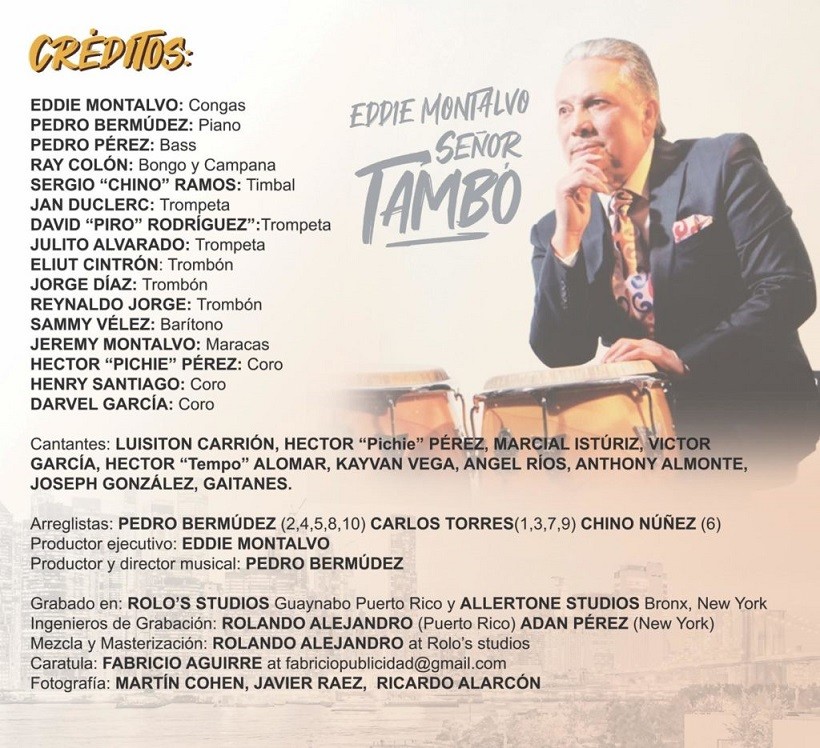
I also want to highly recommend Eddie Montalvo’s new CD: Señor Tambó. The great percussionist of the Stars of Fania and Six of the Solar delights us with a production that has ten songs in collaboration with prominent salsa exponents of the old and new school. A tribute to Rubén Blades with the participation of the Gaitanes. The musical production was in charge of Pedro Bermúdez and also has the musical arrangements of Carlos Torres and Chino Núñez. The production is available on all digital platforms and in traditional CD and Vinyl formats.
Last but not least, It is an honor for me to invite you to tune in to my new Fm / Internet radio station on Live365.com: Salsagallery. Great music, artist interviews and much more made with love for you all. There is the link: https://live365.com/station/a77973
For now, it will not be possible to open to the public the Spanish Harlem Salsa Gallery in 1708 Lexington ave New York N.Y. 10029, but you can see the entire exhibition with more than 200 articles through our social media. Check the updates in our website: spahasalsagallery.com.
At the Spanish Harlem Salsa Gallery Museum we are happy to affirm that New York City is preparing to resume its activities little by little. We hope to have more news and soon as we can return to normality.
Remember not to leave your homes unless necessary, stay safe and stay home until the authorities tell us to. Health is first.

Contact: Johnny Cruz. 917-747-8505. [email protected].

By Johnny Cruz, ISM Correspondent, New York, New York City

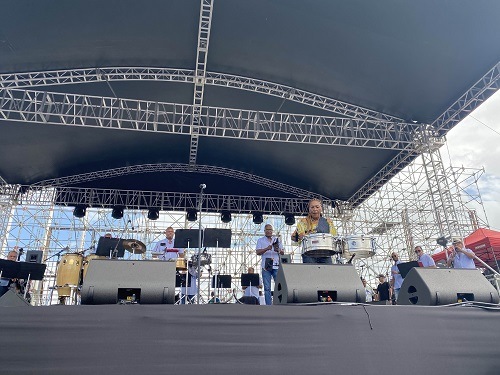
This edition of the activity of worldwide importance, which has almost reached four decades since its first edition at the José Pepito Bonano Park in Guaynabo, demonstrated Z-93’s support for the proposals of the new generation. That promise, made in its 38th edition, has been fulfilled.

As soon as this first intervention culminated; the orchestra of Robert Burgos shone in a change of rhythm something more cubaneao. When the sun was at its hottest moment, Maelo Ruiz arrived on stage for the first time as a soloist, accompanied by the musical direction of his nephew, the outstanding percussionist of the so-called nueva cepa: Jean Carlos Camuñas. Pirulo arrived on stage with his usual urban charisma, stealing the hearts of the new salsa
The fifth intervention marked the arrival of the Orquesta del Día Nacional, led by the multifaceted Isidro Infante. The orchestra backed Nino Segarra, who enchanted the audience with Entre la espada y la pared and Porque te amo; Yolanda Rivera, who performed Se formó and Hasta que se rompa el cuero as well as a descarga in front of the timbal; Luigui Texidor, who sang Boranda and Moreno soy.
Next, “El Niño Bonito de la Salsa”, Ismael Miranda arrived accompanied by his family and Pastor Alex D’ Castro to receive from Néstor Galán -better known as “el búho loco”- the well-deserved Estrella Award, instituted as part of the annual salsa day.
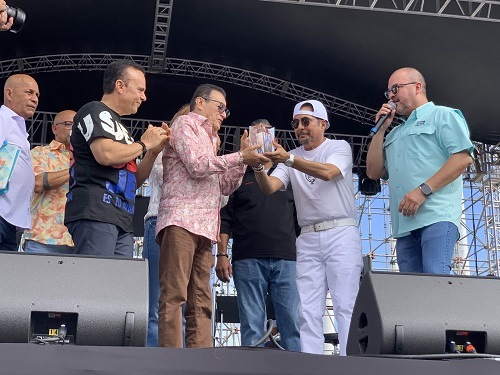
After Pichie finished his performance, Alex D’ Castro took the stage and gave the evening its climax with Te fuiste, Como si nada and Si no fuera por ti. Alex was followed by the new promise of salsa, already recorded, published and released by Sony Music Latin: Luis Figueroa.
As part of the tribute to the 50th anniversary of the establishment of Típica 73, there was a reunion on stage of singers Tito Allen, Adalberto Santiago and José Alberto “El Canario”; backed by the manager of Típica 73, Johnny Dandy Rodríguez. Tito Allen performed Guancona and Guaguancó de los violentos. Adalberto Santiago showed off his voice with Mañoño and La candela. For his part, “El Canario” arrived with his usual scenic mastery with A la hora que me llamen voy, Esta noche pinta bien, Xiomara -a theme in which he was accompanied by Tito Allen and Adalberto Santiago- and Baila que baila.
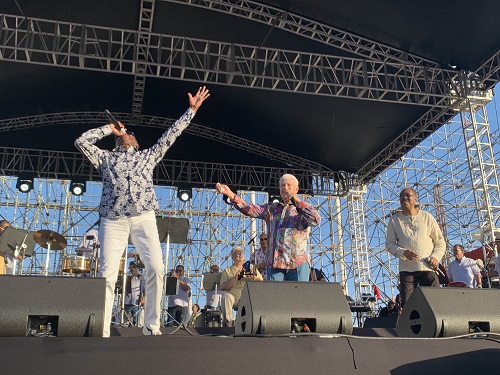
After the segment in which the three singers came together again, bongos player Johnny Dandy received the tribute on behalf of Típica. The first intervention of the DNZ Orchestra closed with Domingo Quiñones in an energetic interpretation of Salsumba, a song with which he participated in the production El número 100 of the “King of the Timbal”, Tito Puente.
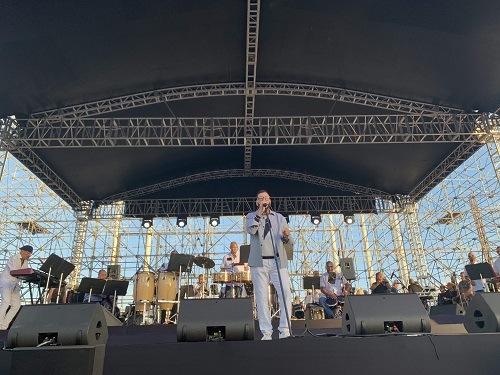
When the afternoon wanted to give way to the night, Charlie Aponte’s orchestra was in charge of keeping the audience in the necessary mood to continue with salsa. The songs that Charlie kept the audience captive were Arroz con habichuelas, Se nos rompió el amor, Teléfono, Esos ojitos negros, Goyito Sabater and Gracias salsero.
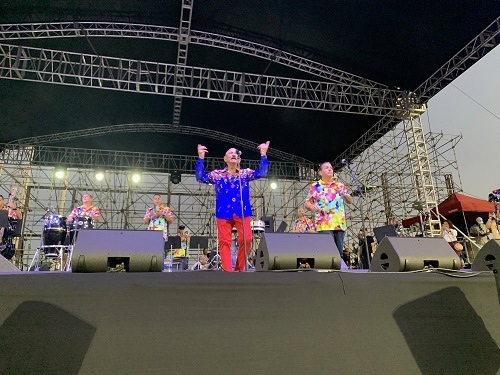
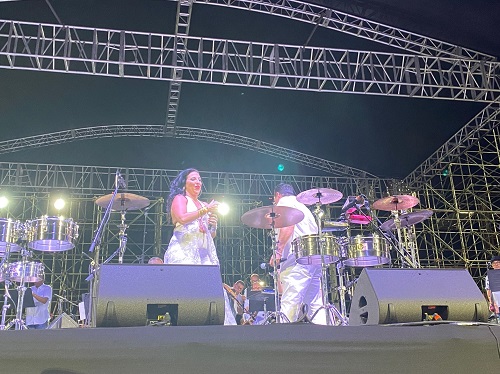
Preceding the tribute to the “King of the Timbal”, on the 100th anniversary of his birth; India showed off her interpretative quality, evidencing her well-earned title. Yes, India is “la más que canta”. Her interpretation of Vivir lo nuestro, Dicen que soy -a song for which she was accompanied by Sergio George on piano shortly after he brought her a birthday cake on stage-, Ese hombre and Mi primera rumba showed her vocal virtuosity.
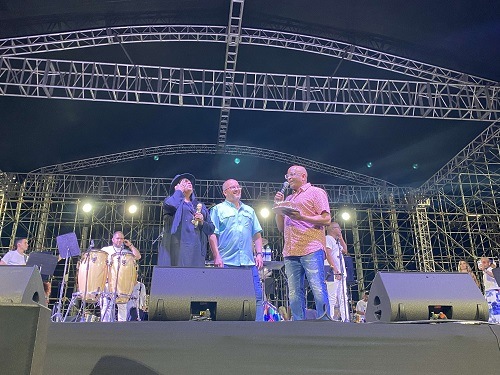
The concert was closed by Tito Puente, Jr. surrounded by timbaleros Nicky Marrero, Endel Dueño and Orestes Vilató, under the musical direction of timbalero José Madera. Tito’s guest singers for the closing were Frankie Figueroa, Frankie Morales and Melina Almodóvar.

Bella Martinez
Writer, Afro-Caribbean Music Researcher
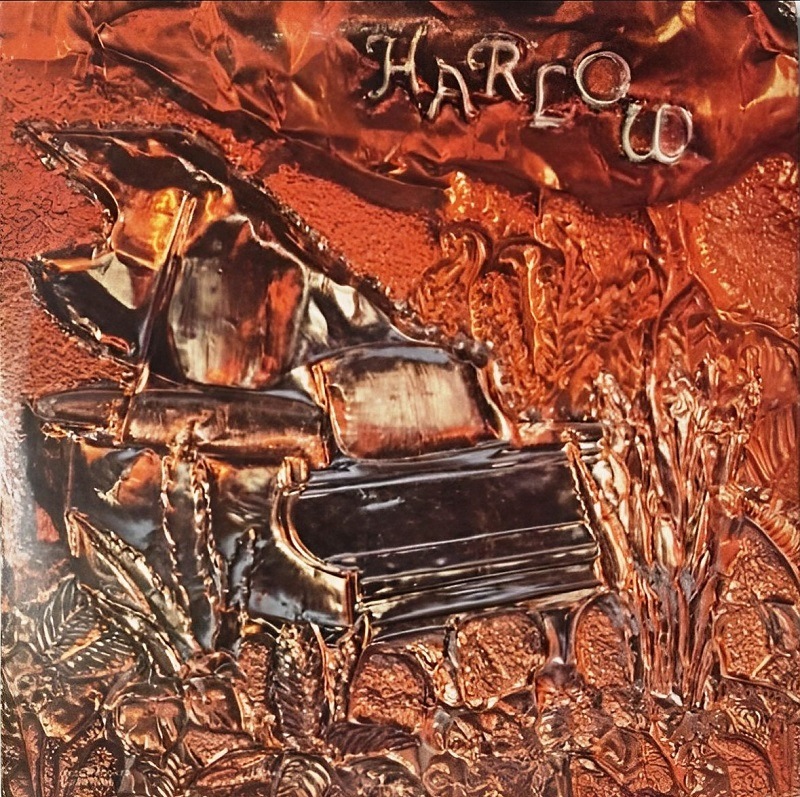
Recorded live on January 16, 1974 at Sing Sing Prison, listeners will immediately discover that the musicians actually came to play from the first note. In a recent conversation, Harlow considers this album to be one of the best of his career and tells how the enthusiasm of the audience positively affected the performance. This was the only Latin album to be recorded in quadraphonic format. The basic concept was similar to today’s surround sound systems, but the way to achieve the four audio channels changed in terms of format.
Harlow took advantage of new technology and recorded the live album live an 8-channel RCA unit and mixed the recording by spinning on a chair surrounded by four speakers. The Fania sound was created by New York musicians who added swing and a distinctive musical sensibility to Cuban son and other Spanish-speaking Caribbean genres. In the process, they twisted the music into something totally new. “Live in Quad” provides an opportunity to hear that musical transformation, as the main part of the music from this concert consists of compositions by Arsenio Rodriguez.

In the 1950s, Harlow made several visits to Cuba, where he followed and became friends with Rodriguez. Back in New York, he had the opportunity to play with his idol and eventually dedicated an full album to him. For Harlow, the piano is overdubbed and interacted with a harpsichord, simulating the union of the tres and the piano made by Arsenio. This album sounds as exciting and fresh as it did 32 years ago. “Señor Sereno,” Harlow’s big hit with Ismael Miranda, opens the album. Junior Gonzalez, who debuted with Harlow in Hommy, gives us his own version. On a personal level, this performance is an example of the Fania sound: great orchestral work, swing and energy.
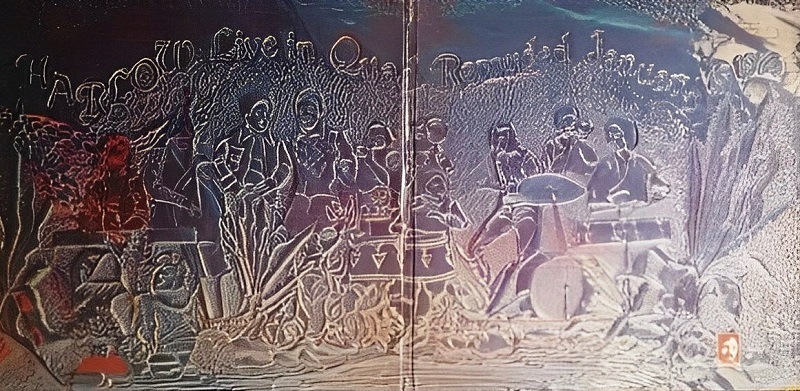
Also from Hommy, the song “Gracia Divina” grows in intensity with Tony Jiménez’s brilliant rhythmic fills over Harlow’s guajeos and the powerful swing of the horn section. Justo Betancourt’s gifted voice stars in the treatment given by Harlow to “Mayari” by Compay Segundo. “Jóvenes Del Muelle” is another Cuban classic, arranged by the great Barry Rogers. The arrangement and playing evoke classic ensembles while still sounding modern. Here we listen to trombone solos and a tasty bass solo by Eddie Guagua Rivera.
To date, Harlow is best known for his version of “The Wallet.” This arrangement by Sam Burtis in a masterclass. Notice the Lilí Martínez’s influence in Harlow’s solo, followed by fine trumpet solos and another violin solo by Lewis Kahn. “Tumba y Bongo” was originally composed for Arsenio’s rhythm section (Kila, Quique and Chocolate). This arrangement by Mark Weinstein highlights an exciting hand-to-hand between Pablo Rosario and Tony Jimenez, who delights the audience when he raises his drum in the middle of the solo.
“Suéltala” provides a framework for Júnior González’s soneos while offering exciting solos by Reynaldo Jorge and Nicky Marrero. “Arsenio”, the theme song of the dramatic album Harlow recorded in tribute to his musical hero, gets the matancero flavor of Justo Betancourt with Tony Jimenez standing out with another great solo. In “Descarga Final,” Harlow unleashes the creativity of the members of his orchestra and the singers exchange soneos in a friendly hand-to-hand. Guagua offers another impressive solo while the percussionists are meant to steal the show.
Credits:
Ralph Castrella – Trumpet
Charlie Miller – Trumpet
Junior Gonzalez – Maracas
Larry Harlow – Piano, Harpsichord
Reynaldo Jorge – Trombone
Pablo “El Indio” Rosario – Bongo, Cowbell
Anthony “Tony” Jimenez – Congas
Nicky Marrero – Timbales
Eddie “Guagua” Rivera – Bass
Lewis Kahn – Trombone, Violin
Lead Singers – Justo Betancourt, Junior Gonzalez
Choir – Adalberto Santiago, Larry Harlow, Ralp Castrella
Master Of Ceremonies – Paco Navarro
Producer – Larry Harlow
Engineer – Bernie Fox
Assistant Engineer – Randall Shepherd
Mixing – Good Vibration Studios, N. Y. C.
Recorded Live – Sing Sing, January 16, 1974.
Arrangements – Louie Cruz (“Señor Sereno,” “Gracia Divina”), Larry Harlow (“Mayari,”, “Descarga Final”), Barry Rogers (“Jóvenes del Muelle”), Sam Burtis (“La Cartera”), Mark Weinstein (“Tumba y Bongo”), Charlie Camilleri (“Suéltala”), Bobby Valentín (“Arsenio”)
Original Album Cover – Gary Mason
Metal Graphic Art From Original Album – Charlie Rosario
Señor Sereno
Ismael Miranda
Garcia Divina
Larry Harlow / Jenaro ”Heny’’ Álvarez
Mayarí
Jóvenes Del Muelle
Sabino Peñalver
La Cartera
Arsenio Rodríguez
Tumba Y Bongó
Arsenio Rodríguez
Suéltala
Arsenio Rodríguez
Arsenio
Larry Harlow / Ismael Miranda
Read also: Javier Cabanillas and his Cabanijazz Project