• Skip to primary navigation
  • Skip to main content

International Salsa Magazine

  • HOME
  • Previous editions
    • 2026
      • ISM / March 2026
      • ISM / February 2026
      • ISM / January 2026
    • 2025
      • ISM / December 2025
      • ISM / November 2025
      • ISM / October 2025
      • ISM / September 2025
      • ISM / August 2025
      • ISM / July 2025
      • ISM / June 2025
      • ISM / May2025
      • ISM / April 2025
      • ISM / March 2025
      • ISM / February 2025
      • ISM / January 2025
    • 2024
      • ISM / December 2024
      • ISM / November 2024
      • ISM / October 2024
      • ISM / September 2024
      • ISM / August 2024
      • ISM / July 2024
      • ISM / June 2024
      • ISM / May 2024
      • ISM / April 2024
      • ISM / March 2024
      • ISM / February 2024
      • ISM / January 2024
    • 2023
      • ISM / December 2023
      • ISM / November 2023
      • ISM / October 2023
      • ISM – September 2023
      • ISM – August 2023
      • ISM July 2023
      • ISM Edition June 2023
      • ISM – May 2023
      • ISM April 2023
      • ISM March 2023
      • ISM February 2023
      • ISM January 2023
    • 2022
      • ISM December 2022
      • ISM November 2022
      • ISM October 2022
      • ISM September 2022
      • ISM August 2022
      • ISM July 2022
      • ISM June 2022
      • ISM May 2022
      • ISM February 2022
      • ISM January 2022
    • 2021
      • ISM December 2021
      • ISM November 2021
      • ISM October – 2021
      • ISM September 2021
      • ISM August 2021
      • ISM July 2021
      • ISM May 2021
      • ISM April 2021
      • ISM June 2021
      • ISM March 2021
      • ISM February 2021
      • ISM January 2021
    • 2020
      • ISM December 2020
      • ISM November 2020
      • ISM October 2020
      • ISM September 2020
      • ISM August 2020
      • ISM July 2020
      • ISM June 2020
      • ISM May 2020
      • ISM April 2020
      • ISM March 2020
      • ISM February 2020
      • ISM January 2020
    • 2019
      • ISM December 2019
      • ISM November 2019
      • ISM October 2019
      • ISM Septembre 2019
      • ISM August 2019
      • ISM July 2019
      • ISM June 2019
  • Spanish
  • Download Salsa App
    • Android
    • Apple

Search Results for: Rumba

Puerto Rican singer and talented sonero Charlie Maldonado

Interview with Charlie Maldonado 

José Charlie Maldonado Rodríguez, artistically known only as Charlie Maldonado, is a Puerto Rican singer who has a great talent as a backup singer and sonero, which he has been developing throughout a prominent and very successful career in the world of music.    

After having read his biography and being interested in the journey he has been on in salsa, we decided to contact him and arrange a conversation in which we could learn more about him and everything he has done to get here. Next, is a little bit of Charlie’s beginnings and, later on, everything he told us.   

Charlie talked to us
Talented Puerto Rican singer Charlie Maldonado, who kindly accepted to talk to us

Beginnings                                                                                          

Charlie was born on October 4, 1964 in the city of San Juan, Puerto Rico. At a very young age, he was always exposed to boleros and salsa music, as his father belonged to a musical trio that was very popular at the time.    

For those years, he listened to Ismael Rivera, Cheo Feliciano, Gilberto Monroig, Danny Rivera, Marco Antonio Muñiz, among others. Charlie said that, with such references at that time, it was impossible not to be enchanted by the music, so his interest in this branch of the arts grew and grew over time.  

His interest got to the point where he wanted to learn to play percussion instruments such as the tambourines, the maracas, the drums and, most especially, the bongo (it was the first instrument Charlie learned to play).    

Although he does not consider himself as the best bongo player of the world, he is believed to be very capable of playing it efficiently and delighting the listening audience. Most interestingly, he did not achieve this level through formal academic training at an institute, but through constant practice at ”rumbones de esquina” (congregation of people who play music, dance and drink alcohol on a street corner), school activities, family gatherings and Christmas parties. 

These informal activities in which he was able to participate gave him the opportunity to develop as an artist from a very young age. In addition, his father and other musicians in the family helped him a lot in this process. The magic you feel when you play music, the family warmth and interaction with the public are not learned in any academy,” said Charlie.   

Charlie at rumbones
Charlie Maldonado practiced his skills at ”rumbones de esquina”, school activities, family gatherings and Christmas parties

 The Saljaztet 

The first opportunity for Charlie to play in a professional group came with The Saljaztet in 1990 thanks to its founder Bobby Concepción, who saw him singing in one of those street parties and believed in his talent and what could be done with it. 

Bobby is an industry veteran who has worked with many orchestras such as Orquesta Panamericana and La Orquesta del Maestro Willie Rosario. Being around him taught him a lot and he gained a lot of experience by seeing him in action on stage.    

He even taught him some vocal and instrumental techniques to apply in his performances.   

Charlie keeps the best memories of this group, its director and his colleagues. He is extremely grateful for everything he learned from them and continues to apply many of these things today.   

Osvaldo Núñez, Sammy Marrero, La Selecta and more   

”Every human being who comes into our lives has a lot to contribute and teach us. Lord made is different, so all the musicians I’ve worked with have taught me different things” said the artist. 

Osvaldo ”Cuchón” Núñez is a brilliant musician who was very dynamic on stage. He was able to play the trumpet, do chorus and lead at the same time. He performed all of these functions excellently, which is why Charlie paid too much attention to what he was doing and copied him.   

Raphy Levitt from La Selecta de Puerto Rico was an extremely regimented person who ran the orchestra very well and was excellent for business. He had an almost military discipline and was extremely picky about his musicians and vocalists, to the point that he made them rehearse separately depending on their roles on stage.    

Levitt, Marreno, ,Núñez, and Charlie
Levitt, Marrero, and Núñez were very important in his career

In the case of Sammy Marrero, he was always at the height of Levitt’s demands and sometimes exceeded them. In addition to being extremely disciplined, he always lived up to what was required of him on each project and even a little more. He even worked with him when he had his own orchestra, a period in which Charlie learned even more from him.   

On this subject, the singer concludes that ”The personalities mentioned have taught me three fundamental things: discipline, perseverance and respect for the public”.   

Solo career 

The idea of becoming a soloist was always on his mind, but it was not until 2016 that he was able to carry it forward. The previous year, in 2015, the maestro Raphy Levitt unfortunately passed away, at which time Charlie had some songs recorded.   

He was already thinking about becoming independent and creating his own musical project, but had not decided to leave the orchestra until the death of Levitt. That is when he got hands on work and finished the record production he had already started. 

In 2016, he launched his first solo project entitled ”Dueño de Nada”, whose songs are mostly written by Charlie Ramos. The only cover in the album is precisely ”Dueño de Nada”, which was written by Manuel Alejandro and masterfully played by José Luis Rodríguez ”El Puma” in the 1980’s. 

His most recent album is entitled ”Vida Artificial”, which was released in September last year and addresses very interesting and current issues. The single that gives its name to the whole album, ”Vida Artificial”, ”is perfect for today. Phones, tablets and computers are damaging everyone’s mind. There are families who sit at the table, but don’t even talk to each other focus their attention to electronic devices. Technology is important, but we can’t be connected to it all the time. That was the message we wanted to bring with Artificial Life” said Charlie.  

Charlie on stage
Charlie Maldonado singing on stage

Future projects 

Charlie is about to release a song titled ”Señora Rumba” written by Eduardo Saya. The material has already been recorded and Charlie and his team are working on the video clip, which has a few shots filmed. It is expected to be released this August. 

Likewise, he is working on his concerts and private presentations in Puerto Rico, but some opportunities are opening up in Colombia in the future. 

También lee: We spoke with Andrea Chaparro from Lulada Club 

The decade in which Eddie Palmieri faced the Erotic or Romantic Salsa

There are leaders in all the activities that man develops in his daily life: Sports, Labor, Student, Political, Musical, even in comic strips you can see these leaders all the time, showing the way to follow and saving humanity from its natural dangers.

El Zorro with his friend Bernardo, his father Alejandro and even with Sergeant Garcia and Corporal Reyes, saved California from the clutches of El Aguila, marking the way forward for the peace and freedom of his people.

In salsa, the same thing happens; there are musicians who set themselves up as leaders who dictate the path, the routes, the itinerary and the route where salsa should go, establishing through their musical performances where others should be guided on their way to certain triumph.

For salseros in general, Eddie Palmieri represents El Zorro of the comics, the leader to follow, the paladin of salsa, only that instead of looking like Diego de la Vega in physique, he looks more like Sergeant Garcia; backed by Ismael Quintana who would be El Cabo Reyes and Barry Rogers who would be Alejandro de la Vega.

Eddie Palmieri y Dj. Augusto Felibertt

It is no secret that Eduardo Palmieri is one of the initiators of the salsa movement in New York; but more than that, this master of the piano has established the paths along which salsa has walked since the 1960s.

Eddie was one of the first musicians to use the trombone as a determining instrument in the conformation of an orchestra, giving it a preponderance never seen before and with a sharp and hurtful sound that forced a large number of musicians to follow this type of orchestration that ended up imposing itself in the so-called salsa boom.

La Perfecta determined the path to follow; they recorded anthological albums in the 60’s that were the delirium of the salsa movement lovers; many musicians began to see and hear how the tonality of this orchestra sounded different from those big bands of the 50’s; the people of the neighborhood immediately identified with this sound because, they thought, it sounded like a neighborhood, a slum, poverty, marginality, inequality, it sounded like spite, nonconformity, injustice; in short, with this sound they perceived the most expensive needs of a population marginalized from the great plans of the State that entailed advancement and progress.

The decade of the 70’s meant the explosion of a salsa boom that swept the entire Caribbean basin; orchestras came and went; they came and disappeared; they recorded and were immediately lost in anonymity, but most of these orchestras chose the musical patterns of a common denominator to carry out their musical proposals: A Crazy, Bearded and Barrigón Orate named Eddie Palmieri, as the Colombian writer José Arteaga called him.

Eddie, throughout this decade, was practically on the sidelines of the salsa boom and it could not be otherwise: Too much irreverence from a superior musician who, being clear where salsa should walk, refused to be part of all the outrages that were committed during that salsa explosion.

Too much rebelliousness from an artist who refused to be told what he should and had to record: “Nobody tells me what I have to record and how I have to record; I’m the one who knows how to make music, the label bosses can go to hell with their desks”, an angry Palmieri would say.

The record label Epic signed him in 1978, telling him that he had complete freedom to record the music he wanted: a lie. He recorded the Lp Lucumi, Macumba and Vodoo where he was practically forced to work on an album where rhythms and trends were mixed.

He took advantage of the only freedom he was given to record two legendary songs: Colombia Te Canto and Mi Congo Te Llama.

Bad management and ill-advised decisions put an end to the whole salsa movement that was born in the 70’s and the unthinkable happened for all the lovers of this tasty way of life: the whole musical scaffolding that represented the Fania label collapsed, leaving everyone with clear eyes and without sight.

Clouds of disbelief and uncertainty hung over the entire salsa movement, musicians, producers, artist managers, arrangers, record label owners and, those who were most hurt by all this, the lovers of this superb spectrum of hard and powerful salsa that was experienced in the 70s.

In the 80’s, faced with this dilemma and the perplexity of the moment, most of the orchestras took refuge in the so-called Salsa Erotica or Salsa Monga, which although it is true that it gave oxygen to salsa in general, it inflicted a death blow to salsa dura or gorda as it has been called since the 70’s.

As if that were not enough, the merengueros with: Fernandito Villalona, Jerry Legrand, Jossie Esteban y la Patrulla 15, Wilfrido Vargas, Rubby Perez, Las Chicas del Can and stop counting, colluded with salsa erotica (as El Aguila colluded with El Magistrado), to try to wipe salsa dura off the map and at any price.

At the beginning of the 80’s; under all this conglomerate of adverse circumstances; the merengueros and “salseros eroticos” making a killing and the hard salsa artists not knowing which direction to take, Líder Palmieri appeared with his stocky and ungainly figure, a huge cigar in his mouth, his madness (we are even madder) and his voice saying clearly, categorically and confidently: “Follow me, this is the road to follow”.

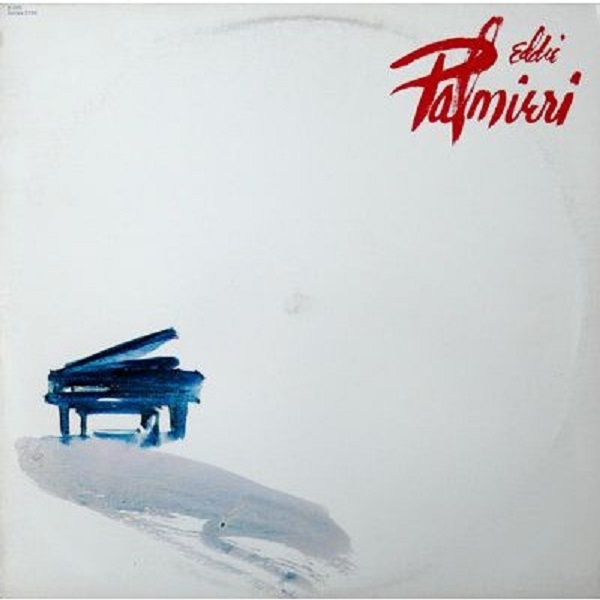
And so that there would be no doubt about this call against Salsa Erotica and Merengue, in 1981 he recorded the Lp “Eddie Palmieri” which, almost 30 years after its release, we are still studying and listening to it to digest what El Sapo did in these 5 memorable songs: El Día que me Quieras; Ritmo Alegre, Paginas de Mujer, No Me Hagas Sufrir and Ven Ven.

Poster salsa on all four sides, atrabiliary percussion, indescribable trombones and trumpets, legendary voices, in short, a priceless LP. By the way, a certain current of opinion maintains that salsa is nothing more than Cuban music.

Under this prism, then we would have to say that this Palmieri’s version of Carlos Gardel’s El Día que me Quieras, is a full-fledged Tango. 

Eddie Palieri 1981
Eddie Palieri 1981

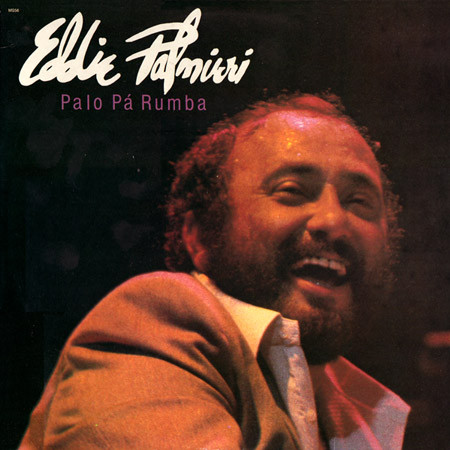
In 1984 and when the “erotic” ones were widening their tentacles, Palmieri came with more fuel and that added to the bad experience lived in Venezuela with some businessmen who were determined to finish with him, musically speaking, allowed him to release the Lp “Palo Pa Rumba”, containing the pieces: 1983, Bomba de Corazón, Bajo con Tumbao, Pensando en Ti, Palo Pa Rumba and two songs dedicated to Venezuela because of the bitter and vexatious experience he had in our beloved homeland of names: Venezuela and Prohibición de Salida.

Eddie Palmieri Palo Pa' Rumba Ganador del Grammy's 1985
Eddie Palmieri Palo Pa’ Rumba Ganador del Grammy’s 1985

In 1985 the Lp “Solito” was released, a song that allowed Palmieri to tell the “eroticos” that there was a formula for arranging music that sounded strong and powerful, even if the content of the lyrics could suggest a certain shade of erotic salsa; that the trombones could sound energetic and strong without the sweetening and softness to which these hardened instruments were subjected in this decade; that it was not necessary to be bonitillo (as the Boricuas say) to succeed in this salsa environment and that, no matter what happened, he, Eddie Palmieri, was not going to be subjugated no matter how much salsa erotica the record companies demanded and played on the radio, emphasizing this statement with an abysmal piano solo.

To complete the LP: Justicia, Yo No Soy Guapo, Cada Vez que te Veo, Lindo Yambú and Pa Los Congos, round out his confrontation with “aquella” salsa.

Eddie Palmieri Solito Ganador del Grammy's 1986
Eddie Palmieri Solito Ganador del Grammy’s 1986

To top off the decade, in 1987 he recorded the Lp “La Verdad”, in which with the piece El Cuarto in the voice of Tony Vega ratified his point of view regarding “erotic” salsa; that it is not necessary to fall into pornography to say “nice things” and arrange the music with enough flavor and sandunga and that, finally, nothing would prevent him from continuing to crush his opinion based on hard and powerful salsa.

As if that were not enough, for this album he made use of a beastly orchestra made up of four trumpets, two trombones and a saxophone that left on the acetate: Conga Yambumba, La Verdad, Lisa, Noble Cruise and Buscándote.

The result of all this decade of salsa gorda music for Eddie Palmieri? Three Grammy awards and the recognition of a whole legion of hardcore salseros, who were not intimidated by the onslaught of the “erotic” and “merenguera” fashions of the moment and decided, in the face of so much sweet, effeminate and subtle trombone, to follow in the footsteps of the leader: El Zorro, sorry I made a mistake, by El Sapo Eduardo Palmieri.

Source: Larry Daniel Cabello Guzmán

Dj. Augusto Felibertt

Read Also: Bebo Valdés is considered one of the central figures of the golden age of Cuban music

Eddie Palmieri

Joel Uriola

Latino America / Venezuela / Caracas

Joel Uriola “I am the best, because I surpass myself”

Very soon the theme will be released, Cuidadillo there ok

This Venezuelan pianist, arranger and musical producer was born on January 4, 1963 in Caracas, in the popular parish of Antímano, the same one that saw the birth of Sonero del Mundo Oscar D´ León, by chance or his destiny was already written and en route. towards a dream that over the years would come true; be the best and that your work is recognized both nationally and internationally.

In our gathering, Joel tells us that when he is classified as the best, he has nothing to do with competing with others or with airs of greatness, but with surpassing himself in everything he proposes, he tells us that “my path is longer, but I came as Joel Uriola”, his name is a seal that ensures quality work.

With 38 years of musical career, Joel Uriola has plenty of talent, level and experience, in each production he uses the best group of Venezuelan musicians and continues to be at the forefront of music, all this is demonstrated in the more than 1000 musical productions in which he has participated as a performer, director or musical producer, with national and international artists.

Joel Uriola
Joel Uriola

Joel Uriola The best?

“That’s right, metaphysics says that you can’t talk about yourself in a negative way, you can’t sell a product if you don’t have good marketing, you must see beyond, be your own manager, most record companies are in the hands of ignorant people. the music that drive the artist’s work”. “Artists have the obligation to cultivate themselves, learn and not only be musicians, we must project ourselves in a big way”.

How did your childhood develop and what was the atmosphere of the time like?

“I had a good education in my home, with values, a grandmother with character, who told me that no matter where you lived, your behavior would make a difference, she always motivated me, just like my mother who also instilled in me to prepare myself, my grandmother was an enterprising woman, my father was a rumba guitarist and a professor at the Católica”. “I remember that I saw the debut of the Trabuco Venezolano in the CC Propatria, as fate would have it, my mother had an office there, as did the people of the Latin Dimension.”

At what age did you start in music and with which orchestras did you take your first steps?

“My musical beginnings took place at the “Prudencio Esáa” School of Music, starting professionally at the age of 17 with a group called Galaxia, I was the conga player, it was a Son group and we rehearsed at the observatory”. “Then I became part of the Caracuchos of Joseito Rodríguez from 1977 to 1979, whom I met thanks to Jesús “Totin” Rebolledo, later with the Latin Dimension from 1979 to 1980, from Cesar Monges I learned a great deal, and from 83 to 87 with Oscar D´ León.

And why is there that change from the conga to the piano?

“Due to the noise I made in the house when I was rehearsing and the equipment turned on at full volume, my mother subliminally gave me an organ, it was less noise, and then I began to imitate what the pianists did in a self-taught way, I remember the theme of Pete Rodríguez… What things life has, life, life”. “Then my mother bought me a piano and took me to audition at the School of Music and I stayed, I was a student of teacher Tiero Pezzuti, Gerry Well and Samuel del Real”. “In the nightclubs of El Rosal I did many substitutions, there I polished myself, I had a good preparation and some great teachers who are my friends”.

Joel Uriola - piano
Joel Uriola – piano

What anecdotes do you have about your experience of working alongside Oscar D´ León, and about that piano solo on the song “Cuídate bien”, did you ever think that being so young, almost 20 years old, your name would remain forever on the mind of the salsero?

“The time with Oscar was glorious, I got to know many places, we toured for 3 and 4 months, we enjoyed ourselves but we also had a lot of fun, I learned a great deal and disciplined.” “I had the blessing of meeting many musicians that I admired such as Eddie Palmieri, Salvador Cuevas, Barry Rogers, among others, with Domingo Quiñones I made a great friendship.” “As for improvisation, I feel great pride, it was something that came out at that time, I don’t know if it will come out again -laughs-“.

Which musician has been your biggest influence?

Markolino Diamond, Eddie Palmieri, Papo Lucca.

A pianist you admire?

“Markolino Diamond is my idol, a lot of what I do has to do with this guy, if he were alive he wouldn’t exist…”. “He was irreverent, crazy, he broke the schemes.”

How do you see the response of the salsa audience with your productions?

“There will always be admirers and detractors, with the level of awareness that you gain, it doesn’t bother you that there are people who don’t like your work, I make music for everyone”. “Public opinion can kill you if you are not prepared for it, but you must believe in what you do.”

How do you see the support of the media to spread your music?

“Thank God the record companies disappeared, those who knew the least about music controlled them, they decided that it was commercial and that it was not, in the alternative media there is response and support, however, social networks allow you to reach in a matter of seconds many places and you can do your own marketing”.

What do you think about the fusions that you are doing with salsa, for example, salsa and reggaeton?

“It works perfectly, it’s urban salsa, reggaeton with its lyrical content has improved a lot, they’ve softened it, reggaeton artists have great economic and communication support.” “The good things are guaranteed, reggaeton is seen as Salsa was seen in its beginnings, with bad eyes, but you see, Salsa is worldwide even the Chinese dance it, people consume what the radio puts on it, even if it’s bad, there’s room for everyone”.

As a music teacher, what have you contributed to the country?

“Train the next generation, in values ​​and discipline, and that seed continues to germinate, help people regardless of how they sometimes pay you.”

Why musician and not another profession?

“I wanted to be Disip (Venezuela’s intelligence corps), but when one is born marked for something, that’s what goes… My destiny is music.”

How do you see the music industry right now?

“Everyone is recording with their own effort, you make a song, you upload it to the networks, we have that powerful tool in our favor; the record companies limited you, hardly any albums are recorded anymore”.

Can you live from music?

“Well… Thank God I can do it, every day I get up like a conuquero to work, I can live from music.”

Of the 9 productions under your belt, which do you think is the best or the most important for you?

“Babalawo (2009), the best achieved, the best worked in all aspects, was sold in all religious houses.”

What motivated you to form your own orchestra?

“I’ve always been a leader, that’s why I decided to form my own orchestra, everyone has their moment”.

Isn’t it a difficult job to compose and arrange?

“You are born for this, it is not difficult, you must study and prepare yourself, my muse can arrive at 3 a.m., I get up and add or season my music in my own way, I listen to traditional Cuban music, jazz that inspire me.”

What is Joel Uriola doing right now?

“Currently I dedicate myself to producing for other artists of the Salsero genre, always offering quality, the most recent is the work with the Mercadonegro Orchestra with the theme Rumba Negrito”.

You are the arranger of the 3 songs that made the Bailatino orchestra known internationally, you have been the Producer and arranger in five songs of “Rumberos del callejón”, among other Venezuelan artists. What does it feel like to contribute so that other Venezuelans are successful?

“At the moment you do things, you do it with the best intention, and that is the greatest satisfaction, helping others grow regardless of how they pay.”

Do you feel that unity and camaraderie are lacking in the salsa guild?

“Totally, without unity nothing is achieved.”

What do you think of copying, imitating and not creating?

“He who imitates is destined to fail, one must have personality, you must not cling to something foreign to survive, what you do has more value, you must have creative capacity”.

Future plans or present?

“I am recording two songs, Cuidadillo there ok composition by Maurice Melo, a salsa with tasty rhythmic elements, timba and hard sauce, and the second song You are the teacher has a Christian connotation, with the Praise Orchestra, the song is my own. , a cool sauce with Christian sauce”.

Joel reaffirms us “My road is long, but I arrive as Joel Uriola, I am who I am, I am the best”.

5 best places to dance in Barcelona

Europe - Spain - Barcelona

5 best places to dance in Barcelona

We tell everything you need to know about it

Everyone wants to seize time when they travel, so we save you the search and show you the 5 places where you can go dancing salsa, bachata, merengue and all those vibrant tropical rhythms.

Europe cannot resist the swing of Latin music, dance and guaguancó!

1.- Antilla Salsa Barcelona

Antilla Salsa Barcelona is a discotheque specialized in Latin Music, the best option for your nights of Salsa in the city. Pass by the discotheque and share with us our happiness, our rhythm and our unique atmosphere. Approach to discover the musical selection of our DJs: salsa, bachata, kizomba, merengue, rumba, cha-cha-cha, casino wheel… They see and enjoy all our activities: exhibitions by renowned dancers, Free workshops and the collaboration of the Salsa-boys… Come and enjoy our unique and special environment!

Their school organizes the courses quarterly, and in the summer it also offers Intensive Courses and free Workshops for those who want to take advantage of their vacation period. Their School of dance receives pupils of all levels and for the different specialties and rhythms, too.

Antilla Salsa Barcelona

Address: Carrer d’Aragó 141, 08015 – Barcelona

http://www.antillasalsa.com

www.antillaescueladesalsa.com


2.- Mojito Club

Mojito Club is offering three salsa-nights a week and has one night completely dedicated to Cuban music. If you want latino music, salsa or bachata, Mojito Club is the place to go!  On Fridays & Saturday the club is 100% an international latino music club. You will also find orchestras playing live music that you can strut your moves to. The club is very popular and might be busy on Fridays and Saturdays, so arrive early! Mojito Club is the reference of Salsa, Bachata and Latin music in Barcelona. The classic Mojitos and an international cocktail bar and the restaurant will not leave you indifferent!

Sundays is student’s day! If you are a student of their dance school, Sunday is your day. Enjoy discounts with your VIP card and wardrobes for FREE. If you don’t know how to dance, they have their own Salsa School where you can learn from the first steps to the most advanced movements.

Mojito Club
Mojito Club

Address: Carrer del Rosselló, 217, 08008 Barcelona

http://www.mojitobcn.com


3.- Habana Club

Habana Club is both a dance club and a restaurant in one. Go there for a delicious meal with live music or show off your rhythm and moves on the dancefloor. The club is located in the district of La Barceloneta and is very popular. You’ll definitely enjoy the view! The party in Habana Barcelona consists of a large number of live shows that will make you enjoy music, quality and harmony of your audience to the fullest. A place where you can enjoy a full night, with exquisite dinner, dances with our entertainers and the best tropical cocktails and mojitos in Barcelona.

Habana Club
Habana Club

Address: Passeig de Joan Borbó, 74.


4.- El Bombón

El Bombón is the portal to the Caribbean in the heart of Barcelona. Salsa, latin soul, merengue, caribbean food and cocktails. The best Caribbean tapas in Barcelona and the best music. Amazing cocktails and amazing food!! Really good dancing music but not enough space to dance, so try to go to monday to friday.

El Bombón
El Bombón

Address: C. Mercè, 13 bis, Barcelona.

https://www.facebook.com/bombonbarcelona/


5.- Dio Club

The party for students and partners of the Seven Dance dance school.

It is a magnificent space in the neighborhood of Gracia that has 2 spacious dance halls and that on Thursdays and Saturdays you can go dancing salsa, bachata and kizomba as long as you have your school membership card. You can get your card completely free at the door or by contacting them previously. On Fridays and Sundays you can go dancing ballroom dancing or swinging. It is advisable to check the schedule before going to dance. A lovely place to practice any type of dance offered there, plenty of space, comfortable ventilation and a bar as god commands.

Dio Club
Dio Club

Address: Carrer del Perill, 10 08012 Barcelona

https://www.facebook.com/pages/Dio-Club/544345925626341

Arturo “Chico” O’farrill

North America / United States / New York

Arturo “Chico” O’farrill  “The Afro-Cuban Jazz Architect” 

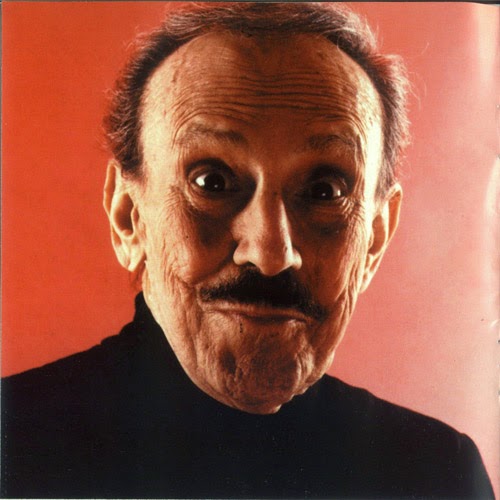
Arturo O'Farrill
Arturo O’Farrill

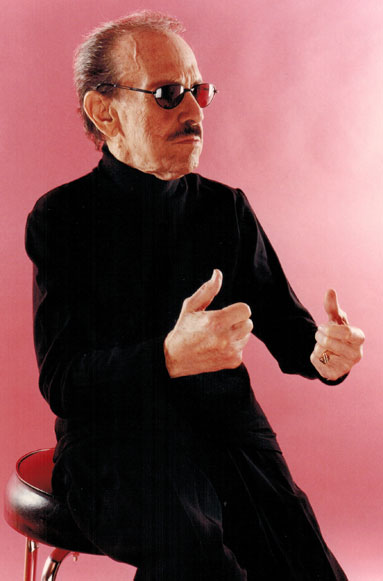
Arturo O’Farrill or better known as “Chico” O’Farrill was born in Havana (Cuba) on October 28, 1921. He was the son of a recognized Jewish family whose father was an eminent lawyer whom one day decided to immigrate to the United States. Arturo undertook his studies at the Riverside Military School in Gainesville, Georgia (interned by his father).

He began to love the jazz orchestras (big bands) and within that environment he fed musically, listening to recordings of Benny Goodman, Artie Shaw, Glenn Miller, and Tommy Dorsey, so much, that in a brief time he learned to plays the trumpet and became the trumpet player of the military band as well as the several dance groups.

Years later, Chico returned to Cuba. He studied law and at the same time developed his facet as a composer, receiving a composition and harmony study with the master, Félix Guerrero. Likewise, he was also Armando Romeu Bellamar Orchestra’s member and the Isidro Pérez Orchestra, when the Son and the Mambo prevailed in the Latin music.


TRAJECTORY

From 1943 to 1947 “The Afro-Cuban Jazz Architect” worked at the cabaret Montmartre. He was a member of Bellamar Orchestra, directed by Armando Romeu and integrated by Luis and Pucho Escalante, Gustavo Mas and Mario Romeu, among others. He traveled to Mexico and Europe as a trumpeter musician as well as he created the band, Los Raqueteros del Swing, being the director and trumpet.

Subsequently, he founded Los Beboppers (the first group of Cuban bop), which was presented at the Saratoga Hotel with Chico again as the director and the trumpet.

Arturo O'Farrill
Arturo O’Farrill

In the ‘50s decade began the successes for Chico as an arranger, working briefly for several orchestra directors, such as Gil Fuller, Noro Morales, Frank “Machito” Grillo, and Benny Goodman.

In the same way, he composed his first great masterpiece “Afro-Cuban Jazz Suite” in five movements: Song, Mambo, 6/8, Jazz and Rumba Open. This masterpiece was made and recorded for the businessman Norman Granz’s label, using the Machito’s Orchestra as an accompanist and rhythmic base.

“Afro-Cuban Jazz Suite”, according to Luc Delannoy: “begins and ends with a hypnotic flute and conga duo that reflects the essence of Cuban treatment; the union of musical universes: the European (the flute) and the African (the conga).

To these two instruments is joined the oboe, followed by the trumpets, saxophones and the “Tumbao” of the double bass… After a return to swing and bebop in the fourth movement, Chico takes us to the origins of Latin jazz with a melody of clear Arabic accents, before sinking back into the universe of Afro-Cuban percussions”. Likewise, for Benny Carter, this Suite was: “The reason for the coherence of the rhythmic parts and their relationships with the solos that have their own life and independence, Masterpiece of a genius.”

In New York and following the success of “Afro Cuban Jazz Suite”, O’Farrill writes “Cuban Fantasy” for Stan Kenton, who later changes its name to “Cuban Episode”.

In 1953 he traveled to California, where he founded his orchestra that included renowned musicians such as Mario Bauzá, Doug Mettome, Jimmy Nottingham, Eddie Bert, Fred Zito, Lenny Hambro, Flip Phillips, and saxophonist Eddie Wasserman. The orchestra used the rhythm section of the Machito’s Afro-Cuban, harp and oboe. With this concept he recorded for Norman Granz, performed in Birdland (New York), and the Hat Ballroom located in Los Angeles. In this period he composed three new movements: “La Jungla”, “Contraste”, and “Rhumba Finale”, baptized as “Manteca Suite” recorded with the Jazz player Dizzy Gillespie and orchestra of 21 excellent musicians in 1954.

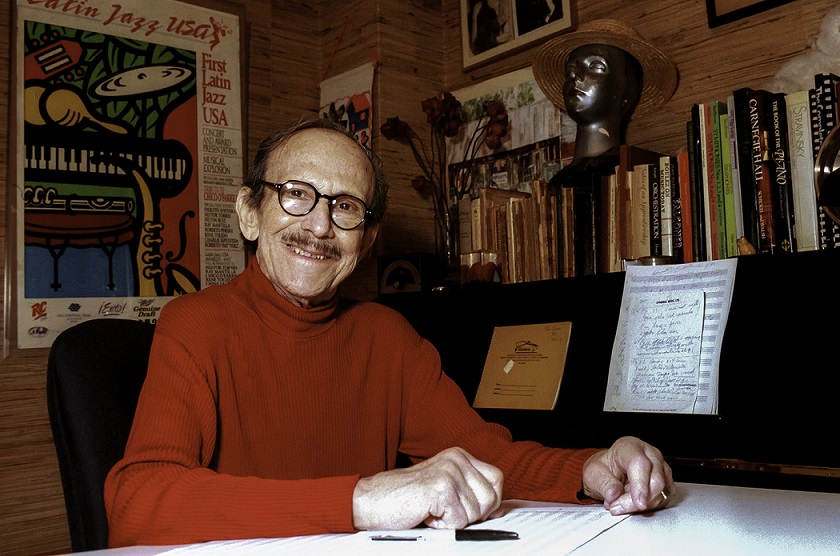
Arturo O'Farrill
Arturo O’Farrill

He returns to Cuba again in 1956 to be inspired and immediately began working for the best record companies on the island such as Panart and RCA Víctor, recording “Chico’s Cha-Cha-Cha”, adapting the Charanga rhythm to the big band format. This album is released, one more time, on compact disc by BMG during the last decade of the twentieth century. Chico also made a recording for the popular D’Aida Quartet and arrangements for Bola de Nieve and the famous Orchestra Director, Aldemaro Romero.

In 1958 the restless O’Farrill moved for Mexico, an essential platform for all Latin American musicians at that time. There he returned to create another special sound and appears on television as musical director of the Andy Russell singer, and there his life changed radically. He started a semi-retirement period, but never stopped creating music. At that moment, he composed his famous “Azteca Suite” for trumpeter Art Farmer, and he made history again!

In the 60s he returned to New York and makes arrangements for such important figures as La Lupe (They Call Me La Lupe); Cal Tjader (Along Comes Cal); Clark Terry (Spanish Rice); Count Basie (High Voltage); Gato Barbieri (Chapter Three: Viva Emiliano Zapata); Ringo Starr (Night and Day) and dabbled in the Rock music with David Bowie (I Know It’s Gonna Happen, Looking for Lester), and finally he was director of the Aldemaro Romero´s Orchestra.

This stage extends until the end of the 20th century, although already in the 70s, the big bands go down in history for several genres that would be manifested due to their novelty and immense popularity in the United States and around the world. The architects of the new fashion used new techniques, styles, and sounds, especially in the field of harmonization. Suddenly popular music stopped being exclusively for the ballroom and -of course- “new sound” icons appeared in the Jazz Music. For this reason, Chico O’Farrill begins working in the lucrative field of music for television commercials.

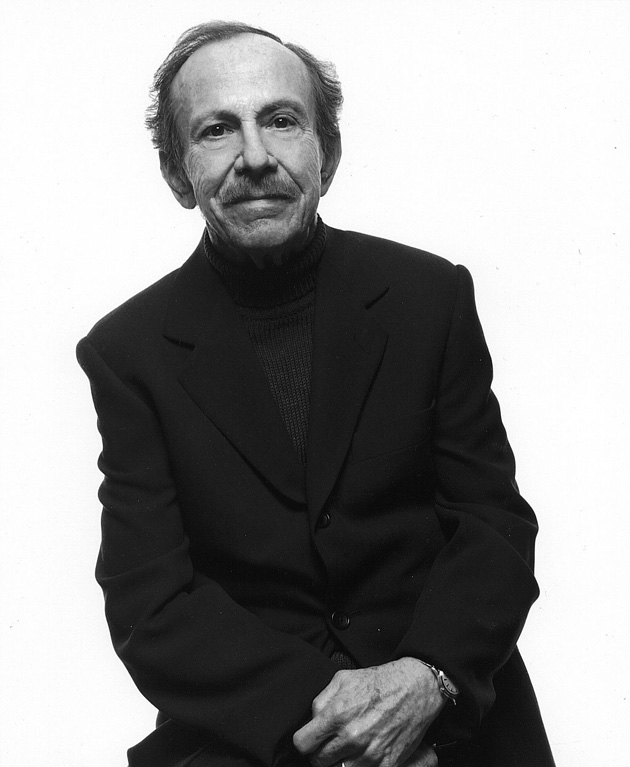
Arturo O'Farrill
Arturo O’Farrill

In the mid-1990s, “The Afro-Cuban Jazz Architect” was contacted by American producer and Jazz director Todd Barkan with Pure Emotion, a compiled of his musical career with which he got a nomination for the 37th edition of the Grammy awards.

O’Farrill toured Europe with his orchestra in 1996 and recorded his latest album titled “Heart Of A Legend”, which contains 14 tracks, a formidable orchestra of 18 masters and a staff of international artists. The arrangements of “Heart Of A Legend”, considered for many as the best album of his career, took care by himself and the musical direction was entrusted to his son, Arturo O’Farrill Jr., a formidable pianist and heir of his legacy.

Arturo “Chico” O’farrill died on June 29, 2001, in New York City at 80 years.

Arturo O'Farrill
Arturo O’Farrill

Undeniably, Chico for more than half a century was a great musical creator. He was at the forefront of an innovative style that many know as Latin Jazz nowadays, which was called at the beginning with many names, such as Cuban bop, Mambo Jazz and Afro-Cuban Jazz.

Our dear “AFRO-CUBAN JAZZ ARCHITECT” Until forever!

In memory of 18 years of his passing!

Balazo de Norteamérica:

Arturo “Chico” O’Farrill

“The Afro-Cuban Jazz Architect”

In memory of 18 years of his passing!

  • « Go to Previous Page
  • Page 1
  • Interim pages omitted …
  • Page 20
  • Page 21
  • Page 22
  • Page 23
  • Page 24
  • Interim pages omitted …
  • Page 48
  • Go to Next Page »

International Salsa Magazine (ISM) is a monthly publication about Salsa activities around the world, that has been publishing since 2007. It is a world network of volunteers coordinated by ISM Magazine. We are working to strengthen all the events by working together.