• Skip to primary navigation
  • Skip to main content

International Salsa Magazine

  • HOME
  • Previous editions
    • 2026
      • ISM / April 2026
      • ISM / March 2026
      • ISM / February 2026
      • ISM / January 2026
    • 2025
      • ISM / December 2025
      • ISM / November 2025
      • ISM / October 2025
      • ISM / September 2025
      • ISM / August 2025
      • ISM / July 2025
      • ISM / June 2025
      • ISM / May2025
      • ISM / April 2025
      • ISM / March 2025
      • ISM / February 2025
      • ISM / January 2025
    • 2024
      • ISM / December 2024
      • ISM / November 2024
      • ISM / October 2024
      • ISM / September 2024
      • ISM / August 2024
      • ISM / July 2024
      • ISM / June 2024
      • ISM / May 2024
      • ISM / April 2024
      • ISM / March 2024
      • ISM / February 2024
      • ISM / January 2024
    • 2023
      • ISM / December 2023
      • ISM / November 2023
      • ISM / October 2023
      • ISM – September 2023
      • ISM – August 2023
      • ISM July 2023
      • ISM Edition June 2023
      • ISM – May 2023
      • ISM April 2023
      • ISM March 2023
      • ISM February 2023
      • ISM January 2023
    • 2022
      • ISM December 2022
      • ISM November 2022
      • ISM October 2022
      • ISM September 2022
      • ISM August 2022
      • ISM July 2022
      • ISM June 2022
      • ISM May 2022
      • ISM February 2022
      • ISM January 2022
    • 2021
      • ISM December 2021
      • ISM November 2021
      • ISM October – 2021
      • ISM September 2021
      • ISM August 2021
      • ISM July 2021
      • ISM May 2021
      • ISM April 2021
      • ISM June 2021
      • ISM March 2021
      • ISM February 2021
      • ISM January 2021
    • 2020
      • ISM December 2020
      • ISM November 2020
      • ISM October 2020
      • ISM September 2020
      • ISM August 2020
      • ISM July 2020
      • ISM June 2020
      • ISM May 2020
      • ISM April 2020
      • ISM March 2020
      • ISM February 2020
      • ISM January 2020
    • 2019
      • ISM December 2019
      • ISM November 2019
      • ISM October 2019
      • ISM Septembre 2019
      • ISM August 2019
      • ISM July 2019
      • ISM June 2019
  • Spanish
  • Download Salsa App
    • Android
    • Apple

Search Results for: Salsa en Venezuela

Ángel Luis Canales is a renowned Puerto Rican singer and composer known as “El Diferente” (The Different One) for his particular and irreverent style

Angel Canales was born on June 29, 1950, in Santurce, Puerto Rico.

During his childhood, around the age of 8 or 10, he moved with his family to New York City, where he lived in East Harlem (Upper Manhattan). Musical influences indicate that from a young age, he was strongly influenced by the music of Cortijo y su Combo and Ismael Rivera.

Before or concurrently with his musical career, he worked in the jewelry business; he was a messenger and later learned to cut and polish diamonds, a skill that allowed him to self-finance his musical career and pay high salaries to his musicians.
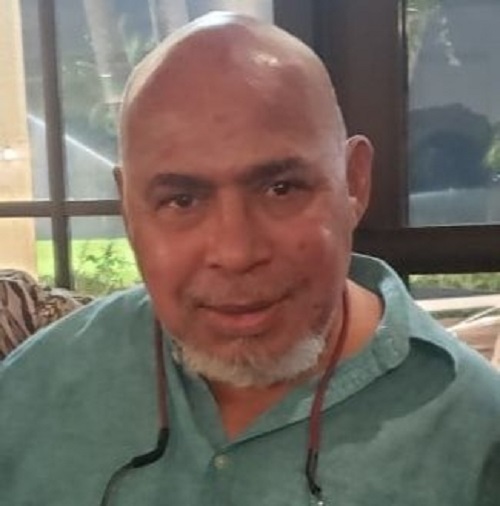
Ángel Luis Canales is a renowned Puerto Rican singer and songwriter known as El Diferente for his unique and irreverent style.

Musical Career

His Beginnings: He started as a timbalero in Ray Jay’s orchestra, where he debuted as a singer, replacing the lead vocalist.

His first album (1970), titled “Brujería,” was released in 1970 and recorded under the Alegre Records label, with musical direction by Mark Dimond. Hits from this production include “El Barrio,” “Yo No Tengo Pena,” and the title track.

Notable Hits: Among his most popular songs are: “Nostalgia,” “Sol de Mi Vida,” “Perico Macoña,” “Lejos de Ti,” “Hace Tiempo,” “El Cantante y la Orquesta,” “Sabor de los Rumberos Nuevos,” “Bomba Carambomba,” and his celebrated rendition of the bolero “Dos Gardenias.”

His Unique Style is recognized for its unorthodox approach and distinctive vocal timbre, which earned him the nickname “El Diferente” (The Different One).

He was a highly independent artist who self-financed his albums and founded his own record label, Celanac Records.

Tours and Retirement

International Tours: He toured internationally, visiting countries such as Panama (his first), Venezuela (where he performed at the Poliedro de Caracas in 1982), Colombia, and Peru. It is said that he never performed with his orchestra in his native Puerto Rico.

He retired in the late 1990s, deciding to leave the stage.

Currently, he is reportedly battling Parkinson’s disease, which has limited him and led him to choose silence and retirement, although he occasionally attends private events. He is currently 75 years old.

Àngel Luis Canales, y el pianista, compositor y arreglista Gilberto el pulpo Colòn

50 Years Since the Launch of “Sabor” (1975)

The Album: The album titled “Sabor” by Angel Canales was released under the Alegre Records label in 1975.

Only a boricua (Puerto Rican) who has been absent from their homeland knows what it’s like to be away from Puerto Rico when winter arrives in New York City. Or when you’re inside a taxi or walking the congested streets of the Bronx or the Latino barrio, and all you see around you are skyscrapers and more skyscrapers. The anxiety and sense of helplessness that overwhelm your spirit in the concrete jungle can only be calmed by memories.

50 years ago, on Monday, November 10, 1975, the unique voice of Puerto Rican singer Ángel Luis Canales consoled the thousands of boricuas oppressed by nostalgia with his composition “Lejos De Ti” (Far From You). It was a confession and affirmation of his Puerto Rican identity, in which he asserts that his love for his homeland will never die, even though he was raised in New York.

The song is a guaguancó with lyrics that evoke images of old San Juan, Villa Palmeras and its rich bomba heritage, Boca de Cangrejos, fried fritters on the grill, and the river that crosses through the old Ancón de Loíza Aldea, where his grandmother lived. “Lejos De Ti” remains the most remembered track from “Sabor,” an album produced by Joe Cain, recorded in late 1974, and released by Alegre Records on Monday, November 10, 1975.
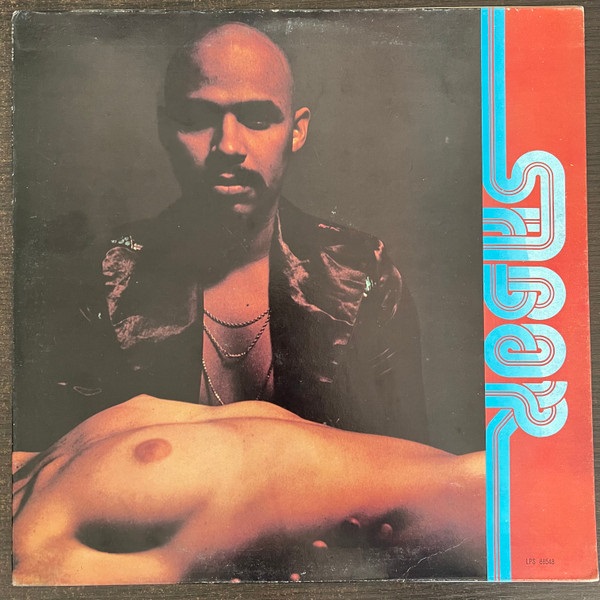
Angle Canales Sabor 1975 Photography By Dominique

This album is considered one of the best salsa releases of the 1970s.

Canales’ Style: Canales favored a different style of interpreting Afro-Caribbean rhythms, combining elements from Héctor Lavoe, Ismael Rivera, Vicentico Valdés, and Paquito Pérez (the singer of the Orquesta Zodiac of Loíza). He extended the melodies with his nasal voice, challenging the poetry of the montunos, but going off-key and mispronouncing some words. His diction was far from perfect.

Production: The architect of Canales’ success was Colombian pianist Edy Martínez, who arranged seven of the eight tracks on this session, from cut #2 to #8. Due to a prior commitment with Mongo Santamaría’s band, he left his compatriot José Madrid in charge of the piano performance on this record.

Under Martínez’s direction, Canales embraced fame. “Sabor” was his second album between 1970 and 1971, he had recorded the “Brujería” session with pianist Mark Alexander “Markolino” Dimond, who founded Conjunto Sabor after spending several years with Willie Colón’s band.

Canales reappeared four years later with the Orquesta Sabor los Rumberos Nuevos with an arrangement by Louie Cruz. That same year, 1975, Larry Harlow produced Mark Dimond’s classic “Beethoven’s V” featuring vocalists Frankie Dante and Chivirico Dávila. “Sabor” was a huge hit.

Tours and Artistic Choices: The singer toured Europe, the United States, and South America, where Colombians, Panamanians, and Peruvians remember him fondly to this day, despite health issues forcing him to retire from the stage.

During the golden age of salsa, singers were expected to master all genres, and boleros were no exception. His vocalization on “La Hiedra” (a track written by Saverio Saratini and Vincenzo D’Acquisto) and “No Te Acostumbres” (a track belonging to Doris Aghian’s catalog) is notable for its theatricality, a trick Canales employed to mask the limitations of his voice.

Salsa dancers who thrive on piano, trombone, and percussion solos will be delighted with “Sabor Los Rumberos Nuevos,” “Sol De Mi Vida” (dedicated to his wife Brunilda), “El Cantante y La Orquesta,” and the hit “Hace Tiempo” (with its memorable chorus: ay, ay, ay, no me hagas padecer así – oh, oh, oh, don’t make me suffer like this).

Legacy: Before becoming a professional singer, Canales worked as a jeweler. A look at the covers of his first two albums is enough to conclude that he was a pioneer in the use of bling-bling in salsa. As a composer, Canales was a solid chronicler of barrio life. The story told in “Perico Macoña” is a good example: a man who smokes a joint and loses all self-control, insulting his own friends with his abrupt comments.

The re-issue of “Sabor” is a fitting tribute to the memory of the late Joe Cain.

Credits

  • Trombone: Juan Torres, Ricardo Montañez
  • Trumpet: Tom Malone
  • Baritone Saxophone, Flute: Emérito Benítez
  • Piano: José Madrid
  • Bass: Eddie Testo
  • Congas: Antonio Tapia
  • Timbales: Gadier Quiñones
  • Bongo: Aldemaro Luis Rivera
  • Producer: Joe Cain
  • Musical Director: Juan Torres
  • Recorded at: LE Studio NYC, December 1974
  • Engineer: Sandy Sina
  • Arrangements: Edy Martínez (except “Sabor Los Rumberos Nuevos” by Louie Cruz)

Torres, Montañez, Tapia, and Quiñones had previously collaborated with Canales on Markolino Dimond’s “Brujería” album.

Collaboration:
  • GonZalsa
  • L’Òstia Latin Jazz
  • Dj. Augusto Felibertt
  • Jaime Torres Torres
  • Fania Record
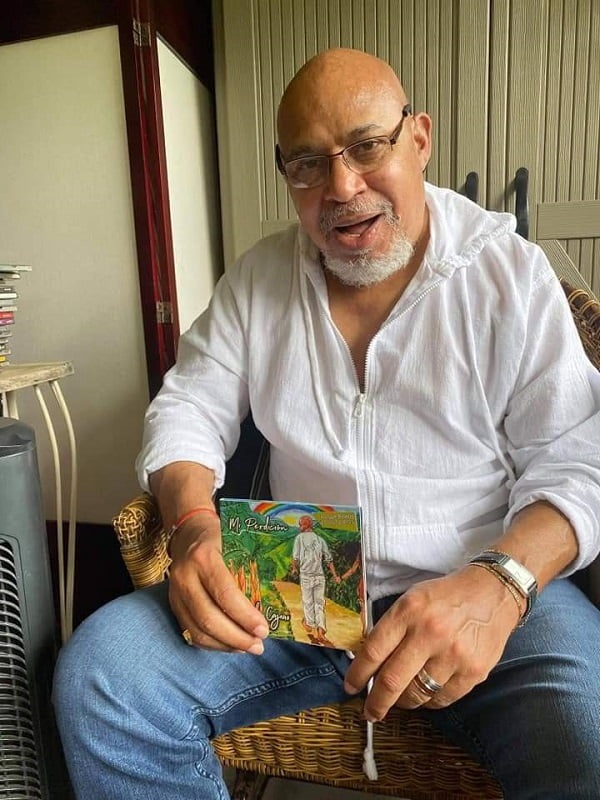
Angel Canales «El Diferente» recibiendo la produccion de Danilo Cajiao Titulada»Mi Perdicion» año 2020

Also Read: Angel Canales «El Diferente» receiving the production from Danilo Cajiao titled »Mi Perdicion» year 2020.

Yerba Buena Gardens Festival 2017 in San Francisco

North America / USA / San Francisco

2017 Yerba Buena Gardens Festival (YBG Festival) proudly announces the lineup for its:

2017 Yerba Buena Gardens Festival - Free out doors fresh
2017 Yerba Buena Gardens Festival – Free out doors fresh

17th Season, which continues its tradition of bringing entertainment to downtown in San Francisco. May 7 – Oct 29, 2017, 760 Howard St. San Francisco, CA 94103

To kick off the new season, the Grammy-winning Arturo O’Farrill & the Afro Latin Jazz Orchestra + VNote Ensemble will open the Festival on Sunday, May 7, the first of this year’s 100 admission-free events. The very popular series Let’s Go Salsa@Jessie also will be present with the best artists. YGB Festival offers you free music, theater, circus, dance, poetry, and children’s programs with artists from the Bay Area and around the world.

Named one of the Best Urban Green Spaces in North America by USA Today, Yerba Buena Gardens is a world-renowned cultural destination for Bay Area residents, families, workers, and tourists alike. Yerba Buena Gardens is located between Mission Street and Howard Street and 3rd and 4th Streets in downtown San Francisco. Visit www.ybgfestival.org or call (415) 543-1718 for more information and complete 17th Season schedule.

Yerba Buena Festival’s exciting 17th Season promises an exceptional array of talent to please all audiences.

YBG Festival Executive/Artistic Director Linda Lucero says, “Everyone needs the spiritual sustenance, inspiration, and communal experience that only live performance offers. This summer, you’ll find your joy at Yerba Buena Gardens Festival!”

2017 Yerba Buena Gardens Festival

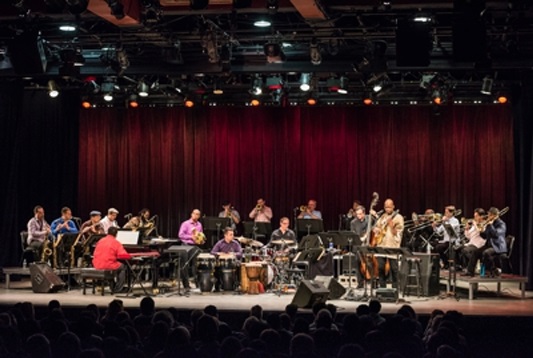
The Grammy-award winning Afro Latin Jazz Orchestra (ALJO), led by pianist, composer, and director Arturo O’Farrill, kicks off the Festival on Sunday, May 7 at 1:00pm. The ALJO brings together the drama of big band jazz, the culture of Latin music, and the virtuosity of eighteen of the world’s most accomplished solo musicians. Twelve years of critically acclaimed performances internationally have firmly established the ALJO as the standard-bearer for creative interpretation of Latin jazz greats such as Tito Puente, Frank “Machito” Grillo, and Chico O’Farrill, as well as the driving force behind new commissions from Latin music’s most talented composers and arrangers.

Arturo O’Farrill & the Afro Latin Jazz Orchestra + VNote Ensemble

Yerba Buena Gardens Festival includes the very popular Let’s Go Salsa@Jessie dance series, the family-friendly Children’s Series, Poetic Tuesdays with Litquake, and Thursday Lunchtime Concerts. Each and every week and weekend, the Festival has curated a lineup of musicians, dancers, poets, and actors from around the world including the Bay Area’s Kitka Women’s Vocal Ensemble on May 13, Brass Convergence II: Protest Brass on May 20, Richard Howell & Sudden Changes on May 27, NEA Heritage Fellows Michael Doucet and Tom Rigney with Flambeau on June 3, Festival-commissioned YBG ChoreoFest, a three-day site-

specific dance festival featuring 9 contemporary dance companies on June 9–11, NYC’s own M.A.K.U. Soundsystem on June 17, Circus Bella on June 23–24, AXIS Dance Company’s The Garden Project on July 1–2, Festival-commissioned Theatre Rhinoceros’ Lear! on July 7–9, Ensemble Mik Nawooj‘s premiere of Death Become Love on July 15, San Francisco Mime Troupe on July 23, SF Uke Jam Summer Uke-splosion! with Ukulenny and Cynthia Lin on July 29, Daymé Arocena + Latin Jazz Youth Ensemble on August 19, Paula West on August 26, Kugelplex with special guest Linda Tillery on September 2, Alsarah & the Nubatones on September 9, and Brooklyn Raga Massive with Classical Revolution performing Terry Riley’s In C on September 16.

Yerba Buena Gardens concert

The Festival closes with the 17th Annual Halloween Hoopla Sunday, October 29.

The popular series Let’s Go Salsa@Jessie, the open-air salsa dance party in Jessie Square (near the Contemporary Jewish Museum), takes place on the third Thursday of each month from May to September from 6:00 pm – 7:30 pm. Performers are Changuí Majadero on May 18, La Mixta Criolla on June 15, Somos el Son on July 20, Bobi Céspedes on August 17, and the Festival return of Ricardo Lemvo & Makina Loca on September 21.

The Festival offers the delightful Children’s Series, interactive performances specially designed for kids and families every Friday from June to August in Yerba Buena Gardens. The series presents performances by kid favorites: Caterpillar Puppets, Ka-Hon, Red Panda Acrobats, Pi Clowns, Venezuelan Music Project, Crosspulse, Unique Derique, and Non Stop Bhangra. The series ends with the wildly popular 17th Annual Halloween Hoopla on Sunday, October 29.

Yerba Buena Gardens Festival Commissions and Special Projects have commissioned the following projects to celebrate in June: Yerba Buena Gardens ChoreoFest, a brand new 3-day dance festival, June 9-11. Playwright/director/actor John Fisher writes and directs Lear!, a site-specific satirical musical based on Shakespeare’s King Lear for Theatre Rhinoceros, the nation’s, and likely the world’s, first queer theater on July 7-9 and Circus Bella on June 23 and 24. Conceived and directed by Abigail Munn and Joel Baker for Circus Bella, the show will feature high level, local and guest circus artists and includes static trapeze, rope walking, juggling, contortion, unicycle, original clowning, acrobatics, and more.

2017 Yerba Buena Gardens Festival - Photo
2017 Yerba Buena Gardens Festival – Photo

The Yerba Buena Gardens Festival also co-presents a series of admission-free outdoor programs with Union Square Live to be announced in April.

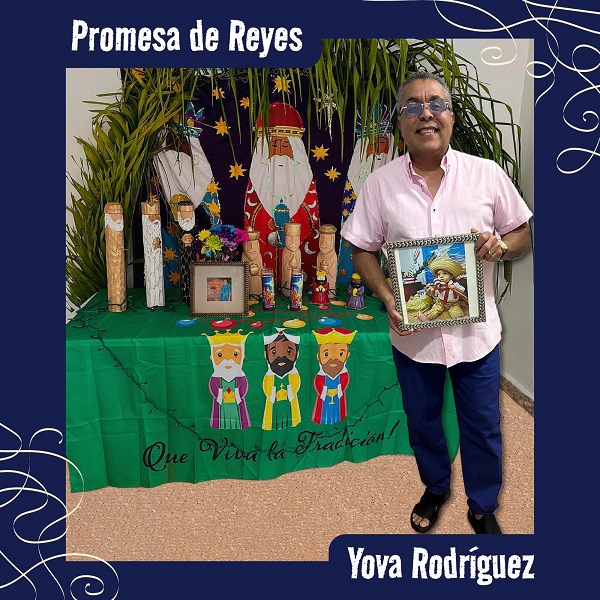
“Promesa de Reyes” from the pen of Yova Rodríguez “The Jibarito of Mayagüez in New York”

International Salsa Magazine, through salsagoogle.com, has the privilege and immense honor of presenting the most recent musical work titled “Promesa de Reyes” from the pen of the Puerto Rican singer-songwriter Yova Rodríguez “El Jibarito de Mayagüez.”

Promesa de Reyes de la pluma del Yova Rodríguez “El Jibarito de Mayagüez en New York”

The most recent track, titled “Promesa de Reyes,” is something I’ve wanted to do for a long time. I have to tell you that producing a Christmas production is a bit difficult because the season is so short, and it’s hard to develop the theme as it should be. But I was determined to do it because it’s a gift or tribute to the memory of my mother, Doña Delia Ruiz.

The inspiration for “Promesa de Reyes,” in reality, when you listen to the song, what you’ll realize is that it’s a narration. That is, in this track, I’m going to describe, from when I was a child, how I used to watch my mom carry out the process of her “Promesa de Reyes,” from the time they sent someone to cut the palm leaves to make the altar, until that altar with the Three Wise Men was completed, and the next day, well, we knew we had the party.

I’ve been incredibly lucky because the track was arranged by Leo Morales, originally from Colombia. It turns out that Leo is influenced—he learned to play the trombone and became a musician because of Willy Colón’s Asalto Navideño records. So, he told me that since then, he started studying the authentic, folk music of Puerto Rico to find out where Willy got those kinds of ideas. This is a very special track because we managed to include Puerto Rican danza (dance), Puerto Rican bomba (drumming and dance), and salsa.

It’s a track that gathers a lot of little things, and obviously, we added the music of the Puerto Rican countryside (música del campo). It starts with different rhythm changes, and you’ll hear one part that has Puerto Rican danza, another that has Puerto Rican bomba, and another that has salsa.

Anthony Carrillo y Yova Rodriguez

I sing and I wrote the song. On piano is Vicente Báez, the current pianist for Sonora Ponceña. On bass is Puri Matos, a master based in New York. He was recommended by Anthony Carrillo and has been doing all my projects with me for two years. Anthony Carrillo did all the percussion. On trumpet is Agustín Someillan from the Cuban National Sextet. The chorus singers are Nino Segerra, Danny Dávila, and Caneca Rosa. Manny Trinidad, recommended by Nino Segarra, played the Puerto Rican cuatro.

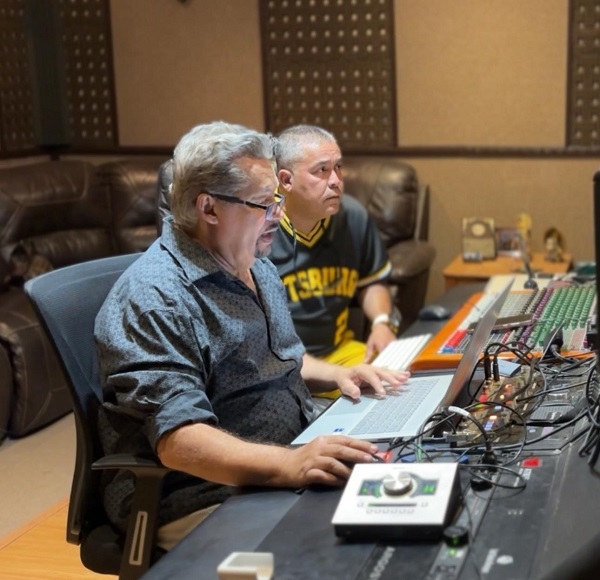
The recording studio was Nino Segarra’s. This is about the fourth or fifth track we’ve done there in his studio with Nino.

Nino, besides being a singer, is a professional teacher. He’s an expert who knows how to guide you, how to explain things the way they should be; he doesn’t pressure you; he lets you develop. In other words, I feel extremely comfortable working with Nino; the experience of working with Nino is very satisfying.

People tell me, “Yova, you’re crazy. You get on a plane just to go record a voice track,” and I tell them yes, for two reasons:

First, because I feel secure. And second, because I know I won’t fail with Nino, so the sacrifice is worth it. Recording with Nino was thanks to Herman Olivera, my compadre, who told me, “Look, Yova, I’ve been recording with Nino for two years, and I’m not recording with anyone else.” And look, I got on the plane, I did it, and now I have five productions with Nino Segarra.

Nino Segarra y Yova Rodriguez en Puerto Rico

Yova, the time in the studio to make the track is very important. Talk a little about that.

Look, Augusto, remember that depends on the type of musician you have there, right? There are musicians who are sight-readers of the first caliber.

These musicians tell you, “Send me the charts two days before,” they skim them. When they get to the studio, they’re done with their part in half an hour, 20 minutes, 15. But there are others who you have to take at a slower pace. For example, in Anthony’s case, Anthony told me, “Send me the demo, and I’ll listen to it.”

But Carrillo is from another planet. I send him his demo; he listens for two days beforehand. And he tells me, “Let’s go to the studio.”

And Anthony recorded flawlessly. Anthony didn’t take three hours to do four instruments; he did it in about two hours, and everything was excellent.

The track’s release? The video will be released on Friday, October 31st. The track will also be launched on radio stations that same Friday, confirmed in Venezuela, Colombia, Peru, Florida, and Puerto Rico.

Danny Dávila, Yova Rodriguez y Caneca Rosa

Yova, you brought in a Venezuelan graphic designer for this, your most recent track. How was it working with that graphic designer? The good thing about Victoria is that she listens, right? Sometimes you work with not only the graphic designer—it often happens even with the arrangers; I compare them. They do something, and you tell them, “No, wait, wait, that’s not what I want, this is.” “Oh, but no, I think that’s what should be.”

Victoria listens to you and works with what you ask for. The experience with her was excellent, and I hope it continues to happen many more times.

“Promesa de Reyes”

Piano: Vicente Báez

Bass: Puri Matos

Puerto Rican cuatro: Manny Trinidad

Conga: Anthony Carrillo

Bongó: Anthony Carrillo

Snare Drum (Redoble): Anthony Carrillo

Puerto Rican güiro: Anthony Carrilllo

Cuban güiro: Edwin Caneca Rosas

Trumpets: Agustín Someillan

Chorus: Nino Segarra, Edwin Caneca Rosas, Danny Dávila

Singer: Yova Rodríguez

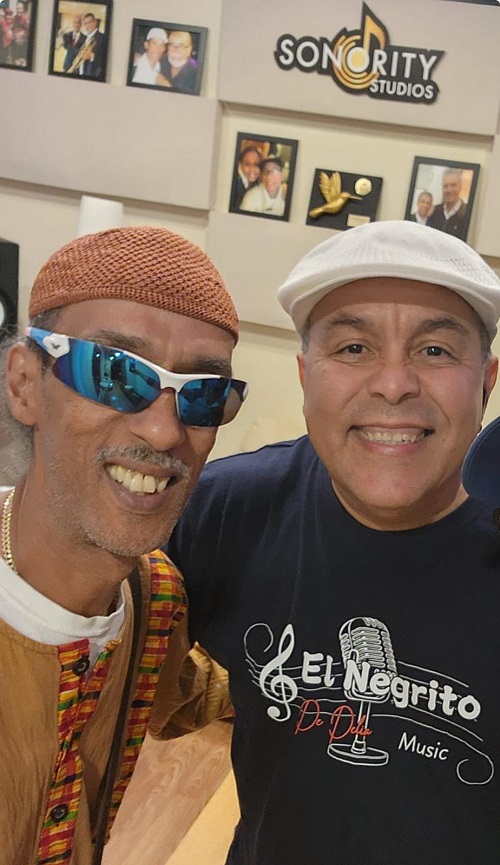
Studios: Sonority in New Jersey (Recording of all Percussion). Engineers: Nino Segarra

Mix: Héctor Mora, HM

Producción Medellín Colombia

Arrangement: Leo Morales

Video Production: Jhonatan Chávez

Composition: Yova Rodríguez.

Graphic Designer: Victoria Rivas Rojas. 

Also Read: Yova Rodríguez. The jibarito of Mayagüez

Kadenza Dance School

Latin America / Argentina/ Buenos Aires

Kadenza Dance School is a dance academy located in Buenos Aires, Argentina. They don’t just teach people the steps of a musical rhythm; they demonstrate through their teaching that dancing nourishes the spirit of those who practice it. Not only that, but dance also allows for a connection with emotions, giving students more freedom for their spirit or soul.

KADENZA is a school geared toward students of all ages and with different goals, whether they wish to pursue a professional path or use dance as a form of recreation or therapy. All their students and teachers benefit from a comfortable reception area, spacious studios equipped with mirrors, barres, wooden floors, high-quality sound systems, and Wi-Fi throughout the studio. In short, it’s an ideal place to learn with passion, as the atmosphere is full of joy, respect, and good vibes, where one can enjoy what they love to do most… which is dancing.

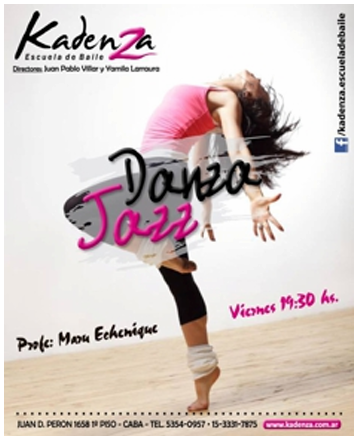
Kadenza Dance School - Danza Jazz
Kadenza Dance School – Danza Jazz

They also state that they are seriously committed to the quality of instruction, where qualified professors and instructors give their best in every class. This ensures their students incorporate the essentials of each technique and develop the maximum potential of their learning in the rhythms chosen by the student.

The Directors: Yamila Larraura and Juan Pablo Villar

The School’s Directors are Yamila Larraura and Juan Pablo Villar, who mention that, “Anyone can open an Academy, but few are the ones that make a difference.”

If we want to know more about the history of these two directors, we can start with Yamila Larraura, who was born in Argentina. Since she was a child, she began listening to Afro-Latin music thanks to her father, “Jorge Washington Larraura,” who was of Uruguayan origin. When she was 14, she went on vacation to Villa Gesell with her parents and a friend of theirs. It was on this trip that her interest in Salsa was awakened, as she went to a place near the beach that played Salsa music and offered classes in the afternoon with all the people from the beach.

One of the songs heard back then was “El Muerto se fue de Rumba” by the group “Las Sabrosas Zarigüellas,” which was very catchy for everyone who heard it. After her vacation, she decided to enroll in Salsa classes, where her teachers were Pablo Demaro and Kimena Puente.

As for Juan Pablo Villar, during his youth, he worked as a waiter in a bar and took theater classes, which also included lessons in national folklore and Latin rhythms (Salsa). This was his first contact with dance, and from that moment, he developed an interest in it. One day, a person came to the bar and mentioned that they taught classes in a studio, asking if they could leave flyers at the bar for people who wanted to dance. Knowing this, Juan Pablo Villar decided to go to the Salsa classes taught by Professor Pablo Demaro.

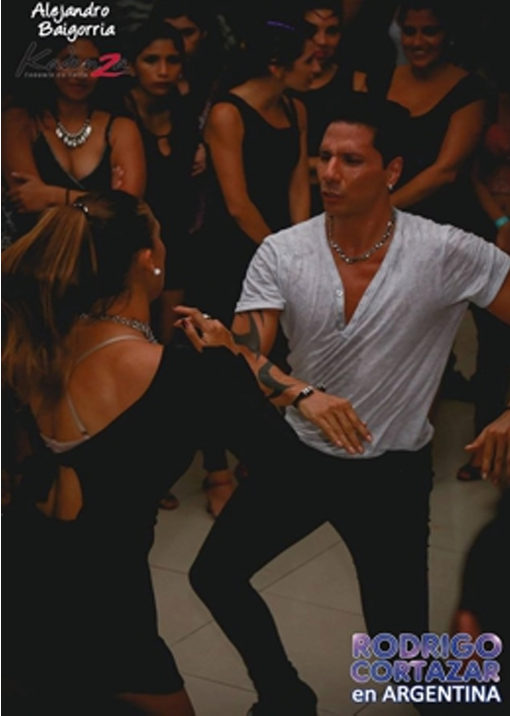
Kadenza Dance School - Social
Kadenza Dance School – Social

They explain that the Salsa classes back then were in a Cuban style, which featured fairly simple movements and figures. It was in these very classes that the future directors of KADENZA, Juan Pablo Villar and Yamila Larraura, first met.

The Journey to Kadenza

To gain a better experience, and to teach and give classes, they had to learn new techniques. They decided to seek out the best teachers in Argentina, who at that time were from the “Escuela de Mambo en Dos,” led by teachers Liz Paredes and Carlos Aragón, until they moved to Italy in 2007.

Afterward, they formed a dance group with their colleagues called “Combo Bayres,” during which time they toured the country and performed on various stages. In 2007, Liz Paredes and Carlos Aragón returned from Italy and formed the “Compañía Mambo en Dos,” where Yamila Larraura and Juan Pablo Villar joined the project. They gained great experience in the artistic world, traveling to different Argentine cities like Mar del Plata, Rosario, among others.

They also had the opportunity to travel abroad, attending the Salsa Congress in Uruguay, and later going to the United States, to New York City, to present at the Salsa Congress where they met great dance legends like Eddie Torres. Another great experience they had was the honor of being the official dancers for the famous Venezuelan Salsa singer “Oscar D’León” and the Dominican Salsero José Alberto, also known as “El Canario.” By 2010, they left the Mambo en Dos company to start their own school.

The academy’s beginning went without a name for a year, simply referred to as Pablo and Yamila’s school, but they were always looking for a name that would identify the essence they wished to convey. They eventually came up with “Cadenza,” which in Italian means “style of free rhythms.” To make the name more original, they changed it to “KADENZA,” feeling proud of their choice.

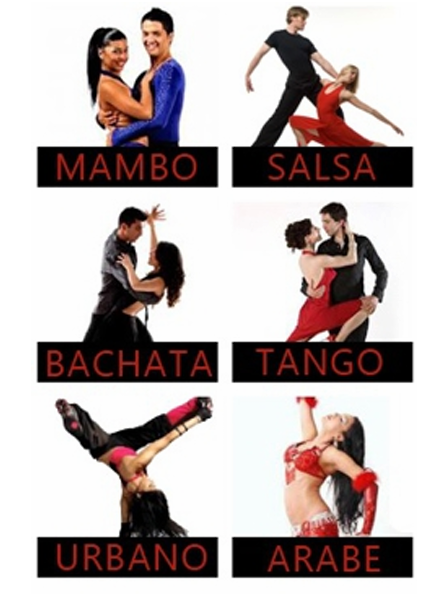
Kadenza Dance School - Mambo, Salsa, Bachata, Tango, Urbano, Arabe
Kadenza Dance School – Mambo, Salsa, Bachata, Tango, Urbano, Arabe

Contact Information

For more information, contact them at:

  • Website: http://www.kadenza.com.ar
  • Facebook:escueladebaile
  • Phones: 5354-0957 / 15-3331-7875
  • Email: [email protected]
  • Google Plus: https://plus.google.com/106664874547676369685
  • Youtube: https://www.youtube.com/channel/UC-he58RYqrJwoxoH8OID3ZA


Ania Bartelmus from La Candela Flamenco talks about her performance at the Hispanic Heritage Celebration

For some time, Hispanic genres have attracted people from all over the world, who have been captivated by the rhythms and colors of our music and traditions. Such was the case of professional dancer and director of La Candela Flamenco Company, Ania Bartelmus, who despite her Polish roots, could not help but fall in love with these artistic expressions, prompting her to become one of the leading figures of flamenco in Atlanta, Georgia.

Ania was kind enough to take a few minutes out of her busy schedule to talk exclusively with International Salsa Magazine and treat some issues related to her beginnings and current career. 

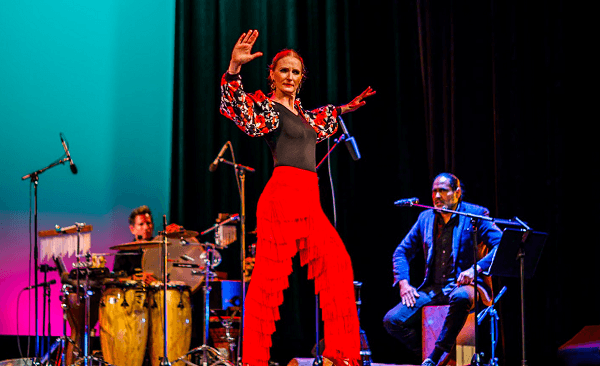
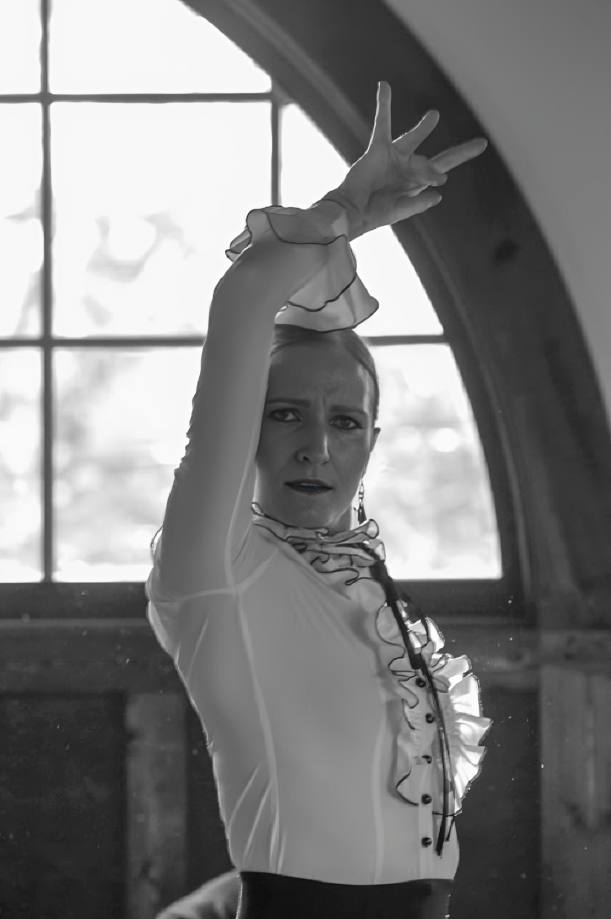
Dancer Ania Bartelmus performing live
Dancer Ania Bartelmus ”La Candela” performing live with Dave Holland and Juan Solas Machado in the background

How Ania’s interest in flamenco and Latin jazz was born

Although Ania was not born into a family of musicians or dancers, she has always been drawn to art and wanted to pursue one of its many branches as an adult. She started taking dance classes in different styles, including ballet, ballroom dancing, contemporary dance, and a little flamenco. 

At that time, at 18 years old, the young woman recalls attending a flamenco show by Spanish composer and guitarist Paco Peña in her hometown. She was so fascinated by the musician’s performance that she wanted to focus a little more on that genre and, if possible, manage to professionalize.

Then, her dance classes began to fully focus on flamenco and at much more advanced levels than before. This appeared insufficient to her, so she decided to live in Seville, Spain, for a few years to learn directly from the source.

La Rubia de La Candela

Ania was fortunate enough to have great teachers who turned her into the professional she is today and one of them was Curro Fernández, who affectionately nicknamed her “La Rubia de La Candela” when she was his student. During her first year in Seville, the dancer enrolled in the school of Esperanza Fernández and Miguel Vargas, the first being her singing teacher. 

Esperanza was originally Ania’s teacher, but she was constantly touring and could not always attend the scheduled classes. Therefore, it was her father, Curro Fernández, who took her place and taught the classes instead of her, which made him some kind of father and mentor for Ania and the rest of her classmates. His knowledge and good humor made him one of the best references for the girl on the way she had to go.

Ania posing
Dancer Ania Bartelmus posing for the camera

Creation of La Candela Flamenco

In 2014, Ania officially started her company, which initially received the name Ania Flamenco, but she later renamed it La Candela Flamenco in order to give more importance to Ania’s stage name. 

At the beginning, the company was seeking to present Spain’s traditional flamenco, but this became a tough task to pull off in the United States, as many of the best flamenco singers are not based there. So Ania decided to change her strategy and opted for a more Latinized flamenco, since most of her musicians come from Latin countries and a large part of the public feels a much stronger connection to Latin genres than to traditional flamenco.

On this subject, he also said: “We continue to respect the main rules of traditional flamenco, but we do not include flamenco singers because of the difficulty in finding them in the city. Our shows focus on other flamenco elements where we can best showcase the tradition’s richness.”

Current members of La Candela Flamenco Latin Band

La Candela Flamenco Latin Band is the company’s main group and is made up of a wide variety of famous musicians, one of them being Venezuelan guitarist José Chirinos, who joined the band in 2018 and contributed greatly to expanding the company’s horizons thanks to his background and the rhythms he brought from his homeland.

Thanks to Jose, Ania met Cuban percussionist Juan Pablo Solas Machado, who brought a lot of experience in flamenco, having been part of a company that toured the world with a Cuba’s flamencoised repertoire. The other percussionist who more recently joined is American Dave Holland, providing great knowledge about rhythms from around the world and serving as a connection between the Latin and the Anglo-Saxon souls for the rest of his bandmates.

We also cannot fail to mention Venezuelan pianist José Manuel García, one of last year’s great additions to the team along with fellow pianist Tony Castillo.

Finally, we also have Bulgarian flutist Teodora Stoyanova, whom Ania met through Jerry Fields, the percussionist with whom she started the company in 2014.

Ania and the rest of the musicians
From left to right: Cuban percussionist Juan Solas Machado, Bulgarian flutist Teodora Stoyanova, Mexican guitarist Ricardo Sánchez “Ricardito”, dancer Ania Bartelmus, American multi-percussionist Dave Holland, and pianist Tony Castillo

Hispanic Heritage Celebration

One of the major events in which La Candela Flamenco Latin Band usually participates annually is the Hispanic Heritage Celebration, to be held on October 25 at the Emory Performing Arts Studio in New York. This will be the third time they have presented this show in Atlanta, although in previous years, the concerts were held at the Roswell Cultural Arts Center.

Ania was first contacted to participate in the event in 2023, as its organizers wanted a show that reflected flamenco in the context of Hispanic heritage. On that occasion, Jose Chirinos played a leading role in the concert, while for the second edition, La Candela Flamenco Band featured the great talent of Mexican composer and guitarist Ricardito Sánchez and the aforementioned Tony Castillo. All of these musicians helped La Candela Flamenco to become more diverse and expand much more into Latin jazz and other rhythms of this type.

Thanks to the great job done by the team, for the second edition of the Hispanic Heritage Celebration, Ania noticed much more interest in the band’s performance than the previous year, and thanks to past experience, the next show worked best. 

For the third edition, in which the talented dancer and her group will perform once again, International Salsa Magazine wishes them all the best and we have no doubt that everything will turn out in the best possible way. 

Read also: Cuban singer-songwriter Osmay Calvo shows his versatility in the New Jersey music scene

  • « Go to Previous Page
  • Page 1
  • Interim pages omitted …
  • Page 4
  • Page 5
  • Page 6
  • Page 7
  • Page 8
  • Interim pages omitted …
  • Page 95
  • Go to Next Page »

International Salsa Magazine (ISM) is a monthly publication about Salsa activities around the world, that has been publishing since 2007. It is a world network of volunteers coordinated by ISM Magazine. We are working to strengthen all the events by working together.