• Skip to primary navigation
  • Skip to main content

International Salsa Magazine

  • HOME
  • Previous editions
    • 2026
      • ISM / April 2026
      • ISM / March 2026
      • ISM / February 2026
      • ISM / January 2026
    • 2025
      • ISM / December 2025
      • ISM / November 2025
      • ISM / October 2025
      • ISM / September 2025
      • ISM / August 2025
      • ISM / July 2025
      • ISM / June 2025
      • ISM / May2025
      • ISM / April 2025
      • ISM / March 2025
      • ISM / February 2025
      • ISM / January 2025
    • 2024
      • ISM / December 2024
      • ISM / November 2024
      • ISM / October 2024
      • ISM / September 2024
      • ISM / August 2024
      • ISM / July 2024
      • ISM / June 2024
      • ISM / May 2024
      • ISM / April 2024
      • ISM / March 2024
      • ISM / February 2024
      • ISM / January 2024
    • 2023
      • ISM / December 2023
      • ISM / November 2023
      • ISM / October 2023
      • ISM – September 2023
      • ISM – August 2023
      • ISM July 2023
      • ISM Edition June 2023
      • ISM – May 2023
      • ISM April 2023
      • ISM March 2023
      • ISM February 2023
      • ISM January 2023
    • 2022
      • ISM December 2022
      • ISM November 2022
      • ISM October 2022
      • ISM September 2022
      • ISM August 2022
      • ISM July 2022
      • ISM June 2022
      • ISM May 2022
      • ISM February 2022
      • ISM January 2022
    • 2021
      • ISM December 2021
      • ISM November 2021
      • ISM October – 2021
      • ISM September 2021
      • ISM August 2021
      • ISM July 2021
      • ISM May 2021
      • ISM April 2021
      • ISM June 2021
      • ISM March 2021
      • ISM February 2021
      • ISM January 2021
    • 2020
      • ISM December 2020
      • ISM November 2020
      • ISM October 2020
      • ISM September 2020
      • ISM August 2020
      • ISM July 2020
      • ISM June 2020
      • ISM May 2020
      • ISM April 2020
      • ISM March 2020
      • ISM February 2020
      • ISM January 2020
    • 2019
      • ISM December 2019
      • ISM November 2019
      • ISM October 2019
      • ISM Septembre 2019
      • ISM August 2019
      • ISM July 2019
      • ISM June 2019
    • 2016
      • ISM December 2016
  • Spanish
  • Download Salsa App
    • Android
    • Apple

Search Results for: Salsa music

Catalino “Tite” Curet Alonso, the most important composer in the history of Latin music.

(Guayama, 1927 – Baltimore, United States, 2003) Puerto Rican composer considered the most important author of salsa music in his country and one of the most outstanding Latin American composers of the second half of the 20th century.

His songs, produced throughout a fertile creative career that gave birth to more than two thousand pieces, were brought to fame by the most famous interpreters of the genre (Rubén Blades, Tito Rodríguez, Celia Cruz, Cheo Feliciano or Willie Colón, among others).

The son of an orchestra musician and a seamstress, Tite grew up in a working class neighborhood in Santurce, where he remained after his parents separated.

He studied music theory and solfeggio with professor Jorge Rubián, and in 1965 he wrote his first melodies for Joe Quijano, one of the best pachangueros of the time.

Are the 100 most listened to songs by Catalino “Tite Curet” Alonso in alphabetical order.


1.Adelante siempre voy :Ray Barreto con Adalberto Santiago

2.Anacaona :Cheo Feliciano

3.Adios Adiós :Pedro Arroyo

4.Apelo:(tema brasilero adaptado al Español por Tite para Roberto Roena)

5.Aquella mujer: Bobby Valentín y Marvin Santiago

6.Aqui estoy yo con mi son: Frankie Hernández

7.Aqui se puede :Airto Moreira /versión Ray Barreto

8.Babaila :Pete Conde Rodríguez

9.Barra limpia: Sonora Ponceña y Tonito Ledee

10.Barrunto: Willie Colon y Héctor Lavoe

11.Bandolera :Héctor Lavoe

12.Boca mentirosa(Andy Montañez)

13.Buen Corazón:(adaptación de Tite para Bobby Valentín/Cano Estremera

14.Cha cha ri cha :Willie Rosario/Guillo Rivera

15.CAONABO:(canta TITE CURET/arreglo Jorge Millet)

16.Candilejas:(Versión en Español de Tite para Wilkins/o Graciela)

17.Cabellos Blancos: Orquesta Mulenze y Pedro Brull

18.Callejon :Arabella (para la película Retén de Catia/Venezuela)

19.Camaron :Justo Betancourt /& versión Marvin Santiago

20.Cenizas:Milly Quezada con Perico Ortiz

21.Con los Pobres Estoy :Roberto Roena y Apollo Sound

22.Con mi viejo amigo: Larry Harlow e Ismael Miranda

23.De todas maneras rosas :Ismael Rivera y Los Cachimbos

24.Distinto y Diferente: Justo Betancourt y Borincuba

25.Don Fulano: Tito Rodríguez

26.Efectivamente: Joe Quijano

27.El eco de un tambor Dimensión Latina con Andy Montañez

28.El hijo de Obátala :Ray Barreto con Tito Allen

29.Ella está en otra rumba ;Justo Betancourt

30.Ellos se juntan: Cortijo y su combo con Maelo

31.Escucha una voz latina: Conexión Latina de Alemania

32.Estaca de guayacán: Marvin Santiago

33.Estampa Marina :Cheo Feliciano

34.El antifaz:Willie Rosario con Gilberto Santa Rosa

35.El cantar de los pinales: Pacheco y Pete Conde

36.El verdadero aniversario :El combo del ayer

37.Felicitaciones: Cheo Feliciano

38.Flor de los lindos campos Ray Barreto y Adalberto Santiago

39.Galera 3:Ismael Miranda

40.Guaguanco del Adiós :Roberto Roena y Apollo Sound

41.Hace furo: Cheo Feliciano

42.Hermano Héctor: La 2013 canta: Van Lester

43.Huracan:Bobby Valentín con Frankie Hernández

44.Isadora: Celia Cruz y Estrellas de Fania

45.Juan Albañil: Cheo Feliciano

46.Juanito Alimaña: Héctor Lavoe y Willie Colon

47.La Cura: Frankie Ruiz

48.La esencia del guaguancó (Pacheco/Pete Conde/primer versión Willie Rosario con Meñique)

49.La Oportunidad :Ismael Miranda con Larry Harlow

50.La Oportunidad: Ismael Rivera

51.La palabra Adiós: Ruben Blades con Estrellas de Fania

52.La Perla: Ismael Rivera

53.La Tirana: La Lupe

54.Lamento de Concepción: Roberto Roena y Apollo Sound

55.Las Caras Lindas: Ismael Rivera

56.Las mujeres son de Azúcar: Sonora Ponceña y Luigui Texidor

57.Los Entierros: Cheo Feliciano

58.Luz Negra: Sonora Ponceña y Miguel Ortiz

59.Llevame: Adalberto Santiago

60.Marejada feliz: Roberto Roena y Apollo Sound

61.Me pongo yo: La Descarga Boricua de Frank Ferrer

62.Morejon: Frankie Hernández

63.Mi música: Ismael Rivera

64.Mi triste problema: Cheo Feliciano

65:Nabori:Cheo Feliciano

66.Noche como boca ‘e lobo: Sonora Ponceña y Luigui Texidor

67.Pa’ Colombia: Willie Colon y Héctor Lavoe

68.Pa’ los ponceños: Sonora Ponceña y Tito Gómez

69.Pa’ que afinquen: Cheo Feliciano

70.Part time lover:(tema de Stevie Wonder traducido al español por  Tite para Bobby Valentín)

71.Pase la noche fumando: Willie Colon y Héctor Lavoe

72.Pedregal:Justo Betancourt

73.Penas de amor: Bobby Rodríguez y la Compañía

74.Periodico de Ayer: Héctor Lavoe

75.Piano Man: Ismael Quintana y Estrellas de Fania

76.Pirana:Willie Colon y Hector Lavoe

77.Plantacion Adentro: Willie Colon y Rubén Blades

78.Por que adore :Markolino y Chivirico Dávila/Versión Truco &

Zaperoko

79.Plante bandera: Tommy Olivencia canta: Chamaco Ramirez

80:Presencia:Justo Betancourt y Borincuba

81.Primoroso cantar: Pacheco y Pete Conde

82.Profesion esperanza: Ismael Rivera

83.Pueblo latino: Pete Conde con las Estrellas de Fania

84.Punto Bare: Pete Conde Rodríguez

85.Primer Montuno: Andy Harlow con Johnny Vásquez

86.Puro teatro: La Lupe

87.Que me lo den en vida: Roberto Roena y Apollo Sound

88.Reunion en la cima: Andy Montanez con la Puerto Rico All Stars

89.Sali porque sali: Cheo Feliciano

90.Salome:Cheo Feliciano

91.Salsaludando:Cheo Feliciano

92.Saborea:Los Hermanos Lebrón

93.Sobre una tumba humilde: Cheo Feliciano

94.Susana:Jose Feliciano

95.temes:Vitin Avilés

96.Tiemblas:Tito Rodríguez

97.Tomatero: Kim de los Santos

98.tu loco, loco y yo tranquilo: Roberto Roena y Apollo Sound

99.Vale más un guaguancó: Ray Barreto y Rubén Blades

100.Vete y Pregona: Justo Betancourt

Curet Alonso, the most important composer in the history of Latin music.
 

Frederlyn Mayora returns to Venezuela to sing Salsa Romántica to the dancing public.

Last Friday, April 22, at 7:00 p.m., a concert was presented at the Juana Sujo Hall of the Casa del Artista, in Quebrada Honda, Caracas. Tickets are already on sale at popular prices.

After several years out of the country, Venezuelan singer Frederlyn Mayora returns to Venezuela to relaunch his musical career and sing Salsa Romántica to Venezuelan dancers and music lovers.

Mayora, who has been part of the orchestras of Tony Vega, Maelo Ruiz, Jose Alberto “El Canario”, Luisito Carrion and Tito Nieves, among others, arrives in the country with a single called “Viernes Romantico” that promises to be a hit in a short time.

“I want everyone to know what I am doing and what I come to do in Venezuela”, said the singer who now has his own orchestra.

The singer will be in Venezuela until the end of his musical production loaded with romantic Salsa, ballads and merengues.

On April 1 and 2, Mayora offered a couple of concerts called “After Party de los Hermanos Primera”, that is to say, he performed in a well-known venue of the CCCT as soon as the presentation of the renowned singers Servando and Florentino was over, and it was a full house.

On Friday, April 8, at 4:00 pm, he will offer a press conference at the Doris Wells Hall of the Casa del Artista in order to announce in detail the entire agenda that he will fulfill on Venezuelan soil.

On Friday, April 22, he offered a concert at the Juana Sujo Hall of the Casa del Artista, located on Amador Bendayán Boulevard, Quebrada Honda, Caracas.

The event was scheduled for 7:00 pm. The occasion will be propitious to record a video click.

All Frederlyn Mayora’s events and presentations are in charge of her manager, Humberto Gonzalez, president of Producciones Salsayer.

A little bit of history

Frederlyn Alejandro Mayora Martínez, was born on July 27, 1982, in the populous Sucre Parish, west of Caracas, Venezuela.

He is a musician, singer and percussionist. At the age of 9 he began his musical studies, especially in percussion. He belonged to the estudiantina Héctor Pacheco and spent several years at the Bigott Foundation, where he received master classes with Professor Rodolfo González.

When Mayora turned 15 years old, he decided to focus his musical career as a singer and it is when the producer Humberto González, currently director of the Salsayer Orchestra, took him to sing in several salsa groups in Venezuela, among them, “Herencia”, “Neo Latino” and “El Combo Antillano”, among others.

In 2003 he moved to Spain, specifically to Galicia. There he became part of the orchestras “Panama”, “Filadelfia” and “Orquesta TV”, among others. His artistic commitments reached the beautiful city of Santander, located in the North of Spain, where he performed ballads, salsa and merengue.

In addition to the aforementioned orchestras, Frederlyn Mayora has been the lead voice in groups such as “Ekilibrio”, “La Junior”, “Mandinga Star Band”, “Puma Band”, “Patatín Orquesta” and the “Máquina de la Salsa” and has accompanied in the chorus, since 2002 to date, renowned singers such as “Maelo” Ruiz, José Alberto “El Canario”, Tony Vegas, Luisito Carrión and Charlie Aponte, former member of the Gran Combo de Puerto Rico.

Balance of the work carried out at the level of Social Media in Venezuela.

Publication of the Briefing

Noti-America (01-04-2022) Mexico

La Patilla (El Farandi) (02-04-2022) Venezuela

https://www.elfarandi.com/2022/03/30/briefing-vuelve-a-venezuela/

Notimundo (03-04-2022)

Press Conference

Day: Friday, April 8, 2022

Place: Doris Wells Hall of the Casa del Artista.

Attended by representatives from 10 media outlets and Instagram accounts. Examples: Venevisión, Portal La Patilla, Rumbas Venezuela, Intervez, Diario La Calle, Noticiero Digital, Analítica, El Universal, Tendencia Internacional and Radio Tiuna, among others.

Press releases published in digital media

Analitica.com (11-04-2022) Venezuela

https://www.analitica.com/emprendimiento/noti-tips/de-vuelta-al-barrio-toma-caracas-de-la-mano-del-salsero-frederlyn-mayora/

Tendencia Internacional (11-04-2022) Venezuela

https://www.tendenciainternacional.com/2022/04/11/de-vuelta-al-barrio-toma-caracas-de-la-mano-del-cantante-salsero-frederlyn-mayora/

Contraste Noticias Newspaper (12-04-2022) Venezuela

https://www.diariocontraste.com/2022/04/de-vuelta-al-barrio-toma-caracas-de-la-mano-del-salsero-frederlyn-mayora/

Vida y Arte (14-04-2022) Venezuela

http://www.vidayarte.com/farandula/cantante-salsero-frederlyn-mayora-esta-de-vuelta-al-barrio

Intervez (14-04-2022) Venezuela

Business and Destinations (15-04-2022) Venezuela

Cantante salsero Frederlyn Mayora regresa a Venezuela con “De vuelta al barrio”

La Calle Newspaper (17-04-2022) Venezuela

Mentions on Instagram accounts

@TendenciaInternalcional

@caracas_view

@augustofelibertt (Dj)

TV Programs, Portals and Radio

Wednesday, April 6, 2022

Venevisión, Channel 4. Presentation in the program “Sábado Sensacional” on the occasion of the 50th Anniversary.

Thursday, April 7, 2022

Globovision, Channel 33. Interview

Tuesday, April 12, 2022

Portal La Patilla. Interview. Broadcasted on April 20, 2022

Thursday, April 21, 2022

Program “Asi Suena”, Channel 8, with Rubén Jiménez. Broadcasted on Sunday 24-04-2022

Radio program 24-04-2022

“Ni tan Bravo”, with Isnardo Bravo. FM Center La Romántica 88.9 FM

This is a balance of the presence he has had in the media.

Wednesday, April 27, at 8:00 am, he was on Televen, Channel 10, in the program “Con lo actual”.

Sources

Salsayer Press Director: Yira Yoyotte, journalist. 0424-105-61-66. E-mail: [email protected]

Facebook: Frederlyn Mayora

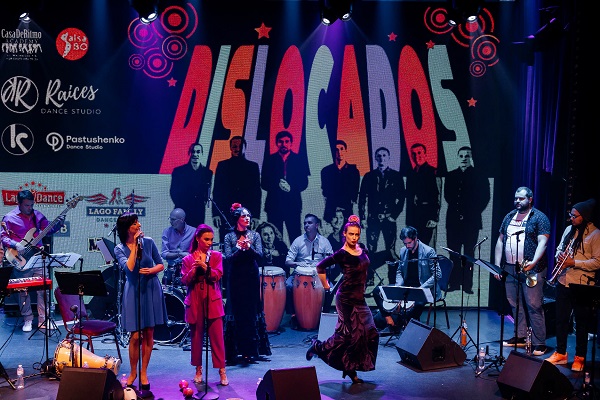
Dislocados is a group from Ukraine that is taking Salsa to the whole world.

Dislocados Ukrainian Latin American band, exploded onto the Kyiv music scene as the Kiev Salsa Kings in November 2005.

Led by Ilya Yeresko, one of Ukraine’s most respected young pianists and composers, with – among others – Dennis Adu (named best jazz musician in Ukraine at the Dodj Competition 2009) they started playing in Kyiv’s best live music bars.

This first salsa band in Ukraine was soon joined by Karolina Patocki and Lesya Zdorovetskaya, finalizing the group’s vocal flavor, and now the 10-piece band has become a force to be reckoned with in the country.

Dislocados’ new name, literally translated as “dislocated”, plays on the crazy personality of the band, and the idea that the birth country of the musicians does not dictate their musical direction and expertise.

While continuing to perform three times a week to live audiences around Ukraine, on February 10th 2008, Dislocados made its world debut by being the first international Hard Salsa band aired on Hard Salsa Radio and on WHUT 91.9 FM in New York City with their promotional song “Resaca.”

Minutes after “Resaca” aired, emails poured in like wildfire from worldwide listeners asking for more information on this particular band from an unknown land, which led to Dislocados’ inclusion in Salsa Dura Mundial, a worldwide salsa compilation album out of New York from Latin Soul Records.

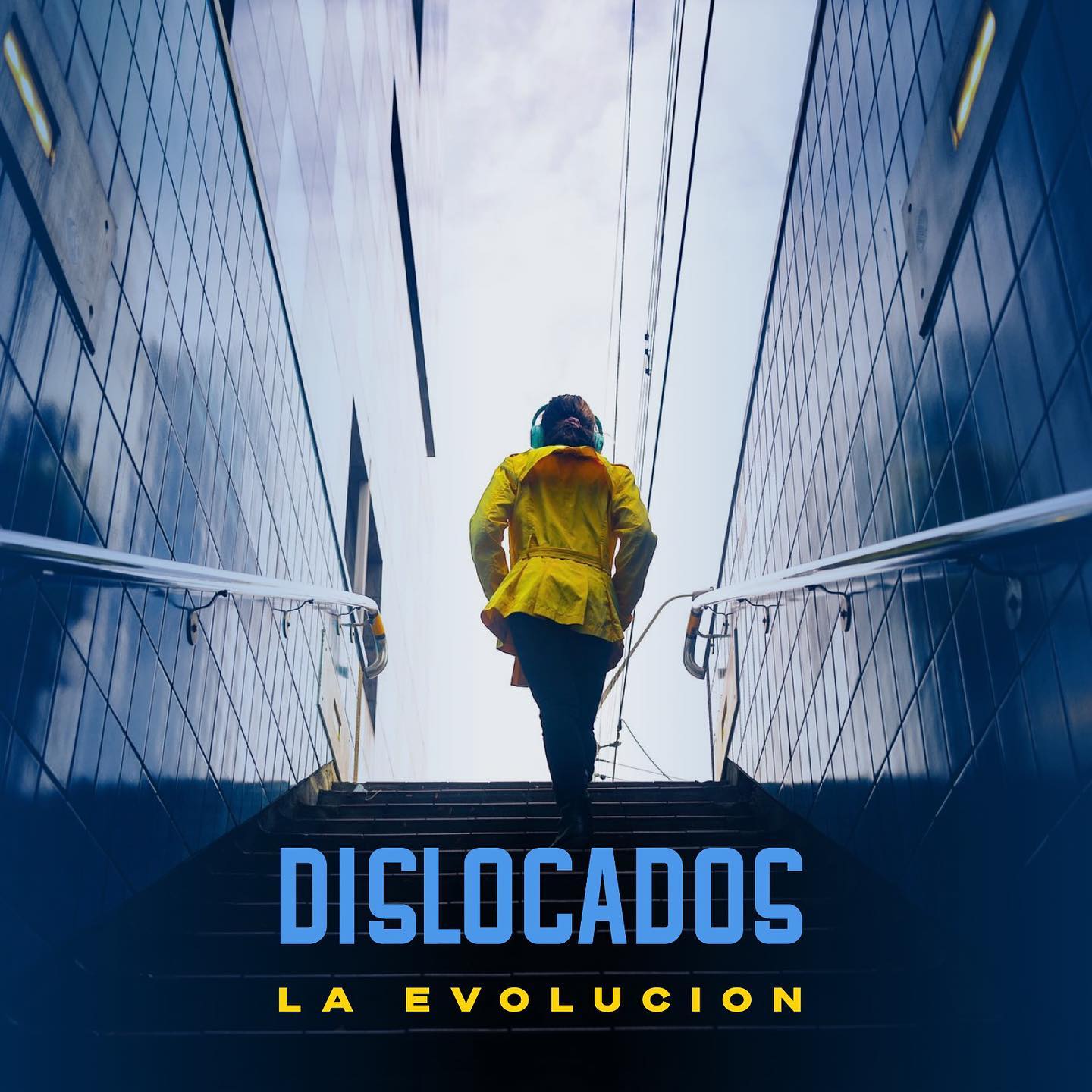
After gaining popularity in New York and Western Europe, Dislocados released the first salsa album to come out of Ukraine, with an intro written by salsa legend Andy Harlow, featuring ten original salsa tracks, inspired from Puerto Rico, New York, and Cuba.

Since its release, La Salida has enjoyed overwhelming international praise from top musicians such as Jimmy Bosch and Andy Harlow, promotion from top respected salsa review sites such as descarga.com and has led to the band’s inclusion in international salsa projects, such as the Summer Salsa Festival in Stockholm where the band played with Huey Dunbar, of DLG fame.

Dislocados’ internationally recognized top musicianship is now the vehicle by which they try to popularize the musical style of Hard Salsa in Ukraine in order to include their country among the list of top contenders for worldwide attention in the genre.

Awards:

Winner of the Independent Music Awards 2012 with Best Latin Song, ¨Como Tú¨.

Winner of the Independent Music Awards’ Vox Pop Award for Best Latin Album 2012, ¨Pasaporte Universal¨.

Winner of the Independent Music Awards’ Vox Pop Award for Best Holiday Song 2012, ¨Navidad en Heathrow¨.

Winner of the Independent Music Awards’ Vox Pop Award for Best Latin Song 2012, ¨Como Tú¨.

Winner of the Independent Music Awards’ Vox Pop Award for Best Latin Album 2011, ¨La Salida¨.

Facebook: Dislocados

You will hallucinate with these 4 Salsa clubs in Spain

Barcelona is the second destination city with the major Salsero movement in the Iberian Peninsula

After the Spanish capital, Barcelona, ​​Galicia, and Alicante are the main cities with the greatest salsa identity.

During the 90s this tropical rhythm began to be adopted in the territory and the first cities to put aside the prejudice toward Latin music were Madrid, Murcia, Cádiz, and Galicia, although Salsa was always heard in the Canary Islands but that is a story that we will tell later.

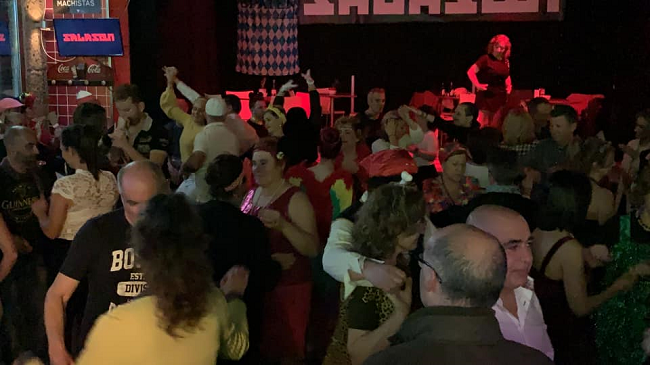
Currently, Barcelona is the second city with the most salsa movement and there are many options where you can enjoy an amazing dance experience in combination with tropical music and amplified energy. So, we will give you a guide to four clubs that have left their mark in Spain with Latin rhythms and which we assure you that you will love a lot.

Mojito Club

Mojito Club is 100% Salsa & Bachata on Thursdays and Sundays

If there is a place where you can go dancing Salsa and enjoy an unforgettable night out, that place is Mojito Club. Indeed, this club is a reference for Salsa in one of the fascinating cities in Spain with architectural landmarks and where more people like this Caribbean rhythm, Barcelona. On its dance floor, you can have a great time until dawn. Thursdays are from 11 PM with the usual Salsa and the most current Latin sounds with local DJs. Does it surprise you? Wait, there is still more to celebrate. On Fridays and Saturdays, they play the most international Latin music and on Sundays, it’s student day from 8 PM.

Mojito Club also has a dance school where they teach classes of Salsa and Bachata to start or improve. These lessons are entertaining, educational, and fun. Each course is 10 hours long and the lessons are from Monday to Friday. It’s not necessary to attend as a couple. Registration is free and costs € 29 per month.

The charm of Mojito Club https://mojitobcn.com/ is located at Rosellón Street, 217. 08008 Barcelona.

Sabor Cubano Sarrià

Luis Alberto Díaz “El Negri” plays the big hits of traditional Cuban music on salsa nights

It’s true Barcelona is almost the cradle of Salsa in this European country. Sabor Cubano Sarrià is one of the town’s Salsa clubs. This Night Club offers live music with the virtuous Cuban pianist, Luis Alberto Díaz “El Negri” also you can dance to the melodies of Cuban Salsa, International Salsa, Bachata, and urban rhythms with DJs. Here, you will find Salsa and Bachata teachers who give free lessons for beginners at 8 PM every Sunday with minimum consumption. Sabor Cubano Sarrià https://www.facebook.com/saborcubanoclub is one of the clubs where you can have fun with the two most widespread Latin dances in the world. It opens its doors from 7 PM to 12:30 AM and you can find it at Calle Marià Cubí 4. 08006 Barcelona.

Baby’Oh

Baby’Oh is a meeting point for lovers of Salsa, Bachata, and Kizomba

Baby’Oh is another fantastic club to enjoy Salsa and is easy to locate in Alicante at Calle Sabadell, 16, 03203 Elx. It is characterized by having a large room to dance and slide with quick movements and turns. It has a terrace for smokers, V.I.P and Reserved areas, as well as Table Service. Additionally, Baby’Oh https://www.facebook.com/babyohelche/ offers monthly events, workshops (Saturdays), and live performances with stars and emerging Salsa and Bachata artists.

Salason

This cultural platform is designed with exceptional acoustics and cutting-edge technology.

The last stop in this guide with the four Salsa clubs in Spain with which we assure you that you will hallucinate is Salason. Of course, you will learn Cuban-style Salsa and Rueda Casino as well as traditional Bachata lessons with maximum fun, coordination of movements, and body language.

You can practice on Tuesdays in two groups: Students (intermediate level), the Salsa lessons start at 8 PM, and the Bachata group starts at 8:30 PM.

Thursdays are classes for beginners with two choice times: 8 PM and 9:30 PM.

Salason https://salason.es/ is a structured building with three independent rooms but complementary to each other and is located in the northwest of the country at Calle Lirio, 30 Cangas Do Morrazo, 36940, Galicia.

La Sonora Ponceña Returns To Salsa County

The only performance with Yolanda Rivera & Mario “Mayito” Rivera will be at the Lehman Center

The name “La Sonora Ponceña” is in honor of the Cuban band La Sonora Matancera and its hometown (Ponce – Puerto Rico)

La Sonora Ponceña “National Treasure of Puerto Rico” together with its leader Enrique Arsenio “Papo” Lucca returns to Salsa County (The Bronx) with the special guests Yolanda Rivera and the Cuban singer Mario “Mayito” Rivera (former member of Los Van Van) onstage at one of New York’s leading non-profit performing arts centers, Lehman Center.

This unique presentation, long-awaited by its fans, will be on Saturday, May 14th at 8 PM at the Lehman Center for the Performing Arts located at 250 Bedford Park Blvd West, Bronx, New York 10468 and the online price per ticket ranges from between $45 – $100. https://www.lehmancenter.org/sonora-poncena

La Sonora Ponceña gained popularity in 1960 during its trip to New York City to give a series of presentations and established itself as one of the most demanded orchestras among Hispanics.

The legendary band, for more than 65 years, has made uninterrupted performances and has been recognized as one of the best Salsa orchestras for its fusion of traditional Cuban sounds with the modern style of Latin Jazz.

In 1967, under the direction of Papo Lucca, they released the first LP Hachero Pa’ Un Palo with the Inca label (a subsidiary of Fania). This album was an overwhelming success in New York as well as its second record production Fuego en el 23 (1969). The famous band from Puerto Rico recorded 29 more albums for this record label, including eight with the singer Yolanda Rivera, La Ceiba with Cuban singer Celia Cruz (1979), and in 1980 New Heights from which they began to establish the internationalization of the orchestra.

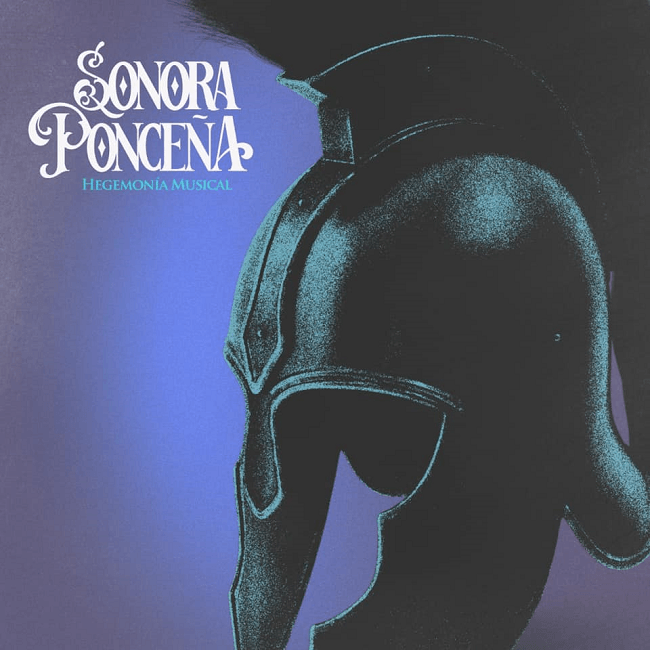
Musical Hegemony consists of 8 tracks including Caminando Con Mi Padre, Nadie Toca Como Yo, and Borrachera

This last year (2021), during the pandemic period, La Sonora Ponceña launched two new record productions: Hegemonía Musical (June 2021) and Christmas Star (November 2021).

The last one is the fourth Christmas-themed album in his career. “Thirteen years after our last Christmas production, we seek to present a record work that is a true reflection of the sound and musical quality that we always want to offer our audience”, Papo Lucca told digital media.

While “Salsa Que Cura To” is the first single taken from their most recent album Hegemonía Musical and whose authorship and interpretation is by Jorge Nicolai Avilés (vocalist of the band) with musical arrangements by Papo. Musical Hegemony, nominated in the Tropical Album of the Year category at the Billboard 2021 awards, was made with great dedication and professionalism as indicated on its official social media. “…We thank the public for the support they have been giving to this latest album that was worked with much love and dedication to the memory of our always remembered Enrique “Quique” Lucca Caraballo (RIP) and all our dear followers… And we will continue working as we have been doing for 67 years to place in your consideration what best of our music, soul, perseverance, and professionalism that seek to bring joy and enjoyment to all our dancers… Thank you very much!”

The song “Borinquen” (1980) with Sonora Ponceña becomes her a famous Salsa star

Yolanda Rivera will also perform at this event. She was born in Ponce (Puerto Rico) and moved to New York City with her family during her childhood. Her first opportunity as a singer was in 1969 in Willie Rosario’s band. In 1975 she returned to Puerto Rico and performed in several orchestras, including Joe Rodríguez’s La Terrifica. Her career reached its peak when she joined La Sonora Ponceña in 1977. The song “Borinquen” from the album Unchained Forcede (1980), a musical tribute to her native country (Puerto Rico), made her a Salsa star. Yolanda Rivera is considered one of the main and most famous singers of La Sonora Ponceña with songs like “Rumba en el Patio” and “Madrugador”. Her repertoire includes Salsa, Plena, Bolero, Guaguancó, Son Montuno, and Guaracha.

Mario “Mayito” Rivera (El Poeta de La Rumba)

The second special guest tonight will be Mario “Mayito” Rivera. His vocal skill and masterful interpretation of Cuban music in modern and traditional styles earned him the nickname “El Poeta de La Rumba”. Mayito was born in Pinar del Río (Cuba) and has training degrees from the National School of Art and the Higher Institute of Art. After his educational training in Cuba, he joined the band of the Cuban singer Albita Rodríguez and played bass in the Moncada group. From 1992 to 2011, Mayito was the lead voice and face of the successful Cuban band, Los Van Van, earning a Latin GRAMMY® and two nominations with them.

  • « Go to Previous Page
  • Page 1
  • Interim pages omitted …
  • Page 64
  • Page 65
  • Page 66
  • Page 67
  • Page 68
  • Interim pages omitted …
  • Page 300
  • Go to Next Page »

International Salsa Magazine (ISM) is a monthly publication about Salsa activities around the world, that has been publishing since 2007. It is a world network of volunteers coordinated by ISM Magazine. We are working to strengthen all the events by working together.