• Skip to primary navigation
  • Skip to main content

International Salsa Magazine

  • HOME
  • Previous editions
    • 2026
      • ISM / March 2026
      • ISM / February 2026
      • ISM / January 2026
    • 2025
      • ISM / December 2025
      • ISM / November 2025
      • ISM / October 2025
      • ISM / September 2025
      • ISM / August 2025
      • ISM / July 2025
      • ISM / June 2025
      • ISM / May2025
      • ISM / April 2025
      • ISM / March 2025
      • ISM / February 2025
      • ISM / January 2025
    • 2024
      • ISM / December 2024
      • ISM / November 2024
      • ISM / October 2024
      • ISM / September 2024
      • ISM / August 2024
      • ISM / July 2024
      • ISM / June 2024
      • ISM / May 2024
      • ISM / April 2024
      • ISM / March 2024
      • ISM / February 2024
      • ISM / January 2024
    • 2023
      • ISM / December 2023
      • ISM / November 2023
      • ISM / October 2023
      • ISM – September 2023
      • ISM – August 2023
      • ISM July 2023
      • ISM Edition June 2023
      • ISM – May 2023
      • ISM April 2023
      • ISM March 2023
      • ISM February 2023
      • ISM January 2023
    • 2022
      • ISM December 2022
      • ISM November 2022
      • ISM October 2022
      • ISM September 2022
      • ISM August 2022
      • ISM July 2022
      • ISM June 2022
      • ISM May 2022
      • ISM February 2022
      • ISM January 2022
    • 2021
      • ISM December 2021
      • ISM November 2021
      • ISM October – 2021
      • ISM September 2021
      • ISM August 2021
      • ISM July 2021
      • ISM May 2021
      • ISM April 2021
      • ISM June 2021
      • ISM March 2021
      • ISM February 2021
      • ISM January 2021
    • 2020
      • ISM December 2020
      • ISM November 2020
      • ISM October 2020
      • ISM September 2020
      • ISM August 2020
      • ISM July 2020
      • ISM June 2020
      • ISM May 2020
      • ISM April 2020
      • ISM March 2020
      • ISM February 2020
      • ISM January 2020
    • 2019
      • ISM December 2019
      • ISM November 2019
      • ISM October 2019
      • ISM Septembre 2019
      • ISM August 2019
      • ISM July 2019
      • ISM June 2019
  • Spanish
  • Download Salsa App
    • Android
    • Apple

Search Results for: Salsa orchestra

How Money Is Made Today: Recording Artists, Record Labels, and Digital Platforms

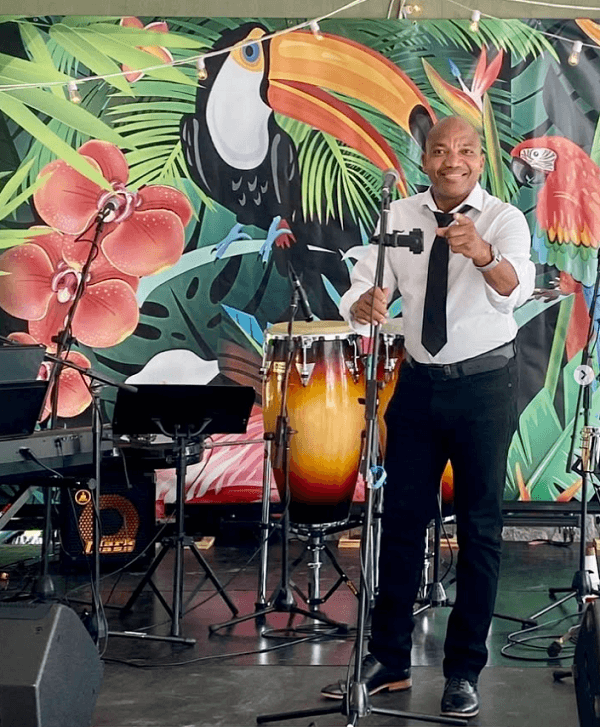
Carlos Navarro is a renowned multi-percussionist, producer, bandleader, and singer, known for leading the Orquesta Son y Clave. Here are some key details about him and his music:

  • Musical Style: He specializes in genres like salsa, mambo, merengue, and Latin jazz.

  • Orquesta Son y Clave: The band has gained popularity in recent years, even sharing the stage with world-class artists like The Rolling Stones.

  • Collaborations: He has worked with major talents in Latin music in Los Angeles, including Tito Nieves, Luis Barbarán, and others.

  • Family Connection: He is the brother of the famous singer Cherry Navarro.
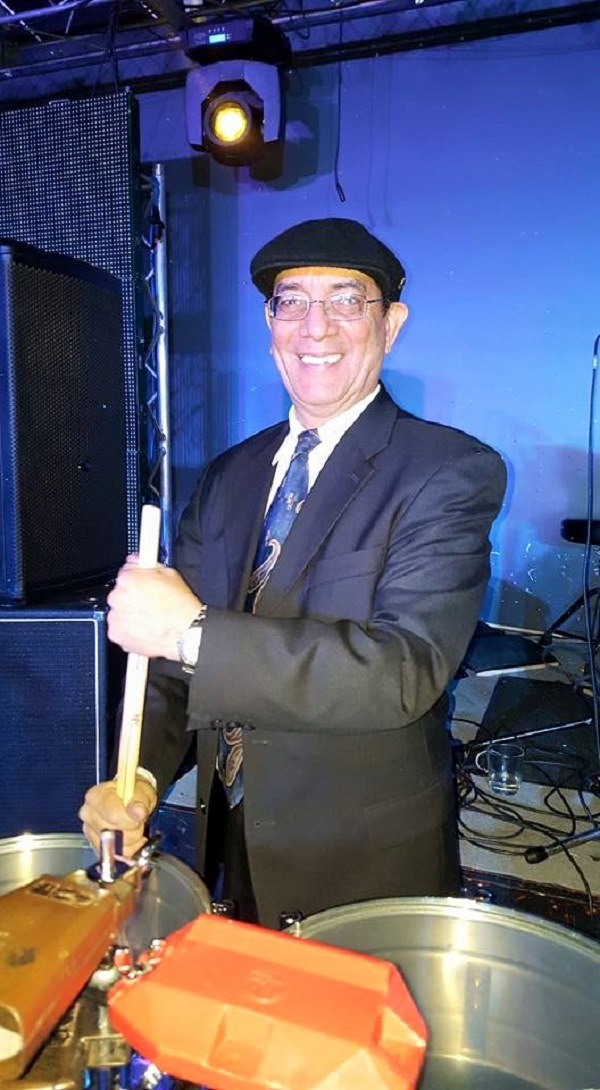
    Carlos Navarro reconocido multi-percusionista, productor, bandleader y cantante, conocido por liderar la Orquesta Son y Clave
    Carlos Navarro reconocido multi-percusionista, productor, bandleader y cantante, conocido por liderar la Orquesta Son y Clave

1). What’s the current process for recording, music production, and royalty distribution?

The current process begins with recording, which can now be done in professional studios or in home studios equipped with high-quality technology. Next is music production, which includes editing, mixing, and mastering to ensure the material meets industry standards.

Once the final product is complete, it’s distributed digitally through aggregators or distributors who place it on platforms like Spotify, Apple Music, and YouTube, among others. As for royalties, these are mainly collected by collective management societies and the platforms themselves, who distribute the income based on streams, downloads, or licenses, assigning it to the author, performer, and producer as stipulated in their contracts.

2). What is the impact of digital platforms that artists use to release their music?

Digital platforms have transformed the music industry by democratizing access. Today, any artist, regardless of their fame or resources, can distribute their music globally. The biggest impact is visibility: a song can reach millions of listeners without the need for a traditional record label.

However, there is also the challenge of market saturation, which requires artists to accompany distribution with solid strategies for digital marketing, branding, and social media presence.

3). How are the revenues distributed once the product is complete?

Revenue distribution varies according to contractual agreements, but generally, it’s split between authors and composers (publishing royalties), performers and producers (master recording royalties), and the distribution company or label.

In the digital environment, streaming platforms pay a percentage for each stream, which first goes to the digital distributor and is then divided according to the percentages agreed upon in publishing and production contracts. This system makes good administrative management essential so that everyone involved receives what they’re owed.
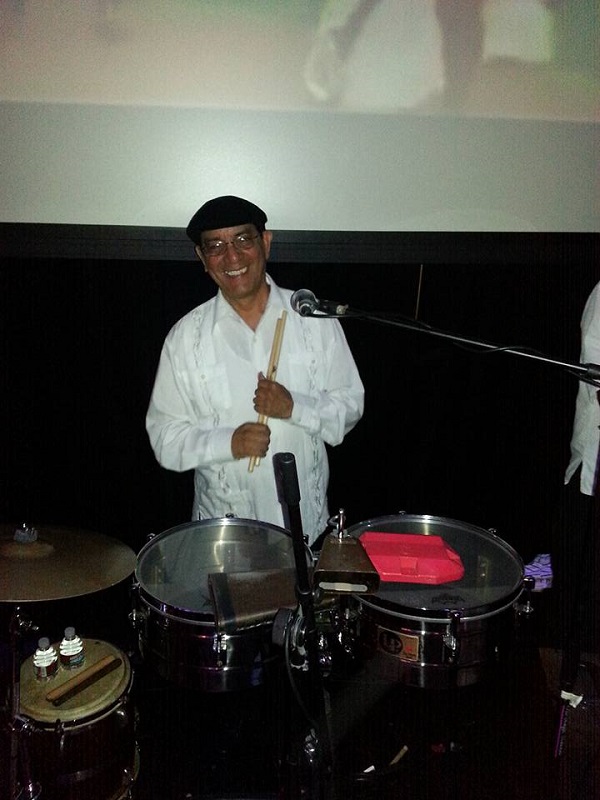
At The Blind Tiger Super Club in Santa Barbara California. Son y Clave Orchestra Carlos Navarro. Great venue.

4). Name some current business models for producing a record.

  • Independent Digital Distribution: The artist pays a digital distributor (e.g., DistroKid, CD Baby, TuneCore) and keeps most of their rights.
  • Record Label Contract: The label invests in production and promotion in exchange for a percentage of royalties and even the master rights.
  • Licensing and Sync: Producing music geared toward films, commercials, and video games, generating income from usage licenses.
  • Crowdfunding: Fans support the funding of the album in exchange for exclusive rewards.
  • 360 Deal: The label or company handles not only production and distribution but also concerts, merchandise, and image rights, in exchange for a larger percentage.

5). What strategies can artists use to monetize their work in the digital environment?

  • Streaming and Digital Downloads: Maximizing presence on Spotify, Apple Music, Deezer, etc.
  • YouTube and Content ID: Monetizing through views, ads, and copyright control.
  • Digital and Physical Merchandise: T-shirts, vinyl records, NFTs, and exclusive products.
  • Social Media and Subscriptions: Platforms like Patreon or TikTok offer the possibility of direct income from fans.
  • Licensing and Sync: Offering music for TV series, films, video games, and advertising campaigns.
  • Virtual Concerts and Exclusive Experiences: Monetized live streams, digital meet-and-greets, or access to exclusive content.

6). What do you think about creating a digital platform among us, the Latin musicians, where the profits go to the artists?

I think that’s an extremely valuable and necessary proposal. A digital platform created by and for Latin musicians would have a direct impact on the independence and sustainability of our artistic projects. By eliminating traditional intermediaries and ensuring most of the profits go directly to the artists, it would foster a fairer and more equitable industry.

Furthermore, this kind of initiative would not only allow for a better distribution of income but also the creation of a strong community where we can support each other, give visibility to emerging talents, and preserve the cultural identity of our music. In a market dominated by global platforms that prioritize volume over quality, having our own space would be a strategic tool to strengthen our voice as Latin artists and give true value to our creative work.
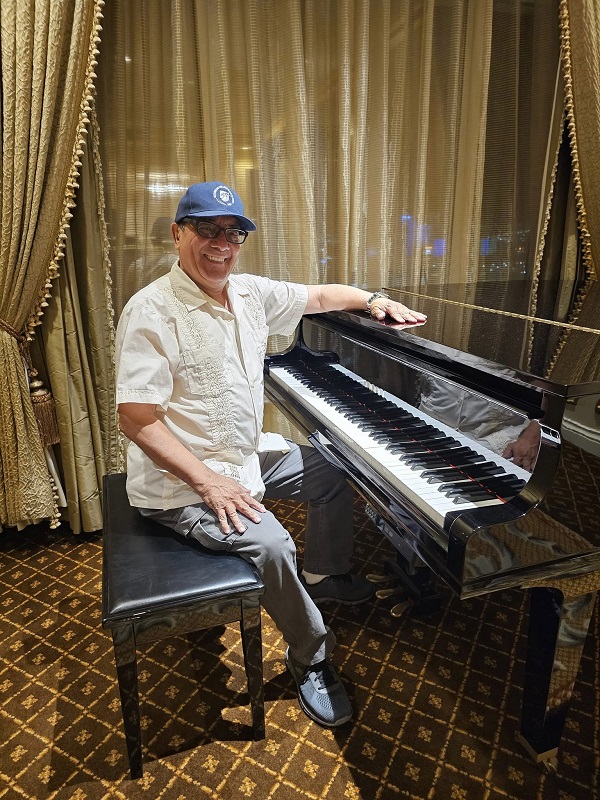
Carlos Navarro
Carlos Navarro

Also Read: How Money is Made Today as a Recording Artist with Record Labels and Digital Platforms
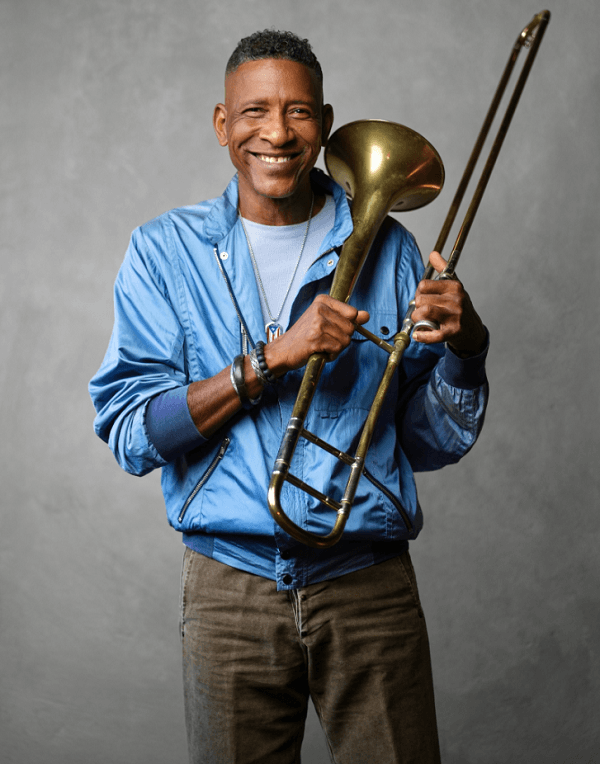
Creator of Afro-Rican Jazz William Cepeda talks about this subgenre

When we talk about the best characteristics of Puerto Rican artists, innovation is definitely one of them, and our guest is an excellent example of this. Grammy nominee and composer William Cepeda was born and raised in Loiza, known as the heart of “Little Africa” in Puerto Rico, so we can sense that this had much to do with his later artistic inclinations. We will talk about this and other things in the next paragraphs of this gripping story. 

Musician William Cepeda
This is Puerto Rican Grammy nominee, composer, and musician William Cepeda

What got William interested in music

The environment in which William grew up had everything to do with his interest in music as a serious profession. In Loiza, Puerto Rican bomba was one of the most listened genres by the community, and cultural events based on it were passed down through generations. It was there that a very young William began attending the colloquially known as “bombazos” and connecting with this music from an early age.

Practically the whole town was involved in these traditions, including his family, so he could not escape all these activities carried out year after year. In fact, his grandparents and some of his uncles and cousins were musicians, so it was common for the young boy to see them play their instruments and know what that was about.

When he turned 14, he finally began seriously studying music, especially the theory part. Although one of his options to study was accounting, this career would never overcome his enormous taste for music, so he never materialized this interest.

How William got started professionally in music 

While still an inexperienced teenage musician, William started playing percussion with some local groups, one of them being La Orquesta Zodiac, composed of a group of salsa veterans with more than 50 years of professional experience. Although these gigs were already paid, the young man still saw music as a side hobby. 

However, long time later, he would completely change his mind after noticing that his skills and opportunities could take him further than he thought possible.

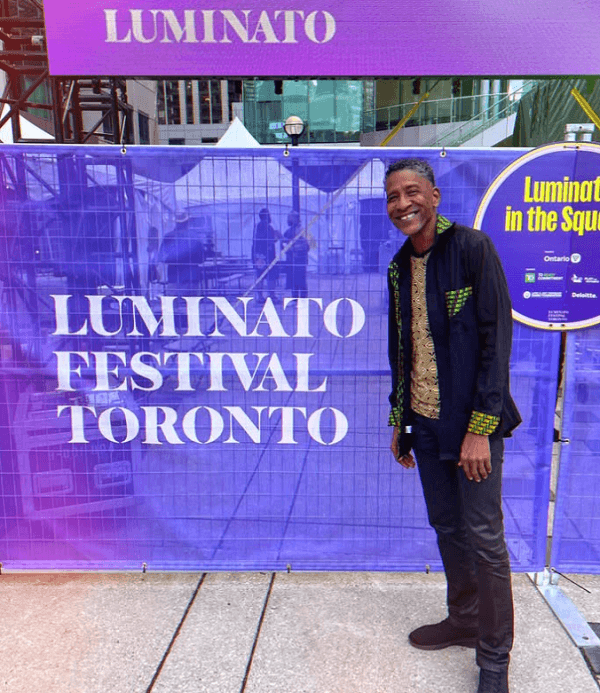
William Cepeda at the festival
William Cepeda at the Luminato Festival in Toronto

Afro-Rican Jazz

Having already a more or less consolidated career, William was part of the invention of Afro-Rican Jazz, which can be defined as a concept that celebrates Puerto Rico’s heritage and its African roots while offering a new version of the jazz that everyone knew, giving it a touch of modern flavor that was absolutely innovative for the time. 

Growing up in an environment where traditional Puerto Rican music was so present and having experience only with local groups, he still had a long way to go as an artist. His outlook started to broaden by going to study at Berklee in Boston and then to do a master’s degree in New York, which in turn led him to play with American groups and musicians such as Dizzy Gillespie, James Brown, Miriam Makeba, and many other famous jazz musicians.

Gillespie became one of his biggest mentors when playing with him and his group The United Nations Orchestra, which included Cuban, Colombian, Dominican, Panamanian, and Brazilian musicians. It was precisely because of this great diversity of nationalities and influences that the orchestra received this name. However, there were no Puerto Rican musicians or music, so Gillespie gave William the opportunity to become the youngest member and create a subgenre product of a mixture of jazz and some styles from his place of origin. 

William told us that many Boricuan musicians used to play Latin jazz based on Cuban music, but none of them had ever ventured to create a subgenre of jazz with a Puerto Rican base. That was when the artist realized that something had to be done about it, so he chose to fuse jazz with Puerto Rican music and later named his group Afro-Rican Jazz.

He also continued to experiment with genres until he found something he called “Plena jazz,” the name he used for one of his albums and the result of mixing plena, another traditional genre born in the neighborhoods of Puerto Rico, and jazz. He also made a symphonic rumba album at the time. 

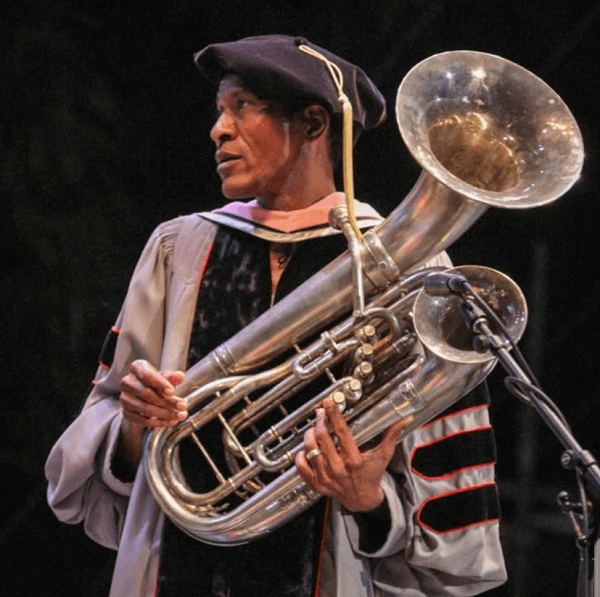
William Cepeda and his doctorate
William Cepeda receiving his honorary doctorate from Berklee College of Music

Dizzy Gillespie’s protégé

Although William was influenced by a number of artists, when we check out his story his history, there is no denying that the South Carolinian trumpeter was the greatest influence and role model for the young man. 

With respect to this stage of his life, William recalls with affection that Dizzy was always very attentive to his development within the group, to the point that he came to see him as an artistic father. As we said before, he knew nothing about jazz or American music when he left Puerto Rico, but Dizzy and his musicians were “a second university” where he learned what no educational institution could teach him, something he thanks to them.

“Dizzy saw talent in me, so he always pushed me to be better every day. He encouraged me, protected me, and guided me in my development as a musician,” he said of his teacher.

Artists he has collaborated with

William has collaborated with countless great Latin artists such as Celia Cruz, Rubén Blades, Eddie Palmieri, Tito Puente, Marc Anthony, Oscar D’León, and many others. Most of these contacts came about thanks to references of acquaintances, combined with the percussionist becoming known to the public for some time, which generated many recommendations. 

All the above artists also influenced him to a certain extent, but he also says that he liked and still likes other genres such as classical music, jazz, the folklore of other countries, and many others.

Read also: Argentine tango bassist and Latin Grammy winner Pedro Giraudo returned to his roots

Tito Puente Jr.: perpetuating a legacy with its own rhythm

In International Salsa Magazine, we cannot contain our joy for the conversation we had with the son of one of the greatest legends of Latin music, who is now writing his own story of grandeur thanks to the education he has received practically since birth. This is none other than New York producer, composer, and percussionist Tito Puente Jr., who shared about 40 minutes of his time to answer some questions exclusively for Augusto Felibertt and yours truly, Karina Garcia. 

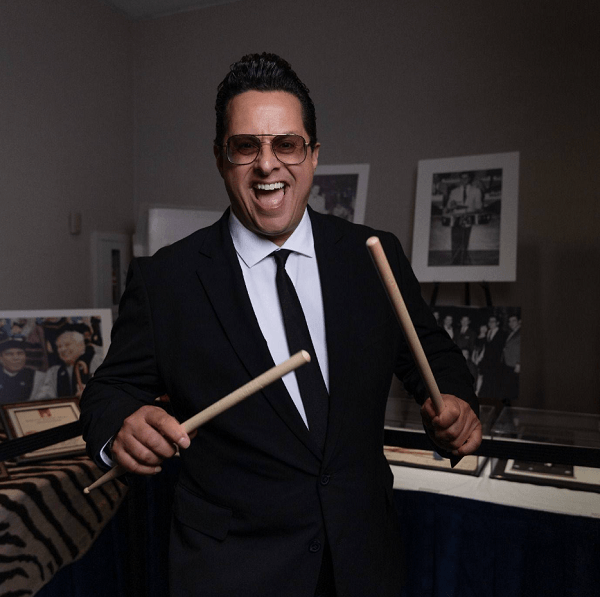
Tito puente jr. smiling
Producer, composer, and timbalero Tito Puente Jr. smiling for the camera

The burden of Tito Puente’s iconic legacy

Having a successful father is a great blessing, but sometimes, it can become a veritable martyrdom for a son who wants to follow his path, as comparisons between them will always be inevitable. Being able to share with Tito Puente Jr., son of the legendary King Of Timbales Tito Puente, gives us the opportunity to get his perspective on this interesting and important subject. 

Fortunately, the artist does not see this legacy as a burden, but quite the opposite. Although he admits that his father is one of the greatest masters and ambassadors Latin music and our culture in general have ever had, and that it is not easy to fill his shoes, he proudly bears his father’s surname and promotes his music.

Moreover, he sees the surname “Puente,” as well as the Spanish word implies, as a union among several generations because many young people this day do not know Tito Puente, Celia Cruz, and many other exponents of that salsa’s golden era. Tito Jr. wants to be part of that “bridge” between generations so that people of all ages can learn about these prodigies, including, of course, his father.

Childhood with Tito Puente as his father

Regarding his childhood and adolescence, Tito emphasized that he always saw his father play all types of instruments such as timbales, marimba, saxophone, percussion, and many others, which inspired him and made him want to imitate him from the beginning. Today, his career is largely influenced by everything he saw at home, and he plays his father’s arrangements and compositions, which are divided between a total of 186 albums. 

Everything learned within his family has taken him so far professionally, to the point that he now has seven Latin Grammys and 14 nominations, all thanks to the legacy he carries. 

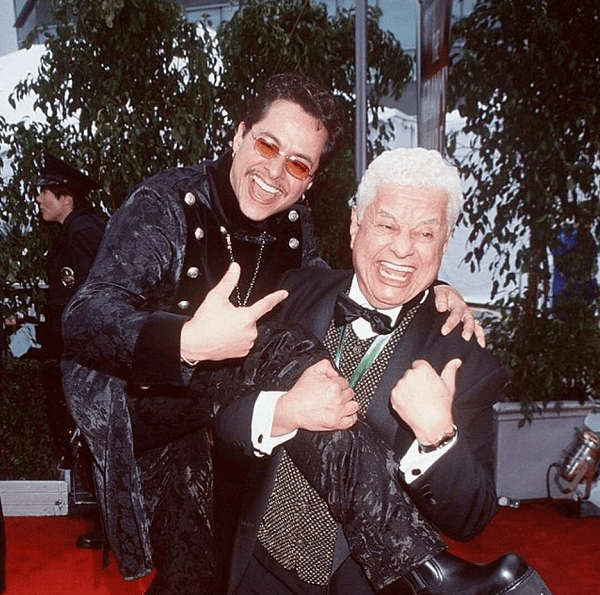
Tito Puente and Tito Puente Jr.
Tito Puente Jr. and his father Tito Puente on the 1998 Grammy Awards red carpet

The Puente family today

On the more personal side, Tito is the youngest of his brothers, among whom he is the only one who works on music as a profession. To some extent, this has made him take upon his shoulders Tito Puente’s legacy through his own art.

The musician currently resides in southern Florida, specifically in Miami, although he works with orchestras from different cities and countries. He is married and has two children who are Miranda, 18, and Tito Puente Jr. Jr., 17. Miranda studies marine biology at university, while her younger brother is in high school but travels constantly with his father and enjoys composing and playing the guitar.

He also told us a little about his wife, who loves salsa but is not in music. On the other hand, he spoke lovingly of “the boss,” his mother Margarita Puente, who is currently in charge of royalties, record labels, publicity, and the documentary on Tito Puente’s life.

He also has two siblings: Audrey Puente, 55, who is a television meteorologist, and Rony Puente, 77, who is also a musician like his father and younger brother. 

Other musical influences besides that of his father

In addition to salsa, mambo, and guaguancó, Tito really enjoys English rock and several bands such as Metallica, Slayer, Iron Maiden, Black Sabbath, and others into this style. These tastes of his have led him to the idea of, at some point, blending heavy metal with mambo to see which result he gets.

As well as he can really enjoy the music of Bon Jovi and Ozzy Osbourne, he is also fascinated by El Gran Combo de Puerto Rico, which he finds to be a very interesting mixture of genres that he would like to experiment with someday. 

He also said laughing that his father did not share his musical tastes and that the only rock band he liked was Santana, and that was because they did their own version of the hit “Oye Cómo Va” in psychedelic rock and Latin rock. 

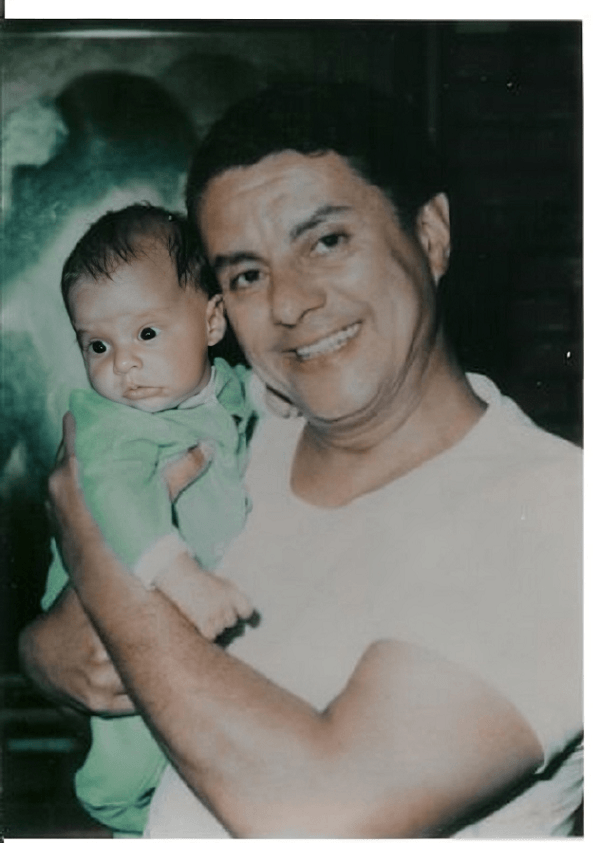
Tito Puente holding his son
Tito Puente carrying his son Tito Puente Jr.

Current singers

Today, Tito works with various singers, including Aymee Nuviola, Lucrecia, Yolanda Duque, and his great friend, “La Princesa de La Salsa” La India. His father worked with great vocalists such as Tony Vega, Michael Stuart, Oscar D’León, José Alberto “El Canario,” Miguel Ángel Barcasnegras Díaz “Meñique,” and many more. 

Tito’s latest album, “The King And I,” also features other big voices such as Domingo Quiñones, Frankie Negrón, José Alberto “El Canario,” Tony Vega, Sheila E., Pete Escovedo, and many other salsa superstars of today and yesterday. 

The timbalero has worked with many figures who also worked with his father in the past, so it is clear that they see him and respect him as the continuation of his musical legacy.

Tito’s views on academic training in music

On the important issue of academic training in music, Tito pointed out that there are not enough educational programs aimed at teaching Afro-Cuban music in schools and universities, which in his view needs to change as soon as possible.

In fact, he noted the importance of promoting programs in educational institutions around the world so that their students learn much more than just symphonic music and become more rounded professionals. Although he recognizes the importance of knowing Beethoven and Tchaikovsky, he also believes that aspiring musicians should know about Eddie Palmieri, Charlie Palmieri, Larry Harlow, Pupi Campo, and other artists in this style. 

The artist believes that the above mentioned artists and many others related to jazz and salsa are part of a very important era of music in the world, which is why he believes that teachers must take them into account during their classes. For him, it is a mission to promote both his father’s music and that of other exponents of his kind in the academic field.

Tito Jr. and his family
Audrey, Margarita, Tito, and Tito Jr.

Upcoming tours

For our research, we could notice that Tito has several performances and tours scheduled for the rest of the year, more specifically for November. In this regard, he told us that in the first week of September, he went to play his father’s music on his weekly show Mambo Mondays, which is held to delight dancers eager to keep enjoying Tito Puente’s music.

About international tours, he plans to go to Germany in February next year and Spain next summer. He is also close to release a documentary in 2026 and a new album with the Los Angeles Symphony Orchestra, which has 77 musicians and instruments such as violins, violas, harps, bagpipes, flutes, French horns, among others.

Tito Puente Jr. and his son
Tito Puente III and his father Tito Puente Jr.

Final comment

We still cannot believe we had this great conversation with the talented Tito Puente Jr. and it has been a great pleasure to share this time with him. Those who wish to contact him can do so through his social media channels, which are as follows:


Facebook: https://www.facebook.com/TitoPuenteJr/

Instagram: https://www.instagram.com/titopuentejr/

X: https://twitter.com/titopuentejr

Tik Tok: https://www.tiktok.com/tag/titopuentejr 

Spotify: https://open.spotify.com/intl-es/artist/2ROkqvVDXj5JgmN6z2uFrM

Read also: Venezuela violinist and former musician in El Sistema Ali Bello has many interesting things to say

Chick Corea

North America / USA /

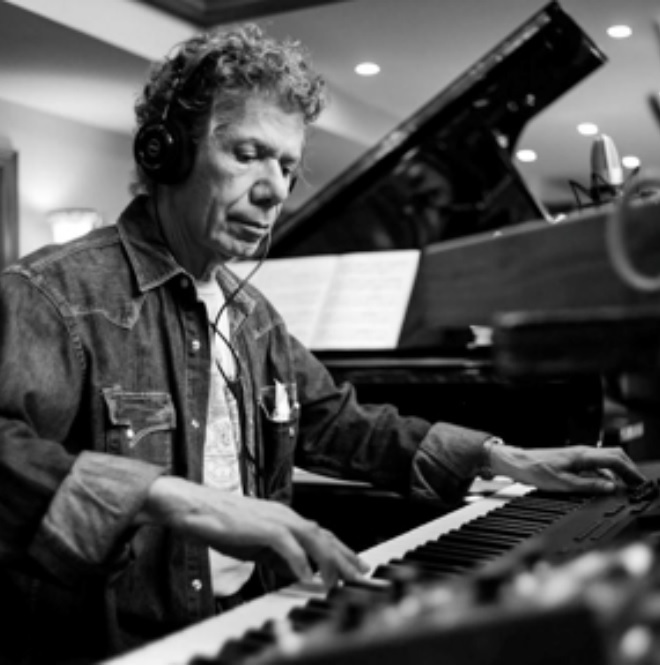
Chick Corea. The worldwide Jazz sensation

Chick Corea
Chick Corea

Armando Anthony “Chick” Corea is an American jazz and fusion pianist, keyboardist and composer. Many of his compositions are considered jazz standards. As a member of Miles Davis’s band in the late 1960’s, he participated in the birth of the electric jazz fusion movement. In the 1970’s he formed Return to forever. Along with Herbie Hancock, McCoy Tyner and Keith Jarrett, he has been described as one of the major jazz piano voices to emerge in the post-John Coltrane era.

A DownBeat Hall of Famer and EA Jazz Master, 22 – time Grammy winner and keyboard virtuoso, Chick Corea has attained living legend status after five decades of unparalleled creativity and an artistic output that is simply staggering.

Chick is the fourth – most – nominated artist in the history of the Grammys with 63 nominations. He’s also earned 3 Latin Grammy Awards, the most of any artist in the Best Instrumental Album category.

“Chicl Corea: Documentary of Legendary Jazz Great, Pianist and Component http://vimeo.com/10933550”

From straight ahead to avant-garde, bebop to fusion, children’s songs to chamber music, along with some far-reaching forays into symphonic works, Chick has touched an astonishing number of musical bases in his illustrious career while maintaining a standard of excellence that is awe-inspiring. A tirelessly creative spirit, Chick continues to forge ahead, continually reinventing himself in the process.

Chick Corea: European Tour 2017

  • Wroclaw, Poland – 06/22/17: Chick Corea Elektric Band – Hala Orbita – 8:00 pm
  • London, United Kingdom – 06/24/17: Chick Corea Elektric Band – Barbican – 7:30 pm
  • Lviv Ukraine – 06/27/17 : Chick Corea Elektric Band – Alfa Jazz Festival – 9:00 pm
  • Timisoara, Romania – 06: Chick Corea Elektric Band – Timisoara Jazz Festival – 9:00 pm
  • Belgrade, Serbia – 07/02/17: Chick Corea Elektric Band – Kombank Arena – 10:00 pm
  • Skopje, Macedonia – 07/02/17: Chick Corea Elektric Band – Metropolis Arena – 10:00 pm
  • Kongsberg, Norway – 07/07/17: Chick Corea Elektric Band – Kongsberg festival – 5:00 pm
  • Rotterdam, Netherlands – 07/07/17: Chick Corea Elektric Band – North Sea Jazz Festival – 11:00 pm
  • Rotterdam, Netherlands – 07/08/17 Chick Corea & Bela Fleck – North Sea Jazz Festival – 09:00 pm
  • Rotterdam, Netherlands – 07/09/17: Chick Corea & Trondheim Jazz Orchestra – North Sea Jazz Festival – 4:30 pm
  • Dublin, Ireland – 07/10/17: Chick Corea & Bela Fleck – National Concert Hall – 8:00 pm
  • Trentino, Italy – 07/12/17: Chick Corea & Bela Fleck – Sounds of the Dolomites Festival – 1:00 pm
  • Grugliasco, Italy – 07/13/17: Chick Corea & Bela Fleck – Gru Village Festival – 10:00 pm
  • Sant Feliu de Guixols, Girona, Spain – 07/16/17: Chick Corea & Bela Fleck – Festival de Porta Ferrada – 9:30 pm
  • Valencia, Spain – 07/17/17: Chick Corea & Bela Fleck – Jardines de Viveros – 8:00 pm
  • Moritz, Switzerland – 07/21/17: Chick Corea & Bela Fleck – Festival Da Jazzz – 9:00 pm
  • Albany, NY – 08/05/17: Chick Corea Elektric Band & Bela Fleck and The Flecktones – The Palace Theater – 7:30 pm
  • Vienna, VA – 08/06/17: Chick Corea Elektric Band & Bela Fleck and The Flecktones – The Filene Center – 8:00 pm
  • Red Bank, NJ – 08/09/17: Chick Corea Elektric Band & Bela Fleck and The Flecktones – Count Basie Theatre – 7:30 pm
  • Kennett Square, PA o 08/09/17: Chick Corea Elektric Band & Bela Fleck and The Flecktones – Longwood Gardens – 8:00 pm
  • Chautauqua, NY – 08/11/17: Chick Corea Elektric Band & Bela Fleck and The Flecktones – Chautauqua Institute – 8:15 pm
  • Sterling Heights, MI – 08/12/17: Chick Corea Elektric Band & Bela Fleck and The Flecktones – Michigan Lottery Amphitheatre- 7:30 pm
  • Cincinnati, OH – 08/13/17: Chick Corea Elektric Band & Bela Fleck and The Flecktones – PNC Pavillion – 7:00 pm
  • Denver, CO – 08/15/17: Chick Corea Elektric Band & Bela Fleck and The Flecktones – Denver Botanic Gardens – 6:30 pm
  • Salt Lake City, Utah – 08/16/17: Chick Corea Elektric Band & Bela Fleck and The Flecktones – Red Butte Garden Amphitheatre 6:00 pm

For further information and tickets:

411 Cleveland St. #215 Clearwater, FL 33755

(888)712-4425

The Kurland Agency

[email protected]

(617)254-0007

htpps://www.facebook.com/chickcorea

htpps://www.youtube.com/user/ChickCoreaTV


Cuban singer-songwriter Osmay Calvo shows his versatility in the New Jersey music scene

Osmay Calvo is just one of many examples of why Cubans have triumphed so many times in the United States, which is why his story and that of many of his compatriots always serve as inspiration for those seeking a career in the music industry but who do not dare to do it because of the misfortune of being born in a place that did not offer them the necessary opportunities for this.

Calvo was kind enough to take a few minutes of his time to talk about all that had happened to his career to date, so it is an honor for us to describe what was discussed in the following lines.

Osmay performing
Singer Osmay Calvo performing during a birthday

How Osmay became interested in music

Osmay tells us that, from an early age, he loved popular music, so he began to participate in school music events when he was just six years old in Tarará, east of the city of Havana. At the same time, his mother enrolled him in singing lessons and he spent much time with his family musicians, including his uncle, singer Pedrito Calvo, who was a member of Los Van Van.

A few years later, he began to attend various types of contests and joined the Mariana de Gonitch Singing Academy, directed at the time by maestro Hugo Oslé, thanks to which he met Pacho Alonso, Ela Calvo, Mundito González, and many other important figures of Cuban popular music.

Official beginning of his professional life

Osmay’s professional start was in Cuba when he joined the Adolfo Guzmán company in 1995, which is when he had his first paid job in music. Although it is true that the Cuban government got a huge percentage of the money earned by the artists, Osmay appreciates the experience and the chance to know other countries through his activities with the company.

Some time later, he had the opportunity to travel to Spain and then to Mexico, where he participated in a music competition and won first prize with the song “La Bamba.” He then spent another month in Spain for an event until returning to Havana and winning the Mariana de Gonitch Singing Contest, obtaining the prize for the great popular generation of national music award, which led him to travel through the 14 provinces of Cuba to offer his services and make himself better known.

Osmay, Ela, and Beatriz
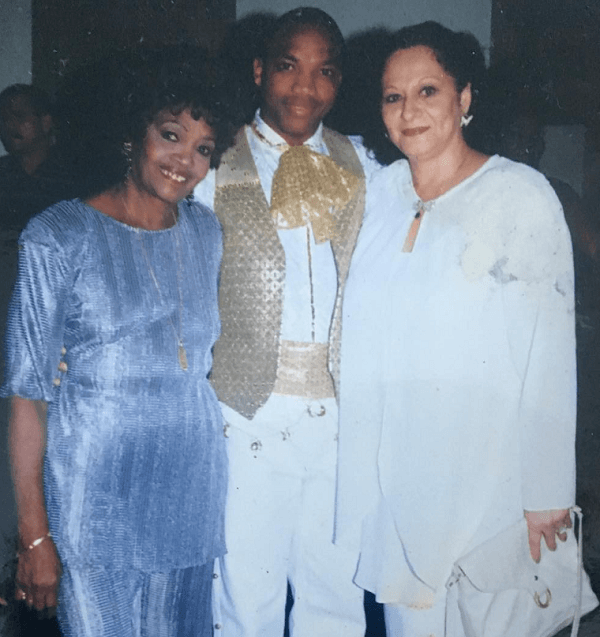
Singer Ela Calvo, Osmay Calvo, and ”La Musicalísima” Beatriz Marquez

Moving to the United States

It was in 2002 that Osmay finally decided it was time to look for other roads and leave Cuba to no longer return. He was going to sign a contract with Mambo Records in Miami, but things did not go according to plan, so he started recording his own music and went to New Jersey, where he began to organise his own orchestra with which he has 16 original songs written by himself, but also numerous covers of hits by other artists.

He has not been back to his native country for about 24 or 25 years. In fact, most of his family also lives in the United States and Canada, except for his uncle Pedro Calvo, some cousins, friends, and his music teachers.

However, after all the time he has been gone, things have not been entirely easy for Osmay, especially in the beginning. The hardest thing for him was language learning and how little he knew about his new place of residence, but the artist quickly learned and was gradually integrated into this new music scene, thanks to which he was able to play with many orchestras and meet great figures such as Oscar D’León at the Coco Bongo Club in Elizabeth, New Jersey, and Fernandito Villalona, for whom he opened one of his shows.

In New York, he played with many bands and learned a lot of music that was played locally. Osmay brought an academic background in lyrical and symphonic singing from Cuba, but New York has mostly restaurants, nightclubs, and fairs, so he had to adapt to a completely new format and audience. 

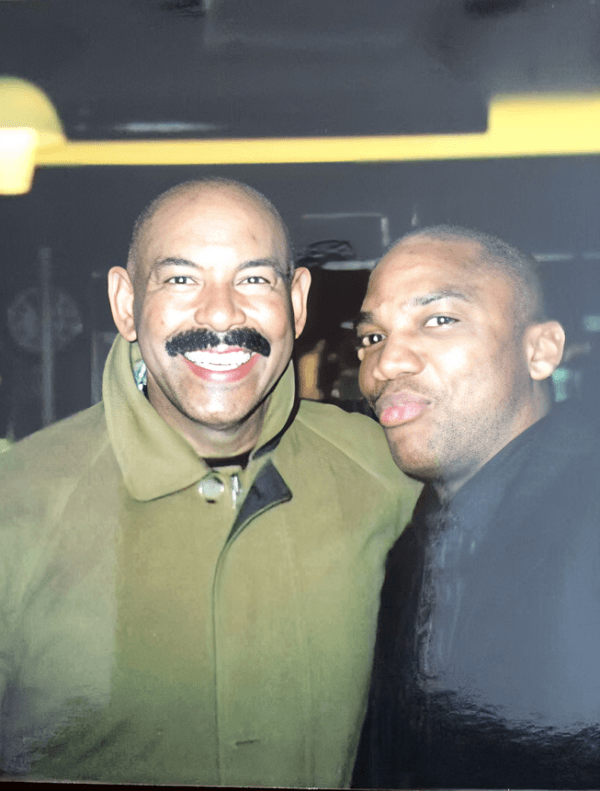
Osmay, and Oscar
”El Sonero del Mundo” Oscar D’ León and Osmay Calvo

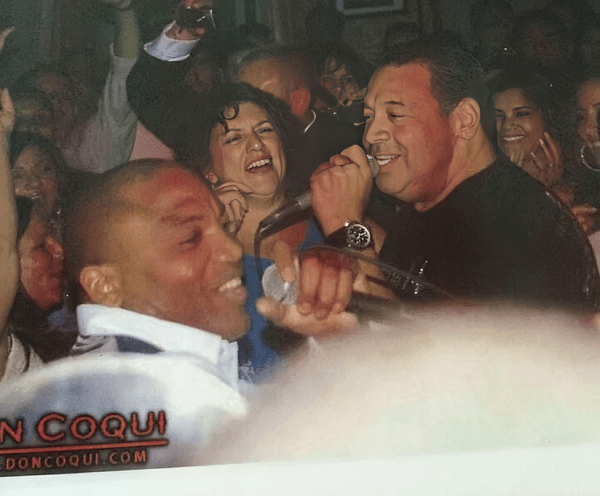
Fortunately, he got it and was recommended by other musicians to play in many places until one night he was asked to play at Don Coqui and was told that Tito Nieves would be there. Then, when it was time for Osmay and nine other musicians to perform on stage, Jimmy Rodríguez, the owner of Don Coqui, approached them to say that Nieves might come and play with them later. A little while later, the Puerto Rican actually did approach with a microphone in his hand, and both he and Osmay began to improvise, and the show lasted until two o’clock in the morning. For the Cuban, it was an exceptional experience and an unforgettable moment in his career.

Haberte Conocido

After all the progress made, in 2021, Osmay felt ready to release his first independent album, which he titled “Haberte Conocido”. This was a goal to fulfill since Hugo Oslé, who was also his singing teacher, told him and the rest of his students that it was very important to be an independent artist who wrote and recorded his own songs. 

In addition to that, he remembers that everyone in the class was a bolero singer, so he wanted to do something that would set him apart from the rest, and that is how he began to turn to salsa and other genres. This made him a much more versatile artist who could sing almost any genre coming his way. From then on, he stopped learning the original soneos of the songs and started to improvise on many occasions, which eventually led him to compose. Finally, in 2021, he wrote “Haberte Conocido,” which he put together from ideas that came to his mind and that he saved on his mobile phone during rehearsals. Then, stanza by stanza, he created the first song of his own. 

Osmay and Tito
Osmay Calvo singing with Tito Nieves at Don Coqui

Read also: Multi-instrumentalist Ian Dobson talks about his trips and academic background

  • « Go to Previous Page
  • Page 1
  • Interim pages omitted …
  • Page 55
  • Page 56
  • Page 57
  • Page 58
  • Page 59
  • Interim pages omitted …
  • Page 155
  • Go to Next Page »

International Salsa Magazine (ISM) is a monthly publication about Salsa activities around the world, that has been publishing since 2007. It is a world network of volunteers coordinated by ISM Magazine. We are working to strengthen all the events by working together.