• Skip to primary navigation
  • Skip to main content

International Salsa Magazine

  • HOME
  • Previous editions
    • 2026
      • ISM / April 2026
      • ISM / March 2026
      • ISM / February 2026
      • ISM / January 2026
    • 2025
      • ISM / December 2025
      • ISM / November 2025
      • ISM / October 2025
      • ISM / September 2025
      • ISM / August 2025
      • ISM / July 2025
      • ISM / June 2025
      • ISM / May2025
      • ISM / April 2025
      • ISM / March 2025
      • ISM / February 2025
      • ISM / January 2025
    • 2024
      • ISM / December 2024
      • ISM / November 2024
      • ISM / October 2024
      • ISM / September 2024
      • ISM / August 2024
      • ISM / July 2024
      • ISM / June 2024
      • ISM / May 2024
      • ISM / April 2024
      • ISM / March 2024
      • ISM / February 2024
      • ISM / January 2024
    • 2023
      • ISM / December 2023
      • ISM / November 2023
      • ISM / October 2023
      • ISM – September 2023
      • ISM – August 2023
      • ISM July 2023
      • ISM Edition June 2023
      • ISM – May 2023
      • ISM April 2023
      • ISM March 2023
      • ISM February 2023
      • ISM January 2023
    • 2022
      • ISM December 2022
      • ISM November 2022
      • ISM October 2022
      • ISM September 2022
      • ISM August 2022
      • ISM July 2022
      • ISM June 2022
      • ISM May 2022
      • ISM February 2022
      • ISM January 2022
    • 2021
      • ISM December 2021
      • ISM November 2021
      • ISM October – 2021
      • ISM September 2021
      • ISM August 2021
      • ISM July 2021
      • ISM May 2021
      • ISM April 2021
      • ISM June 2021
      • ISM March 2021
      • ISM February 2021
      • ISM January 2021
    • 2020
      • ISM December 2020
      • ISM November 2020
      • ISM October 2020
      • ISM September 2020
      • ISM August 2020
      • ISM July 2020
      • ISM June 2020
      • ISM May 2020
      • ISM April 2020
      • ISM March 2020
      • ISM February 2020
      • ISM January 2020
    • 2019
      • ISM December 2019
      • ISM November 2019
      • ISM October 2019
      • ISM Septembre 2019
      • ISM August 2019
      • ISM July 2019
      • ISM June 2019
  • Spanish
  • Download Salsa App
    • Android
    • Apple

Search Results for: Selena

Adelaide Tropical: Salsa reaches a wide audience at Disney California Adventure

North America – California – Anaheim

Adelaide Benavides is an artist, a businesswoman and the band leader of Adelaide Tropical.

Born in Texas, Adelaide is based in California with her different projects and putting a lot of creativity and innovation in each one of them.

Adelaide Tropica
Adelaide Tropical; a band that has become the official Salsa set of Disney California Adventure.

One of the projects that have brought her the most gratifying moments is Adelaide Tropical; a band that has become the official Salsa set of Disney California Adventure.

They are being featured on their largest stage for their Food and Wine Festival. As Adelaide expresses, this band differs from many other Salsa bands because she has achieved bring together a show of which she calls “Salsa Americana“.

Perform classics from Celia Cruz and Tito Puente, but also incorporate a lot of Latin pop that people of all cultures will recognize. Salsa arrangements of popular hits like “Havana”, “Despacito“, Cardi B, Selena and even some original Salsa arrangements of popular Disney songs. This presentation of Salsa has been very successful at Disney and many festivals because of its ability to reach such a wide spanned audience.

Currently, Adelaide Tropical is recording a salsa version and video of “Me voy a enamorar” which will be released this summer. While that moment arrives, you can see Adelaide Tropical perform at Disney California Food and Wine Festival. The Adelaide band is also continuing to perform at Downtown Disney and will be all over the west coast through the end of the summer at various festivals, city concerts, popular venues and every Sunday at Knott’s Berry Farm where they will also be doing a special tribute performance to Selena.

Adelaide Benavides
Adelaide Benavides

Adelaide Benavides has created different successful formats with great musical quality ando performances that have led her to a variety of venues ranging from Disneyland and Knotts Berry Farm, popular music festivals, grand casinos, and even the Staples Center. She was also a contestant on La Voz México 2018-2019 edition, and recently released her 2nd and all original album “Reflexiones De Mi Mente“, which can be found on all major streaming applications.
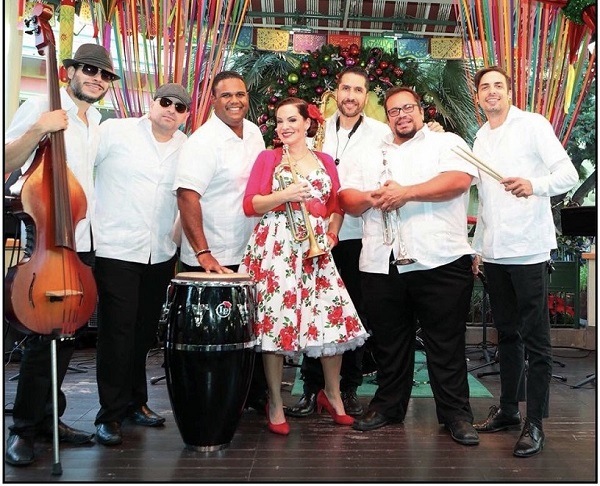
Adelaide Tropical
Adelaide Tropical Photo

You can also listen the new Adelaide’s album and presentations of Adelaide Tropical on her social media:

Website: Adelaidetheband.com

Email: [email protected]

Instagram: @adelaidepilarmusic

Facebook: Facebook.com/adelaidepilar

Twitter: AdelaidePilar

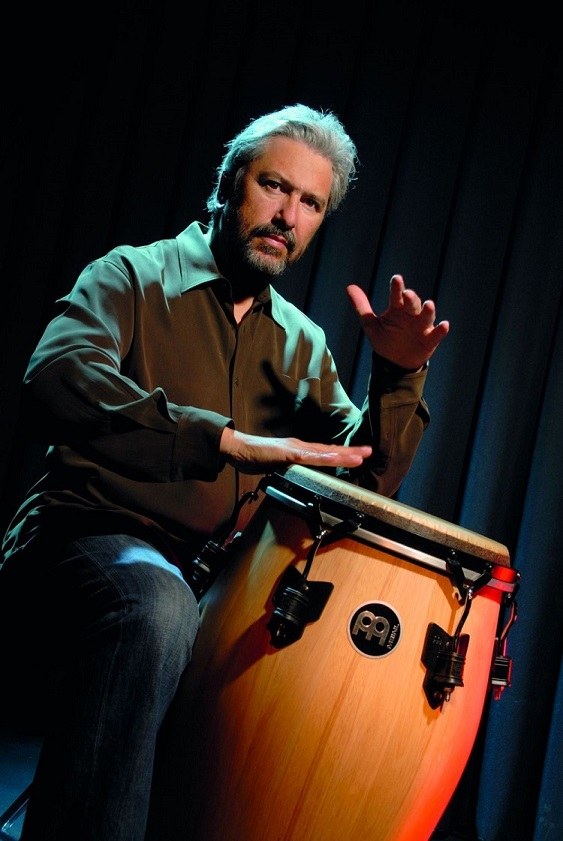
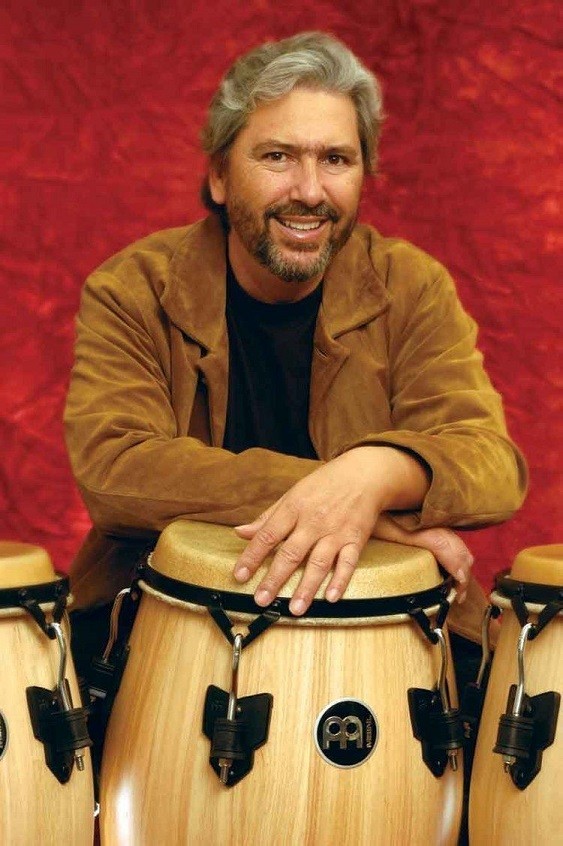
Luis Conte: A great percussionist respected all around the world

Luis Conte is recognized as one of the most respected and prolific percussionists in contemporary music. Famous and respected around the world, this Cuban artist has backed acts such as James Taylor, Madonna, Eric Clapton, Carlos Santana, Phil Collins, Rod Stewart, Shakira, Aretha Franklin, Céline Dion, Selena and hundreds more.

The Grammy winning musician Luis Conte known for flawless technique and an unparalleled ability to seamlessly incorporate Latin percussion and world drumming into popular music. He is a master of percussion instruments such as the cajon, congas, timbales, bongos, clave, cowbell, shakers, maracas, pandeiros, and guiro. In addition to Latin and World rhythms, Luis teaches Hip-Hop, Electronica, Jazz, Reggae and many other styles.

Luis Conte playing the drum

Conte is originally from Santiago de Cuba, where he grew up surrounded by the most authentic traditions of traditional popular music and the strong rhythmic presence of the music from Santiago. Living in Santiago he could see and hear the Santiago conga, the carnivals, the street rumbas. His father took him to events. He also remembers the Santiago trova. There was always music in his house and his father’s troubadour friends played. To all this he attributes a lot of his way of playing and interpreting all forms and styles of music.

Very young he emigrated to Spain and then to the United States, there he settled in Los Angeles. In this city he began his musical career as a guitarist in various rock groups. Later he developed his talent on drums and percussion at Los Angeles City College, he quickly became one of the most respected percussionists internationally.

Conte proved himself versatile musically, at the age of 18 he began to move in the musical circle, and by 1973, he was playing regularly in local clubs. He quickly became a busy studio musician, and throughout the 1970s, he played in the Latin Jazz band Caldera. His first tour was in 1974 with The Hues Corporation, they had a hit titled “Rock the Boat”. From there everything continued, always making new contacts and relationships with musicians and, since then, he has worked with countless artists and recorded on more than 2,000 albums.

Some of Luis’ musical influences :

  1. All the drummers that play in Carnival in Santiago
  2. Tata Guines
  3. Mongo Santa Maria
  4. Papin
  5. Patato Valdez
  6. Armando Peraza
  7. Francisco Aguabella
  8. Airto Moreira

His live performance and touring career took off when he joined Madonna’s touring band in the 1980s. To date, Conte has built an extremely successful career including a run composing and playing in ABC TV’s Dancing with the Stars band, among dozens or hundreds of other tv and film projects.

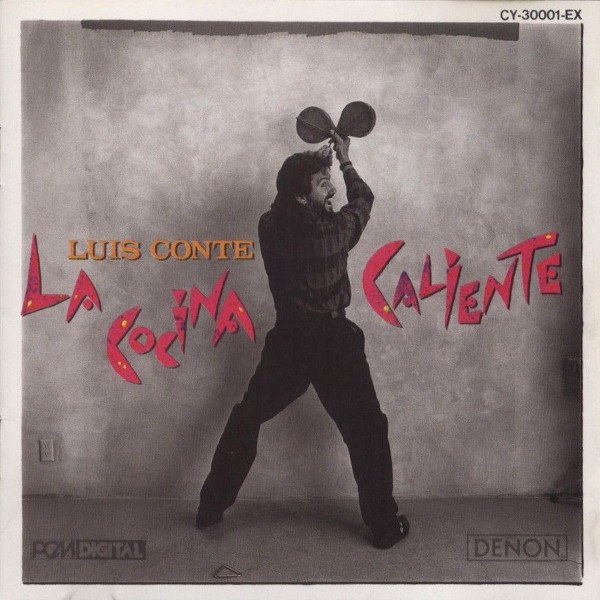
His debut as a bandleader came in 1987, when he released La Cocina Caliente, which included a Latinized version of Chopin’s “Susarasa”. Conte also played percussion on the Pat Metheny Group release ‘We Live Here’, in 1995, on the Pat Metheny ‘From This Place’, in 2020 as well as I Mother Earth’s first two albums Dig (1993) and Scenery and Fish (1996).

Conte has toured as part of James Taylor’s “Band of Legends.” He has also played alongside such famed musicians as Alex Acuña, Jaguares, Larry Klimas, and David Garfield, both as a bandleader and a sideman.

Luis Conte was part of Phil Collins 1997 “Dance into the Light” tour and 2004 “First Farewell Tour”, performing in both of them Afro-Cuban percussion and adding more depth into the concert songs. He also performed during The Phil Collins Big Band tours in 1996 and 1998 and again during the Phil Collins Not Dead Yet tours 2017/2018. In 1999 Conte collaborated in Maná MTV Unplugged project.

The cinema has also had the collaboration of this great artist who has participated in the recording of the soundtracks of well-known titles of contemporary filmography such as Transformers (1 and 2), The Lost City (Andy García), Hankock, Rain Man, Mission: Impossible, The Italian Job, among others.

Photo of Luis Conte on stage

He transmits his knowledge

Knowledge is nothing if it is not shared so that more people can progress and grow music, and Luis Conte knows it. For this reason he began the following initiatives.

Luis Conte has created an extensive repository of world percussion lessons. Students in the percussion course have unlimited access to a collection of guided, high quality percussion lessons and an extensive library of play-along tracks.

In addition, it has its own line of drumsticks and instruments supported by Meinl Percussion and the company of instruments of Zildjian. Has launched its line of congas, drums and shakers that was unveiled at the NAMM Show (2005).

Conte has the Guide to Latin Percussion Vol. I in its 2nd Edition, with the aim to help you become a well-equipped percussionist capable of performing comfortably in the most common musical situations within the Afro-Caribbean/Brazilian spectrum.

Proud to be Cuban

Luis Conte and Phil Collins

Luis Conte has always shown a deep love for his country. He carries his name with pride wherever he goes. In 2009 he had the opportunity to return to Cuba and it was a dream come true.

In an interview he stated: “When I returned to Cuba I realized that it had not been complete, my heart was missing something and that was to be back in Cuba, I am already whole.”

Conte listens and always tries to be aware of what is happening musically in Cuba. Cuba is a source of music.

He eagerly awaits the opportunity to travel to Cuba and be able to play with the great interpreters of the island.

For him, the Cuban is in the field with its royal palms, the sea breeze, the beaches, the mountains of the East, cane, tobacco and rum… the rumba, the changüí, the danzón, the mambo, the son, the tres guitar, the tomb, the bongo and the harpsichord… the maracas and the güiro. Always affirms: “Cuba is Cuba!”

Luis Conte’s Discography

In addition to having participated in countless albums for various artists, many of them worldwide success, Luis Conte has his own discography, among which is:

  • La Cocina Caliente, Denon Records (1988)
  • Black Forest, Luis Conte, Denon Records (1978, Realización 1989)
  • The Road, Luis Conte (1995)
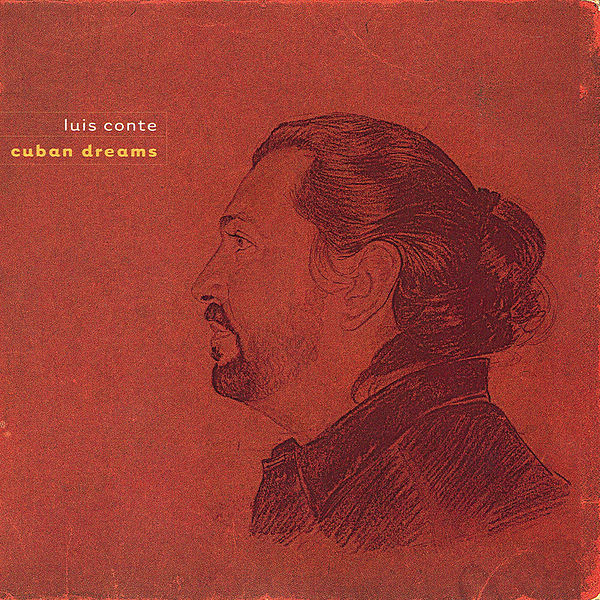
  • Cuban Dreams, Luis Conte, Rounder Records (2000)
  • Dvd Luis Conte Signature Congas, Meinl
  • Dvd Live At Pas, Luis Conte
  • Dvd Studio Percussionist, Luis Conte (2003)
  • Dvd The Latin Jazz Trio, Luis Conte, David Garfield, David Carpenter.
  • A Coat Of Many Colors, Wolds Drummers Ensemble, Summerfold (2006)
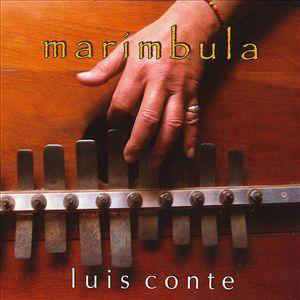
  • Marímbula, Luis Conte, (2007)
  • Dvd The Ultimate Drummers Weekend, 10th Anniversary, Dave Weckl Band (2010)
  • En Casa De Luis, Luis Conte Bmf Jazz (2011)
  • Our World in Song, Wu Man, Luis Conte Y Daniel Ho. Wind Music International (2014)
Luis Conte La Cocina Caliente
Luis Conte Marímbula
Luis Conte Cuban Dreams

Deserved awards

Luis Conte’s genius stems from his ability to integrate the powerful rhythms of his native Cuba with the American necessities of American pop music. His long and varied career has included numerous awards.

“Percussionist of the Year” – Modern Drummer Reader’s Poll (2009, 2010, 2011, 2012)

“Percussionist of the Year” – Drum Magazine (2007, 2008, 2009)

“Studio Percussionist of the Year” – Drum Magazine (2007, 2008, 2009)

Nominated for the 2015 Grammy Awards in the category of “Best Music Album in the World” for Our World in Song, Wind Music International (2014).

From 2018, is the Cultural Ambassador of Instituto Latino de la Música (ILM).

New plans are coming

For this 2020, Conte had a tour scheduled with James Taylor, but the dates have been  postponed and are being rescheduled to 2021, so no one will be left wanting to see his magnificent presentation

” I really don’t know how I got started playing. As far back as my memory will go, I owned a drum. It’s like asking someone how long they’ve been breathing.”

Luis Conte
Luis Conte

We continue working to enhance Salsa

This month I want to continue sharing good news for everyone in NY and in the Salsa world. On this occasion, Oscar Hernández and Spanish Harlem Orquesta join Spaha Salsa Gallery Museum. Oscar has donated an incredible piece that we will be exhibiting immediately.

Four times Grammy Award Winner, Oscar Hernández, has long been considered one of the most gifted and prominent pianist / arrangers on the contemporary Latin, Latin-jazz and salsa music scene. He has achieved legendary status for his prolific career spanning now over 40 years.

Hernández is the leader of the world renowned Spanish Harlem Orchestra. Won the Grammy for their second CD release, “Across 110th Street” and winning yet another Grammy with their 4th CD “Viva La Tradition” and won their 3rd Grammy with “Anniversary” in 2019. Oscar was the music producer as well as pianist / arranger on all CD’s.

Since the band’s inception in the year 2001, SHO has garnered numerous awards and world acclaim as one of the finest exponents of Salsa and Latin / Jazz music. Spanish Harlem Orchestra is generally considered one of the best Salsa & Latin Jazz Orchestras today and one of the finest music ensembles in the world.

The Bronx native has produced such artists as Ruben Blades, Paul Simon, Willie Colón “Carabali”, Daniel Ponce, Rafael Dejesus, Eddie Torres, Phil Hernandez, Steve Kroon, Juan Luis Guerra, etc.

In addition to being Rubén Blades pianist, arranger and musical director, Oscar Hernández has enjoyed a prolific musical career recording and performing with such world renown artists as Latin music king Tito Puente, Queen of Salsa Music Celia Cruz, Latin Pop Star Julio Iglesias, Juan Luis Guerra, Ray Barreto, Earl Klugh, Dave Valentin, Johnny Pacheco, Ismael Miranda, Pete “Conde” Rodríquez, Oscar De’ Leon, Luis “Perico” Ortiz, “Libre” “Grupo Folkorico Experimental “, Willie Colón, Kirsty MacColl, etc. Oscar’s musical exploits include working as Musical Director / Conductor, arranging and producing the music for “The Capeman,” pop-rock icon Paul Simon’s Broadway musical.

Oscar is also the music producer of “The Capeman” cast recording. Oscar was Musical Director / Arranger for the hit shows “Quén Mató a Hector Lavoe” and “La Lupe” at the 47th Street Theater. He was also, Music Supervisor / Arranger for the show “Four Guys named Jose & Una Mujer named María” Oscar also has released 2 CD’s as a solo artist, Oscar Hernández & Alma Libre, titled “The Art of Latin Jazz” and “Love The Moment ”on Origin Records. It is a true honor to have the donation of an incomparable musician like him in our museum. Thanks, Oscar!

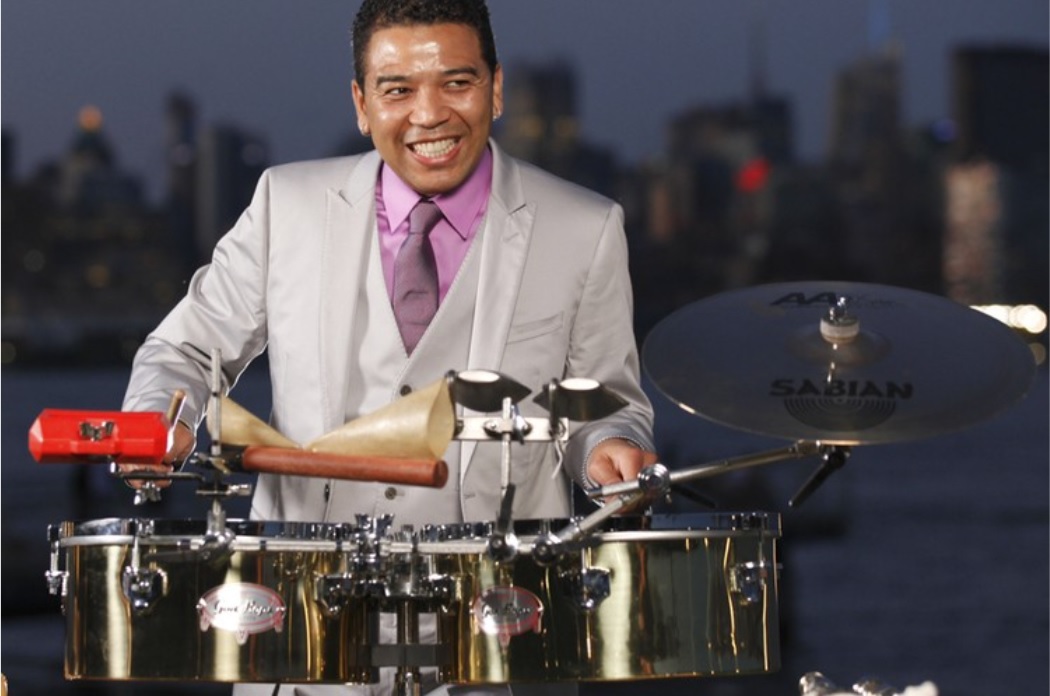
Another of the great figures of the Spanish Salsa Harlem Orchestra is Luisito Quintero, the timbalero from Venezuela. Luisito Quintero was born in Caracas, Venezuela where he had his first contact with music. Cultural influences of Afro-Venezuelan rhythms were always present at home. His father, a highly respected percussionist, taught and encouraged Luisito to play the timpani in his teens.

Luisito Quintero
Luisito Quintero

Quintero continued to refine his playing level with the Venezuela Symphony Orchestra, where his technique for playing the timpani soon caught the attention of his colleagues. Subsequently, he joined the popular music groups Guaco and the Trabuco Venezolano and traveled with Oscar D ‘León with whom he achievedan important international projection. The live performances, recordings and projects in which he has participated are countless.

He has made his mark as a percussionist with figures such as Tito Puente, Eddie Palmieri, Marc Anthony, Gloria Estefan, Richard Bona, Jack Dejonette, Willie Colón, George Benson, Natalie Cole, Herbie Hancock, Nuyorican Soul, Masters at Work, and of course, The Spanish Harlem Orchestra. Luisito is part of the group Elements of life, with whom he has toured for the last years.

The band has shared stages with major artists in the market such as Robert Plant, Lauryn Hill and Alicia Keys, performing at festivals such as Montreux Jazz Festival in Switzerland, North Sea Jazz Festival in Holland, Roskilde in Denmark, Blue Note in Japan, Jazz Cafe in London, England and the legendary New Morning Cafe in Paris, France. Without a doubt, an impressive and worth mentioning career.

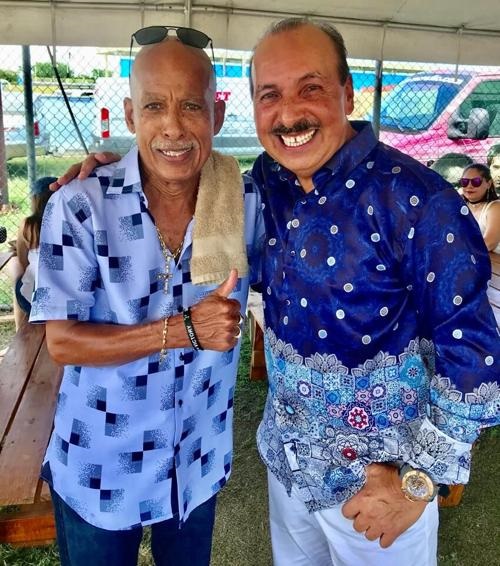
And if we are talking about incredible careers in this edition, I can’t stop talking about Adalberto Santiago and the new projects of the 60th anniversary with great artists of the genre. This his time I can tell you about Cuco Peña’s string arrangements, the participation of Nelson Jaimes and, of course, the help of my friend Freddy Miranda. At 83 years old, he is still in the rumba. There is less and less to show the world this historical piece for the world of salsa.

Johnny Cruz and Adalberto Santiago - Salsa
Johnny Cruz and Adalberto Santiago – Salsa

I also want to remember Raphy Leavitt, on the fifth anniversary of her death on August 5. In 1970 Leavitt organized an orchestra that should have a different sound and style. He wanted to select the repertoire of songs of the orchestra with a particular, positive, social and even philosophical message; and founded “La Selecta”. Since its inception, La Selecta has featured Coamo-born Sammy Marrero as one of its singers.

Marrero, who has always been strongly influenced by the music of the Puerto Rican jíbaro, had an opportunity to teach his dramatic singing style in his first hits as the almost hymn “Jíbaro Soy”, a very patriotic and unusual Puerto Rican song, “Payaso”, and “The Good Shepherd”. However, it is in the band’s signature song, “La Cuna Blanca,” that Marrero’s voice is for the most part associated.

Raphy Leavitt
Raphy Leavitt

In 1978, Leavitt discovered a young singer named Tony Vega, who became a legend among salsa singers on his own merit. Raphy Leavitt and La Selecta were responsible for the introduction of salsa in many countries. In the 1980s, Leavitt became an independent producer and produced two albums for Bobby Valentine.

In the 1990s, he established his record recording company, R.L. Records. The company’s first production was the album titled “Provocame,” which became a hit in Puerto Rico, the United States, and South America.

In 1978, Leavitt discovered a young singer named Tony Vega, who became a legend among salsa singers on his own merit. Raphy Leavitt and La Selecta were responsible for the introduction of salsa in many countries. Raphy passed away in Miami as a result of an operation of the hip prosthesis that had been installed due to an accident in 1972, and that he had become infected. Leavitt passed away in his sleep. Raphy will always be endorsers of the Salsa Museum with the clown suit of its 25th anniversary.

I also want to thank the constant and significant support for the Museum, from my friend Sully Díaz, who as endorser of the museum, is always working to promote and make our work reach more people. Sully was born in New York, the daughter of Sephardic parents from Puerto Rico. She began her career as a model, and at the age of 17 she began acting in Spanish soap operas, making herself a well-known figure on television in Puerto Rico.

In 1983 she became popular throughout Latin America with the role of Coralito, in the telenovela of the same name. From that moment on, Sully was known as “the queen of Puerto Rican soap operas.” In the early 1990s, Sully moved to Hollywood and appeared on various television shows as a guest star and worked on a few movies.

Johnny Cruz and Sully Diaz

In the mid-1990s, Sully joined four other Latina women (Dyana Ortelli, Marilyn, Ludo Vika, and Lydia Nicole) in a comedy group called “The Hot & Spicey Mamitas”. They sold out at several Los Angeles comedy clubs. They recorded a CD live called simply The Hot & Spicey Mamitas.

In 2002 Sully appeared in the play La Lupe: My Life, My Destiny, in which she played the Cuban singer La Lupe. Shortly after the execution of this work, Sully made her own production of La Reina, La Lupe. This work toured all of Puerto Rico and was a great success in Florida. That same year, she starred in the Puerto Rican thriller “Cuéntame tu pena”, in which she plays Isadora, a radio host who receives a call from a woman who is killed while on the air.

In 2004 Sully toured with Gilberto Santa Rosa in a play called “The True Story of Pedro Navaja.” In 2009 Sully appeared in the movie Princess Protection Program as Reina Sofía, along with Selena Gómez and Demi Lovato.

Papo Rosario and Isidro Infante - Photo
Papo Rosario and Isidro Infante

Recently, Papo Rosario released his new single “Gracias” produced by arranger and musician Isidro Infante. Rosario appreciates being alive and being able to walk after being bedridden as a result of a car accident. Papo Rosario is a world-class artist who has put the name of Puerto Rico on high. Rosario, who retired in 2019 from the group considered the “University of Salsa”, El Gran combo de Puerto Rico, after having an accident and presenting health problems, affirms that he already feels ready to resume his musical career with the Launch of his first solo production by producer Isidro Infante. I wish you success in this new beginning.

The invitation to tune in to the new Fm / Internet radio station on Live365.com: Salsagallery continues. Great music, artist interviews and much more.

Oscar Hernandez
Oscar Hernandez

At the Spanish Harlem Salsa Gallery Museum we are happy to affirm that New York City is preparing to resume its activities little by little. We hope to have more news soon and that we can return to normal soon.

By Johnny Cruz, ISM Correspondent, New York, New York City

A walk through the history of Latin music in the United States

Latin music has been of great in­fluence for singers in training and, without a doubt, marked the lives of its pioneers. Some born in Spanish-speaking countries and others with descent from these lands have not been able to put aside the ­flavor that has been inherited to them. There are those who affirm that these tropical and Caribbean rhythms are carried in the veins and it is very difficult to get rid of these roots.

The arrival of Latinos in the United States also implied the arrival of their customs and culture. Latin music is considered to be a large number of genres, including: salsa, merengue, bachata, bolero, bossa nova, reggaeton, rumba, ranchera, cumbia, tango, among others.

Photo of Latinamerican Festival at Nagoya in Golden Week

Latinamerican Festival at Nagoya in Golden Week

How did Latin music begin to enter the United States?

Latin American music has in­fluenced American music, starting from jazz to country music. Many bands added congas, percussion, or maracas to their instruments as they were drawn to the result these elements brought.

Starting in 1940, the music of Latin America, which still did not have a specific term, covered a greater number of audiences in the United States; international radio networks broadcast different themes of the time. In addition, they featured different Mexican bolero musicians such as Alfredo Antonini, Néstor Mesta Chayres, Eva Garza and Juan Arvizu. In the 1940s the US also heard the “Calypso” with great acceptance.

It was not until the 1950s that the term “Latin music” became popular, seeking to establish a difference between Afro-American and Afro-Latin American rhythms. Some artists marked this musical fusion to a greater extent, making the best of Latin music known on American soil. During the 1950s, music brought to the north from the island of Cuba, such as mambo, cha-cha, and rumba, was very popular. As well as the famous Mexican songs: rancheras and mariachis.

Some Latino artists who marked the history of Latin music in the United States Tito Puente was an American percussionist with Dominican origins remembered for his participation in worldwide jazz, Cuban music and salsa. In 1950 he helped promote the genre of mambo and cha-cha. His album “Dance Manía” was considered the most famous by the artist, it was one of the most heard among the Latino community in the US The album also set a precedent by being recorded in Spanish, generally, Latin albums were in English or with instrumental songs. It was Tito Puente who broke with this tradition.

At the beginning of the 20th century, tango touched American soil. Then, in the 70s, the Argentine Astor Piazzolla gave something to talk about by demonstrating his passion for the genre and revolutionizing what was known until that moment. Piazzolla was born in Mar de Plata but lived in New York from a very young age. It definitely changed the way of looking at music that was long marginalized, it was considered the music of the working class. The singer made mixtures between tango, jazz and contemporary classical music. His songs were a great success and were famous in bars of the time.

It was not until the late 1960s and early 1970s that the term “salsa” began to become known. Afro-Caribbean musicians mixed Cuban dance with infl­uences from jazz, Caribbean music, and American rhythms. Although in previous decades it had already had its beginnings, it was in the streets of New York where it was consolidated as a commercial success.

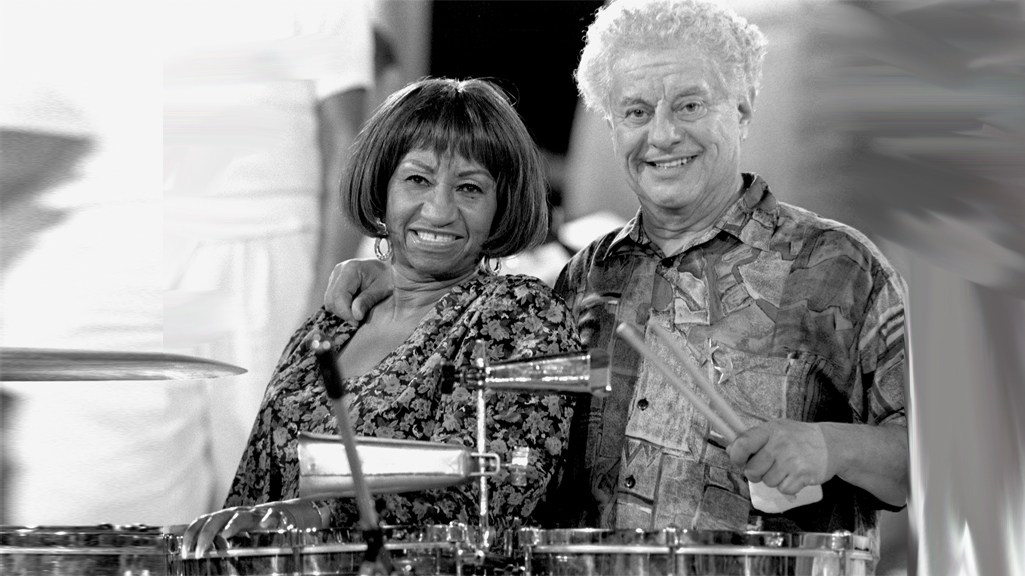
Photo by Celia Cruz and Tito Puente

Celia Cruz and Tito Puente – Latin music

Salsa launched artists who are now legends to stardom, such as: Celia Cruz, Willie Colón, Héctor Lavoe, Rubén Blades, Johnny Pacheco, among others.

Between the 1970s and 1990s, Dominican immigrants to the United States continued, especially to New York City, and promoted genres such as merengue and bachata. Juan Luis Guerra was one of the great exponents of both styles.

In the 90s, Selena mixed the Texan aesthetic with pop, giving her the title of the highest representative of the genre.

Entering the 2000s

In this decade, Latin rhythms continued to set the trend. Singers like Rubén Blades returned with songs that promised to be hits in the country.

At the end of 1999 Marc Anthony surprised his followers with an album of the same name. Although he was already known in the salsa genre, he decided to try other styles. With the intention of reaching the Anglo market, he is encouraged to sing in English. “I Need To Know” is a cha-cha song that quickly became popular in the United States. For eleven weeks it remained in the top North American positions, ranking in the Top 10 on the Billboard. The Spanish version won the Grammy for the best Latin song of the year 2000.

Marc Anthony was one of the artists who marked this decade in the US That same year a compilation of his best salsa songs went on sale, which he called: “Desde el principio”. With these successes to his credit within this country, he set out to make an important tour of the United States. Canada and Central America. Madison Square Garden in New York was over­flowing with fans who wanted to hear this American singer but who positioned himself as the leader of a Latin genre.

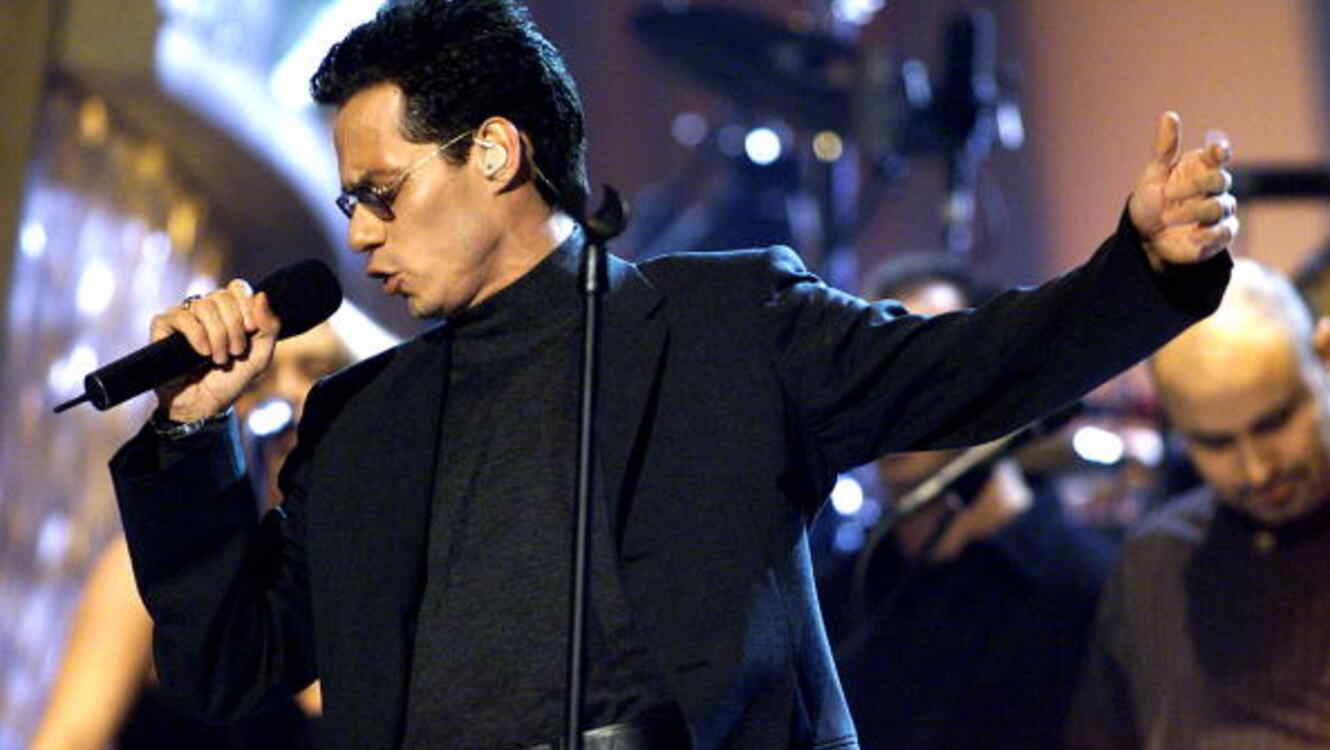
Photo by Marc Anthony

Marc Anthony

The opening of “I Need To Know” appeared in the Nissan Versa commercial in the United States and in 2009 it also featured in an American Dad chapter, an American television series; thus giving greater projection to this genre throughout the North American territory.

During this decade, salsa and Latin music in general ended up positioning themselves in the United States.

In 2002 Blades launched his album “Mundo”, becoming one of the most popular in the United States. In fact, it won a Grammy. The album contained a mix of various rhythms and instruments. The artist wanted to create a fusion of cultures and musicians from different countries. “Estampa” was a subject with great acceptance as it evoked the Afro-Cuban infl­uence in New York music.

By the year 2000, there were already music channels and with them the projection of emerging talents who in many cases did not speak the English language. The dynamics of these channels focused on the public, who chose which songs and videos were to be played, giving the opportunity to many young, little-known artists. They were also considered a springboard for the singers of the season and the Latin movement in general.

A movement that is here to stay

Latin music had come to continue making history and it was time to give it greater merit within the American spectacle.

Today, Latin singers, songwriters, and bands are innumerable. Latin music continues to gain space in the United States and more and more artists are achieving success within its borders. In addition, the endless awards that enhance their work in the industry.

Ruben Blades - Mundo

Ruben Blades – Mundo

The consumption of these musical rhythms has increased throughout the American territory. Latinos and followers of this genre have gained space over the years; they can enjoy nightspots, live music, festivals, concerts and much more. Long live Latin America and its people! Long live the United States and the countries that have opened their doors to Latin music

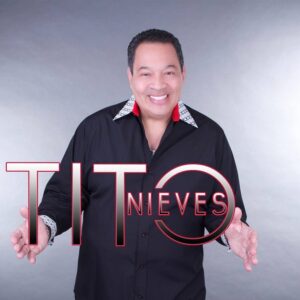
Tito Nieves The Pavarotti of The Salsa

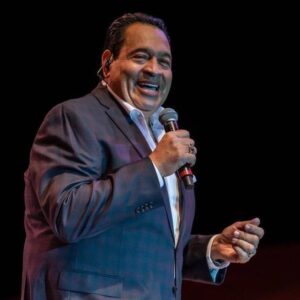
Humberto Nieves, (Río Piedras, Puerto Rico, June 4, 1959), better known as Tito Nieves, is a Puerto Rican salsa singer of American origin, known by the nickname of The Pavarotti Salsa.

Tito Nieves

Tito Nieves

Tito Nieves began his career while participating in Orquesta Cimarrón, a group that originated in New York.

In 1977, he teamed up with singer Héctor Lavoe and his Orchestra and joined the Conjunto Clásico.

In 1979 in New York he recorded the production with the outstanding boricua composer Jhonny Ortiz for the Fania Records label that same year in Puerto Rico under the support of the New Generation label. Tito Nieves recorded with the also boricua percussionist Julio Castro and the Massacre the production of El Pregonero.

Later, Nieves decided to start his solo career in 1987, apart from singing salsa in English.

He is known for his hits such as El Amor Más Bonito, Sonámbulo, and the English-language salsa hit, I Like It Like That.

In 1988 he was presented with the opportunity to record for the RMM label. His first big hit for the company was the song “Sonámbulo”, a composition by Leo Casino, which appears on his first album for RMM, entitled “The Classic” which reached a gold record.

With this album, Tito Nieves definitely imposed his interpretive style, launching himself to conquer international markets, setting the tone for other artists who later form the nucleus of what is known as “The Sound of New York”, championed by RMM.

“Yo quiero cantar”, the second album for RMM in 1989, brought a pleasant surprise. The English-language song “I’ll Always Love You”, taken in the style of salsa, became a hit on English-language radio stations.

Thanks to this and other songs, the album reached the numbers to be credited as a Gold Record. With this production Tito Nieves expanded horizons making the famous “crossover” to the Anglo-Saxon market.

His third production “Déjame vivir” in 1991 reached a platinum record, including the hits “De mí enamórate”, “Te amo”, “Déjame vivir”, “Almohada” and “How To Keep The Music Playing”. His fourth recording was released in June 1993 under the title “Rompecabeza (The Puzzle)”.

Inspired by the success of his songs in English, Tito decided to include two songs in this language “Can You Stop The Rain” and “You Bring Me Joy”.

In 1995 his fifth album, “Un tipo común”, was released, produced in Puerto Rico by Cuto Soto and had arrangements by Ramón Sánchez, Julito Alvarado, Louis García and Cuto himself. The production included the song “No me vuelvo a enamorar” by the Mexican singer-songwriter Juan Gabriel and with arrangements by Sergio George.

Another surprise on the album was Tito’s version of Selena’s classic song “No me queda más”.

Tito Nieves definitely had a strong impact on the Anglo-Saxon market with his sixth production recorded all in English “I Like It Like That”. This song took him to great stages such as the UPN TV show VIBE.

Hits from the album Fabricando Fantasías (2004) include Fabricando Fantasías and Ya No Queda Nada with La India, Nicky Jam, and K-Mil.

In 2005, he released Hoy, Mañana and Siempre which contains the hits Esa Boquita, Si No Fuera Él and Tu Belleza.

In 2007, he released Canciones Clásicas de Marco Antonio Solís, a tribute to Mexican singer-songwriter Marco Antonio Solís

  • « Go to Previous Page
  • Page 1
  • Page 2
  • Page 3
  • Page 4
  • Go to Next Page »

International Salsa Magazine (ISM) is a monthly publication about Salsa activities around the world, that has been publishing since 2007. It is a world network of volunteers coordinated by ISM Magazine. We are working to strengthen all the events by working together.