• Skip to primary navigation
  • Skip to main content

International Salsa Magazine

  • HOME
  • Previous editions
    • 2026
      • ISM / March 2026
      • ISM / February 2026
      • ISM / January 2026
    • 2025
      • ISM / December 2025
      • ISM / November 2025
      • ISM / October 2025
      • ISM / September 2025
      • ISM / August 2025
      • ISM / July 2025
      • ISM / June 2025
      • ISM / May2025
      • ISM / April 2025
      • ISM / March 2025
      • ISM / February 2025
      • ISM / January 2025
    • 2024
      • ISM / December 2024
      • ISM / November 2024
      • ISM / October 2024
      • ISM / September 2024
      • ISM / August 2024
      • ISM / July 2024
      • ISM / June 2024
      • ISM / May 2024
      • ISM / April 2024
      • ISM / March 2024
      • ISM / February 2024
      • ISM / January 2024
    • 2023
      • ISM / December 2023
      • ISM / November 2023
      • ISM / October 2023
      • ISM – September 2023
      • ISM – August 2023
      • ISM July 2023
      • ISM Edition June 2023
      • ISM – May 2023
      • ISM April 2023
      • ISM March 2023
      • ISM February 2023
      • ISM January 2023
    • 2022
      • ISM December 2022
      • ISM November 2022
      • ISM October 2022
      • ISM September 2022
      • ISM August 2022
      • ISM July 2022
      • ISM June 2022
      • ISM May 2022
      • ISM February 2022
      • ISM January 2022
    • 2021
      • ISM December 2021
      • ISM November 2021
      • ISM October – 2021
      • ISM September 2021
      • ISM August 2021
      • ISM July 2021
      • ISM May 2021
      • ISM April 2021
      • ISM June 2021
      • ISM March 2021
      • ISM February 2021
      • ISM January 2021
    • 2020
      • ISM December 2020
      • ISM November 2020
      • ISM October 2020
      • ISM September 2020
      • ISM August 2020
      • ISM July 2020
      • ISM June 2020
      • ISM May 2020
      • ISM April 2020
      • ISM March 2020
      • ISM February 2020
      • ISM January 2020
    • 2019
      • ISM December 2019
      • ISM November 2019
      • ISM October 2019
      • ISM Septembre 2019
      • ISM August 2019
      • ISM July 2019
      • ISM June 2019
  • Download Salsa App
    • Android
    • Apple
  • Spanish

Search Results for: Sonora+Matancera

Papo Lucca. The Giant of the South

Latin America / Puerto Rico

Papo Lucca born in Ponce, Puerto Rico on April 2, 1946, Enrique ‘Papo’ Lucca began playing the piano at age 11 with his father’s orchestra. Initially, La Ponceña played versions of tropical hits of the moment by bands like Cortijo y su Combo and La Sonora Matancera.
Papo Lucca. The Giant of the South

In the late 1960s, Papo became the orchestra’s musical director, beginning a profound transformation that would eventually establish la Ponceña as one of the most progressive groups in the history of Afro-Caribbean music. Papo’s orchestrations were bold, experimenting with elements of jazz, rock, and Brazilian music. Representing the authentic spirit of Puerto Rican salsa, his piano solos were velvety, displaying elegance, restraint, and infinite swing.

During the mid-’70s, La Ponceña began to enjoy unprecedented success with critics and the public. The band recorded for the Inca label, which eventually became part of the Fania empire. Papo was invited to arrange and play on sessions for the company’s biggest artists, including Johnny Pacheco, Celia Cruz and Cheo Feliciano. He also recorded and toured with the Fania All Stars.

This compilation pays tribute to the art of Papo Lucca through 14 classic songs recorded between 1967 and 1981. Although Lucca has recorded as a solo artist and also collaborated with a multitude of salsa stars, it is his work with La Ponceña that best expresses the clarity of his vision.

The music we make has to make people happy, as well as make them dance. That’s what it’s all about, says Lucca from her home in Puerto Rico. When the public can dance, no matter how complicated the music is. The first theme that this genre had was to divulge the things that happened in the different communities, as if it were a newspaper.

Our journey begins with two fiery songs from the beginnings of La Ponceña: “Hachero Pa’Un Palo” and “Fuego En El 23” are versions of songs by Cuban Arsenio Rodríguez. La Ponceña always had a soft spot for Puerto Rican folklore, but she also found inspiration in the golden age of Cuban music.
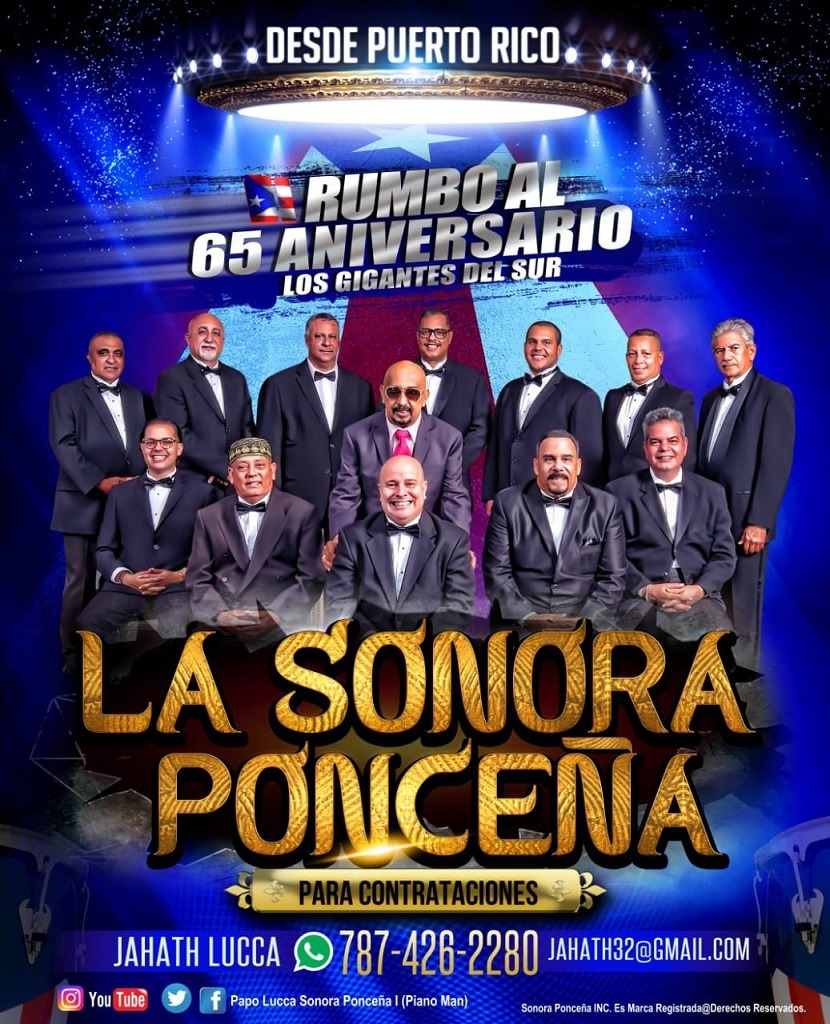
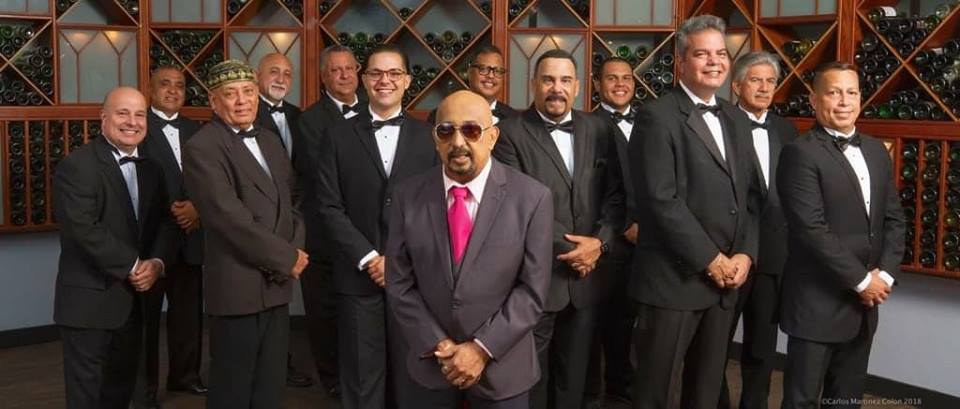
La Sonora Ponceña
La Sonora Ponceña

The precise moment in which La Ponceña becomes a mature orchestra in total control of its aesthetics can be found in the six songs from the Musical Conquest/Conquista Musical and El Gigante Del Sur albums. Launched on the market in 1976 and 1977 respectively, they represent the pinnacle of the salsa movement.

These songs combine a musical skill that approaches virtuosity with deep lyrics and a generous sense of humor. “Ñáñara Caí” is a hilarious narrative of pure magical realism, describing a world where everything is turned upside down (my favorite phrase: I saw a cow/Hit with Pacheco). Also included in Musical Conquest, “El Pío Pío” achieves the perfect cross between Afro-Cuban rhythm and contagious pop. This hit is a mandatory part of all La Ponceña concerts.

The opening theme of the El Gigante Del Sur album, “Boranda” seems to offer a salsa version of progressive rock. Its lyrics contain an important sociopolitical message, and the sophistication of its arrangement is a slap in the face for all those who believe that this music is only for dancing. “Soy Tan Feliz” combines bolero climates with an electric piano solo that recalls the psychedelic sound of jazz-rock from the ’70s. “Noche Como Boca ‘E Lobo” creates a tasty collision between salsa fever and Brazilian rhythms.

Lucca was not alone in his mission to reinvent the rules of Puerto Rican dance music. It was also benefited by the prowess of some of the best instrumentalists on the island. Furthermore, his instinct for choosing singers was always irreproachable.

Some of the vocalists of la Ponceña that appear here are Tito Gómez, who would later find fame with the Grupo Niche de Colombia; the inimitable Luigi Texidor, who gave a sense of placidity to all the songs he performed; and Yolanda Rivera, who added variety to the band’s sound with her unique timbre.

One of Rivera’s happiest moments is included here: Coming from 1980’s Unchained Force, Johnny Ortiz’s “Borinquen” is a soulful anthem to Puerto Rico, blessed with a sinuous melody and subtle instrumental arrangement–one of Rivera’s happiest moments. transcendental within the Ponceña canon.

The golden days of salsa are a distant memory in the new millennium, but Papo Lucca hasn’t stopped shining. Perhaps precisely because he continues to record new music, he refuses to idealize the past when I ask him what his favorite album with “La Ponceña.”

The last one, the most recent, he explained in his characteristically introverted tone. All the albums are very important in the career of the orchestra. They all fulfilled their mission at the time, which was to reaffirm the previous one. That’s the way to maintain a pool after 50 years.
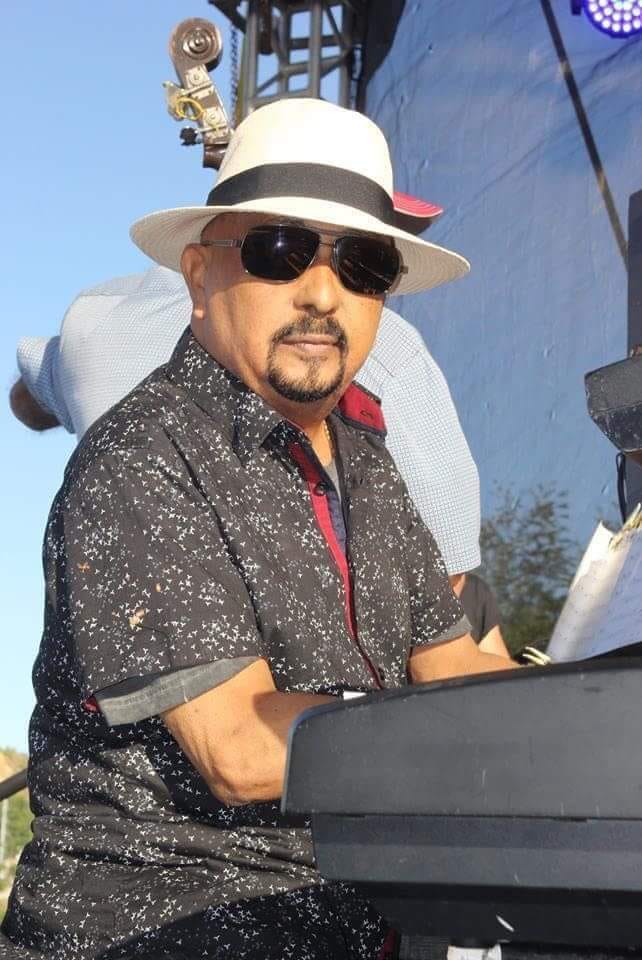
Papo Lucca
Papo Lucca

The teacher was a little more direct when I asked him about his favorite concert of all time.

It was my first concert with the Fania All Stars at Madison Square Garden, back in 1974, he said. All the stars of the Fania were still alive. A few years later we played in front of 47,000 people in Cali. My knees always shake before I go on stage, but this time they shook a little more.

Leader of K’ndela Salsa Band Eric Cabanilla and all his entertainment company has to offer

We are very pleased to be able to talk to the leader of K’ndela Salsa Band, a salsa group which has been gaining ground in New Jersey despite the great competition it faces. 

Eric Cabanilla is a talented musician who, in addition to founding a successful band, has also managed to build an entertainment company with a solid team that has put its talents at the service of large audiences eager to enjoy a quality show. The artist has told us some of the most important details of his career, and we bring them here for all of you.

Eric Cabanilla posing for the amera
Leader of K’ndela Salsa Band Eric Cabanilla posing for the camera at an event

How Eric started to like music 

Eric started his story saying that he and his siblings listened to the music their mother played as she cleaned the house and her children helped her with household duties. Back then, there were many romantic artists and groups such as Los Iracundos and La Sonora Matancera. These melodies helped him understand his love for salsa today.

One important thing to mention is that there were no musicians in his family to teach him about the professional part of this craft, so it can be said that he was the first to make this his way of life till today. His first impulse in this regard was to start writing poems at school, and he even won some poetry contests, which awoke in him the taste for putting words together to create pleasant sounds for others.

It was his great friend and musician Mike Pérez who encouraged him to put these compositions to songs, so he took those poems and rhymes he had created and added music to them. He worked alongside Mike for about seven years singing backup for the Orquesta Swing Combo until his sudden passing, which led to the dissolution of the group. Fortunately, the musicians were not left unprotected and could get a job in a new orchestra with new sound.

During this time, he had the opportunity to learn a lot about how the music biz works, as his responsibilities included institutionalizing the orchestra and formalizing its schedule through emails, business cards, written contracts, and that sort of thing. 

Angel Peguero, Eric Cabanilla, and Stephany Moore
Dancer Angel Peguero, Eric Cabanilla, and dancer Stephany Moore

Thanks to all this acquired knowledge, once Swing Combo broke up, Eric already had an accurate idea of what to do when creating his own orchestra and how to manage it, so he jumped into action from there. 

K’ndela Salsa Band

After all the experience he had gained, Eric finally decided to build something of his own, as he felt ready to take on such a challenge.

One of the first people he counted on was maestro Jimmy Bosch, “El Trombón Criollo,” who has a 50-year career and his own orchestra, Salsa Masters. He is always traveling the world with his orchestra, but whenever he is required to play with Eric and K’ndela Salsa Band, he makes an appearance without hesitation. He describes Bosch as a very professional man, to the point that he is the first to arrive and the last to leave at any rehearsal. 

Together with Eric and Bosch, K’ndela also leverages the talent of other great musicians like bassist Edgar “Danny” Rosado, pianist Ray “El Loco” Cabrera, Xabi “El Chamo” Estrada, Eric Pizza, Brian ‘Tibiri’ Pozo, Jimmy “El Nene” Feliciano, and Daniel “El Gato” Arboleda.

This orchestra project was his first professional goal, but once he made it, he did not want to be confined to that. He also wanted to offer a complete package that offers more comprehensive entertainment than just playing and singing. That is when he took advantage of their closeness to a dance school where he sometimes performed to be in touch with dancers who wanted to join their shows.

Eric and the rest of the band
From left to right Ray “El Loco” Cabrera, Danny Rosado, Eric Cabanilla, Xavi “El Chamo” Estrada, Erik Piza, Brian “Tibiri” Pozo, Jimmy “El Nene” Feliciano, Daniel “El Gato” Arboleda and Jimmy “El Trombón Criollo” Bosch

Additionally, he hired a relative who worked as a mariachi, who in turn introduced him to other artists who did the same thing so he could hire them. Over time, he also included DJs who would liven up all kinds of events with their diverse mixes.

Something Eric wanted to clear up is that all these professionals are permanent workers in his company. He has a very good relationship with many dance schools in New Jersey, to which he offers his packages, and there is always a very generous group of its dancers that accepts the proposal. Whenever Eric is involved in a festival or private event, he never has any problem finding talent in the field of dance to accompany him thanks to his reliability, professionalism, and great respect for the work of others.

Read also: The Cajón throughout history

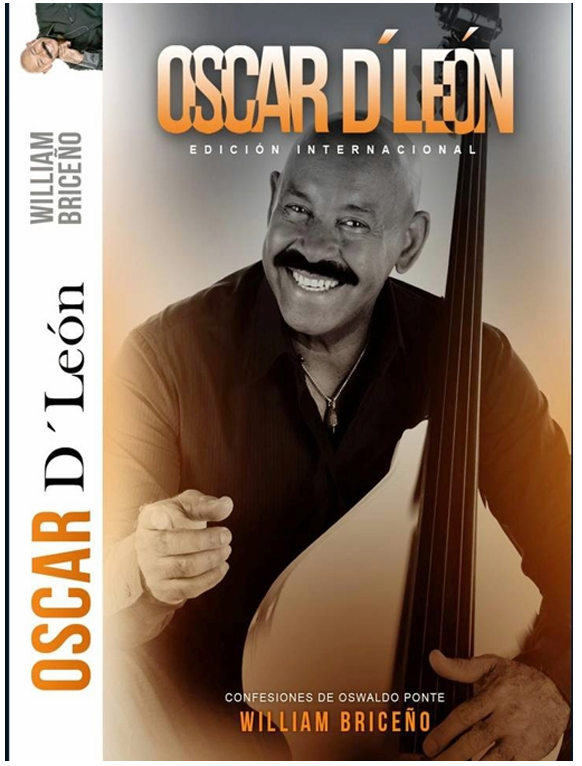
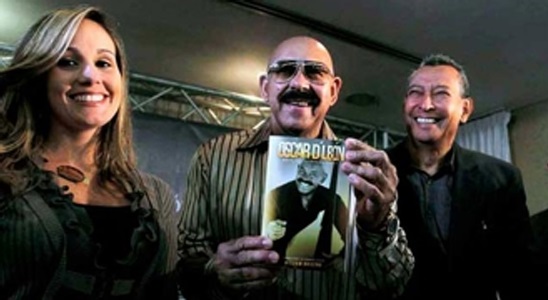
Oscar D’ León confessions of Oswaldo Ponte by William Briceño

Latinoamerica / Venezuela / Caracas
Oscar D' León
Oscar D’ León

Part 1

This book narrates the story of the famous singer Oscar D’ León from his birth and his life’s progress to who he is today; it also mentions how the era evolved, not only at a musical level but also regarding the situation of the country, both in Venezuela and other nations.

Before beginning to comment on the biography written by his manager, Oswaldo Ponte: biographies do not only try to remember great men who extend beyond their era. In this way, through this biography, the goal is to spread an idea about the work of the well-known artist “Oscar D’ León,” who has brought greatness to the country, crossing the line of his horizon and extending it toward other latitudes. One could say it is like a novel that not only speaks of successes or already known events, but also tells us about the reality of his life and not just what acquaintances or representatives of the artist think.

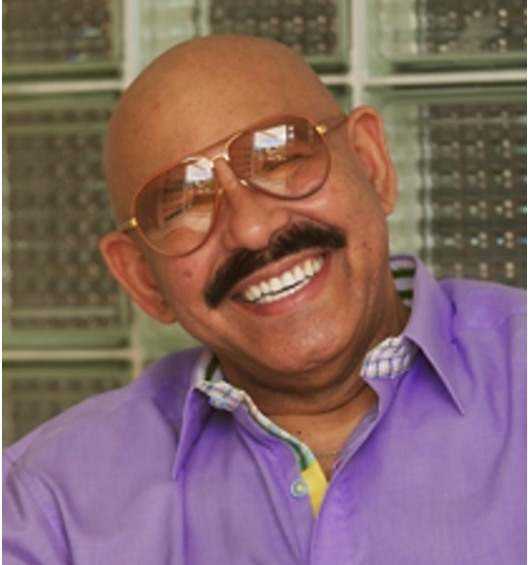
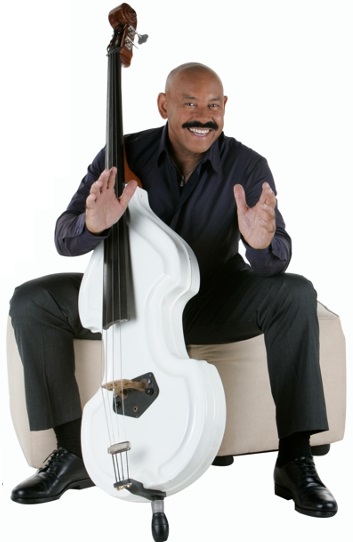
Photo1: Oscar D' León
Photo1: Oscar D’ León

The biography begins with the birth of Oscar Emilio León Simosa on July 11, 1943, in Caracas, Venezuela; where not only his family but other friends were present, one of whom ironically mentioned that in the future “he would be a great singer” since his crying was like a symphony. According to his mother, “Carmen Dionisia,” the midwife told her that he was born “enmantillado” (born with a caul), which meant the baby could have a multitude of gifts that he could take advantage of in the future.

It is worth mentioning that at an early age, he had more passion for music than for his studies, and he came to the conclusion that studies were not the best thing for his future; therefore, he dedicated himself to helping at his parents’ business to contribute to the household.

Since he was very young, he enjoyed listening to “Sonora Matancera” in a corner at night, which was the musical group of the era, and he would follow the percussion with his throat. He also listened to jazz orchestras, which led him to the conclusion that music would be his vocation; he was fascinated by listening to his mother hum the hits of 1953 by the Orquesta Aragón and Dámaso Pérez Prado.

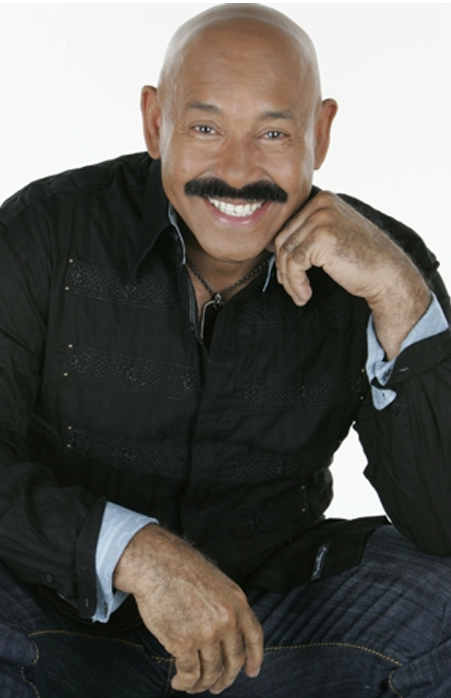
Oscar D' León - Photo 1
Oscar D’ León – Photo 1

Fortunately for the future singer, his family was passionate about music and had close relationships with musicians, singers, and players of all types of instruments even if they were not professionals. This warm, joyful, and above all, musical atmosphere embraced Oscar from the moment he was born. It was even shown that at an early age he had a certain interest in any object that emitted a musical sound, and he longed to learn how to use musical instruments. Despite having a humble family, Oscar himself managed to use various objects to create something that generated a musical sound and to discover his own rhythm, which he enjoyed at that time.

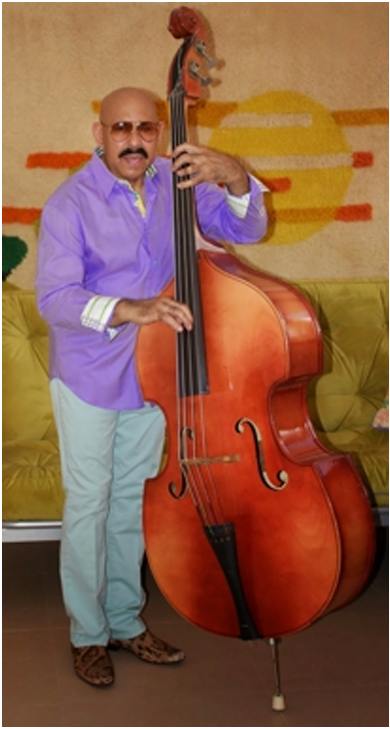
Oscar D' León - Photo 2
Oscar D’ León – Photo 2

Simosa, which was on July 11, 1943, in Caracas, Venezuela; where not only his family but other friends were present, and ironically one of them mentioned that in the future “he would be a great singer” because his crying was like a symphony. According to his mother, “Carmen Dionisia,” the midwife told her that at birth he was “born with a veil” (enmantillado), which meant the baby could have a multitude of gifts that he could take advantage of in the future.

During his adolescence in Venezuela, many significant political changes were occurring for the population; however, they did not stop celebrating festive seasons with his family even in difficult times. Many “parrandas” (parties) were held, something that Oscar enjoyed very much.

In 1958, he mentions that a phenomenon was occurring with the musical style of “Dámaso Pérez Prado’s Mambo”; also, at the Club Las Fuentes, the Sonora Matancera resonated with “Celia Cruz” alternating with the “Caracas Swing Boys”. A movement of orchestras influenced by foreign rhythms that thrilled Venezuelans began to be observed on a national level, such as Billo’s, which won the precious title of the most popular orchestra in Venezuela. Oscar was not interested in societal events, except for events in Cuba, since Cuban music was what fascinated him.

Photo: Oscar D' León confessions of Oswaldo Ponte by William Briceño
Photo: Oscar D’ León confessions of Oswaldo Ponte by William Briceño

Starting in 1962, he became a father, and marveled by his new life and his firstborn, he dedicated himself to his role as a father, keeping his family supported by working; this caused him to step away from music, and his maturity can be witnessed despite his age.

By the age of 23, he already knew how to sing and play the bass; over time, he met friends who would influence great changes in his future life. In 1966, he met Kiko Pacheco, who invited him to the group “Los Junior,” where he would begin his professional career. During that same year, salsa was taking off in Venezuela, as it was heard on all the country’s radio stations.

During that era, life was expensive, so he worked hard both in clubs and discotheques or as a taxi driver. On one occasion, Kiko Pacheco asked Oscar to sing in the “Quinteto Los Junior” because their vocalist had to leave; this allowed Oscar to demonstrate his talent, and from that moment on, everyone was enchanted upon hearing him, and his musical profession began. Later, “La Dimensión Latina” was created, which at that time was known as “Dimensión Seis,” founded by Oscar D’ León and Cesar Monge.

The members who formed “La Dimensión Latina” were Oscar de León, Cesar Monge “Albóndiga,” and José Rojas “Rojita” on trombones; José Rodríguez “Joseíto” and Elio Pacheco on percussion; and Enrique “Culebra” Iriarte on piano. A significant event for Oscar was that, during their first rehearsals, he had a premonition of his success when they found the rhythm he wanted to hear and share with the rest of the musical world. This was proven during their first performance, which was a total success, leaving everyone who heard them stunned.

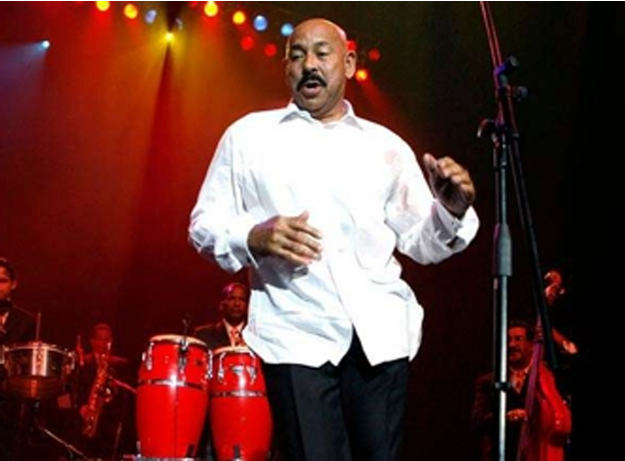
Oscar D' León singing
Oscar D’ León singing

From that moment on, with the debut of La Dimensión Latina, a new concept emerged that would change the landscape of popular Venezuelan music and make history both nationally and internationally with the rise of the legend Oscar D’ León. They began playing for five months at “La Distinción” from Friday to Saturday. On Sundays, after finishing there, they would go to El Junquito to continue the party, gaining so much popularity that some felt they should launch an international career. During that time, singer-songwriter Mireya Delgado hired them after being impressed by seeing them perform on stage.

They played on a cruise ship during a one-week tour through different Caribbean islands and achieved great success despite the inconveniences they faced. They paid these no mind, as they dedicated themselves wholeheartedly to playing for their audience. This caused venues to become packed, captivating their fans who idolized them. From that point forward, many people began wanting to hire them for various events.

Here is the translation of the text into American English:

In that same year, 1972, a dizzying and unstoppable recording career began. This was based on the fact that executive representatives from the TH label heard two tracks: one was “Oye mi canto,” which was a hit for Gran Combo de Puerto Rico, and the other was “Te voy a cortar las patas” by Oscar D’ León. Because this made a great impact and created absolute conviction among the executives that they were witnessing a success, the promoter Mesone, upon hearing them, agreed to carry out a recording. This recording was shared with the Víctor Mendoza Orchestra, one of the TH producers in Venezuela: El Clan de Víctor.

2- Oscar D' León
2- Oscar D’ León

The album featured three tracks by Oscar; he recorded two of them with Dimensión Latina and the other with El Clan de Víctor. However, he does not appear as the author in the credits. The same thing happened with an album in 1991 when recording the album Auténtico. Among the 80 tracks that Oscar wrote, two of them are his immortal classics and of his authorship: “Llorarás” and “Detalles”.

For the first time in Venezuela, Salsa festivals were held that moved everyone. From that moment on, a true proliferation of salsa was witnessed in the country, all thanks to “Pensando en ti,” which had a major impact on the history of Venezuelan popular music.

After the success of his new discography—which contains “La comprita,” “Barranquilla,” and “Barranquilla y Quiéreme,” among others—three important international contracts were signed. Oscar and Dimensión Latina would go to Curaçao, Aruba, and Bonaire; that same year, they would also go to Colombia and Santo Domingo. However, it is worth noting that the period from “Pensando en ti” to “Que bailen to’s” covered the stage that catapulted him internationally.

Here is the translation of the text into American English:

The production of Dimensión Latina’s 1975 discography was the one that left an eternal mark, whose immortality was glimpsed from the very moment of its appearance. Its tracks focused on themes of romantic heartbreak. However, the rhythmic conception of “Llorarás” was the most important conception and structure of Oscar D’ León and Dimensión Latina; in fact, the song “Llorarás” marked the rupture of the old dance empire represented by Billo’s, and Dimensión came to be considered the “Billo’s of Salsa”.

An important subject in the world of music tells us in this book that: “salsa singers used phrases worn out by the use of previous generations who popularized them; in contrast, Oscar projected original modifications created by him”.

Oscar D' León in concert
Oscar D’ León in concert

When they traveled to New York, Oscar was very excited by the different stories he had experienced in the music world, and they were even happier to perform for the first time in the impressive metropolis. It was there where that musical genre that transformed them into idols, “Salsa,” was projected.

As time passes, Oscar manages to establish his own style and never changed it while climbing the steps of popularity and fame; the same happened with Dimensión Latina, though without achieving the countless triumphs Oscar D’ León obtained until his departure.

If you wish to know more about the history of Oscar D’ León, we recommend reading “Oscar D’ León: Confessions of Oswaldo Ponte by William Briceño, Editorial Fundación Simón Bolívar” to learn about the continuation, as it is a very broad topic to describe in this first part; likewise, in our next edition, we will conclude our final thoughts on this interesting and extensive biography.

Oscar D' León confessions of Oswaldo Ponte by William Briceño
Oscar D’ León confessions of Oswaldo Ponte by William Briceño


Manhattan Latin Music by Jon Horn

In the year after the big war ended, a terrific hurricane tore across the island, and in the town of Santa Barbara de la Loma the Catholic church was destroyed, but the modest compound of Senora– devotee of the seven powers and gifted daughter of Yemaya, spirit of the seas – went untouched by the storm. The people of Santa Barbara were not surprised. They called Senora “La Poderosa,” the powerful one, for she could heal the sick better than doctors, break and cast spells – but only for good – and see beyond the now and here. Believers in the natural religion came weekly to the walled yard behind her neat, two-room bohio to praise the mighty spirits who might possess them as they danced and chanted to the inspired drumming of the tumbadores.

On the next full moon, Senora called her gente to a special midnight ceremony. Dressed as always in immaculate white robe and turban, smoking a long cigar and swigging from a flask of rum, she told the assembly that Hate was hard at work everywhere, and worse things than hurricanes or even the war just fought were soon to come. Now they must all concentrate their prayerful energies and send goodness in the guise of music to an evil world. The native rhythms of their island, produced from the potent mix of slaves, colons, and indios, could bring people of all kinds and colors together. As dark hands beat out on taut skins a deep, steady roll like distant thunder, Senora called up into the moonlit sky: “May the babies born of Mambo be bringers of justice and peace where there is none! Go, my Mambo! Go now and work your musical magic at the center of the biggest city in the strongest nation on the earth!”

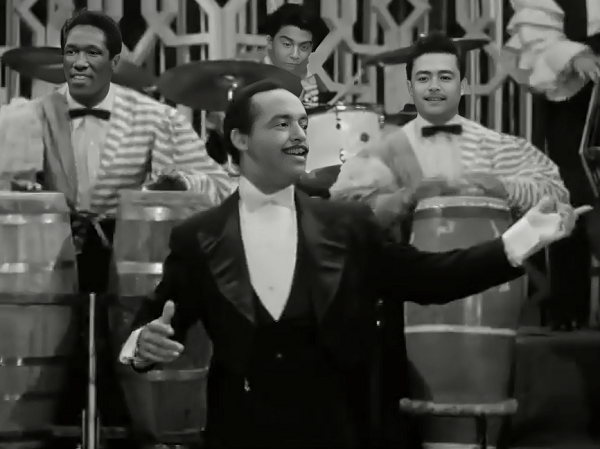
Damaso Pérez performing Latin music
The King of Mambo Damaso Pérez Pardo performing live

And the Mambo went and did all this, and much, much more…

Story goes that a certain midtown Manhattan dancehall was dying a slow death at the tag end of the Big Band era, just after the so-called “Good War.” The guy who was managing this musical venue (maybe for the Mob) was bemoaning the lack of customers to a canny Broadway promoter who poked a sallow finger at the bemoaner and said “Hey! If you don’t mind spics and
niggers in the joint, I can fill it six nights a week!” “At this point I don’t mind if it’s spics, niggers, or little green men!” “Done deal!”

Twas the season of Jackie Robinson “integrating” baseball’s major leagues. Smart money knew that American apartheid couldn’t last forever, at least not overtly. And where else would the winds of change blow first and hardest but in the Empire City, aka Nueva York? So the Palladium opened with a hot mambo policy, the best Afro-Cuban bands were hired, and lines formed around the block. Harlem and Spanish Harlem were now welcome in a big midtown venue. And not only “spics” and “niggers” showed up, but “wops” and yids” as well, the bridge-and-tunnel “mamboniks.” The word spread, and whitebread cafe-society mavericks came to check it out and stayed to shake a tail feather. For the next couple of decades it was the “place to be, thing to do” in NYC, if you wanted to move to and be sent by the best hot Latin sounds.

Around 1954/’55, the mambo crested in the Pop consciousness, with “Papa Loves Mambo,” “Mambo Italiano,” and “What The Heck is the Mambo?” on the mainstream Hit Parade. Perez Prado even took “Cherry Pink and Apple Blossom White” to Number One on the charts. But the real mambo, cha-cha- cha, guaracha, charanga, and son stayed underground, a niche thing, ethnic dance
music for Manhattan Latins and the cool cognoscenti. Raided and harassed by authorities who didn’t cotton to Mambo’s miscegenating powers, the Palladium lost its liquor license in the early ’60s and closed for good in ’66, just as the “new breed” wave of Latin Soul & Bugalu was making noise on the mean streets. And the beat goes on…

The Mamboniks were cool-looking Italian & Jewish guys & gals, out of high school but not in college, who hung out around Dubrow’s on the Hiway. If one of them had a dented sportscar or an old but flashy convertible, they’d congregate around the car at the curb, the dash radio loudly broadcasting Dick“Ricardo” Sugar’s mambo show of an evening, trying out hip-swinging cha-cha steps, casually dap guys and foxy girls in tight skirts; and tho the guys were not really hoods, they’d hang with future felons down the poolroom sometimes, and push a little weed to the hipper highschoolers, who whispered that these guys rolled queers in the Village for bucks and kicks…. but the big kick for the Mamboniks was the Latin Kick, hitting the Palladium at least once a week to hobnob with Ricans and Cubans and dap Harlem dudes and debs, all dressed up in continental suits and cocktail gowns, moving & grooving to the hot, blaring rhythms of Tito Puente and Tito Rodriguez, Eddie Palmieri, Joe Cuba, Orquesta Aragon, the La Playa Sextet, and many more smokin’ outfits who played en clave. Rest of the time they hung outside the cafeteria almost
under the BMT El, hanging on the Hiway but vibing they were too hip for the Hiway, still living at home in Brooklyn only ’cause it was free, but definitely on the way out and on up – or so it appeared to those a few years younger, hung up in mundane Midwood and Madison scenes. I didn’t really know the Mamboniks, but I knew who they were (the distance between 15 and 18 being even greater than between the Hiway and Broadway): one of them would fall with the felons and do time… another would marry his little sexpot cha-cha partner and go into the restaurant business downtown… yet another would become a musician/dope dealer, accent on the dope dealer. I only glimpsed these Mamboniks passing by Dubrow’s, but they called me (while ignoring me) to a more magical city than the one I knew as yet.

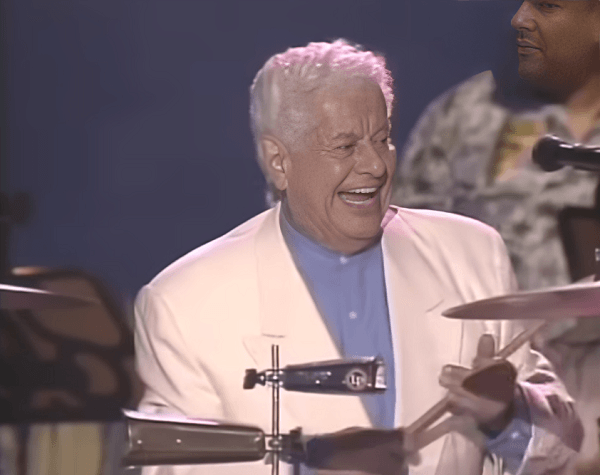
Tito Puente performing Latin music
Tito Puente performing ”Oye Como Va”

Jose de la Subway Speaks of Working the Mountains

There’s one or two agents book all the bands, and you best not get on their bad side! This guy I know from El Barrio, he plays timbales – he’s no Puente but he’s still young – he pulled me into this gig, subbing for the guy who was too fucked up on duji to make the job. We all meet at the bus terminal near the Dixie Hotel on the Deuce. Takes a couple hours to get up there and it’s real country, you can smell the trees! There’s these big Jewish hotels, they all book one Latin band to alternate with whatever square Pop band they got, and of course the biggest hotels get the big name bands and the smaller hotels get the cheaper bands who sometime hire kids just breaking in who look eighteen and can play some but don’t expect no union scale. You got this shack full of bunk beds to crash in, you eat leftover childrens’ meals – if there’s a hip Rican or Soul working in the kitchen you may get extras – and they don’t want to see your face around the place till showtime. Maybe they let you take a rowboat out on the lake, but you best stay away from the pool till you’re sent out there to play a cocktail set. They always call it an ‘Olympic-sized pool’ even if it’s four foot
deep! All these white chicks are out there in bikinis trying to get as dark as the people they don’t want in the pool with them. You play some cha-chas poolside late in the afternoon and you get to check out these chicks, some of them are hot, some give you the eye, but you wear shades and keep a stone face, and of course you’re high ’cause everybody be smokin’ weed in the band, that’s all you do, and you keep the job by keeping your distance from the hotel’s clientele. Some hustling bands be doubling, tearing around those mountain roads from one little hotel to another, making two jobs a night, wearing those ridiculous rhumba shirts with the big ruffled sleeves. After the last set everybody goes to eat and hang at Corey’s Chinese Restaurant in Liberty. When it’s Mambo Night at the Raleigh you sit in. And if you fuck up, or when the contract’s over, you’re back on the Hound to the Deuce, and you don’t have much loot to show for it. You’re paying your dues, you’re getting experience.

Musically, the late ’50s/early ’60s were dynamic times in NYC. Monk with Trane at the Five Spot, Ornette Coleman introducing “the new thing” aka “Free Jazz,” the hard-bop funk of “Moanin’” by Art Blakey’s Jazz Messengers, “Kind of Blue” by Miles, Trane’s classic quartet coming into its own with “Giant Steps” and “My Favorite Things.” And the Folk boomlet peaking in the Village
with Baez and Dylan, Paxton, Van Ronk, Ochs, and many more. R&B was in a slump and the Top 40 sucked bigtime… but over in Brooklyn and the Bronx, a new generation of Nuyoricans was coming of age, and tho they still dug the Afro-Cuban sounds, the mambo and the cha-cha-cha belonged to the (recent) past, so they were experimenting: Bronx Pachanga was revved-up charanga… trombones lent a harder edge to a conjunto like Eddie Palmieri’s La Perfecta… and “Latin Soul” was Doowop (a big influence en la calle) mated with the bolero feel and the bongo/congas beat. Joe Cuba knew he was onto something when his “To Be With You” (a bolero in English) became a street fave circa ’62/’63. Ace Cuban conguero Mongo Santamaria had a crossover hit of sorts with a jazzy horn chart on “Watermelon Man.” And Ray Barretto charted nationally with a speeded-up charanga featuring a streetwise Spanish rap superimposed: “El Watusi.” The times they were a-changin’ in the barrio. Joe Bataan was “Singin’ Some Soul.” Willie Colon was getting “Jazzy.” Eddie Palmieri’s hot, eight-minute jam on “Azucar Pa’ Ti” was a breakthru, played in its entirety on the radio by Symphony Sid and even by Dick Ricardo Sugar. Pete Rodriguez came on strong with the irresistible “I Like It Like That”… and the Latin Bugalu was a mid-’60s sub-genre (e.g. Johnny Colon’s “Boogaloo Blues”). But by the early ’70s, the newly branded “Salsa” hyped by Fania Records (the Latin Motown) prevailed, and Latin Soul’s swan songs were sung by Ralfi Pagan (“Make It With You”), and Paul Ortiz (“Tender Love & Sweet Caresses,” produced by “Subway Joe” Bataan). Musical artifacts remain, but as for the vibe, “You hadda be there, folks!”

That Latin Thing

The Afro-Cuban sounds, and the extensions and variations on those templates by their New York inheritors, were the hottest and coolest Latin sounds. Musicians have big ears, and there was always cross-fertilization between the seemingly segregated genres of Latin and Jazz (eventually producing – wait for it – Latin Jazz). So why aren’t more jazz buffs, and other musically savvy civilians, into the rich “Spanish Tinge” heritage? (They’ve always been into it in their own way down in Norlins.) Different languages as well as divergent styles, plus the commercial priorities of bottom-line execs who package musical product, perpetuate musically exclusive marketing niches, even unto today. But many stateside Jazz greats especially groovitated towards the Latin
thing. Dizzy Gillespie with Chano Pozo creating Cubop… Charlie Parker’s jams with Machito… Cal Tjader with Eddie Palmieri… Herbie Hancock’s “Watermelon Man” definitively rendered by Mongo Santamaria: these are some of the finest fruits of the Jazz + Latin marriages, and there have been many more in recent years. Yet the hardcore tipico and original classics are still all but unknown to generations of US Americans, and that’s a lowdown dirty shame.

Tio Jonny to the rescue! If you dig rhythms that won’t let you sit or stand still, or love to love a great love song, I’ve got two Latin strains to introduce into your musical bloodstream: superlative slow jams of yearning, ecstasy, betrayal, and loss in the best bittersweet boleros… and hip-shaking, toe-tapping dance classics of musica caliente. Maestro Cachao wasn’t just boasting when he titled one of his signature jam sessions in miniature “Como mi ritmo no hay dos.” There’s nothing quite like this Latin thing. But don’t take my word for it. Go check it out for yourselves, sis & bro!

Joe Bataan singing Latin music
Joe Bataan singing ‘ ‘Gypsy Woman” some years ago

Musica Caliente 101

Salsa dura? Salsa Brava? Salsa romantica? Such consumer designations are so much caca de toro. To quote el rey Tito Puente, “Salsa is something you put on your food.” As a brand, “Salsa” moved a lot of units for Fania and other smaller labels in their heyday. But it was still music with Afro-Cuban roots, refined (or, purists might aver, debased) by Puerto Ricans and Nuyoricans, as insiders and aficionados well know. It was a music all about rhythm (we’ll consider the beautiful boleros shortly), pegged to the clave beat, where the Afro drums could sing melodiously while the Euro piano, violins, and horns remade themselves into rhythm instruments ( the repetitive, tension-building keyboard montunos, twin charanga fiddles, or twin trombones).

As the music morphed from Havana to New York, it got faster and louder (como no?), but the rhythms certainly didn’t cool down, tho they could sound hot and cool at the same time when vibes were featured, as in the ’50s party classic “Chop Suey Mambo” by Alfredito (Al Levy) or on many jams by T.P., Joe Cuba, or Latin-converso Cal Tjader. Anyone who felt this music in their bodies and souls (which are most definitely not separated in this art) would know this was musica caliente – and, as Ray Barretto titled one of his best workouts: “Que Viva la Musica.”

Say you’ve heard some of the great old school sounds and want to hear more? Tio Jonito is going to start you off with a sampler of the best (or at least some of my favorites) from the great days of this musica caliente, sometime in the late ’40s on into the ’70s. You go online and find these smokers on my list and you’ll not only get a little musical education but you’ll swing your butt off and have a ball. Vaya!

Orq. Casino de la Playa w/Miguelito Valdes: “Bruca Manigua”
Arsenio Rodriguez Orq.: “Dame un Cachito pa’ Huele”
Machito & his Afro-Cubans: “Tanga”
Chano Pozo: “El Pin-Pin” (nice later version by El Gran Combo)
Los Astros: “Que Lindo Yambu”
Arcano y sus Maravillas: “Rico Melao”
Sonora Matancera w/Celia Cruz: “Caramelos”
Sexteto La Playa: “Jamaiquino”
Randy Carlos: “Smoke” (“Humo”)
Fajardo y sus Estrellas: “Ay! Que Frio” (+ jazzy ’70s cover by Ocho)
Cortijo y su Combo w/Ismael Rivera: “El Negro Bembon”
Orquesta Aragon: “Caimitillo y Maranon”
Cachao y su Ritmo: “Malanga Amarillo”
Chappotin y sus Estrellas w/Miguelito Cuni: “Alto Songo”
Mongo Santamaria: “Afro Blue” “Para Ti”
Mongo Santamaria w/La Lupe: “Canta Bajo”
Tito Puente: “Oye Como Va” “Ran Kan Kan”
Eddie Palmieri & Cal Tjader: “Picadillo”
Tito Rodriguez & Orq.: “Mama Guela” “Ave Maria Morena”
Joe Cuba Sextet w/Cheo Feliciano: “El Raton”

Mon Rivera: “Lluvia con Nieve”
Orquesta Broadway: “Como Camino Maria”
Ray Barretto: “Cocinando”
Pete “Conde” Rodriguez w/Johnny Pacheco Orq.: “Azuquita Mami”
Willie Colon Orq. w/Hector LaVoe: “Abuelita”
Eddie Palmieri w/Charlie Palmieri: “Vamanos pa’l Monte”

Pete, Celiz, and Tito performing Latin music
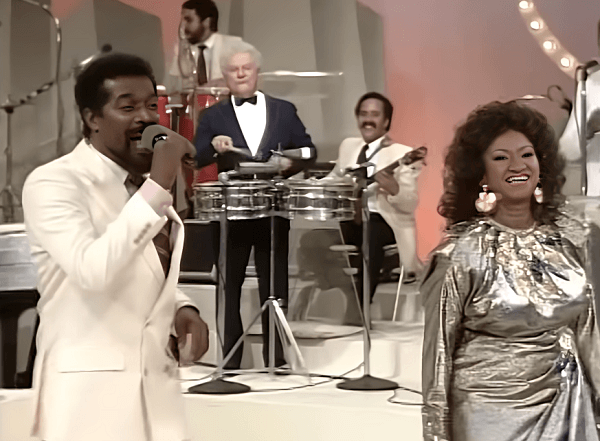
Pete El Conde Rodríguez, Tito Puente, and Celiz Cruz performing ”Qué Bueno Baila Usted”

Boleros 101

Boleros are Latin love songs, and the best are equal to any operatic aria, Broadway show-stopper, or Pop ballad, especially those written and sung from the 1940s through the ’60s, the era of the bolero. Behind even the slowest bolero there’s a rhythmic roll (maintained by bongos, congas, or light timbales taps), analogous to the roll of “r” in spoken Spanish. Can’t abide musica romantica? The bolero, friend, is not for you. Latin America – notably Cuba, Mexico, and Puerto Rico – turned out great boleristas in the epica de oro, and the tunes they sang were world-class, true standards which sound just as strong today as ayer. But leave me not wax rapturous; rather let me share some of my fave boleros with you, and point you YouTubeward to hear them all.

Beny More: “Como Fue” “Hoy Como Ayer”
Olga Guillot: “Mienteme” “Tu Me Acostumbraste”
Trio Los Panchos: “Nosotros” “Sabor a Mi” “Los Dos”
Vicentico Valdes: “Tus Ojos” “La Montana”
Tito Rodriguez: “Inolvidable” “En La Soledad”
Los Tres Ases: “Delirio” “Estoy Perdido” “El Reloj”
Cheo Feliciano (w/Joe Cuba sextet): “Como Rien” “Incomparable”
La Lupe w/Tito Puente Orq.: “Que te Pedi”

Santos Colon w/Tito Puente Orq.: “Ay Carino”
Armando Manzanero: “Mia”
Los Tres Diamantes: “La Gloria eres Tu”
Javier Solis: “Si Te Olvides (La Mentira)”
Los Tres Caballeros: “La Barca” “Regalame Esta Noche”
Los Tres Reyes: “No Me Queda Mas”
Pedro Infante: “Contigo en la Distancia” “No Me Platiques Mas”
Jacaranda Castillon: “La Gata Bajo La Lluvia”

Read also: Dominican bandleader and singer Papo Ross is triumphing in Montreal

Oscar D’ León. Confessions by Oswaldo Ponte by William Briceño Part II

Latin America / Venezuela / Caracas

“Continuing the musical biography of Oscar D’ León. He moved on to new horizons, new learnings, difficult experiences, and decisions, as life always holds a wide variety of surprises over time. One of those changes was his breakup with Dimensión Latina due to various internal group problems.

Photo 1: Oscar D' León
Photo 1: Oscar D’ León

Oscar’s departure caused issues for the group, as several of their scheduled performances in other countries were canceled, and over time, they lost audience, leading most of their members to split up and leave. Nevertheless, the group managed to carry on successfully but without the unique touch or ‘sazón’ that Oscar D’ León provided.

After leaving Dimensión Latina, Oscar ingeniously created La Salsa Mayor in 1976 and was able to release his first discography with his new group, thanks to the record label TH, which provided it because they were very interested in his new project, naming it ‘Con bajo y to’.’ From that moment, Oscar knew that he could consolidate himself with this group or any other, as his exceptional and unparalleled talents, so much originality, had never been witnessed”

“In any generation of Venezuelan artists. He also created another group called ‘La Crítica’ with the purpose that if any member of the Salsa Mayor Group was absent, one of them would substitute. However, the orchestra ‘La Salsa Mayor’ lasted only 4 years due to a strong disagreement Oscar had with his band on stage because the songs played during those two performances ‘were not accepted,’ leading to the closure of ‘Salsa Mayor.’ From that moment, he began to practice with his orchestra ‘La Crítica’ before his performances in Curaçao, where his songs, ‘Suavecito,’ ‘No ha pasado nada,’ served as a way to allude that everything had been overcome.”

“With this group, he achieved significant success. From that era, Oscar D’ León was known as the leading artistic figure in the country and on the American continent, with his music being heard in various homes in Venezuela and other Latin American countries. During that time, he traveled throughout the Latin American continent, the Caribbean islands, and the United States. From that moment, he leveraged his figure as he ventured into artistic promotion. He did so with Daniel Santos, Héctor Lavoe, El Gran Combo de Puerto Rico, and Celia Cruz.

If we have to mention which country Oscar liked or idolized the most, it was Cuba, because ever since he was very young, he loved the music played there, which over the years underwent various transformations in different stages, such as ‘La inmortal guaracha Celia Cruz’ which brought glory to the island; ‘la sonora Matancera’ carried the name of Martí’s land around the world; ‘Dámaso Pérez Prado,’ among other artists who contributed to the origin of Cuban music.”

“When Oscar D’ León first visited Cuba, it was an unforgettable experience and held extraordinary significance not only for the young artist but for the country itself. Its magnitude was such that, first and foremost, the ministers of culture and foreign affairs welcomed him, and every time he performed, large numbers of fans awaited to see and hear him. The respect and admiration for him were immense. In fact, this book mentions that ‘Cuban music,’ among other things, made Oscar D’ León’s existence as an artistic figure and as a person possible.”

Photo 2: Oscar D' León presenting his bibliography
cccc

“For Cubans, Oscar D’ León’s arrival had a profound effect; it was the rebirth of existing music. In short, he rescued it, causing Cuban music, ‘son,’ the central show, and entertainment venues to become their activities for relaxation and fun.

Oswaldo Ponte, in his research, mentions that when he looked for everything related to Oscar D’ León, there was immense admiration for him. Everyone he interviewed, even if they knew he was his manager and his biographer accompanied him, always said incredible things about Oscar. He not only rescued Cuban ‘son’ but also taught them to dance Cuban music, opening the minds and perspectives of Cubans, as Cuban ‘son’ continued to be known internationally. Everyone mentions what a good musician he is, that they can’t believe he isn’t Cuban and has that ‘sazón’ (flavor/charisma).

He was famous not only in Cuba but also in other countries. An example of this was Oscar’s participation in the Rome Festival when he sang a song by Adalberto. Mr. Adalberto Álvarez passed backstage and commented: ‘Cuba will never be able to repay Oscar for what he has done for Cuban music. He has kept it alive; if it hadn’t been for him, for Johnny Pacheco, for Celia Cruz, for La Sonora Ponceña and others who took it upon themselves to keep ‘son’ alive outside our country’… ‘and of all of them, the fundamental leader was Oscar D’ León because he is the most connected to authentic Cuban musical roots.'”

“In short, every time Oscar goes out to sing and dance, he is representing Cubans. For Cubans, dancing is almost a ritual. In 1950, they danced ‘son,’ ‘danzón,’ ‘mambo,’ ‘chachachá,’ ‘rumba,’ and other dances, some of which lasted a very short time, such as ‘dengue,’ ‘monzambique,’ ‘pilón,’ ‘carioca’; and others transcended time, like ‘conga’ and ‘rumba.’ Salsa is the continuation of, or the same as, ‘son,’ which can be danced with the same style or with different styles.

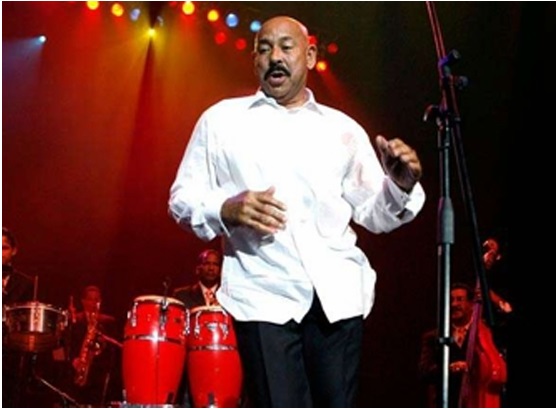
Photo 3: Oscar D' León in concert
Photo 3: Oscar D’ León in concert

Oswaldo Ponte began his promoter plan by hiring figures, among whom was Oscar D’ León. Becoming a serious entertainment promoter, he took the risk of doing it internationally (outside Venezuela) where he bought a contract from Guillermo Arena to present Celia Cruz with La Sonora Matancera. He also partnered with Juan Caravallo and managed to present the biggest show in Higuerote, Venezuela; with this great step, he was becoming a potential successful entrepreneur in international shows.”

“In 1983, he hired Oscar for 3 performances with ‘Roberto Blades,’ two at the Ávila Hotel and one at San Jacinto Park (both in Venezuela). At that time, Oscar was returning from Cuba, and with a new event, Oswaldo, upon seeing the show, pondered the difference between the two artists.

The Panamanian star was well-managed by his team. However, when it came to judging which was the better show, it was Oscar D’ León’s. When Ponte went to talk with him, he proposed becoming his manager on the condition that Oscar follow his instructions, as he always directed everything, which Oscar accepted. From that moment, many things changed not only artistically but also personally, offering the public not just Oscar D’ León and his orchestra, but Oscar D’ León himself, giving more charm and charisma to his audience.

One of the challenges he had to face was a stagnation in record sales. His new record productions weren’t taking off, so he decided to rely on television. Venezuela was both a recipient and a transmitter country, so his performances were broadcast on different television channels that gave great musical importance, such as ‘Siempre en Domingo,’ which covered the center and north of the American continent, and ‘Sábado Gigante,’ which covered South America, thus giving him international exposure.

One of his best and most unforgettable collaborations was with singer Celia Cruz, who was a great friend of Oscar’s. They participated in many events, one of which was in 1993, where Ralph Mercado did what he called ‘The Perfect Combination,’ which consisted of combining stars for public performances.

Participants included Oscar D’ León, Celia Cruz, Marc Anthony, La India from New York, Tito Nieves, Tony Vega, Cheo Feliciano, José Alberto El Canario, and Domingo Quiñones, of which the most recommended songs were ‘El Son de Celia y Oscar’ and ‘Vivir lo nuestro’ by Marc Anthony and La India. At that time, Oscar had left the TH label and was now with Ralph Mercado; his colleagues were Tito Puente, Celia Cruz, Sergio George, Cheo Feliciano, Tito Nieves, La India, José Alberto El Canario, and other significant stars.

There are many other details and more events up to the present day, but it would be too much to explain in one article. What is very clear is that Oscar D’ León has conquered countless goals in his life, and we can all do the same in the different areas in which we operate, if we set our minds to it with determination and an iron will.

Photo 4: Oscar D' León and his bibliography
Photo 4: Oscar D’ León and his bibliography

To learn more about this, we recommend reading ‘Oscar D’ León, Confesiones De Oswaldo Ponte’ by William Briceño, published by Fundación Simón Bolívar.”


  • « Go to Previous Page
  • Page 1
  • Page 2
  • Page 3
  • Page 4
  • Interim pages omitted …
  • Page 10
  • Go to Next Page »

International Salsa Magazine (ISM) is a monthly publication about Salsa activities around the world, that has been publishing since 2007. It is a world network of volunteers coordinated by ISM Magazine. We are working to strengthen all the events by working together.