• Skip to primary navigation
  • Skip to main content

International Salsa Magazine

  • HOME
  • Previous editions
    • 2026
      • ISM / March 2026
      • ISM / February 2026
      • ISM / January 2026
    • 2025
      • ISM / December 2025
      • ISM / November 2025
      • ISM / October 2025
      • ISM / September 2025
      • ISM / August 2025
      • ISM / July 2025
      • ISM / June 2025
      • ISM / May2025
      • ISM / April 2025
      • ISM / March 2025
      • ISM / February 2025
      • ISM / January 2025
    • 2024
      • ISM / December 2024
      • ISM / November 2024
      • ISM / October 2024
      • ISM / September 2024
      • ISM / August 2024
      • ISM / July 2024
      • ISM / June 2024
      • ISM / May 2024
      • ISM / April 2024
      • ISM / March 2024
      • ISM / February 2024
      • ISM / January 2024
    • 2023
      • ISM / December 2023
      • ISM / November 2023
      • ISM / October 2023
      • ISM – September 2023
      • ISM – August 2023
      • ISM July 2023
      • ISM Edition June 2023
      • ISM – May 2023
      • ISM April 2023
      • ISM March 2023
      • ISM February 2023
      • ISM January 2023
    • 2022
      • ISM December 2022
      • ISM November 2022
      • ISM October 2022
      • ISM September 2022
      • ISM August 2022
      • ISM July 2022
      • ISM June 2022
      • ISM May 2022
      • ISM February 2022
      • ISM January 2022
    • 2021
      • ISM December 2021
      • ISM November 2021
      • ISM October – 2021
      • ISM September 2021
      • ISM August 2021
      • ISM July 2021
      • ISM May 2021
      • ISM April 2021
      • ISM June 2021
      • ISM March 2021
      • ISM February 2021
      • ISM January 2021
    • 2020
      • ISM December 2020
      • ISM November 2020
      • ISM October 2020
      • ISM September 2020
      • ISM August 2020
      • ISM July 2020
      • ISM June 2020
      • ISM May 2020
      • ISM April 2020
      • ISM March 2020
      • ISM February 2020
      • ISM January 2020
    • 2019
      • ISM December 2019
      • ISM November 2019
      • ISM October 2019
      • ISM Septembre 2019
      • ISM August 2019
      • ISM July 2019
      • ISM June 2019
  • Spanish
  • Download Salsa App
    • Android
    • Apple

Search Results for: Tango

A walk through the history of Latin music in the United States

Latin music has been of great in­fluence for singers in training and, without a doubt, marked the lives of its pioneers. Some born in Spanish-speaking countries and others with descent from these lands have not been able to put aside the ­flavor that has been inherited to them. There are those who affirm that these tropical and Caribbean rhythms are carried in the veins and it is very difficult to get rid of these roots.

The arrival of Latinos in the United States also implied the arrival of their customs and culture. Latin music is considered to be a large number of genres, including: salsa, merengue, bachata, bolero, bossa nova, reggaeton, rumba, ranchera, cumbia, tango, among others.
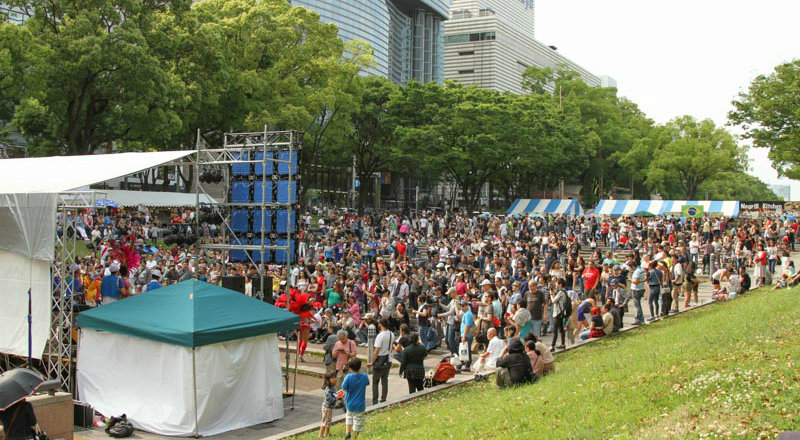
Photo of Latinamerican Festival at Nagoya in Golden Week

Latinamerican Festival at Nagoya in Golden Week

How did Latin music begin to enter the United States?

Latin American music has in­fluenced American music, starting from jazz to country music. Many bands added congas, percussion, or maracas to their instruments as they were drawn to the result these elements brought.

Starting in 1940, the music of Latin America, which still did not have a specific term, covered a greater number of audiences in the United States; international radio networks broadcast different themes of the time. In addition, they featured different Mexican bolero musicians such as Alfredo Antonini, Néstor Mesta Chayres, Eva Garza and Juan Arvizu. In the 1940s the US also heard the “Calypso” with great acceptance.

It was not until the 1950s that the term “Latin music” became popular, seeking to establish a difference between Afro-American and Afro-Latin American rhythms. Some artists marked this musical fusion to a greater extent, making the best of Latin music known on American soil. During the 1950s, music brought to the north from the island of Cuba, such as mambo, cha-cha, and rumba, was very popular. As well as the famous Mexican songs: rancheras and mariachis.

Some Latino artists who marked the history of Latin music in the United States Tito Puente was an American percussionist with Dominican origins remembered for his participation in worldwide jazz, Cuban music and salsa. In 1950 he helped promote the genre of mambo and cha-cha. His album “Dance Manía” was considered the most famous by the artist, it was one of the most heard among the Latino community in the US The album also set a precedent by being recorded in Spanish, generally, Latin albums were in English or with instrumental songs. It was Tito Puente who broke with this tradition.

At the beginning of the 20th century, tango touched American soil. Then, in the 70s, the Argentine Astor Piazzolla gave something to talk about by demonstrating his passion for the genre and revolutionizing what was known until that moment. Piazzolla was born in Mar de Plata but lived in New York from a very young age. It definitely changed the way of looking at music that was long marginalized, it was considered the music of the working class. The singer made mixtures between tango, jazz and contemporary classical music. His songs were a great success and were famous in bars of the time.

It was not until the late 1960s and early 1970s that the term “salsa” began to become known. Afro-Caribbean musicians mixed Cuban dance with infl­uences from jazz, Caribbean music, and American rhythms. Although in previous decades it had already had its beginnings, it was in the streets of New York where it was consolidated as a commercial success.
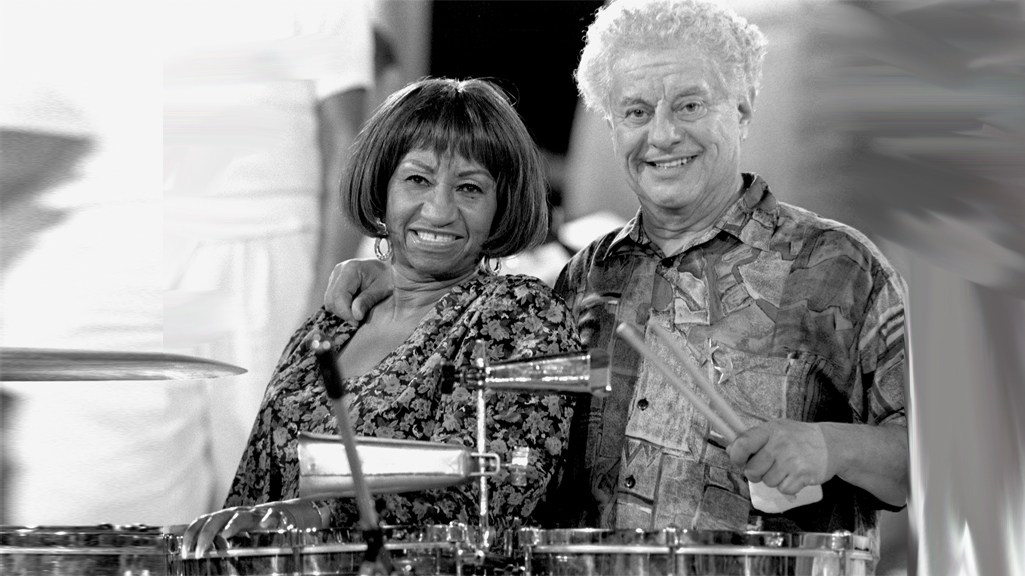
Photo by Celia Cruz and Tito Puente

Celia Cruz and Tito Puente – Latin music

Salsa launched artists who are now legends to stardom, such as: Celia Cruz, Willie Colón, Héctor Lavoe, Rubén Blades, Johnny Pacheco, among others.

Between the 1970s and 1990s, Dominican immigrants to the United States continued, especially to New York City, and promoted genres such as merengue and bachata. Juan Luis Guerra was one of the great exponents of both styles.

In the 90s, Selena mixed the Texan aesthetic with pop, giving her the title of the highest representative of the genre.

Entering the 2000s

In this decade, Latin rhythms continued to set the trend. Singers like Rubén Blades returned with songs that promised to be hits in the country.

At the end of 1999 Marc Anthony surprised his followers with an album of the same name. Although he was already known in the salsa genre, he decided to try other styles. With the intention of reaching the Anglo market, he is encouraged to sing in English. “I Need To Know” is a cha-cha song that quickly became popular in the United States. For eleven weeks it remained in the top North American positions, ranking in the Top 10 on the Billboard. The Spanish version won the Grammy for the best Latin song of the year 2000.

Marc Anthony was one of the artists who marked this decade in the US That same year a compilation of his best salsa songs went on sale, which he called: “Desde el principio”. With these successes to his credit within this country, he set out to make an important tour of the United States. Canada and Central America. Madison Square Garden in New York was over­flowing with fans who wanted to hear this American singer but who positioned himself as the leader of a Latin genre.
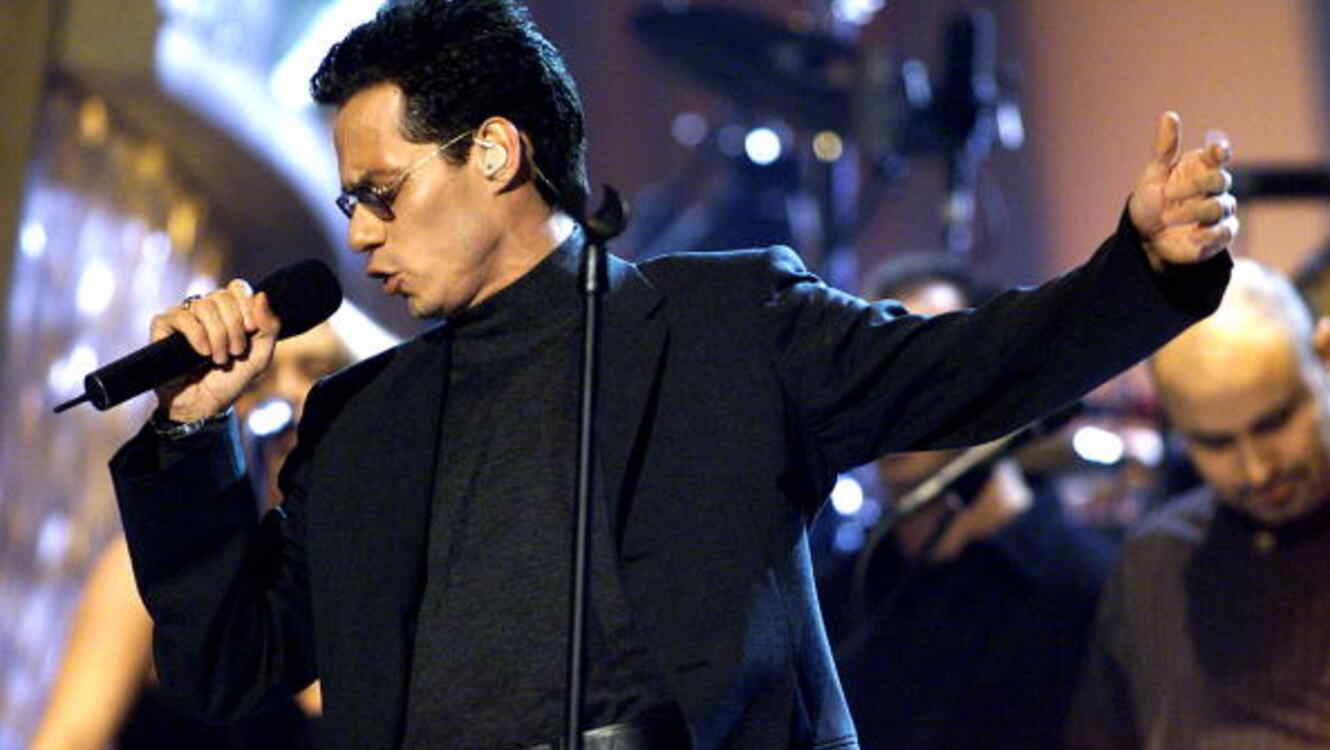
Photo by Marc Anthony

Marc Anthony

The opening of “I Need To Know” appeared in the Nissan Versa commercial in the United States and in 2009 it also featured in an American Dad chapter, an American television series; thus giving greater projection to this genre throughout the North American territory.

During this decade, salsa and Latin music in general ended up positioning themselves in the United States.

In 2002 Blades launched his album “Mundo”, becoming one of the most popular in the United States. In fact, it won a Grammy. The album contained a mix of various rhythms and instruments. The artist wanted to create a fusion of cultures and musicians from different countries. “Estampa” was a subject with great acceptance as it evoked the Afro-Cuban infl­uence in New York music.

By the year 2000, there were already music channels and with them the projection of emerging talents who in many cases did not speak the English language. The dynamics of these channels focused on the public, who chose which songs and videos were to be played, giving the opportunity to many young, little-known artists. They were also considered a springboard for the singers of the season and the Latin movement in general.

A movement that is here to stay

Latin music had come to continue making history and it was time to give it greater merit within the American spectacle.

Today, Latin singers, songwriters, and bands are innumerable. Latin music continues to gain space in the United States and more and more artists are achieving success within its borders. In addition, the endless awards that enhance their work in the industry.
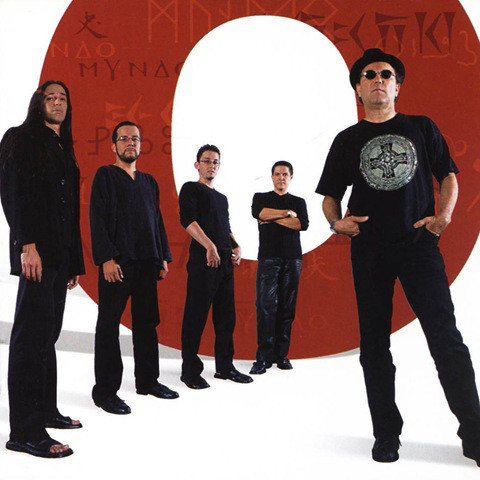
Ruben Blades - Mundo

Ruben Blades – Mundo

The consumption of these musical rhythms has increased throughout the American territory. Latinos and followers of this genre have gained space over the years; they can enjoy nightspots, live music, festivals, concerts and much more. Long live Latin America and its people! Long live the United States and the countries that have opened their doors to Latin music


ISM February 2023

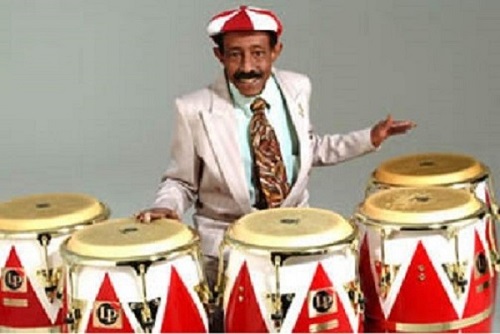
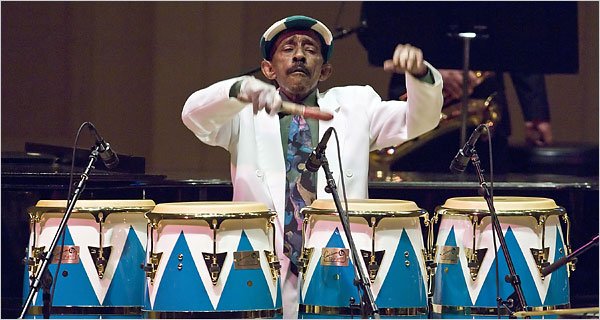
Carlos “Patato” Valdés one of the best percussionists in the history of Latin Jazz.

On November 4, 1926 in the Los Sitios neighborhood of Havana, Cuba, Carlos “Patato” Valdés was born. Known as Patato, he is, quite simply, one of the best percussionists in the history of music.

Patato was born into a very santera and very musical family, his father was a tres player of Los Apaches, the port germ of two illustrious sonera groups: the Sexteto Habanero and the Sexteto Nacional.

He learned to play the tres and the botijuela before turning to percussion, first on the cajones and finally on the congas.

He was an extraordinary percussionist of outstanding participation with the “Conjunto Kubavana”, “La Sonora Matancera”, “Conjunto Casino” and the “Orquesta de Tito Puente”, among other groups, both Son and Latin Jazz.

Formed in rumbero gatherings and carnival groups, Valdés became a professional in the early forties, after trying his luck as a boxer and dancer.

Carlos “Patato” Valdés uno de los mejores percusionistas en la historia del Jazz Latino

He played with Conjunto Kubavana, La Sonora Matancera and El Conjunto Casino. He accumulated nicknames: Zumbito (for his performances at the Zombie Club), Pingüino (for a dance he did on television) and Patato (for his small size), and in those days, dedicating oneself to music in Cuba guaranteed hardship. Besides, Patato wanted to experiment and that was not possible playing for dancers or tourists.

In 1954, he emigrated to New York, like his leather friends: Cándido Camero, Armando Peraza, Mongo Santamaría and the pioneer Chano Pozo (murdered there in 1948).

He immediately began working with Tito Puente. His first recording in the United States was the album Afro-cuban, by trumpeter Kenny Dorham, which opened with the intoxicating Afrodisia. Those were good times for tropical music.

He was the first percussionist to improvise “Solos” with 3 or more Congas at the same time. In addition, he was the creator of the “Congas Afinables”, instruments on which he would ride to dance making them sound rhythmically.

Patato Valdes was an excellent musician, an unforgettable person. Nervous and diminutive, he spoke with an impenetrable Cuban accent; he dressed elegantly, hiding the necklaces and bracelets of Changó and other “orishas”. He looked like a living caricature, but when he hit the percussions he became a divine creature: he had power, spectacularity, sense of melody.

Those skills made him an ambassador of Afro-Cuban rhythms in the jazz world, although he will also go down in history for his extraordinary rumba recordings.

In 1956, Patato appeared in the film Y Dios creó a la mujer, teaching the dances of his homeland to Brigitte Bardot. A great moment, although an implacable Guillermo Cabrera Infante criticized the actress’s movements: “she seems to commit suicide by dancing a cross between mambo and chachachá, a really toxic cross between mambo and chachachá”.

A flexible musician, Valdés sounded as comfortable playing with Machito’s big band as with Herbie Mann’s group. However, he felt indebted to the “rumba de solar” and in 1968 he recorded a revolutionary album with his friend Eugenio Arango, alias Totico.

The exuberant Patato & Totico had genuine Havana flavor, but enriched the basic percussion instrumentation with Cachao’s contrabass and Arsenio Rodriguez’s tres.Patato expanded the creative possibilities for percussionists by playing with three or more congas.

He also made their lives easier by developing a tunable conga: fed up with the traditional method (heating the leather over fire), he installed a metal hoop and keys for tensioning.

Carlos "Patato" Valdés
Carlos “Patato” Valdés

The LP company mass-produced his model, which was to become the standard for conga players. To promote it, he formed the Latin Percussion Jazz Ensemble with Tito Puente, Jorge Dalto and Alfredo de la Fé, among others, an orchestra that would end up becoming Puente’s big band in the early 80s.

It was during this period with Dalto that the album we have chosen for today began to take shape. It was titled “Patato, Master Piece” and it synthesizes all of Patato’s genius.

“Masterpiece” is an album that travels first class through tango, jazz, descarga, guaguancó and bolero, always in a masterful way and with a luxury crew made up of names like Jorge Dalto, Artie Webb, Michel Camilo, Jerry and Andy González, Nicky Marrero, Ignacio Berroa, Joe Santiago, Néstor Sánchez, Vicentino Valdés, and Sabú Martínez, among others.

The Art of Flavor.

Unfortunately Dalto had already passed away when in 1993 the project was released by the venerable German label Messidor, the same label that had already financed some impressive sessions of Patato with Mario Bauzá or Bebo Valdés, with whom he would later record the famous El Arte del Sabor.

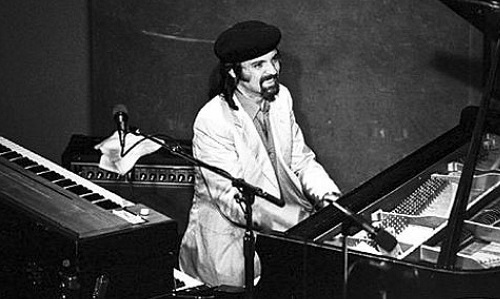
Jorge Dalton
Jorge Dalton

In fact, the great Argentine pianist had to be replaced for the last recording sessions that were made 6 years ago since his illness was too advanced, but he left us some incredible arrangements that were kept in the great majority of the themes.

Dalto left us in 1987 when he was only 39 years old. His replacement was nothing more and nothing less than a very young Michel Camilo.formed by 9 cuts among which we especially want to highlight the huge versions of Cute and Nica’s Dream, Masterpiece is an essential album for all lovers of Latin-jazz with capital letters and that is why we wanted to share it on a day as special as today.

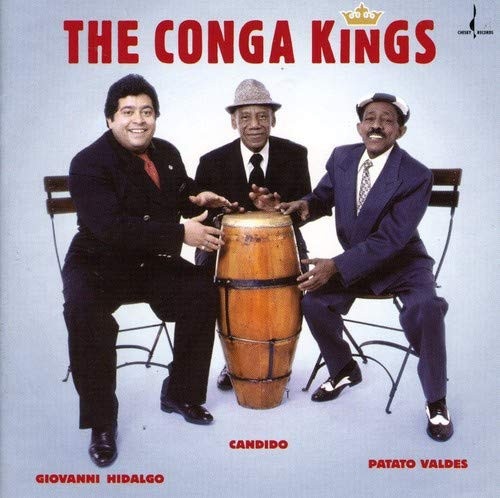
Already recognized as a legend, Patato became more visible in the last 25 years: he had his own band, Afrojazzia, although The Conga Kings, with Cándido and Giovanni Hidalgo, turned out to be more popular.

The Conga Kings Giovanni Hidalgo, Cándido Camero y Patato Valdez

He even made his way onto the modern dance floors, with a remix of San Francisco tiene su propio son. Just as he was returning from playing in California with the Conga Kings, his breathing began to fail.

The plane he was on had to make an emergency landing in Ohio to admit him to a hospital. The 81-year-old percussionist, a heavy smoker, was on his way to his beloved New York, but he would never get there. According to his relatives, he held out until December 4, the day of Santa Barbara, the Afro-Cuban equivalent of Changó, when the cables and tubes that kept him alive were removed.

Valdés died in Cleveland, USA, on December 4, 2007.

Fuentes: http://www.herencialatina.com/Patato/Patato_Valdes.htm

Imágenes: Martin Cohen de Congahead.com

Carlos “Patato” Valdés

You can read: Irakere was a Cuban group that developed an important work in Cuban popular music and Latin Jazz under the direction of Chucho Valdés

Spirit Of The Dance On Tour In 2023: A Wink To Their Fans

Experience the hard-hitting rhythms and pulsing energy of every thrilling moment in this intense production starting in January

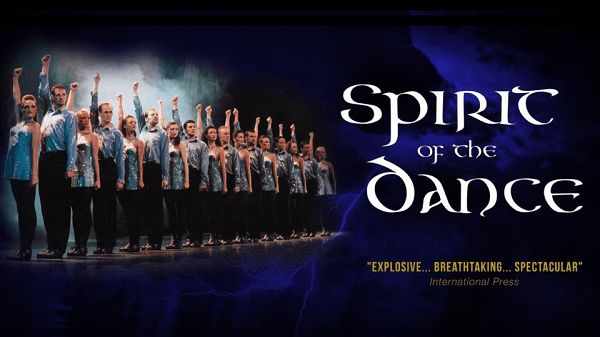
Spirit of the Dance's debut was at Bristol Hippodrome Theatre in the mid-1990s.
Spirit of the Dance’s debut was at Bristol Hippodrome Theatre in the mid-1990s.

At a time when entertainment is at our fingertips, Spirit of the Dance returns to the UK stage with more soul, strength, and passion to celebrate its 26th anniversary as one of the most successful dance acts of the 20th and 21st centuries. This local tour will kick off at the Grand Theater Blackpool (January 18th), tour New Theater Royal (January 24th), and continue at the Princess Theater on Sunday, February 19th. Tickets are available now and range from £13 to £45. So now you can take your phone and write “Spirit of the Dance Tickets” and book your tickets.

This almost two-hour show by British producer David King combines the sensual Latin rhythms of Salsa, Tango, and Flamenco with the explosive footwork of Irish dance and other rhythms such as Street Dance, Hip Hop, Techno, Can Can, and American Tap.

The singers (Three) during the transitions will interpret great international classics by artists such as Adele and Céline Dion, among others, as well as Celtic hits.

The more than 350 dancers throughout the production present uncompromising precision and astonishing technique and skill in this high-octane show that borders between thundering feet performing as one and the audience vociferously demanding more.

This vibrant choreography of musical fusions has been acclaimed by more than 20 million people around the world and has packed theaters in a matter of hours since its inception in 1996.

So join the biggest dance sensation in history that celebrates 26 years as one of the most successful dance acts in the world, and mark your calendars now. See you there!

Do You Want To Know How It Was Done?

The shows on December 27th, 29th, and 30th were canceled in Spain.

I’m going to tell you everything. You see, David King is one of the most applauded English theater producers by the public and specialized critics in Europe, Oceania (Australia), and Asia. He owns the King’s Castle Theater in Missouri (USA), the Broadway Theater at the New York-New York Hotel & Casino on the Las Vegas Strip (USA), and is the Executive Producer of Spirit Productions, becoming in this way in one of the largest employers in the world of entertainment in the last two decades.

His first musical, Spirit of the Dance https://www.spiritofthedance.com/, was created in the spring of 1996 when David was in the worst financial situation of his life, he wanted to start in the music industry entertainment but was not assertive in any business. One day he accompanied his friend to see the musical Riverdance starring the Irish dancer and choreographer Michael Flatley. At the end of the show, he watched the audience go crazy and during that moment he thought: “I can do this.”

When he left the theater he returned to his house and began the development of the play. In just three months he wrote the plot and used pieces of music that he had composed during his youth. “With my last £100, I printed copies of the poster and sent them to cinemas across the country. The phone in my kitchen started ringing and people were like, ‘Get me this show! I had the right idea at the right time.” David expressed to international media.

However, he tried to raise the money to put on the show but was rejected by everyone, “no one had faith in me to invest. I knocked on so many doors my knuckles ached. But despite all the refusals and all the doors that were closed in my face, I kept going despite everything… I sold everything I had, including my car and the family silver. It was time to sink or swim, and I jumped in with both feet. My luck changed for the better when Michael Flatley announced that he was leaving Riverdance to start his own show. Everyone assumed Spirit of the Dance was his new show and opening night sold out in hours.”

By 1998 and up to 2006 there were already 14 different Spirit of the Dance groups performing in 14 countries simultaneously.

This theatrical production updates its program every year to include current dance styles, so fans and curious viewers return to see the musical on several occasions.

You Can Also Read: 6 Clubs To Dance Salsa In London

Shoemaker and shoe designer Carlo Farroni

We talked with shoemaker and shoe designer Carlo Farroni

In entertainment, singers, musicians and dancers are always the ones who show their faces to the audience, so they usually take the credit that comes from the final result, but there are many other professionals who also do their part so that a stage performance can be carried out, but unfortunately they do not get the recognition they deserve from the mass media.

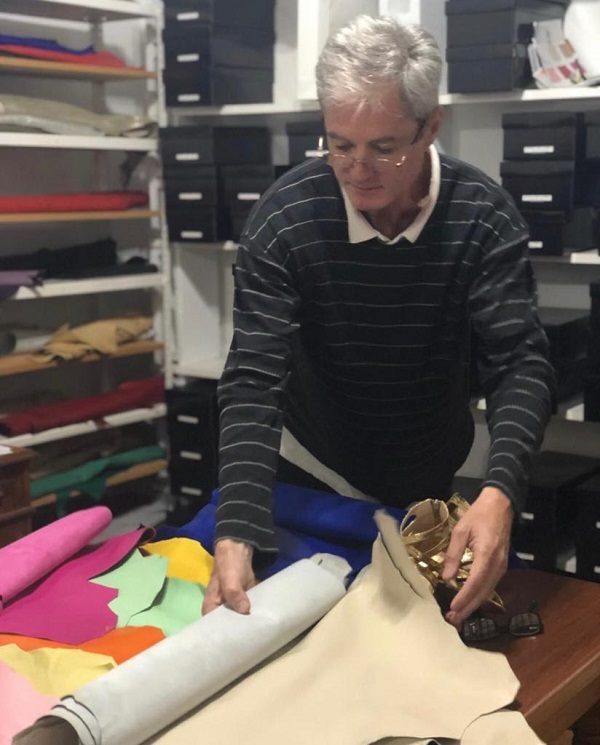
Carlo Farroni checking his materials for shoes

Some of those professionals are shoemakers and shoe modelists, who offer absolute comfort and elegance to artists during their shows, especially when it comes to dancers. Today, we are going to bring the story of Mr. Carlos Farroni, who kindly agreed to talk to us and told us how he began in this interesting and important occupation.

How did you start your career as a shoemaker and shoe designer? (título 3)

Carlos Farroni tells us that he started his apprenticeship at the age of 20, namely more than four decades ago. All this training took place at the shoemaking institute in Buenos Aires, Argentina, Farroni’s native country, but it was not the only place responsible for teaching this man everything he knows today. He also combined his studies with certain tasks in an artisan footwear workshop, something that would be a great support to the knowledge gained within the field of formal education.

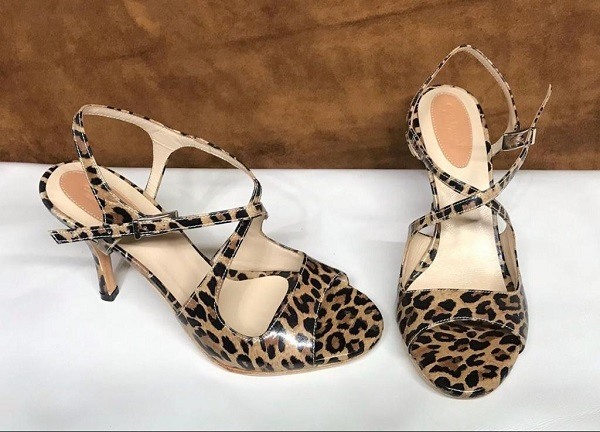
Dancing shoes for women made by Carlo Farroni

A few years later, he enbarked on a trip to Italy, where he worked in various areas of the creation of shoes, such as design and subsequent manufacturing, which was also extremely important for the Argentinean to continue learning how to navigate the world that has made him so well known.

Asked why he dedicates himself to the creation of special shoes to dance, he replied that he was carrying out exclusive footwear for theatre plays for many years, during this time his work started to become known in many parts of the world. After the quality of his products made news in many countries, many dancers started contacting Farroni to design exclusive shoes for them. It can be said that this is how he started the famous brand we know today.

More dancing shoes for women made by Carlo Farroni

How is your working methodology? (título3)

Regarding the production process, Mr. Farroni has revealed to us that everything is hand-made, which means that the tailoring, design, choice of materials, cutting, sewing, assembly and finished are handmade. In the same way, he ensures that the materials used for his products (most of the shoes are made of leather) are of excellent quality both in tanning and in thickness. This whole process is what makes the shoes look so professional and, at the same time, so comfortable and light as to allow the wearer to move freely.

It is also important to underline that the shoes handmade by Mr. Farroni’s brand can be used to dance every kind of musical genre without an problem. Obviously, tango dancers are the ones who most often seek out and promote these products, but there is no limit with regard to this detail. Anyone who wants the greatest elegance, sophistication and comfort at the moment of dance anything can contact Carlo Farroni, who will be happy to assist them and offer them the best of his work.

Dancing shoes for men made by Carlo Farroni

Read also: Omar Ledezma Jr talks about his experience at the Tempo Latino Festival

  • « Go to Previous Page
  • Page 1
  • Interim pages omitted …
  • Page 12
  • Page 13
  • Page 14
  • Page 15
  • Page 16
  • Interim pages omitted …
  • Page 21
  • Go to Next Page »

International Salsa Magazine (ISM) is a monthly publication about Salsa activities around the world, that has been publishing since 2007. It is a world network of volunteers coordinated by ISM Magazine. We are working to strengthen all the events by working together.