• Skip to primary navigation
  • Skip to main content

International Salsa Magazine

  • HOME
  • Previous editions
    • 2026
      • ISM / March 2026
      • ISM / February 2026
      • ISM / January 2026
    • 2025
      • ISM / December 2025
      • ISM / November 2025
      • ISM / October 2025
      • ISM / September 2025
      • ISM / August 2025
      • ISM / July 2025
      • ISM / June 2025
      • ISM / May2025
      • ISM / April 2025
      • ISM / March 2025
      • ISM / February 2025
      • ISM / January 2025
    • 2024
      • ISM / December 2024
      • ISM / November 2024
      • ISM / October 2024
      • ISM / September 2024
      • ISM / August 2024
      • ISM / July 2024
      • ISM / June 2024
      • ISM / May 2024
      • ISM / April 2024
      • ISM / March 2024
      • ISM / February 2024
      • ISM / January 2024
    • 2023
      • ISM / December 2023
      • ISM / November 2023
      • ISM / October 2023
      • ISM – September 2023
      • ISM – August 2023
      • ISM July 2023
      • ISM Edition June 2023
      • ISM – May 2023
      • ISM April 2023
      • ISM March 2023
      • ISM February 2023
      • ISM January 2023
    • 2022
      • ISM December 2022
      • ISM November 2022
      • ISM October 2022
      • ISM September 2022
      • ISM August 2022
      • ISM July 2022
      • ISM June 2022
      • ISM May 2022
      • ISM February 2022
      • ISM January 2022
    • 2021
      • ISM December 2021
      • ISM November 2021
      • ISM October – 2021
      • ISM September 2021
      • ISM August 2021
      • ISM July 2021
      • ISM May 2021
      • ISM April 2021
      • ISM June 2021
      • ISM March 2021
      • ISM February 2021
      • ISM January 2021
    • 2020
      • ISM December 2020
      • ISM November 2020
      • ISM October 2020
      • ISM September 2020
      • ISM August 2020
      • ISM July 2020
      • ISM June 2020
      • ISM May 2020
      • ISM April 2020
      • ISM March 2020
      • ISM February 2020
      • ISM January 2020
    • 2019
      • ISM December 2019
      • ISM November 2019
      • ISM October 2019
      • ISM Septembre 2019
      • ISM August 2019
      • ISM July 2019
      • ISM June 2019
  • Spanish
  • Download Salsa App
    • Android
    • Apple

Search Results for: Tango

My mother sang tango

One of the Latin genres that is currently on the rise is tango, so it is common to find more and more people linked to it. There are even many who have made tango one of the most important passions of their lives, as in the case of Carlos Álvarez Guevara, with whom we have had the fortune to talk exclusively about this and other interesting topics.   
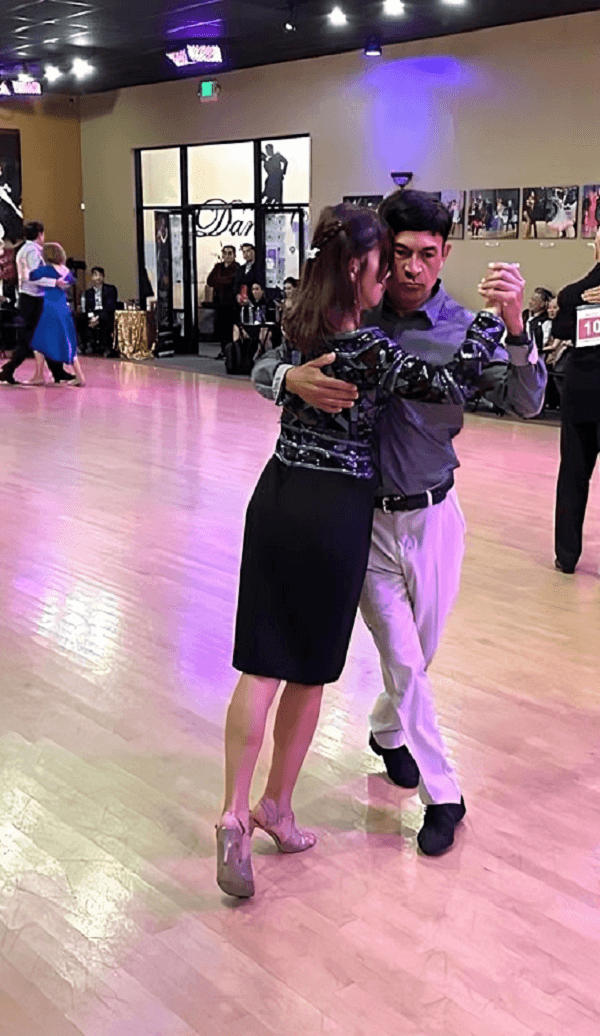
Carlos dancing tango
Carlos dancing with his dance partners in tango classes

Childhood with a tango singer mother   

Carlos’ contact with tango began during his early childhood thanks to his mother, who was a tango singer and dancer.   

Carlos describes his early live in El Salvador and points out that, back then, there were no cassettes or CD players with which to listen to music, so people had to make do with what they heard on the radio. His mother went to a well-known radio station to take part in singing competitions.   

It is then that the boy would listen to his mother rehearse for the competitions with old tango songs, which made him memorize them perfectly and be able to sing them in full. The rest is history.   

How Carlos sees tango today   

Today Carlos is a tango and salsa dancer, a genre that has also been important in his musical journey. However, he sings the songs he dances to at amateur level.   

For many years, he left aside music to devote himself to become a mechanic, a job from which he recently retired after more than 40 years of hard work. It was when he turned 45 that he fully resumed his love for tango and enrolled in dance classes to remember everything he had learned with his mother. 

This is why Carlos says that he is much more professional in dancing than in singing, since he dedicated much more time and effort to the former to become an expert in the field. Dancing, of course, is accompanied by singing, but it has less hierarchy in terms of the artist’s priorities.   

He has reached such a level of excellence in these disciplines that some friends of his put him in touch with Eduardo Guilarte, director of International Salsa Magazine, so that he could talk to us and his talents would become better known.    
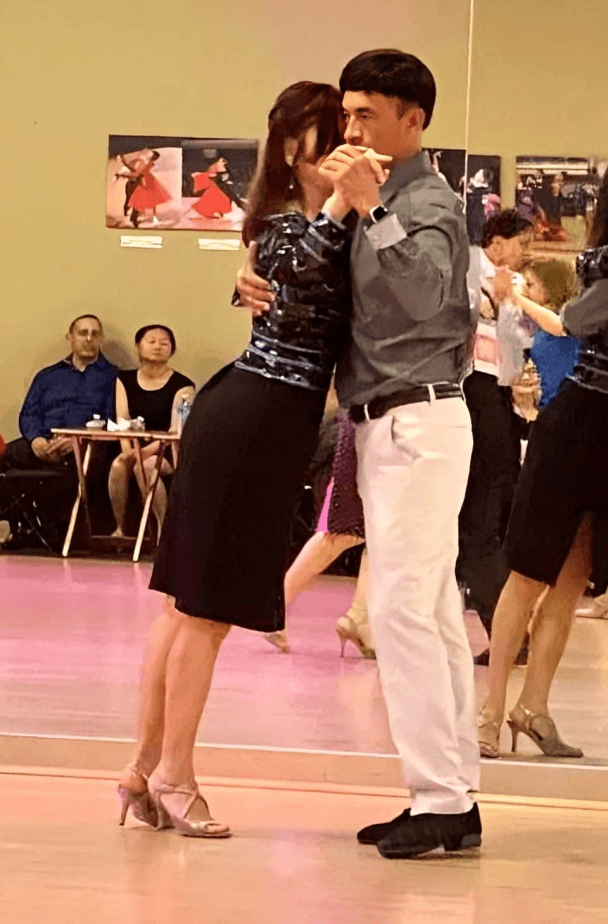
Carlos was a mechanic
Carlos was a mechanic during a great part of his life, but tango is his biggest passion

Time dedicated to mechanics and dance   

Regarding the time dedicated to his formal work and dancing, Carlos claims he never had any problems, since he knew how to organize very well in this aspect. 

He always devotes his time to dance on weekends, days where he frequented, and still frequents, nightclubs with friends with whom he dances and spends very pleasant moments that clear his mind of everyday life.   

In addition to that, he also has a karaoke machine at home with which he also sings and practices his repertoire to delight anyone who wants to hear him on any nightclub stage.   

What Carlos has learned from tango   

Just as Carlos has been dedicated to singing and dancing tango, he has also invested time in learning about its history to give more depth to the knowledge he has about this genre and he wanted to share with us a little of what he has learned.  

He told us that one of the things he was most fascinated to learn is that tango has roots from many places and times around the world, although nowadays it is seen as an Argentine genre. Something that many do not know is that it has its origins in the arrival of Africans in the ”New World”, which played a fundamental role in the emergence of tango in Argentina and Uruguay, which were under Spanish rule.    

Both countries were transit ports for slave traffic, so the new inhabitants of these places brought with the their music and customs, which were mixed with the local music and customs to give rise to what is known today as tango. 

A very interesting detail he told us is that, when European sailors stopped in these countries and went to bars to look for drinks and some company, so the ladys in these places danced tango to seduce and provoke them. At that time, this kind of music was perceived as the lowest level of society to the point that the Catholic Church demanded its parishioners not to dance tango, but it turns out that the genre was pleasing to the people and nothing could be done about it.    

In the end, puritans had no choice but to embrace this wonderful dance and, today, people of all social classes, ages and races enjoy it without any complex.   

Carlos with his family
Carlos with his mothers, brothers and dog Mozote

The lyrics and references of tango    

Since Carlos has very extensive knowledge of everything about the genre and its lyrics, we wanted to know what he has studied about it.    

‘‘Tango can be many things at the same time. It can touch on issues related to the moral conduct of the individuals and, like many Latin genres, it also serves to mock and criticize politicians. It can also be an ode to love, spite and regret for having lost the loved one” Carlos shared with us on the subject.    

‘‘This genre can deal with many subjects at the same time, but one of the most recurrent is frustration with failed love and I don’t think that will change in a long time” said Carlos.   

Regarding the issue of the greatest artists who have inspired him to dance and sing tango, he mentioned Carlos di Sarli, Carlos Gardel, Oswaldo Pugliese and Enrique Rodríguez.   

What Carlos feels at singing and dancing tango   

Carlos describes listening to any tango song as ”listening to your own national anthem in a foreign country”. For him, listening to any piece sung by his parents in the past is a source of pride and takes him back to the most beautiful moments of his childhood. 

Carlos pointed out that ”when you are driven by loving emotions and some thoughts are trapped, you can express them through singing and dancing, which is what I always do”.    

The artist pointed out that he loves this world and it is one of the things that fills him the most in life, so he is grateful to be able to talk about it in International Salsa Magazine and express what it makes him feel to the world. 

Read also: Bolivian guitarist Gabriel Navia and his love for music 
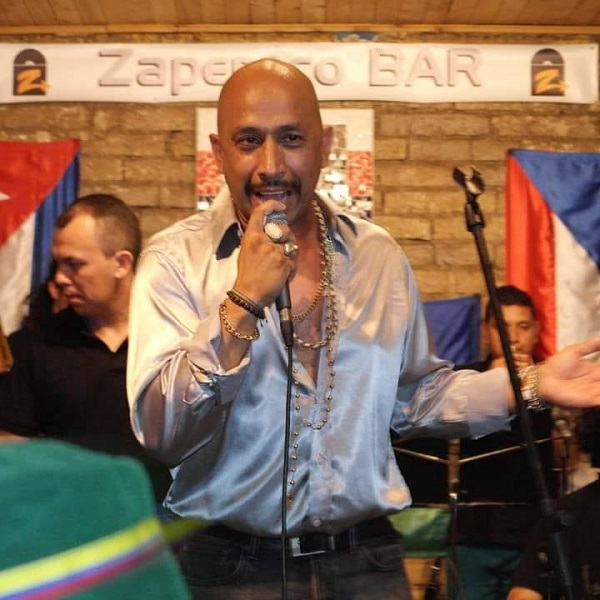
Cajiao, says he always had a taste for good music: the tangos and ballads of the 50s and 60s

Danilo Cajiao was born on February 9, 1969 in Cali Colombia son of Marina Munevar and Antonio Cajiao family with three siblings Walter, Patricia and Raul.

From my father I inherited the musical taste for Afro Antillean rhythms, we listened at home to the Sonora Matancera, Benny More, Arsenio, Daniel Santos and many more.

Danilo Cajiao was born on February 9, 1969 in Cali, Colombia.

There was always a taste for good music: the tangos and ballads of the 50s and 60s.

When I was a student I participated in several music festivals at school and I was part of several dance and Andean music groups.

I always liked salsa and my favorite artist of the genre will always be Angel Canales.

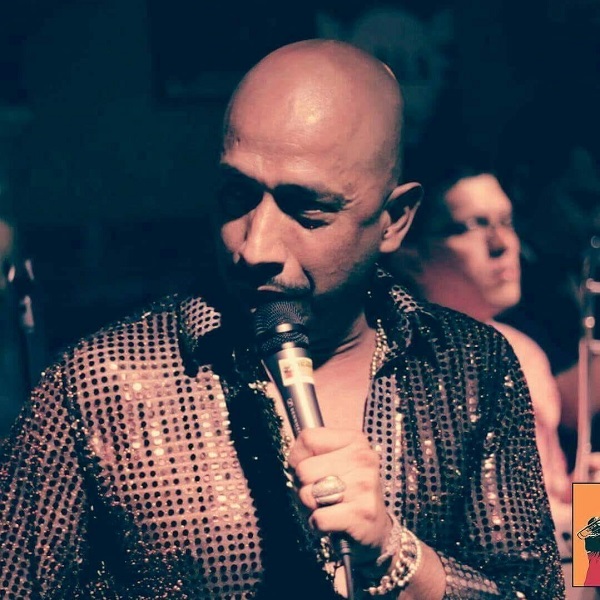
After the appearance of the program “YO ME LLAMO” in Colombia I was motivated to start the process to achieve the perfect imitation of Angel Canales.

I began my presentations in small salsa bars with a dance floor and I did about 4 songs of Diferente, as I went along the character was being perfected and the public and the owners of the bars were asking for something more.

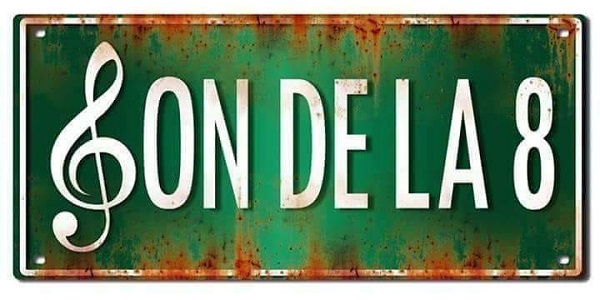
I then created “the Orchestra SON DE LA 8″ in 2013 with the purpose of making the accompaniment and mount all the music of the different Angel Canales.

Orquesta SON DE LA 8

The market was opening and the support of the salseros was very large, We have had much acceptance in the salsero environment in Colombia.

Participating in major events locally, nationally and internationally:

Leyendas Vivas De la Salsa in Medellin Colombia,

Salsa al Parque Cali, Salsa al Parque Bogotá, Homenaje a la Salsa, Tributo a los salseros and Noche Blanca.

I have alternated and shared stages with several national and international artists and orchestras.

Orquesta Brodway, Orquesta Colon, Nelson y sus Estrellas, Gran Combo de Puerto Rico, Henry Fiol, Adalberto Santiago, Luisito Carrión, Papo Cocote, Cano Estremera, Moncho Santana, Orquesta Zodiac, Luigui Texidor, Frankie Vásquez, Tony Molina, Orlando Marín, Orquesta la Inmensidad and Orquesta la 33.

Danilo Cajiao, says there has always been a taste for good music, the tangos and ballads of the 50s and 60s.

International presentations:  

Guayaquil Ecuador and Caracas Venezuela.

Endorsed and supported by the family of ANGEL CANALES and by him I have taken my tribute to the most recognized places and salsa clubs in Colombia.

Apart from accompanying the Diferente Angel Canales with the orchestra Son de la 8 we have made our own music always keeping the line of heavy salsa and with good taste.

Angel Luis Canales “El Diferente”.

There were nine record productions by Angel Canales between 1975 and 1987, twelve productive years.

By 1970 Angel Luis Canales had put his voice on an album by African-American pianist Mark Dimond, and five years later Dimond’s orchestra was renamed “Angel Canales y Sabor”.

The immense musical freedom of Ángel Luis Canales Canales has much to do with the determining influence exerted on him by Rafael Cortijo, Ismael Rivera and the irreverence of the Combo de Cortijo as a whole.

The difference was that those two masons did not have enough money to support their ideas economically (discographically speaking) while Canales had enough because of the money he earned from his profession as a jeweler and diamond cutter.

That’s why he didn’t lower his head to anyone, that’s why he didn’t give in to any advantageous record contracts and made his own record label, that’s why he never paid or bribed radio producers, and he dressed the way he wanted.

That’s why the conservative salseros kept a CIA-like eye on him. And Canales revolutionized everything in his path: from his clothing to his vocal and orchestral arrangements, his presentations and his choice of repertoire.

By 1970 Angel Luis Canales had put his voice on a record by the Afro-American pianist Mark Dimond, and five years later Dimond’s orchestra was renamed “Angel Canales y Sabor”, and with it he would make a mark like few others in the world of salsa, from his total independence, to the freedom for the musicians, his revolutionary shaved head, and a wardrobe that had nothing to do with the salseros, in addition to his voice, repertoire and arrangements. Ángel Canales recorded in 1979 the album “El sentimiento del latino en Nueva York”, and an exquisite version of “Dos Gardenias”, by Cuban composer Isolina Carrillo.

“El sentimiento del latino en Nueva York” was a clarinada similar to “Imágenes Latinas”, the song by Argentine Bernardo Palombo presented a year earlier by Conjunto Libre, in terms of its contents of denunciation and clamor for justice. “Es el sonido que el americano oye/ y no entiende” (It’s the sound that the American hears/ and doesn’t understand).

Musical childhood

Ángel Luis Canales was born on June 29, 1950 in Santurce, Puerto Rico, son of Ángel Luis Canales and Ana Ilda Canales.

At the age of 8 he was already in New York with his parents, who liked to listen to romantic music and also to Cortijo y su Combo.

The Puerto Rican country song was also among his favorites; it was the jíbara song of his people. In time Canales would indicate that Cortijo and Ismael were determining influences in his musical and social journey.

Much has been said that his current retirement is due to Parkinson’s disease, but Ángel Luis Canales is there, he attends private invitations of his friends and remains in the battle line of salsa and life. He is currently 73 years old.

In those years and in school he was more inclined to practical workshops than books and that is why he went to work, recommended by one of his teachers in a jewelry store where from being a messenger he would learn all the secrets of the art of cutting, polishing and mounting diamonds. He became a professional, solvent, and with an extraordinary clinical eye that would serve him a lot later.

Vista larga, his new friends did not speak Spanish, his native language, but fortunately Angel Luis had peers of his generation, and Latinos like the Lebron brothers and Willie Colon himself.

He also took a long view of his internship in the U.S. Army and later assimilated the new trends that emerged in the music being made in New York.

He started out firmly, as we have already mentioned, with pianist Mark Dimond (Markolino), who had been linked to Willie Colón. With Mark he added his voice to some of the songs on the album “Brujería” and later, with the departure of the pianist, the orchestra was renamed “Ángel Canales y Sabor”.

With this band he would record “Sabor” in 1975 and other albums until “El Sentimiento del latino en Nueva York” in 1979.

Two years before the recording of this album, in 1977 Angel Canales made his first visit to a Latin American country, Panama, and the reception he received was such that he would later write a song dedicated to that country.

The same happened during his visit to Venezuela on November 13 and 14, 1981, which became a musical commotion of great proportions at the Poliedro de Caracas.

Likewise in Colombia and Peru he felt the devotion of the public of those nations. Perhaps he did not know the scope of his work and the projection he already had.

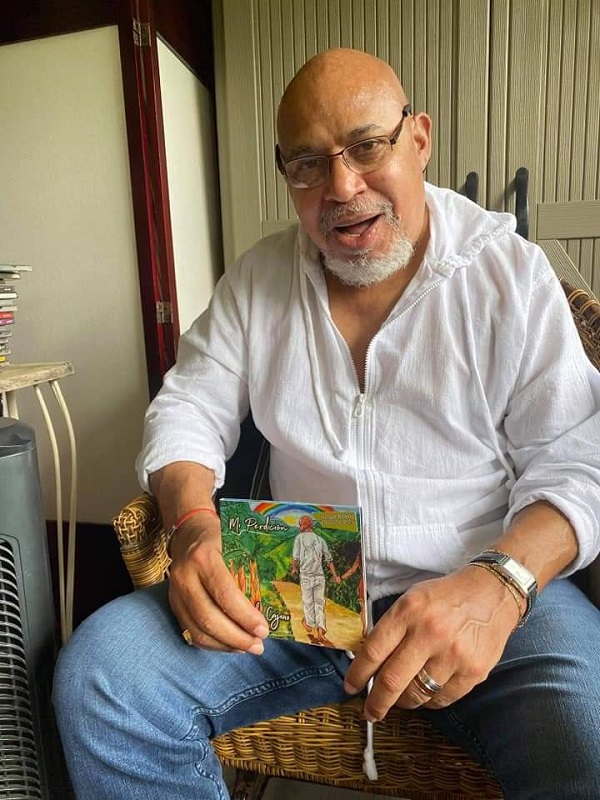
Angel Canales "El Diferente" receiving Danilo Cajiao's production "Mi Perdicion" year 2020.
Angel Canales “El Diferente” receiving Danilo Cajiao’s production “Mi Perdicion” year 2020.

Much has been said that his current retirement is due to Parkinson’s disease, but Angel Luis Canales is there, he attends private invitations of his friends and remains in the battle line of salsa and life. He is currently 73 years old.

Source: TeleSurTv

Also Read: Orquesta la Identidad is one of the most nationally and internationally recognized groups in the salsa genre

The Argentina Tango Salón Festival 2022 returns in January.

In Argentina, Buenos Aires will have a very interesting and attractive start to the year (2022) with the Argentina Tango Salón Festival, an event that takes place every year and is highly anticipated by tango dancers both nationally and internationally, organized by Roberto Zuccarino and Magdalena Valdez which will take place both in “La Viruta” located in Armenia 1366 Palermo, as well as in “La Milonguita” located in Armenia 1353 Palermo, where the professional dancers to teach us will be in these predetermined places in the schedule that we will present soon.

Argentina Tango Salon Festival 2022 Flyer
Argentina Tango Salón Festival 2022 with dancers Christian Marquez and Virginia Gomez

The Argentina Tango Salón Festival 2022 will be held from January 13 to 17, where the following tango dancers and / or instructors will be participating:

  • Christian Marquez and Virginia Gomez
  • Juan Malizia and Manuela Rossi
  • Roberto Zuccarino and Virginia Pandolfi
  • Dante Sanchez e Ines Muzzopappa
  • Carlitos Espinoza and Agustina Piaggio
  • Fernando Carrasco and Jimena Hoeffner
  • Daniel Nacucchio and Cristina Sosa
  • Sebastian Jimenez and Magdalena Valdez
  • Facundo Piñero and Vanesa Villalba
  • Javier Rodriguez and Moira Castellano

The cost of the classes is presented as follows:

  • 1 Class: $25000
  • 3 Classes: $6000
  • 6 Classes: $11.000
  • 9 Classes: $16.000
  • 12 Classes: $20.000
  • 15 Classes: $25.000
The previous Argentina Tango Salón Festival
The Tango Dancers who participated in the Argentina Tango Salón Festival 2020 (live)

During these 5 days of instruction and tango, we were presented with the schedule of activities will be distributed as follows:

  • On Thursday (13): Starting at 1:00 p.m. they will be giving classes with Carlos Espinoza and Agustina Piaggio at (“La Viruta” located in Armenia 1366 Palerm) and Juan Malizia and Manuela Rossi will also be at (“La Milonguita” located in Armenia 1353 Palermo), both until 17:15 hrs.
  • On Friday (14): Starting at 1:00 p.m. they will be giving classes with Roberto Zuccarino and Virginia Pandolfi in (“La Viruta” located in Armenia 1366 Palerm) and they will be in Fernando Carrasco and Jimena Hoeffner in (“La Milonguita” located in Armenia 1353 Palermo), both until 17:15 hrs.
  • On Saturday (15): Starting at 1:00 p.m. they will be giving classes with Facundo Piñero and Vanesa Villalba in (“La Viruta” located in Armenia 1366 Palerm) and they will be with Javier Rodriguez and Moira Castellano in (“La Milonguita” located in Armenia 1353 Palermo), both until 17:15 hrs.
  • On Sunday (16): Starting at 1:00 p.m. they will be giving classes with Sebastian Jimenez and Magdalena Valdez in (“La Viruta” located in Armenia 1366 Palerm) together with Daniel Nacucchio and Cristina Sosa in (“La Milonguita” located in Armenia 1353 Palermo), both until 5:15 p.m.
  • On Monday (17): Starting at 1:00 p.m. they will be giving classes with Christian Marquez and Virginia Gomez in (“La Viruta” located in Armenia 1366 Palerm) together with Dante Sanchez and Ines Muzzopappa in (“La Milonguita” located in Armenia 1353 Palermo), both until 5:15 p.m.
Argentina Tango Salón Festival 2022
Schedule of activities for the Argentina Tango Salón Festival 2022

If you want more details about the event, buy your tickets or send a personalized message, you can contact them and obtain more information through:

  • WebSite:
  • Facebook: @Argentina-Tango-Salon-Festival

In Buenos Aires I held the Tango Festival and World Cup 2021

Buenos Aires, Argentina, the place where the spirit of Tango was born, so when tourists visit this beautiful city they say that to get to know it you have to immerse yourself in the magic of dance.


Tango is a dance full of sensuality that was born during the 1800s, a musical style that results from the fusion between African culture and the local cultures of the gauchos and native peoples, in addition to the contribution of European immigrants –mainly, Spanish and Italian – and from the Middle East.

The elegant and passionate movement of tango shows the exotic cultural mix of the first tango dancers and the solemn melodies of this music offer the listener a glimpse into the lives of the first Argentine immigrants, and over time the tango later spread to the wealthier areas of Buenos Aires and at the beginning of the 20th century it became a sensation throughout Europe and the United States.

Photo of Tango Dancers
Tango dancers in Buenos Aires

For many years, Tango Festivals have been held in Buenos Aires every year, being a very attractive event for both national and foreign citizens, where many professional Tango dancers participate and compete and this year it is organized again by the Ministry of Culture of the City of Buenos Aires, Tango BA Festival and Mundial who announced the champions in the categories Tango de Pista and Tango Escenario which was filling the Buenos Aires center with magic with more than 4000 people who enjoyed it with the Obelisk on Diagonal Street North as part of the stage.

The Tango BA Festival and Mundial was held from September 16 to 26, where shows, tributes and the best dancers performed on stage; more than 400 couples from Argentina, Brazil, Russia, Italy, Japan, Korea, Taiwan, Spain, Romania, Poland, Malaysia, Turkey, United States, United Kingdom, China, Germany, Colombia, Indonesia, Ecuador, Mexico, Latvia, Georgia , Bolivia, Canada and Switzerland competed in the Tango de Pista and Tango Escenario categories in this edition of Tango BA Mundial.

The inauguration began on Thursday, September 16 at the Auditorium of the Usina del Arte at 7:30 p.m. where a tribute was made to maestro Aníbal Troilo (he was a bandoneonist, composer, orchestra conductor of Argentine tango) with the orchestral direction, arrangements and solo violin by Fabián Bertero, the special participation of the dancers Sandra Bootz and Gabriel Ortega, and the presence of notable guests such as the singer Sandra Luna and the pianist José “Pepe” Colangelo, the special production “Pichuqueando”.

Photo of the dance stage Buenos Aires
Dance stage for the Tango festival in Buenos Aires 2021

September 17:

  • Starting at 5 pm: the Carlos Gardel Museum presents the Fileteadoras Talk, by Patricia Berman and Claudia Medori and in turn an interview by Silvia Brunelli and Mercedes González Bracco.
  • At 6:00 pm: at the Abasto Shopping, the La Juan D’Arienzo Orchestra performed.
  • Starting at 7:00 p.m., Hernán Reinaudo presented his album Toro mañero in the Chamber Room of @usinadelarte
  • 7:30 pm: María Garay presented 80 years of Life and Song, in Concert, at the Auditorium of the Usina, which were an exciting celebration of her career, with Marcos & Louise, Champions of Tango de Pista 2020, as dancers, Also at the same time, “Eternamente Di Sarli” was presented with the Orquesta Típica Misteriosa Buenos Aires on the voice of Eliana Sosa, at the Amphitheater of Parque Centenario. With Carlos Rossi, as special guest, and Carla Rossi and José Luis Salvo, as guest dancers, not to mention that at the same time there was a class and exhibition by Soledad Rivero and Cristian Gallardo.

September 18th:

  • From 2:00 p.m. to 6:00 p.m., Tango BA drinks the Historic Quarter. He toured one of the most emblematic areas of the City while enjoying concerts, guided tours, and dance shows. In addition, throughout the afternoon, “La Calle de la Música” came to life on a stage set up on the corner of Chile and Balcarce: where Ache Rey & Foul Envido Tango performed; Vanina Tagini & Gabriel Merlino Trío; Alfredo Piro and Profética y Fatal.
  • At 7:00 pm: Walter Ríos Quinteto presented El Tango y la Danza in the Amphitheater of Parque Centenario. A musical journey through the history of tango, from its origins to its contemporary expression.
  • At 8 pm: Cantá began at the Festival at the Carlos Gardel Cultural Space, with Alberto Bianco as host. Those who dare will be able to show their talent and love for tango on stage

September 19:

  • 12:30 pm: at the Usina del Arte, the Qualifying Rounds of the Tango World Cup were held, in the Tango Track Category.
  • 5:30 pm: in Sur en Vivo – Cultural Center – Milonga del Pueblo by Oscar Héctor, Cantá took place at the Festival, with Alberto Bianco as host. An open microphone for tango players who want to break it on stage.
  • 6:00 pm: The Emilio Balcarce Tango School Orchestra presented a tribute to Elvino Vardaro, the great senior violinist of tango, at the Centennial Park Amphitheater. Roberto Leiva & Valentina Cipollone will dance.

September 20:

  • 5 pm: Milonga Lo de Celia Photographic show Espíritu Milonguero, by Silvia Rojas and the magazine La Milonga Argentina.
  • 7 pm: Milonga Lo de Celia and there was a talk about the spirit of the Argentine milonga, with Silvia Rojas and guests.

September 21:

  • At 1 pm: in the Auditorium of the @usinadelarte (it is a unique space that brings together people from all over the world through the love of tango and dance) where all the qualifying rounds of the Dance World Cup were seen, in In the Stage Tango Category, here each couple presented themselves individually where they demonstrated all their talent to the whole world both live and on the web (internet)

September 22:

  • 6pm: The Milonga La Nacional begins with the presentation of My life in the milongas, by Oscar Héctor. The dancer, milonguero and organizer of spaces, portrays what he has experienced from the age of 9 to the present in the neighborhood clubs.
  • 8pm: Milonga El Beso and Hugo Mastrolorenzo presents his book: El tango ha died on stage. A dystopian tale about a robotic and cloned tango.

September 23:

  • A concert was held from Italy in tribute to Astor Piazzolla, and another from Japan with a repertoire of classics and new compositions

September 24:

  • There were classes and shows in emblematic milongas, proposals in cultural spaces, and the show Remembranzas, by Corporación Tango, in the Centennial Park Amphitheater. In addition, at the Usina del Arte, José Colangelo celebrated his 80 years with special guests: Gabriela Rey, Laura Colangelo and Fabián Bertero.
Photo of el Obelisco - The Tango BA Festival and Mundial 2021
Photo of the Obelisk on Diagonal Norte street

On September 25 and 26:

The grand finale of the BA Tango World Cup began, which will be enjoyed both live and through social networks from Vivamos Cultura; This final was very striking since for the first time the great stage set up was on Diagonal Norte, with the Obelisk in the background, giving it a unique image and experience, with different shows and tributes that filled the heart of the City with tango mysticism with:

  • Concert by the Sans Souci Orchestra, presented by Porteñisimo with the singers Emiliano Castignola and Walter “Chino” Laborde.
  • An emotional tribute was made to Juan Carlos Copes, who died this year, in which Johana Copes, his daughter, participated.
  • 32 couples took the stage to compete for 1st place in the Tango de Pista category.
  • Pablo Banchero accompanied by a guitar trio presented Serenatas de Arrabal.
  • The Sexteto Mayor, which together with Roxana Fontán, performed a repertoire with classic themes from all periods and compositions by contemporary authors.
  • The dancers María Nieves and Silvia Toscano, “La Cachorra”, met in a public talk in which María Nieves told the story of how she brought tango to the stage.
  • At the end, a tribute show to “Tango Argentino” was held, a show by Claudio Segovia and Héctor Orezzoli, which was decisive in the international recognition of tango. This tribute included exhibitions by important dancers such as Milena Plebs and Fernando Carrasco, Vanina Bilous and Javier Rodríguez, Guillermina Quiroga and Mariano Logiudice and Analía Morales and Gabriel Ponce. The general direction was in charge of Julio Zurita.
Dancing Tango at the Obelisk on Diagonal Norte street
The Obelisk on Diagonal Norte Street – The Tango BA Festival and Mundial 2021

And at the moment of the climax, a great emotion was experienced when Fernando Bravo finally announced the winners in each category, not to mention that the couple chosen by the public was awarded in celebration mode.

“The world champions to the couples formed by Agustín Agnez and Bárbara Ferreyra in Tango de Pista; and Emmanuel Casal and Yanina Muzyka in Stage Tango. ”

Due to the Covid-19 pandemic, many people could not be at this beautiful festival, so the organizers made a great gesture with all their followers and transmitted it live by streaming to the whole world on Vivamos Cultura and the Canal de la City with the conduction of the event was in charge of Carlitos Lin and the awards, in charge of Fernando Bravo, so that he would know how the event was going and they could enjoy it from the comfort and safety of their homes.

The winners of the Festival Tango BA and Mundial 2021- Photo
Tango BA Festival and World Cup 2021-
tango dance champions

If you want more details or videos of the event held:

  • Facebook: @FestivalesGCBA

Latin America – January 2017

Panama Jazz Festival 2017 thubnails - Latin America - January 2017

Argentina Tango Salón Festival thubnails - Latin America - January 2017

Salsa Viva & Tango Vivo thubnails - Latin America - January 2017

Azucar Club Cubano thubnails - Latin America - January 2017

Venetur Canaima Camp thubnails - Latin America - January 2017

  • « Go to Previous Page
  • Page 1
  • Page 2
  • Page 3
  • Page 4
  • Interim pages omitted …
  • Page 21
  • Go to Next Page »

International Salsa Magazine (ISM) is a monthly publication about Salsa activities around the world, that has been publishing since 2007. It is a world network of volunteers coordinated by ISM Magazine. We are working to strengthen all the events by working together.