• Skip to primary navigation
  • Skip to main content

International Salsa Magazine

  • HOME
  • Previous editions
    • 2026
      • ISM / March 2026
      • ISM / February 2026
      • ISM / January 2026
    • 2025
      • ISM / December 2025
      • ISM / November 2025
      • ISM / October 2025
      • ISM / September 2025
      • ISM / August 2025
      • ISM / July 2025
      • ISM / June 2025
      • ISM / May2025
      • ISM / April 2025
      • ISM / March 2025
      • ISM / February 2025
      • ISM / January 2025
    • 2024
      • ISM / December 2024
      • ISM / November 2024
      • ISM / October 2024
      • ISM / September 2024
      • ISM / August 2024
      • ISM / July 2024
      • ISM / June 2024
      • ISM / May 2024
      • ISM / April 2024
      • ISM / March 2024
      • ISM / February 2024
      • ISM / January 2024
    • 2023
      • ISM / December 2023
      • ISM / November 2023
      • ISM / October 2023
      • ISM – September 2023
      • ISM – August 2023
      • ISM July 2023
      • ISM Edition June 2023
      • ISM – May 2023
      • ISM April 2023
      • ISM March 2023
      • ISM February 2023
      • ISM January 2023
    • 2022
      • ISM December 2022
      • ISM November 2022
      • ISM October 2022
      • ISM September 2022
      • ISM August 2022
      • ISM July 2022
      • ISM June 2022
      • ISM May 2022
      • ISM February 2022
      • ISM January 2022
    • 2021
      • ISM December 2021
      • ISM November 2021
      • ISM October – 2021
      • ISM September 2021
      • ISM August 2021
      • ISM July 2021
      • ISM May 2021
      • ISM April 2021
      • ISM June 2021
      • ISM March 2021
      • ISM February 2021
      • ISM January 2021
    • 2020
      • ISM December 2020
      • ISM November 2020
      • ISM October 2020
      • ISM September 2020
      • ISM August 2020
      • ISM July 2020
      • ISM June 2020
      • ISM May 2020
      • ISM April 2020
      • ISM March 2020
      • ISM February 2020
      • ISM January 2020
    • 2019
      • ISM December 2019
      • ISM November 2019
      • ISM October 2019
      • ISM Septembre 2019
      • ISM August 2019
      • ISM July 2019
      • ISM June 2019
  • Download Salsa App
    • Android
    • Apple
  • Spanish

Search Results for: Tito Puente

Tito Puente Jr.: perpetuating a legacy with its own rhythm

In International Salsa Magazine, we cannot contain our joy for the conversation we had with the son of one of the greatest legends of Latin music, who is now writing his own story of grandeur thanks to the education he has received practically since birth. This is none other than New York producer, composer, and percussionist Tito Puente Jr., who shared about 40 minutes of his time to answer some questions exclusively for Augusto Felibertt and yours truly, Karina Garcia. 
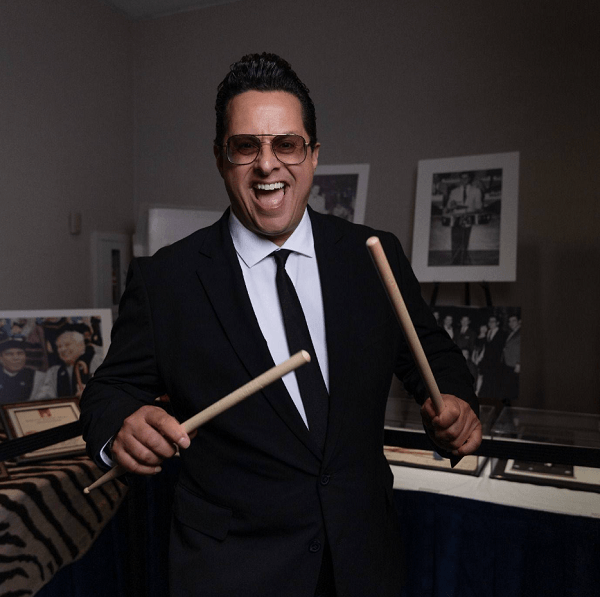
Tito puente jr. smiling
Producer, composer, and timbalero Tito Puente Jr. smiling for the camera

The burden of Tito Puente’s iconic legacy

Having a successful father is a great blessing, but sometimes, it can become a veritable martyrdom for a son who wants to follow his path, as comparisons between them will always be inevitable. Being able to share with Tito Puente Jr., son of the legendary King Of Timbales Tito Puente, gives us the opportunity to get his perspective on this interesting and important subject. 

Fortunately, the artist does not see this legacy as a burden, but quite the opposite. Although he admits that his father is one of the greatest masters and ambassadors Latin music and our culture in general have ever had, and that it is not easy to fill his shoes, he proudly bears his father’s surname and promotes his music.

Moreover, he sees the surname “Puente,” as well as the Spanish word implies, as a union among several generations because many young people this day do not know Tito Puente, Celia Cruz, and many other exponents of that salsa’s golden era. Tito Jr. wants to be part of that “bridge” between generations so that people of all ages can learn about these prodigies, including, of course, his father.

Childhood with Tito Puente as his father

Regarding his childhood and adolescence, Tito emphasized that he always saw his father play all types of instruments such as timbales, marimba, saxophone, percussion, and many others, which inspired him and made him want to imitate him from the beginning. Today, his career is largely influenced by everything he saw at home, and he plays his father’s arrangements and compositions, which are divided between a total of 186 albums. 

Everything learned within his family has taken him so far professionally, to the point that he now has seven Latin Grammys and 14 nominations, all thanks to the legacy he carries. 
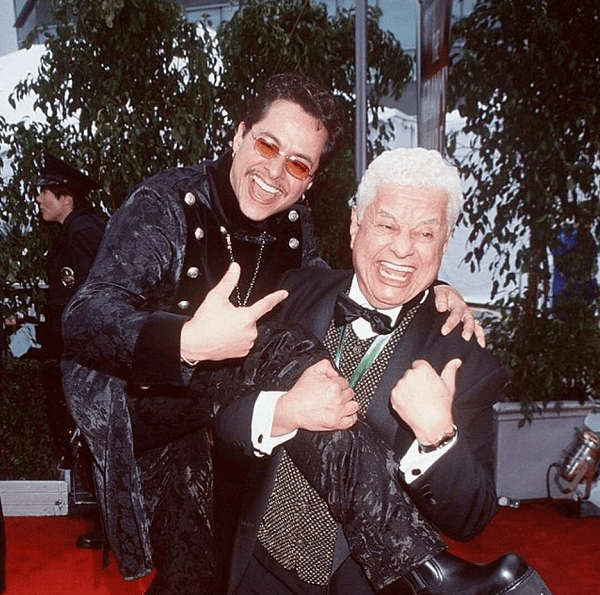
Tito Puente and Tito Puente Jr.
Tito Puente Jr. and his father Tito Puente on the 1998 Grammy Awards red carpet

The Puente family today

On the more personal side, Tito is the youngest of his brothers, among whom he is the only one who works on music as a profession. To some extent, this has made him take upon his shoulders Tito Puente’s legacy through his own art.

The musician currently resides in southern Florida, specifically in Miami, although he works with orchestras from different cities and countries. He is married and has two children who are Miranda, 18, and Tito Puente Jr. Jr., 17. Miranda studies marine biology at university, while her younger brother is in high school but travels constantly with his father and enjoys composing and playing the guitar.

He also told us a little about his wife, who loves salsa but is not in music. On the other hand, he spoke lovingly of “the boss,” his mother Margarita Puente, who is currently in charge of royalties, record labels, publicity, and the documentary on Tito Puente’s life.

He also has two siblings: Audrey Puente, 55, who is a television meteorologist, and Rony Puente, 77, who is also a musician like his father and younger brother. 

Other musical influences besides that of his father

In addition to salsa, mambo, and guaguancó, Tito really enjoys English rock and several bands such as Metallica, Slayer, Iron Maiden, Black Sabbath, and others into this style. These tastes of his have led him to the idea of, at some point, blending heavy metal with mambo to see which result he gets.

As well as he can really enjoy the music of Bon Jovi and Ozzy Osbourne, he is also fascinated by El Gran Combo de Puerto Rico, which he finds to be a very interesting mixture of genres that he would like to experiment with someday. 

He also said laughing that his father did not share his musical tastes and that the only rock band he liked was Santana, and that was because they did their own version of the hit “Oye Cómo Va” in psychedelic rock and Latin rock. 
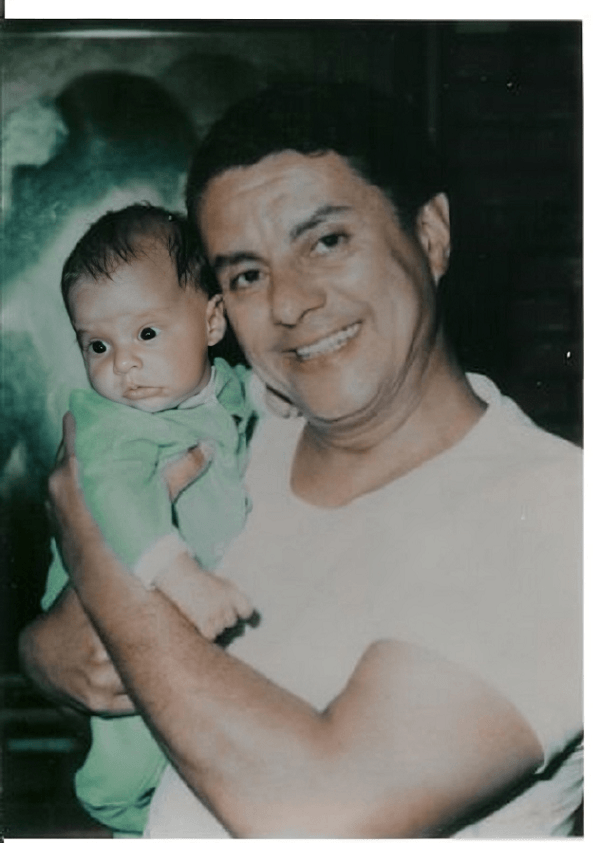
Tito Puente holding his son
Tito Puente carrying his son Tito Puente Jr.

Current singers

Today, Tito works with various singers, including Aymee Nuviola, Lucrecia, Yolanda Duque, and his great friend, “La Princesa de La Salsa” La India. His father worked with great vocalists such as Tony Vega, Michael Stuart, Oscar D’León, José Alberto “El Canario,” Miguel Ángel Barcasnegras Díaz “Meñique,” and many more. 

Tito’s latest album, “The King And I,” also features other big voices such as Domingo Quiñones, Frankie Negrón, José Alberto “El Canario,” Tony Vega, Sheila E., Pete Escovedo, and many other salsa superstars of today and yesterday. 

The timbalero has worked with many figures who also worked with his father in the past, so it is clear that they see him and respect him as the continuation of his musical legacy.

Tito’s views on academic training in music

On the important issue of academic training in music, Tito pointed out that there are not enough educational programs aimed at teaching Afro-Cuban music in schools and universities, which in his view needs to change as soon as possible.

In fact, he noted the importance of promoting programs in educational institutions around the world so that their students learn much more than just symphonic music and become more rounded professionals. Although he recognizes the importance of knowing Beethoven and Tchaikovsky, he also believes that aspiring musicians should know about Eddie Palmieri, Charlie Palmieri, Larry Harlow, Pupi Campo, and other artists in this style. 

The artist believes that the above mentioned artists and many others related to jazz and salsa are part of a very important era of music in the world, which is why he believes that teachers must take them into account during their classes. For him, it is a mission to promote both his father’s music and that of other exponents of his kind in the academic field.
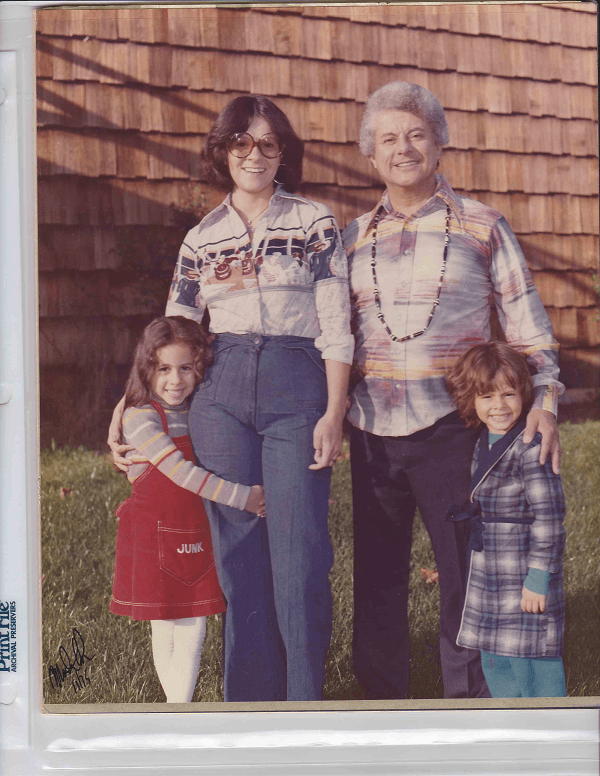
Tito Jr. and his family
Audrey, Margarita, Tito, and Tito Jr.

Upcoming tours

For our research, we could notice that Tito has several performances and tours scheduled for the rest of the year, more specifically for November. In this regard, he told us that in the first week of September, he went to play his father’s music on his weekly show Mambo Mondays, which is held to delight dancers eager to keep enjoying Tito Puente’s music.

About international tours, he plans to go to Germany in February next year and Spain next summer. He is also close to release a documentary in 2026 and a new album with the Los Angeles Symphony Orchestra, which has 77 musicians and instruments such as violins, violas, harps, bagpipes, flutes, French horns, among others.

Tito Puente Jr. and his son
Tito Puente III and his father Tito Puente Jr.

Final comment

We still cannot believe we had this great conversation with the talented Tito Puente Jr. and it has been a great pleasure to share this time with him. Those who wish to contact him can do so through his social media channels, which are as follows:


Facebook: https://www.facebook.com/TitoPuenteJr/

Instagram: https://www.instagram.com/titopuentejr/

X: https://twitter.com/titopuentejr

Tik Tok: https://www.tiktok.com/tag/titopuentejr 

Spotify: https://open.spotify.com/intl-es/artist/2ROkqvVDXj5JgmN6z2uFrM

Read also: Venezuela violinist and former musician in El Sistema Ali Bello has many interesting things to say

Tribute to Johnny “Dandy” Rodríguez Jr. His first recording was professionally with Tito Puente in 1964 and was titled “Exciting Rhythm of Tito Puente”

Johnny “Dandy” Rodriguez, (September 11, 1945, United States August 17, 2024) son of Johnny Rodriguez Sr. who was nicknamed “La Vaca”, remembered percussionist who was part of the orchestras of Tito Puente and Tito Rodriguez, among others; as we can deduce, music for Johnny Rodriguez is something clearly hereditary given that as a child he attended his father’s rehearsals and his mother was a dancer.

Johnny Dandy Rodriguez Foto By Miguel Martillo

To get an idea of ​​the musical family, let’s say that Johnny Rodriguez Sr. also took part in performances and recordings with musicians and singers of the stature of: Alfredito Levy, Joe Quijano, Jose Curbelo, Lou Perez Louie Ramirez, Machito, Miguelito Valdes, Noro Morales, Orlando Marin, Pete Terrace, Pupi Campo and Xavier Cugat.

The father’s enormous musical background was emulated in a great way with ample merits by the son.

Dandy Rodriguez grew up in Spanish Harlem in Manhattan, his home was very musical and when he was in high school he learned the details of percussion represented by the bongos, congas, timbales and drums. Influenced by his father he became interested in music and so in 1962 he joined the band of maestro Tito Puente.

His first professional recording was with Tito Puente and was titled Excitante Ritmo De Tito Puente; after this first album with Puente, “Dandy” Rodriguez began to deepen his musical studies listening and learning from leading musicians such as: José Mangual Senior bongosero from Machito, Rogelio “Yeyito” Iglesias bongosero from Cachao and Vitin Palacio bongosero from Johnny Segui.

He worked with the King of Timbales for more than three decades, initially in the sixties, more specifically from 1962 to 1972, then he rejoined Tito Puente’s band at the end of the seventies and was part of it practically until the death of the famous King of Timbales.

In the extensive career of our Johnny Rodriguez in music we must mention his internship with Joe Cuba’s orchestra, with whom “Dandy” Rodriguez himself says he participated in seven or eight albums since the mid-sixties; the first of them titled Joe Cuba Sextette – Comin’ At Yous; without forgetting to mention that in those albums the name of Johnny Rodriguez Jr. does not appear in the credits due to issues related to contracts with record companies.

His stay with Puente was not a limitation for him to be part of other musical groups, so he also worked for several years with another great of Latin music, the remembered Tito Rodríguez. He was also part of the band of the famous conguero Ray Barreto, replacing Tony Fuentes, and was one of the founders of the famous Típica 73 in 1972 and even took part in a couple of albums with Machito.

In the seventies, during the Salsa Boom, “Dandy” Rodriguez left his mark on recordings with: Jose “Cheo” Feliciano, Charlie Palmieri, Roberto Torres, Willie Rosario, Ismael Quintana, Celia Cruz & Johnny Pacheco, Louie Ramirez, Richie Ray & Bobby Cruz, Fania All Stars, Alfredo De La Fe, Conjunto Clásico, Henry Fiol and Tito Allen.

As we mentioned before, John Rodriguez returned to the band of maestro Tito Puente in 1978 and was part of the band until Ernesto Antonio Puente’s death in 2000 at the age of 77; he participated in this cycle in at least twenty musical works apart from a large number of concerts and performances on tours in different countries around the world.

During those two decades with Tito Puente he also worked with other musicians, singers and groups such as: Miguel Quintana, Roberto Torres, Charlie Rodriguez, Tito Allen, Alfredo De La Fe, Azuquita Y Su Melao, Charlie Palmieri, Celia Cruz & Johnny Pacheco, Paquito D’ Rivera, Raulin, The Bronx Horns and Angelo Vaillant.

Luisito Quintero, Johnny Rodriguez y George Delgado

During the first two decades of the new century, the musical work of maestro Johnny Rodriguez continued and his musical mark has remained in other publications with The Latin-Jazz Coalition, Frankie Morales, Eddie Palmieri, Gilberto Santa Rosa, George Delgado, Victor Manuelle, Rick Arroyo, Orestes Vilato, Mitch Frohman, Cita Rodriguez, Doug Beaver, Adalberto Santiago and Jeremy Bosch.

Also, special mention must be made of the participation of maestro Johnny Rodriguez with a group called The Latin Giants Of Jazz, in the best style of the classic Big Bands made up of great teachers, including some of the former members of maestro Tito Puente’s band; with this group they have published four albums; this project gave rise to another band called The Mambo Legends, who recorded the album entitled: Watch Out! Be careful!

John Rodriguez is without a doubt one of the most prolific percussionists in the world of Latin music called Salsa. The nickname “Dandy” dates back to his childhood when the car he was driven in was bought at a store or shop called “Dandy” and people said look how cute “Dandy” is and from there he stuck with that nickname. In music he is better known as Johnny instead of John.

In (the year 2022) the experienced Johnny Rodriguez had three or four groups with which he is playing, including Dandy Rodriguez and his Dream Team, while teaching percussion classes online.

He is one of the true legends of Latin music, not to mention that his talent has also been reflected in recordings for other musical genres such as: Electronic, Folk Rock, Folk, World & Country, Funk / Soul, Heavy Metal, Jazz, Stage & Screen, Jazz-Funk, Merengue and Pop.

Johnny Rodriguez y George Delgado

In his very extensive artistic career, maestro Johnny Rodríguez was part of historic and iconic recordings of our musical culture, some of these albums have been worthy of awards such as the Grammy Award, among which are:

Tribute to Beny Moré – Year 1978

On Broadway – Year 1983

El Rey: Tito Puente & His Latin Ensemble – Year 1984

Mambo Diablo – Year 1985

Goza Mi Timbal – Year 1990

Mambo Birdland – Year 1999

Masterpiece / Obra Maestra Tito Puente & Eddie Palmieri – Year 2000.

“In 2008, Johny entrusted LP’s Research and Development Department with the design of the John “Dandy” Rodriguez Jr. Legends Series bongos. John is proud that these drums, which bear his name, feature such outstanding sound and visual characteristics.”

Johnny Rodriguez’ “Dream Team”

Also Read: Jerry Ferrao says in salsa key: “My life is a drum”

Collaboration: Marino de Jesus (1588) from Salsa History from the Dominican Republic

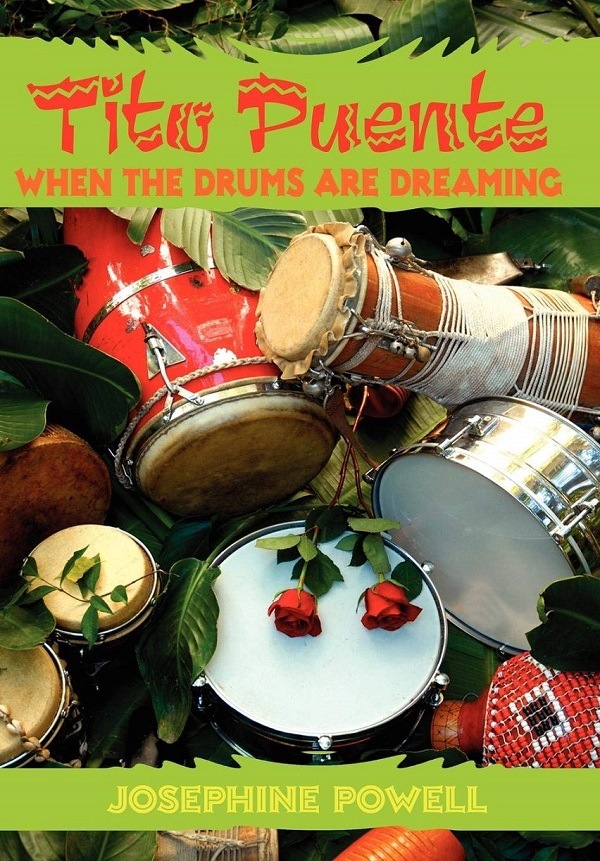
“Tito Puente: When the drums are dreaming” A biography of the King of Latin Percussion by Josephine Powell

North America – USA –CaliTifornia

This month we are sure that you will have time to enjoy an excellent reading at home. So we recommend this book by Josephine Powell. An interesting biography about the legendary Tito Puente, that takes us on a journey through the more than 60 years in which he performed.

Further the life of Tito Puente, you can know his insight into the Latin music industry. With many anecdotes of his encounters, racial discrimination while touring and how that impacted his relationship with other band members. There are also numerous insights into his personality, his temperament, and the many obstacles he had to overcome to achieve legendary status.

Josephine Powell’s book on Tito Puente and his contributions to Latin music and dance is a treasure trove of people, places, facts and history. Because of the author’s place in the history of Latin dance, she takes the reader with her through that fascinating maze of how artists like Puente changed the exposure and tastes of the American public and the world.

The Latin Ballroom world today reflects how we adore – and then neglect and forgets – the people who made us who we are. She mentioned many fascinating dance-related characters in this story that takes place in New York, Los Angeles, Miami, the Catskills and Havana.

It is also a much-needed history of great nightclubs and ballrooms, which are only dim memories for the young – but in their time, were the breeding grounds of Latin music and dance. Tito Puente’s percussion and passion are finally brought to life in a fascinating book.

To remember Tito Puente’s career as accurately as Josephine Powell has done makes this biography a worthwhile read. Tito Puente the man and Tito Puente the musician are blended into the tempo of the times during which the musical man lived. For young musicians seeking success Josephine Powell’s well-written commentary provides a glimpse of what can lie ahead in one’s career; so do read Powell’s take on Tito Puente’s life and perhaps capture a taste of how you too can climb the charts with a dash of spice in your style.

With over 100 albums, several Grammy nominations, 7 Grammys and posthumously awarded The Grammy Lifetime Achievement Award in 2003, his footprint in the world of music will forever be the standard of excellence that others will look to emulate.

Josephine Powell took on the monumental task of writing about his life, the forward was written by Tito Puente 2 months before he died.

Because of their lifelong friendship of many decades, Josephine was the one person who could create this book. Her talent and passion will pulled this off to perfection. He was a man who brought his music to the world, and put the Mambo on the map.

This book never could have been written without her dedication and perseverance and the personal moments she shares. From the very first chapter, the quality of her writing can be seen as she starts with the moments leading up to his death and continues for 16 more, giving you the history of Latin music from its inception to the music of today. Throughout her many archives of pictures from her private collection, your eyes will wide with wonder.

Josie Powell traces the evolution of Afro-Cuban, Puerto Rican and jazz forms from their generally recognized origins through the end of the twentieth century, focusing on Puente’s interactions with professional allies and constant rivals.

Powell documents musical events as an aficionado of the Latin genres, almost religiously avoiding disclosure of Puente’s family life. Those not yet born during the Big Band decades or Mambo mania can imagine the atmosphere from descriptive passages of Manhattan ballrooms, Havana dance halls, LA nightclubs.

About Tito Puente

Ernesto “Tito” Puente was born in 1923 in Spanish Harlem and grew up with the advent of radio and American swing bands. At 10 years old he aspired to be a dancer, like Fred Astaire. An ankle injury gave him the opportunity to explore his talent as a musician. At fourteen he won the coveted Benny Goodman, Gene Krupa drum contest. Tito became a master percussionist. His instrument was the timbales, a pair of cylindrical drums beat upon with sticks. When he joined the dynamic Machito Orchestra at seventeen he saw a promising future, but the Japanese attack on Pearl Harbor December 7, 1941 took him off to war.

He led a makeshift orchestra delivering lovable American wartime tunes when he was not fighting. He returned home wounded, weary and jobless. Puente’s tale should have been the story of every returning American GI, who went off to war, came home to his sweetheart, attended college, raised a family and settled down in an adorable house. Things were not that way.

After the war his obsession for Cuban music drove him to Havana. He attended secret meetings of Santería, an Afro-Cuban religious cult with its roots steeped in mysticism often referred to as black magic. With the lure of the sacred batá drum he discovered a world of rhythms never heard by a white man’s ear. He found himself inside the beat, and thoroughly possessed. Soon Tito became a devotee of Santería and used those drum patterns and calls, which were the mainstay and backbone of his music. Today this hot hypnotic music is known worldwide as Salsa.

About Josephine Powell

Author Josephine Powell – a music historian, lecturer, and consultant on ballroom music and dancing and Latin American music – was a consultant (music, history, and dance) on the motion pictures Salsa, Havana, and The Mambo Kings, and their soundtracks; The Mambo Kings track received a Grammy Nomination. She also consulted on two Golden Eagle television shows; two television documentaries, one Presidential Inaugural Ball, and two Grammy-winning record albums by her mentor Tito Puente.

In 1990, she obtained a star for her mentor on Hollywood’s Walk of Fame, orchestrated his associated live concert on the Boulevard, and organized a gala event at the Hollywood Roosevelt Hotel, with music industry executives, film producers, and celebrities.

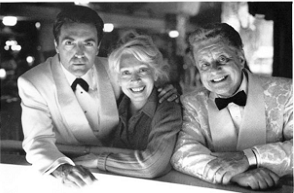
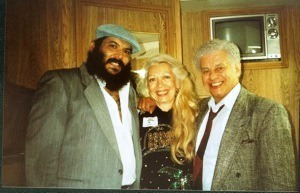
Powell’s dance career took her to the South Pacific, the Philippines, Guam, Hong Kong, Thailand – where she performed for the Royal Family – and Vietnam, where she introduced mambo to the troops in a revue she wrote herself. A Gold Medal ballroom dancer, Powell was Tito Puente’s West coast mambo dance partner, and a cast member of the Broadway show Sketchbook in Las Vegas.

Through touring the country for over a decade with stage and lounge shows, along with work in the recording, television, and movie industries, Powell learned wardrobe design, writing, comedy, and choreography. Appeared at the Tropicana, El Rancho Vegas, Flamingo, and Nevada Club in Las Vegas; The Golden Hotel and Mapes Hotel in Reno; The Wagon Wheel in Lake Tahoe, and The President Hotel in Atlantic City, among others.

After an injury forced her to retire from dance, Powell became a real estate agent in Beverly Hills, where she became actively involved in political work with celebrities and later joined Connie Stevens’s organization Les Girls. Powell’s work and charitable activities afforded many opportunities to work with Hollywood producers, directors, writers, and luminaries.

Powell studied the history of ballroom music and dance, ethnomusicology, journalism, and Spanish at UCLA. A regularly featured musicologist on radio stations KXLU and KPFK, Powell receives many requests for lectures and consultations. She has been a presenter and judge at numerous dance competitions, including the Feather Awards and the U.S. Open National Swing Dance Competition. The Mormon Temple Genealogical Library in Los Angeles has made her its expert lecturer on French Colonial Maritime records. Since 1986, she has conducted ten research and study trips to Havana, where she is a curatorial consultant for El Museo Nacional de la Música Cubana.

With information from: https://josephinepowell.com
You can buy this wonderful book in Amazon: https://www.amazon.com/Tito-Puente-When-Drums-Dreaming/dp/1425981585

José Madera Timbal de Machito and his Afro-Cubans, Tito Puente, Mambo Legends Orchestra and Fania Record Co.

The musician, arranger and composer who has yet to find the time to record and write music for some of the most influential bands in existence.

José Madera, Timbal of Machito and his Afro-Cubans, Tito Puente & Fania All-Stars
osé Madera, born on September 30th

One might think that working for Tito Puente’s famous band can keep a percussionist busy enough.

But musician, arranger and composer Jose Madera had found time to record and write music for some of the most influential bands in the world.

Before joining Tito Puente over 35 years ago, Madera played for four years with the famous Machito Orchestra and recorded with many R&B artists (including James Brown, Diana Ross, David Sanborn and Aztec Two – Step).

Jose musical director of Mambo Legends Orchestra

As an arranger for Fania Records, he participated in several commercial hits, and over the years has composed music for Fania All-Stars, Larry Harlow, Johnny Pacheco, Willie Colón and Celia Cruz.

As an arranger for Fania Records, he participated in several commercial hits, and over the years has composed music for Fania All-Stars, Larry Harlow, Johnny Pacheco, Willie Colón and Celia Cruz.
Jose musical director of Mambo Legends Orchestra

Despite having recorded some 75 albums in 20 years, as well as numerous radio jingles and movie soundtracks, Madera still had time for his other career: for 15 years he worked as a teacher and director at a privately funded performing arts high school in New York City.

Jose has written many arrangements for countless commercial Latino artists and has also recorded or worked with many of them.

Some of them include: Larry Harlow, Johnny Pacheco, Chico O’Farill, the Lincoln Center Afro-Cuban Jazz Orchestra, Celia Cruz, Tito Rodriguez, Fania All-Stars, Willie Colon, Joe Farrell, Machito, Graciela, Mario Bauzá, Willie Rosario, Earl Klughand, Eddie Palmieri, to name a few. Jose also worked and recorded with many pop, R&B and jazz artists.

Some of them include Diana Ross, James Brown, Dizzy Gillespie, Paquito D’Rivera, George Benson and Lionel Hampton, among others.

Jose has participated in over 250 recordings. He has worked on several television show soundtracks, including The Simpsons, and several film soundtracks, including The Mambo Kings Play Songs of Love, where he was the musical arranger and conductor for the Tito Puente film segment.

Jose also taught the art of playing Latin percussion instruments at BOYS HARBOR in New York City for 28 years.

Jose has done and continues to do musical clinics around the country at various schools.

He was the musical director of the Latin Giants of Jazz from 2001 to 2009.

Jose continues his musical direction with Mambo Legends Orchestra, a band composed of former members of the Tito Puente Orchestra, which is dedicated to the execution of new and creative Latin and Latin Jazz concepts, as well as some of the music of Machito, Tito Rodriguez and Tito Puente.

He was the musical director of the Latin Giants of Jazz from 2001 to 2009.
José has participated in more than 250 recordings


Jose has personally recreated and re-arranged much of the music that the bands performed during the heyday of the mambo at the Palladium Ballroom in New York City, which many critics consider to be the “Greatest and Most Innovative Era” in the history of Latin music.

Madera’s father, Jose “Pin” Madera, a saxophonist, was one of the original members of the Machito Afrocubans.

The young Jose was influenced by Machito’s drummer (“the best Latin Big Band drummer I’ve ever heard”). He was later influenced by José Mangual and Tito Puente himself.

Madera's father, Jose "Pin" Madera, saxophonist, was one of the original members of the Machito Afrocubans
José Madera was influenced by José Mangual Padre and Tito Puente himself

Home

Tito Puente’s must-hear: Records you won’t be able to forget

North America / Unites States

The best and more emblematic Tito Puente’s records

Ernesto Antonio Puente, better known as Tito Puente, El Rey del Timbal, was a recognized percussionist in the music industry. He was born in Harlem, New York on April 20, 1923.

Those who knew him as a child considered him very active. He was always looking for objects to generate sounds and make noise. The New Yorker, of Puerto Rican parents, began his music studies too young. At an early age he learned to play percussion and piano.

He was heavily influenced by jazz artists and Gene Krupa, considered the most influential drummer of the 20th century. Puente participated in various local bands and was part of the Machito group; musician and singer of Cuban origin who contributed to the creation of Afro-Cuban jazz.

Remember the great percussionist
Tito Puente made history with his unique style

Their first steps

At the age of fifteen he made his debut in a Miami orchestra. He amazes everyone with his ability for Latin perc battledussions.
For seven years he studied piano and drums. He then attended the Juilliard School, a conservatory of the arts located in New York. His musical training was very solid, which led him to become a great figure of the genre.

It was part of the development of rhythms and fusions that led to the success of salsa. However, he wasn’t a big fan of that term. Although he was known as a “salsa ambassador”, when asked about it, he responded in a humorous way:

“Salsa is what I put in spaghetti. What I play is Cuban music”, he repeated over and over again, extolling the roots of Afro-Caribbean music.
In the 1940s, he decided to form his own band, the Picadilly Boys, specializing in Latin jazz. They received the support of Tico Records to make their first musical recording. His career was just beginning. At the end of the 50s, “Dance Manía”, one of the artist’s most popular albums, was released.

Puente walked among the mambo, bossa nova and Afro-Cuban jazz. In the 60s, he ventured into salsa, without leaving behind other rhythms that characterized him.

The timbalero did not hesitate to support talented young people, Sophy from Puerto Rico recorded his first productions under the recommendations of Puente. Puente was in charge of the production, arrangements and instruments. It was a pleasure for her to receive the affection that he gave her. He treated her like a daughter and learned a lot from him; Celia Cruz was another of the artists who had the honor of working with “El Maestro”.

The sound of their timpani was known worldwide. He recorded more than a hundred albums, received a star on the Hollywood Walk of Fame in 1969, as well as the key to New York City and different nominations: Grammy Award for artistic career, Grammy Hall of Fame Award, Latin Grammy Award for Best Salsa Album, Grammy Award for Best Traditional Tropical Latin Album, Latin Grammy Award for Best Traditional Tropical Album, Grammy Award for Best Salsa Album and Grammy Award for Best Latin Recording.

Throughout his career, he had the opportunity to work with several record labels including: Charly Records, BMG, RCA Victor, Fania Records, Sony Discos and Concord Picante.

Most recognized albums:

Dance Mania, 1978.

Dance Manía, 1958 was the artist’s first album. Considered the most famous percussionist. The study work, entered in 2002, in the National Recording Registry; list of recordings that are considered important and part of the culture and history of the United States. It is also found in the 1001 Albums You Must Hear Before You Die, a music reference book founded in 2005.

The history of Latin music in the United States took a cultural turn after the appearance of Dance Manía. It was recorded under the voice of the Puerto Rican Santos Colón, in Spanish. They were generally performed in the native language of the United States or only as instrumental music.

Tito Puente wanted to break down barriers and have the American public listen to the pieces in Spanish. The album is positioned as the most famous Latin album of all time, surpassing successful artists of the time like Héctor Lavoe and Celia Cruz.

Homenaje a Beny, 1978.
Tito Puente made history with this album, by obtaining his first Latin Grammy. It was the winning album for Best Latin Music Album. With the help of his orchestra, he created an unprecedented album, full of flavor; an album that highlighted Cuban origins and fusions. A heartfelt tribute to the remembered Benny Moré, Cuban singer and musician who died in 1963. “Homenaje a Beny” featured 17 pieces of music.

Tito Puente - Nobody will have his wonderful character
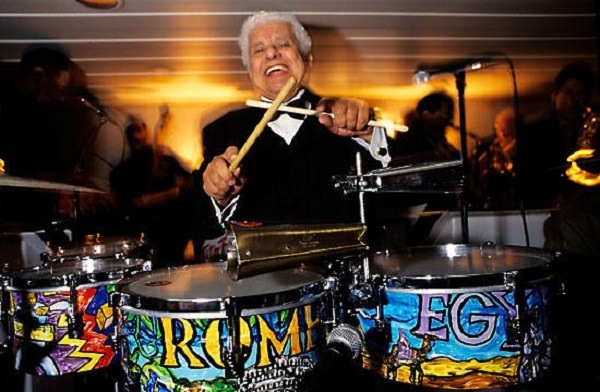
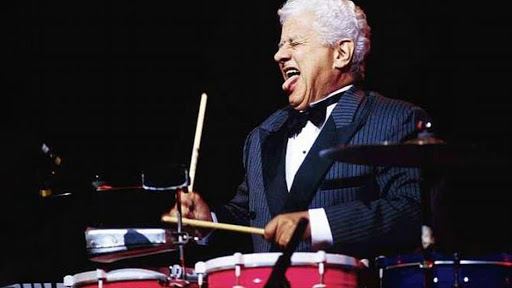
Tito Puente ‘s grimaces while performing

Cuba y Puerto Rico son…, 1966.
The career of the remembered Cuban singer Celia Cruz was on the rise. In 1966, Tito Puente decided to contact her to work together. They established a kind of association that was maintained through the years. In addition, they became very close friends, a bond that went beyond the musical realm.

Cruz appreciated him and was saddened after his death. In her autobiography “Celia, mi vida” she recalled the day she received the terrible news. She considered him an authority on Cuban music and admired his career.“Tito was always in charge of the arrangements, and he liked to work at dawn. We would go out to dinner, and when we returned, Tito would stay until four in the morning composing arrangements for what we were going to record the next day.

Although we were not very lucky with our recordings, Tito and I did very well with the tours. Together we travel to many countries. It was during those trips that we developed that great friendship that we had, ”said La Guarachera del Mundo.

In addition to “Cuba y Puerto Rico Son”, they recorded five more albums: Quimbo Quimbumbia (1969), Etc., Etc., Etc. (1970), Alma con alma (1971), En España (1971) and Algo especial para memoria (1972).

Timbalero Tropical (1998)
One of the last works of the artist and that featured fifteen songs. He worked hand in hand with the RCA label. The album stood out with works such as: El Timbal, Mi Guaguancó, Lo Dicen Todo, Mambo Macoco, Mambo and Preparen Candela. Topics that were very popular at the time and that today continue to sound at family gatherings. They are classic salseros that do not go out of style.

“Oye como va” was a song written by Puente in 1963. However, it was rock guitarist Carlos Santana who popularized it. The song went international and was positioned on the Billboard Hot 100, a list that ranks the best-selling hits in the United States. However, he was not the only one to cover it: Celia Cruz, rapper Gerardo Mejía, Bobby Hutcherson, Joe Cuba Sextette and Cheo Feliciano. When he presented the theme on stage he affectionately presented Santana as its author.

This 2020 marks the 20th anniversary of the physical disappearance of the great: Tito Puente. He passed away on May 31, 2000. His Caribbean flavor, his big smile and his white hair left a great void in the entertainment world. Puente left a great legacy. He contributed to the expansion of Latin music in the United States and served as a composer, percussionist, conductor, and performer.

His exaggerated grimaces, his style, energy, and his skill with the instrument earned him worldwide recognition. In addition to positioning him as an admirable figure among colleagues and young people who want to follow in his footsteps. Simply unforgettable!


Home

  • Page 1
  • Page 2
  • Page 3
  • Interim pages omitted …
  • Page 42
  • Go to Next Page »

International Salsa Magazine (ISM) is a monthly publication about Salsa activities around the world, that has been publishing since 2007. It is a world network of volunteers coordinated by ISM Magazine. We are working to strengthen all the events by working together.