• Skip to primary navigation
  • Skip to main content

International Salsa Magazine

  • Home
  • Previous editions
    • 2025
      • ISM / November 2025
      • ISM / October 2025
      • ISM / September 2025
      • ISM / August 2025
      • ISM / July 2025
      • ISM / June 2025
      • ISM / May2025
      • ISM / April 2025
      • ISM / March 2025
      • ISM / February 2025
      • ISM / January 2025
    • 2024
      • ISM / December 2024
      • ISM / November 2024
      • ISM / October 2024
      • ISM / September 2024
      • ISM / August 2024
      • ISM / July 2024
      • ISM / June 2024
      • ISM / May 2024
      • ISM / April 2024
      • ISM / March 2024
      • ISM / February 2024
      • ISM / January 2024
    • 2023
      • ISM / December 2023
      • ISM / November 2023
      • ISM / October 2023
      • ISM – September 2023
      • ISM – August 2023
      • ISM July 2023
      • ISM Edition June 2023
      • ISM – May 2023
      • ISM April 2023
      • ISM March 2023
      • ISM February 2023
      • ISM January 2023
    • 2022
      • ISM December 2022
      • ISM November 2022
      • ISM October 2022
      • ISM September 2022
      • ISM August 2022
      • ISM July 2022
      • ISM June 2022
      • ISM May 2022
      • ISM February 2022
      • ISM January 2022
    • 2021
      • ISM December 2021
      • ISM November 2021
      • ISM October – 2021
      • ISM September 2021
      • ISM August 2021
      • ISM July 2021
      • ISM May 2021
      • ISM April 2021
      • ISM June 2021
      • ISM March 2021
      • ISM February 2021
      • ISM January 2021
    • 2020
      • ISM December 2020
      • ISM November 2020
      • ISM October 2020
      • ISM September 2020
      • ISM August 2020
      • ISM July 2020
      • ISM June 2020
      • ISM May 2020
      • ISM April 2020
      • ISM March 2020
      • ISM February 2020
      • ISM January 2020
    • 2019
      • ISM December 2019
      • ISM November 2019
      • ISM October 2019
      • ISM Septembre 2019
      • ISM August 2019
      • ISM July 2019
      • ISM June 2019
      • ISM May 2019
      • ISM April 2019
      • ISM March 2019
      • ISM February 2019
      • ISM January 2019
    • 2018
      • ISM December 2018
      • ISM November 2018
      • ISM October 2018
      • ISM September 2018
      • ISM August 2018
      • ISM July 2018
      • ISM June 2018
      • ISM May 2018
      • ISM April 2018
      • ISM March 2018
      • ISM February 2018
      • ISM January 2018
    • 2017
      • ISM December 2017
      • ISM November 2017
      • ISM October 2017
      • ISM September 2017
      • ISM August 2017
      • ISM July 2017
      • ISM June 2017
      • ISM May 2017
      • ISM April 2017
  • Download Salsa App
    • Android
    • Apple
  • Spanish

Search Results for: Trumpet and Percussion

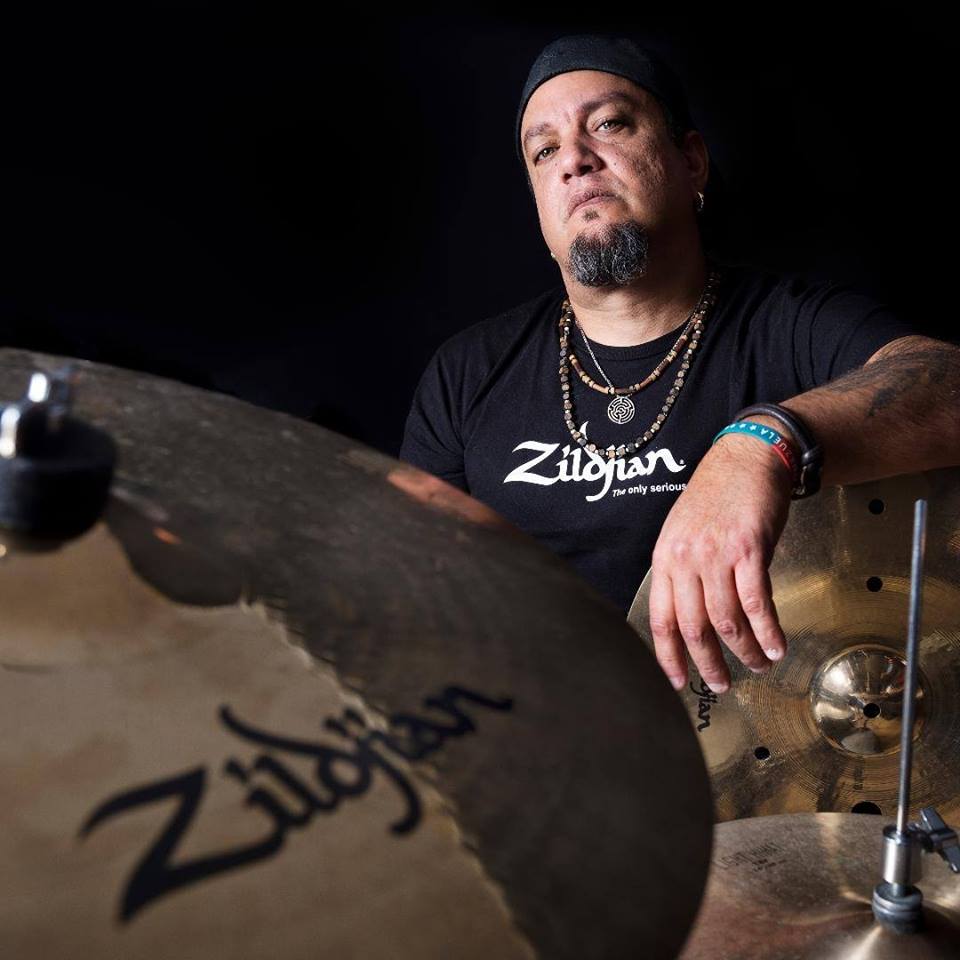
Marco Toro. The Versatile of Percussion

Europa/ Holanda

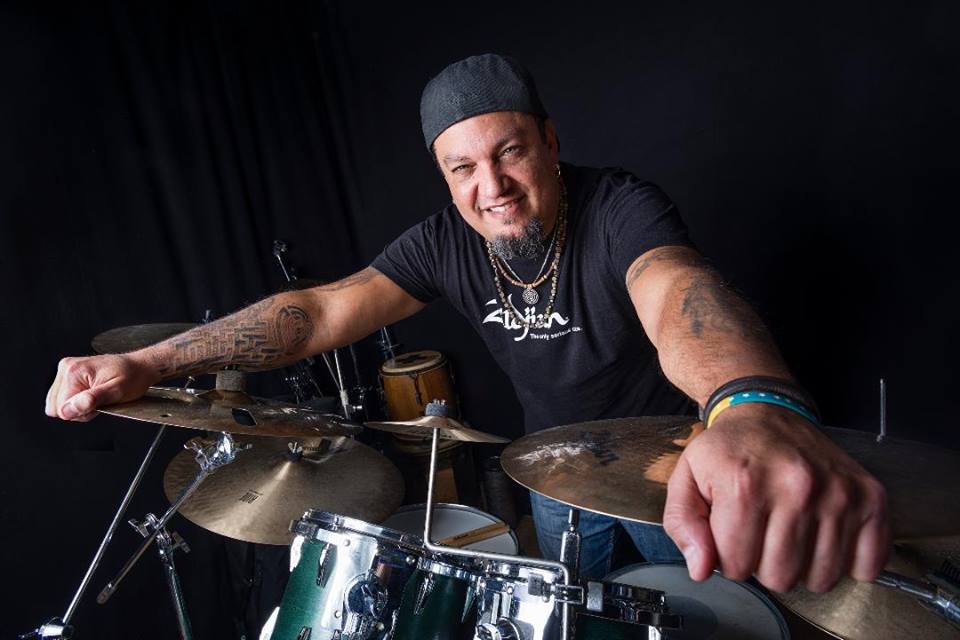
Marco Toro is a versatile drummer, percussionist and composer born in Caracas, whose roots are embedded in Venezuelan popular music and culture.
Marco Toro
Marco Toro

In October 2015 he released his latest work, this time it’s about Latin jazz: Marco Toro presents Zambo Jazz, a mix of rhythms and flavors that reminds the listener of places like Africa, South America and New Orleans.

Marco Toro once again shows his diversity on drums and percussion, playing as always with top-notch musicians who also share credits on this production.

Marc Bischoff, from Germany on piano, wrote two of the eight songs: Oh Lame Saint and Mojitos and Daikiries, trumpeter Oscar -Chucky- Cordero, from Venezuela, wrote The Tour. Michael Simon, also from Venezuela, arranged Marialí. James 2 AM It is a composition by Chilean Alekos Vuskovic and Let It Walk is by trumpeter and arranger Francisco Peña from Colombia. Matthias Konrad plays the trombone; He is also from Germany and the Venezuelan Samuel Ruiz plays the bass.

Marco Toro
Marco Toro

In addition to playing drums, timbales, congas, bongos and cowbells, he also plays typical Afro-Venezuelan instruments such as cumaco, culo e puya, bell drum, tamboras, maracas, etc.

He not only plays all kinds of percussion instruments, he also plays a wide variety of styles.

Already in 2004 he embarked on a solo project: Marco Toro y su Ensamble, exploring South American rhythms such as Son, Joropo and Salsa, among others. With this group he released eight albums; The last CD is from 2017: Marco Toro y su Ensamble 12+1 Anniversary more info (www.toro-ensamble.com).

Marco Toro is currently playing with Lucas van Merwijk’s Drums United and Cubop City Big Band since 2008, touring Europe, the United States, Canada, South America, China and Thailand.

In 1989 Marco Toro formed Laberinto, a rock band that became known for creating “Metalatino”, a unique blend of heavy metal and Latin percussion.

In 1992 Laberinto moved from Caracas to Amsterdam, where the band released eight albums between 1996 and 2010.

Dutch rap legend Osdorp Posse appears on The World Might Suck, since 2008.

A ninth album: The best of Labyrinth was released in Venezuela.

After years of successful and extensive touring in Europe, Colombia and Venezuela went their separate ways.
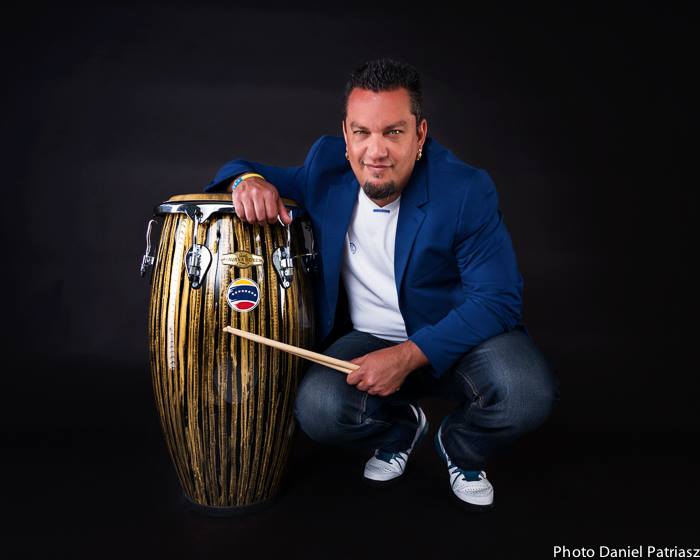
Marco Toro
Marco Toro

He has shared the stage and recorded with many renowned artists such as:

  • Andy González
  • La India, Jimmy Bosch
  • Pedro Arroyo
  • Metropole Orkest
  • Laberinto, Osdorp Posse
  • Def P
  • Beatbusters, Lucas van Merwijk’s Drums United
  • Cubop City Big Band
  • Ricky Luis N’Clave
  • Zambo Jazz
  • De Pana
  • Beatbusters and Def P
  • Santanico,
  • G. Clarinda y la Rítmica
  • Primera Plana Orchestra
  • Bembe Orchestra
  • El Trabucombo by Gerardo Rosales
  • Marejada, Tierra Caliente
  • Rudy Albano
  • Jacqueline Castro
  • Subject to change
  • Tumbao
  • Grupo Kilele
  • Javier Plaza and his Orquesta Sonrisa
  • FP La Banda
  • Chucky y su Trabuco Guarimba
  • Barrio Nuevo
  • La Misma Gente
  • Marike Jager Kuenta i Tambu
  • King of the bongo
  • Carmen Gabriela Lozada
  • Grupo Mate
  • Alejandro Carbajal
  • Flaco Carrillo
  • Silicon Head
  • Wereld Kinder Festival
  • The virtual school of Bart Noorman
  • Pistoleros de la Paz
  • Download Amsterdam
  • Ensemble Amsterdam
  • Cabo Cuba Jazz
  • The Soul of Spanish Harlem
  • Jean Paul Tamayo

among others.

Marco Toro
Marco Toro

Marco Toro is sponsored by Zildjian Cymbals, Pearl Percussion and Evans Drumheads.

Bamboleo de Lázaro Valdés is another of those exquisite Cuban products, as well as sweet rum and mild cigars

Like the sweet rum and mild cigars, bamboleo is another one of those exquisite Cuban products that, once tasted, can’t get enough.

The 14-member timba group is a fiery number, from its music and choreography to its well-dressed singers and musicians.

Lazaro Valdes leads the group, plays piano, arranges, composes and writes songs. Born in Havana, he studied at the Alejandro García Caturla Academy in the 1970s.

Lazarito Valdés & Bamboleo

He created Bamboleo after spending time performing with artists such as Pachito Alonso, Bobby Carcasses and Héctor Téllez.

He selected the best musicians and incorporated into his new company many who had been trained at the Escuela Nacional de Arte de La Habana.

He added sparkle with vocalist Haila Mompie, who in turn recruited vocalist Vannia Borges. Another Havana native, Borges began studying music at the age of five, and first sang professionally with an all-female group known as D’capo in the early 1990s. Four years later, she became part of the band D’capo.

Four years later, she moved on to Pachito Alonso y su Kini Kini, which she left in 1997 to add her talents to Bamboleo.

Lazarito Valdés.
Lazarito Valdés.

Guantanamera Yordamis Megret joined the group in 1998, a year after Mompie’s departure. She began her musical training at the age of 10 and took up the guitar.

Like Borges, she is also a student at the Escuela Nacional de Arte. After graduating, she began singing professionally with Ricacha. Before joining

Bamboleo, Megret sang in José Luis Cortés’ salsa group PG. Bamboleo began touring outside Cuba in 1996, the same year the group debuted with Te Gusto o Te Caigo Bien.

The group has performed in major U.S. cities from Chicago to Miami, and from New York to Los Angeles. Following the release of Yo No Me Parezco A Nadie and Ya No Hace Falta, the group toured the world, with stops in Europe, the United States and Japan, as well as the Heineken 2000 World Music Festival in China.

Bamboleo also collaborated on the Temptations’ Grammy-winning album Ear-Resistable.

Lazarito Valdés
Lazarito Valdés

In addition, the group has appeared on MTV’s Road Rules and has worked with artists such as James Brown, Femi Kuti and George Benson.

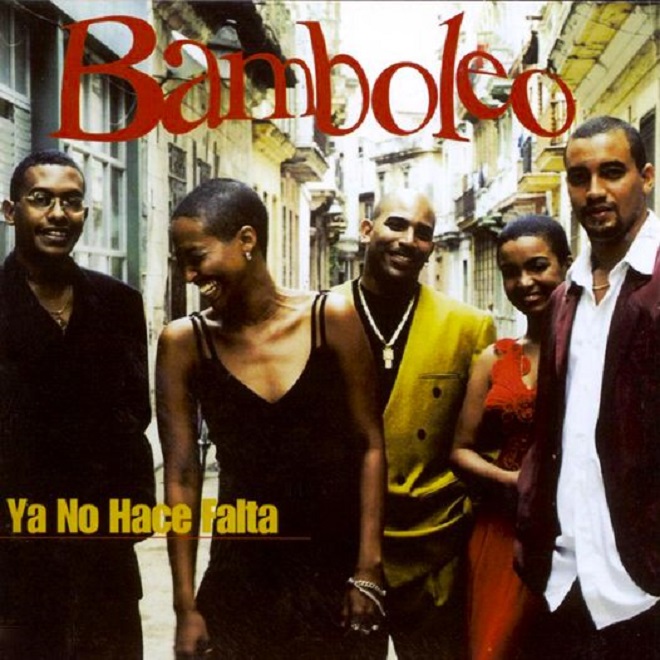
Bamboleo, one of the best-known groups on the crest of the timba wave, a new style that blends salsa with funk and jazz elements and emanates from the streets of Cuba, remains at the forefront with 1999’s Ya No Hace Falta.

After leaping to international notoriety with 1997’s Yo No Me Parezco a Nadie, the pressure was on to deliver for his newfound fan base.

With smooth arrangements and a band with a tight drum kit, Bamboleo had no trouble making good on their reputation and, if anything, raised the bar for the entire genre.

Both the horn section and the vocalists have a cool, smooth approach that contrasts with the energetic sound of similar groups like Charanga Habanera or NG la Banda.

This smoky, jazzy sensibility juxtaposed with the sharp corners of the superfunky rhythm section makes for easy and enjoyable listening.

The group doesn’t lack for warmth, with salty montunos from pianist/arranger Lazaro Valdes and plenty of time changes from a percussion section as good as any operating today.

Sonically, the ears rejoice in listening to a timba album that lacks neither fidelity nor modern production sensibilities.

With its balanced overall sound, unique approach and expert musicianship, Bamboleo will set trends and erase boundaries for decades to come.

Bamboleo - Ya No Hace Falta (1999)
Bamboleo – Ya No Hace Falta (1999)

Evan C. Gutierrez

Bamboleo – Ya No Hace Falta (1999).

Musicians:

Lázaro M. Valdés Rodríguez (Director, piano, composer).

Abel Fernández Arana (Alto Saxophone)

Carlos Valdés Machado (Tenor saxophone)

Anselmo “Carmelo” Torres (trumpet)

Dunesky Barreto Pozo (Congas)

Alberto Para (Maracas)

Herlon Sarior (Timbales)

Jorge David Rodríguez (Voice)

Yordamis M. Mergret Planes (Vocals)

  1. Frank Cintra Cruz (Trumpet)

Alejandro Borrero Ramírez (Vocals)

Vannia Borges Hernández (Vocals)

José Antonio Pérez Fuentes (Violin)

Maylin de la Caridad González Aldama (Cello)

Ludwig Nunez Pastoriza (Drums)

Rafael P. Pacerio Monzón (Banjo)

Ulises Texidor Pascual (Bongos)

Sources:

Información realizada ( 27 de enero de 2024)

L’Òstia Latin Jazz 

Also Read: Irakere was a Cuban group that developed an important work in Cuban popular music and Latin Jazz under the direction of Chucho Valdés

Justo Betancourt Querol Cuban sonero and singer famous for his interpretation of the song “Pa’ bravo yo”

Heir to the solid musical tradition of his family, Justo Betancourt was an incomparable sonero, possessing a unique personal style, He began his career at a very early age in his native Cuba, where he participated with orchestras and bands.

Justo Betancourt Querol Cuban sonero and singer famous for his interpretation of the song Pa' bravo yo.
Justo Betancourt Querol Cuban sonero and singer famous for his interpretation of the song Pa’ bravo yo.

In the 1960s, he arrived in New York, where he launched a new and brilliant stage of his career, singing vocals for the legendary and inveterate group, La Sonora Matancera, which was already established in the city. Betancourt stayed with the group for five years.

In later years, he was a member of the chorus of several groups, including those of Eddie Palmieri and Ray Barretto.

At the end of 1976 Justo settled in Puerto Rico, fleeing the limitations of the New York environment and separating himself from the tours and recordings of Fania All Stars, to enter the modern and freer scene projected by groups such as Sonora Ponceña, Willie Rosario, Bobby Valentín and Roberto Roena, among others, from the island.

With young musicians including vocalists Sammy Gonzalez and Tito Rojas, he created his own orchestra which he called “Borincuba”, a name to reflect the mixture of Puerto Rican and Cuban artists.

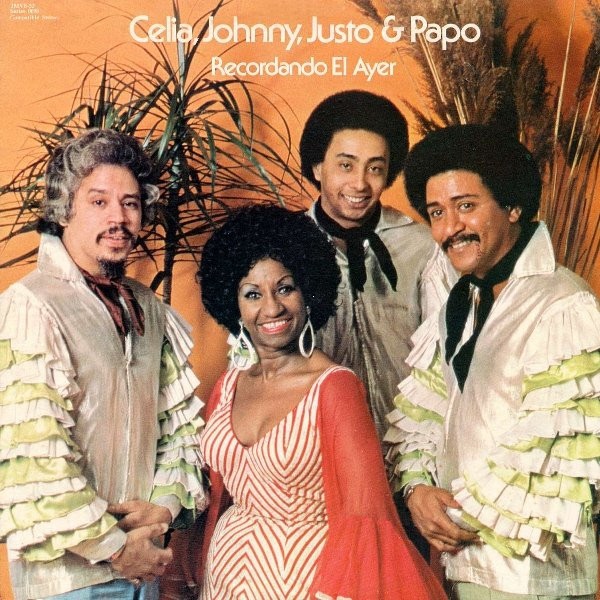
In 1976 Johnny Pacheco in his interest to maintain the successful formula of the modernization of the sound of the Sonora Matancera as the typical sound of his group (the Tumbao Añejo), unites the voice of Justo Betancourt with that of his compatriot Celia Cruz, it was the first time that this duo of Cubans in exile was reunited, in the album “Recordando El Ayer” and in which the young pianist Papo Lucca was presented in a big way. Justo’s voice was recorded in the songs “La Equivocada” (a duet with Celia), “Ahora Sí” and “Guíllate”.

Celia, Johnny, Justo & Papo Recordando El Ayer 1976


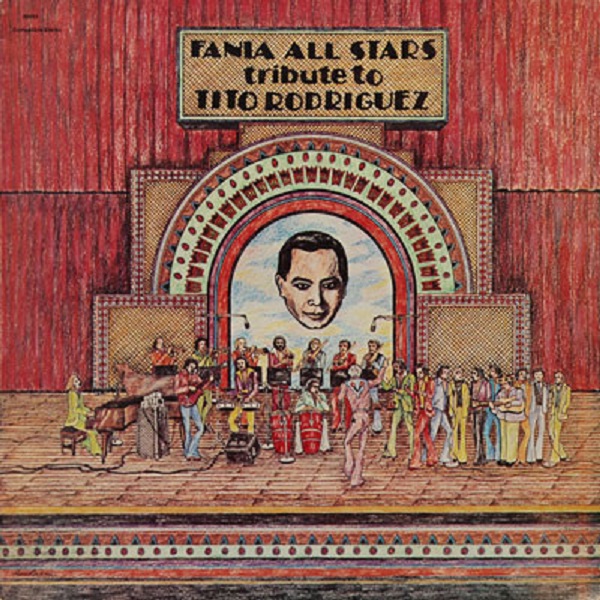
That same year 1976, Justo is part of the ten vocalists that the Fania All Stars summons for his first production in a recording studio in the project “Tribute To Tito Rodriguez”, in which he performs the song “Cara De Payaso”, (the other vocalists were Santos Colón, Bobby Cruz, Cheo Feliciano, Héctor Lavoe, Ismael Miranda, Ismael Quintana, Pete “Conde” Rodríguez, Rubén Blades (his first recording with Fania All Stars) and Chivirico Dávila (his only recording with the group).

Fania All Stars Tribute To Tito Rodriguez 1976

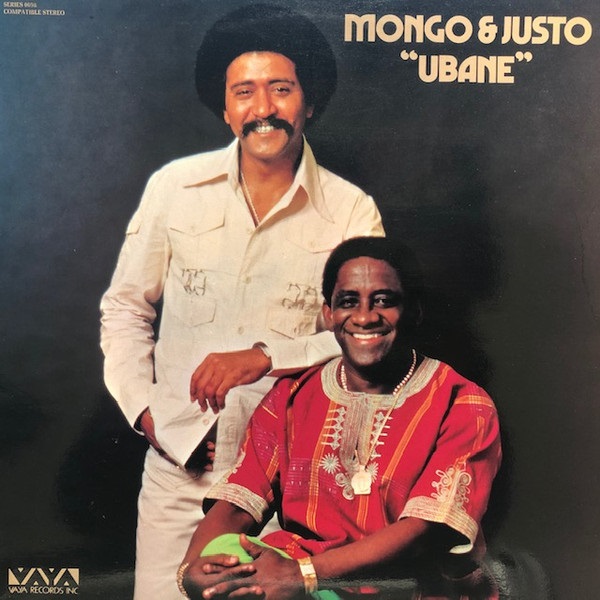
To complete this productive year, Justo Betancourt joins percussionist Mongo Santamaría as the lead vocalist for the musical work “Ubane”, with the production of Marty Sheller, one of the important experimental albums of the salsa boom, a work that recovers the saxophone for the Salsa and bembé orchestra in the old Cuban Guaracha of the 50’s, and in which a constellation of New York, Cuban, Puerto Rican and Colombian musicians participate.

Mongo y Justo Ubane 1976.

However, the album did not succeed in definitely catching on with the public and ended in the most unjust failure.

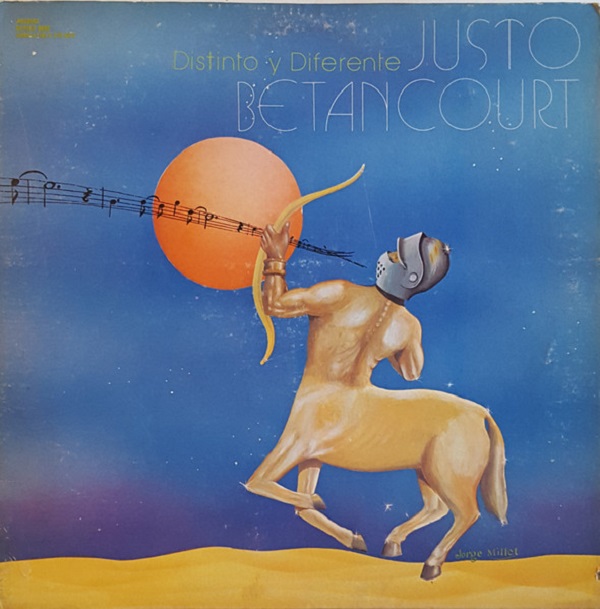
With his new orchestra, he recorded four albums, of which he recorded as lead singer in only two albums: “Distinto Y Diferente” (1977) which includes the songs: “No Estás En Nada”, “Distinto Y Diferente”, “Soy Profesional” and “Óyela”; and “¡Presencia!” (1978) which includes a tremendous new version of the bolero “Psicología” and the song, composed by Catalino “Tite” Curet Alonso, “Camarón”. Justo was always among the best and remained oblivious to the decadence of the industrial boom of New York Salsa at the end of the decade.

Justo Betancourt Distinto Y Diferente 1977

His secret was to remain bravo by performing authentic Caribbean music without the commercial additives imposed by Salsa.

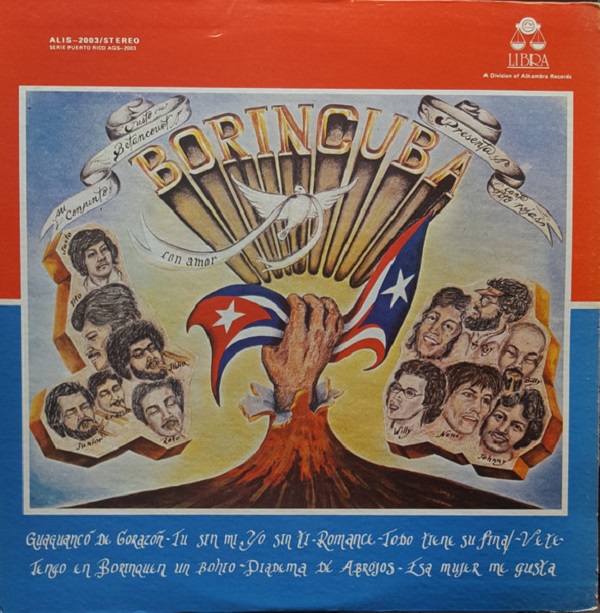
The young singer who performed in the chorus and Justo’s student in Borincuba, Tito Rojas, became the lead singer in the following album “Con Amor” (1978), which Betancourt conducted and participated in the chorus.

Tito Rojas’ last work before splitting from Borincuba to start his solo career was the album titled only as “Borincuba”, in which Justo also served as musical director and backing vocalist.

Justo Betancourt Presenta Su Conjunto Borincuba Canta Tito Rojas Con Amor 1978

So in 1979, when Tito inherited the band, he started his solo career changing the name to Tito Rojas y el Conjunto Borincano¸ which had a short existence.

After a series of his own albums, he became the lead vocalist of the Puerto Rican Power Orchestra and appeared on their first two albums (1987 and 1989).

In 1990, Tito Rojas embarked on his solo career with the romantic salsa album “Sensual” which reached first place in the Latin Music Hit Parade in April.

In the following years, Betancourt, residing between New York and San Juan, continued in the inertia of the Fania contracts. In March 1979, when the Fania All Stars were part of the group of musicians who traveled to the island of Cuba to participate in the “Havana Jam Festival”, a musical exchange between the United States and Cuba organized by CBS and held at the Karl Marx Theater in Havana, Justo Betancourt and his compatriot Celia Cruz, for obvious political reasons, could not travel with the group; for this reason Justo decided to leave the All Stars.

Nevertheless, his contract with the Fania company remained in force, and that year he released another album titled “Justo Betancourt” (1979), produced by himself and Louie Ramirez, which included the songs “Yo Sin Ti” and “Qué Más Quieres De Mi”, among others.

In 1981, Betancourt returns to record again with the Sonora Matancera in an album entitled “Sonora Matancera Con Justo Betancourt”, produced by Javier Vásquez and recorded on the Bárbaro label, a subsidiary of Fania and owned by Jerry Masucci. On this album, four guest musicians appear for the first time to record with the Sonora: Pedro “Puchi” Boulong: on trumpet, José Daniel: on the tumbadora, Elpidio Vásquez Jr. (son of the bassist): on second bass, and Mario Hernández: on tres.

From this work the hit “Mala Pata” and a new version of the bolero “Hoy Sé Más” stand out.

In 1982, he recorded his last work on the Fania Records label “Leguleya No” (1982), with his own production company RMQ and with the arrangements and musical direction of Ray Santos and Javier Vásquez.

From 1982 onwards his appearances were variable, he participated in Israel Sardinas’ LP, “Israel, la Verdad” (1984), and participated in Celia Cruz and Tito Puente’s album “Homenaje A Benny Moré Vol. 3” in 1985, in one of the songs: “Tú Solo Tú”.

Except for these participations, he made no recordings between 1983 and 1989.

And so, there were plenty of reasons for Justo Betancourt, despite so many successes, to end up in virtual anonymity and indifference. He gradually withdrew from the world of the studios, although he continued to perform sporadically.

After years of recording silence, he returned in 1990 with his style with the album “Regresar” on his own label RMQ, of which he was the producer, director and did half of the arrangements written by Eric Figueroa.

In 1992 he released the album “El Bravo De Siempre”, for Rafael Viera’s RV Productions label, which featured the participation of Cuban percussion legend Carlos “Patato” Valdes, among other great Puerto Rican musicians.

In 1994 he participated in the project of Puerto Rican producer and musician Frank Ferrer called “Descarga Boricua”, alongside more than 30 experienced local and international musicians such as Ismael Miranda, Jerry Medina, Papo Vázquez, Juancito Torres, Alex Acuna, Mario Rivera, Pedro Guzmán and Ángel “Cachete” Maldonado, among others. There, and in several songs, he resorted to his superb vocal resources as in his good times. In the second work of the Descarga Boricua, edited in 1996, he participated briefly with some soneos in the song “Abrázate a Puerto Rico”, as well as in the third album of the reunion of the virtuous Puerto Rican musicians.

He returned to the recording studios again in 1998 with the CD “Mató” for the El Paso label in Puerto Rico, and from which the song “El Lema Del Guaguancó” stands out in the most vigorous style of Arsenio Rodríguez, composer of the song.

He also made his return as guest singer of the Fania All Stars for the concert of April 29, 2000 in Puerto Rico, a return that he made together with Ismael Miranda and Luigi Texidor to the group.

Justo Betancourt has participated as a backing vocalist in the recordings of many Latin music orchestras and works of renowned artists, such as La Conspiración de Ernie Agosto, Celia Cruz, Johnny Pacheco, Roberto Roena, Willie Colón, Eddie Palmieri, Willie Rosario’s orchestra, Héctor Lavoe, Adalberto Santiago, Kim De Los Santos, Van Lester and the Puerto Rican Power orchestra, among others.

In 2002 he participated for pianist Papo Lucca in the musical project “Festival de Boleros” with the song “En Cada Beso”, along with a constellation of Boricua singers and musicians.

Sources:

Por: Jose Ramon Tremaria

Ecued

Fania Stars

Also Read: Nicky Marrero is an innovator, timbalero and bongo player, living legend of our Afro-Latin and Caribbean music.

Puerto Rican singer and talented sonero Charlie Maldonado

Interview with Charlie Maldonado 

José Charlie Maldonado Rodríguez, artistically known only as Charlie Maldonado, is a Puerto Rican singer who has a great talent as a backup singer and sonero, which he has been developing throughout a prominent and very successful career in the world of music.    

After having read his biography and being interested in the journey he has been on in salsa, we decided to contact him and arrange a conversation in which we could learn more about him and everything he has done to get here. Next, is a little bit of Charlie’s beginnings and, later on, everything he told us.   

Charlie talked to us
Talented Puerto Rican singer Charlie Maldonado, who kindly accepted to talk to us

Beginnings                                                                                          

Charlie was born on October 4, 1964 in the city of San Juan, Puerto Rico. At a very young age, he was always exposed to boleros and salsa music, as his father belonged to a musical trio that was very popular at the time.    

For those years, he listened to Ismael Rivera, Cheo Feliciano, Gilberto Monroig, Danny Rivera, Marco Antonio Muñiz, among others. Charlie said that, with such references at that time, it was impossible not to be enchanted by the music, so his interest in this branch of the arts grew and grew over time.  

His interest got to the point where he wanted to learn to play percussion instruments such as the tambourines, the maracas, the drums and, most especially, the bongo (it was the first instrument Charlie learned to play).    

Although he does not consider himself as the best bongo player of the world, he is believed to be very capable of playing it efficiently and delighting the listening audience. Most interestingly, he did not achieve this level through formal academic training at an institute, but through constant practice at ”rumbones de esquina” (congregation of people who play music, dance and drink alcohol on a street corner), school activities, family gatherings and Christmas parties. 

These informal activities in which he was able to participate gave him the opportunity to develop as an artist from a very young age. In addition, his father and other musicians in the family helped him a lot in this process. The magic you feel when you play music, the family warmth and interaction with the public are not learned in any academy,” said Charlie.   

Charlie at rumbones
Charlie Maldonado practiced his skills at ”rumbones de esquina”, school activities, family gatherings and Christmas parties

 The Saljaztet 

The first opportunity for Charlie to play in a professional group came with The Saljaztet in 1990 thanks to its founder Bobby Concepción, who saw him singing in one of those street parties and believed in his talent and what could be done with it. 

Bobby is an industry veteran who has worked with many orchestras such as Orquesta Panamericana and La Orquesta del Maestro Willie Rosario. Being around him taught him a lot and he gained a lot of experience by seeing him in action on stage.    

He even taught him some vocal and instrumental techniques to apply in his performances.   

Charlie keeps the best memories of this group, its director and his colleagues. He is extremely grateful for everything he learned from them and continues to apply many of these things today.   

Osvaldo Núñez, Sammy Marrero, La Selecta and more   

”Every human being who comes into our lives has a lot to contribute and teach us. Lord made is different, so all the musicians I’ve worked with have taught me different things” said the artist. 

Osvaldo ”Cuchón” Núñez is a brilliant musician who was very dynamic on stage. He was able to play the trumpet, do chorus and lead at the same time. He performed all of these functions excellently, which is why Charlie paid too much attention to what he was doing and copied him.   

Raphy Levitt from La Selecta de Puerto Rico was an extremely regimented person who ran the orchestra very well and was excellent for business. He had an almost military discipline and was extremely picky about his musicians and vocalists, to the point that he made them rehearse separately depending on their roles on stage.    

Levitt, Marreno, ,Núñez, and Charlie
Levitt, Marrero, and Núñez were very important in his career

In the case of Sammy Marrero, he was always at the height of Levitt’s demands and sometimes exceeded them. In addition to being extremely disciplined, he always lived up to what was required of him on each project and even a little more. He even worked with him when he had his own orchestra, a period in which Charlie learned even more from him.   

On this subject, the singer concludes that ”The personalities mentioned have taught me three fundamental things: discipline, perseverance and respect for the public”.   

Solo career 

The idea of becoming a soloist was always on his mind, but it was not until 2016 that he was able to carry it forward. The previous year, in 2015, the maestro Raphy Levitt unfortunately passed away, at which time Charlie had some songs recorded.   

He was already thinking about becoming independent and creating his own musical project, but had not decided to leave the orchestra until the death of Levitt. That is when he got hands on work and finished the record production he had already started. 

In 2016, he launched his first solo project entitled ”Dueño de Nada”, whose songs are mostly written by Charlie Ramos. The only cover in the album is precisely ”Dueño de Nada”, which was written by Manuel Alejandro and masterfully played by José Luis Rodríguez ”El Puma” in the 1980’s. 

His most recent album is entitled ”Vida Artificial”, which was released in September last year and addresses very interesting and current issues. The single that gives its name to the whole album, ”Vida Artificial”, ”is perfect for today. Phones, tablets and computers are damaging everyone’s mind. There are families who sit at the table, but don’t even talk to each other focus their attention to electronic devices. Technology is important, but we can’t be connected to it all the time. That was the message we wanted to bring with Artificial Life” said Charlie.  

Charlie on stage
Charlie Maldonado singing on stage

Future projects 

Charlie is about to release a song titled ”Señora Rumba” written by Eduardo Saya. The material has already been recorded and Charlie and his team are working on the video clip, which has a few shots filmed. It is expected to be released this August. 

Likewise, he is working on his concerts and private presentations in Puerto Rico, but some opportunities are opening up in Colombia in the future. 

También lee: We spoke with Andrea Chaparro from Lulada Club 

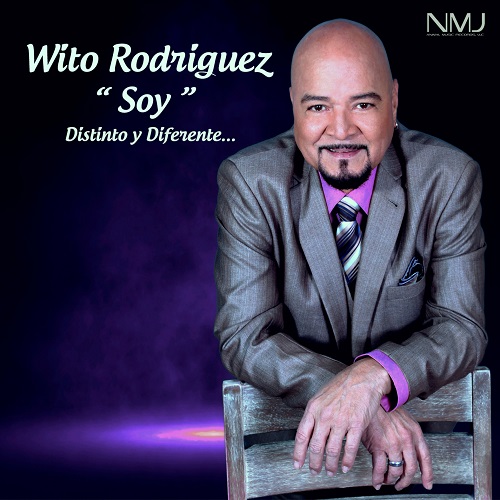
1 New artist Wito Rodriguez “I am distinct and different”

Norte America / Estados Unidos / Florida

Wito Rodriguez. “I am distinct and different”

Irwin “Wito” Rodríguez was born in Chicago to Puerto Rican parents and got his start in the musical field as a singer and musician. During his teenage years, he performed with a Rock and Roll band as a guitarist.

In 1968 Wito Rodriguez decided to move to “La Isla Del Encanto”, Puerto Rico, in order to search for his musical roots and experience the spicy sounds of his beloved Latin Ritmo.

His first encounter in the Salsa genre was with a Puerto Rican percussionist from the 60’s called “Chacón y su Orquesta”, where Wito learned all the Latin rhythms such as Guaguancó, Boogaloo, Mozambique, etc.

Chacón was his coach in Latin percussion instruments and Wito also fell in love with maracas.

Wito Rodriguez returned to Chicago in 1971 to join “Orquesta La Justicia” a local band that opened shows for artists such as: Ismael Rivera, Ray Barreto, Willie Colón, El Gran Combo and the legendary “Fania All Stars”.

Like many young men of that time, in 1973 Wito Rodriguez decided to join the United States Army and was sent to Europe.

During his stay in Germany, Wito Rodriguez took singing lessons with the Opera singer Barbra Sutton, and at the same time he created two bands with the names of “El Conjunto Sabor” and “La Sonora Antillana”.

These orchestras accompanied artists of the Salsa genre such as: Adalberto Santiago, Ismael Miranda, Tito Allen, Santitos Colón, Pete “El Conde” Rodríguez and the queen of Salsa, Celia Cruz.

After his retirement from the army, Wito joined forces with German band leader Rudi Fuesers and created the European Salsa Orchestra “Conexion Latina”.

With Conexion Latina, Wito Rodriguez recorded two albums; “Calorcito” and “Un Poco Loco”.

He also had the great experience of recording two songs with the band of Director and Arranger Peter Herbolzheimer.

During the 80’s, Wito wanted to broaden his horizons by forming his own groups called “Wito Rodriguez y Orchestra” and “Wito Con Cache”.

Missing his family and friends, Wito “crossed the pond” to return to the United States to finish his Army career.

He never gave up his passion for music, a new big band sound was on his mind, and he returns to the spotlight with the Wito Rodriguez Salsa Jazz Orchestra under the musical direction of trumpeter and arranger, Gino Picart.

“What a wonderful world” or “What a Wonderful World” is his third album released in January 2015.

Although busy in 2016 with live performances, a new album had also been produced and recorded between South America Venezuela and Orlando, Florida.

The most recent production called “Como el Viento” will be released in 2017. This album contains a compilation of songs recorded over the years in Europe than ever for the Western Hemisphere. I hope you enjoy your first solo release… What a wonderful world!

In 2018 Wito released another CD called “The Best of Wito” which has a mix of all the songs that fans thought were the best and respected their preferences.

Wito also has four new singles that he has released from his new album, which will be available from February 2019.

Through the internet platforms you can find these releases.

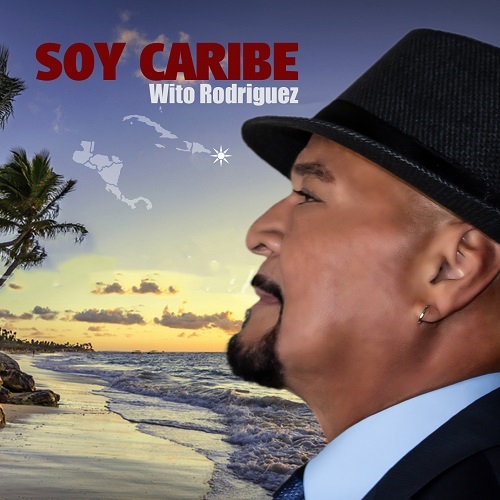
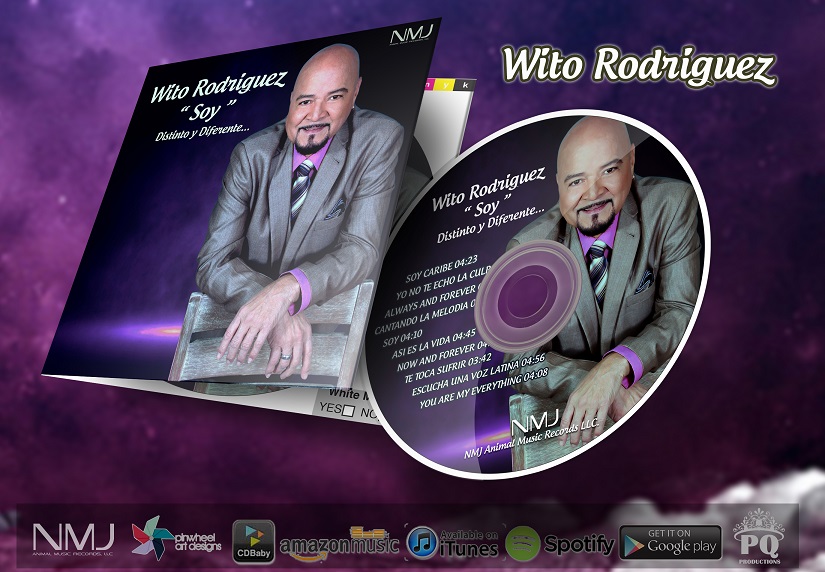
Always and Forever, Soy Caribe, Yo No Te Echo La Culpa and Now and Forever are the ones that have been released so far.

“As a bilingual singer, I am blessed to contribute to the music industry in my songs, singing them in English and Spanish, unity through my music in a mix of salsa and R&B, etc.” Wito Rodriguez

In the year of 2018. Wito Rodriguez was blessed to be nominated at the Hollywood Music Media Awards (HMMA) in Los Angeles, CA in November 2018.

You can also see his certificate as an honoree at the Fox Music Awards USA, Miami in November 2018, who was nominated and honored for being the Army Veteran Salsero Singer.

The Chicago Salsa Congress was one of its great events in 2018.

In March 2019 his new bilingual production Soy Distinto Y Diferente came out with the song Soy Caribe already nominated at the Hollywood Media Music Awards on November 20, 2019 in Hollywood California.

NMJ Animal Music Records LLC. [email protected]

PQ Promotions/Management Jenny Morales [email protected]

(682-554-4851 or (813-785-3086))

  • « Go to Previous Page
  • Page 1
  • Interim pages omitted …
  • Page 4
  • Page 5
  • Page 6
  • Page 7
  • Page 8
  • Interim pages omitted …
  • Page 31
  • Go to Next Page »

International Salsa Magazine (ISM) is a monthly publication about Salsa activities around the world, that has been publishing since 2007. It is a world network of volunteers coordinated by ISM Magazine. We are working to strengthen all the events by working together.