• Skip to primary navigation
  • Skip to main content

International Salsa Magazine

  • Home
  • Previous editions
    • 2025
      • ISM / November 2025
      • ISM / October 2025
      • ISM / September 2025
      • ISM / August 2025
      • ISM / July 2025
      • ISM / June 2025
      • ISM / May2025
      • ISM / April 2025
      • ISM / March 2025
      • ISM / February 2025
      • ISM / January 2025
    • 2024
      • ISM / December 2024
      • ISM / November 2024
      • ISM / October 2024
      • ISM / September 2024
      • ISM / August 2024
      • ISM / July 2024
      • ISM / June 2024
      • ISM / May 2024
      • ISM / April 2024
      • ISM / March 2024
      • ISM / February 2024
      • ISM / January 2024
    • 2023
      • ISM / December 2023
      • ISM / November 2023
      • ISM / October 2023
      • ISM – September 2023
      • ISM – August 2023
      • ISM July 2023
      • ISM Edition June 2023
      • ISM – May 2023
      • ISM April 2023
      • ISM March 2023
      • ISM February 2023
      • ISM January 2023
    • 2022
      • ISM December 2022
      • ISM November 2022
      • ISM October 2022
      • ISM September 2022
      • ISM August 2022
      • ISM July 2022
      • ISM June 2022
      • ISM May 2022
      • ISM February 2022
      • ISM January 2022
    • 2021
      • ISM December 2021
      • ISM November 2021
      • ISM October – 2021
      • ISM September 2021
      • ISM August 2021
      • ISM July 2021
      • ISM May 2021
      • ISM April 2021
      • ISM June 2021
      • ISM March 2021
      • ISM February 2021
      • ISM January 2021
    • 2020
      • ISM December 2020
      • ISM November 2020
      • ISM October 2020
      • ISM September 2020
      • ISM August 2020
      • ISM July 2020
      • ISM June 2020
      • ISM May 2020
      • ISM April 2020
      • ISM March 2020
      • ISM February 2020
      • ISM January 2020
    • 2019
      • ISM December 2019
      • ISM November 2019
      • ISM October 2019
      • ISM Septembre 2019
      • ISM August 2019
      • ISM July 2019
      • ISM June 2019
      • ISM May 2019
      • ISM April 2019
      • ISM March 2019
      • ISM February 2019
      • ISM January 2019
    • 2018
      • ISM December 2018
      • ISM November 2018
      • ISM October 2018
      • ISM September 2018
      • ISM August 2018
      • ISM July 2018
      • ISM June 2018
      • ISM May 2018
      • ISM April 2018
      • ISM March 2018
      • ISM February 2018
      • ISM January 2018
    • 2017
      • ISM December 2017
      • ISM November 2017
      • ISM October 2017
      • ISM September 2017
      • ISM August 2017
      • ISM July 2017
      • ISM June 2017
      • ISM May 2017
      • ISM April 2017
  • Download Salsa App
    • Android
    • Apple
  • Spanish

Search Results for: Trumpet and Percussion

Charlie Pérez and his “Salsa Con Sabor” Ft Nestor Pacheco

North America / Dominican Republic / Santo Domingo

Did you know that the Venezuelan percussionist, composer and producer Néstor Pacheco joined forces and collaborated with the salsa producer, marketer, promoter and diffuser Charlie Pérez, who is currently the director of the page salsaconsabor.net, a platform for the diffusion of salsa already be informative, videos, tropical music and entertainment.

Charlie Pérez
Charlie Pérez

On this occasion, the new song by Charlie Pérez was launched on the page salsaconsabor.net, who called it “Salsa Con Sabor”. This cut is for the enjoyment of the dancers and you can find it available on all digital platforms.

Charlie Pérez and the "Salsa con Sabor"
Charlie Pérez and the “Salsa con Sabor”

“Salsa Con Sabor” is a theme that emerged with the collaboration of:

  • Musical Production and Direction: Néstor Pacheco
  • Co-Production: Charlie Pérez
  • Arrangement and Piano: Eric Urdaneta
  • Bass: Elio Torres
  • Trumpet: Andrés Romero
  • Trombone: Israel Rebolledo
  • Choirs: Alonso Dagua, Josué Hernández & Néstor Pacheco
  • Voice and Lyrics: Néstor Pacheco
  • Mastering and Mixing: Arturo Rey
  • Recording at Keysthar Studios, Venezuela

Graphic design and edition: Kelvin Pérez

  • Contact: 18297123137
  • Email: [email protected]

Co-Production, Executive Production, Marketing and Public Relations: Charlie Pérez and Wilendy Rosario

  • [email protected]
  • [email protected]
  • Telephone: 18299653863

For more information:

Correo: [email protected]

Twitter: https://twitter.com/SalsaconSabor_

WebSite: https://salsaconsabor.net/

Facebook: https://www.facebook.com/salsaconsaborr/

Instagram: https://www.instagram.com/salsaconsabor_/

YouTube: https://www.youtube.com/channel/UCVusywkzJbH8soalxDfK0qA/featured

Phil Robinson: An artist with a brilliant career and a positive outlook on the future.

North America - USA - California - Los Angeles

Phil Robinson, Sonero, composer, performer and leader of his own orchestra.

His charisma and his entrepreneurial, creative and positive attitude make everyone who has the opportunity to talk with him enter his world, his love for music, and his passion for improving, learning and being better every day. Phil Robinson has loved art from a young age.

The artistic influences that he had from his mother and his aunts, directed him to a gratifying world full of unforgettable experiences. A complete artist, with many stories to tell and whom it is definitely worth learning from.

Phil Robinson with Producer and Director Salim Samouh

Born in the Bronx, New York, to Dominican and Puerto Rican parents, he grew up and had his first approaches to music in the Dominican Republic, surrounded by close family members who sang, recited poetry, and performed. When he was just 5 years old, he listened and was inspired by the Spanish singer, Joselito, considered a child prodigy for the time.

With the passing of the years, and as a teenager, he returned to the Bronx that saw him born, just in the days of Fania. He admits that at that time his voice was not yet fully developed, but thanks to his sister he was always in contact and learning about Latin music, especially Salsa.

Phil Robinson
Phil Robinson

“I had a lot of interesting exhibitions. At the time when I returned from the Dominican Republic, I lived for a long time in the South Bronx, where I was born. And I had the opportunities to see all those artists like Larry Harlow and Ismael Miranda (who worked together), Héctor Lavoe, Willie Colón… And I looked at these Latino artists and said to my sister: One day I am going to be on that stage! ”

Beginnings full of learning

 By the 1960s and 1970s, Latin music was booming in the United States. In addition to radio, orchestras had become mainstream and performed in American venues. All of this was very enriching and motivating for a young Phil Robinson.

Phil Robinson and Orquesta Yaré

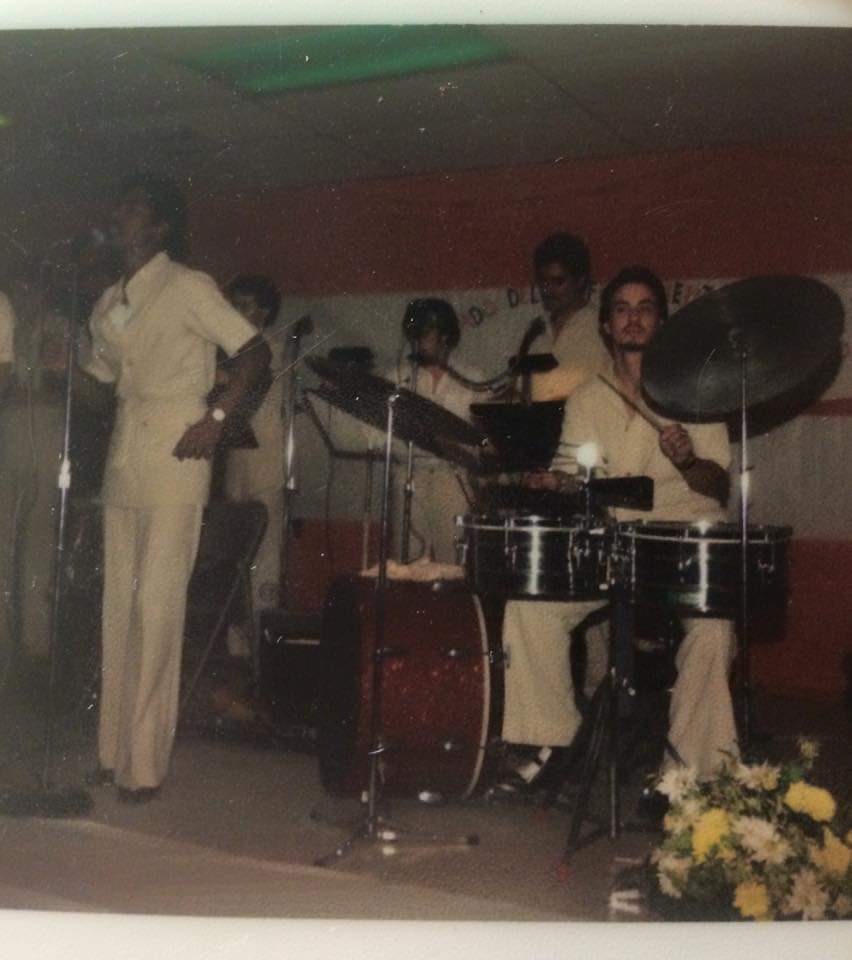
The Orquesta Yaré of southern New Jersey was the first group in which Phil Robinson had the opportunity to participate, develop his voice and work to improve his native talent. With this participation, it was time to explore more, focus on the music, and let it all flow down to the path Phil wanted to lead.

“Music is an art. It is a profession that takes a lot of sacrifice, which requires being very consistent, and never letting yourself be carried away by negative thoughts that you are not going to achieve it, but rather thinking that God knows what He does and how far He wants to take you ”

The Orquesta Yaré was a dream of a young man who, like Phil, wanted to succeed in the world of Latin music. Founded and directed by Leroy Gutiérrez (conguero, timbalero and bongo player) with original themes; and his brothers Johnny (bongosero) and Loui (trumpeter).

At that time, Leroy was a percussionist, but he also learned to play the piano by himself, without having a teacher. Gutiérrez invited Phil to participate, to make him a star. Yaré was an orchestra of 12 musicians, all the music was original.

“Our first performance was in 1973, on San Juan Day, at a celebration of el Día de Puerto Rico, in Vineland, New Jersey. I began to develop my voice, I did not have so much control over it, nor did I know how far it could go; but I had the enthusiasm that I was seeing something that I had been dreaming about for a long time, and it was coming true. ”

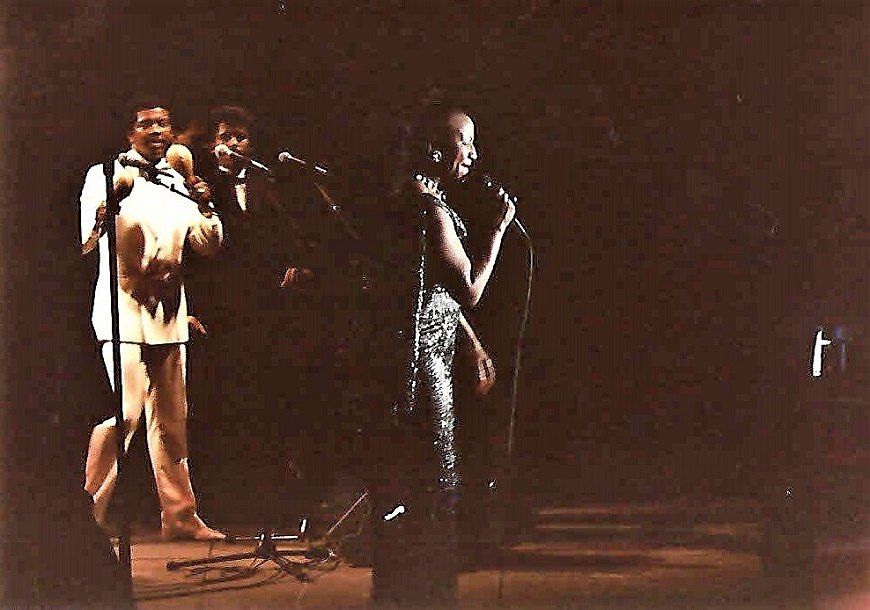
Celia Cruz and Phil Robinson

They played at Landis Park in Vineland, NJ. That night Larry Harlow and Néstor Sánchez has invited, and Orquesta Yaré accompanied them. It was a dream to be able to play alongside artists he admired. After years of that presentation happened, Phil Robinson reunited in Los Angeles with Néstor Sánchez and was able to share a photograph of that first presentation.

It’s fascinating how Phil recounts all these unforgettable experiences:

“…They had taken me a photo with him, and I had that photo here for years. Someone invited me to a show where he was going to be here in Los Angeles, and I grabbed my photo and took it for the meeting. That day he signed me the photo of more than twenty years ago… and he did remember me! ”

Everything that has happened in all these years since that first presentation in 1973, have been experiences to remember for a lifetime, and have given him the push to keep going.

“No one has to instill in me what it is to be in music, because that is already in me, it is in my blood, it is in my feet. No one has to ask me to continue in the music ”

Those encounters with certain characters who already had names, who was famous; and he found himself next to them, was enough to keep Phil’s energy high forever, continuing with the work to make dreams come true, and trying to be as original as possible.

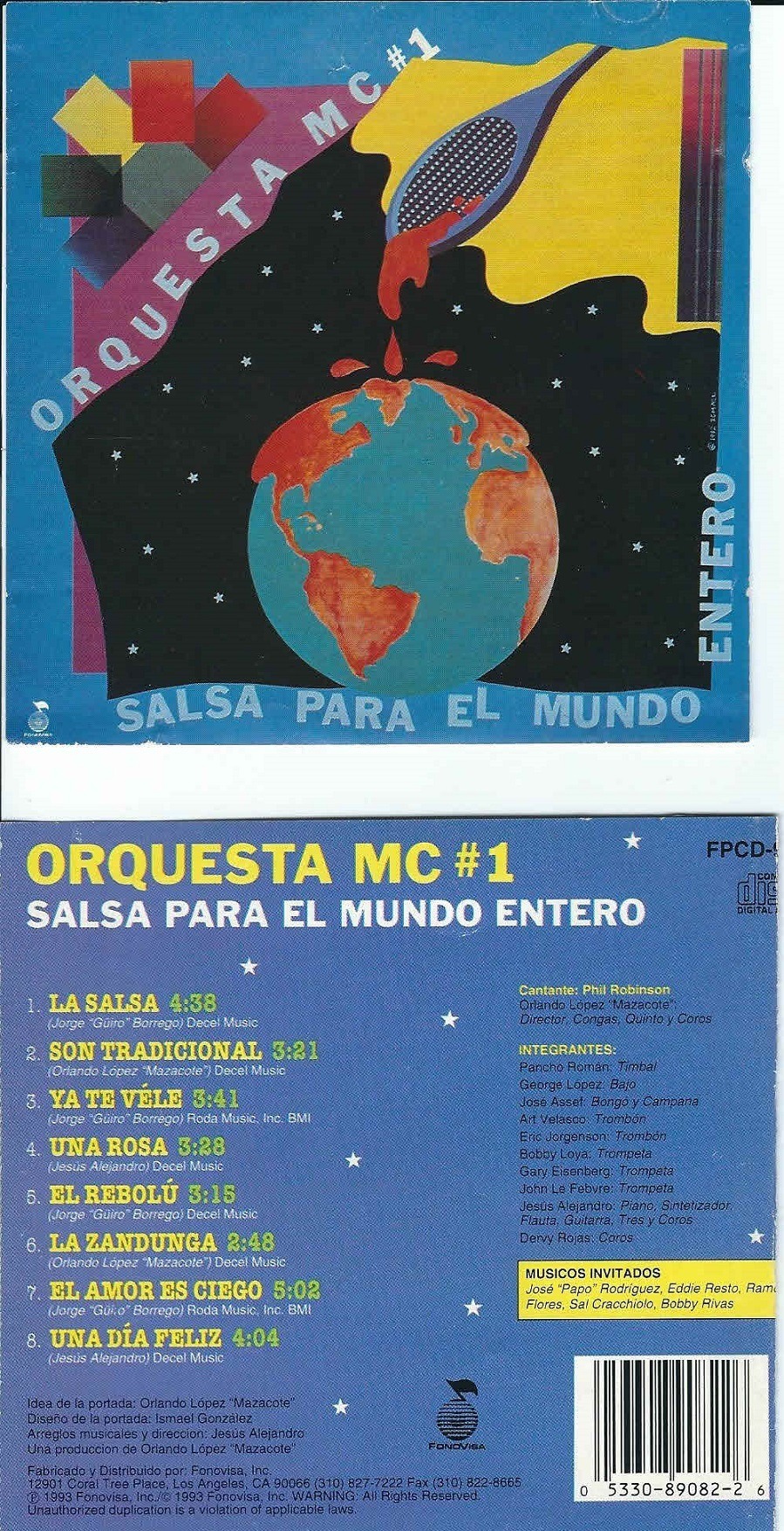
Discography Salsa Para El Mundo Entero

Each experience has allowed him to gain knowledge of how music works. Times have changed and it is no longer so necessary to have a “sponsor” who invests in you and helps you finance an album, or who promotes you. You can do it yourself.

The key to reinvention

Although he confesses that it’s not something that he has planned, every day Phil thanks God for a new awakening and in his mind there is always that spark of imagining what he can do to take that daily opportunity to improve himself and always be active.

When referring to the current situation, generated by the Covid-19 pandemic, he thinks that the inconvenience that has affected everyone the most, especially for be unexpected, is the possibility of working freely.

But he remains positive towards the future, thinking that everything will pass. Applaud the initiatives of his colleagues in Los Angeles, where he currently lives, to use social media to sing their original songs and keep in touch so that people stay aware of what they are doing.

Regarding his activity on social networks, Phil tells us:

“For my part, I have not prepared to make that kind of approach to social media. But sometimes I put my songs on, or send a positive message to the salsa community, to my friends, to my colleagues, to people who like my music. And I stay present, not daily, because people forget about you when they don’t see you, but when they hear a lot about you, the magic goes away … I like that people don’t get so tired of seeing you or hearing your name, but suddenly you show up and people realize that you are in contact. “

 Don’t be sad, very soon you can expect a couple of performances by Phil Robinson on his social media, with the tracks of his original music, to keep in touch and accompany him at this moment in which it is so important to stay at home.

The charismatic artist thinks that what is happening now is going to completely change the normality to which we are accustomed. Although he does not know what the end result will be, because everything is very uncertain, he knows that the salsa community is looking forward to the moment of returning to the clubs, and reflects on the need to be 100% sure of maintaining our safety and individual care. , and that of those around us.

For now, all that we don’t know about the new virus affects many professions, including that of singers, artists and musicians who live by being in contact with the public and constantly exposed. Still, Phil trusts God and thinks that this is part of a natural evolution like other situations that humanity has faced before, and the key is to adapt and have patience, because, luckily, we have technologies and tools available that in other times did not exist.

“Here in Los Angeles there is a lot of talent, there is a lot of preparation with many musicians, and even if you are not on a stage, you can create. We can use technology to do certain things that we don’t normally do because we are on stage all the time and people are physically seeing us. This has evolved technology much more, because we are all turning to social media to keep in touch and continue sending the message, so that this message does not die”

Affirm with total conviction that there is nothing impossible in life, the important thing is to take your time and plan to carry it out. Consistency has kept him focused on his goals under the premise that while an artist knows who he is and on what feet he stands, the only thing that will happen is that he will evolve and improve.

Plans with your Sonora Pa’ Gozá’

The group has had several names, the first name emerged when Phil arrived to Los Angeles in the late 80’s. He had always wanted the freedom to sing what he wanted; something that he felt completely comfortable with, identified with, and made easy for him. Under this premise, and after everything learned, Manhattan West emerges (alluding to the place where Phil grew up), a small group with two trumpets, a saxophone, full percussion, piano and bass. When he was not busy with his commitments to other orchestras, he dedicated time to his personal project and in which he chose the music he wanted to sing.

Phil and Orquesta Papo Rodriguez y La Sorpresa

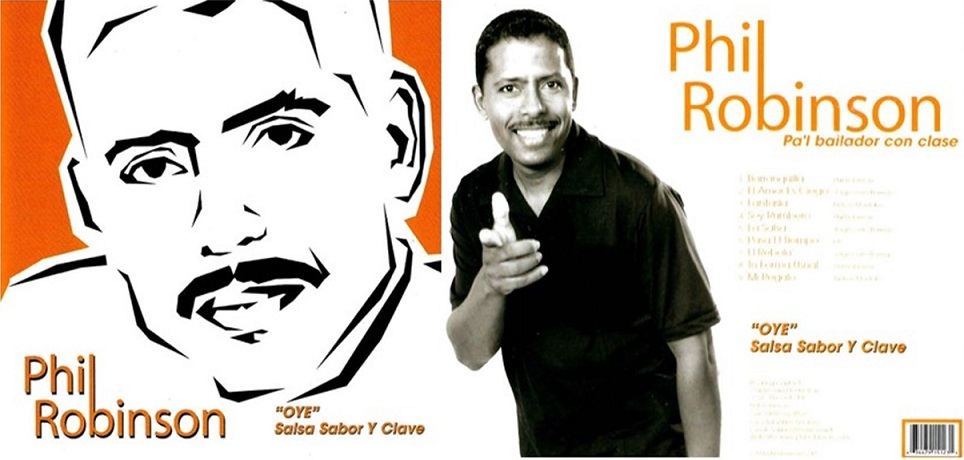
While evolving, he became the leader of Henry Mora and the All Star Salsa Orchestra of Los Angeles, collaborating with many of the local groups, from there he became the lead vocal for Eric Matos and La Caliente Orchestra, Papo Rodríguez and La Sorpresa, and recorded two original songs composed by the title of Nelson Montalvo Fantasía and Mi Regalo included on his 2005 CD, Oye Salsa Sabor y Clave.

During the time that Phil was with Papo Rodríguez, the Panamanian singer Camilo Azuquita arrived in the city and La Sorpresa became Azuquita y su Melao, Phil became Azuquitas for several years, performing in many places known as the Hollywood Palladium and with many renowned artists. Thanks to these collaborations, Robinson finished polishing his style.


“Much of the style that I have, my way of perform, how I sing, how I dance, everything, we can say that I caught it from him. Azuquita has a very special swing… He is a dynamic singer, even at his age… ”

Some time later, Manhattan West became Sonora Borinqueña, and finally obtained the name with which we know it today: Sonora Pa’ Gozá’.

With this name the essence of what Phil transmits with each presentation is maintained:

“Many people could not, or had difficulty pronouncing Borinqueña… so I said, wow, nobody is going to remember us!… Then there was Sonora Pa’ Gozá’ … I always have that energy … because I not only sing, I also like dancing, I like interacting with the public, I get off the stage. I consider myself very dynamic. ”

Between Two Worlds

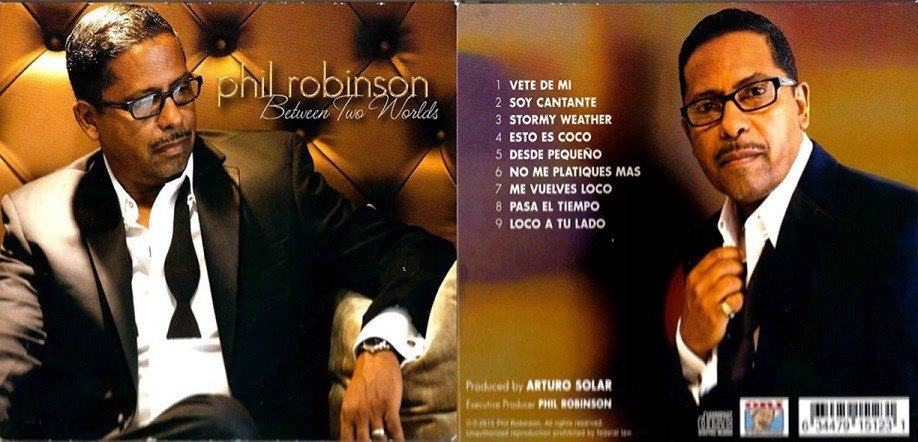
Phil Robinson considers his most recent production Between Two Worlds, a master recording, because the songs that were chosen for that CD are not all tropical, but not entirely Americanized either. The arrangements are Big Band, songs like No me platiques más or Esto es Coco, were made in Big Band.

Discography Between Two Worlds

This project took seven years to complete, some of the songs were meticulously selected by Arturo Solar Fernández, who produced the project with compositions by Ted Koehler and Harold Arlen, Homero and Virgilio Expósito, Enrique Benítez, Vicente Garrido Calderón, Armando Manzanero, Jesús Alejandro (El Niño) and of course, Phil Robinson.

February 2020 on location filming the short movie Darling Boy

Robinson also had the opportunity to venture into the cinema and include two of his original songs (Soy Rumbero, from his CD Salsa Sabor y Clave; and Loco a tu lado, from his latest production Between Two Worlds), in the cast of a short movie titled Darling Boy, by Syrian producer and director Salim Samouh.

Discography Oye Salsa Sabor y Clave

Future plans

In the not too distant future, Phil Robinson hopes to compile all his recorded songs with other orchestras, the solo songs (both in English and Spanish); and others in which he ventures into rhythms such as Bossanova (Night and Day). There are also other American songs that Phil wants to record with more danceable adaptations and with his original touch.

It will also resume the organization of the Puerto Rican Festival in Los Angeles, whose twenty-fifth anniversary will be celebrated next year, after being postponed by the Covid-19 pandemic. We will see Robinson and his Sonora Pa’ Gozá’ at this festival, accompanied by Puerto Rican artists, orchestras from Los Angeles, San Francisco and from all around the world.

Many presentations are coming, Phil Robinson will tell us as soon as the new dates are confirmed so that they can enjoy, dance … and gozá’!

Valuing what is really important

When asking Phil Robinson what he would say to those young people who are just beginning and who have a desire to achieve their dreams, he answered:

“My advice is to believe in yourself, take the examples of those who have experience, respect our genre … The salsa genre is very positive, but many people mistreat it too … Being original is important, developing your own style, being accessible with people, be professional from the beginning. Having in your mind that you are a professional, no matter what level you are on, is going to take you to the top, because that’s clear. Choose the music that identifies you as an individual, don’t imitate, be consistent and keep in mind that there are going to be sacrifices… you are going to fall, and you are going to get up. ”

Phil Robinson
Phil Robinson

Many, like Phil Robinson, have natural talents, but his advice is that you also have to polish yourself, learn from those who have succeeded, and find out who you are as an artist. Fight, improve and give your best at all times, in all places and no matter how much they are paying you. If a commitment is made, do it. People will value you for what you do.

Of all the accomplishments throughout his career, Phil Robinson believes that what makes him most proud are all his career years. The reception and recognition of the public that knows him and knows how long he has been in music; who continue to support him, who respect him. From musicians to the people who go to see him when he performs. All this is very valuable for him.

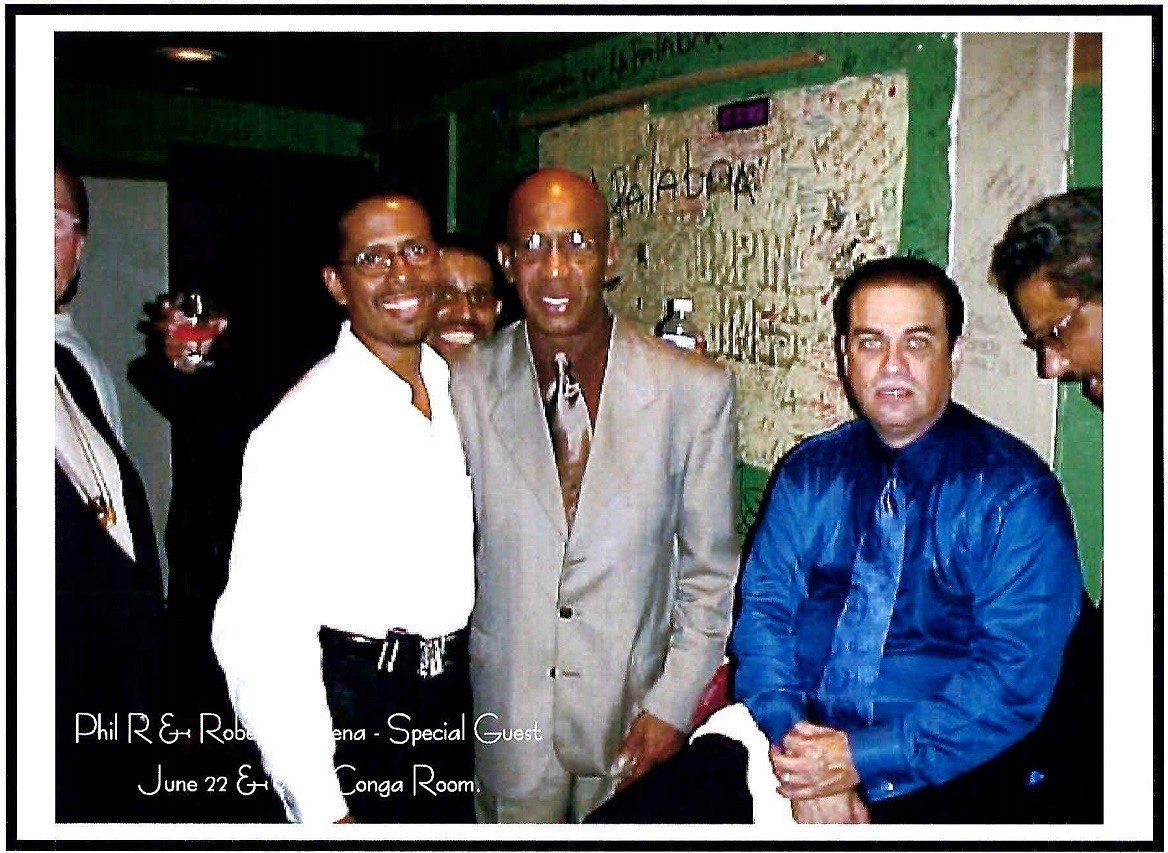
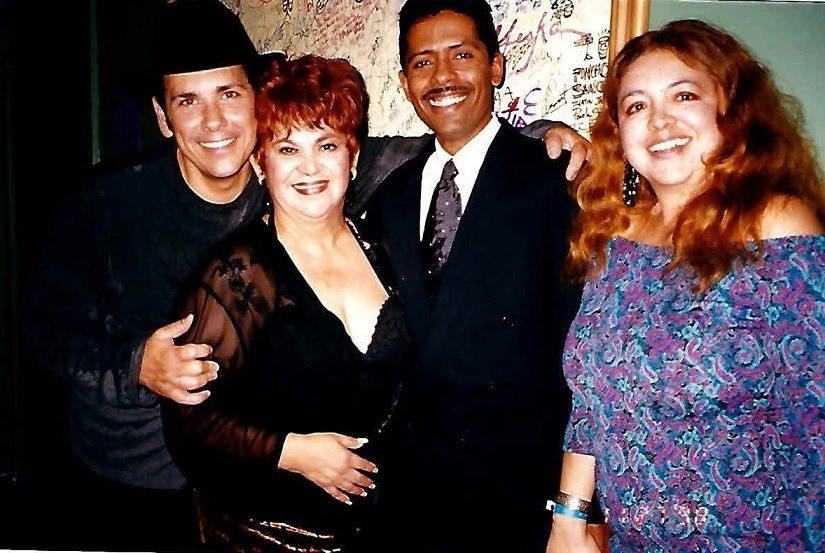
Cuban Singer Franco, Phil Robinson and Actress Lupe Ontioveros at the Conga Room

“… And the steps that I have been climb, and that I am still climbing, because this does not end. And also the opportunities to be, even briefly, with those who have already gone beyond what I have done … I am totally proud of what I have done, where I am … and I continue in the fight . Anything can happen. Always looking positively into the future.”

Phil Robinson is a quiet man, he has a beautiful family that is his most precious treasure, a beautiful family that supports him, accompanies him, and cares for him all the time.

His family is the most important thing, because will come a day when he will decide to retire from the stage, and although he does not expect it to be soon, one day he will do and his family will always be there to continue adding beautiful experiences together.

Phil Robinson thinks he’s been lucky. Today he continues working to improve himself, grow, and learn something new every day, because it is never too late.

“As long as there is skill and desire, I will continue in the same: making music, and being the most original. That is the only thing that separates you from the rest, because we try to honor our music, but it is always important to keep a percentage that says: Ok, this is Phil Robinson. All of this continues to be a dream that will never end. This will end the day that I close my eyes forever, and it will be so. ”

Primer Impacto premieres “Bohemio En Cuarentena” by José Alberto “El Canario” and Pedro Miguel Morales

Latin America / Dominican Republic

The main program of the Univisión network, Primer Impacto, premiered the video for “Bohemio En Cuarentena” a salsa made by the legendary José Alberto “El Canario” and the singer-songwriter Pedro Miguel Morales.

In an exclusive interview with journalist Tony Dandrades, the singers told from their residences the origin of this theme that is already on all digital platforms.

Bohemio en Cuarentena

“It is a song that was born from the inspiration of my great friend Pedro Miguel Morales, who in the middle of a few drinks in the patio of my house came out the first chords. This song is in line with the current situation that we are all experiencing in especially bohemians like us, performers of the genre of romantic salsa, boleros, merengue and other rhythms” expressed El Canario.

“It has been a great experience for his talent as a singer and Pedro’s spirit of self-improvement and hard work. Bohemio en Cuarentena has all the qualities to reach and conquer all lovers of the genre and good taste in music with the favor of God and we hope that this song reaches the last corner of the hearts of our admirers” finished José Alberto “El Canario”.

For his part, Pedro Miguel expressed that it was “an immense honor to have the great opportunity to record this song with an icon of Latin music such as José Alberto. Impressed by his humility and enormously grateful for this dream come true. The song It was made with a lot of love and fabulous musicians were also integrated.

The theme had the musical arrangement of Humberto Insignares and the participation of Juan Valdez on piano, Humberto Ibarra on percussion, Patricio Bonilla on horns, Kiwzo Fumero on trumpets and Braulii Fernandez on bass.

This song is part of the album entitled “Vidas Paralelas” where Pedro Miguel Morales features the artists Amaury Gutierrez, Yiyo Sarante and the Dominican Got Talent finalist, Lorainne.

Pedro Miguel is also the author of hits such as “La noche” and “El Mejor” in the voice of Héctor Acosta “El Torito” and several soap opera songs.

Larry Harlow ”El Judío de la Salsa”: innovative and irreverent

A set of innovative ideas


Recorded live on January 16, 1974 at Sing Sing Prison, listeners will immediately discover that the musicians actually came to play from the first note. In a recent conversation, Harlow considers this album to be one of the best of his career and tells how the enthusiasm of the audience positively affected the performance. This was the only Latin album to be recorded in quadraphonic format. The basic concept was similar to today’s surround sound systems, but the way to achieve the four audio channels changed in terms of format.

Harlow took advantage of new technology and recorded the live album live an 8-channel RCA unit and mixed the recording by spinning on a chair surrounded by four speakers. The Fania sound was created by New York musicians who added swing and a distinctive musical sensibility to Cuban son and other Spanish-speaking Caribbean genres. In the process, they twisted the music into something totally new. “Live in Quad” provides an opportunity to hear that musical transformation, as the main part of the music from this concert consists of compositions by Arsenio Rodriguez.

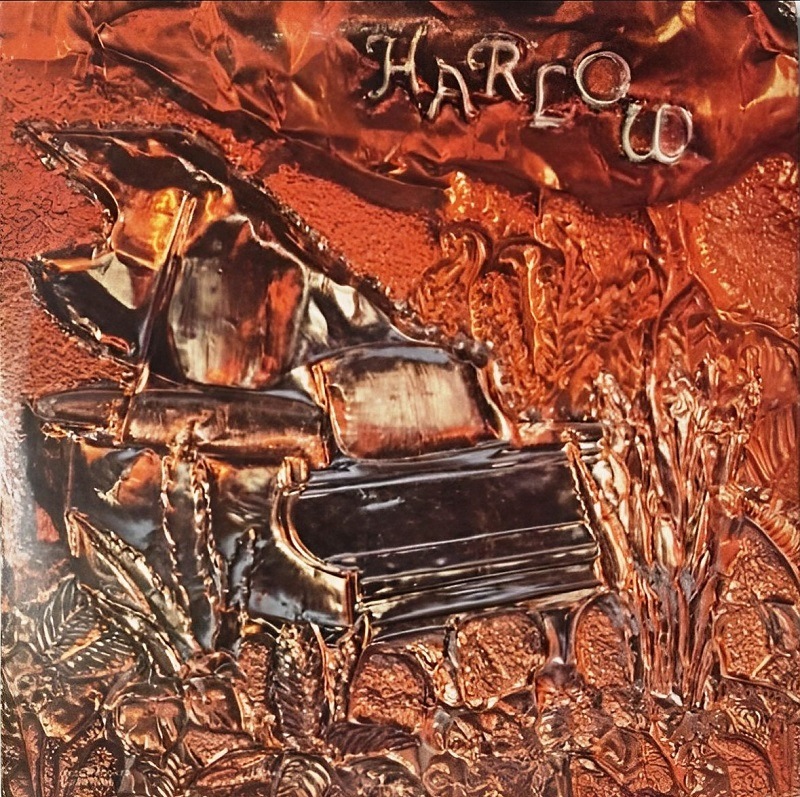
Cover of the album
Cover of the album ”Live In Quad”

In the 1950s, Harlow made several visits to Cuba, where he followed and became friends with Rodriguez. Back in New York, he had the opportunity to play with his idol and eventually dedicated an full album to him. For Harlow, the piano is overdubbed and interacted with a harpsichord, simulating the union of the tres and the piano made by Arsenio. This album sounds as exciting and fresh as it did 32 years ago. “Señor Sereno,” Harlow’s big hit with Ismael Miranda, opens the album. Junior Gonzalez, who debuted with Harlow in Hommy, gives us his own version. On a personal level, this performance is an example of the Fania sound: great orchestral work, swing and energy.

More details about the album

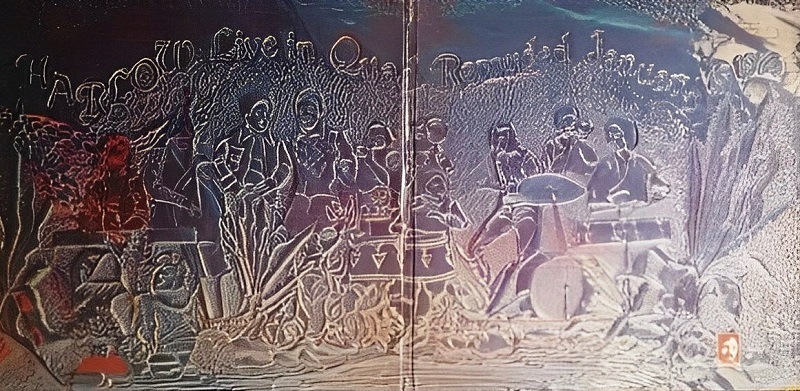
 Inside of the album
Inside of the album ”Live In Quad”

Also from Hommy, the song “Gracia Divina” grows in intensity with Tony Jiménez’s brilliant rhythmic fills over Harlow’s guajeos and the powerful swing of the horn section. Justo Betancourt’s gifted voice stars in the treatment given by Harlow to “Mayari” by Compay Segundo. “Jóvenes Del Muelle” is another Cuban classic, arranged by the great Barry Rogers. The arrangement and playing evoke classic ensembles while still sounding modern. Here we listen to trombone solos and a tasty bass solo by Eddie Guagua Rivera.

To date, Harlow is best known for his version of “The Wallet.” This arrangement by Sam Burtis in a masterclass. Notice the Lilí Martínez’s influence in Harlow’s solo, followed by fine trumpet solos and another violin solo by Lewis Kahn. “Tumba y Bongo” was originally composed for Arsenio’s rhythm section (Kila, Quique and Chocolate). This arrangement by Mark Weinstein highlights an exciting hand-to-hand between Pablo Rosario and Tony Jimenez, who delights the audience when he raises his drum in the middle of the solo.

Back of the album
Back of the album ”Live in Quad”

“Suéltala” provides a framework for Júnior González’s soneos while offering exciting solos by Reynaldo Jorge and Nicky Marrero. “Arsenio”, the theme song of the dramatic album Harlow recorded in tribute to his musical hero, gets the matancero flavor of Justo Betancourt with Tony Jimenez standing out with another great solo. In “Descarga Final,” Harlow unleashes the creativity of the members of his orchestra and the singers exchange soneos in a friendly hand-to-hand. Guagua offers another impressive solo while the percussionists are meant to steal the show.

Credits:

Ralph Castrella – Trumpet

Charlie Miller – Trumpet

Junior Gonzalez – Maracas

Larry Harlow – Piano, Harpsichord

Reynaldo Jorge – Trombone

Pablo “El Indio” Rosario – Bongo, Cowbell

Anthony “Tony” Jimenez – Congas

Nicky Marrero – Timbales

Eddie “Guagua” Rivera – Bass

Lewis Kahn – Trombone, Violin

Lead Singers – Justo Betancourt, Junior Gonzalez

Choir – Adalberto Santiago, Larry Harlow, Ralp Castrella

Master Of Ceremonies – Paco Navarro

Producer – Larry Harlow

Engineer – Bernie Fox

Assistant Engineer – Randall Shepherd

Mixing – Good Vibration Studios, N. Y. C.

Recorded Live – Sing Sing, January 16, 1974.

Arrangements – Louie Cruz (“Señor Sereno,” “Gracia Divina”), Larry Harlow (“Mayari,”, “Descarga Final”), Barry Rogers (“Jóvenes del Muelle”), Sam Burtis (“La Cartera”), Mark Weinstein (“Tumba y Bongo”), Charlie Camilleri (“Suéltala”), Bobby Valentín (“Arsenio”)

Original Album Cover – Gary Mason

Metal Graphic Art From Original Album – Charlie Rosario

Devised used by Harlow
Device used by Harlow to record the album

Señor Sereno
Ismael Miranda

Garcia Divina
Larry Harlow / Jenaro ”Heny’’ Álvarez

Mayarí

Jóvenes Del Muelle
Sabino Peñalver

La Cartera
Arsenio Rodríguez

Tumba Y Bongó
Arsenio Rodríguez

Suéltala
Arsenio Rodríguez

Arsenio
Larry Harlow / Ismael Miranda

Read also: Javier Cabanillas and his Cabanijazz Project

Steffen Kuehn and Christian Tumalan talk about their musical roots and orchestra

Preamble

This time, we are going to talk with German producer, arranger, composer and trumpet player Steffen Kuehn and Mexican bandleader, composer and musician Christian Tumalan. Both are at the head of the Pacific Mambo Orchestra and share the role of co-executive director of Pacific Mambo LLC and Pacific Mambo Records. Also, each has his own record label and separate musical achievements, but unify their skills to make the group they have in common one of the best in the United States.

Both expressed their points view about the orchestra, the work they do in it and what each one has done in music in general. These views reveal that quality, professionalism and adaptability are the main values on which the orchestra they lead is based.

Steffen Kuehn at the Tempo Latino Festival in France

A bit of Steffen’s story

The start of the conversation focused on the beginnings of Steffen Kuehn, who ackowledges having been a musician all his life, since he started playing the trumpet when he was just eight years old. He attended the University of North Texas to start his formal music education and learned to arrange music, compose and specialize more in the trumpet. He now focuses on is teaching trumpet, playing for the orchestra, arranging, selling music for television and movies, among other activities (all  have to do with music).

When we talk about his written publications, he mentioned a instruction book to help beginners to play the trumpet some years ago. Today, He is working on a second book and a new record production. What he has planned for Pacific Mambo is to make about 10 songs for its new album, of which two have already been made.

Christian’s musical background

Christian told us a bit about his musical training and confirmed that he studied piano for more than 10 years. He has also played piano since the age of 14 when he was in high school and started much more formal musical training at the age of 15. It can be said that he was already an expert at playing both instruments after a decade of much dedication and practice.

When asked about his roots in jazz, he commented to us that almost all jazz musicians have some training in classical music and direct access to technical elements with the instruments. His goal in learning about classical music was not to become a performer dedicated only to that style, but to gain as much knowledge as possible about music in general and to improve his piano skills.

Christian Tumalan plating the piano

How do you apply German and Mexican heritage to the music of the orchestra?

As for this interesting subject, both artists pointed out that polka music and Mexican banda music were very similar in terms of sounds and instrumentation used for both. In Steffen’s case, he was always very interested in going to the United States to learn and study about jazz, how and where it originated. He comments that, if he had wanted to study classical music, the best places would have been Germany, France and Italy, as many of its greatest exponents come from there.

Both Christian and I went to the root of how the jazz movement started, how it originated and developed over the years. However, I studied Latin music here in the United States and my Colombian roommate at the time explained to me a lot of things and introduced me to a lot of Latin rhythms I have ever heard before,” said Kuehn.

They both started to introduce jazz and this knowledge to the music of the orchestra. About this, Christian said that the mixture of rhythms was like ”a battle of entities” in which they were looking for what works and what does not work, since not everything can be mixed. ”What I usually do is combine my knowledge in classical music with my own Big Band arrangements,” Christian said.

”The fact that we have musicians from various countries in Europe and Latin America has helped us a lot to see different perspectives. Also, due to the number of musicians we are, we can play in different styles that other groups cannot” added Steffen.

Christian Tumalan and Steffen Kuehn during an interview with Jesse Chuy Varela

Skills they look for in their musicians

Steffen pointed out that the first thing they look for in their musicians is the chemistry we can have with them. In this sense, he mentioned that he has met excellent musicians with whom he does not get along with at all, which makes the work environment very heavy. Therefore, he does not take them into consideration for the orchestra because, if there is no chemistry and an atmosphere of respect, everything else does not work.

Another thing that the performer considers important is the spirituality of music, which many times is not attained by all musicians. When a musician opens up to the spirituality of the music, that’s when the magic happens and the chemistry hits us. We are very fortunate to have so many musicians who share this feeling and have reached that point as we have,” he added.

How do you share roles in the orchestra?

Christian commented that both he and Steffen were very good in different areas separately. Steffen has a quite charismatic way of communicating with people and knows how to earn the respect of others very quickly, while I focus more on the technical and musical aspects of the group. I think that complements us very well”. He also said that the German was very good with information and details such as tours, hotels, flights, names, taxes, among other things.

When Steffen’s came to talk about his partner, he said that he knew a lot about everything to do with music technology, stage direction, tempos, editing, mixing, video, audio and many other things. He confesses that he is unable to do many of these things, so they are left to Christian.

Read also: Multi-Percussionist Carlos Navarro and his Son Y Clave Orchestra

  • « Go to Previous Page
  • Page 1
  • Interim pages omitted …
  • Page 5
  • Page 6
  • Page 7
  • Page 8
  • Page 9
  • Interim pages omitted …
  • Page 31
  • Go to Next Page »

International Salsa Magazine (ISM) is a monthly publication about Salsa activities around the world, that has been publishing since 2007. It is a world network of volunteers coordinated by ISM Magazine. We are working to strengthen all the events by working together.