• Skip to primary navigation
  • Skip to main content

International Salsa Magazine

  • HOME
  • Previous editions
    • 2026
      • ISM / March 2026
      • ISM / February 2026
      • ISM / January 2026
    • 2025
      • ISM / December 2025
      • ISM / November 2025
      • ISM / October 2025
      • ISM / September 2025
      • ISM / August 2025
      • ISM / July 2025
      • ISM / June 2025
      • ISM / May2025
      • ISM / April 2025
      • ISM / March 2025
      • ISM / February 2025
      • ISM / January 2025
    • 2024
      • ISM / December 2024
      • ISM / November 2024
      • ISM / October 2024
      • ISM / September 2024
      • ISM / August 2024
      • ISM / July 2024
      • ISM / June 2024
      • ISM / May 2024
      • ISM / April 2024
      • ISM / March 2024
      • ISM / February 2024
      • ISM / January 2024
    • 2023
      • ISM / December 2023
      • ISM / November 2023
      • ISM / October 2023
      • ISM – September 2023
      • ISM – August 2023
      • ISM July 2023
      • ISM Edition June 2023
      • ISM – May 2023
      • ISM April 2023
      • ISM March 2023
      • ISM February 2023
      • ISM January 2023
    • 2022
      • ISM December 2022
      • ISM November 2022
      • ISM October 2022
      • ISM September 2022
      • ISM August 2022
      • ISM July 2022
      • ISM June 2022
      • ISM May 2022
      • ISM February 2022
      • ISM January 2022
    • 2021
      • ISM December 2021
      • ISM November 2021
      • ISM October – 2021
      • ISM September 2021
      • ISM August 2021
      • ISM July 2021
      • ISM May 2021
      • ISM April 2021
      • ISM June 2021
      • ISM March 2021
      • ISM February 2021
      • ISM January 2021
    • 2020
      • ISM December 2020
      • ISM November 2020
      • ISM October 2020
      • ISM September 2020
      • ISM August 2020
      • ISM July 2020
      • ISM June 2020
      • ISM May 2020
      • ISM April 2020
      • ISM March 2020
      • ISM February 2020
      • ISM January 2020
    • 2019
      • ISM December 2019
      • ISM November 2019
      • ISM October 2019
      • ISM Septembre 2019
      • ISM August 2019
      • ISM July 2019
      • ISM June 2019
  • Download Salsa App
    • Android
    • Apple
  • Spanish

Search Results for: Van+Van

Los Van Van in Europe

Europe

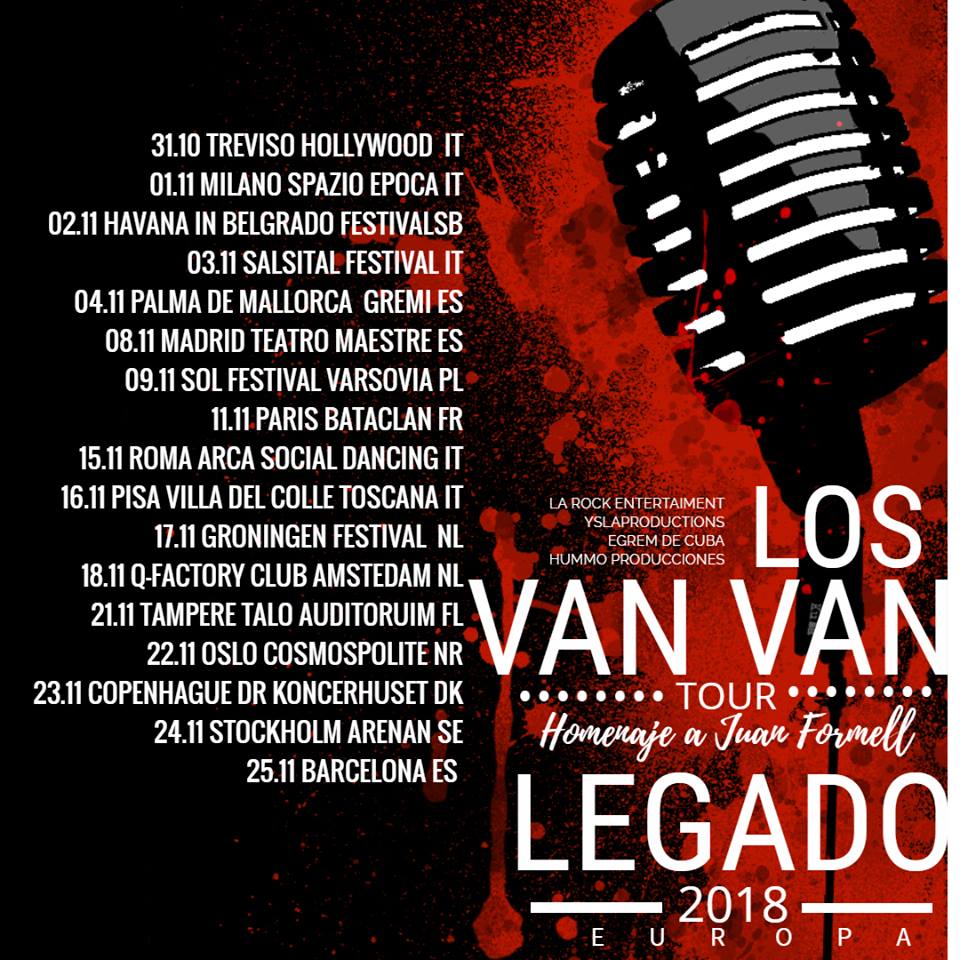
Los Van Van in Europe 2018

For decades, Los Van Van has been a world-class salsa orchestra that no one can keep silent about. The sixteen-strong formation continues to connect with this time through irresistible Cuban rhythms and Caribbean passion.
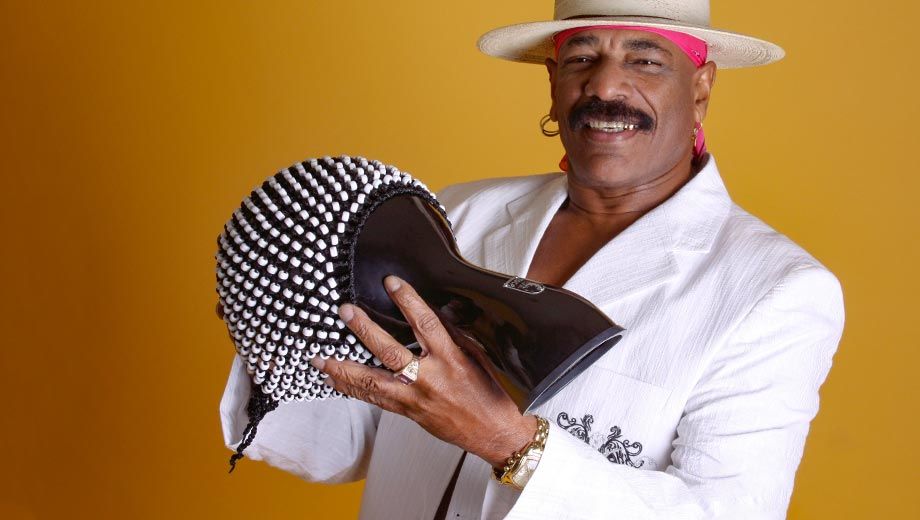
Los Van Van
Los Van Van

The band has been one of the first Cuban groups to use synthesizers and drum machines and has even created a completely new style: a superswing mix of a traditional charanga set-up (flute and violin combination), wind instruments and modern electronics, called ‘Songo’ by the Cubans.

In addition to Changui and Son Montuno, two traditional Cuban styles, Los Van uses different kinds of music such as rock, funk, disco and hip hop. Today Los Van Van consists of a selection of the best musicians of the first generation and new Cuban talents and vocalists. , led by Samuel Formell, son of the legendary founder of the band, Juan Formell.

In November you can enjoy to seventeen unmissable concerts for lovers of latin and salsa all around Europe!
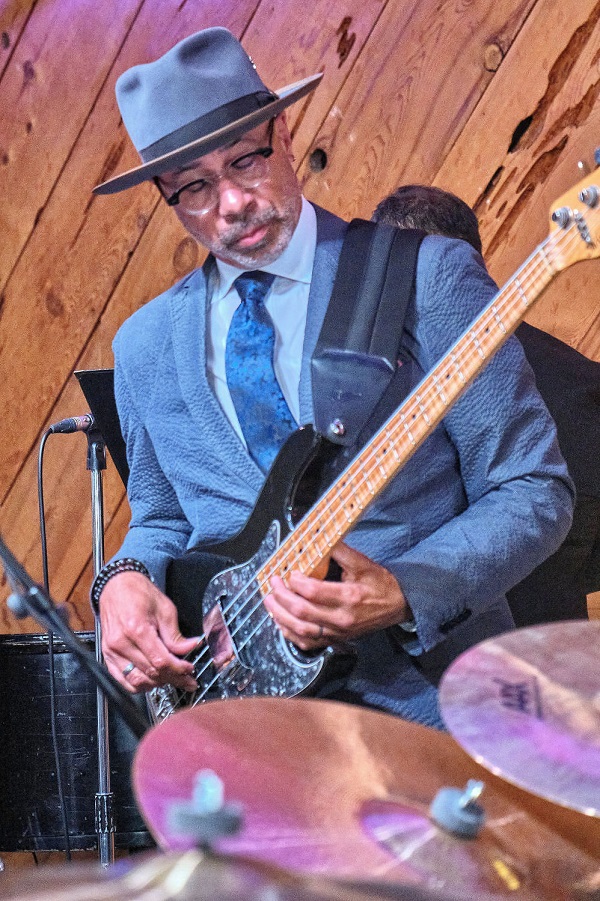
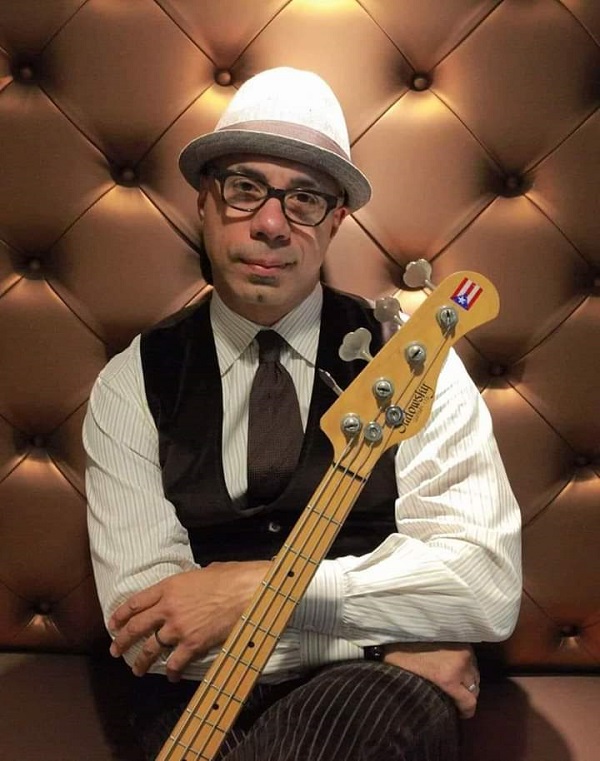
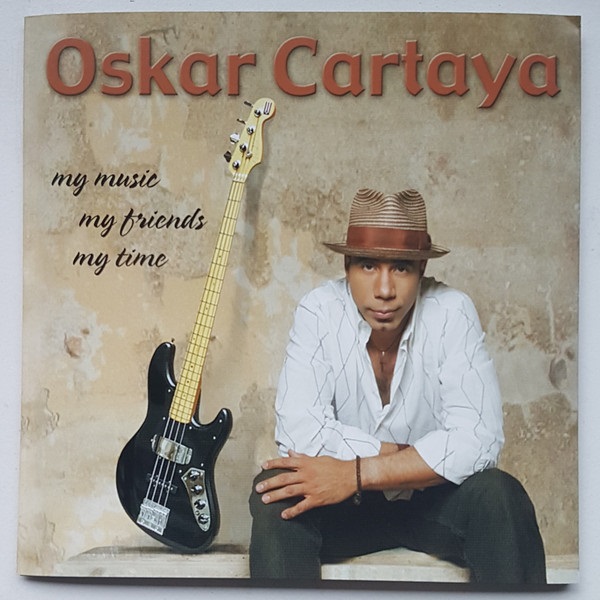
Oskar Cartaya “My Music, My Friends, My Time” He counted with the collaboration of illustrious friends such as Eddie Palmieri, Giovanni Hidalgo, Dave Valentín and Justo Almario.

Friendship and personal relationships seem to have always played a key role in Oskar Cartaya‘s recording career.

This was demonstrated Cartaya in his first recording, “My Music, My Friends, My Time” (2004) in which he had the collaboration of illustrious friends such as Eddie Palmieri, Giovanni Hidalgo, Dave Valentín and Justo Almario.

Bajista, arreglista, compositor y productor neoyorquino de nacimiento y bayamonés

This is also demonstrated by the second one, “Lifetime Friends”, which he co-led with trumpeter Humberto Ramírez and which was chosen as one of the best Puerto Rican productions of 2015.

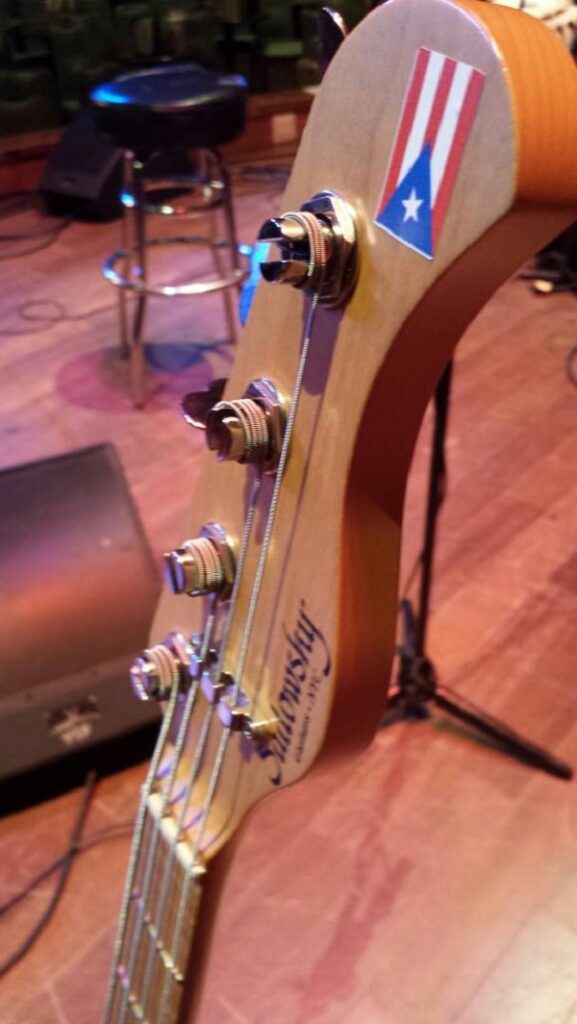
For the bassist, arranger, composer and producer – born in New York and raised in Bayamon – connections with other people are a vital element for the development of any musician.

Those connections coupled with the tenacity Cartaya has always shown to continually improve himself as a musician allowed him to be part of the legendary progressive jazz-rock group Spyro Gyra for five years, produce albums for Willie Colón or Herb Alpert, and play with a long list of stars including Jennifer López, Christina Aguilera, Rubén Blades, Héctor Lavoe, Tito Nieves, Tania María, Arturo Sandoval, Steve Winwood and Randy Brecker, among others.

To all of them he has lent the sound of his electric bass, able to insert itself with total naturalness in modern jazz, Cuban rumba, Spanish flamenco or Brazilian cadences, but without ever losing its funky essence, which gives rhythmic impulse to the musical genre before him. For Cartaya, music is not a profession, but a passion of life.

That passion manifested itself at a very early age, when he told his Cuban-born father that he wanted to be a musician when he was just 10 years old. He completed his initial studies at the Escuela Libre de Música de San Juan, which he remembers with pride and affection.

Oskar Cartaya
Oskar Cartaya

However, he has affirmed that his first real musical school were the records of Willie Colón and Héctor Lavoe, which he listened to at full volume in his room.

At the Escuela Libre de Música he was able to meet teachers and classmates who today are great masters of Latin music and colleagues of his, such as Humberto Ramírez himself. He also studied at the Conservatorio de Música de Puerto Rico.

Cartaya recalls that, although he studied chamber music in school, his real passion was Latin music…until he discovered jazz, thanks to an album by the great bassist Stanley Clarke. A new world opened up to his ears.

“I found a freedom in jazz that I didn’t find in Latin styles,” the musician said in an interview. “In salsa, for example, the maximum is when you are playing as part of a unit. Unlike jazz, whose pinnacle is when all the musicians improvise and go crazy playing, but everyone knows what they are doing.”

At 18, Cartaya moved to Los Angeles, where he began studying at the Musicians Institute of Technology. There he practiced for 15 hours a day, a devotion that brought him his first recognition: being accepted as a professor at the prestigious institution, two years after graduating from it.

However, his restless spirit and continuous desire to improve led him to make what he has described as the best decision of his life, moving to New York City. In the Big Apple – the place many consider the jazz capital of the world – he had the privilege of playing and recording with the late Argentine pianist Jorge Dalto; with Willie Colón and Rubén Blades; Celia Cruz, Tito Puente and Dave Valentín.

“I learned a lot, matured and saw firsthand what it was like to be on my own,” the bassist said in an interview about this period of his life. “If the opportunity was going to be given to me, it wasn’t going to come to my house. I would have to look for it.” And so he did.

At that time he also had the opportunity to meet the late rock icon Prince, at his Paisley Park, Minneapolis studios, and to become a member of Spyro Gyra. By being accepted into that group over 10 other bass players auditioning for the position, Cartaya realized that success belongs to those who work hard and have faith in themselves.

“I was able to show a lot of people that there’s nothing worse than feeling bad about yourself if you don’t try,” he said in an interview. “All the nights I played for free or for five bucks to earn a chance were well worth it.”

In 1997, the bassist produced the “Passion Dance” recording project for veteran trumpeter Herb Alpert, an experience he has described as a new learning experience in his career, as well as a chance to expose himself to a wider audience.

“My Music, My Friends, My Time,” released in 2004, is a fusion of Latin, Brazilian, American and Flamenco rhythms that was very well received by critics.

“My Music, My Friends, My Time”

“I wanted to do a project that would fill that gap that exists between Latin music and the world. I truly believe that the world needs to know that Latin musicians can do countless things within music, without throwing away their roots,” Cartaya said of the recording.

“Lifetime Friends,” produced alongside Ramirez, was described upon its release in 2015 as “an album of a cohesive and jubilant band,” in which all participating musicians – representatives of the new jazz generation in Puerto Rico – have a chance to stand out. “It’s the album we always wanted to make… to describe almost 40 years of friendship,” Cartaya and Ramírez indicated.

Cartaya
Cartaya

In 2017, Oskar presented the production “Bajo mundo” in tribute to the great Cuban bassist Israel “Cachao” López. This intense, exuberant album, with a multiplicity of rhythms, colors and guest musicians was distinguished as one of the most outstanding productions of the year by the National Foundation for Popular Culture.

It also won a Latin Grammy Award nomination in the category of Best Latin Jazz Album.

Source: Rafae Vega Curry

National Foundation for Popular Culture

“This biography is part of the archives of the National Foundation for Popular Culture. In our interest to disseminate knowledge about our great figures, it may be cited as a basis for research studies or as an assignment for pedagogical purposes, as long as credit is given to the Foundation and its author, if indicated. All rights reserved. The reproduction of the same in any printed, technical or mass media, with or without commercial purposes, is not authorized without prior written request to the Foundation and its consequent approval”.

Also Read: “The Sun of Latin Music” the first Grammy Award for Salsa Eddie Palmieri’s historic album

Los Van Van and their 50th Anniversary

North America / USA / New York

Los Van Van returns to Lehman Center Performing Arts to celebrate their 50th Anniversary

For this special concert the Cuban legendary orchestra will join with the most popular lead Los Van Van vocalists: Mario “Mayito” Rivera and Pedro Calvo

Date: Saturday, June 1st

Show: 8:00PM

Cost: $50 – $100

Venue: 250 Bedford Park Boulevard West Bronx, New York 10468

Low cost onsite parking available for $5!

Los Van Van in concert

Lehman Center for the Performing Arts presents the return of Grammy-winning dance orchestra, Formell y Los Van Van, who bring direct from Cuba their blend of Afro-Cuban, disco and funk back to Lehman Center to celebrate their 50th Anniversary on Saturday, June 1st at 8PM.

Heralded as Cuba’s greatest dance orchestra known worldwide for their iconic live performances, Formell y Los Van Van features three of the late founder Juan Formell‘s children: Samuel Formell (Leader and Drummer/Timbalero) , Juan-Carlos Formell  (Bassist)  and the family’s youngest daughter, Vanessa Formell (lead vocalist).

BIO: Formell y Los Van Van, nicknamed the “Cuban Music Train,” is regarded as one of the most influential bands in the history of 20th century Cuban popular music. Founded in 1969 by Juan Formell when he was 27 years old, the band pioneered Songo, a hybrid rhythm that blended Cuba’s native folkloric son music with the go-go of the 1970s and has electrified dance floors in Havana for over forty-five years.

The band’s original members were: Juan Formell (bandleader, bass player, and songwriter), Cesar “Pupy” Pedroso (piano, songwriter), and Jose Luis “Changuito” Quintana (drums and timbales). Each one were music conservatory trained from a young age and were fascinated with the soul, go-go and disco music that dominated U.S. radio.

They named their dance band “Los Van Van” (which literally means “they go-go”) after the go-go fad, and pioneered the hybrid of son and go-go music – Songo – which can now be found throughout Latin jazz, pop, and world fusion.

And if the genius of Songo wasn’t enough, they also developed the complex rhythmic style that became known as Timba that was adapted by other bands in the ‘90s. Los Van Van soon became one of the best-known Cuban groups in the world, maintaining a loyal fan base throughout Latin America, Europe and Japan propelled by hits such as: “La Sandunguera,” “Anda, Ven y Muévete,” “Te Traigo” and “Yuya Martinez.”

Pedrito Calvo
Pedrito Calvo

In 1993, Changuito left the band and was replaced by Formell’s son Samuel who also proved to be an outstanding composer as evidenced by the song: “Te Pone La Cabeza Mala”, the title track of one of their best albums.  Although American politics hindered their ability to break into the U.S. market, their popularity in the U.S. grew throughout the ’90s, and the band toured the U.S. for the first time in 1997, including a memorable concert at Lehman Center.

Two years later, Los Van Van was honored with the GRAMMY® Award for Best Salsa Performance for their fifteenth album, Llegó…Van Van — Van Van is Here and in 2013, the Latin Recording Academy awarded Juan Formell with a special Grammy for a Lifetime Achievement of Artistic Excellence.

With over 40 albums to their credit, Formell y Los Van Van’s 2015 album Homenaje A Juan Formell: La Fantasia, was 80% completed at the time of Juan Formell’s death in 2014 and was finished under the direction of his son Samuel with another son, Juan-Carlos Formell.

The album’s release on Reyes Records in December, 2014 was on the 45th anniversary of the band’s founding and it features several of the band’s hit dance tracks refreshed with contemporary arrangements as well as many new songs including the widely popular: “Somos Diferentes”, “Todo se Acabó” and “La Moda”. Sony Music released it worldwide in 2016 and it earned a 2017 Grammy nomination for the Best Tropical Latin Album.

The group’s most recent album “Los Van Van son La Patria” is scheduled to be released on Cuba’s Engrem label later this summer.

Mario Mayito Rivera
Mario Mayito Rivera

BIO: Mario “Mayito” Rivera is nicknamed “El Poeta de La Rumba” for his ability to vocally interpret all forms of Cuban music in both modern and traditional styles with a colorful range that can be powerfully dynamic or tender and soft.

He was born in Pinar del Rio, Cuba, and has degrees from both the Escuela Nacional de Arte and the Instituto Superior de Arte. After college, he joined the band of Cuban singer Albita Rodríguez and played bass in Grupo Moncada.

From 1992 to 2011, Mayito was the characteristic voice and face of the extremely successful Cuban band, Los Van Van. He sang many of the band’s salsa hits, for which he was rewarded with a Latin GRAMMY® and two nominations.

Bio: Pedro “Pedrito” Calvo is a popular Cuban-born vocalist known for his charismatic and unique singing style which often includes clever word play and expressive rhythmic vocal sounds. Pedrito started his professional career singing with his father’s orchestra and years after with several Cuban orchestras including:

La Riviera, La Orquesta de Julio Valdés, and La Ritmo Oriental with hits such as: “Mi Socio Manolo” and “Aquí el que Manda es Mulé”. He was the most famous for his time (1974-2001) with Los Van Van, where he was part of the infamous lead singing trio of Los Van Van along with Mayito Rivera and Roberto Hernández.

Event Details:
www.LEHMANCENTER.org

Pennsylvania Directory 2024

Reserve Restaurant Bar & Lounge
Reserve Lounge
724 Arch St
Philadelphia, PA 19106
+1 267 545-8466


Vancouver Directory / 2023

Mangos Kitchen Bar
744 Mt Pleasant Rd Toronto, ON, Canada M4S 2N6

Studio Nightclub
919 Granville street Vancouver, BC, Canada V6Z 1L3
  • « Go to Previous Page
  • Page 1
  • Page 2
  • Page 3
  • Page 4
  • Interim pages omitted …
  • Page 135
  • Go to Next Page »

International Salsa Magazine (ISM) is a monthly publication about Salsa activities around the world, that has been publishing since 2007. It is a world network of volunteers coordinated by ISM Magazine. We are working to strengthen all the events by working together.