Latinoamerica / Mexico / Cancun
Antonio Laya “He tells us a little about his new single Abre que voy”
Today we are pleased to learn a little about the life of Antonio Jose Laya Gonzalez (Antonio Laya), a Venezuelan who with his voice and his particular way of dancing has managed to climb and carve his way to success, this Taurean with a great career as a singer of good salsa and especially son, he presents us his new single, abre que voy, a success that has gradually positioned itself on the best musical platforms from his current hometown, the beautiful city of Mexico.
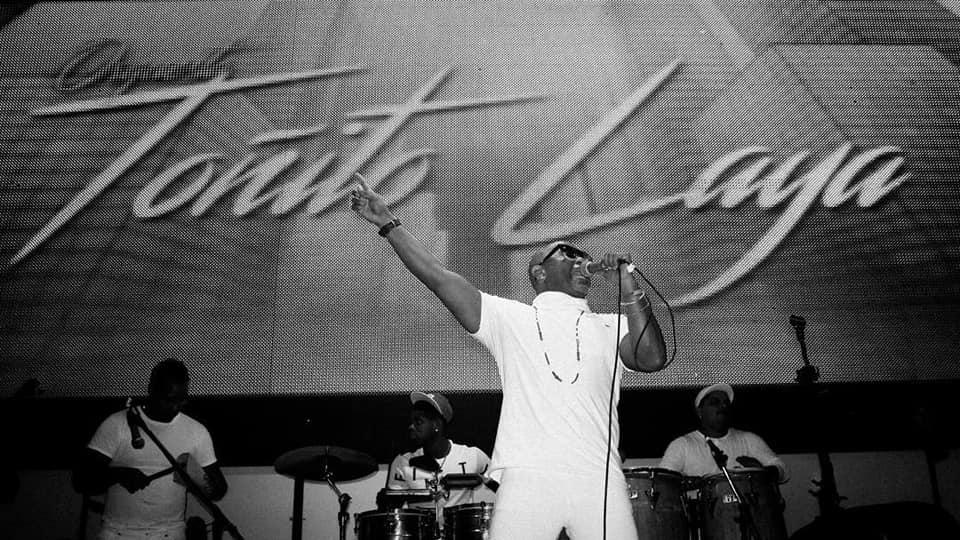
Good afternoon friend Antonio, thank you in advance for the time you give us to learn a little about your life and give our great readers a little about your son, but in letters, we know from your artistic review that you come from a cultural world. the dance? Why the singing?
I come from a family of musicians, teachers and athletes, in 1995/96 I started in the popular culture workshops of the “Fundación Bigott” (cultural house of great social impact in Venezuela) in the Afro-Venezuelan percussion workshops with Professor Jesús Raúl Paiva, where he gave me the opportunity to enter this world of culture…
Years later this would bear fruit, when I joined the Vasallos del Sol group, a representative entity of Venezuelan folklore, on one of their tours in Europe “Germany” to be exact, one of its dancers stayed, leaving an open vacancy, it was then that I received the invitation to audition, at a festival of San Juan of the foundation, where I was able to win a spot. From then on I became a vassal of the sun.
All this experience in the middle of the show made me lean towards dance, where I got to venture as direct from my own dance school destined to spread the Cuban casino. With Vasallos del Sol I had the opportunity to travel the world, Colombia, Cuba, Ecuador, Spain, Mexico, Korea, Japan, the United States,
How many years has it been since the idea of entering the cultural world of your country?
22 years since I formally started at the Bigott Foundation.
How did the idea of giving life to singing come about?
On the tour of the United States, I began to sing with the vassals accompanied by the guitar of Luis Gonzalez, assuring me later that it was there that he heard me and knew that I could sing, quickly and a few months later he called me and invited me to participate in a project that neither It didn’t even have a name, which would quickly begin to take shape and to date is known as the seventh bohemian.
I began to sing very badly, I lost my voice because I didn’t know how to use the phonator, I began to take classes with several teachers, the first of them Ronald Gonzalez, fundamental pillar to start singing, placing and improving my vocal technique, successively Fabby Olano, Gladys Salazar, Maigualida Ocaña, Dayan Montiel, Marcial, Gustavo Gerardo. We recorded 3 albums on national tours, the second of which is entitled “She takes me” a song that I believe made the Seventh Bohemia popular. Singing was not in the plans but it ended up being one of my great passions.
A song that marks you?
She sings: The earrings that the moon lacks, I have them saved to make you a necklace I found them this morning in the mist when I was walking next to the immense sea. Since I was a child I woke up very early listening to music by La Sonora Matancera, Felipe Pírela, Damiron and Danzón de Acerina, it fascinated me.
Let’s talk about the seventh bohemia. How do you join this septet?
I am a founder, just in the second rehearsal when only Luis Freites, Cesar “Chagu” Bolívar and Luis Gonzalez were there I was summoned along with Krlos Gonzalez to be part of the group, from then on I started singing “Bilongo” to be exact, hahaha I’m so in love with the black tomasa……….., El Jamaiquino, Me que, among others.
What is the greatest thing you have experienced so far with music? -You could perhaps refer to a concert or moment to share with an artist-
I think the greatest thing I have experienced in music is having shared the stage with great figures both Venezuelan and foreign, Francisco Pacheco, Canelita Medina, Trina Medina, among, Jose Alberto “el canario”, Cheo Feliciano, Alexander Abreu and his Habana de First, Manolito Simonet and his Trabuco, Tiburón Morales, El Septeto Santiaguero, among others. On the other hand, being at the 2014 and 2015 Pepsi Music Awards, the biggest thing, achieving 4 nominations for the 2015 Latin Grammys, a great privilege.
What has given you and what has taken away the artistic life you lead?
It has given me the satisfaction of feeling and receiving the applause of an audience, feeling the magic of a stage, dancing on the most important stages of Venezuela and the countries I visit, I don’t know if there is another artist who performed in the same weekend in two different facets and groups in the most important venue in Venezuela
The Teresa Carreño Theater where on Saturday I danced in my last Vasallos de Venezuela concert in the concert “Guiados por la Luz” occasion to baptize the latest production, with guests from the cultural movement and the next day singing with La Séptima Bohemia alternating with Francisco Pacheco, El Septeto Santiaguero, Jose Alberto “El Canario” Canelita Medina and El Tiburón Morales and as special guests all the best dance academies in Caracas.
Antonio let’s laugh a little. Tell us about the funniest thing that has happened to you at a concert and the most painful.
WUUAOOO, too many, Well, a concert with Los Vasallos where I went out to dance and my pants began to drop, at a concert at the Yerba Buena Garden Festival 2008 in San Francisco we got the foot burn of the century since the stage was al pure sun and linoleum floor and at the baptism of the album “She takes me” in the main hall of the Central University of Venezuela after the great presentation of the renowned Ramón Castro We went on stage and I couldn’t see anything through my glasses hahaha and I I put in the place of my partner Miguel Guanchez colliding spectacularly ahaha to start singing. What a laugh.
We know of the great success that you have had in Venezuela with the successes that you have sung and have marked the public, they have gone from a sound to a necessity for the dancer. What do you consider this great impact?
Definitely because I come from the world of dance, I’m a dancer and a dancer and I understood perfectly that I needed the same audience that the casineros came from, those of us who at some point went to the Goiticoa school or the Monagas house. By the way, as a curious fact, I was the one who organized one of the first casino parties in a place called Beisboland, a party where I dare say it was the second presentation of one of the most important dance groups in the Venezuelan casino Son Rumbero, where they danced “Cuentas Verdes y Amarillas de Adalberto Álvarez.
How has your foray into Latin music in Mexico been?
Since my arrival in Mexico I have participated in several musical projects, Los Panas.com, La Formula Perfecta, Swing Latino to mention a few, it has not been easy since musically Cancun has a particularity and that is that the music that is danced is still that of the 80s when they talk about salsa, of course with its exceptions, but it has cost me to adapt but in the end it is what is consumed here. Here the forte is the hotel industry, so the Latin genres that marked an era are what is worked on, that’s why as a salsero it has been difficult for me to adapt, although I have worked anyway.

The Salsa or the Son? Which one do you lean towards?
Definitely La Salsa, I grew up in the middle of the Salsa de La Sonora Ponceña, Willie Rosario and the great Ray Barretto to name a few. Son also became my passion but I have to be realistic! came into my life thanks to the Seventh.
Open, I’m coming. Tell us a little about this great topic?
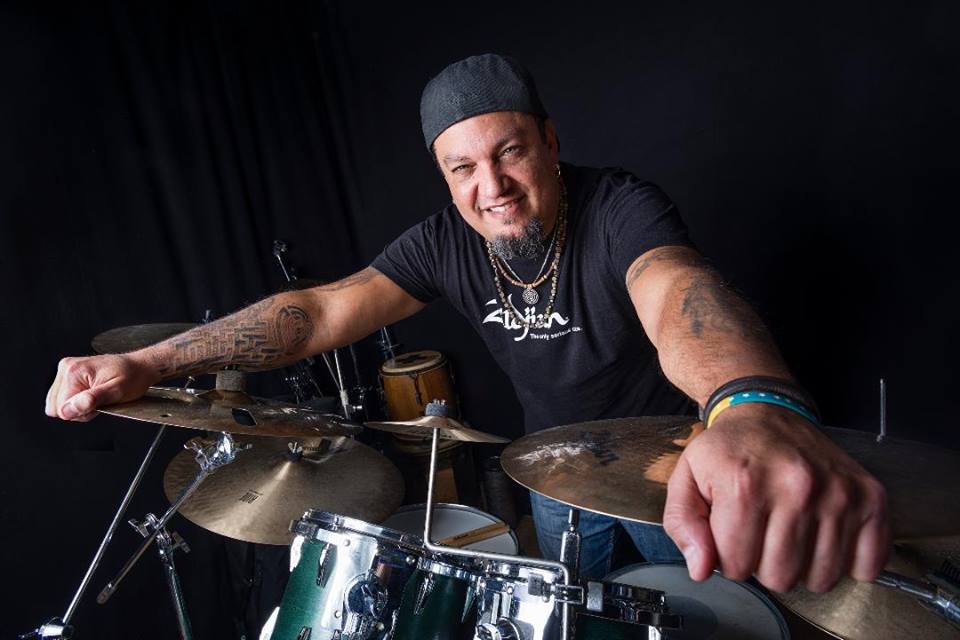
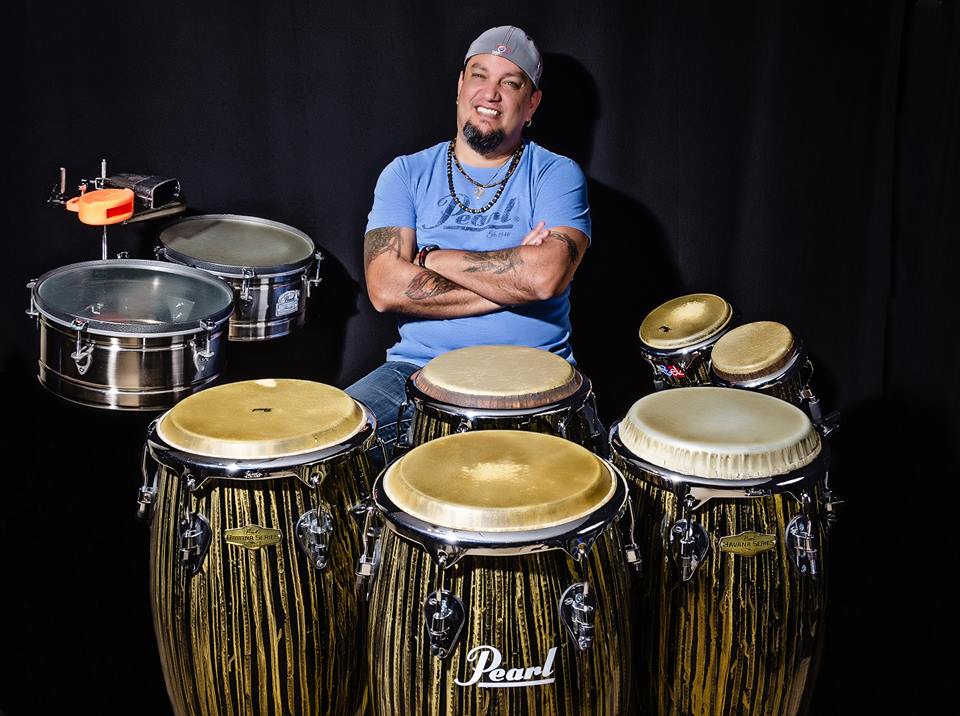
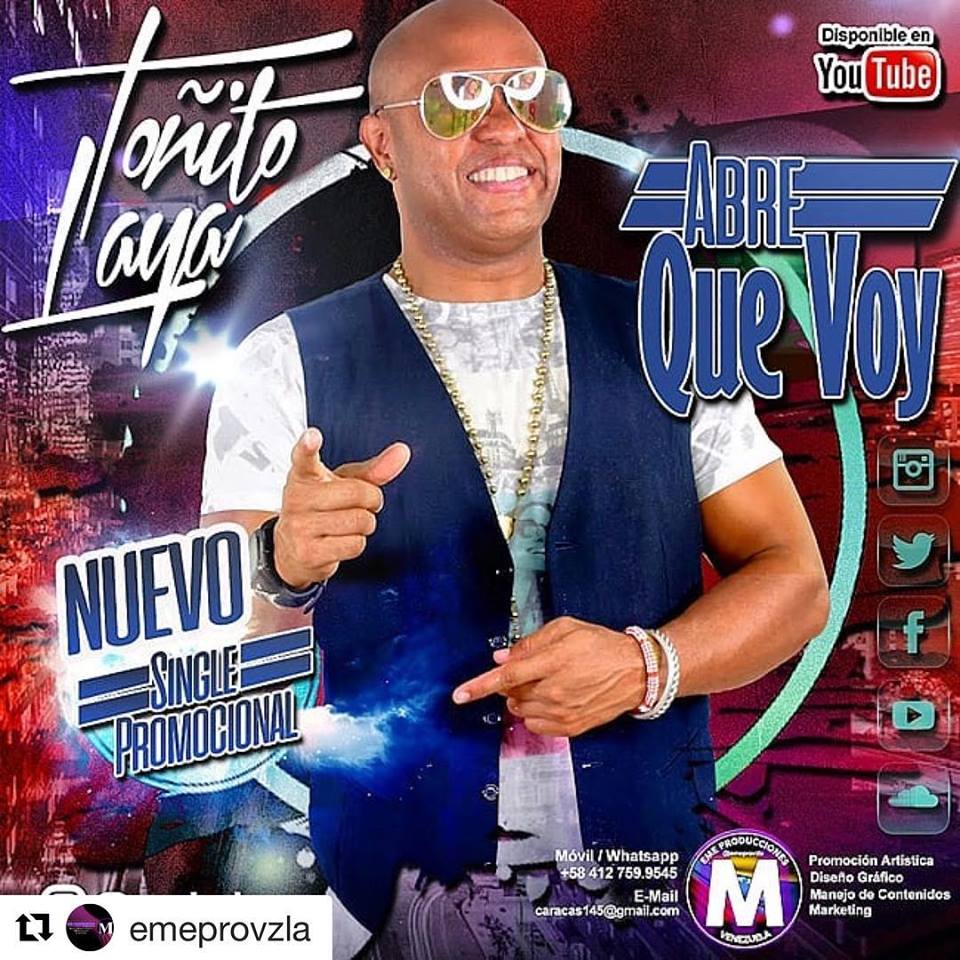
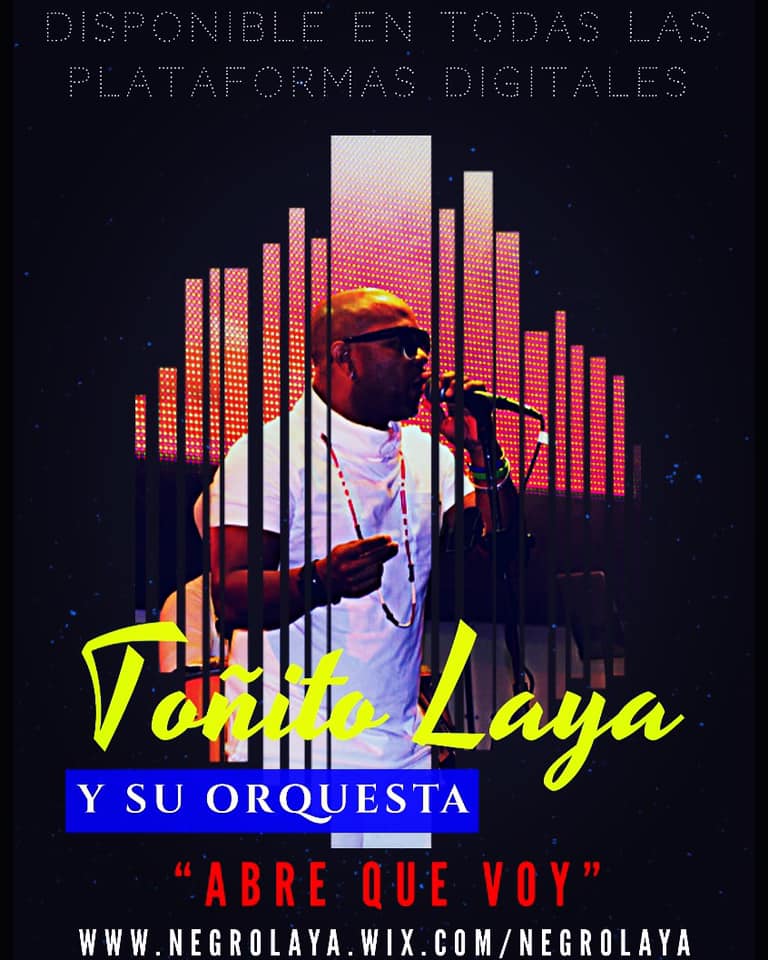
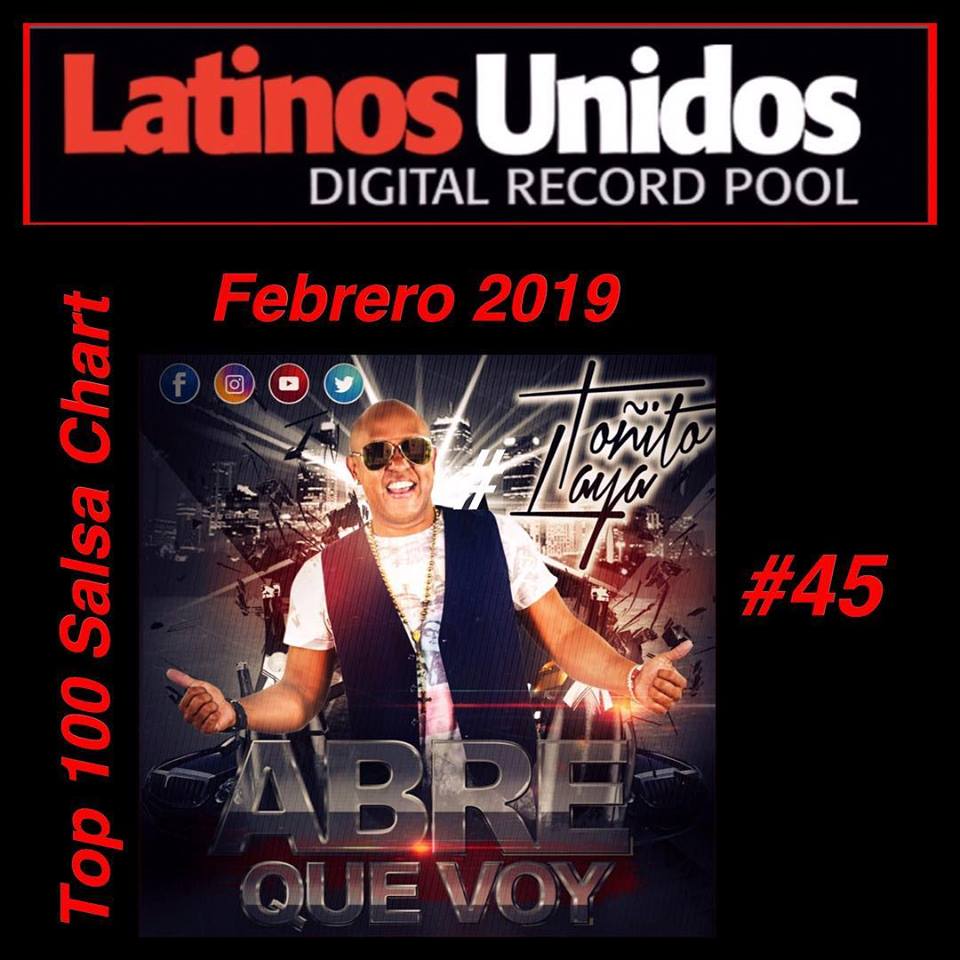
When I got on the plane to leave my country, in addition to nostalgia, I only had one thought, to make my album as a soloist first, I knocked on many doors, I looked for a lot of help, until I finally reached what today is called “Abre que I’m going” in that search the day came when I remembered that I had a buddy who was Omo Aña (Drummer) Maurice Melo and that after conversations, long conversations we would take a first step, start aggravating a theme, my first promotional single.
What surprise do we have to see from Antonio Laya during this 2019?
With God’s favor, to continue recording my album, including my first music video, if money allows me, hahaha For this 2019 I’m going to release my second single, it’s called… (Thinks) Not yet, let’s leave it as a surprise , do a launch concert and seek my respective nomination for the 2019 Pepsi Music Awards and the 2019 Latin Grammys.
Where can our followers find you?
My social networks Facebook and Instagram through @ToñitoLaya, on twitter as @Negrolaya and through my YouTube channel, Toñito Laya