• Skip to primary navigation
  • Skip to main content

International Salsa Magazine

  • Home
  • Previous editions
    • 2025
      • ISM / November 2025
      • ISM / October 2025
      • ISM / September 2025
      • ISM / August 2025
      • ISM / July 2025
      • ISM / June 2025
      • ISM / May2025
      • ISM / April 2025
      • ISM / March 2025
      • ISM / February 2025
      • ISM / January 2025
    • 2024
      • ISM / December 2024
      • ISM / November 2024
      • ISM / October 2024
      • ISM / September 2024
      • ISM / August 2024
      • ISM / July 2024
      • ISM / June 2024
      • ISM / May 2024
      • ISM / April 2024
      • ISM / March 2024
      • ISM / February 2024
      • ISM / January 2024
    • 2023
      • ISM / December 2023
      • ISM / November 2023
      • ISM / October 2023
      • ISM – September 2023
      • ISM – August 2023
      • ISM July 2023
      • ISM Edition June 2023
      • ISM – May 2023
      • ISM April 2023
      • ISM March 2023
      • ISM February 2023
      • ISM January 2023
    • 2022
      • ISM December 2022
      • ISM November 2022
      • ISM October 2022
      • ISM September 2022
      • ISM August 2022
      • ISM July 2022
      • ISM June 2022
      • ISM May 2022
      • ISM February 2022
      • ISM January 2022
    • 2021
      • ISM December 2021
      • ISM November 2021
      • ISM October – 2021
      • ISM September 2021
      • ISM August 2021
      • ISM July 2021
      • ISM May 2021
      • ISM April 2021
      • ISM June 2021
      • ISM March 2021
      • ISM February 2021
      • ISM January 2021
    • 2020
      • ISM December 2020
      • ISM November 2020
      • ISM October 2020
      • ISM September 2020
      • ISM August 2020
      • ISM July 2020
      • ISM June 2020
      • ISM May 2020
      • ISM April 2020
      • ISM March 2020
      • ISM February 2020
      • ISM January 2020
    • 2019
      • ISM December 2019
      • ISM November 2019
      • ISM October 2019
      • ISM Septembre 2019
      • ISM August 2019
      • ISM July 2019
      • ISM June 2019
      • ISM May 2019
      • ISM April 2019
      • ISM March 2019
      • ISM February 2019
      • ISM January 2019
    • 2018
      • ISM December 2018
      • ISM November 2018
      • ISM October 2018
      • ISM September 2018
      • ISM August 2018
      • ISM July 2018
      • ISM June 2018
      • ISM May 2018
      • ISM April 2018
      • ISM March 2018
      • ISM February 2018
      • ISM January 2018
    • 2017
      • ISM December 2017
      • ISM November 2017
      • ISM October 2017
      • ISM September 2017
      • ISM August 2017
      • ISM July 2017
      • ISM June 2017
      • ISM May 2017
      • ISM April 2017
  • Download Salsa App
    • Android
    • Apple
  • Spanish

Search Results for: Willie Colón

Influence of Latin Music in Europe and Vice Versa


European union 


When we refer to any Latin element that has been influential at the European continent or vice versa, it is almost inevitable that we think back to the Discovery of the Americas on the part of Christopher Columbus.

It was about this time when various instruments present in cumbia and salsa started to be used. No wonder we attach so much importance to this event, as this is how Spanish and the Portuguese arrived in the so-called New World. It is no coincidence that these languages are the protagonists of these rhythms at this time.

While it is true that Europe gave its languages to Latin music, we cannot fail to mention that the African slave trade played a major role in this context. Its beats and drums closely tied to religious ceremonies were inspirational for salsa, bachata and samba and African-American music, in which the famous Jazz may be included.

Neither can we leave out the fact that many pre-Colombian civilizations created many types of percussion music instruments, which are very present in Andean music and its very traditional flute-like sounds.

 What has led Latin American music to become so popular in recent times?

There is no denying that Latin music has achieved a tremendous global reach in recent years, but things were not always like this. In the past, it was ballads of love with heartbreaking lyrics that dominated this market and its primary target audience was female.

With the passing of years, this reality radically changed. We can see it in the emergence of an encouraging number of commercial songs and very simple to dance like La Macarena by Los Del Rio, Livin La Vida Loca by Ricky Martin, A Dios Le Pido by Juanes, among others. These pieces of theme music were the ones that broke the barrier of traditional radio in due course.

Later, hip hop and R&B gave origin to other urban rhythms that took hold of everyone’s attention
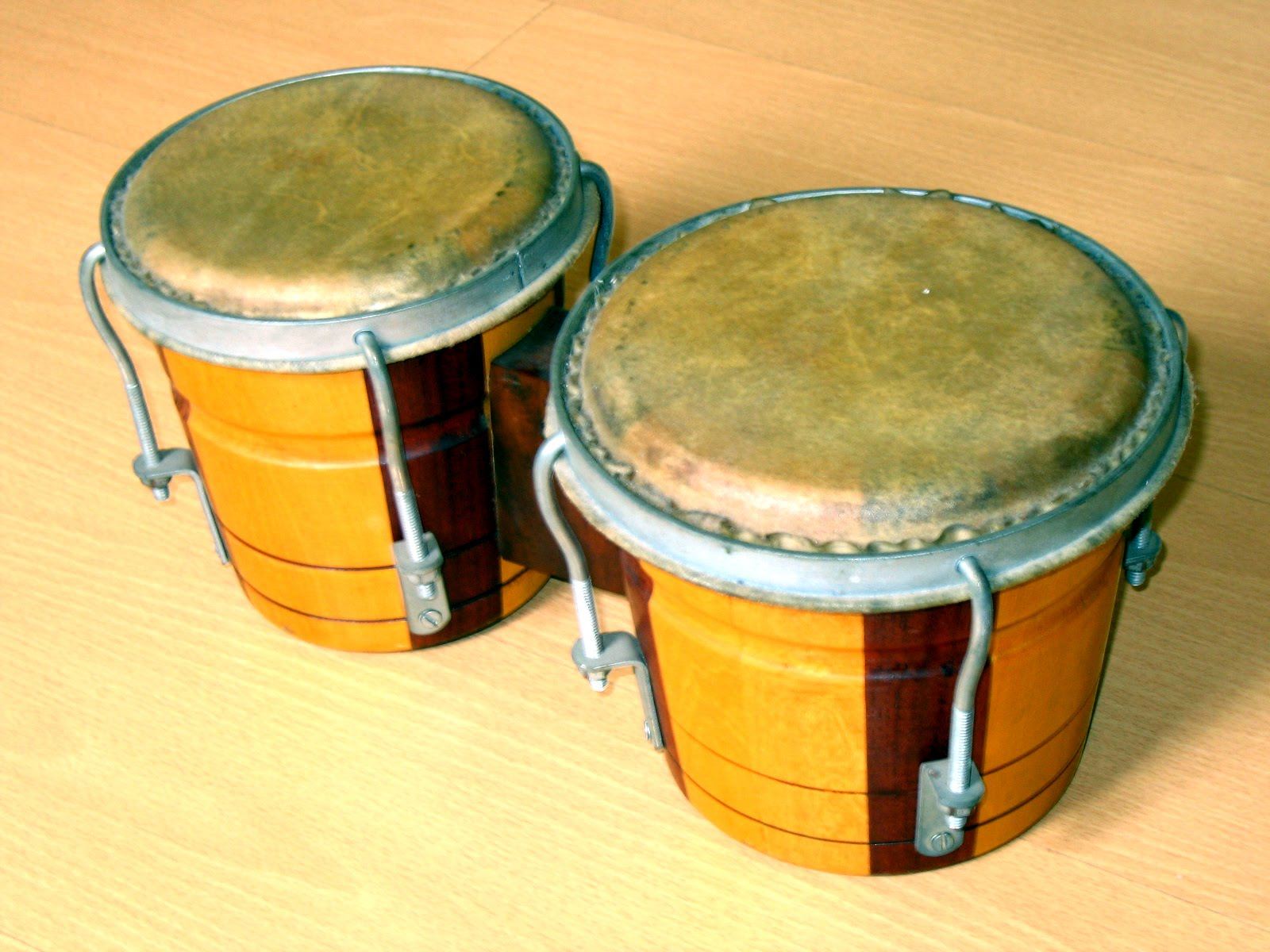
Bongos
Bongos


Latin music for some time now

That mode of nightclubs of Latin origin that have been inaugurated  the length and breadth of the old continent is nothing new. What is new though is the type of attendees received in these places in recent years. There’s a very large audience of all ages who show real interest in rhythms whose language they don’t even know, but they do not seem to care at all. In fact, this peculiarity seems to give an extra touch of excitement to the point. They see Latin music as an array of sounds and rhythms that may not understand, but that simply cannot stop dancing them.

When making a comparison of the monotonous pop style with this recent wave of Latino artists that have been conquering hearts throughout the world, it is evident that things are different now and did not seem to go back to the way they were. What is true is that traditional styles have been overthrown surprisingly.

It is not a secret that singers such as Shakira or Ricky Martin became immensely popular in the late nineties and the early 200All Posts0s, but now things go much further. We are saying that there is a very important number of musicians in these genres that have drawn the attention of all audiences of all ages and countries.

Further, there is a lot of Americans who have appropriated these styles and the Spanish language to give a lot of freshness to their musical projects. A telling example is the Canadian Justin Bieber who has worked with Luis Fonsi and other artists from Latin America, giving as a result a fan base that became interested in these genres and the Spanish language.

It looks like musical lyrics no longer need to be in English to reach all corners of the globe and make everyone dance. In fact, many people look for this type of music to enjoy it, even if they understand little to nothing about it.
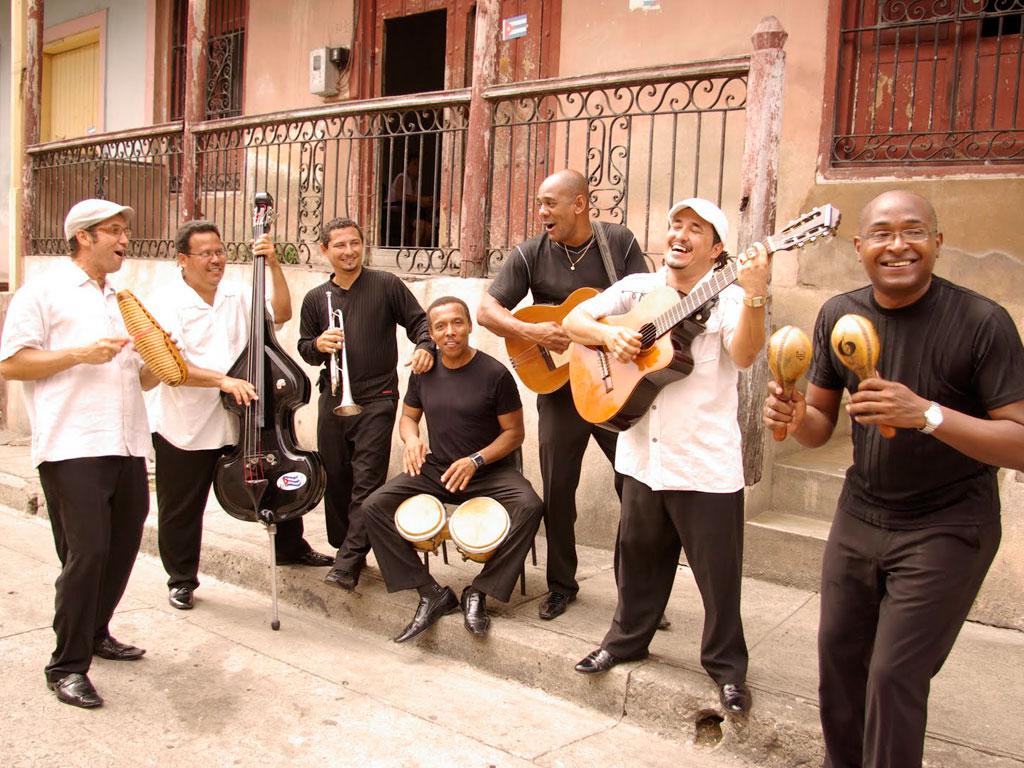
Orchestra Latin music playing in the roads

What can we deduce from all this?

After having analysed all these data, we can say that Latin music is a very rich and intense mix of a cluster of cultures that were linked up between them until we find the heterogeneity that we see today. Undeniably, this whole process of miscegenation between so many rhythms would not have been possible under the influence of pre-Columbian, African and European culture. However, the same can be said in the opposite case.

Yes, this also occurs in the contrary case. Europeans’s musical tastes are no longer those of a few decades ago. Nowadays, there are many adults and young people who cannot stop dancing when they listen to certain salsa or merengue songs that have gone across all possible borders.

In short, we are talking about a continuous feedback loop between both cultures that keeps going until now. No musical rhythm is completely pure and Latin rhythms are the perfect example.

Image source 1: http://nuevacaravana.blogspot.com/2010/08/bongo.html

Image source 2: https://presencia.unah.edu.hn/noticias/los-origenes-de-la-musica-y-la-identidad-en-america-latina-4-de-4/

Image source 3: https://www.correo.ca/2015/07/willie-colon-la-clave-es-la-experimentacion/

Image source 4: https://www.youtube.com/watch?v=QH_3h43nGf4


Wálter Rebatta from Peru is one of the most outstanding figures of Latin music

We are honored to present in this new delivery, one of the most outstanding figures of Latin music, representing the brother country of Peru; who has put very high the name of the musicians born in Inca lands to the world.

With you, directly from France, we have as a special guest Wálter Antonio Rebatta Hinostroza, a brand new and spectacular percussionist, who was born on September 14, 1973, in Bella Vista, Callao, Peru, being artistically known as “El Chato”.

Welcome Wálter to Salsa Escrita “La Columna Salsera de Barquisimeto, Venezuela”.

Wálter Rebatta desde Perú es una de las figuras más resaltantes de la música latinaWálter Rebatta desde Perú es una de las figuras

It is an immense pleasure to have you as a special guest in International Salsa Magazine through www.SalsaGoogle.com.

Thank you very much to you, my friend, Professor Carlos, for the invitation to your well read and recognized column and I take this opportunity to give a sincere greeting to all Venezuelans who are like my brothers.

How did you start in music? Well, teacher in my neighborhood called Ventanilla, in Peru, I grew up and since I was a child I breathed musical air, where at the age of 6 years old I was already playing “El Cajon”, traditional Peruvian Creole instrument, under the tutelage of my older brother Kike Rebatta, who took me later to learn other percussion instruments and prepare me with music theory, and then enter the music school of the renowned teacher Edelmi Chavez, and thus enter to form ranks in the most recognized orchestras in my country, such as: La Iniciativa, Orquesta la Grande, Banana Latin Jazz, among others. Wálter, which international orchestras and artists have you accompanied? I have accompanied and worked with “Los Hermanos Colón” from Puerto Rico and among many groups, I have had the honor of being on stage with my Venezuelan brothers, Hildemaro “El Sonero del Amor”, with whom I have a great friendship, as well as with the master timbalero Alfredo Villamizar, from whom I have learned a lot and from whom I must thank through his column Salsa Escrita.

Wálter Rebatta Multi-Percusionista Peruano

“Chato”, you are currently based in the French city of Grenoble and we would like to know how is the salsa movement, especially in Europe. In fact, professor, in 1995, I came to Europe with the “Orquesta Salsa Perú” and I met Mr. Rodolfo Guerra, with whom a great friendship was born and I became part of the “Orquesta Sincopa Latina”, directed by him, being present in his productions: Salsa que te pasa, Demasiado corazón, Mi bachata, Puerto Rico, Todo, Escándalo, Mi silencio, Mi toque, Habla conmigo and Azafata.

Wálter, I have heard that you have accompanied great salsa artists in their presentations, tell me who? I have had the honor of accompanying the late Tito Gómez, Willie González, Luisito Carrión and the great Venezuelan sonero Orlando José Castillo “Watussi”. Also, let me tell you professor, that I have worked in the Italian television Media Set, in the very popular program “Notte Vola”, also in 2002, I participated in the Tour of the Queen of Salsa, Celia Cruz, along with the orchestra of the prestigious world famous violinist Alfredo de La Fe.

Likewise, my friend Carlos, in 2004, I performed in numerous events with Latin jazz groups, among them “El Royal Cuba”, of the Cuban musician and singer Eduardo Céspedes.

In 2007, I participated in the prestigious and famous San Remo festival with the singer Daniele Silvestri, with whom I have recorded in his productions.

Wálter Antonio Rebatta Hinostroza

In 2009, I participated in the Italian tour “Terromotati Dil Abruzzo”, conducted by the famous singer Laura Pausini and later that same year I participated again in a tour in the United States for charity with Pausini again.

Excellent Wálter, and what can you tell us about the orchestra you are currently working with and what are your future projects? Professor Carlos, at present I am an official musician of the renowned orchestra “Mercadonegro” and in relation to my projects, is to form my own group and perhaps venture into the bachata, but without leaving aside the salsa, since living in Europe I have met many bachateros.

And something very important, my friend Colmenárez, I am also working on the project of my Venezuelan compadre, the musician Edwin Sanz, whom I would like you to interview at some point.

Very good Wálter, congratulations for your trajectory, what are your contacts in the digital platforms? My Facebook is: Wálter Antonio Rebatta Hinostroza and my whatsapp: +41 77 5122633.

Wálter Rebatta
Wálter Rebatta

Finally, we want to wish you the best on behalf of Salsa Escrita “La Columna Salsera de Barquisimeto” and that you continue to raise the name of Peru in all the stages of the world.

Thank you a thousand times, Professor Carlos Colmenárez, for taking me into account and thus making my career known and giving my greetings, thanks and respect to all the salseros of the world through International Salsa Magazine, www.SalsaGoogle.com and long live salsa, Peru and Venezuela, united forever.

Known artistically as Mahel, Singer, composer, percussionist and professional model

You can read: Walter Rebatta

First edition articles ISM

Jesús Algarín is a Puerto Rican bassist who, at the age of 25, landed in the salsa scene


A graduate of Berklee College of Music, with his college degree in hand, the young bassist returned home to make his homeland in salsa time.

Jesús Algarín is a Puerto Rican bassist who, at the age of 25, landed in the salsa scene to make music his life project.  The young musician already walks with a firm step accompanied by the forceful interpretation of his bass, leading his own orchestra with confidence.

From the time he was born, according to what his parents told him, they used to party, so it was not surprising that at the age of 8 he was already the one who was the one who was livening up the parrandas while playing the Puerto Rican cuatro.  Algarín, who was born and raised in the heart of Puerto Rico (Caguas), candidly tells us that as a child, he discovered through our very own parrandera tradition, that music -which he refers to as a wonderful art- had a healing and restorative power.

Well advised by the adults in his family, he recounts that his uncle explained to him early in his life that if he failed to ignite his audience at the Choliseo during a parranda, it would become more difficult for him. Once he understood the advice, he applied it to himself.  Today he concludes that it is necessary to dominate every stage, from a marquee to a public square, and to take it one step at a time.

Through Puerto Rican folk music, studying and interpreting the seis, the aguinaldo, the bomba, and the plena, he was entering into what without planning it became his life project.  Later, playing the Puerto Rican cuatro purely by ear, he was able to enter the “magical” world of music, as he himself describes it.

Already in the sixth grade of elementary school, he began his formal apprenticeship at the Escuela Libre de Música de Caguas.  Before that time, he played the cuatro but did not read music.  Once he learned to read music, he decided to continue growing musically in his instrument.

Six years later, in grade 12, about to finish high school, he took part in the camps that Berklee College of Music brings to Puerto Rico every year. He auditioned for the Puerto Rican cuatro.  However, at the time, he did not achieve his goal of positioning himself. Determined not to give up, the following year he returned to the Berklee camp but changed tactics. He showed up to the workshops with a bass because he understood that the cuatro was not a good fit.  When he filled out the registration form for the workshops, he reported that his bass playing was at the advanced level, even though he knew it wasn’t true.  This adolescent idea, which added a good deal of pressure and stress to his musical performance, helped him get into the ensembles he aspired to qualify for. Today he admits that at that time, which today seems far away, he could not handle the bass because, as an instrument, it was still unknown to him.

In any case, Algarín qualified because, as we know, you have to take your chances with life.  The rest is history. 

With the bass as his main instrument, Algarín got Berklee to give him a scholarship and after four years in Boston, Massachusetts he graduated with a degree in Music Business. In other words, he spent four years making music while learning to see music as a business.

The young bass player confesses that he had not planned to be a musician nor had he thought he would make a living from music.  He did not see music as a possibility, since although it was always an integral part of his life, music was a hobby or a way to serve God in the church.  And that’s what he limited himself to until he came to Berklee’s summer workshops.  Before that, he saw himself as a lawyer and when it was his turn to enter college, he initially enrolled at Ana G. Mendez University.  There he attempted to complete a bachelor’s degree in accounting. However, from the very first accounting class he knew that accounting was not for him.

Algarín capitalized on what he learned, and has been able to stick to music as a way of life; from a more realistic and less idealistic perspective. Of course, all without losing the artistic focus of musical interpretation.  Along with his musical training, he has been preparing himself in legal issues, maintaining business awareness, focusing on the protection of music and copyrights.  He has also been responsible for making other musicians aware of the importance of registering their music with the Library of Congress and thus making the most of their work.  There is no doubt that Algarín knows his worth as a musician and from his space he has decided to serve and guide his counterparts to protect their work.

Before entering the studio to record his project, Algarín had recorded with Manolito Rodríguez.  During his student years in Boston, he was a musician in the Eric German Orchestra, the orchestra that accompanies visiting solo singers in the New England area.

Today, his main instrument is the bass, double bass, baby base or electric bass.

The bassist, a native of Caguas and graduate of Berklee College of Music, class of 2020, returned to Puerto Rico to lead his own musical project.

Two years after Algarín’s return home, the orchestra is already promoting its first production entitled “Dímelo Algarín”, which is part of his project “Jesús Algarín”. The format of the base orchestra of the project is as follows: winds (trumpet, trombone and baritone saxophone), bass, piano, conga, timbal, bongo and bell; backing singers and choirs. This, his first production, contains 5 songs, with contemporary themes in its lyrics. This lyric, however, embraces the nostalgic sonority of the sextet, complementing some of the songs with the Cuban tres. The bassist leader of his project arranged and composed these 5 unreleased tracks, which are merged in a production for which Jesús Algarín is also responsible.

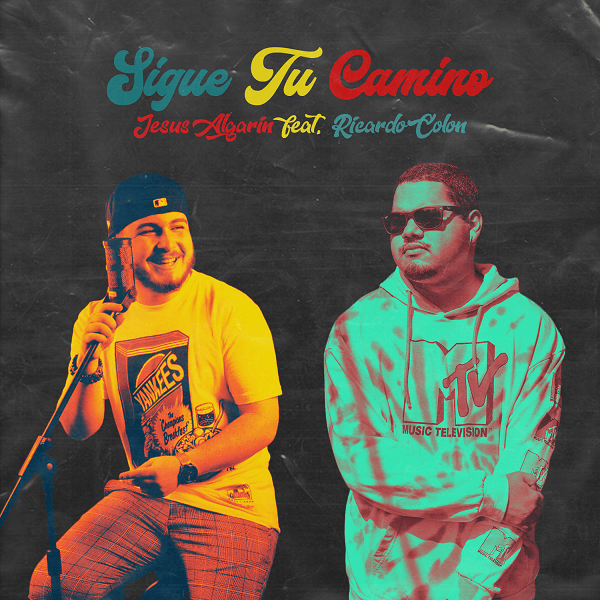
The production is available in digital format on all platforms. The promotional cut is Sigue tu camino performed by Ricardo Colón, who also sings in the Willie Rosario Orchestra. The other four tracks included in the production are:  Playita, Cadencia y sabor and La calle se prendió; performed by vocalist José Luis De Jesús and Caribeña, in the voice of Marisabel Vázquez Varela.

The recording studio musicians who participated in the production are from the Caribbean.  Puerto Ricans, Cubans and Venezuelans merge in a salsa embrace; as is to be expected.

Vocals: José Luis De Jesús, Ricardo Colón and Marisabel Vázquez Varela.

Backing vocals: Jorge Yadiel Santos, Carlos García, Ricardo Colón, José Luis De Jesús, Manolo Ruiz and Carloscar Cepero.

Bass: Jesús Algarín

Piano: Aníbal Cruz and Juan Rivera

Tres: Renesito Avich

Percussion: Miguel Martínez

Trumpets: Luis Arnaldo Ramos, Angel Segarra y Nicolás Benítez

Trombone: Johan Escalante y Carloscar Cepero

Baritone saxophone: Efraín Martínez

Cuatro: Jesús Algarín.

As the son of documentary filmmaker Juan Félix Algarín, Jesús considers himself blessed to have been mentored by a father with first-hand knowledge.  His father always instructed him to be aware of music as a business in the entertainment world. Jesus knows his worth and has kept himself informed as to the costs of production and is clear as to the rates of his work.  He identifies himself as a Puerto Rican and Caribbean musician. He is in every sense of the word, a music worker.

As it is, we are still in salsa.  Yes, salsa lives! The effort, discipline and talent -in that order- of this young bandleader attest to that. Congratulations, and may you continue to “catch the ride”.

For bookings, Ángel Ilarraza: 787-347-4662 or e-mail: [email protected]


By Bella Martinez, ISM Correspondents, San Juan, Puerto Rico


Jesús Algarín is a Puerto Rican bassist who, at the age of 25, landed in the salsa scene

A graduate of Berklee College of Music, with his college degree in hand, the young bassist returned home to make his homeland in salsa time.

Jesús Algarín is a Puerto Rican bassist who, at the age of 25, landed in the salsa scene to make music his life project.  The young musician already walks with a firm step accompanied by the forceful interpretation of his bass, leading his own orchestra with confidence.

From the time he was born, according to what his parents told him, they used to party, so it was not surprising that at the age of 8 he was already the one who was the one who was livening up the parrandas while playing the Puerto Rican cuatro.  Algarín, who was born and raised in the heart of Puerto Rico (Caguas), candidly tells us that as a child, he discovered through our very own parrandera tradition, that music -which he refers to as a wonderful art- had a healing and restorative power.

Well advised by the adults in his family, he recounts that his uncle explained to him early in his life that if he failed to ignite his audience at the Choliseo during a parranda, it would become more difficult for him. Once he understood the advice, he applied it to himself.  Today he concludes that it is necessary to dominate every stage, from a marquee to a public square, and to take it one step at a time.

Through Puerto Rican folk music, studying and interpreting the seis, the aguinaldo, the bomba, and the plena, he was entering into what without planning it became his life project.  Later, playing the Puerto Rican cuatro purely by ear, he was able to enter the “magical” world of music, as he himself describes it.

Already in the sixth grade of elementary school, he began his formal apprenticeship at the Escuela Libre de Música de Caguas.  Before that time, he played the cuatro but did not read music.  Once he learned to read music, he decided to continue growing musically in his instrument.

Six years later, in grade 12, about to finish high school, he took part in the camps that Berklee College of Music brings to Puerto Rico every year. He auditioned for the Puerto Rican cuatro.  However, at the time, he did not achieve his goal of positioning himself. Determined not to give up, the following year he returned to the Berklee camp but changed tactics. He showed up to the workshops with a bass because he understood that the cuatro was not a good fit.  When he filled out the registration form for the workshops, he reported that his bass playing was at the advanced level, even though he knew it wasn’t true.  This adolescent idea, which added a good deal of pressure and stress to his musical performance, helped him get into the ensembles he aspired to qualify for. Today he admits that at that time, which today seems far away, he could not handle the bass because, as an instrument, it was still unknown to him.

In any case, Algarín qualified because, as we know, you have to take your chances with life.  The rest is history. 

With the bass as his main instrument, Algarín got Berklee to give him a scholarship and after four years in Boston, Massachusetts he graduated with a degree in Music Business. In other words, he spent four years making music while learning to see music as a business.

The young bass player confesses that he had not planned to be a musician nor had he thought he would make a living from music.  He did not see music as a possibility, since although it was always an integral part of his life, music was a hobby or a way to serve God in the church.  And that’s what he limited himself to until he came to Berklee’s summer workshops.  Before that, he saw himself as a lawyer and when it was his turn to enter college, he initially enrolled at Ana G. Mendez University.  There he attempted to complete a bachelor’s degree in accounting. However, from the very first accounting class he knew that accounting was not for him.

Algarín capitalized on what he learned, and has been able to stick to music as a way of life; from a more realistic and less idealistic perspective. Of course, all without losing the artistic focus of musical interpretation.  Along with his musical training, he has been preparing himself in legal issues, maintaining business awareness, focusing on the protection of music and copyrights.  He has also been responsible for making other musicians aware of the importance of registering their music with the Library of Congress and thus making the most of their work.  There is no doubt that Algarín knows his worth as a musician and from his space he has decided to serve and guide his counterparts to protect their work.

Before entering the studio to record his project, Algarín had recorded with Manolito Rodríguez.  During his student years in Boston, he was a musician in the Eric German Orchestra, the orchestra that accompanies visiting solo singers in the New England area.

Today, his main instrument is the bass, double bass, baby base or electric bass.

The bassist, a native of Caguas and graduate of Berklee College of Music, class of 2020, returned to Puerto Rico to lead his own musical project.

Two years after Algarín’s return home, the orchestra is already promoting its first production entitled “Dímelo Algarín”, which is part of his project “Jesús Algarín”. The format of the base orchestra of the project is as follows: winds (trumpet, trombone and baritone saxophone), bass, piano, conga, timbal, bongo and bell; backing singers and choirs. This, his first production, contains 5 songs, with contemporary themes in its lyrics. This lyric, however, embraces the nostalgic sonority of the sextet, complementing some of the songs with the Cuban tres. The bassist leader of his project arranged and composed these 5 unreleased tracks, which are merged in a production for which Jesús Algarín is also responsible.

The production is available in digital format on all platforms. The promotional cut is Sigue tu camino performed by Ricardo Colón, who also sings in the Willie Rosario Orchestra. The other four tracks included in the production are:  Playita, Cadencia y sabor and La calle se prendió; performed by vocalist José Luis De Jesús and Caribeña, in the voice of Marisabel Vázquez Varela.

The recording studio musicians who participated in the production are from the Caribbean.  Puerto Ricans, Cubans and Venezuelans merge in a salsa embrace; as is to be expected.

Vocals: José Luis De Jesús, Ricardo Colón and Marisabel Vázquez Varela.

Backing vocals: Jorge Yadiel Santos, Carlos García, Ricardo Colón, José Luis De Jesús, Manolo Ruiz and Carloscar Cepero.

Bass: Jesús Algarín

Piano: Aníbal Cruz and Juan Rivera

Tres: Renesito Avich

Percussion: Miguel Martínez

Trumpets: Luis Arnaldo Ramos, Angel Segarra y Nicolás Benítez

Trombone: Johan Escalante y Carloscar Cepero

Baritone saxophone: Efraín Martínez

Cuatro: Jesús Algarín.

As the son of documentary filmmaker Juan Félix Algarín, Jesús considers himself blessed to have been mentored by a father with first-hand knowledge.  His father always instructed him to be aware of music as a business in the entertainment world. Jesus knows his worth and has kept himself informed as to the costs of production and is clear as to the rates of his work.  He identifies himself as a Puerto Rican and Caribbean musician. He is in every sense of the word, a music worker.

As it is, we are still in salsa.  Yes, salsa lives! The effort, discipline and talent -in that order- of this young bandleader attest to that. Congratulations, and may you continue to “catch the ride”.

For bookings, Ángel Ilarraza: 787-347-4662 or e-mail: [email protected]

  • « Go to Previous Page
  • Page 1
  • Interim pages omitted …
  • Page 21
  • Page 22
  • Page 23
  • Page 24
  • Page 25
  • Page 26
  • Go to Next Page »

International Salsa Magazine (ISM) is a monthly publication about Salsa activities around the world, that has been publishing since 2007. It is a world network of volunteers coordinated by ISM Magazine. We are working to strengthen all the events by working together.