Search Results for: World Salsa
El Chinchilla
Europe / Spain
With his characteristic jovial and cheerful nature, just like the Flamenco Rumba he creates and performs, this extraordinary singer, born in Alcázar de San Juan, Ciudad Real, greets us with smiles and hugs, as if we were family or lifelong friends. Perhaps this is one of the keys to Miguel Chinchilla “El Chinchilla’s” success: simplicity and humility through and through.

Without further ado, to make the most of the limited time available, we begin the interview.
-Chinchilla, when and how did you get started in the art world?
Well, I have to say that before I was a musician, I was a painter. I painted my first oil painting when I was 7 years old, and I’ve never really put down the brushes. I couldn’t start developing my musical side until I managed to save enough money to buy my first guitar. I was 17 then, and from then until now, music has been my whole life, and I dedicate all my energy and time to it.
And when did you create that “magic” fusing Flamenco Rumba with genres like reggae, rock, and ska?
In my early days in music, I had a fusion rock band where we mixed everything imaginable: punk, rock, ska, reggae, flamenco, hip hop, and so on. That way of creating and understanding music is what marked me forever, and to this day, although I have a more defined flamenco and rumba style, my songs always have an open door to fusion, and that’s something I love because it makes me feel free. I don’t like to be pigeonholed or locked in any kind of mental cage.

For the album Quejios del Alma, for example, I collaborated with “El Gato” José Luis Morán on the track “Quiere que la Quiera,” and that combination—because, as I always say, Flamenco Rumba and Salsa are like cousins—turned out sensational and full of flavor. It was a real pleasure to share and record that track with “El Gato.”
— You write, compose, and perform your own music. Which of these roles brings you the most satisfaction?
Every part of the creative process for a song has its own charm, but for me, the ultimate payoff is being able to get up on stage and share it with my fans. That’s the most beautiful part—the part that makes everything else worth it. Giving your all on stage, interacting with the crowd, and feeling that energy coming off the stage that feeds back into me from my people… that’s priceless. It’s a one-of-a-kind feeling.
— You’ve released several albums, and with each one, your success grows. In fact, your music is playing on the top radio stations in Spain and even as far as Israel, just to name a couple of places. Why do you feel the need to start preparing a new album when you’ve barely finished the last one? Is your creativity just overflowing?
Well, I wouldn’t say it’s overflowing. The thing is, even if I’ve just finished a track and I’m thrilled with the result—and I’m thinking I’ll finally take a well-deserved break—it’s usually only a matter of weeks before my mind feels the need to let out the new ideas that are bubbling up and I head back into the studio. Maybe one day I’ll learn to relax in that sense, but it certainly won’t be anytime soon because I have this massive urge to tell the world how I feel.
– You’re preparing to release a new single along with its accompanying music video. When will it be released, and where can we see your other music videos, which, by the way, have thousands and thousands of views?

That’s right. My new single will be available starting January 2nd, and it will be accompanied by a beautiful music video filmed in Gran Canaria. The song is called “MI TESORO” (My Treasure). For me, the greatest treasure is nothing more and nothing less than the time I have to do with it as I please: come and go, do, undo, fly, live… That’s my treasure, the time I’m lucky enough to have. To see and enjoy my music, just go to YouTube and search for Miguel Chinchilla; that way you’ll find my official channel.
– As we mentioned before, you’re already working on a new album, and what are your expectations for 2017 in terms of concerts?
My expectations now are, initially, to release the songs one by one, giving each one the time it deserves.
As for concerts, I plan to do all the shows that come up along the way, since a whole professional team at my agency is working on that. Above all, I want to enjoy myself with my fans; that’s the ultimate goal.

– Now, to say goodbye, Chinchilla… What are your future projects and a message for both your fans and the artists who want to walk the path to success in the art world?
Well, my future project would be to keep going strong in terms of music, living, suffering, and enjoying this tough but beautiful profession. To my fans, I send thousands of kisses and thanks because they help me so much and they are the best.
To people who want to dedicate themselves to this, I’d say that it’s hard and they’ll have a tough time, but if it’s really what they want, they must do things from the heart and persevere because in the end they will achieve their goal. That will be the reward that will make them happy for the rest of their lives.
We say goodbye just as we did when we met, with joy and laughter. El Chinchilla’s vitality is contagious, and that’s exactly what he transmits in his live performances. It’s impossible to remain unmoved at his concerts; it’s impossible to stop dancing and singing because that’s precisely this artist’s objective. Let’s keep an eye on their upcoming performances because they won’t leave anyone indifferent.

Bandleader and conga player Tony Rosa tells us how he built his career
The great percussionist, conga player, and six-time Grammy winner Tony Rosa has honored us with his presence for this February edition, which is full of many interesting things despite being a very short month.
Like so many other artists of this kind, he started very young in this world. Although his musical roots were not so Latin or folkloric, as is common, he ended up falling in love with one of his great passions today: Latin music.

Tony’s beginnings in music
Tony started playing the tumbadora at the age of just 10 in New York, his native city, but when he turned 12, he moved to Los Angeles, California, which is where his formal career as a musician began. It was in Los Angeles that he learned to play percussion, more specifically the conga, in the streets of this new city that welcomed him and his family.
One interesting thing about this is that absolutely everything he knows about instruments he learned by himself, indicating that he did not attend any institution that provided formal training in music. At that time, as a 15-year-old boy, he was already playing for different orchestras and touring with them.
Rock phase
Before becoming integrally involved with salsa, Tony played with some rock bands such as Chicanos. In fact, rock is a genre he still likes very much, and several of his favorite groups are rock bands such as Queen and Santana. However, that phase did not last for ever, and it was not long before, at the age of 16 or 17, he played with orchestras such as Azuquita Y Su Melao.
In 1997, he moved back to his native New York, where he started collaborating with Conjunto Libre and other groups of salsa and Latin jazz, a genre that was also making him curious.

Time with the Afro Latin Jazz Orchestra and Arturo O’Farrill
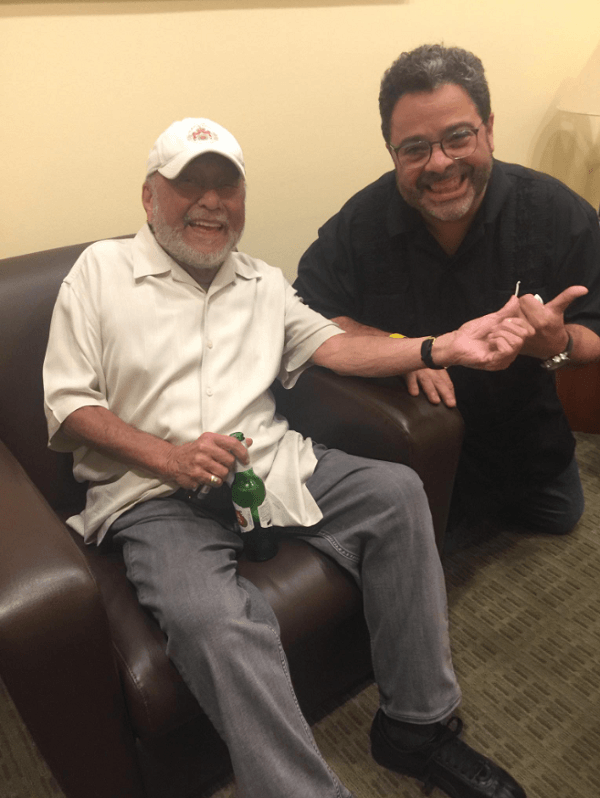
In 2008, while playing with Manny Oquendo, Tony met orchestra leader, composer, and pianist Arturo O’Farrill, who, after witnessing the great talent he had, asked whether he would be interested in joining his Afro Latin Jazz Orchestra, and he said yes. In total, he spent about nine years playing with O’Farrill and it was over five years ago. In fact, when asked if he knew why the Afro Latin Jazz Orchestra would no longer be playing at Birdland, he said he knew absolutely nothing about it.
After that, the artist found the right time to create his own quintet which he named Tony Rosa’s Afrojazz and with which he has songs such as “Mambo Mongo,” “Nothing Personal,” “Alfie’s Theme,” “Isn’t She Lovely,” and “Rica Mulata.”

However, he assures us that his affection for O’Farrill and the orchestra remains intact, and they even played together again in a tribute to Andy González at Saint Peter’s Church in Manhattan. He is also grateful for all the experience he gained there, otherwise he would not have the project he currently manages.
Projects apart from Tony Rosa’s Afrojazz
In addition to his work he does with his Latin jazz quintet, Tony is also recording with another musical group called Los Amigos, with which he recently released an album.
And about tours and performances at arenas and well-known venues, he says he does not know yet what he will be doing in the coming months. However, he expects things to start moving as the year progresses.

Read also: Bandleader Arturo O’Farrill leaves behind Birdland to look for other opportunities
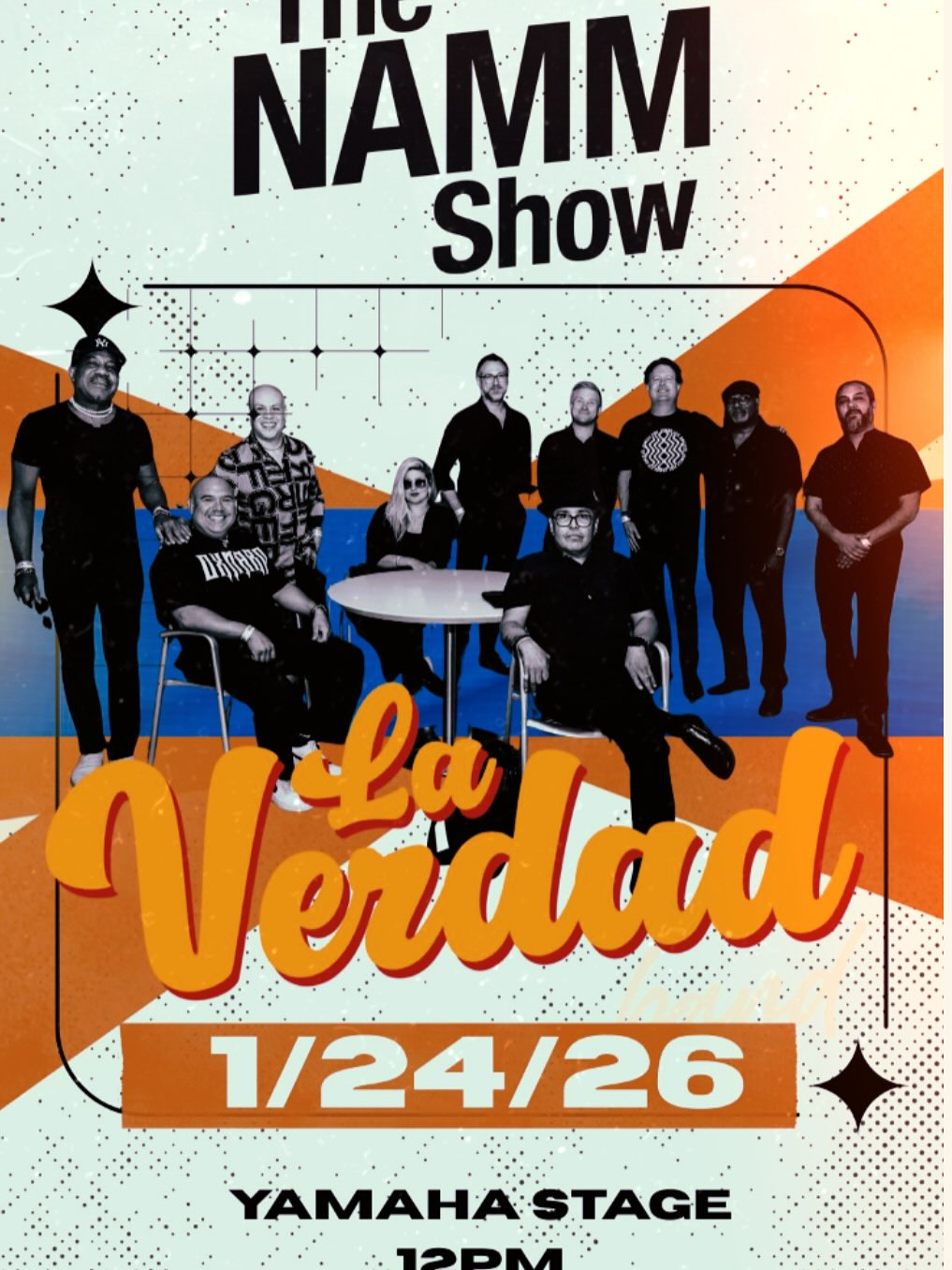
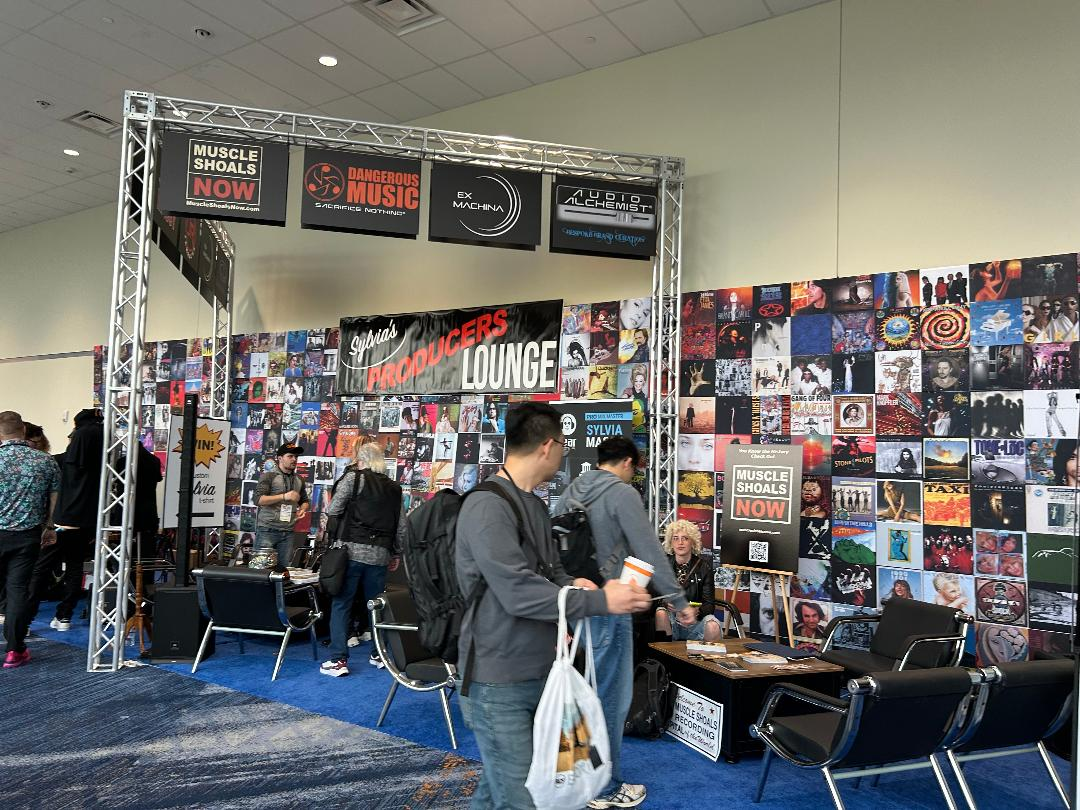
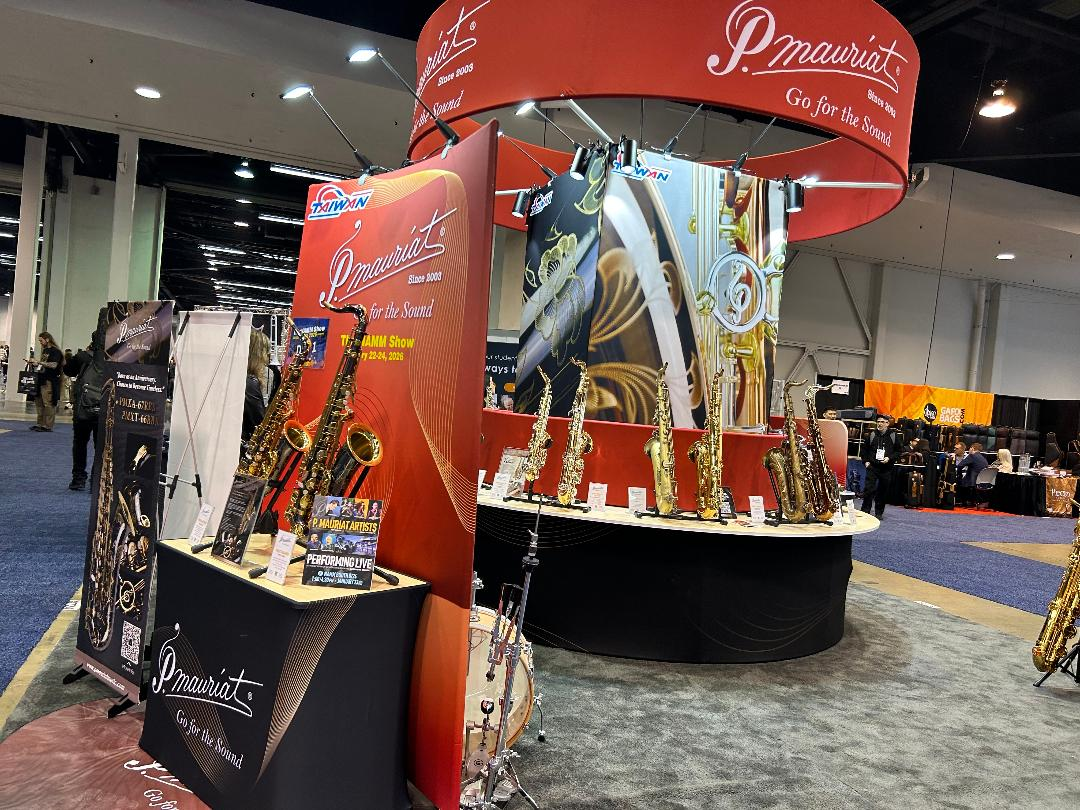
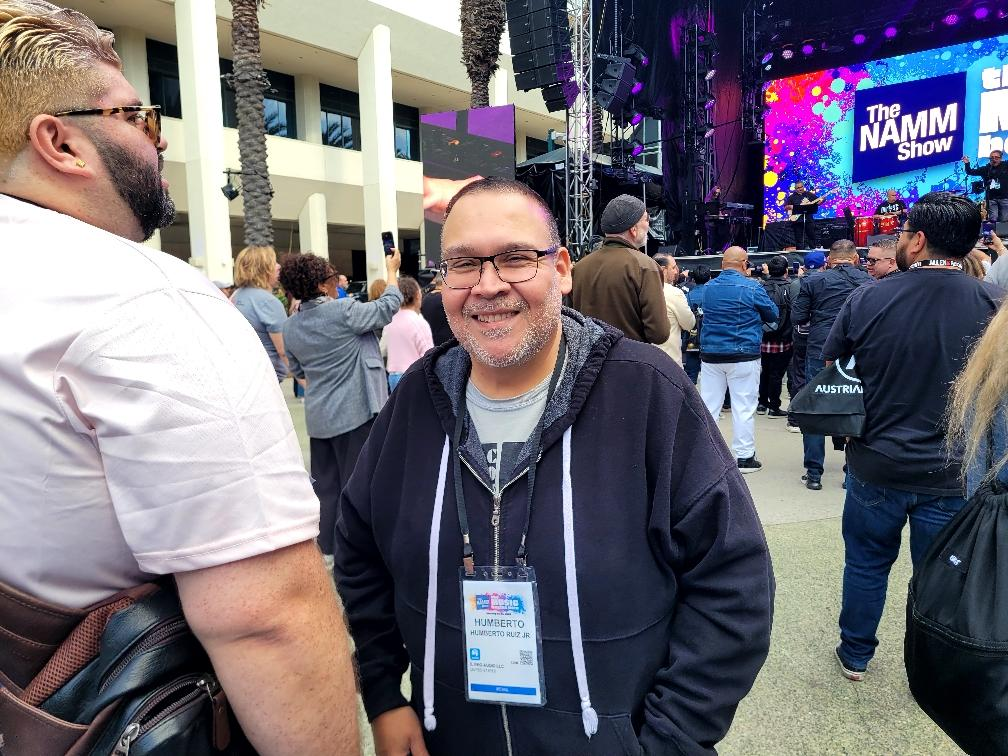
The 2026 NAMM Show Took Center Stage as Historic Gathering Celebrating the Future of Global Music Industry
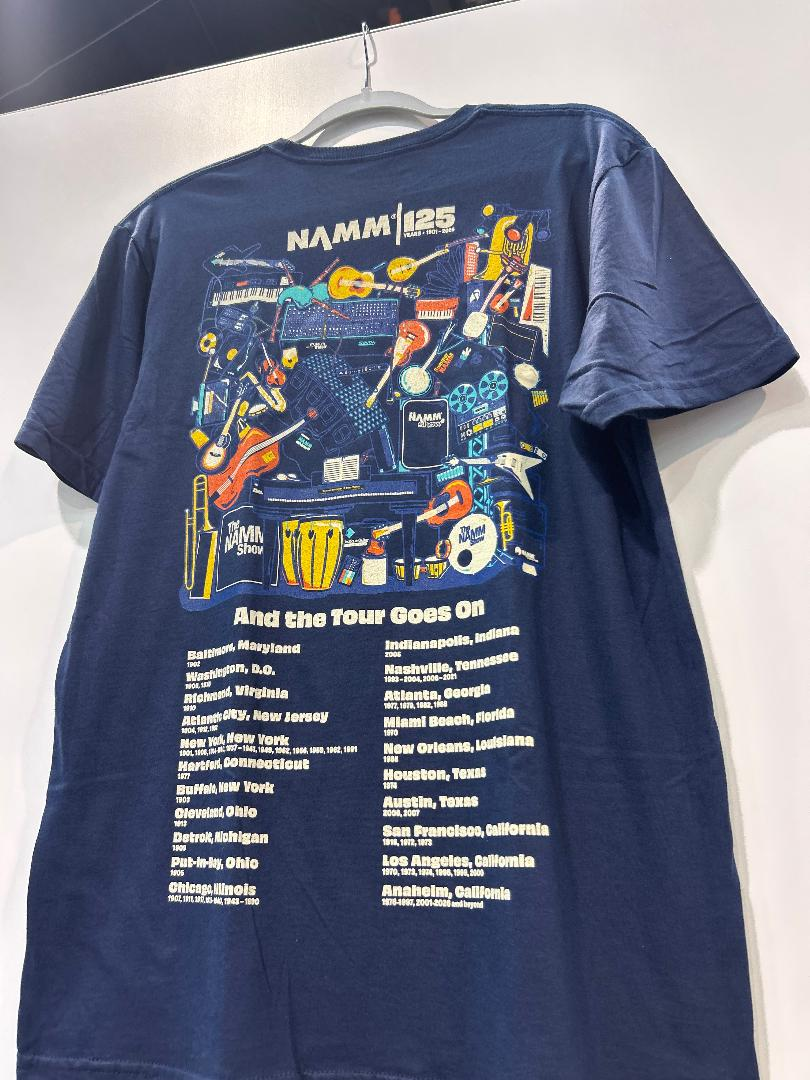
2026 Show Marked 125-Year Anniversary of NAMM and Demonstrated Why the Global Music Community Gathers Every Year at The NAMM Show.
-
60,000+ show attendees, including 8,760+ international attendees from 122 countries, regions and territories
-
1,650+ exhibitors representing 5,400+ brands, which is 25% more than 2025
-
Nearly 15,000 artists demonstrating
and endorsing products and brands -
200+ education sessions with 550+ speakers
-
1,600+ media, influencers and content creators reaching over 200+ million followers, which is 50% more than 2025.

The 2027 NAMM Show is already in the works for January 26-30, 2027, at the Anaheim Convention Center. Booths with early bird rates and discounts are available now at NS27 Exhibit | NAMM.org

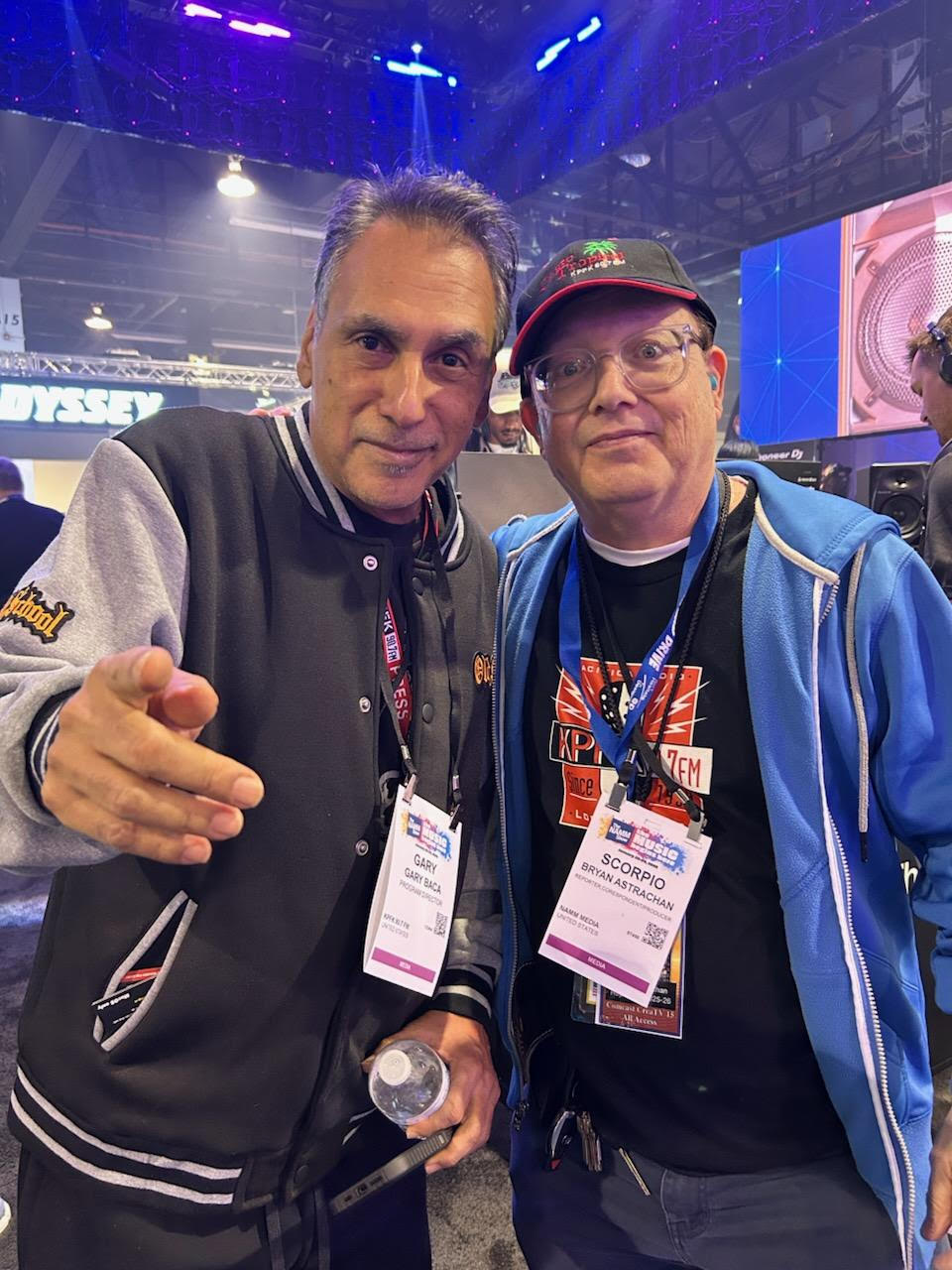
“I have worked with Gary since 2018 and I have been able to actively learn from his expertise as an engineer, host, programmer and now as the interim program director”

Gary Baca, aka G-Spot was born and raised in East Oakland. Baca began his radio career at KALX Berkeley before initiating his radio programming at KPFA Berkeley which then lead him to KPFK Los Angeles.
Transmitter high atop Mt. Wilson
With 110,000 watts of power

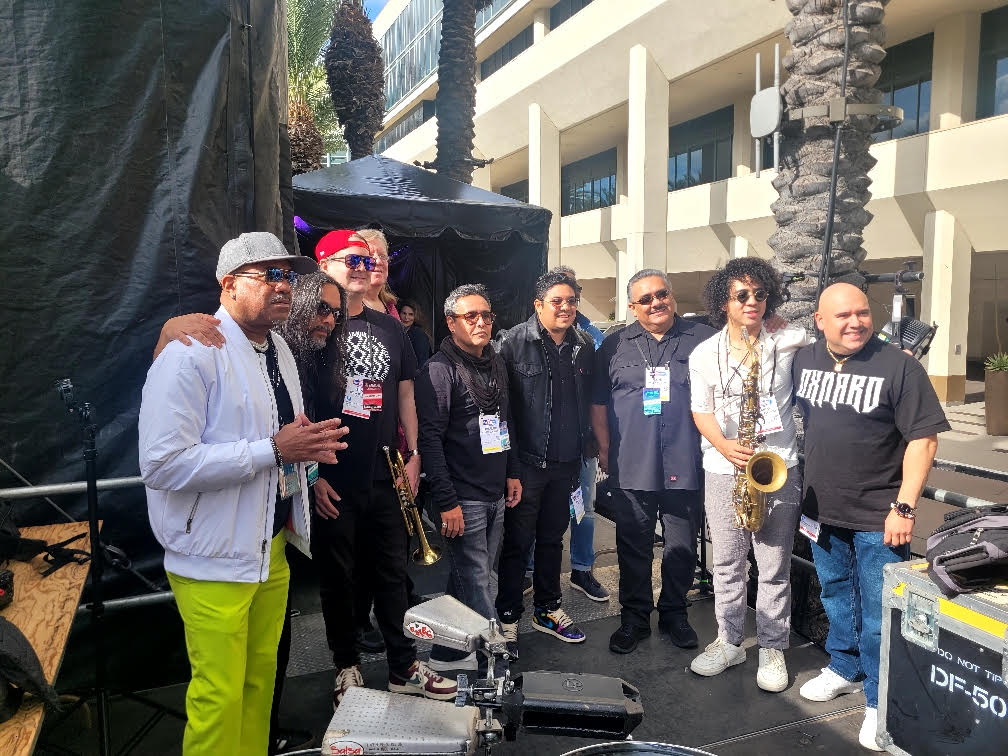
The band features Peter Burke on vibes/percussion, Ramon Banda on timbales, Rafael Feliciano on congas, Joe Rotondi on piano, and Ross Schodek on bass. There is usually a surprise guest appearance added to each show as well, making each performance a special occasion.


Gabriel Gonzalez, also known by his stage name Gabrielito, is a multi-talented artist whose career spans decades of film, music, videos, commercials, theatre and live-performance concerts. Internationally recognized for movie roles from his childhood work in Mexican cinema to cult classic films as well as countless mainstream commercials, tours and stage productions, Gonzalez captivates audiences with his dynamic stage presence and larger-than-life vocals that make each performance a memorable experience.
He began his career in show business at the age of seven appearing in numerous top grossing films in Latin America featuring the Latin Orchestra La Sonora Santanera and famed comic Resortes. At eight years old, he recorded his first album. Gonzlaez has toured and shared billing with some of today’s most iconic artists across Mexico, Cuba, and the U.S. including Camilo Sesto, Lalo Guerrero, Juan Gabriel, Los Van Van, QUETZAL, Cubanismo, Lila Downs, Los Lobos and many more.
Most notably, he toured with the Tony award-winning musical, In the Heights by acclaimed composer Lin-Manuel Miranda as a principal character of the 2011-2012 North American National Tour. Gonzalez’s latest projects include working in the Salsa community with bands such as Boogaloo Assassins and the Los Angeles-based La Verdad.
La Verdad is the premier West Coast Latin music ensemble. A collective of world-class musicians embodying the truth of the Los Angeles Latin experience, the group is led by Grammy award-winning singer-songwriter Gabriel Gonzalez. La Verdad’s traditional and original repertoire spans the scope of Latin American route music including Salsa, Cha-Cha, Boogaloo, Latin Soul and much more.

“I have had the absolute pleasure of knowing Gabrielito for several years and I have grown to love & respect his music”


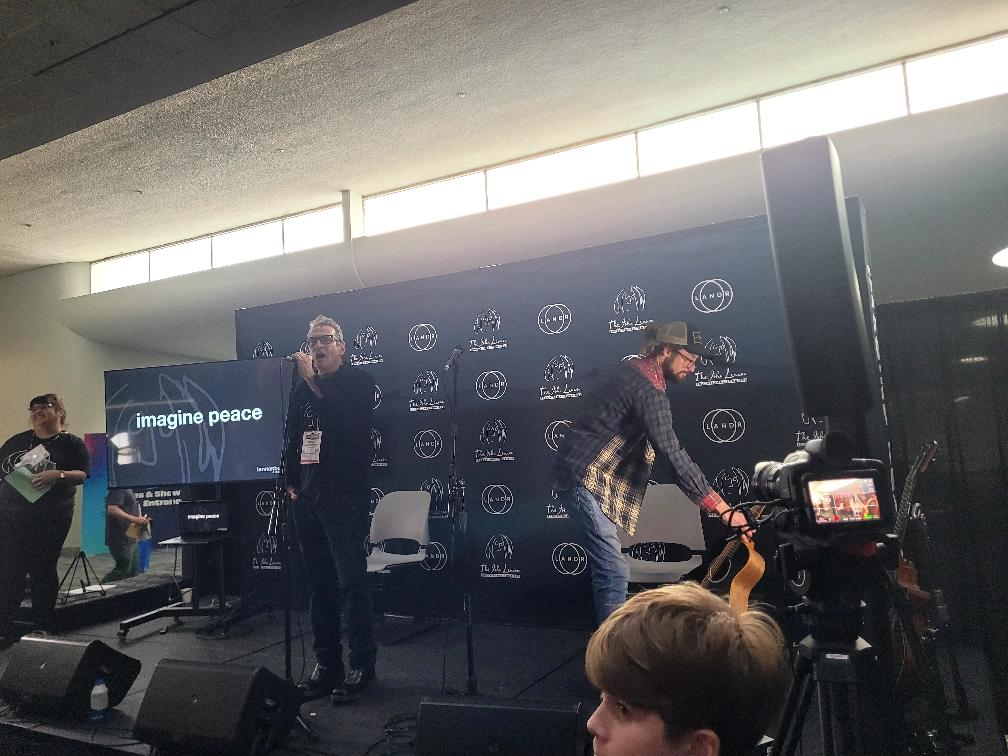
MOLENNON BUSES IN THE UNITED STATES AND EUROPE ARE DEDICATED TO PROVIDING YOUNG PEOPLE, COMMUNITIES AND SCHOOLS WITH FREE EVENTS, WORKSHOPS, INTERACTIVE EXPERIENCES, AND HANDS-ON OPPORTUNITIES TO PRODUCE AUDIO, VIDEO, AND DIGITAL MEDIA PROJECTS.

THE JOHN LENNON EDUCATIONAL TOUR BUS IS A NON-PROFIT MOBILE PRODUCTION STUDIO.
MUSIC AND VIDEO CREATION
MOBILE PRODUCTION STUDIOS
Bandleader Arturo O’Farrill leaves behind Birdland to look for other opportunities
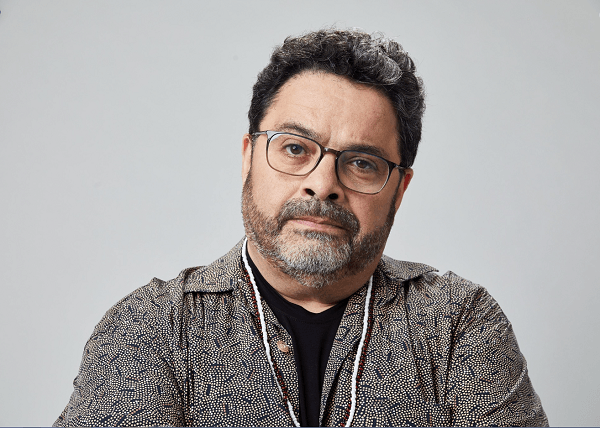
After making some room in his packed schedule, we finally managed to meet with bandleader, composer, and pianist Arturo O’Farrill, who after arriving in Richmond, Virginia, greeted us and talked about various interesting topics related to his long and successful career.
Of course, we did not miss the opportunity to ask if it is true that he and his orchestra will drop out of performing at Birdland as they had done over the past 29 years and what other projects in door they have from now on.

What was his childhood like with two artist parents?
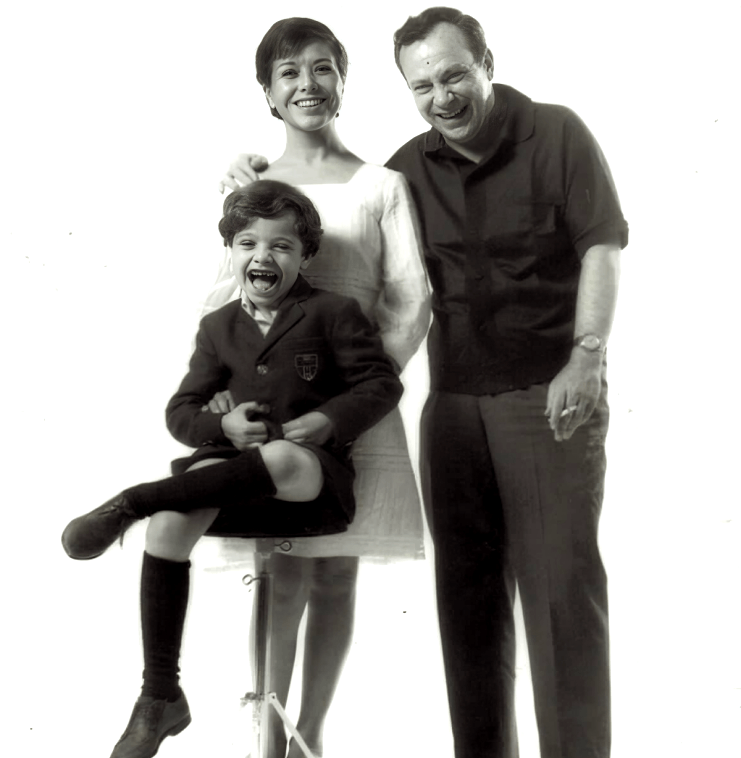
Arturo is the son of Cuban conductor, arranger, and musician Chico O’Farrill and Mexican singer Lupe Valero, so it is natural that he would show an interest in art like them. In addition, being the first male child in the family, there was lots of expectations on him and anything he could get, so he was enrolled in piano lessons and fortunately he had good aptitude for the instrument and was very present at his father’s parties and events with many other artists.
So, he was for a time studying music on Saturdays until he discovered a Miles Davis album in his living room. He says that listening to it changed his life forever, and the song that most marked him was “Seven Steps to Heaven.” At that time, he knew he was going to become a professional musician by choice, not because his father had decided it for him.
He decided to become the best pianist he could be, and because of how busy Chico was with his own career, Arturo studied jazz alongside other young musicians. Some time later, he met bassist Andy González, who finally made him understand his Latin roots and encouraged him to study artists such as Charlie Palmieri and Eddie Palmieri.
“Precisely thanks to Andy, now I understand that our music is a treasure of the Afro-Latin diaspora, and the music my father and so many others of his generation made, for me, is the most incredible thing in the world,” said Arturo.

Arturo’s musical education
The artist studied at several top academic institutions, including LaGuardia High School of Music and Art, the Manhattan School of Music, the Brooklyn College Conservatory of Music, and the Aaron Copland School of Music. He clarified that he did not graduate from the Manhattan School of Music, but he does recognize that it was there that he began to truly understand music.
In the case of LaGuardia High School for Music and Art, his parents had to withdraw him because he never attended classes, as he was not interested in history and mathematics, but only in music. He was then enrolled in City As School and got his GED (General Educational Development). Later, at Brooklyn College, he met Professor Teófilo Ruiz, who taught him the importance of forging a social and political conscience, which had a profound impact on his development as a professional and a person.
While working as a musician, Arturo earned his bachelor’s and master’s degrees at Queens College. He spent some time playing, studying, and teaching until Wynton Marsalis, artistic director of the jazz at Lincoln Center program, asked him to create an orchestra for the venue, which they called the Lincoln Center Jazz Orchestra. He worked there for five years until he knew he had to continue his career elsewhere.
Chico O’Farrill Afro-Cuban Jazz Orchestra
After playing along with the great jazz star Carla Bley and Machito, Arturo finally joined his father’s orchestra, the Chico O’Farrill Afro-Cuban Jazz Orchestra, at a time when they were creating many jingles for commercials. When the world was rediscovering Chico, his health was unfortunately in bad shape, so his son stood by his side to support him any way he could.
In the end, he had no other option than taking charge and, together with the rest of the musicians, recording the band’s last three albums. One thing that he had very clear when he took up this challenge was that he did not want to compete with his dad or be constantly compared to him, though he knew it was inevitable. In fact, after doing a concert with him, when he came home, he found a voicemail from someone saying: “You don’t have a fortieth of your father’s talent. In fact, I’ll see you picking through garbage.”

Despite the hurtful comments, it was liberating for him to hear it, since someone had the stupidity to compare him with his father when it did not make sense. That pushed him to use his own compositions in the orchestra, continue creating new music, and have a completely different path from Chico O’Farrill. Unknowingly, the man who insulted him had helped him throw off the mental and artistic chains that bound him by fear of being compared.
Afro Latin Jazz Orchestra
Although Arturo was sorry for leaving Chico’s orchestra, he knew he had to make many changes. One of them was that he wanted intergenerational musicians, more races and nationalities. This also led him to change the name of “Afro-Cuban Jazz Orchestra” to “Afro Latin Jazz Orchestra” because, from his point of view, Latin music must include not only Cuba, but also countries such as Puerto Rico, Colombia, Bolivia, Peru, Mexico, and many others.
Despite these changes, Arturo and his orchestra kept playing every Sunday at the prestigious Birdland jazz club, something they had been doing since 1997, before the death of Chico O’Farrill. However, 29 years after that important proposal, Arturo announced on social networks that he would not perform there anymore, but he was very grateful to the staff and management of Birdland for the opportunity they gave him over so many years.
When we wanted to know the reasons for this decision, the artist just told us that this was largely due to “creative and financial disagreements that were making the working environment very toxic,” so the best thing was to cut to the chase and seek pastures new. He assures us that his words do not want to disrespect anyone and that he wishes the best for both the club and its staff, who always treated him and his musicians the best.

Afro-Latin Jazz Alliance and Casa Belongó
The musician also wanted to talk about his foundation Afro Latin Jazz Alliance, which seeks to educate, play, and preserve. The project has grown so much that today it has 49 teachers, 21 public schools, and a preprofessional program known as “The Fat Cats,” which aims to help young musicians join an orchestra and exploit their talent as never before.
After several formal requests, New York City finally agreed to construct a building with affordable apartments for residents of East Harlem and the first floors are destined to house Casa Belongó. These spaces will include a theater, a jazz club, a healthy restaurant, rehearsal rooms, classrooms, and much more. “Imagine that the power of our Latino community will physically change New York City history,” she concluded on this topic.
Read also: Music reviewer and photojournalist Ricky Ricardo describes his work from the last 35 years