• Skip to primary navigation
  • Skip to main content

International Salsa Magazine

  • Home
  • Previous editions
    • 2025
      • ISM / November 2025
      • ISM / October 2025
      • ISM / September 2025
      • ISM / August 2025
      • ISM / July 2025
      • ISM / June 2025
      • ISM / May2025
      • ISM / April 2025
      • ISM / March 2025
      • ISM / February 2025
      • ISM / January 2025
    • 2024
      • ISM / December 2024
      • ISM / November 2024
      • ISM / October 2024
      • ISM / September 2024
      • ISM / August 2024
      • ISM / July 2024
      • ISM / June 2024
      • ISM / May 2024
      • ISM / April 2024
      • ISM / March 2024
      • ISM / February 2024
      • ISM / January 2024
    • 2023
      • ISM / December 2023
      • ISM / November 2023
      • ISM / October 2023
      • ISM – September 2023
      • ISM – August 2023
      • ISM July 2023
      • ISM Edition June 2023
      • ISM – May 2023
      • ISM April 2023
      • ISM March 2023
      • ISM February 2023
      • ISM January 2023
    • 2022
      • ISM December 2022
      • ISM November 2022
      • ISM October 2022
      • ISM September 2022
      • ISM August 2022
      • ISM July 2022
      • ISM June 2022
      • ISM May 2022
      • ISM February 2022
      • ISM January 2022
    • 2021
      • ISM December 2021
      • ISM November 2021
      • ISM October – 2021
      • ISM September 2021
      • ISM August 2021
      • ISM July 2021
      • ISM May 2021
      • ISM April 2021
      • ISM June 2021
      • ISM March 2021
      • ISM February 2021
      • ISM January 2021
    • 2020
      • ISM December 2020
      • ISM November 2020
      • ISM October 2020
      • ISM September 2020
      • ISM August 2020
      • ISM July 2020
      • ISM June 2020
      • ISM May 2020
      • ISM April 2020
      • ISM March 2020
      • ISM February 2020
      • ISM January 2020
    • 2019
      • ISM December 2019
      • ISM November 2019
      • ISM October 2019
      • ISM Septembre 2019
      • ISM August 2019
      • ISM July 2019
      • ISM June 2019
      • ISM May 2019
      • ISM April 2019
      • ISM March 2019
      • ISM February 2019
      • ISM January 2019
    • 2018
      • ISM December 2018
      • ISM November 2018
      • ISM October 2018
      • ISM September 2018
      • ISM August 2018
      • ISM July 2018
      • ISM June 2018
      • ISM May 2018
      • ISM April 2018
      • ISM March 2018
      • ISM February 2018
      • ISM January 2018
    • 2017
      • ISM December 2017
      • ISM November 2017
      • ISM October 2017
      • ISM September 2017
      • ISM August 2017
      • ISM July 2017
      • ISM June 2017
      • ISM May 2017
      • ISM April 2017
  • Download Salsa App
    • Android
    • Apple
  • Spanish

Search Results for: guaguancó

Larry Harlow and Ismael Miranda: beginning of the so-called “Salsa Arseniana” in honor of the music of Arsenio Rodriguez, the creator of Son Montuno and “King of Guaguanco”

Extracted from the book called: “El origen y la creación de la Salsa”; creator: Mon Rivera, promoter: Al Santiago.

For sale on Amazon kdp, by clicking on the following link:

With which is attached a complete summary of the musical work of Larry Harlow with Ismael Miranda from its creation in 1966 to 71.

At the end is the original song of Arsenio: “Oiga mi Guaguanco”, with the fabulous musical arrangement of Harlow himself in “Salsa Clasica”, with the exquisite singing of the “Niño Bonito de Puerto Rico” Ismael Miranda.

Larry Harlow and Ismael Miranda: 1966 – 1971 with trombones.

Julio Cesar Galindo Alarcón Diplomático de Peru Ministro (R), Historiador Musical. Autor de Libro sobre Creacion de la Salsa

Lawrence Ira Khan, better known in the music scene as Larry Harlow, affectionately known as “The Wonderful Jew”, was born in Brooklyn, New York, on March 20, 1939 and died in New York on August 20, 2021, American musician, orchestra conductor, pianist, composer, musical arranger, producer, creator of the so-called “Latin Opera”, in 73 he was one of the most important disseminators of Afro-Cuban Jazz, “Arseniana” Salsa and Classical Salsa, confirming at the highest level the use of the trombone and the USA instrumental technique, corroborated as the two most important characteristics that identify the new American Musical Movement.

The beginning of Larry’s musical work must be analyzed from his return from Cuba in 1959, after having traveled to the island in the mid 50’s, to know and study Cuban music in its different rhythms, but because of the Revolution he had to return to New York; finding the boom and enthusiasm produced by the Pachanga spread by Charlie Palmieri, Pacheco, Quijano, Orlando Marin, Mon, Eddie Palmieri, Ray Barretto, Richie, among others.

At the end of 65 he forms his orchestra with trombones and application of the instrumental technique of Jazz; he signs a contract with the “Fania” label and plans to record his first album.

In 1966 he recorded his first album called “Heavy Smokin” with Felo Brito’s vocals; L.P. little known, in which stand out: “Tu Tu Ratan”, “Maria la O”, “Rica Combinación”, “Mi Guaguancó”, “Orchestra Harlow” and “Adios Mamá”.

In the same year he recorded his second album called “Gettin’ Off” or “Bajándote”, sung by Ramón Quian: “Monguito” el Unico, an excellent full-length album that was a great success.

Some of the highlights are “Bajandote”, “Guarachita”, sung by Vickie; “Tu no lo creas”, “Meta y Guaguancó”, “Coco May May” and “Cienfuegos”.

In ’66, a young teenager appears singing in Andy Harlow y su Sexteto’s group.

Andy gave him to his friend Joey Pastrana at the beginning of 67 to record the album “Let’s Ball”, in which the young singer Ismael Miranda had his first hit with the song “Rumbón Melón”.

Larry Harlow who lacked a good singer, offered the job to Ismael, who without hesitation accepted it immediately; and debuted with Larry on his third album in 67 called “El Exigente” and thus began the WONDERFUL DUPLE OF LARRY HARLOW AND ISMAEL MIRANDA, who together formed a sensational duet, amazing and impressive, in the History of Classical Salsa.

In “El Exigente” with the debut of the “Niño Bonito de Puerto Rico”, the songs “El Exigente”, “Las luces”, “Rumba me llaman” and “El Mejor” stand out.  The following year, in 1968, he recorded the album, “Orchestra Harlow presenta a Ismael Miranda”.  With this unsurpassable combination, the Classic, Brava and Hard Niuyorquina Salsa begins in the unique style of the “Judío Maravilloso” with the singing of the fabulous Ismael Miranda, one of the most attractive, fine and sharp voices in the history of Salsa, in which stand out the songs: “La Contra- ria”, “Jaguey”, “Yo me voy”, “Lamento Cubano”, “Bobby’s Boo-galoo, ‘Rumba a la vida’ and ‘Mi Guajira si’.

In 1969 he recorded his fifth album and third with Ismael Miranda, called “Mi Mono y Yo”, in which he continues the teaching of Classical Salsa with Afro-Cuban Jazz fusion, in which almost all the songs stand out: “El Malecón”, “Voy para la luna”, “Amorcito Ven”, “Jovenes del Muelle”, “Ven Rumbero Ven”, “Para donde tu vas”, “Mi Madre” and “Traigo Guajira”.  With these last two albums, Larry with Ismael had achieved the expected success; and they had become the favorite orchestra in all the Salsa Concerts that had already become customary in the weekends of the Big Apple.   In ’69, the author witnessed for a month these Salsa Dance Concerts that were usually given in the halls of the Hotels of the New York districts.

DIPLOMATICO DE PERU, MINISTRO (R); HISTORIADOR MUSICAL; AUTOR DE LIBRO SOBRE CREACION DE LA SALSA.

In 1970, Larry introduces the electric piano in his orchestral format; this motivates him to title his album of the same year: “Electric Harlow”.  With the recording of this album really begins the so-called “Salsa Arseniana” of Larry, coinciding with the last year of life of the great Cuban musician Arsenio Rodriguez, the father of Son Montuno and “King of Guaguancó”, Legend and undisputed genius of the development of Cuban music; but, however, having been the most important Cuban musician of the twentieth century, for his contribution of having created the Son Montuno and the modernization of Guaguancó, has NOTHING TO DO WITH THE CREATION OF SALSA:  BUT YES; FOR HIS VALUABLE CONTRIBUTION, WITH THE DEVELOPMENT OF THE MOVEMENT CREATED BY MON.

In “Electric Harlow” stand out: “La Revolution”, the wonderful Salsa arrangement of “Oiga mi Guaguancó”, by Arsenio Rodríguez, “Guasasa”, “Con Dulzura”, “Donde va Chichi” and “Tu Cosita Mami”. In 71 he recorded his album “Abran Paso”, and here we have to refer to Ismael Miranda as a singer-songwriter; because if from his first album recorded with Larry: “El Exigente”; he had already shown his composer’s fiber, having composed some songs together with Harlow; in this 71 album:  “Abran Paso”, he confirms and ratifies his conditions as a singer-songwriter, composing five themes of his authorship, successfully distinguishing the theme of the same name of the album: ‘Abran Paso’, ‘Donde lle- vas el Son’, ‘Abandonada fue’, ‘Oigan bien mi Guaguancó’ and ‘Dolor y Amor’.  Other highlights include: “Se casa la Rumba” and ‘Vengo Virao’, by Tite Curet Alonso.

Orchestra Harlow Vocal Ismael Miranda – Electric Harlow

Having died the penultimate day of 70 Arsenio Rodriguez, Larry Harlow, a few months later had the idea of offering him a posthumous tribute, which materialized with the recording in 71 of an album “Homenaje Póstumo”, which was called “Tribute to Arsenio Rodriguez”, including four hit songs by Arsenio:  “Tumba y Bongo”, ‘No me llores’, ‘Sueltala’ and ‘El Terror’; ‘Arsenio’, Harlow’s theme with Ismael Miranda and ‘Saludos a todos los Barrios’, by Lázaro Prieto.  The Harlow Orchestra in the last two albums was integrated with:  Conductor and piano: Larry Harlow; Singer: Ismael Miranda; Trumpets: Larry Spencer and Ralph Castrello; Trombones:  Lewis Khan, Leopoldo Pineda and Sam Burtis; Bass: Lydio Fuentes; Congas: Frankie Rodríguez; Bongó: Manny Oquendo; Timbal: Phil Newsum; and Tres y Cuatro: Yomo Toro, in “Abran Paso”.

Finally, Larry Harlow participated as pianist in “Red Garter”; and also as pianist and producer in “Chee-tah”.  Ismael Miranda did it as a singer in the two concerts of the “Fania All Stars” in ’68 and ’71.

Julio Cesar Galindo Alarcón

Diplomat of Peru Minister (R), Musical Historian. Author of a book on the Creation of Salsa.

Also Read: Larry Harlow ”El Judío de la Salsa”: innovative and irreverent

Edwin Ortiz Y La Mafia Del Guaguancó is present in ISM

As all our readers already know, this section is always looking for the best Latin talents to give them the exposure they deserve and today is the case of New York producer and musician Edwin Ortiz, who was kind enough to share a bit of his story with us.   

Edwin is an artist who was born in the East Harlem section of New York, where he began his musical career with the full works and spent most of his life, but left that city with his pregnant wife to raise their son in a different environment. It was there that they moved to Washington DC, where the musician has continued to live and pursued his career to this day. 

Below, we will provide more info about the artist’s career during these moments and how he managed to become the great bandleader and musician he his today.   

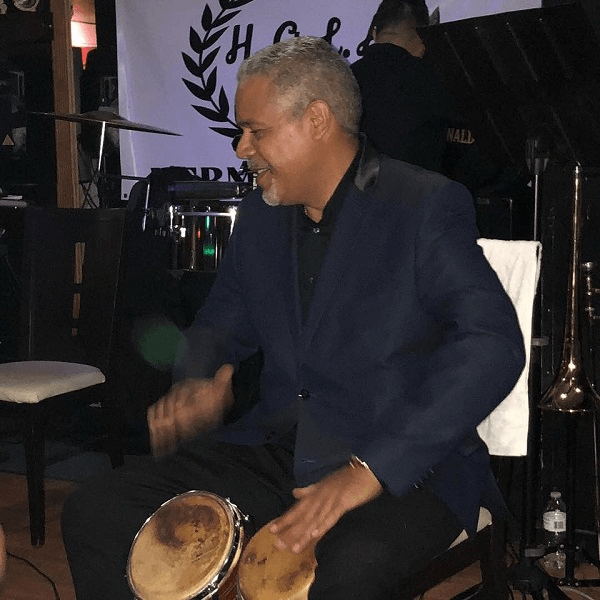
bongo player Edwin Ortiz
Bandleader and bongo player Edwin Ortiz kindly talked to us about his interesting career

Edwin’s music education   

Just as other great musicians, Edwin studied at the prestigious Johnny Colon Music School, the institution in which he learned a lot of what he knows today. His first lessons are focused to teaching how to play the flute alongside Mario Rivera, which can be said to be the first contact the young man had with music. However, it was not this instrument that would capture his attention, but the bongo. 

His brother Edgar Ortiz was an acclaimed bongocero in the Orquesta Las Siete Potencias and the Tito Puente Orchestra, so Edwin already had a lot to learn from. However, it was with acclaimed percussionist Manny Oquendo with whom he turned professional and decided to dedicate himself fully to the bongo as his main instrument, to the point that it is the only one he still plays today.   

Outside of his work as a musician, Edwin is in charge of everything about the management of his most recent orchestra Edwin Ortiz Y la Mafia del Guaguancó.   

Edwin Ortiz Y La Mafia del Guaguancó   

Before even thinking about founding his own orchestra, Edwin was involved in a number groups of different genres throughout the Washington DC Metro area, whose main genre was cumbia at the time. In that sense, the artist wanted a change in his style and to do something different from what he was playing at the time, although he knew it was ging to be hard.    

His big break came when the director of the band he was in at the time was going to move to the state of Florida, so he left Edwin in charge of the group in order to make the changes he believed were pertinent. That is when he took the opportunity to introduce salsa, a genre he had always been passionate about, in the metropolitan area with the resources he had on hand at the time. He invested in some 25 salsa arrangements and released a new version of the classic ”Olga Y Margara”, which was the first of many hits to come for his career. 

Edwin toca el bongó
Edwin playing the bongó live

Later, when he was finally creating an orchestra of his own, he took pains to find the best musicians possible, many of whom were recommended by friends and seen playing by Edwin himself. However, he would soon realize that the best musicians were not necessarily the best pieces he required for his band, which made him change his approach a bit when choosing the team that would accompany him in his project.   

At first, the project was called Orquesta La Romana, but it was not long before Edwin decided to call it ‘‘Edwin Ortiz y La Mafia del Guaguancó’’. This change was due to the fact that Bobby Quesada, a musician whom Edwin greatly admired, had an orchestra with the same name, but it had already disbanded by that time. He always liked the name ”La Mafia del Guaguancó” so he gave it to his own group. He knew how risky this move was and the displeasure of some of its members with the change, but fortunately it was worth it.   

Today, the musicians of the orchestra are affectionately known as ”the mafiosos” in the Washington DC Metro area, so this has become part of the band’s identity.    

Diferente A Las Demás 

One of their most recent musical works is entitled ”Diferente A Las Demás” and it is a tribute to women that was released in March, the month dedicated to them.    

With respect to this song, Edwin was telling us that he and his partner and the lead singer of the band Vivian Mojica had the opportunity to meet the talented musician Héctor Luis Pagán, who kindly invited them to his home and shared with them part of his repertoire, including the song ”Diferente A Las Demás”. Edwin loved it since the first time he heard it and Pagan gave it to him with pleasure. That is how the orchestra got down to work and recorded their own version of the song. 

Edwin y Vivian
La Mafia del Guaguancó vocalist Vivian and Edwin Ortiz

The first thing the bandleader did was look for the right arranger for it, who was Ramón Sánchez, and the producer he had always wanted to work with, Isidro Infante, whom Edwin has known for more than 30 years. 

Then came the recording, mixing and remastering. In the end, the chosen date was 1 March of this year as a tribute to International Women’s Day, achieving a result that made everyone in the orchestra very happy. 

Read also: Vocalist of La Moderna Tradición Eduardo Herrera and his fascinating story 

Son 14 The History of the Orchestra and the Success of “A Bayamo en Coche”

The Son 14 orchestra was founded in Santiago de Cuba in 1977 by vocalist Eduardo “El Tiburón” Morales (born in Cuba in 1935) and pianist and musical director Adalberto Álvarez.

As the name suggests, it is a 14-member ensemble dedicated to performing son, the national musical genre of Cuba. In 1978, Lázaro Rosabal (born in Santiago de Cuba in 1953) joined the group.

They quickly recorded several albums for the local EGREM label, many of which became bestsellers throughout Latin America, allowing them to undertake extensive tours across the Americas and Europe.

In 1992, co-founder Álvarez left the band to form his own group. Nevertheless, Son 14 continued its journey under the musical direction of Rosabal.

In addition to their continued success in the Latin market, the band began to gain international recognition, first with the song “El Son De La Madrugada,” included on the compilation Cuba – Fully Charged (Earthworks Records, 1993), and later with the release of Son – The BIG SOUND (Tumi Records, 1995), a compilation of their material from the Álvarez era.

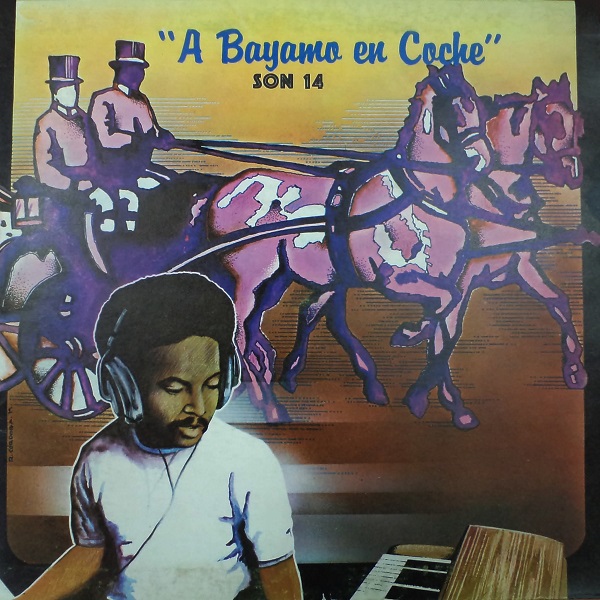
Son 14 de «A Bayamo en Coche»

After introducing a modern, vibrant version of son and its variations (son montuno, bolero son, etc.) to non-Latin audiences, Tumi Records commissioned a new recording at Cuba’s EGREM studios. Released in 1996 as part of the Cuba Explosion series, the album Cubanía proved that the band had not lost an ounce of its musical talent and energy under Rosabal’s direction. Three years later, the group released La Máquina Musical, which incorporated Colombian tropical rhythms into their sound, promoting the album with a European tour that included a performance at the Cuba Presente Festival at the Barbican Centre in London. (Source: AllMusic)

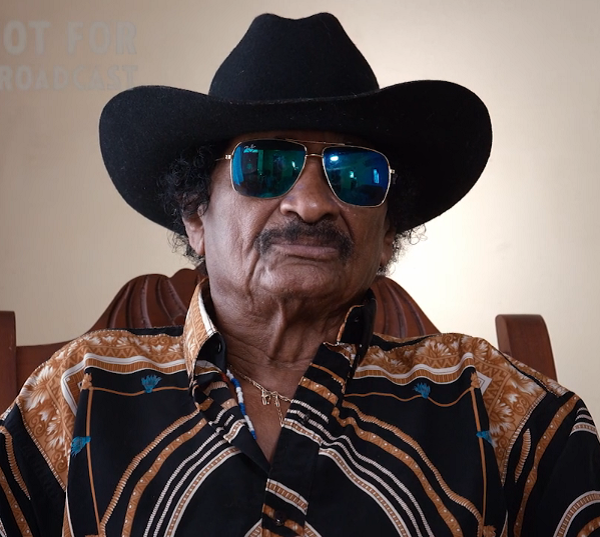
Eduardo Morales Orozco Tiburón

 The Milestone of “A Bayamo en Coche”

The album A Bayamo en Coche (A Bayamo by Carriage) was released in 1979, with its biggest hit being the title track itself. The album’s opening song, composed and arranged by Adalberto Álvarez from Camagüey, instantly transformed him into one of the leading figures in popular Cuban dance music from that year on.

The song “A Bayamo en coche” not only revives traditional son and enriches it with new sounds but also artistically recreates a cherished tradition rooted in Bayamo, the cradle of Cuban nationality. In this city, coches (horse-drawn carriages) are used for pleasure rides and recreation, and the song’s lyrics narrate these moments.

The album contained other tracks that were hugely popular in Cuba between 1978 and 1980, such as “Calle Enramada” (a son elegy to that main Santiago street), “El Son De La Madrugada” (with a beautiful later version by Omara Portuondo), “Se quema la trocha,” and “Elena la cumbanchera,” which turned the record into a landmark within this genre of Cuban music. Most of the tracks were performed by Tiburón Morales, the group’s lead vocalist.

Tribute to The Gentleman of Son

Recently, Son 14 founder Adalberto Álvarez, known as “El Caballero del Son” (The Gentleman of Son), was honored with a concert at the Karl Marx Theatre. This event celebrated his 46 years in music and the 35th anniversary of his later orchestra, Adalberto Álvarez y su Son.

The concert was a memorable tribute to the work of the composer of “A Bayamo en coche.” Some of his best songs were performed by notable Cuban musicians:

  • Septeto Santiaguero (Son para un sonero)
  • Pancho Amat and Alain Pérez (Tu fiel trovador)
  • Alexander Abreu (Pura imagen)
  • Paulo F. G. (Fin de semana)

At other points, Frank Fernández performed a duet accompaniment with the voices of Adalberto Álvarez and Jorge Luis Rojas, “Rojitas,” on Santa Cecilia.

Additionally, Rojitas sang with Tania Pantoja (Vivir lo nuestro) and solo (Y qué tú quieres que te den). Robertón and Lele, vocalists from Van Van, performed Agua que cae del cielo, while the orchestra Adalberto Álvarez y su Son took on De Cuba pa’l mundo entero, Son de la madrugada, and Los caminos de Ifá.

En La Sala Show “El Saraito” Adalberto Álvarez (R.I.P) Fundador, Director. Arreglista y Pianista del Son 14 de Cuba, Dj. Augusto Felibertt y Vicente López

That night, Maestro José Luis Cortés highlighted Álvarez’s musical quality, focusing specifically on “A Bayamo en coche,” the song that, in 1979, announced the existence of a great artist to the public. Álvarez was capable of bringing son to Cuban art schools and has defended Cuban son with grace and artistry, all while staying true to the essence of one of the dance music genres that best represents Cuban identity. (Source: Joel del Río, Cibercuba)

“A Bayamo En Coche” Album Details (1980)

No. Track Genre Composer
01. A Bayamo En Coche Son Adalberto Álvarez
02. El Son De La Madrugada Son guaguancó Adalberto Álvarez
03. Se Fue Mi Amor Y No Lo Vi Partir Bolero son Adalberto Álvarez
04. Calle Enramada Son Pedro Gómez
05. Elena La Cumbanchera Son Gerardo Martínez
06. Se Quema La Trocha Bachata-Son Adalberto Álvarez
07. Tal Vez Vuelvas A Llamarme Son montuno Adalberto Álvarez
08. Gimen Las Rosas Por Una Triste Ilusión Bolero Adalberto Álvarez
09. Vamos, Háblame Ahora Bachata-son Adalberto Álvarez

Musicians who participated in the recording (1979):

  • Director, Acoustic Piano, Keyboards: Adalberto Álvarez
  • Vocals, Minor Percussion: Eduardo “El Tiburón” Morales, Héctor Wedderbron, Daniel Carmenates
  • Bass: Jorge Machado
  • Guitar: Efisio Barroso
  • Trumpet: Eduardo Sánchez, Guillermo Femández, José Fernández, Dagoberto Rodríguez
  • Trombone: Lázaro Rosabal
  • Tumbadora (Conga Drum): Ubaldo Canes
  • Bongó, Cowbell: Guillermo Viera

Recorded at: EGREM Studios (1979)

Collaborators:

L’Òstia Latin Jazz

Dj. Augusto Felibertt

Also Read: Luis Conte: The Cuban-American percussionist who fuses Cuban son with global music

Ángel Luis Canales is a renowned Puerto Rican singer and composer known as “El Diferente” (The Different One) for his particular and irreverent style

Angel Canales was born on June 29, 1950, in Santurce, Puerto Rico.

During his childhood, around the age of 8 or 10, he moved with his family to New York City, where he lived in East Harlem (Upper Manhattan). Musical influences indicate that from a young age, he was strongly influenced by the music of Cortijo y su Combo and Ismael Rivera.

Before or concurrently with his musical career, he worked in the jewelry business; he was a messenger and later learned to cut and polish diamonds, a skill that allowed him to self-finance his musical career and pay high salaries to his musicians.

Ángel Luis Canales is a renowned Puerto Rican singer and songwriter known as El Diferente for his unique and irreverent style.

Musical Career

His Beginnings: He started as a timbalero in Ray Jay’s orchestra, where he debuted as a singer, replacing the lead vocalist.

His first album (1970), titled “Brujería,” was released in 1970 and recorded under the Alegre Records label, with musical direction by Mark Dimond. Hits from this production include “El Barrio,” “Yo No Tengo Pena,” and the title track.

Notable Hits: Among his most popular songs are: “Nostalgia,” “Sol de Mi Vida,” “Perico Macoña,” “Lejos de Ti,” “Hace Tiempo,” “El Cantante y la Orquesta,” “Sabor de los Rumberos Nuevos,” “Bomba Carambomba,” and his celebrated rendition of the bolero “Dos Gardenias.”

His Unique Style is recognized for its unorthodox approach and distinctive vocal timbre, which earned him the nickname “El Diferente” (The Different One).

He was a highly independent artist who self-financed his albums and founded his own record label, Celanac Records.

Tours and Retirement

International Tours: He toured internationally, visiting countries such as Panama (his first), Venezuela (where he performed at the Poliedro de Caracas in 1982), Colombia, and Peru. It is said that he never performed with his orchestra in his native Puerto Rico.

He retired in the late 1990s, deciding to leave the stage.

Currently, he is reportedly battling Parkinson’s disease, which has limited him and led him to choose silence and retirement, although he occasionally attends private events. He is currently 75 years old.

Àngel Luis Canales, y el pianista, compositor y arreglista Gilberto el pulpo Colòn

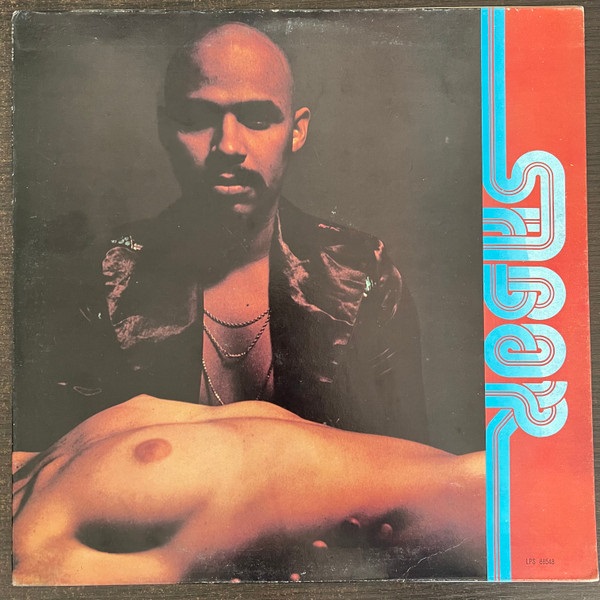
50 Years Since the Launch of “Sabor” (1975)

The Album: The album titled “Sabor” by Angel Canales was released under the Alegre Records label in 1975.

Only a boricua (Puerto Rican) who has been absent from their homeland knows what it’s like to be away from Puerto Rico when winter arrives in New York City. Or when you’re inside a taxi or walking the congested streets of the Bronx or the Latino barrio, and all you see around you are skyscrapers and more skyscrapers. The anxiety and sense of helplessness that overwhelm your spirit in the concrete jungle can only be calmed by memories.

50 years ago, on Monday, November 10, 1975, the unique voice of Puerto Rican singer Ángel Luis Canales consoled the thousands of boricuas oppressed by nostalgia with his composition “Lejos De Ti” (Far From You). It was a confession and affirmation of his Puerto Rican identity, in which he asserts that his love for his homeland will never die, even though he was raised in New York.

The song is a guaguancó with lyrics that evoke images of old San Juan, Villa Palmeras and its rich bomba heritage, Boca de Cangrejos, fried fritters on the grill, and the river that crosses through the old Ancón de Loíza Aldea, where his grandmother lived. “Lejos De Ti” remains the most remembered track from “Sabor,” an album produced by Joe Cain, recorded in late 1974, and released by Alegre Records on Monday, November 10, 1975.

Angle Canales Sabor 1975 Photography By Dominique

This album is considered one of the best salsa releases of the 1970s.

Canales’ Style: Canales favored a different style of interpreting Afro-Caribbean rhythms, combining elements from Héctor Lavoe, Ismael Rivera, Vicentico Valdés, and Paquito Pérez (the singer of the Orquesta Zodiac of Loíza). He extended the melodies with his nasal voice, challenging the poetry of the montunos, but going off-key and mispronouncing some words. His diction was far from perfect.

Production: The architect of Canales’ success was Colombian pianist Edy Martínez, who arranged seven of the eight tracks on this session, from cut #2 to #8. Due to a prior commitment with Mongo Santamaría’s band, he left his compatriot José Madrid in charge of the piano performance on this record.

Under Martínez’s direction, Canales embraced fame. “Sabor” was his second album between 1970 and 1971, he had recorded the “Brujería” session with pianist Mark Alexander “Markolino” Dimond, who founded Conjunto Sabor after spending several years with Willie Colón’s band.

Canales reappeared four years later with the Orquesta Sabor los Rumberos Nuevos with an arrangement by Louie Cruz. That same year, 1975, Larry Harlow produced Mark Dimond’s classic “Beethoven’s V” featuring vocalists Frankie Dante and Chivirico Dávila. “Sabor” was a huge hit.

Tours and Artistic Choices: The singer toured Europe, the United States, and South America, where Colombians, Panamanians, and Peruvians remember him fondly to this day, despite health issues forcing him to retire from the stage.

During the golden age of salsa, singers were expected to master all genres, and boleros were no exception. His vocalization on “La Hiedra” (a track written by Saverio Saratini and Vincenzo D’Acquisto) and “No Te Acostumbres” (a track belonging to Doris Aghian’s catalog) is notable for its theatricality, a trick Canales employed to mask the limitations of his voice.

Salsa dancers who thrive on piano, trombone, and percussion solos will be delighted with “Sabor Los Rumberos Nuevos,” “Sol De Mi Vida” (dedicated to his wife Brunilda), “El Cantante y La Orquesta,” and the hit “Hace Tiempo” (with its memorable chorus: ay, ay, ay, no me hagas padecer así – oh, oh, oh, don’t make me suffer like this).

Legacy: Before becoming a professional singer, Canales worked as a jeweler. A look at the covers of his first two albums is enough to conclude that he was a pioneer in the use of bling-bling in salsa. As a composer, Canales was a solid chronicler of barrio life. The story told in “Perico Macoña” is a good example: a man who smokes a joint and loses all self-control, insulting his own friends with his abrupt comments.

The re-issue of “Sabor” is a fitting tribute to the memory of the late Joe Cain.

Credits

  • Trombone: Juan Torres, Ricardo Montañez
  • Trumpet: Tom Malone
  • Baritone Saxophone, Flute: Emérito Benítez
  • Piano: José Madrid
  • Bass: Eddie Testo
  • Congas: Antonio Tapia
  • Timbales: Gadier Quiñones
  • Bongo: Aldemaro Luis Rivera
  • Producer: Joe Cain
  • Musical Director: Juan Torres
  • Recorded at: LE Studio NYC, December 1974
  • Engineer: Sandy Sina
  • Arrangements: Edy Martínez (except “Sabor Los Rumberos Nuevos” by Louie Cruz)

Torres, Montañez, Tapia, and Quiñones had previously collaborated with Canales on Markolino Dimond’s “Brujería” album.

Collaboration:

  • GonZalsa
  • L’Òstia Latin Jazz
  • Dj. Augusto Felibertt
  • Jaime Torres Torres
  • Fania Record
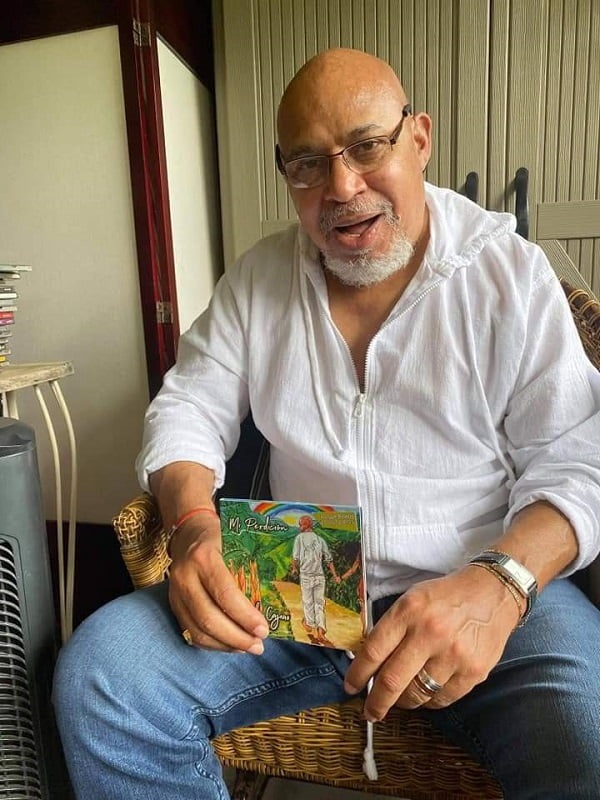
Angel Canales «El Diferente» recibiendo la produccion de Danilo Cajiao Titulada»Mi Perdicion» año 2020

Also Read: Angel Canales «El Diferente» receiving the production from Danilo Cajiao titled »Mi Perdicion» year 2020.

Tito Puente Jr.: perpetuating a legacy with its own rhythm

In International Salsa Magazine, we cannot contain our joy for the conversation we had with the son of one of the greatest legends of Latin music, who is now writing his own story of grandeur thanks to the education he has received practically since birth. This is none other than New York producer, composer, and percussionist Tito Puente Jr., who shared about 40 minutes of his time to answer some questions exclusively for Augusto Felibertt and yours truly, Karina Garcia. 

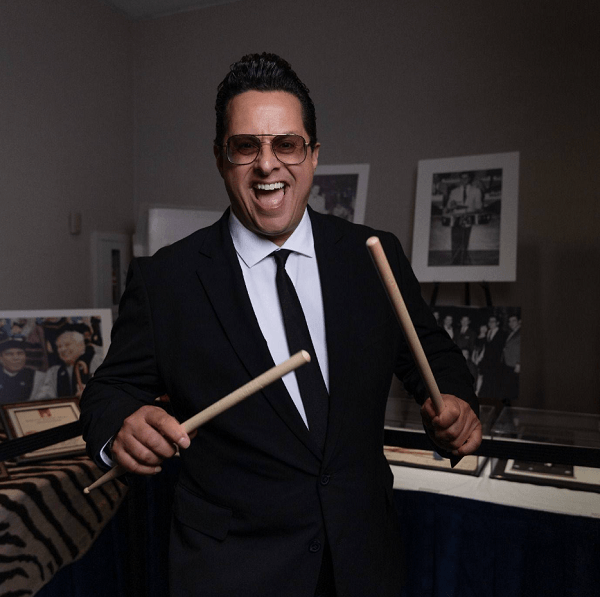
Tito puente jr. smiling
Producer, composer, and timbalero Tito Puente Jr. smiling for the camera

The burden of Tito Puente’s iconic legacy

Having a successful father is a great blessing, but sometimes, it can become a veritable martyrdom for a son who wants to follow his path, as comparisons between them will always be inevitable. Being able to share with Tito Puente Jr., son of the legendary King Of Timbales Tito Puente, gives us the opportunity to get his perspective on this interesting and important subject. 

Fortunately, the artist does not see this legacy as a burden, but quite the opposite. Although he admits that his father is one of the greatest masters and ambassadors Latin music and our culture in general have ever had, and that it is not easy to fill his shoes, he proudly bears his father’s surname and promotes his music.

Moreover, he sees the surname “Puente,” as well as the Spanish word implies, as a union among several generations because many young people this day do not know Tito Puente, Celia Cruz, and many other exponents of that salsa’s golden era. Tito Jr. wants to be part of that “bridge” between generations so that people of all ages can learn about these prodigies, including, of course, his father.

Childhood with Tito Puente as his father

Regarding his childhood and adolescence, Tito emphasized that he always saw his father play all types of instruments such as timbales, marimba, saxophone, percussion, and many others, which inspired him and made him want to imitate him from the beginning. Today, his career is largely influenced by everything he saw at home, and he plays his father’s arrangements and compositions, which are divided between a total of 186 albums. 

Everything learned within his family has taken him so far professionally, to the point that he now has seven Latin Grammys and 14 nominations, all thanks to the legacy he carries. 

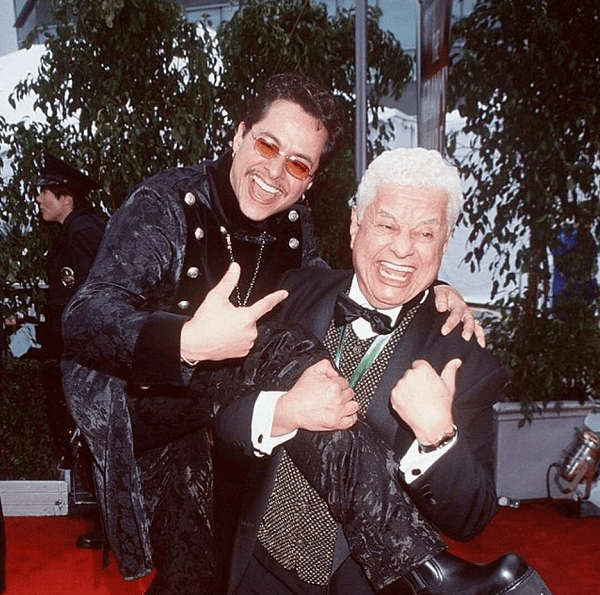
Tito Puente and Tito Puente Jr.
Tito Puente Jr. and his father Tito Puente on the 1998 Grammy Awards red carpet

The Puente family today

On the more personal side, Tito is the youngest of his brothers, among whom he is the only one who works on music as a profession. To some extent, this has made him take upon his shoulders Tito Puente’s legacy through his own art.

The musician currently resides in southern Florida, specifically in Miami, although he works with orchestras from different cities and countries. He is married and has two children who are Miranda, 18, and Tito Puente Jr. Jr., 17. Miranda studies marine biology at university, while her younger brother is in high school but travels constantly with his father and enjoys composing and playing the guitar.

He also told us a little about his wife, who loves salsa but is not in music. On the other hand, he spoke lovingly of “the boss,” his mother Margarita Puente, who is currently in charge of royalties, record labels, publicity, and the documentary on Tito Puente’s life.

He also has two siblings: Audrey Puente, 55, who is a television meteorologist, and Rony Puente, 77, who is also a musician like his father and younger brother. 

Other musical influences besides that of his father

In addition to salsa, mambo, and guaguancó, Tito really enjoys English rock and several bands such as Metallica, Slayer, Iron Maiden, Black Sabbath, and others into this style. These tastes of his have led him to the idea of, at some point, blending heavy metal with mambo to see which result he gets.

As well as he can really enjoy the music of Bon Jovi and Ozzy Osbourne, he is also fascinated by El Gran Combo de Puerto Rico, which he finds to be a very interesting mixture of genres that he would like to experiment with someday. 

He also said laughing that his father did not share his musical tastes and that the only rock band he liked was Santana, and that was because they did their own version of the hit “Oye Cómo Va” in psychedelic rock and Latin rock. 

Tito Puente holding his son
Tito Puente carrying his son Tito Puente Jr.

Current singers

Today, Tito works with various singers, including Aymee Nuviola, Lucrecia, Yolanda Duque, and his great friend, “La Princesa de La Salsa” La India. His father worked with great vocalists such as Tony Vega, Michael Stuart, Oscar D’León, José Alberto “El Canario,” Miguel Ángel Barcasnegras Díaz “Meñique,” and many more. 

Tito’s latest album, “The King And I,” also features other big voices such as Domingo Quiñones, Frankie Negrón, José Alberto “El Canario,” Tony Vega, Sheila E., Pete Escovedo, and many other salsa superstars of today and yesterday. 

The timbalero has worked with many figures who also worked with his father in the past, so it is clear that they see him and respect him as the continuation of his musical legacy.

Tito’s views on academic training in music

On the important issue of academic training in music, Tito pointed out that there are not enough educational programs aimed at teaching Afro-Cuban music in schools and universities, which in his view needs to change as soon as possible.

In fact, he noted the importance of promoting programs in educational institutions around the world so that their students learn much more than just symphonic music and become more rounded professionals. Although he recognizes the importance of knowing Beethoven and Tchaikovsky, he also believes that aspiring musicians should know about Eddie Palmieri, Charlie Palmieri, Larry Harlow, Pupi Campo, and other artists in this style. 

The artist believes that the above mentioned artists and many others related to jazz and salsa are part of a very important era of music in the world, which is why he believes that teachers must take them into account during their classes. For him, it is a mission to promote both his father’s music and that of other exponents of his kind in the academic field.

Tito Jr. and his family
Audrey, Margarita, Tito, and Tito Jr.

Upcoming tours

For our research, we could notice that Tito has several performances and tours scheduled for the rest of the year, more specifically for November. In this regard, he told us that in the first week of September, he went to play his father’s music on his weekly show Mambo Mondays, which is held to delight dancers eager to keep enjoying Tito Puente’s music.

About international tours, he plans to go to Germany in February next year and Spain next summer. He is also close to release a documentary in 2026 and a new album with the Los Angeles Symphony Orchestra, which has 77 musicians and instruments such as violins, violas, harps, bagpipes, flutes, French horns, among others.

Tito Puente Jr. and his son
Tito Puente III and his father Tito Puente Jr.

Final comment

We still cannot believe we had this great conversation with the talented Tito Puente Jr. and it has been a great pleasure to share this time with him. Those who wish to contact him can do so through his social media channels, which are as follows:


Facebook: https://www.facebook.com/TitoPuenteJr/

Instagram: https://www.instagram.com/titopuentejr/

X: https://twitter.com/titopuentejr

Tik Tok: https://www.tiktok.com/tag/titopuentejr 

Spotify: https://open.spotify.com/intl-es/artist/2ROkqvVDXj5JgmN6z2uFrM

Read also: Venezuela violinist and former musician in El Sistema Ali Bello has many interesting things to say

  • Page 1
  • Page 2
  • Page 3
  • Interim pages omitted …
  • Page 17
  • Go to Next Page »

International Salsa Magazine (ISM) is a monthly publication about Salsa activities around the world, that has been publishing since 2007. It is a world network of volunteers coordinated by ISM Magazine. We are working to strengthen all the events by working together.