• Skip to primary navigation
  • Skip to main content

International Salsa Magazine

  • Home
  • Previous editions
    • 2025
      • ISM / November 2025
      • ISM / October 2025
      • ISM / September 2025
      • ISM / August 2025
      • ISM / July 2025
      • ISM / June 2025
      • ISM / May2025
      • ISM / April 2025
      • ISM / March 2025
      • ISM / February 2025
      • ISM / January 2025
    • 2024
      • ISM / December 2024
      • ISM / November 2024
      • ISM / October 2024
      • ISM / September 2024
      • ISM / August 2024
      • ISM / July 2024
      • ISM / June 2024
      • ISM / May 2024
      • ISM / April 2024
      • ISM / March 2024
      • ISM / February 2024
      • ISM / January 2024
    • 2023
      • ISM / December 2023
      • ISM / November 2023
      • ISM / October 2023
      • ISM – September 2023
      • ISM – August 2023
      • ISM July 2023
      • ISM Edition June 2023
      • ISM – May 2023
      • ISM April 2023
      • ISM March 2023
      • ISM February 2023
      • ISM January 2023
    • 2022
      • ISM December 2022
      • ISM November 2022
      • ISM October 2022
      • ISM September 2022
      • ISM August 2022
      • ISM July 2022
      • ISM June 2022
      • ISM May 2022
      • ISM February 2022
      • ISM January 2022
    • 2021
      • ISM December 2021
      • ISM November 2021
      • ISM October – 2021
      • ISM September 2021
      • ISM August 2021
      • ISM July 2021
      • ISM May 2021
      • ISM April 2021
      • ISM June 2021
      • ISM March 2021
      • ISM February 2021
      • ISM January 2021
    • 2020
      • ISM December 2020
      • ISM November 2020
      • ISM October 2020
      • ISM September 2020
      • ISM August 2020
      • ISM July 2020
      • ISM June 2020
      • ISM May 2020
      • ISM April 2020
      • ISM March 2020
      • ISM February 2020
      • ISM January 2020
    • 2019
      • ISM December 2019
      • ISM November 2019
      • ISM October 2019
      • ISM Septembre 2019
      • ISM August 2019
      • ISM July 2019
      • ISM June 2019
      • ISM May 2019
      • ISM April 2019
      • ISM March 2019
      • ISM February 2019
      • ISM January 2019
    • 2018
      • ISM December 2018
      • ISM November 2018
      • ISM October 2018
      • ISM September 2018
      • ISM August 2018
      • ISM July 2018
      • ISM June 2018
      • ISM May 2018
      • ISM April 2018
      • ISM March 2018
      • ISM February 2018
      • ISM January 2018
    • 2017
      • ISM December 2017
      • ISM November 2017
      • ISM October 2017
      • ISM September 2017
      • ISM August 2017
      • ISM July 2017
      • ISM June 2017
      • ISM May 2017
      • ISM April 2017
  • Download Salsa App
    • Android
    • Apple
  • Spanish

Search Results for: guaguancó

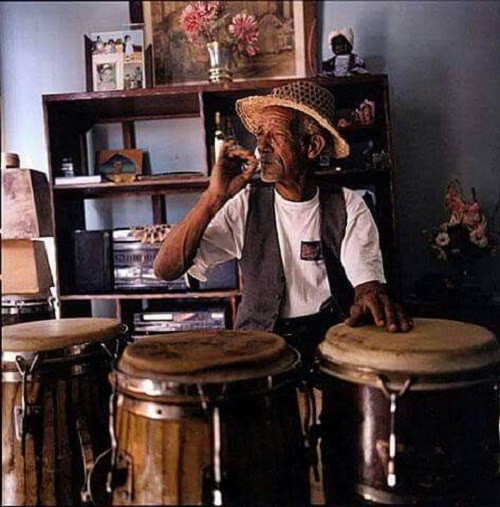
Pancho Quinto is considered one of Cuba’s great rumberos

On April 23, 1933, in the Havana neighborhood of Belen, Francisco Hernandez Mora, known as “Pancho Quinto”, was born.

Remembered man of the Cuban rumba to which he imprinted his own styles.
Pancho Quinto es considerado como uno de los grandes rumberos de Cuba

He accompanied for a long time with his percussion the Las D’Aida Quartet and the Canadian artist Jane Bunnett.

Considered as one of the great rumberos of Cuba by introducing new styles in the Cuban rumba whose artistic baptism was given in the famous comparsa of Los Dandys.

He performed in several groups such as Los Componentes de Batea, Los Guaracheros de Regla and other groups whose banner was the tambor bata, he had a brief stint with the Sonora Matancera and played in the orchestra that accompanied the Cuarteto Las D’Aida at the Tropicana Club.

Later he founded the Guaguancó Marítimo Portuario, a group that became the popular Yoruba group Andaba, which performed with the Canadian artist Jane Bunnett, with whom Pancho Quinto collaborated in other productions, and in the twilight of his career he had three productions as a soloist. This rumbero percussionist lived 71 years.

He was preceded by the sonorous echo of Pablo Roche’s bata lucumí juramentados. Such was the heritage that little Pancho gathered when he arrived in this world in the arms of his great-grandmother Camila, with no other identity than his African blood and his diagonal marks on his face, as was the ancestral custom of his family Ilé in the Gold Coast.

That night the conch shells spoke, and from that moment the child was consecrated to the deity of Shangó, god of music and drums.

He received on his right wrist a leather strap with fine bells, which, according to custom, would protect him and his drums from the bad influences of destiny.

Perhaps that is the reason why Pancho Kinto, when he played, knew that his music reached his ancestors in Oyó, beyond time, light and the Atlantic.

This man, a port man for most of his life, inherited the natural wisdom of those princes who came as slaves to Cuba.

In Pancho’s veins runs the blood of Añadí, a respectable warrior in his tribe who adopted the name of Año Juan in the Cuban sugar mills, that of Atandá, olú batá and drum sculptor in the Yoruba people. He was known here as ño Filomeno.

Both built and endowed with religious foundations the first set of bata drum that was born in the island, and from that remote time the sacred song of the orchestra consecrated to the lucumí altar was heard.
Un 23 de abril de 1933 en el habanero barrio de Belén, nació Francisco Hernández Mora, conocido como Pancho Quinto.

It could be said that they were the survivors of the total of slaves that arrived to America, there is an estimate of fifteen million according to data that I heard the Cuban investigator Leovigildo Lopez say when the first Yoruba congress, celebrated in the Palace of the Conventions in Havana.

But to that fantasy that leads men to the inspiration of that mysterious and mythical love towards life, to that renewed and novel way of singing, dancing, playing, turning the palpable into spiritual and the intangible into vital, men like Francisco Hernández Mora pay tribute, exponent of those traditions that merged in our continent and whose result is none other than the embrace between blacks and whites, although there are groups or castes that do not assimilate it as it is.

I learned a lot with Pablo,” said Pancho in this interview in 1994, when he was just beginning to play with flutist Janet Brunet, with whom he toured internationally, recorded and filmed in Canada.

Pablo was called Akilakua, powerful arm, he was a big black man, he goes on talking, with all gold teeth, ugly as his mother’s pussy, but with something special in his personality.

Of the historical drums he commented that they passed from the hands of the olú batá Andrés Roche to those of his son, later considered one of the greatest bataleros of these times.

Pablo’s father was called the Sublime, because of the way he played the original African bata, he did whatever he wanted with those hands. he added.

Paradoxically, the life of both has always been an unknown for those who try to unravel it or look for a chronological order, as it has almost always happened with many rumberos and composers, I am thinking now of Tío Tom or Chavalonga, but that is not the subject now, What I want to say is that these musicians have been teachers and inspiration for a pleiad of Cuban artists and of other nationalities that with luck have heard of the touches of those drums that officiated in the sacred ceremonies of the orisha pantheons.

From those drums, he commented, were born all the drum sets of secret foundation, because from one is born another, like children.

Among the batá there are two forms, the religious and the aberikula or Jewish, which can even be played by women. Of the old consecrated batá aña there are a few games left in Cuba, but many Jews have emerged, and have lost their orthodox character to serve in many cases for secular parties or to accompany orchestras in public.
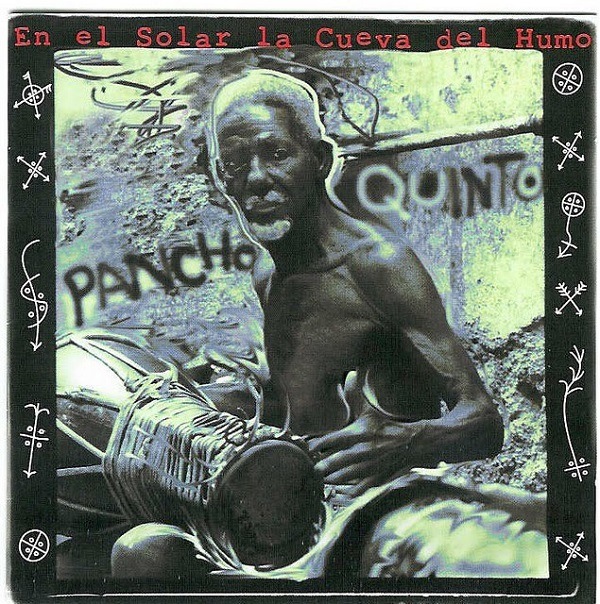
Recordado hombre de la rumba cubana a la cuál le imprimió sus propios estilos

Pancho kinto played with those sworn drums when in the town council of Regla they took out the procession of the virgin, although it was Jesus Perez, another of Roche’s students, to whom it corresponded to offer the first public concert with a robe orchestra, a sacrilege for many at that time, and much more if it was an act in the Aula Magna of the University of Havana.

However, five decades after the writer and ethnologist Fernando Ortiz sponsored that concert, Pancho Kinto played the bata in the same university campus to pay homage to the memory of his ancestors with his sonority.

Pancho was a Cuban musician who learned to play quintiar from a very young age and along with this he made his drums and cajones in his own way, his own inventions, as he said, playing the tumbador with a spoon in his left hand, he was just a party of bata and cajon, I saw him do that many times in the fabulous rumbas that were celebrated in a lot in Campanario, where the group Yoruba Andabo used to meet in its beginnings.

There he became known for being a member of the Cayo Hueso group, but Pancho had been playing with them since they were Guaguancó Marítimo Portuario in the port of Havana.

Originally they were Geovani del Pino, Chang, el Chori, Palito, Fariñas, Callava, Marino, Pancho and others, many are gone forever like Pancho, whose unexpected death surprised everyone on February 11, 2005.
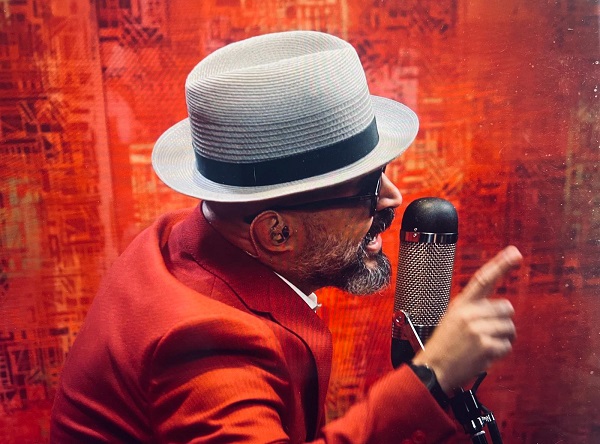
Of those anthological sarayeyeos remains the pleasure of the memory, the pleasant memory of the controversies of the quinto and the columbia dancer, the fraternal brawls between the guanguancó improvisers and the masterful recital of Pancho Kinto with the batá and the cajón.

Also Read: Yilian Cañizares, an excellent Cuban musician, studied in her hometown in the strictest tradition of the Russian school of violin

The Soul of Latin American culture – Salsa, Merengue y Lambada

Latin American / Venezuela / Caracas

Did you know that Salsa, Merengue and Lambada are rhythms that have been enjoyed in the last decade? Well, this link that unites them is the energy and passion for life, expressing itself in music, showing itself in the romance of couples dancing in harmony and with dance it unites them even more in a sentimental way as in fellowship.

These rhythms were born from a very urban environment, where each dancer can freely show their personality in the movement, however, following certain rules that each genre has, where one can follow each step and technique or do it spontaneously. For example:

✓ Never use the same foot twice, it must be alternated (right, left, right…).

✓ Dance with your partner as a mirror, that is, if you go to the right, your partner goes to the left.

✓ Transfer of weight from one foot to another as steps are performed.

Salsa is a rhythm that originates from the synthesis of Cuban son and other Caribbean music genres, with jazz and other American rhythms. One of the main contributors comes from the African rumbas along with the cumbia, the guaguancó, the guajira, the Cuban son, the mambo, the montuno son, the cha cha cha, among others.

It can be said that salsa is one of the most important rhythms in the music industry where it has many characteristics of its contributors, for example, “salsa” is close to “mambo” due to the steps executed in counts of eight, its movements and patterns are unique, however, it is a side-by-side dance with different turns.

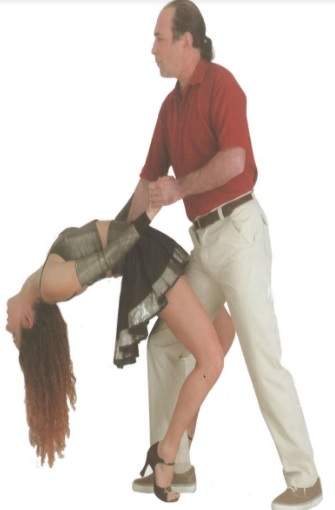
Couple dancing Salsa

The Merengue has its origin in the Dominican Republic and has a huge degree of popularity in the Caribbean area, it is a slow rhythm that increases its speed at the end of the dance, it is similar to the bolero but it is danced more than anything in groups than with a partner.

The secret of the dance is based on the transfer of weight from one foot to another, where each Latin genre has a characteristic that differentiates them, the best example is the similarity that everyone believes that “salsa” has with “merengue”, where Salsa has 4 beats, where the first beat touches the floor lightly with the tip of the foot quickly, which is known as “TAP” and this is repeated in four “4” and eight “8”, instead The merengue does not exist, this “TAP” is only 2 beats, it is a constant rhythm, very simple, whose speed of steps is marked by the musical rhythm.

But both genres have to have in the dance a movement of the hip, shoulders and position of the hands that characterizes them, marking the sensuality of Latin rhythms.

The “Lambada, a Brazilian genre that originated from the small cafes and bars that came from the garrafa dance, is believed to have been the product of rhythms such as the “Carimbo” and the “Merengue” with influences brought from the “Forro” and the “Samba” so it has a lot of Caribbean music influences, but the melody is the combination of Caribbean drums, brass and electric guitars with an added touch of Spanish elements and the flavor of the local indigenous people. It first spread to Bahia, Europe, Japan, the USA and the Middle East. It is currently danced in nightclubs and dance clubs, since its creation its jiv, merengue, rumba, even sevillanas and acrobatic maneuvers have evolved.

It is a 3-beat dance (fast – slow – fast) where the first step is taken with the first beat of the music, the second is the movement of one of the 2 senses and the third is the transfer of the weight back to the center moving the leg more slowly.

This dance is danced with the whole body, women dance pointe, flex the knees and the trunk moves in the opposite direction to the lower part of the body, if the hip rotates in one direction the rib cage rotates in the opposite direction. It can be danced alone or as a couple (they dance very close together giving the impression that it is one person), where the man molds his partner in the dance and the woman can embellish the dance with head movements or a controlled intentional fall producing a wave from the knee to the hips and shoulders.

If you want to know and learn some basic steps of the mentioned rhythms, look for the book in movement Latin Dance Dessi and Orod Ohanian and get passionate with these three “3” hot dances. Or follow us and watch the following videos to learn how to dance merengue, salsa and lambada.

Jerry Ferrao says in salsa key: “My life is a drum”.

With a lifetime dedicated to folk music, singer-songwriter Jerry Ferrao has been bringing us some good salsa for some time now. With seven recordings to his credit; Restauración, Esto sí es Navidad, Paisajes de mi Negrura, Puertorican Folkloric Jazz, Tiempo al Tiempo, De Guerreros y Batallas and Desafío, it is clear that the salsa path he decided to take a couple of years ago brought a lot of musical experience, and a very tasty one at that.

Jerry Ferrao afirma en clave de salsa “Mi vida es un tambor”

I invite you to listen to his latest single ‘Mi vida es un tambor’, also available on YouTube:

The track -whose musical arrangement is by Jerry Ferrao and John Rivera Rosa- features the participation of great recording studio musicians, such as: Efraín Hernández on bass; Juan Gómez on piano; Angie Machado, Jaimar Vázquez and Javier Meléndez on trumpets; Benny Marín, Víctor Román and Noel Abel on saxophones; Pedro Dueño on bongo; plus a parade of top-notch guests: Endel Dueño on timbal, Kachiro Thompson on tumbadoras and Luis Aquino, in a masterful trumpet solo.  Backing up Jerry Ferrao’s lead vocals, we hear the voices of Flor Angel Guilbe, Wiki Gonzalez and Nandy “El Sinsonte” on backing vocals.

“I do it first out of a desire to explore new horizons. I’ve been in the bomba and plena for many years. I was with La Familia Cepeda for more than 20 years and with Los Hermanos Ayala from the town of Loíza for six to seven years. I was a disciple of the great masters: Don Rafael Cepeda Atiles, Marcial Reyes Arvelo and Tomás Flores, among others. The time has come for me, I am a composer! I have composed songs for several orchestras and folklore groups, it was time to write for myself! I said to myself, I am a composer and singer and I am going to design my own music,” he said.

He lived in Buenos Aires, Argentina while studying cinematography. There, Ferrao sang with the salsa orchestra La Clave Genética. It may have been there that the definitive leap to salsa was conceived.

Following the scourge of Hurricane Maria in Puerto Rico (2017), Jerry dedicated a salsa track titled ‘Retoñando’ (available on YouTube) to the memory of all his compueblanos who left in the aftermath of the hurricane.

Jerry Ferrao relates that he began receiving suggestions for him to record salsa because his voice excelled in that sound. “That must be because I have been listening to salsa, enjoying and appreciating it since I was a child. I have a family of well-known musicians, particularly because they are percussionists, timbaleros, congueros, bongoseros,” he said.

Con toda una vida dedicada a la música folclórica, el cantautor Jerry Ferrao ha estado trayéndonos salsa de la buena

In 2012 he published what could be considered the most important documentary on the history of the Puerto Rican bomba, Ayeres de la Bomba. This document has been praised by prestigious ethnomusicologists, anthropologists, sociologists and researchers specializing in Puerto Rico’s black history. I add with certainty, that our Jerry Ferrao must be considered as the authority on our folkloric rhythms.

Since he was a child, he was influenced by the art of Afro-Antillean roots music, especially salsa and guaguancó. With uncles like percussionists Pedro Dueño, Ángel Dueño and Endel Dueño, nicknamed “Los Hermanos Dueño” in the popular artistic scene, who have been recognized in different parts of the world, mainly by salsa and Latin jazz lovers, it should come as no surprise that Ferrao has grown up immersed in the rhythm and flavor that continues to dictate his creativity.

Determined to focus on salsa, he affirms that his contribution to Borikua folklore was also his musical foundation. “Yes, it is something that lives with me and I will continue to cultivate it in some way. Who knows if in the future I will do my own little things for the public, that I will sneak in some bomba or plena between salsa and salsa. I have been in folklore since I was about eight years old”, Ferrao said shortly before affirming that with the album Desafío (2022), which contains 12 songs of his inspiration, he made his formal entry into salsa. Jerry Ferrao bets on salsa, and salsa fans bet on Jerry. His efforts have not gone unnoticed and as a salsa artist, the excellence with which he has produced his musical deliveries is striking. “I swear it was a tremendous challenge to do all this. For different reasons, the production took about three or four years. All the songs and arrangements are my own, and I don’t even play guitar, although I would love to!” he shared.

The images are by Kali Torres

Bella Martinez Puerto Rico


Also Read: ¡Attack Sergio! Unbreakable: A fun read because of the contradictory content

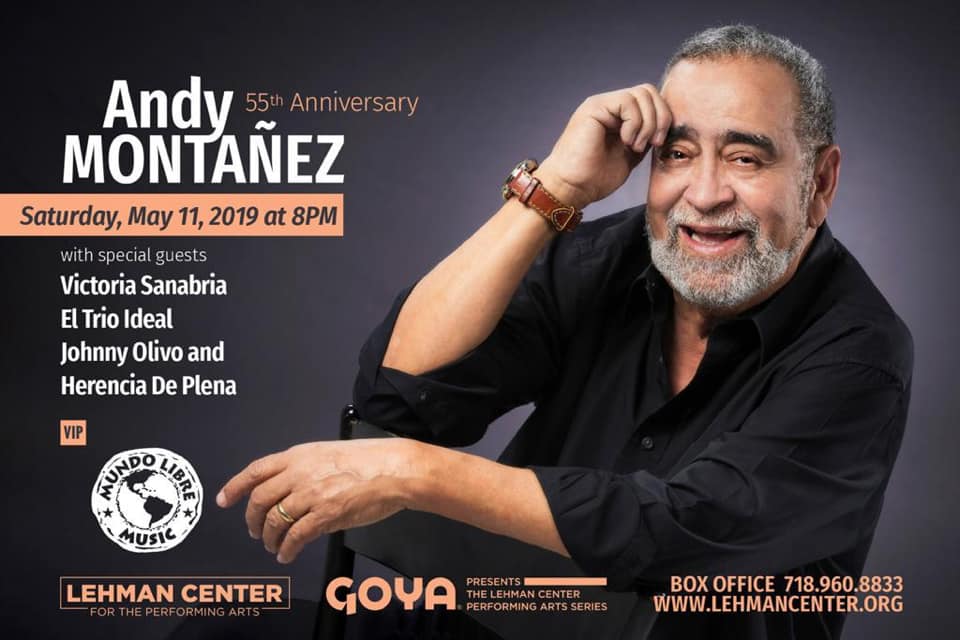
The Lehman Center Performing Arts Series Presents Andy Montañez’s 55TH Anniversary

North America / USA / New York

Lehman Center for the Performing Arts Presents Andy Montañez:

Enjoy this Puerto Rican star recognized as one of the best and most influential singer in Latin America in a Special Show with special guests: Victoria Sanabria, El Trio Ideal and Johnny Olivo & Herencia de Plena

Date: Saturday, May 11th

Show: 8:00PM

Cost: $65 – $100

Venue: 250 Bedford Park Boulevard West Bronx, New York 10468


Lehman Center for the Performing Arts is proud to present the Latin GRAMMY Lifetime Achievement Award winner, Andy Montañez as he celebrates his 55th Anniversary with special guest: Victoria Sanabria on Saturday, May 11th. In addition to this, enjoy EL TRIO IDEAL and the exciting dance rhythms of JOHNNY OLIVO Jr. & HERENCIA DE PLENA’s performance of their afro-rich folkloric musical traditions of Puerto Rican Bomba and Plena in a Salsero Show never before seen in New York City.


BIO: The Andy Montañez ’s beginnings go back to 1962 with the orchestra: El Gran Combo de Puerto Rico. It was 15 years of success. El Niño de Trastalleres recorded 37 LP’S with this great Latin orchestra. There he created and sealed the luggage that would accompany him always: “El Barbero Loco”, “Julia”, “Guaguanco del Gran Combo”, Un Verano en Nueva York”, “Vagabundo”, “Milonga Sentimental”, “Las Hojas Blancas”, “La Soledad” and the now classic “A mí manera”, a song that he recorded with Paquito Guzmán and with Pellín Rodríguez originally.


In 1977, Andy Montañez decided accepts the irresistible offer made by the popular Venezuelan orchestra “La Dimensión Latina” to replace Oscar D’ León. With this important orchestra, Andy Montañez recorded eight LPs that placed the Venezuelan band at the popularity top and sales. The first album with Dimension Latina marked big hits, such as: “El Eco Del Tambor”, “Mujer Impura”, “Ritmos Cubanos”.  Then, the triumphs continued with the themes: “Las Perlas de tu Boca”, “Como Canto Yo “, “Nuestra Tierra”, “Vuelve”, “Rumberos de Ayer”, “Son del Bohío”, “Ave María Lola”, “Mi Son Oriental”, “Cantante Errante”, and others.

Andy Montañez
Andy Montañez

For 1980, Andy Montañez recorded with the group “Puerto Rico All Stars” three LPs that were the prelude to his return to Puerto Rico. “Reunión en la Cima”, “Isla Bonita”, “Homenaje al Mesías” dedicated to Eddie Palmieri, outlined the growth process in which the Salsero still remains.

Returning Puerto Rico, Andy Montañez forms his own orchestra. By 1981, he recorded his first solo LP titled “Salsa con Caché” with record label LAD (TH Rodven’s subsidiary). His third LP “Simplemente Andy Montañez” rang with the hits: “Dulce Veneno” and “Payaso”. This album stayed 30 weeks in the magazine, Bilboard, inside its pages Tropical Music with five themes.

For 1998, he finally created his first independent production as a Salsero artist. Guided by his feelings, his proven experience and his artistic spontaneity was released the album: “Soy Como Soy”. This production is a tribute to his people to whom Andy Montañez responds with commitment of national pride wherever he goes.

In 2002, this worldwide multifaceted artist sees the support of his people materialized by filling the Centro de Bellas Artes’ Festival Hall for three consecutive days, where he captivated three generations with an unforgettable musical tour in which El Bolero, la Música de Tríos, La Salsa and La Plena harmonized that unparalleled Salsa experience. For more details, please, visit him through http://www.andymontanez.net

BIO: Victoria Sanabria was born on October 6, 1976 in Guayama (Puerto Rico). This woman with a sublime voice who carries in her throat all the essence of singing peasant, is one of the most impressive talents that has given the Trova Jíbara of the island of enchantment.

In 1992, she won the third prize in the category of singing in the competitions “Juventud Vibra”. The following year she won first place in the Troubadour Contest of the Institute of Puerto Rican Culture, becoming the national troubadour per excellence. Later, Victoria was part of the Choir of the University of Puerto Rico, Ponce Campus.

Continuing her ascending path in the arts, in December (1995) she made her debut in Bellas Artes with the Puerto Rico’s Symphonic Orchestra. That same year this talented artist managed to be crowned as the first female to win the Bacardí Troubadour Contest, proving to be the best improviser of Puerto Rico at the end of the century.

Andy Montañez
Victoria Sanabria

Her first album as a soloist, Cánticos de Serrania, was recorded in 1999, and in the next eight years she released three more in Puerto Rico including 2008’s Celebra Conmigo that featured Andy Montañez and Andrés Jiménez as guest artists. That same year, she joined the world-wide Tribute to Hector Lavoe concert tour.

In December 2009, Sanabria released her international breakthrough album Criollo Con Salsa, in which she had combined Puerto Rican folk music with salsa. The album contained several hits including “10 Dias”, “No Lavo, No Plancho, Ni Cocino”, “Jibara Natural” that featured Luis “Perico” Ortiz, and “No Te Quiero” sung with reggaeton star Ivy Queen. 2011 saw the release of the highly successful album Boleros which established Victoria as a major singer, and a year later she followed up with the release of Boleros II, which is now considered a classic.

The Sanabria’s most recent releases are her live concert album Trayectoria that was recorded in Santurce in 2012, and 2016’s Música Mía. In addition to her own recordings, Victoria has been featured as a guest on works by Domingo Quiñónez, Olga Tañon, Richie Ray, Bobby Cruz, Gilberto Santa Rosa, El Gran Combo, Danny Rivera, Charlie Aponte, and Willie Colon, among others.


Purchase your Tickets NOW at:

https://lehmancenter.org/ANDY-MONTANEZ-VICTORIA-SANABRIA/

Pupy Pedroso An Ambassador of Cuban Music in the World

Latin America / Cuba / La Habana

When we talk about the beautiful island of Cuba, it is impossible not to automatically think of its rich and ancient musical culture. We are talking about a small piece of land in the world, of that long Caribbean, but it is full of the most successful musicians of Cuba. the history of Latin rhythms.

It all lies in the Spanish and African influences that came to the Island hundreds of years ago, that race that was created from the strings and the drum, from the white and the black, from singing and dancing.

On this occasion I feel very proud to be able to speak directly with a cultural ambassador, recently appointed by the Latin Institute of Music, the leader of those who are are and one of the founders of the very famous Van Van orchestra, the great Cesar Pupy Pedroso, teacher of teachers, as we have called him for this occasion.

Good morning maestro, thank you in advance for the time you give us to all the readers of the International Salsa Magazzine and the portal www. salsamundi.com.

“Well, here I am very happy to be able to talk a little with you and grateful that you want to talk about this server”

Maestro with 19 years of foundation with Pupy and those who are maestro, tell us how the idea of ​​founding this great orchestra was born after making the whole world dance with the Van Van.

“The idea for the project ‘’Los que Son Son’’ arose from a recording I made (while in Los Van Van) with songs of my authorship performed by an internationally renowned performer. (Omara Portuondo, Rolo Martínez, Xiomara Laugart, Raúl Planas, Caridad Cuervo, Pedro Calvo, Raúl Planas etc…etc..) From that moment on I got the idea of ​​making another album with other performers, with a German publisher, and The album was called César Pedroso y Los que Son.

There came a time when I was on tour with Van Van and the dancers came with the records, so I could sign them, and it was then that the idea came to me of forming an orchestra and leaving Van Van and calling it ‘Los que Son Son’. . ”

Why Pianist?

“In my house when I was born there was already a piano, my father was a pianist, and children always want to be like their parents, and I was not going to be the exception, regardless of the fact that I liked the piano since I was little.”

What theme do you consider the flag of Pupy Pedroso’s new journey? When your orchestra opens

“Themes of the new transit: themes like ”What are the things in life” ””A crazy man with a motorcycle” ”Mommy behave well”, ”They’re calling me” and of course ”Six weeks “”

Pupy Pedroso
Pupy Pedroso

Tell us the story of the musical piece “De la timba a Pogolotti” does it tell us about a change in your life?

“From Timba to Pogolotti: It arises from a piano solo that I did in ”Sandunguera” and Pedrito Calvo identified me, as ”Pupy the sandunguero of Pogolotti” and the neighbors of La Timba (neighborhood where I I was born) they asked my older relatives why they said about Pogolotti, if I was born in La Timba, then I wanted to be okay with the two neighborhoods, when I made ”Los que Son…”

Well, I made that song in honor of the two neighborhoods, because I was born in La Timba, but I grew up in Pogolotti, and all my childhood friends are from Pogolotti, I don’t have friends in La Timba, and I consider that one is from where one is from. upbringing, not where he was born, because all the customs, friendships, first ”girlfriend” were Pogolotti’s.”

Which song is your favorite from Van Van’s golden era?

“If you talk to me about the songs from Van Van’s golden age, there are several, of mine the authorship of Maestro Formell and others of mine, for example of the maestro, there are several, “My doubts” ”Marilu”” The Painful” ”There are women” ”I’m everything” and one of mine: ”Six weeks “Sugar” ”The Negro is cooking” ”It must be over” ”That’s good ”, among many others, we live in a wonderful time”

Since August 2018, he was named Cultural Ambassador by the Latin Music Institute. Do you consider it an achievement or a new commitment?

“I consider both things, an achievement because it is not easy in a country with so much talent and so many performers to take me into account for said recognition, and at the same time a commitment, because I am obliged not to let my musical guard down in any way.” sense.”

Maestro comes from a family of great musicians, his grandfather a director, his father a pianist, both from great Cuban orchestras. Can we say that being a musician in your family comes in your blood? Is it inherited in the genes?

“Yes, sir, I am grateful for having been born in this family where there was so much musical talent, where only music was breathed, my autistic grandfather, director of an orchestra called ”Cuba”, my uncle a percussionist in an orchestra very famous for that ”Arcaño y sus Maravillas” era, and I believe a lot in the musical heritage because I consider myself a product of it.

As a pianist, it is because my fundamental patron was my father, from whom I copied and learned a lot from what I could discreetly practice and as a conductor, because I had the joy of having worked with different directors, Rolando Valdés, Enrrique Pérez, I assisted in substituting for my father and the ones I spent the longest time with, Elio Revé and Juan Formell, I spent 6 years with Revé and 32 with Formell and I learned a lot with both directors, I was lucky.”

To what do you owe your great success as a pianist and conductor?

“I think that to be good at any career, the fundamental thing is that you like it and have the aptitude for it, I think that music does not escape from that rule, because you can like it, but if you don’t have the aptitude, don’t waste your time, and Maybe if you have aptitude and you don’t like it, over time you may like it and fall in love with it, so aptitude is the fundamental thing.”

What is your greatest reference or influence in music?

“My greatest influence is Son, I love Son, rumba, guaguancó, Cuban music and Brazilian music, jazz, but my greatest influence is Son.”

Currently, how do you see timba within the island of Cuba? Minimized by Cubaton or leader of local rhythms?

“I believe that at all times, there have been different musical genres, which have been in the preference of the dancer, in the era of Rock and Roll they danced with Elvis Presly, with Bill Halle and his comets, with Little Richard, but also they danced with Aragón, Benny Moré, Sonora Matancera, among others,…

but today the balance leans more towards these foreign movements, good and bad, and that is happening all over the world, in the dance area, but I do not consider our dance music critical or dead, because there is taste for everything and every time “A convening orchestra performs on an open-air stage, it overflows with audiences, that means we are in battle, and the country that has the most musicians making a living from music is Cuba.”

Tell us about the 2019 projects? New CD? Tours?

“Fundamentally starting the next album, the release of a documentary of a tour we are doing in Cuba and some presentations abroad, to reappear again at the end of the year in Europe, with one of the dance hits from France:

”Having a good time”, I make a parenthesis, clarify that there are countries where our music prevails (El Son, La Timba, La Salsa) like Peru and Colombia, Cuban rhythms are still in fashion, thanks to many musicians and orchestras that make a great job for the dissemination, to the printed media and now the digital wave that quite develops our work, look, you are an example of this, we hope to continue giving our audience reasons to dance.

In August we return to South America, it is the tour we are most looking forward to, the Latin public is one of the best, we think about stopping in August in Colombia, Ecuador and Peru, in the same way we are now planning to organize the calendar, for businessmen or producers who wish to have us in their cities, must contact our direct representatives, talking to them is like talking to Pupy”

What should a producer do to have them in their Latin American projects?

“No compadre, very simple, contact them at these numbers +573022582306 and +51992630351, they are the only ones authorized to market our tour, we want to be in all the cities of Latin America.”

Grateful teacher for your time and for letting us get to know you a little, may the successes continue for what they are.

“Grateful to you, thank you for the dissemination you make of the popular dance music of my island.

It remains to leave you the social media links of such an important orchestra so that you can follow in its footsteps and find out about the development of the successes of this great band, on Facebook:

@pupypedroso and the numbers

+573022582306 and +51992630351.

  • « Go to Previous Page
  • Page 1
  • Interim pages omitted …
  • Page 3
  • Page 4
  • Page 5
  • Page 6
  • Page 7
  • Interim pages omitted …
  • Page 17
  • Go to Next Page »

International Salsa Magazine (ISM) is a monthly publication about Salsa activities around the world, that has been publishing since 2007. It is a world network of volunteers coordinated by ISM Magazine. We are working to strengthen all the events by working together.