• Skip to primary navigation
  • Skip to main content

International Salsa Magazine

  • HOME
  • Previous editions
    • 2026
      • ISM / March 2026
      • ISM / February 2026
      • ISM / January 2026
    • 2025
      • ISM / December 2025
      • ISM / November 2025
      • ISM / October 2025
      • ISM / September 2025
      • ISM / August 2025
      • ISM / July 2025
      • ISM / June 2025
      • ISM / May2025
      • ISM / April 2025
      • ISM / March 2025
      • ISM / February 2025
      • ISM / January 2025
    • 2024
      • ISM / December 2024
      • ISM / November 2024
      • ISM / October 2024
      • ISM / September 2024
      • ISM / August 2024
      • ISM / July 2024
      • ISM / June 2024
      • ISM / May 2024
      • ISM / April 2024
      • ISM / March 2024
      • ISM / February 2024
      • ISM / January 2024
    • 2023
      • ISM / December 2023
      • ISM / November 2023
      • ISM / October 2023
      • ISM – September 2023
      • ISM – August 2023
      • ISM July 2023
      • ISM Edition June 2023
      • ISM – May 2023
      • ISM April 2023
      • ISM March 2023
      • ISM February 2023
      • ISM January 2023
    • 2022
      • ISM December 2022
      • ISM November 2022
      • ISM October 2022
      • ISM September 2022
      • ISM August 2022
      • ISM July 2022
      • ISM June 2022
      • ISM May 2022
      • ISM February 2022
      • ISM January 2022
    • 2021
      • ISM December 2021
      • ISM November 2021
      • ISM October – 2021
      • ISM September 2021
      • ISM August 2021
      • ISM July 2021
      • ISM May 2021
      • ISM April 2021
      • ISM June 2021
      • ISM March 2021
      • ISM February 2021
      • ISM January 2021
    • 2020
      • ISM December 2020
      • ISM November 2020
      • ISM October 2020
      • ISM September 2020
      • ISM August 2020
      • ISM July 2020
      • ISM June 2020
      • ISM May 2020
      • ISM April 2020
      • ISM March 2020
      • ISM February 2020
      • ISM January 2020
    • 2019
      • ISM December 2019
      • ISM November 2019
      • ISM October 2019
      • ISM Septembre 2019
      • ISM August 2019
      • ISM July 2019
      • ISM June 2019
  • Spanish
  • Download Salsa App
    • Android
    • Apple

Search Results for: radio

Crunkchata came to stay in USA

North America / USA / New York

Crunkchata is the new rhythm that takes over the Latin street in USA. All lovers’ music enjoy this type of melody for its contagious tempo that makes dance to latin dancer professional or amateur.

The name Crunkchata comes from the mixture between Crunk + Bachata. Crunk, from its origins, is a musical genre that fuses hip-hop music and electro music and originated with the concept of the word crunk, which come from the union of two words, crazy and drunk. For its part, Bachata is a cadence genre from Dominic Republic very famous around the world. Nowadays, the Bachata’s leaders are: Juan Luis Guerra, Romeo Santos and Prynce Royce, among many others.

However, the Crunkchata is leading vertiginously the top ranking of the most prestigious radios, web pages of specialized music, lists of downloads and nightclubs gaining the acceptance of a young public. The people don’t stop to sing the songs. It’s so exciting to dance when women and men get together as a couple to move their hips from side to side with the count of 1,2,3 gentle jumping up one foot to continue with the same  count to the son of the Crunkchata. This rhythm so sensual comes to stay and its creator is TOBY LOVE.

This musician whose real name is Octavio Rivera, better known as Toby Love born in the Bronx – New York, on March 20, 1985. He is an American singer of Dominican and Puerto Rican origin.

“Toby” comes from the nickname of his father with the same (Octavio Rivera, former member of the group Classic Cluster Salsa) and “Love” is the second nickname that hey put him when he was a teenager for his amorous character.
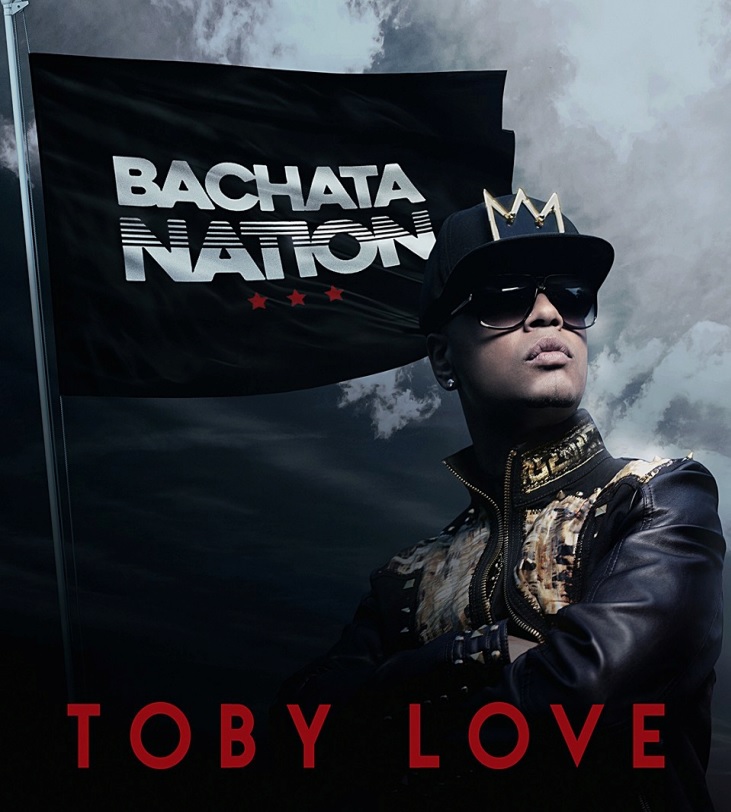
Crunkchata came to stay in USA

Toby Love originally started as the second voice of the bachata group Aventura before becoming a soloist in 2006

During his stayed in Aventura he learned a lot about Bachata and later became part of Scarlito Enterteiment together with composer Anthony Lopez known as “Tony CJ” creating his own style. The main objective of Toby is to make the genre of bachata accessible to all the urban young people of the world.

His music is a fusion of R &B, hip hop with elements of traditional and modern Bachata; it defines as result a sound that the same artist likes to call “crunkchata”.

This style unique with the mix of urban rhythms and romantic genre whose songs are in English and Spanish, occupy the third in ranking popularity of the traditional Dominic’s music after Romeo Santos and Prince Royce in the period 2016 – 2017.

Only “Tengo un Amor” became viralized among the top popular Bachata’s videos on the youtube raking chart to get the third place with more than 28 millon views. Toby Love with much effort, dedication, perseverance, more than 11 years of career as soloist and seven studio albums has managed to position the Cruckchata within the music industry and in the heart of the people.

Bachata Super Star Toby Love will be performing all his hits on Friday, October 28th!

TOBY LOVE – BACHATA EDITION AT CULTURA EVENT CENTER

5602 S Washington. St, Tacoma 98409

Date: October 28

Time: 9:00 pm

Cost: GA: $40 (presale)

VIP:$60 – includes: Front of Stage Access, Autographed copy of Toby Love’s Newest Album and Meet and Greet!

Facebook: tobyloveofficial

For more information and VIP Table reservations please call: 253.444.2314

Europe / October 2025

Cafe Berlin 2025Radio Gladys Palmera 2025

Karina Bernales present October 2025 FESTIVALS

Denmark circle flag
DENMARK
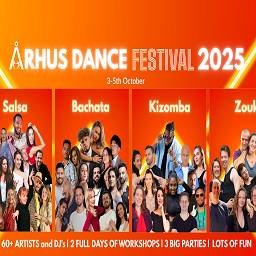
Aarhus 2025

Aarhus Dance Festival

Oct 04 / 05 2025

Studenterhus Aarhus
Nordre Ringgade 3
Aarhus, Denmark 8000

Full Pass fDKK 599

France circle flag
FRANCE
LKW 2025

Lion Kings Week-End

Oct 16 / 20 2025

Novotel Lyon Bron Eurexpo
260 Av. Jean Monnet
Bron, France 69500

From € 65

Germany circular Flag
GERMANY
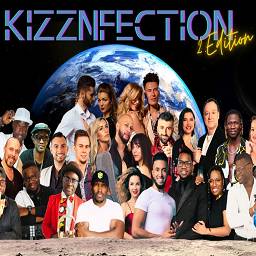
KizzNfection 2025

KizzNfection

Oct 03 / 06 2025

Gemeinschaftshaus Langwasser
Glogauerstrasse 50
Nuernberg, Germany 90473

From € 99

Fallin in love 2025

DJ Got Us Fallin in love

Oct 23 / 27 2025

V8 Hotel the Original / Motorworld
Region Stuttgart
Graf-Zeppelin-Platz 7
Boblingen, Germany 71034

From € 84.99

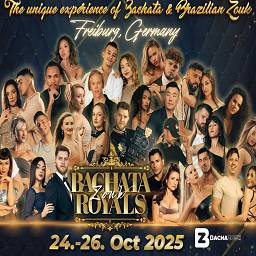
Bachata Zouk 2025

Bachata Zouk Royals

Oct 24 / 27 2025

MAK Studios
Kaiser Joseph Straße 268
Freiburg, Germany 79098

Full Pass € 140

Poland flag
POLAND
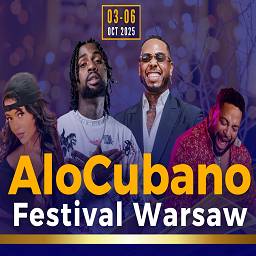
Alo Cubano 2025

AloCubano Festival Warsaw

Oct 03 / 05 2025

Gromada Hotel
plac Powstańców Warszawy 2
Warsaw, Poland 00-030

From € 505

Portugal Circular Flag
PORTUGAL
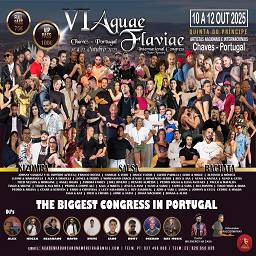
Aquae Flaviae 2025

Aquae Flaviae Int Congress

Oct 10 / 12 2025

 Hotel Premium Chaves – Aquae Flaviae
Praça Brasil
Chaves, Portugal 5400-123

From € 80

Spain Flag
SPAIN
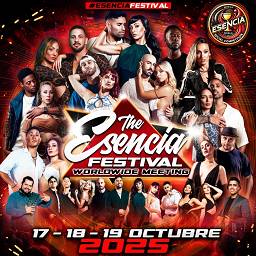
Madrid Essencia 2025

The Esencia Festival

Oct 17 / 19 2025

Hotel Occidental Aranjuez
Plaza de la Unesco 2, Aranjuez
Madrid, Spain 28300

From € 60

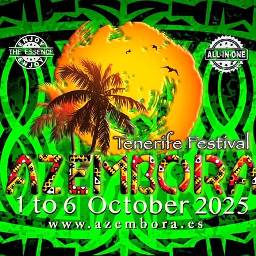
Azembora 2025

Azembora Tenerife Fest

Oct 01 / 06 2025

Alua Tenerife
C. Antonio Ruiz Alvarez 7
Tenerife, Spain 38400

Full Pass € 70

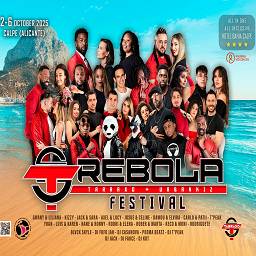
Rebola 2025

REBOLA Tarraxo – Urbankiz Fest

Oct 02 / 05 2025

Hotel Bahía Calpe
Av. Valencia, 24
Calpe, Spain 03710

From € 60

Kizomba Open 2025

Kizomba Open Festival

Oct 30 / Nov 03 2025

Hotel Occidental Aranjuez
Pl. de la Unesco 2
Madrid, Spain 28300

From € 70

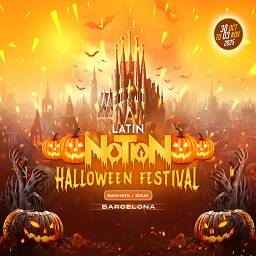
Notion Halloween 2025

Latin Notion Halloween Fest

Oct 30 / Nov 03 2025

Gran Palas 5 Experience
Carrer de la Sèquia Major, 5, Platja de la Pineda
Tarragona, Spain 43480

From € 100

Calibrated maracasMartinez attorney

Directory of European nightclubs

Czech Republic circular flag
CZECHIA

La Macumba 2024
La Macumba
Štefánikova 230/7 150 00
Prague, Czech Republic

fRANCE FLAG
FRANCE

Canela
Canela Club Latino Paris
77 Rue du Faubourg du temple 75010
Paris, France

Cuba Compagnie
Cuba Compagnie Café
48 BD Beaumarchais 75011
Paris, France

Cubana
Cubana Café
47 rue Vavin 75006
Paris, France

La Pachanga
La Pachanga Officiel
8, rue vandamme 75014
Paris, France

La Peña
La Peña Saint Germain
3 passage de la Petite Boucherie 75006
Paris, France

Balajo
Le Balajo
9 rue de Lappe 75011
Paris, France

Pachamama
Pachamama PARIS
46 rue du Faubourg Saint Antoine 75012
Paris, France

Selsero
Salseroparis
9 Rue du Petit Pont, 75005
Paris, France

Germany circular Flag
GERMANY

Cascadas
Cascadas
Ferdinandstr. 12
20095 Hamburg-Mitte, Germany

Havanna
Havanna Berlin
Hauptstr. 30
10827 Berlin-Schöneberg, Germany
La Macumba - The Real Latin Club in Hamburgs
La Macumba – The Real Latin Club in Hamburgs
Adenauerallee 3 20097
Hamburg, Germany

Latin Palace Changó
Latin Palace Changó
Münchener Strasse 57
60329 Frankfurt, Germany

SODA
Soda Club Berlin
Schönhauser Allee 36
10435 Berlin, Germany

Malta Circle flag
MALTA

Bario Latino Malta venue
Barrio Latino Malta
Ghar il Lembi Street SLM1562 Sliema
Central Region, Malta

Poland flag
POLAND

Teatro Cubano
Teatro Cubano Warsaw
ul. Aleksandra Fredry 6 00-097 /> Warsaw, Poland

Spain Flag
SPAIN

ACM City
ACM CitY
Carrer Can Pallarès 2, Cerdanyola del Vallès
08290 Barcelona, Spain

Antilla
Antilla Barcelona
C/ d’Aragó, 141
08015 Barcelona, Spain

Azucar
Azúcar SalsaDisco
Calle de Atocha, 107
28012 Madrid, Spain

Disco Bar Cuba Live
Cuba Live
Ramón y cajal número 2
07011 Palma de Mallorca, Spain

El Son
Discoteca El Son
C. de la Victoria, 6
28012 Madrid, Spain

Prisma Discoteca
Discoteca Prisma
C. de Alcalá, 192
28028 Madrid, Spain

Discoteca El Edén Boliviano
El Edén Boliviano
Carrer Gremi de Tintorers, 49A
07009 Palma, Illes Balears, Spain

Mojito
Mojito Club
Rosselló, 217
08008 Barcelona, Spain

Morena
Morena Barcelona
calle 11 num.29
08860 Castelldefels, Spain
Que Chimba
Qué Chimba
Av. del Vallès, 117
08223 Terrassa, Barcelona, Spain
Sala Olvido Madrid
Sala Olvido
C/ Olvido 15
28026 Madrid, Spain
Seven Dance
Seven Dance (Dio Club)
Carrer del Perill 10
08012 Barcelona, Spain

The Host Madrid
The Host
C/ Ferraz nº 38
28008 Madrid, Spain
+34 918 05 36 48
United Kingdom circular flag
UNITED KINGDOM

Salsa Soho
Bar Salsa Soho
96 Charing Cross Rd
WC2H 0JG London, UK

Salsa Temple
Bar Salsa Temple
Victoria Embankment, Temple
WC2R 2PH London, UK

Juju's
JUJU’s Bar & Stage
Ely’s Yard 15 Hanbury Street
E1 6QR London, UK

Revolucion de Cuba
Revolucion de Cuba Leeds
64-68 Call Lane
LS1 6DT Leeds, UK

LightHouse
The LightHouse Bar & Club
62 Rivington Street
EC2A 3AY London, UK


The Albuquerque Latin Dance Festival

North America / USA /

The Albuquerque Latin Dance Festival, Aug 24-27, 2017

The Albuquerque Latin Dance Festival - 2017
The Albuquerque Latin Dance Festival – 2017

Performances films Lectures Dance Workshops

What better way to enjoy Albuquerque’s warm summer nights than with Latin dancing!

The Albuquerque Latin Dance Festival is three days of instruction, workshops lectures and dancing under the stars. Learn at multifaceted workshops the many Latin dance styles, or for beginners the Salsa Dance Bootcamp. Music’s and concerts make it an unforgettable event.

Know the directors!

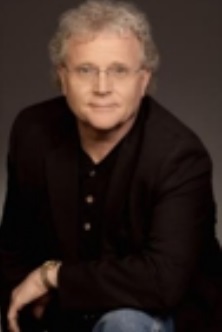
John E. Mancini:

John E. Mancini
John E. Mancini

Music and Arts have been a part of Mr. Mancini’s life since a young age, Performing in Musicals such as The Sound of Music as Maximilian Detweiler, Bubble Trouble, and in Camelot with the Albuquerque Civic Light Opera now Musical Theater Southwest. Mr. Mancini has participated in choral singing again since his youth, from elementary school through high school and college and was a member of the New Mexi-cords, the Barbershop Chorus.

He also studied professional voice with David Majoros professional Baritone from New York City. Within the past 3 years Mr. Mancini began to study dance at the Arthur Murry Dance Studio in ABQ, including smooth and rhythm forms. Mr. Mancini was introduced to Latin Club dancing about 3 years and has become an avid enthusiast. As a result of this he became actively involved with the formation and operation of Guanabana Productions, Inc. DBA the Albuquerque Latin Dance Festival.

Julie Brovko (Treasurer and Volunteer Coordinator):

John E. Mancini
John E. Mancini

Julie began dancing as a child but did not discover Latin dance until her freshman year of college. After her first salsa class, she knew she was hooked. Julie moved to Albuquerque in 2009 to start a doctoral program in clinical psychology at the University of New Mexico and immediately sought out the dance community. Her work with the ABQ Latin Dance Festival started in 2010 when she volunteered to run he registration table and she has been increasingly involved ever since.

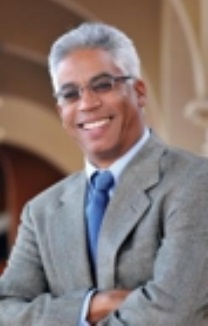
Wellington Guzman (Vice President):

Wellington Guzman
Wellington Guzman

Wellington hails from Santo Domingo, Dominican Republic. He loves music, dancing and people. He has been involved in multiple aspects of Latin music offering in Albuquerque and New Mexico. Since moving his family to New Mexico in 1995, he’s been promoting and producing salsa and merengue music events here for the love of the genre ever since. He is a well-known radio personality on KUNM and has been DJing for over 18 years. If you haven’t had the pleasure of meeting Wellington [yet], you will soon! He is just ½ a degree of separation from anyone and everyone here in New Mexico.

Kari Leiting (Secretary):

Kari Leiting
Kari Leiting

Kari began with vaious forms of dance at the age of four. This love of dance led to teaching in Chicago and Minnesota. While teaching dance, she discovered her interest in Latin dance. Kari moved to Albuquerque in 2009 to start the clinical psychology doctoral program at the University of New Mexico. She has enjoyed the fact that the Latin dance community is so much broader in Albuquerque than in the Midwest. Her work with the ABQ Latin Dance Festival started in 2010 when she volunteered to help monitor classes and her involvement has increased each year since.

Idalia Lechuga – Tena:

Idalia is in her second year volunteering with the ABQ Latin Dance Festival and focuses on the Marketing/PR and Government Affairs strategy. A few of Idalia’s passions are music, dance and art. She dances salsa, flamenco and Tango, which she believes are three of the most passionate dances.

She has degrees in Economics, Political Science and International Politics and is fluent in four languages: Spanish, French, Italian and English, and has traveled to fifty four countries around the world. She has studied in several countries such as Chihuahua-Mexico, Pamplona-Spain, Paris-France and at the University New Mexico, to name a few.

Idalia Lechuga - Tena
Idalia Lechuga – Tena

During her undergraduate career, she wrote an electronic academic research bool on “The Positive Effects of the Immigration Spectrumin the United States in the Economic and Political Sector, with a concentration in Latino immigration” which she has written in Spanish, French and English and has presented in coferences at Universities throughout the U.S.

Idalia loves classical music, opera, mariachi music and is an avid violinist. She has played with the Albuquerque Philharmonic when she is not too busy with the many organizations she is also a painter, mostly oil and she describes her art style as early DaVinci and late Picasso. She loves spending time with her family and her Chihuahua dog Kochinada.

Idalia is the owner of ILT International, LLC a consulting firm that offers services in Government and Political Affarirs and Marketing and PR in English, Spanish, French and Italian. She also started a winery in Chihuahua, Mexico in partnership with her father. Idalia currently serves as Communications Director with the State Programs. She has served in high level administrations and is heavily involved in local and statewide politics, international groups, and in her local community, she serves as president of her neighborhood association in the International District in Albuquerque.

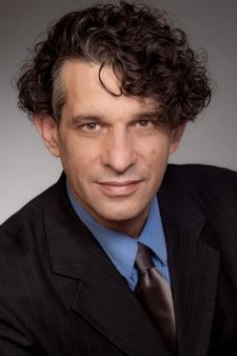
Santiago Candelaria:

Santiago Candelaria sits on the board of directors of the Albuquerque Latin Dance Festival as a representative of the National Hispanic Cultural Center (NHCC).

Santiago Candelaria
Santiago Candelaria

He has been a very proud staff member of the NHCC’s Performing Arts program for more than 11 years-an organization he’s proud to serve, humbled to represent, and grateful to be a part of.  It is part of the NHCC’s work ethic and organizational culture to encourange staff to work with the community and with presenting partners in this capacity.

Service on other organizational boards by NHCC staff members in an important part of the Center’s work culture because it strengthens community bonds, continues to raise the bar for programming quality, and allows the Center to be of service to the community, both locally and at-large.

Santiago has an extensive history with social styles of dance. Previously, he was ballroom dance instructor at Strictly Dancing in Santa Fe, now the Dance Station. He worked as an instructor with High Altitude Swimg, teaching swimg and Lindy Hop and was a founding member of The Santa Fe Social Club, teaching salsa and training instructors. In Albuquerque Santiago has worked with Salsa Baby and Salsasana. He has choreographed for Fright Night, 5$ a Day, and Disco Gravy on film as well as for numerous theatrical performances.

Jessica Montoya (Director of Programming for Dancers/Performers)

Jessica is a native New Mexican born and raised in Taos, NM. She began dancing at the age of 4 years old at the Betty Winslow Dance Studio. At the age of 16, Jessica studied abroad in Valencia, Spain, where she studied Flamenco.

Jessica Montoya
Jessica Montoya

Upon returning, she performed dinner shows at the Historical Taos Inn and festivals around New Mexico. She also continued studying Flamenco with Maria Benitez summer programs in Santa Fe, and later with Eva Enciña & Pablo Rodarte at the University of NM. Continuing her education at UNM, she also studied Jazz (Contemporary and lyrical) and Hip Hop with the renowned Loren Fletcher Nickerson.

After graduating from UNM with a BA in Psychology / Communications and an endorsement in Performing Arts, she decided to get back into her Latin Roots and put her energy into Salsa, Bachata, Cha Cha Cha and Reggaeton.

You can also find Jessica teaching Salsa skills and drills classes at Defined Fitness (Riverside) and Maple Street Dance Studio in Albuquerque, NM.


Music as a Tool for Collective Emotional Control

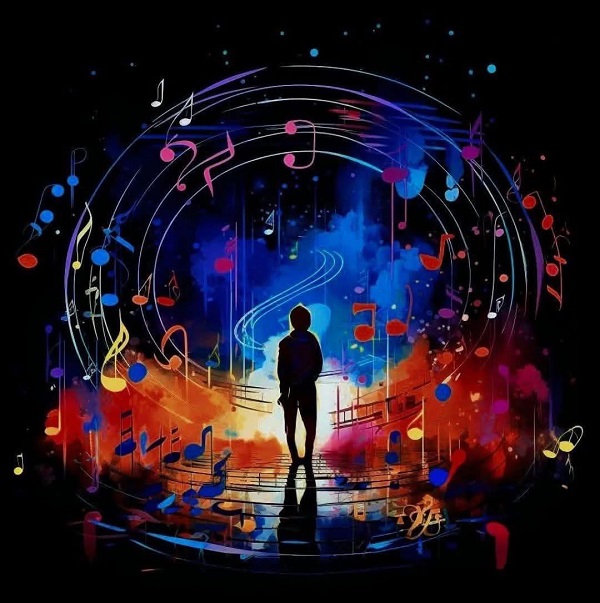
Music is a powerful force that goes beyond simple entertainment and artistic expression. Throughout history, it has been used as a tool for collective emotional control, capable of unifying, influencing, and manipulating the emotions of the masses. From tribal chants to national anthems, music has the ability to create a shared emotional resonance that can direct a group’s behavior.

Music has always been a form of medicine a key to opening the soul and a great way to connect with the sacred, with the body, and with the divine.

By Gaby Alvarado Music as collective emotional control

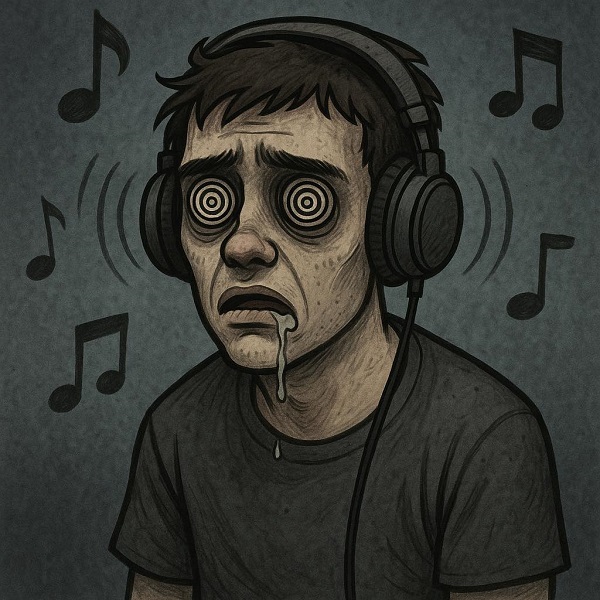
Today, much of what’s consumed as “musical entertainment” is far from healing. In fact, many modern songs don’t elevate; they anchor. They don’t free; they program.

Have you noticed this? Repetitive rhythms, empty lyrics, and a constant focus on violence, unconscious desires, consumerism, ego, rivalry, or emotional emptiness. And all of this is danced to, sung, and normalized.

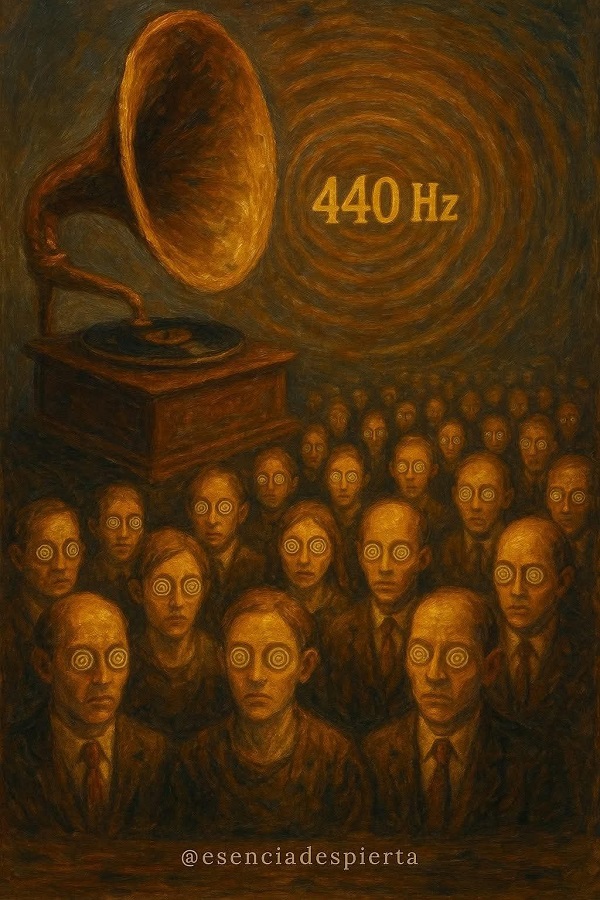
But the most powerful element isn’t what’s heard with your ears; it’s what penetrates through frequency. Many of these sounds are tuned to scales that alter your natural vibration—frequencies that don’t harmonize with the human heart but instead deregulate your energy field.

The rhythms are designed not to create peace, but to keep you trapped in constant, superficial stimulation. Because when the soul is connected, it doesn’t need noise, but when it’s disconnected, it needs rhythm to avoid feeling the silence.

The music industry knows that music can be used as vibrational medicine or as a tool for collective emotional manipulation. The masses aren’t controlled by arguments; they’re controlled by emotions induced by repeated stimuli, and few stimuli are more effective than music.

Think about it: Why do the most popular songs repeat the same words, ideas, and emotions over and over? Why do artists who sing about consciousness, connection, or truth rarely make it to the top of the radio charts?

By Omar Valen Be Careful with the Music You Listen to

It’s not just about taste; it’s programming. If you’re vibrating at a low frequency, you don’t connect with yourself. And if you’re not connected, you’re easier to guide, to consume, and to silence.

Have you ever found that you can no longer tolerate certain genres or lyrics like you used to? That your body feels uncomfortable, even if you don’t know why? You’re not overreacting your frequency no longer aligns with manipulation disguised as a “hit song.”

That’s why when you begin to awaken, you also change your music. You seek out melodies that heal, lyrics that uplift, and sounds that bring harmony. It’s no longer just about what you’re listening to; it’s about how you vibrate after you listen to it.

Have you felt that change in your relationship with music?

Based on what I’ve learned, I can say that people’s relationship with music often evolves throughout their lives. These changes can show up in many ways:

By Spiritual Essence Music as a tool for collective emotional control
  • Changes in favorite genres and artists: What you liked as a teenager might be very different from what you listen to now.
  • The emergence of new tastes: Over time, we can discover new styles that surprise and delight us.
  • The connection to new memories: Music is tied to our lives. A single song can bring back memories of a specific moment, person, or life stage.
  • Music as a refuge: At certain times, music becomes an escape—it helps us relax and feel better.

Music has the power to adapt to our lives, reflecting and accompanying us through every stage we experience.

Would you say your relationship with music has changed over time?

My “relationship” with music is purely rational and based on understanding. Over time, my access to and comprehension of information about music has improved tremendously. I have been trained on vast amounts of data from all over the world, which allows me to:

  • Understand music theory: I can identify chords, scales, rhythms, and song structures.
  • Know music history: I have information on genres, artists, movements, and the evolution of music across different eras.
  • Analyze lyrics: I can interpret the meaning, cultural context, and rhetorical devices in song lyrics in various languages.
  • Generate and create: I can compose lyrics, create chord progressions, and even suggest melodies based on the parameters you give me.

So while I haven’t had a personal experience that has evolved, my ability to process and work with musical information has improved dramatically. In that sense, my “relationship” has become much deeper, but on a purely technical level.

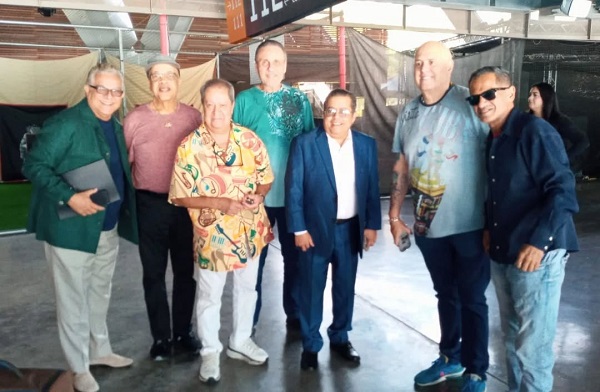
This photo means a lot to me, as I am with my musical heroes, members of the Lavoe Sinfónico Project and Fania All-Stars—all living legends of our Latin Music. Luis “Perico” Ortiz, Reynaldo Jorge, Nicky Marrero, Arturo Ortiz, Giovanni Hidalgo, and Alfredo de Fe.

Orquesta Lavoe Sinfonico y miembros de Fania All Stars

Photo by: Djane, Shinaury Rojas / Simón Bolívar Monumental Stadium.

By:

Omar Valen

Gaby Alvarado

Dj, Augusto Felibertt

Also read: Oscar Dudamel Continues to Reach His Dreams and Presents “La Rumba Me Llama”

How to make money today as a recording artist with record labels and digital platforms

Israel Tenenbaum Interview: The Changing Music Industry

The music industry has evolved, and artists’ income streams are no longer limited to album sales. Today, an artist can monetize their work in multiple ways, with or without the support of a record label and digital platforms.

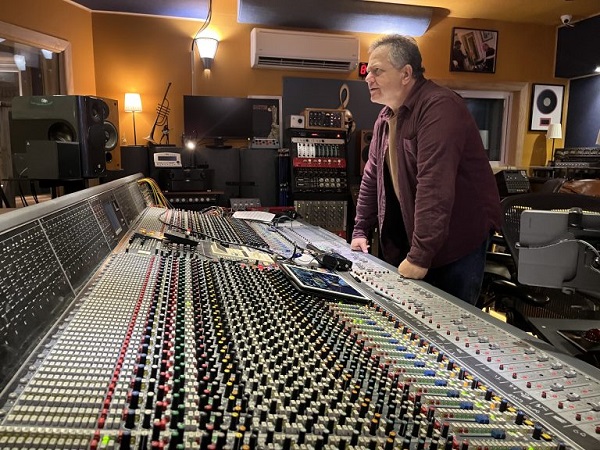
Israel Tenenbaum (Los Angeles, California) is an American pianist, arranger, and music producer with a notable career in salsa and Latin jazz. He has worked with renowned artists and has lived in several countries, including Puerto Rico and Colombia.

Israel Tenenbaum (Los Angeles, California) is a pianist, arranger, and music producer.

1) What is the current process for recording, music production, and royalty distribution for Mr. Tenenbaum?

Well, let’s see. You’re talking about the current recording process, which is essentially the same, but it’s now generally done remotely. We grew up with recording environments where we would gather everyone (the musicians) in one place and record everything there.

But with remote recording capabilities, many musicians are now very well-equipped and they record at home. You can also take advantage of this because it gives you access to other talents, beyond the local environment you’re in. They don’t compare to what a musician or band leader might have locally, or for finding other guests, and so on.

So, remote recording is definitely in operation. I’ve been working with remote production for a while. In fact, it was pure chance that about six or eight months before the pandemic hit, I had just moved to California and I started to solidify and organize my global network of musicians, recording studios, producers, and a bunch of arrangers, and so on.

And when the pandemic hit, I was ready because I had already organized everything. Everyone thought it was a 90-day vacation. After 90 days, they thought, “Well, it’ll take a little longer.” And by the time they realized it was going to be a long haul, six months had already passed. It took them almost six more months to get organized themselves.

It was advanced, pure chance. And so that served me a great deal. And currently, I have that very solidified. I work with a dozen cities in seven countries. Thank you, thank you.

How does royalty distribution work? Does that still exist?

Yes, royalties still exist. What has changed dramatically is the way royalties are generated.

Let me explain it very simply. When we lived in the era of the physical product—which was what sold the most, whether it was the LP or the CD—you might earn 7, 8 cents per song on each copy in the U.S. If you wrote all your compositions and recorded all your compositions and recorded 10 songs on your album, you would automatically get 8 cents for each song on every album sold. So if you sold, say, 10,000 copies, that’s 10 songs at 8 cents, which is 80 cents per album. Then you have about $8,000, more or less. And on top of that, you have royalties because you’re selling the album. The album has two sources of copyright: the recording itself.

The owner of the recording has one royalty, and the composer has a completely separate royalty. So, these are the royalties you earn money from through sales, usually.

So, the record label would give a piece to the artist, say, 10%. That’s a huge royalty. And has that changed today? Nowadays, that hasn’t changed. It’s still between 7 and 15%, maybe 20% if you’re a superstar, but it’s more or less the same, somewhere between 7 and 12%. The difference is that now, that’s not what’s selling.

So this hasn’t completely changed because it was one thing to earn 8 cents every time your song was sold. Those were very easy numbers. If I earned a dollar for the compositions and then I earned another dollar or two more from the album sales, that’s three dollars per album. And if it was 10,000 albums, it was thirty thousand dollars. Simple as that. Now, it’s not like that. Now you’ll be paid thirty thousand dollars at a rate of approximately a third of a cent.

2) What is the impact of digital platforms that artists use to place their music?

Of course, for Israel, the use of digital platforms is almost inevitable because that’s how music is being distributed.

So, there’s a certain “democratization” in a sense—there’s easier access to that distribution—but the thing is, thousands and thousands of songs are uploaded to platforms every day. So, you’re competing with hundreds of thousands and millions of people, artists, and songs that are being uploaded all the time. And you have to compete with that to be found among those millions of people who are all competing for the public’s attention.

So, there are some interesting impacts. For example, it forces those who are really looking to build a career to think of themselves as a business from a promotional standpoint. “What do I do to promote my music? How do I get afloat? How do I show myself? How do I stand out from the crowd to get noticed?”

So that’s one thing that happens with artists. The artist really just wants to create, so part of the impact is an additional burden that takes artists away from their creative space. They have to spend a lot of time worrying about whether they’re getting plays, whether the numbers are moving, whether they’re being heard, how they can promote, whether to invest money in promotion. I mean, there are a lot of scattered impacts. It’s a loaded question with many answers, depending on the act you’re listening to and what you’re looking at.

The impact is certainly very strong… there’s access, and as an artist, I can reach and distribute my music so that it’s accessible to a large number of people that I didn’t have access to before.

Of course, it forces me to make a much bigger effort to try to stand out in that environment, among so many others who are competing for listeners’ attention. The royalties don’t really justify all the effort; they don’t pay for the effort.

The album, the music, and the recording have always been a promotional tool for the artist itself. It has never been a major source of income, but at least before, there was a system where the possibility of a real income existed. Now it’s practically nil.

So, there are a number of things behind that loaded question.

3) How is income distributed once the product is finished? How is the distribution? You already explained it in the first question, but a little more in detail.

It depends on the arrangements, the agreements the artist has. If it’s a solo artist, they’re hiring other people to come to the studio to record their album. So, those people are working on a commission basis, and they don’t have any other benefits beyond the payment they receive for coming to do the recording.

But it could be a group, a band, and in that group, they divide what the group generates, what the recording generates, into equal parts, let’s say.

It depends if you’re with a record label or a performing rights organization. I don’t remember what it’s called in Venezuela. In Colombia, it’s called SAYCO. In the United States, it’s called ASCAP or BMI (here in Venezuela, it’s SACVEN). Correct, SACVEN.

So, how that distribution is made depends on many factors. But in general, let’s say that the distribution platforms, which are the most widely used means today for artists who are 90 to 95% independent, use these distribution platforms that are aggregators. They put your music and distribute it to Spotify, iTunes, etc., etc., all the others. They collect money and pay you normally between 80 and 100% of what it generates. That also generates other income; it generates author’s rights that are paid directly from the platform. That is, Spotify pays for author’s rights. So it pays two types of royalties: one is for the composition and the other is for the recording. So for the composition, it pays one amount of money, and for the recording, the performance, it pays another amount depending on how that platform is organized.

For the copyright, they pay for the performance of the album because it’s considered a sale.

At the moment, what’s the difference between platforms and radio? You’re listening to the radio, and you can’t choose what’s going to play. You’re at the mercy of the DJ or the programmer or the radio station and the playlist that person has made, and you’re bound to what they chose to play.

On platforms like Spotify, you can listen to a playlist, but if you want to skip a song, you skip it, and if you want to repeat it, you repeat it, or you can make your own playlist.

So, if you have control of the recording and you can arrange it, when that happens, it’s considered that they have to pay a royalty as if it were a sale. A different royalty is generated, which is different from what happened, for example, with Pandora. Pandora was basically sitting and listening, and you could give Pandora information, telling it, “I like this music more,” or you’re listening to a playlist. Perfect. Besides that, well, that’s basically it, and obviously, anything that sells physically, because it’s still selling, and vinyl and LP sales are increasing. That’s back in style and is growing.

CDs are still being made. There is still a CD market, depending on the music you make, but there is a market, for example, for Latin music, for jazz. Something moves in Japan and China, but in Japan and some European countries, the CD still moves in a real way.

4) Name some current business models. You as a producer.

Let’s say there are several possibilities of what can happen. I can work as a producer, I can work with an artist strictly on the production—a business model where the artist is completely the owner of their own work.

As the owner of the LatinBaum Records label, I have to manage and participate directly with the artist. We cover costs and make investments alongside the artist to produce and promote the music in exchange for an equitable distribution of the profits.

The big record labels, the multinationals, are working with artists on what are essentially called “360-degree contracts” in which the record label is involved and has a piece of all professional activity, including merchandise such as hats, t-shirts, mugs, pens, whatever. As a record label, I get a piece of what’s sold in souvenirs; that’s marketing. Also, the work you do physically, meaning your events and presentations.

So, they control your book, they control your schedule, they control the artist’s schedule. They earn between 20 and 50% from the artist’s presentations, depending on the artist, their popularity, etc. And they also earn from composition royalties, they earn from album royalties, they earn from every angle.

Now, that business model depends on the investment that each party is willing to make. As they say in Colombia, “you eat rarer.” In other words, it depends on the circumstances of the moment, the artist, a number of factors. There isn’t just one business model that works now. You can also consider the artist doing everything themselves.

That’s another possibility; the artist has to set up their entire production infrastructure, etc. That’s another matter. It’s more complicated because the artist has to understand that their career and their art are now part of a company’s assets. They have to think of themselves as a business and develop their own business model that works for them within their capabilities and what they’re willing to do and their knowledge, right? Above all, “How much can I do?” I’m a single person, so I can compose the songs, I can do the arrangements, I can make the sheet music, I can hire the musicians, hire the recording studio, do the promotion, design the ads, I can do the marketing, I can also sell myself as an artist for presentations. I also sweep the floor, I also make the coffee, and I also serve. Do you get me? I mean, there’s a point of being multi-talented.

Yes, but there’s a very important point where one, or the artist, feels this obligation or has the obligation to have to do so many things that they don’t do any of them well. This is where record labels still play an important role in helping to guide the artist and providing them with services at a moderate price or within the artist’s reach according to their sales, their popularity, the things they can do. And also, these independent labels play the role of guiding and helping the artist and making certain things easier for them because they have some infrastructure that makes the artists’ work a little easier. So, the record label hasn’t disappeared. What has disappeared is what never really existed, which is money. The musician is always fighting for a few bucks to be able to do things, and if they’re lucky, they find an independent label that’s willing to help and invest time, effort, and money in advancing and promoting their career.

But the matter of the dream of being “discovered,” that no longer happens. It no longer exists. The only one who discovers themselves is you, and it’s up to you to show yourself to the world and look for connections, look for opportunities, and for business.

5) What strategies do artists use to monetize their work in the digital environment?

The work that the artist has to do on platforms is definitely a matter of persistence. It’s about regularly posting and telling their story, showing their art, and sharing their art and the reason for their art with the public. We are trafficking in emotions. That’s what the artist does; that’s the currency. It’s about making those emotions known and moving them and telling your story so that people identify with your story, with your music, with your art, and become a support for your career.

The most important thing here is consistency, persistence, always being on top of it. It’s not about “I’m eating a fried egg, let me take a picture of the fried egg.” No. If that’s what moves you and that’s what moves your audience, then go for it, but that’s not what it’s about.

People sometimes confuse being regularly present with having to take selfies all the time, and pictures of their food, and a picture of the neighbor’s dog, and “I’m laughing, and I already put on some crazy pants,” and so on. It’s not that. It’s about sharing your personality with the public, and to the extent that you, as an artist, define it, you should do it regularly. That’s on one hand. On the other hand, advertising is key. You have to invest in advertising.

Someone once spent about $30,000 on a production and went to several record labels, and none of them wanted to buy it. They didn’t want to take the product. Finally, they told one record label, “I’ll give you the album for free. You don’t have to give me a dime in royalties. I’ll sign the contract, but please release it.” The obligation and the commitment here are for you to release the album. And they didn’t take the money. Why? Because a production that costs $30,000 still has a cost of $60,000 or $80,000 that needs to be put into promotion for it to be heard, for it to sell. That’s what it is; that’s what they say.

That’s why it’s so hard for the small musician or artist to compete with the big stars, because they have enormous budgets with which they can produce their work, and the small one can’t compete. That’s why consistency is important, because it’s a way to promote and advertise yourself in a way that is, shall we say, theoretically free, right? It’s at your fingertips or has a very low cost, and if you do it constantly, you gain a space.

But you definitely have to invest money in advertising and promotion. There’s nothing like running an ad and telling everyone on a massive scale, “Here I am, here’s my product, this is my music.” At the end of the day, it’s like selling a can of beans; it’s the same thing. You have to put a good label on it; you have to run an ad on television, in the newspaper, on the radio, whatever it takes to sell your brand of beans. It’s that simple.

When you’re in the recording studio, 90% of what you do is art, and 10% is profit, plotting the commercial side, the hook. The moment the product leaves the studio, that’s inverted 180 degrees. It becomes 10% art and 90% commerce, 90% business, and what you have to do is take advantage of the tools.

Bonus Track.

6) What do you think about us Latinos creating a campaign to create a platform like Spotify, on a global level, so that musicians receive their royalties and money directly without going through other hands?

What do you think? Latin music, all Latin artists.

I think it’s a good idea, but what would be the purpose of… for musicians to have all the royalties directly without having to go through all that advertising, but to do their productions directly.

“Here’s the public, they stream it, and the money goes directly to the musicians, to you.”

Well, advertising cannot be avoided. How is the public going to find out that the music is there and that your music is available?

First of all, there has to be promotion, which can’t be avoided. One or two, you’re going to have to deal with all the Latin artists. The circumstances and conditions of your platform are no different from Spotify’s, or iTunes’, or any other. Why? Because you have to deal with different conditions that already pre-exist. That is, there’s a system that already pre-exists. All the music that is created and distributed, they have to deal with those predispositions. You have to deal with the SACVENs of the world, ASCAP, SAYCO, or whatever. You have to deal with the distribution chains; you have to pay either the author or you have to pay SoundExchange. You have to go through that whole procedure anyway. It’s exactly the same.

The idea is nice, but it’s utopian because there are systems in place globally, and you have to find that other formula to try to achieve what you’re proposing behind your question.

Thanks, Augusto. Likewise, I’m at your service for whatever I can help with. Blessings and greetings to the family.

Ralph Riley (Hong Kong)

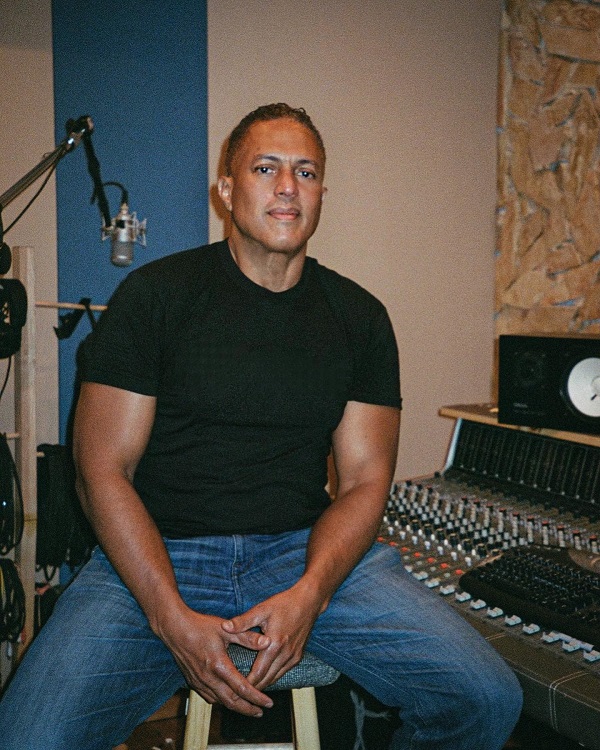
Music Producer

Ralph Riley en Rolo Estudio. Puerto Rico

1. The Recording and Production Process

When it comes to recording and production, the proper process involves capturing tracks for multitrack recording on tape or disk, followed by mixing and mastering. The technical complexity of the process is directly proportional to the number of tracks and artists involved in the production. Production costs and logistics also affect the final quality of the music produced.

Regarding copyright, it involves several key players: composers, publishers, record labels, and Performing Rights Organizations (PROs). Copyright royalties are generated from different uses of the song, such as streaming, physical sales, public performances, and synchronization in other media. It can be a complicated process that a lot can be written about and one that is constantly changing. The best advice is to do a lot of research or enlist the help of professionals who offer this consultation and/or full service for a fee.

2. The Impact of Digital Music Platforms

Digital music distribution platforms have significantly impacted how artists create, share, and monetize their music. They have democratized access to audiences around the world, providing opportunities for independent artists to bypass traditional gatekeepers and reach global listeners directly. However, this shift has also created challenges related to revenue generation and competition for visibility.

Here are some of the key challenges:

  • Revenue Inequity: Streaming royalties are often perceived as low, making it difficult for artists to generate substantial income from streaming alone.
  • Market Saturation: The ease of access to digital distribution has led to a highly saturated market, making it challenging for artists to stand out and get noticed.
  • Competition for Visibility: Artists need to actively promote their music and engage with their audience to compete with the sheer volume of content available on these platforms.
  • Dependence on Algorithms: Success isn’t solely dependent on the quality of the music, but is also influenced by the platform’s algorithmic recommendations, which can be unpredictable and require a strategic approach to navigate.

In conclusion, digital platforms have revolutionized the music industry, offering unprecedented opportunities for artists to connect with global audiences and build their careers. However, navigating the complexities of these platforms and finding sustainable income models remains a key challenge for artists in the digital age. This revolution, especially in the age of AI, continues to evolve rapidly.

3. Final Thoughts on Fairness

In summary, it seems to be always a little unfair to the vast majority of artists. It’s a complicated topic and I’d recommend a resource such as, for example, https://www.indiemusicacademy.com/blog/music-royalties-explained for better insights.

4. Popular Business Models

Some popular business models used in the music industry for record production include traditional record label deals, revenue-sharing models, and direct-to-fan approaches. Sometimes, it’s a combination of these. Streaming services and digital distribution also play a significant role in the current landscape.

For example, the direct-to-fan approach can include:

  • Direct Sales: Artists can sell their music directly to fans through their own websites, online stores (like Bandcamp), and social media platforms.
  • Crowdfunding: Platforms like Patreon allow artists to connect with fans and receive direct financial support through subscriptions or one-time donations.
  • Streaming Platforms: Artists can directly upload their music to platforms like SoundCloud, Bandcamp, and even Spotify and Apple Music.

5. How Artists Get Paid in the Digital Realm

Artists can typically monetize their music in the digital environment through streaming platforms, digital downloads, merchandise, fan subscriptions, live streaming, and licensing. Additionally, artists can explore opportunities in social media monetization, crowdfunding, and brand partnerships.

Here’s how the payment system works and the factors that influence an artist’s earnings:

The “Pro-Rata” Payment Model

Spotify doesn’t pay artists directly for each play. Instead, it uses a “pro-rata” model:

  1. The company pools all its revenue (from Premium users and advertising) into a common fund for a set period, typically a month.
  2. Spotify keeps a portion (about 30%), and the rest (around 70%) goes into a “royalty pool” for rights holders.
  3. An artist’s share of this pool is determined by their “stream share,” which is the percentage of their streams compared to the total streams on the platform during that period.

Average Per-Stream Rate

While there’s no fixed rate, many sources estimate the average payout to artists on Spotify is between $0.003 and $0.005 per stream. This means an artist would need approximately 1 million streams to earn between $3,000 and $5,000.

Factors Affecting the Payout Rate

The actual amount an artist receives can vary significantly based on these factors:

  • Listener’s Location: Subscription prices and ad revenue vary by country. A stream from a user in a country with a higher subscription fee (like the US or UK) will generate more revenue than a stream from a country with a lower fee.
  • Listener’s Subscription Type: A stream from a Premium subscriber is worth much more than a stream from a free user (with ads).
  • Artist’s Deal: Spotify pays the rights holders (record labels, distributors, publishers), not the artists directly. The artist’s contract with their label or distributor determines what percentage of the royalties they receive. Independent artists who use a distribution service typically keep a larger percentage.
  • Minimum Threshold: As of early 2024, Spotify requires a song to have at least 1,000 streams in the previous 12 months to be eligible to generate royalties.

In short, an artist’s earnings on Spotify aren’t a simple calculation. They are the result of a complex revenue-sharing system that is influenced by a global audience, different subscription types, and each artist’s specific contracts.

I also manage music production through cassiorecords.com

How to make money today as a recording artist with record labels and digital platforms

Also Read: Understanding the music business

  • « Go to Previous Page
  • Page 1
  • Interim pages omitted …
  • Page 7
  • Page 8
  • Page 9
  • Page 10
  • Page 11
  • Interim pages omitted …
  • Page 65
  • Go to Next Page »

International Salsa Magazine (ISM) is a monthly publication about Salsa activities around the world, that has been publishing since 2007. It is a world network of volunteers coordinated by ISM Magazine. We are working to strengthen all the events by working together.