• Skip to primary navigation
  • Skip to main content

International Salsa Magazine

  • HOME
  • Previous editions
    • 2026
      • ISM / March 2026
      • ISM / February 2026
      • ISM / January 2026
    • 2025
      • ISM / December 2025
      • ISM / November 2025
      • ISM / October 2025
      • ISM / September 2025
      • ISM / August 2025
      • ISM / July 2025
      • ISM / June 2025
      • ISM / May2025
      • ISM / April 2025
      • ISM / March 2025
      • ISM / February 2025
      • ISM / January 2025
    • 2024
      • ISM / December 2024
      • ISM / November 2024
      • ISM / October 2024
      • ISM / September 2024
      • ISM / August 2024
      • ISM / July 2024
      • ISM / June 2024
      • ISM / May 2024
      • ISM / April 2024
      • ISM / March 2024
      • ISM / February 2024
      • ISM / January 2024
    • 2023
      • ISM / December 2023
      • ISM / November 2023
      • ISM / October 2023
      • ISM – September 2023
      • ISM – August 2023
      • ISM July 2023
      • ISM Edition June 2023
      • ISM – May 2023
      • ISM April 2023
      • ISM March 2023
      • ISM February 2023
      • ISM January 2023
    • 2022
      • ISM December 2022
      • ISM November 2022
      • ISM October 2022
      • ISM September 2022
      • ISM August 2022
      • ISM July 2022
      • ISM June 2022
      • ISM May 2022
      • ISM February 2022
      • ISM January 2022
    • 2021
      • ISM December 2021
      • ISM November 2021
      • ISM October – 2021
      • ISM September 2021
      • ISM August 2021
      • ISM July 2021
      • ISM May 2021
      • ISM April 2021
      • ISM June 2021
      • ISM March 2021
      • ISM February 2021
      • ISM January 2021
    • 2020
      • ISM December 2020
      • ISM November 2020
      • ISM October 2020
      • ISM September 2020
      • ISM August 2020
      • ISM July 2020
      • ISM June 2020
      • ISM May 2020
      • ISM April 2020
      • ISM March 2020
      • ISM February 2020
      • ISM January 2020
    • 2019
      • ISM December 2019
      • ISM November 2019
      • ISM October 2019
      • ISM Septembre 2019
      • ISM August 2019
      • ISM July 2019
      • ISM June 2019
  • Download Salsa App
    • Android
    • Apple
  • Spanish

Search Results for: record company

Toñito Laya

Latinoamerica / Venezuela / Caracas

On this occasion we have the privilege of meeting the new Venezuelan talent Toñito Laya (singer), son of Maestro Antonio “20 DEDOS” Laya, who was one of the most significant conga players in the Venezuelan salsa movement in the 1980s, director of the “ Banbankere Orchestra” of Petare with two musical productions; giving him more than enough reason to grow in Latin music, such as “el Son”, “la Rumba“, “la Guaracha”, “el Danzón”, “Boogaloo”, “la Timba” and “la Salsa” being This is the beginning of his artistic and musical career.

Starting in the 90s, he (Toñito Laya) entered the Bigott Foundation where he had the opportunity not only to learn the various rhythms in Afro-Venezuelan percussion, but also developed as a dancer in one of the most important groups in Venezuela when it comes to popular traditions. “Vasallos del Sol”, eventually becoming “Vasallos de Venezuela” in 2016, where he had 16 concerts, productions, albums and national and international tours; Colombia, Mexico, United States, South Korea and Japan, among others.

Toñito Laya flyer
Toñito Laya flyer

In 2006, a project called “Comprehensive School of Latin Tradition Dance 100% Tumbao” began, where many dancers were trained in the Cuban Salsa Casino genre, combining this training with Venezuelan traditions, making them understand that traditions come first. Venezuelans. Then they participated in the most important events and competitions in Venezuela, they even became Latin American Champions of “CUBAMEMUCHO 2009” in the city of Caracas-Venezuela, thus managing to represent the country in the grand final to be held in the city of Munich-Germany, 2010.

He also tells us that in 2009, they were invited to participate in a new project but this time not to dance, but to “sing” in a group that by then had no name but a particular genre such as “Son Cubano” . From that moment Toñito began his musical career to develop in a somewhat unexpected way, he was a founder and assumed the commitment of being in charge of this group as one of its leading singers for more than 7 years, where the themes arose: To me that, La Ruñidera, Bilongo, El Jamaiquino, I hear a drum, among others; They were part of his first musical repertoire.

With two record productions together with the already structured band “La Séptima Bohemia” he consolidated his musical career as a singer, going through a training process with different teachers and vocal coaches such as: Ronald González, Fanny Olano, Gustavo Gerardo and Marcial Istúriz, among others. others, who would help him develop in the middle of music.

National tours, award nominations and concerts allowed him to share the stage alongside large-scale national and international groups such as: Francisco Pacheco, Canelita Medina, Alexander Abre y su Habana de Primera, Manolito y su Trabuco, El Septeto Santiaguero, José Alberto “El Canario” to mention a few. Toñito records for the year 2012, the song “She takes me”, a song that in turn would be the title of the second album becoming an icon of parties, dances and social events not only in Venezuela but in many salsa and salsa dancing countries. casino in the world.

In the year 2016 Toñito Laya arrives in Aztec land to embark on a new path, he begins by residing in the city of Cancun-Mexico to sing in some local groups and participate in various projects such as: Los Panas.com, La Formula Perfecta, Grupo Swing Latin among others.

This new stage as an artist prompts him to consider a new musical challenge but this time as a solo singer with a well-defined and focused vision, his pleasant experience as a dancer motivates him to dedicate his first promotional single “ABRE QUE VOY”, this being the complement of an orchestra, for the musicians and their singers “EL BAILADOR”.

“ABRE QUE VOY” is the result of the work of talented and renowned Venezuelan musicians who give an important plus to this Musical production of “Maurice Melo”, this first single is created, performed by Toñito Laya, in the company of the Venezuelan talent of the following musicians:

  • Piano and arrangement: Joel Uriola.
  • Bass: Jesús Torres “Mandinga”
  • Percussion: Yomar Méndez “Caballo”
  • Trombone: Jhonal Rivero.
  • Trumpet: Edward Platter.
  • Baritone sax: Michel Peña.
  • Choirs: William “Wywy” Buznego, Carlos Guzmán and Ramfis Fajardo.
  • Recorded in the studio: A Tempo Records by Heyzer Cabrera.
  • Mixing and Mastering: Heyzer Cabrera. Caracas – Venezuela 2018

If you want to meet or contact Toñito, you can follow him through:

  • Correo: [email protected]
  • Facebook: https://www.facebook.com/tonito.laya
  • YouTube: https://www.youtube.com/channel/UCUkjU7SFnPc_W-XJDlMMzRg
  • Instagram: https://www.instagram.com/tonitolaya/
  • Twitter: https://twitter.com/negrolaya
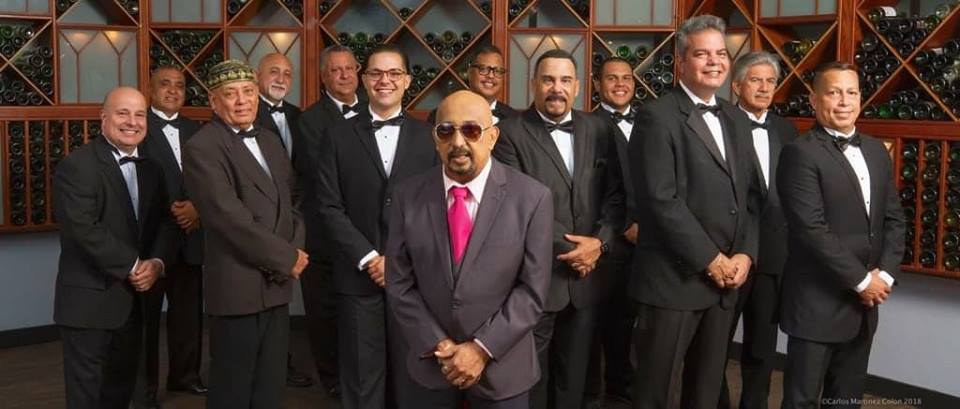
 

Papo Lucca. The Giant of the South

Latin America / Puerto Rico

Papo Lucca born in Ponce, Puerto Rico on April 2, 1946, Enrique ‘Papo’ Lucca began playing the piano at age 11 with his father’s orchestra. Initially, La Ponceña played versions of tropical hits of the moment by bands like Cortijo y su Combo and La Sonora Matancera.

Papo Lucca. The Giant of the South

In the late 1960s, Papo became the orchestra’s musical director, beginning a profound transformation that would eventually establish la Ponceña as one of the most progressive groups in the history of Afro-Caribbean music. Papo’s orchestrations were bold, experimenting with elements of jazz, rock, and Brazilian music. Representing the authentic spirit of Puerto Rican salsa, his piano solos were velvety, displaying elegance, restraint, and infinite swing.

During the mid-’70s, La Ponceña began to enjoy unprecedented success with critics and the public. The band recorded for the Inca label, which eventually became part of the Fania empire. Papo was invited to arrange and play on sessions for the company’s biggest artists, including Johnny Pacheco, Celia Cruz and Cheo Feliciano. He also recorded and toured with the Fania All Stars.

This compilation pays tribute to the art of Papo Lucca through 14 classic songs recorded between 1967 and 1981. Although Lucca has recorded as a solo artist and also collaborated with a multitude of salsa stars, it is his work with La Ponceña that best expresses the clarity of his vision.

The music we make has to make people happy, as well as make them dance. That’s what it’s all about, says Lucca from her home in Puerto Rico. When the public can dance, no matter how complicated the music is. The first theme that this genre had was to divulge the things that happened in the different communities, as if it were a newspaper.

Our journey begins with two fiery songs from the beginnings of La Ponceña: “Hachero Pa’Un Palo” and “Fuego En El 23” are versions of songs by Cuban Arsenio Rodríguez. La Ponceña always had a soft spot for Puerto Rican folklore, but she also found inspiration in the golden age of Cuban music.

La Sonora Ponceña
La Sonora Ponceña

The precise moment in which La Ponceña becomes a mature orchestra in total control of its aesthetics can be found in the six songs from the Musical Conquest/Conquista Musical and El Gigante Del Sur albums. Launched on the market in 1976 and 1977 respectively, they represent the pinnacle of the salsa movement.

These songs combine a musical skill that approaches virtuosity with deep lyrics and a generous sense of humor. “Ñáñara Caí” is a hilarious narrative of pure magical realism, describing a world where everything is turned upside down (my favorite phrase: I saw a cow/Hit with Pacheco). Also included in Musical Conquest, “El Pío Pío” achieves the perfect cross between Afro-Cuban rhythm and contagious pop. This hit is a mandatory part of all La Ponceña concerts.

The opening theme of the El Gigante Del Sur album, “Boranda” seems to offer a salsa version of progressive rock. Its lyrics contain an important sociopolitical message, and the sophistication of its arrangement is a slap in the face for all those who believe that this music is only for dancing. “Soy Tan Feliz” combines bolero climates with an electric piano solo that recalls the psychedelic sound of jazz-rock from the ’70s. “Noche Como Boca ‘E Lobo” creates a tasty collision between salsa fever and Brazilian rhythms.

Lucca was not alone in his mission to reinvent the rules of Puerto Rican dance music. It was also benefited by the prowess of some of the best instrumentalists on the island. Furthermore, his instinct for choosing singers was always irreproachable.

Some of the vocalists of la Ponceña that appear here are Tito Gómez, who would later find fame with the Grupo Niche de Colombia; the inimitable Luigi Texidor, who gave a sense of placidity to all the songs he performed; and Yolanda Rivera, who added variety to the band’s sound with her unique timbre.

One of Rivera’s happiest moments is included here: Coming from 1980’s Unchained Force, Johnny Ortiz’s “Borinquen” is a soulful anthem to Puerto Rico, blessed with a sinuous melody and subtle instrumental arrangement–one of Rivera’s happiest moments. transcendental within the Ponceña canon.

The golden days of salsa are a distant memory in the new millennium, but Papo Lucca hasn’t stopped shining. Perhaps precisely because he continues to record new music, he refuses to idealize the past when I ask him what his favorite album with “La Ponceña.”

The last one, the most recent, he explained in his characteristically introverted tone. All the albums are very important in the career of the orchestra. They all fulfilled their mission at the time, which was to reaffirm the previous one. That’s the way to maintain a pool after 50 years.

Papo Lucca
Papo Lucca

The teacher was a little more direct when I asked him about his favorite concert of all time.

It was my first concert with the Fania All Stars at Madison Square Garden, back in 1974, he said. All the stars of the Fania were still alive. A few years later we played in front of 47,000 people in Cali. My knees always shake before I go on stage, but this time they shook a little more.

Edwin Ortiz Y La Mafia Del Guaguancó is present in ISM

As all our readers already know, this section is always looking for the best Latin talents to give them the exposure they deserve and today is the case of New York producer and musician Edwin Ortiz, who was kind enough to share a bit of his story with us.   

Edwin is an artist who was born in the East Harlem section of New York, where he began his musical career with the full works and spent most of his life, but left that city with his pregnant wife to raise their son in a different environment. It was there that they moved to Washington DC, where the musician has continued to live and pursued his career to this day. 

Below, we will provide more info about the artist’s career during these moments and how he managed to become the great bandleader and musician he his today.   

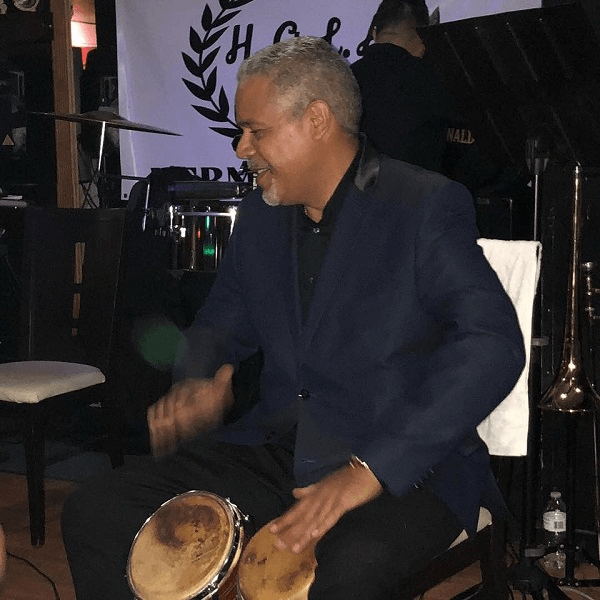
bongo player Edwin Ortiz
Bandleader and bongo player Edwin Ortiz kindly talked to us about his interesting career

Edwin’s music education   

Just as other great musicians, Edwin studied at the prestigious Johnny Colon Music School, the institution in which he learned a lot of what he knows today. His first lessons are focused to teaching how to play the flute alongside Mario Rivera, which can be said to be the first contact the young man had with music. However, it was not this instrument that would capture his attention, but the bongo. 

His brother Edgar Ortiz was an acclaimed bongocero in the Orquesta Las Siete Potencias and the Tito Puente Orchestra, so Edwin already had a lot to learn from. However, it was with acclaimed percussionist Manny Oquendo with whom he turned professional and decided to dedicate himself fully to the bongo as his main instrument, to the point that it is the only one he still plays today.   

Outside of his work as a musician, Edwin is in charge of everything about the management of his most recent orchestra Edwin Ortiz Y la Mafia del Guaguancó.   

Edwin Ortiz Y La Mafia del Guaguancó   

Before even thinking about founding his own orchestra, Edwin was involved in a number groups of different genres throughout the Washington DC Metro area, whose main genre was cumbia at the time. In that sense, the artist wanted a change in his style and to do something different from what he was playing at the time, although he knew it was ging to be hard.    

His big break came when the director of the band he was in at the time was going to move to the state of Florida, so he left Edwin in charge of the group in order to make the changes he believed were pertinent. That is when he took the opportunity to introduce salsa, a genre he had always been passionate about, in the metropolitan area with the resources he had on hand at the time. He invested in some 25 salsa arrangements and released a new version of the classic ”Olga Y Margara”, which was the first of many hits to come for his career. 

Edwin toca el bongó
Edwin playing the bongó live

Later, when he was finally creating an orchestra of his own, he took pains to find the best musicians possible, many of whom were recommended by friends and seen playing by Edwin himself. However, he would soon realize that the best musicians were not necessarily the best pieces he required for his band, which made him change his approach a bit when choosing the team that would accompany him in his project.   

At first, the project was called Orquesta La Romana, but it was not long before Edwin decided to call it ‘‘Edwin Ortiz y La Mafia del Guaguancó’’. This change was due to the fact that Bobby Quesada, a musician whom Edwin greatly admired, had an orchestra with the same name, but it had already disbanded by that time. He always liked the name ”La Mafia del Guaguancó” so he gave it to his own group. He knew how risky this move was and the displeasure of some of its members with the change, but fortunately it was worth it.   

Today, the musicians of the orchestra are affectionately known as ”the mafiosos” in the Washington DC Metro area, so this has become part of the band’s identity.    

Diferente A Las Demás 

One of their most recent musical works is entitled ”Diferente A Las Demás” and it is a tribute to women that was released in March, the month dedicated to them.    

With respect to this song, Edwin was telling us that he and his partner and the lead singer of the band Vivian Mojica had the opportunity to meet the talented musician Héctor Luis Pagán, who kindly invited them to his home and shared with them part of his repertoire, including the song ”Diferente A Las Demás”. Edwin loved it since the first time he heard it and Pagan gave it to him with pleasure. That is how the orchestra got down to work and recorded their own version of the song. 

Edwin y Vivian
La Mafia del Guaguancó vocalist Vivian and Edwin Ortiz

The first thing the bandleader did was look for the right arranger for it, who was Ramón Sánchez, and the producer he had always wanted to work with, Isidro Infante, whom Edwin has known for more than 30 years. 

Then came the recording, mixing and remastering. In the end, the chosen date was 1 March of this year as a tribute to International Women’s Day, achieving a result that made everyone in the orchestra very happy. 

Read also: Vocalist of La Moderna Tradición Eduardo Herrera and his fascinating story 

Toñito Laya

Latin America / Venezuela / Caracas

On this occasion we have the privilege of meeting the new Venezuelan talent Toñito Laya (singer), son of Maestro Antonio “20 DEDOS” Laya, who was one of the most significant conga players in the Venezuelan salsa movement in the 1980s, director of the “ Banbankere Orchestra” of Petare with two musical productions; giving him more than enough reason to grow in Latin music, such as “el Son”, “la Rumba”, “la Guaracha”, “el Danzón“, “Boogaloo”, “la Timba” and “la Salsa” being This is the beginning of his artistic and musical career.

Starting in the 90s, he entered the Bigott Foundation where he had the opportunity not only to learn the various rhythms in Afro-Venezuelan percussion, but also developed as a dancer in one of the most important groups in Venezuela when it comes to popular traditions. “Vasallos del Sol”, eventually becoming “Vasallos de Venezuela” in 2016, where he had 16 concerts, productions, albums and national and international tours; Colombia, Mexico, United States, South Korea and Japan, among others.

In 2006, a project called “Comprehensive School of Latin Tradition Dance 100% Tumbao” began, where many dancers were trained in the Cuban Salsa Casino genre, combining this training with Venezuelan traditions, making them understand that traditions come first. Venezuelans. Then they participated in the most important events and competitions in Venezuela, they even became Latin American Champions of “CUBAMEMUCHO 2009” in the city of Caracas-Venezuela, thus managing to represent the country in the grand final to be held in the city of Munich-Germany, 2010 .

Toñito Laya
Toñito Laya

He also tells us that in 2009, they were invited to participate in a new project but this time not to dance, but to “sing” in a group that by then had no name but a particular genre such as “Son Cubano” . From that moment Toñito began his musical career to develop in a somewhat unexpected way, he was a founder and assumed the commitment of being in charge of this group as one of its leading singers for more than 7 years, where the themes arose:

To me that, La Ruñidera, Bilongo, El Jamaiquino, I hear a drum, among others; They were part of his first musical repertoire. With two record productions together with the already structured band “La Séptima Bohemia” he consolidated his musical career as a singer, going through a training process with different teachers and vocal coaches such as:

Ronald González, Fanny Olano, Gustavo Gerardo and Marcial Istúriz, among others. others, who would help him develop in the middle of music. National tours, award nominations and concerts allowed him to share the stage alongside large-scale national and international groups such as:

Francisco Pacheco, Canelita Medina, Alexander Abre y su Habana de Primera, Manolito y su Trabuco, El Septeto Santiaguero, José Alberto “El Canario” to mention a few. Toñito records for the year 2012, the song “She takes me”, a song that in turn would be the title of the second album becoming an icon of parties, dances and social events not only in Venezuela but in many salsa and salsa dancing countries. casino in the world.

In the year 2016 Toñito Laya arrives in Aztec land to embark on a new path, he begins by residing in the city of Cancun-Mexico to sing in some local groups and participate in various projects such as: Los Panas.com, La Formula Perfecta, Grupo Swing Latin among others.

This new stage as an artist prompts him to consider a new musical challenge but this time as a solo singer with a well-defined and focused vision, his pleasant experience as a dancer motivates him to dedicate his first promotional single “ABRE QUE VOY”, this being the complement of an orchestra, for the musicians and their singers “EL BAILADOR”.

“ABRE QUE VOY” is the result of the work of talented and renowned Venezuelan musicians who give an important plus to this Musical production of “Maurice Melo”, this first single is created, performed by Toñito Laya, in the company of the Venezuelan talent of the following musicians:

  • Piano and arrangement: Joel Uriola.
  • Bass: Jesús Torres “Mandinga”
  • Percussion: Yomar Méndez “Caballo”
  • Trombone: Jhonal Rivero.
  • Trumpet: Edward Platter.
  • Baritone sax: Michel Peña.
  • Choirs: William “Wywy” Buznego, Carlos Guzmán and Ramfis Fajardo.
  • Recorded in the studio: A Tempo Records by Heyzer Cabrera.
  • Mixing and Mastering: Heyzer Cabrera.

Caracas – Venezuela 2018

If you want to meet or contact Toñito, you can follow him through:

●      E-mail: [email protected]

  • Facebook: https://www.facebook.com/tonito.laya
  • YouTube: https://www.youtube.com/channel/UCUkjU7SFnPc_W-XJDlMMzRg
  • Twitter: https://twitter.com/negrolaya
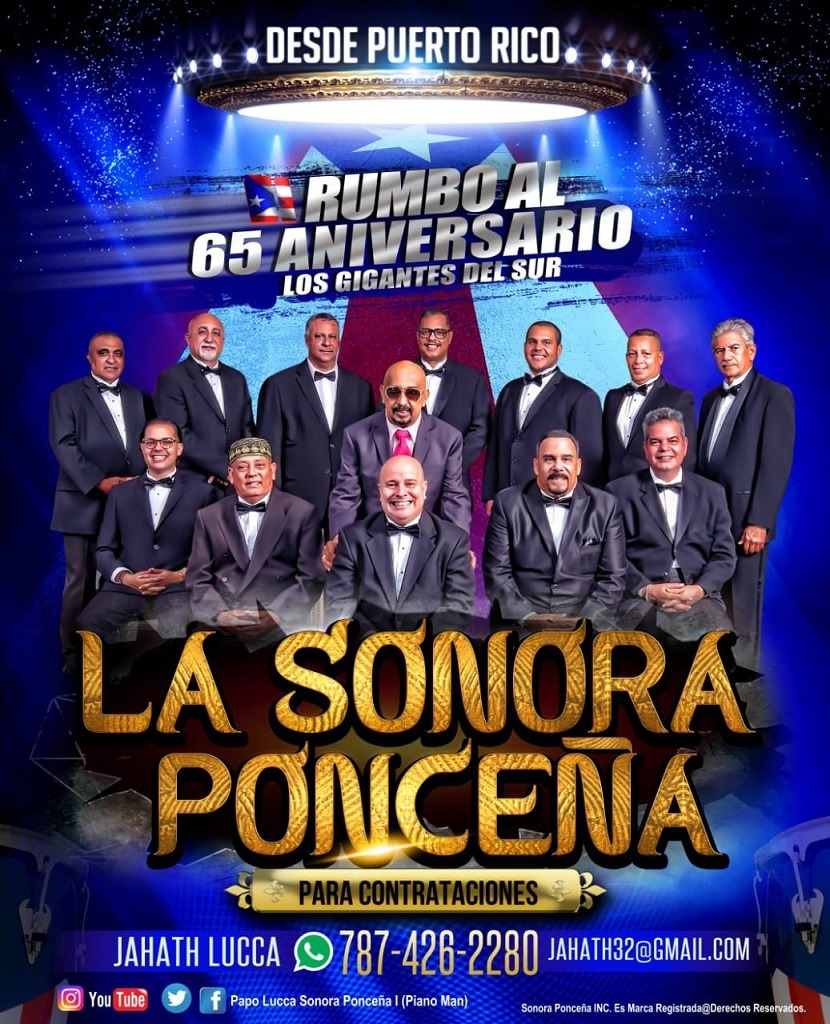
 

19va Entrega Anual de los Latin Grammy

North America / USA / Las Vegas

19th Annual Latin Grammy Awards. The most important award ceremony of the Latin American Music Industry will be held for the fourth time in Las Vegas, Nevada

The main international event in Spanish that brings together the best of Spanish-speaking music reaches its nineteenth live broadcast, from the MGM Grand Garden Arena in Las Vegas, Nevada for the fourth time, to reward and honor the achievements of professionals of music throughout the year. The ceremony of the 19th Latin Grammy Awards is here, and on November 15 you will be able to enjoy it through the Univisión signal for the United States and with the #LatinGrammy you will be able to follow it minute by minute during its three hours of transmission by all social networks.

19 Latin Grammy Nominaciones
The most important night of Latin music 19 Latin Grammy
Congratulations Latin Grammy Nominees

Each year the Latin Recording Academy awards recognition to Latin music in 49 categories for work recorded in two languages: Spanish and Portuguese. This prestigious institution also endorses musical genres, identifies new talent, recognizes legendary living artists, and preserves and archives both recordings and videos in order to preserve the valuable Latin American musical culture.

The global impact that Spanish-language recordings have caused this 2017-2018 has proven once again that this year each category will be close to its maximum exponential, which shows that MUSIC made by Latinos has an enormous export capacity, and further evidence that the Latin Grammy awards continue to be one of the specials with the largest audience in the country, as it integrates the largest audience of diverse generations united to witness the annual event with the greatest presence of artistic talent gathered in the same show.

FOR THIS 19TH AWARD OF THE LATIN GRAMMYS, THE NOMINEES ARE:

BEST SALSA ALBUM

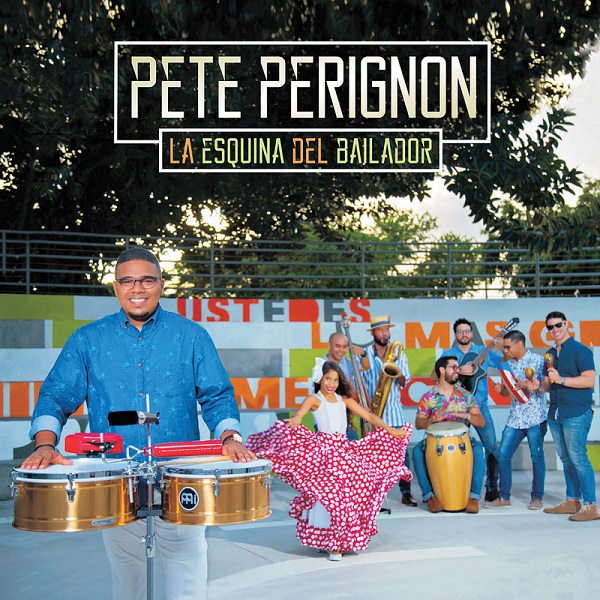
  1. Dancer’s Corner

Pete perignon

Record Label: Pete Perignon Music

“La Esquina Del Bailador” is the second production by musical director and master percussionist, Pete Perignon. This album contains five unreleased singles and five re-interpretations of classics. “Gotita Falling in Key” was his first promotional theme. This album released in 2017 has versions of classics with modern arrangements such as: “De Mi Para Ti” (Bossa recorded by Tito Puente and Santos Colón), “El Beso Discreto” original from the Cuban songbook Trio Matamoros, among many other original songs and versioned

Pete Perignon
Pete Perignon
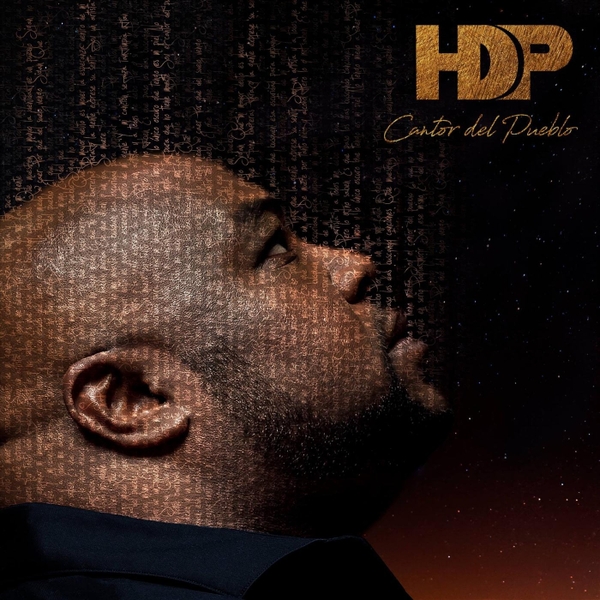
  1. Village Singer

Alexander Abreu and Havana D’ Primera

Record Label: Páfata Productions

Alexander Havana D Primera - Cantor del Pueblo
Alexander Havana D Primera – Cantor del Pueblo
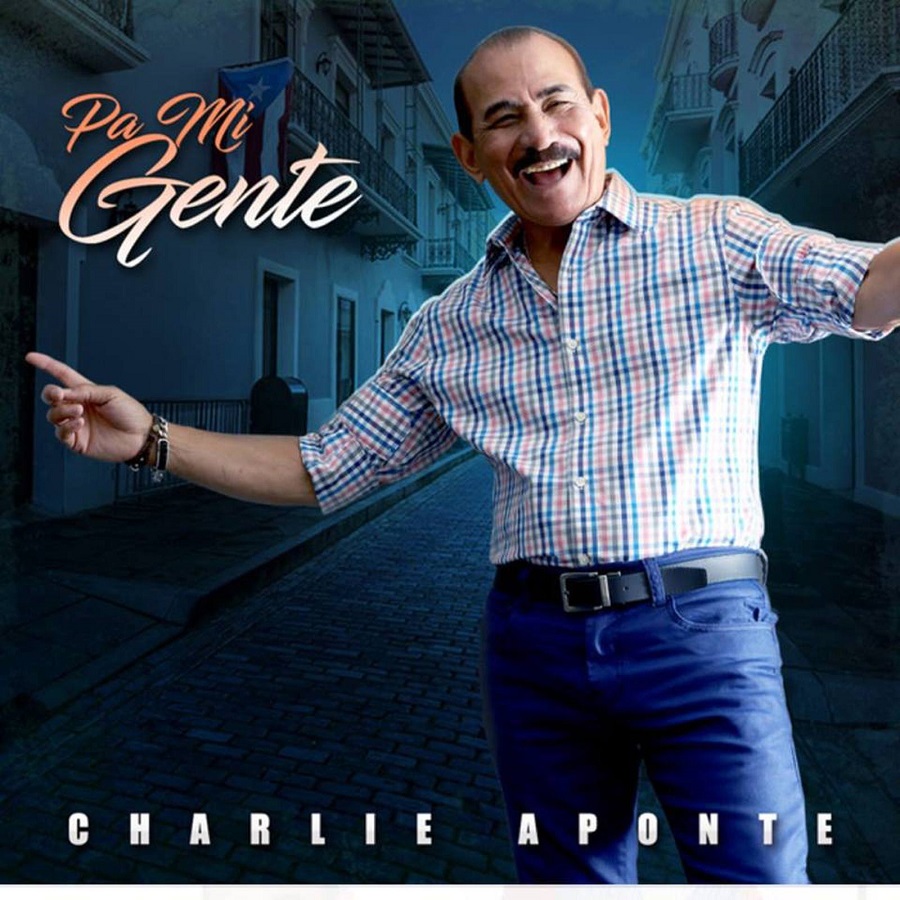
  1. For My People

Charlie aponte

Record Label: CA Records Inc.

Charlie Aponte
Charlie Aponte
  1. The Sound Makers

Chiquito Team Band

Record Label: Planet Records

Chiquito Team Band - Los Creadores
Chiquito Team Band – Los Creadores
  1. 7/25

Victor Manuelle

Record Label: Sony Music Latin

Victor Manuelle y Juan Luis Guerra

BEST TRADITIONAL TROPICAL ALBUM

  1. To Me What – Tribute To The Cuban Classics

José Alberto El Canario & The Santiaguero Septet

Record Label: Los Canarios Music

In this category, the Septeto Santiaguero, originally from Cuba, is nominated for its fourth album “A Mí Qué- Tributo A Los Clásicos Cubanos”. This ensemble founded in 1995 recorded this production in the company of the Dominican interpreter José Alberto “El Canario” and other music stars. This record material has 13 Tracks and was released on May 25, 2018.

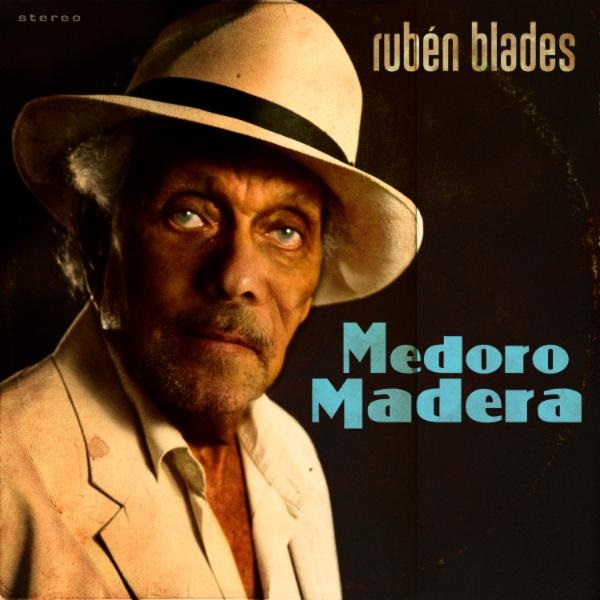
  1. Medoro Madera

Rubén Blades With Roberto Delgado and Orchestra

Record Label: Ruben Blades Productions

Medoro Madera
Medoro Madera
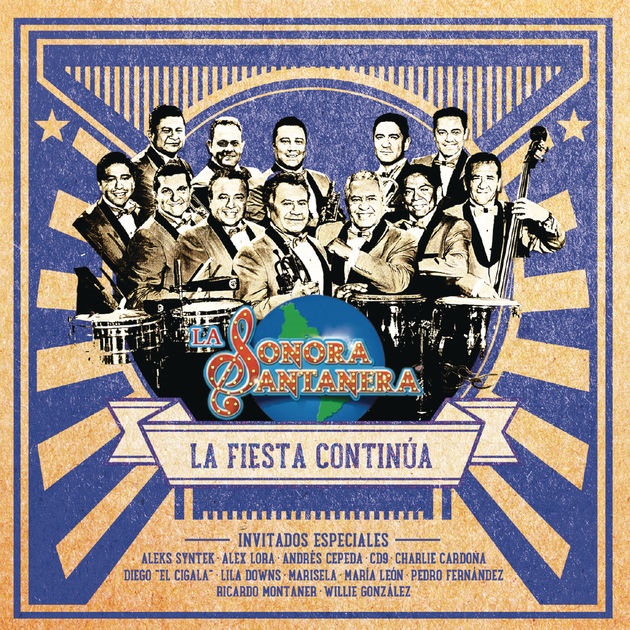
  1. The Party Continues

The Sonora Santanera

Record Label: Sony Music

Sonora Santanera
Sonora Santanera
  1. Omara Always

Omara Portuondo

Record Label: Egrem

Omara
Omara
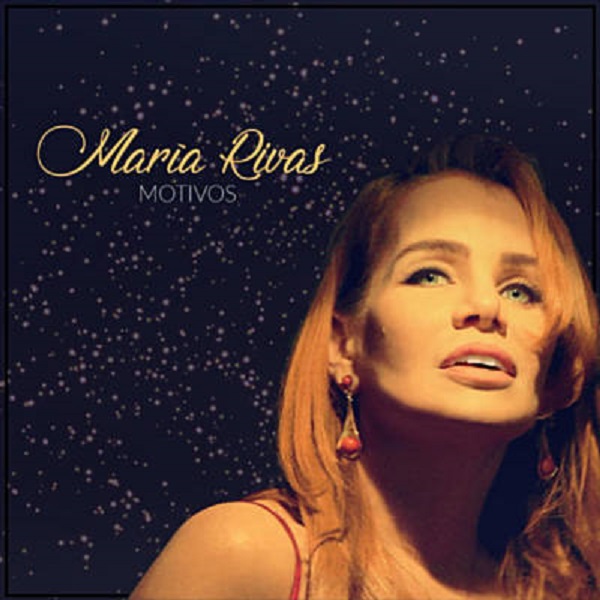
  1. Reasons

Maria Rivas

Record Label: Angel Falls Artists Inc.

Maria Rivas
Maria Rivas

BEST TROPICAL SONG

  1. I want time

Juan Carlos Luces & Víctor Manuelle, songwriters (Víctor Manuelle Featuring Juan Luis Guerra)

Cut off: 7/25

Record Label: Sony Music Latin

Victor Manuelle 25/7

The prominent Puerto Rican singer-songwriter and producer, Víctor Manuelle, began his professional career in 1993, and to date has sold millions of records worldwide. He has earned 16 LATIN GRAMMY and GRAMMY nominations, thus establishing himself as one of the most admired artists of his generation. He has placed 46 singles on Billboard’s weekly Hot Latin Songs chart. Eleven of his albums have reached the place of honor in the Salsa genre for sales in the United States and Puerto Rico.

His hit “Imaginar” (2016) as a duo with urban artist Yandel, broke records, reaching #1 on the tropical charts thanks to his fusions of salsa with urban rhythms. In addition, it was named the most popular tropical song of that year, marking the third time that Víctor has obtained this important recognition, after his hits “Me Da Lo Mismo” and “ Tengo Ganas”.

Tonny Succar
Tonny Succar

In this 2018, Víctor celebrates his silver anniversary as a professional artist with his new record label “25/7” under the Sony Music Latin label. This album nominated for best Salsa album features collaborations with international artists, such as: Wisin, Bad Bunny, Juan Luis Guerra, Gilberto Santa Rosa and Glenn Monroig. The single “Quiero Tiempo” taken from this production is designated as one of the candidates to win the award in this important category.

  1. Marry Me

Silvestre Dangond, Nicky Jam, Juan Medina, Mauricio Rengifo & Andrés Torres, songwriters (Silvestre Dangond Featuring Nicky Jam)

Record Label: Sony Music Entertainment US Latin

Marry Me Silvestre Dangond ft Nicky Jam
  1. Fall in love dancing

Jorge Luis Piloto, songwriter (Reynier Pérez y Su Septeto Acarey Featuring Gilberto Santa Rosa)

Cut from: Fall in Love Dancing

Record Label: Independent

SEPTETO ACAREY
SEPTETO ACAREY
  1. I fall more in love with you

Jorge Luis Piloto, Jean Rodríguez & Tony Succar, songwriters (Tony Succar Featuring Jean Rodríguez)

Record Label: Unity Entertainment

  1. Simple Hearts

Fonseca, Mauricio Rengifo & Andrés Torres, songwriters (Fonseca)

Record Label: Sony Music Latin


BEST LATIN JAZZ/JAZZ ALBUM

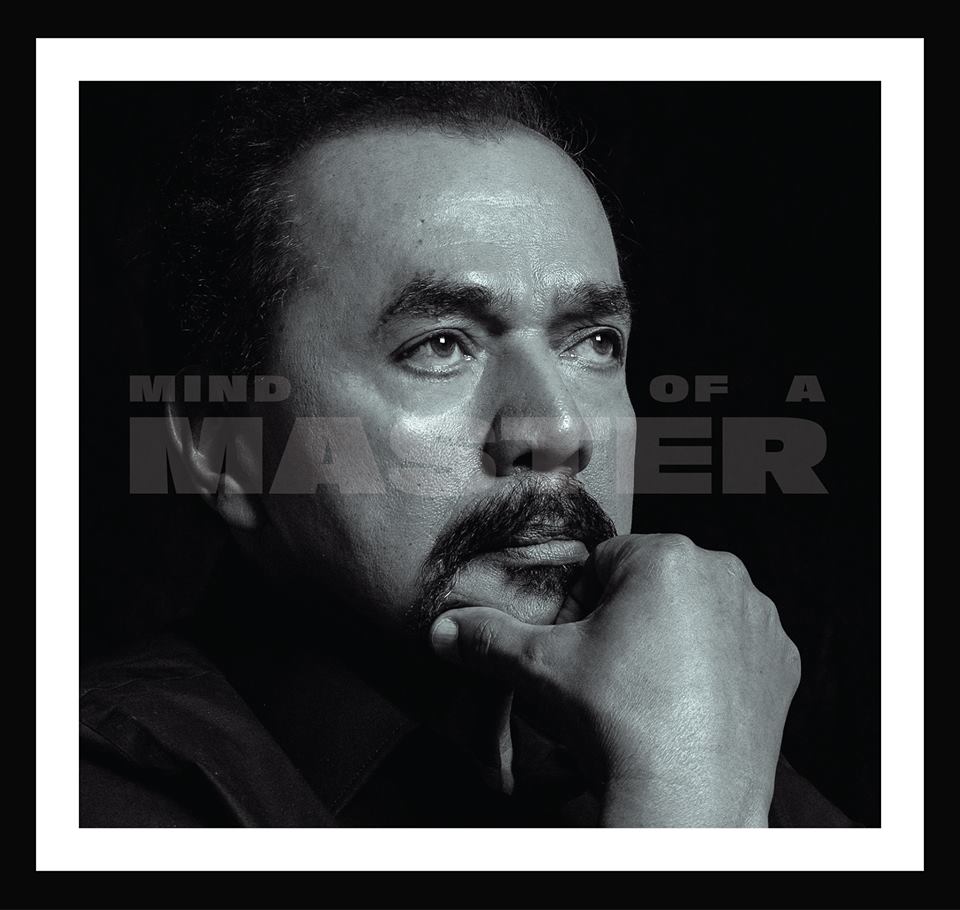
  1. Mind of a Master

Bobby Valentin & The Latin Jazzists

Record Label: Bronco Records

Bobby Valentin
Bobby Valentin
Tracks:
1. De Nuevo a la Carga 7.El Cumbanchero
2. Latin Gravy 8.Mellow Funk
3.Orocoa 9. Endless Love
4.Smooth Ride 10.Freedom
5.Blast Off 11. God Bless the Child
6. Coco Seco  


Roberto Valentin, better known as Bobby Valentin, was born on June 9, 1941 in the town of Orocovis on the island of Puerto Rico. At a very young age, Bobby learned to play the guitar thanks to the teachings of his father. At just 11 years old, he formed his first musical trio with which he won his first prize, after participating in a local competition. In 1963 Bobby Valentin joined the Tito Rodríguez orchestra traveling to Venezuela twice.

This phenomenal bass player and arranger belonged to the Fania All Stars for 20 years and also arranged music at the same time for celebrities such as: Charlie Palmieri, Joe Quijano, Willie Rosario and Ray Barretto.

In 1975 he formed his own record label “Bronco Records” and released the album, “Va a la Cárcel” Vol. 1 and Vol. 2, among others.

Over the years, Bobby has made collaborations on recordings for great artists of international fame, such as: Larry Harlow, Ismael Miranda, Roberto Roena, Cheo Feliciano and the always remembered, Celia Cruz.

Likewise, Valentin has taken over the stages performing live in the United States during this year, and more recently launched his new production “Mind of a Master”, on April 14, 2018, with which he is nominated. for this important award.

  1. The House Of A Jazz Pianist

Adrian Iaies Trio

Record Label: DBN

  1. Universal Nature

Hermeto Pascoal & Big Band

Record Label: Scubidu Music

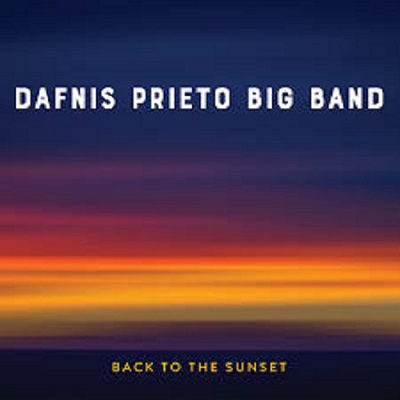
  1. Back To The Sunset

Dafnis Prieto Big Band

Record Label: Dafnison Music

PRIETO
PRIETO
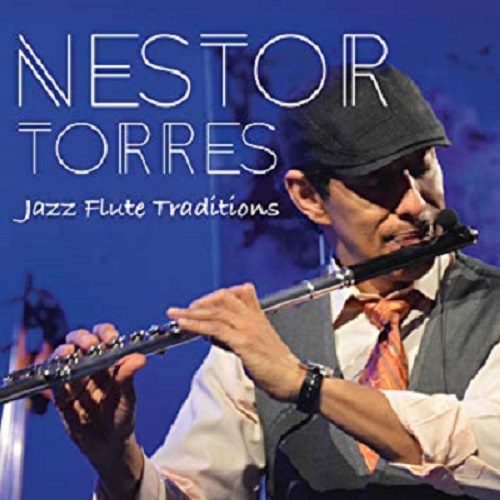
  1. Jazz Flute Traditions

Nestor Torres

Record Label: Alfi Records

Nestor Torres
Nestor Torres

For more information visit the official website of the Latin Recording Academy:

https://www.latingrammy.com/en

  • « Go to Previous Page
  • Page 1
  • Interim pages omitted …
  • Page 14
  • Page 15
  • Page 16
  • Page 17
  • Page 18
  • Interim pages omitted …
  • Page 42
  • Go to Next Page »

International Salsa Magazine (ISM) is a monthly publication about Salsa activities around the world, that has been publishing since 2007. It is a world network of volunteers coordinated by ISM Magazine. We are working to strengthen all the events by working together.