• Skip to primary navigation
  • Skip to main content

International Salsa Magazine

  • HOME
  • Previous editions
    • 2026
      • ISM / April 2026
      • ISM / March 2026
      • ISM / February 2026
      • ISM / January 2026
    • 2025
      • ISM / December 2025
      • ISM / November 2025
      • ISM / October 2025
      • ISM / September 2025
      • ISM / August 2025
      • ISM / July 2025
      • ISM / June 2025
      • ISM / May2025
      • ISM / April 2025
      • ISM / March 2025
      • ISM / February 2025
      • ISM / January 2025
    • 2024
      • ISM / December 2024
      • ISM / November 2024
      • ISM / October 2024
      • ISM / September 2024
      • ISM / August 2024
      • ISM / July 2024
      • ISM / June 2024
      • ISM / May 2024
      • ISM / April 2024
      • ISM / March 2024
      • ISM / February 2024
      • ISM / January 2024
    • 2023
      • ISM / December 2023
      • ISM / November 2023
      • ISM / October 2023
      • ISM – September 2023
      • ISM – August 2023
      • ISM July 2023
      • ISM Edition June 2023
      • ISM – May 2023
      • ISM April 2023
      • ISM March 2023
      • ISM February 2023
      • ISM January 2023
    • 2022
      • ISM December 2022
      • ISM November 2022
      • ISM October 2022
      • ISM September 2022
      • ISM August 2022
      • ISM July 2022
      • ISM June 2022
      • ISM May 2022
      • ISM February 2022
      • ISM January 2022
    • 2021
      • ISM December 2021
      • ISM November 2021
      • ISM October – 2021
      • ISM September 2021
      • ISM August 2021
      • ISM July 2021
      • ISM May 2021
      • ISM April 2021
      • ISM June 2021
      • ISM March 2021
      • ISM February 2021
      • ISM January 2021
    • 2020
      • ISM December 2020
      • ISM November 2020
      • ISM October 2020
      • ISM September 2020
      • ISM August 2020
      • ISM July 2020
      • ISM June 2020
      • ISM May 2020
      • ISM April 2020
      • ISM March 2020
      • ISM February 2020
      • ISM January 2020
    • 2019
      • ISM December 2019
      • ISM November 2019
      • ISM October 2019
      • ISM Septembre 2019
      • ISM August 2019
      • ISM July 2019
      • ISM June 2019
  • Spanish
  • Download Salsa App
    • Android
    • Apple

Search Results for: rhythm

Toñito Laya

Latinoamerica / Venezuela / Caracas

On this occasion we have the privilege of meeting the new Venezuelan talent Toñito Laya (singer), son of Maestro Antonio “20 DEDOS” Laya, who was one of the most significant conga players in the Venezuelan salsa movement in the 1980s, director of the “ Banbankere Orchestra” of Petare with two musical productions; giving him more than enough reason to grow in Latin music, such as “el Son”, “la Rumba“, “la Guaracha”, “el Danzón”, “Boogaloo”, “la Timba” and “la Salsa” being This is the beginning of his artistic and musical career.

Starting in the 90s, he (Toñito Laya) entered the Bigott Foundation where he had the opportunity not only to learn the various rhythms in Afro-Venezuelan percussion, but also developed as a dancer in one of the most important groups in Venezuela when it comes to popular traditions. “Vasallos del Sol”, eventually becoming “Vasallos de Venezuela” in 2016, where he had 16 concerts, productions, albums and national and international tours; Colombia, Mexico, United States, South Korea and Japan, among others.

Toñito Laya flyer
Toñito Laya flyer

In 2006, a project called “Comprehensive School of Latin Tradition Dance 100% Tumbao” began, where many dancers were trained in the Cuban Salsa Casino genre, combining this training with Venezuelan traditions, making them understand that traditions come first. Venezuelans. Then they participated in the most important events and competitions in Venezuela, they even became Latin American Champions of “CUBAMEMUCHO 2009” in the city of Caracas-Venezuela, thus managing to represent the country in the grand final to be held in the city of Munich-Germany, 2010.

He also tells us that in 2009, they were invited to participate in a new project but this time not to dance, but to “sing” in a group that by then had no name but a particular genre such as “Son Cubano” . From that moment Toñito began his musical career to develop in a somewhat unexpected way, he was a founder and assumed the commitment of being in charge of this group as one of its leading singers for more than 7 years, where the themes arose: To me that, La Ruñidera, Bilongo, El Jamaiquino, I hear a drum, among others; They were part of his first musical repertoire.

With two record productions together with the already structured band “La Séptima Bohemia” he consolidated his musical career as a singer, going through a training process with different teachers and vocal coaches such as: Ronald González, Fanny Olano, Gustavo Gerardo and Marcial Istúriz, among others. others, who would help him develop in the middle of music.

National tours, award nominations and concerts allowed him to share the stage alongside large-scale national and international groups such as: Francisco Pacheco, Canelita Medina, Alexander Abre y su Habana de Primera, Manolito y su Trabuco, El Septeto Santiaguero, José Alberto “El Canario” to mention a few. Toñito records for the year 2012, the song “She takes me”, a song that in turn would be the title of the second album becoming an icon of parties, dances and social events not only in Venezuela but in many salsa and salsa dancing countries. casino in the world.

In the year 2016 Toñito Laya arrives in Aztec land to embark on a new path, he begins by residing in the city of Cancun-Mexico to sing in some local groups and participate in various projects such as: Los Panas.com, La Formula Perfecta, Grupo Swing Latin among others.

This new stage as an artist prompts him to consider a new musical challenge but this time as a solo singer with a well-defined and focused vision, his pleasant experience as a dancer motivates him to dedicate his first promotional single “ABRE QUE VOY”, this being the complement of an orchestra, for the musicians and their singers “EL BAILADOR”.

“ABRE QUE VOY” is the result of the work of talented and renowned Venezuelan musicians who give an important plus to this Musical production of “Maurice Melo”, this first single is created, performed by Toñito Laya, in the company of the Venezuelan talent of the following musicians:

  • Piano and arrangement: Joel Uriola.
  • Bass: Jesús Torres “Mandinga”
  • Percussion: Yomar Méndez “Caballo”
  • Trombone: Jhonal Rivero.
  • Trumpet: Edward Platter.
  • Baritone sax: Michel Peña.
  • Choirs: William “Wywy” Buznego, Carlos Guzmán and Ramfis Fajardo.
  • Recorded in the studio: A Tempo Records by Heyzer Cabrera.
  • Mixing and Mastering: Heyzer Cabrera. Caracas – Venezuela 2018

If you want to meet or contact Toñito, you can follow him through:

  • Correo: [email protected]
  • Facebook: https://www.facebook.com/tonito.laya
  • YouTube: https://www.youtube.com/channel/UCUkjU7SFnPc_W-XJDlMMzRg
  • Instagram: https://www.instagram.com/tonitolaya/
  • Twitter: https://twitter.com/negrolaya
 

Brisa Tropical con Taino

North America / USA / Oklahoma

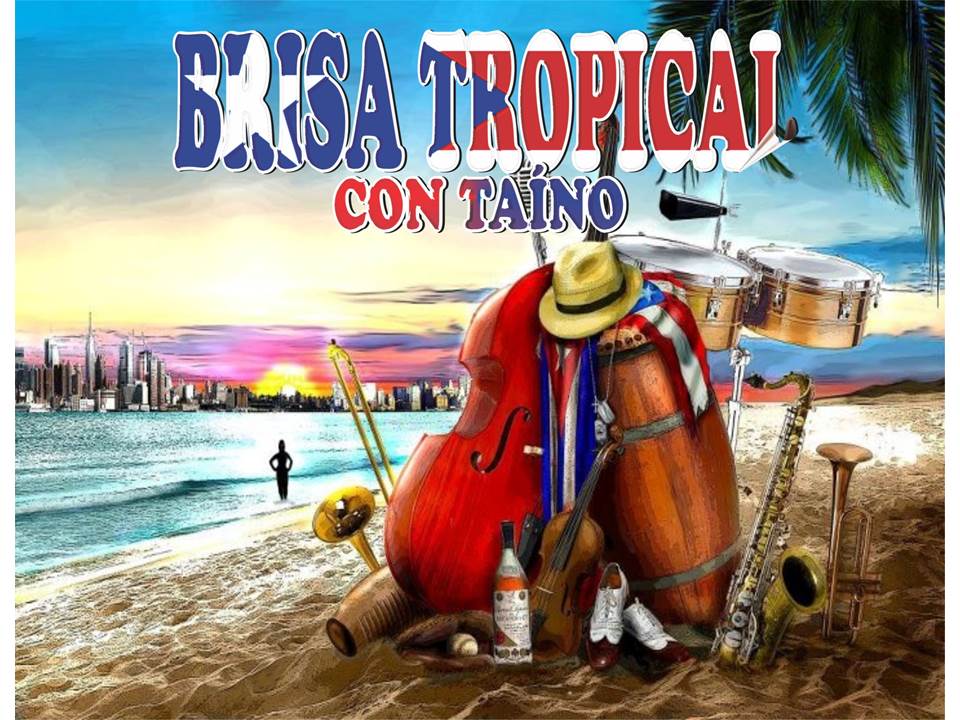
Brisa Tropical con Taino. The Oklahoma´s Salsero program in Spanish

For almost 30 years, the state of Oklahoma has among its ranks of entertainment, “Brisa Tropical con Taino”, the first spanish radio show with Salsero sound, made especially for the Latin community in the country.

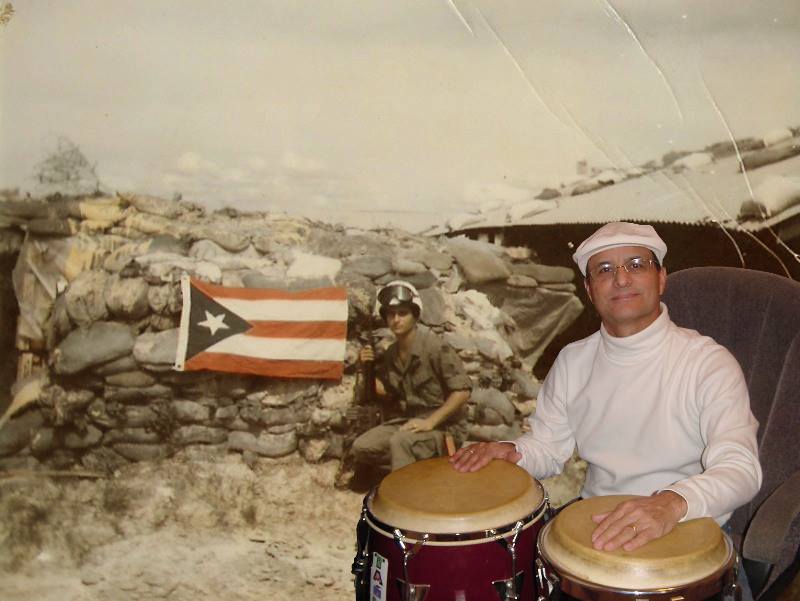
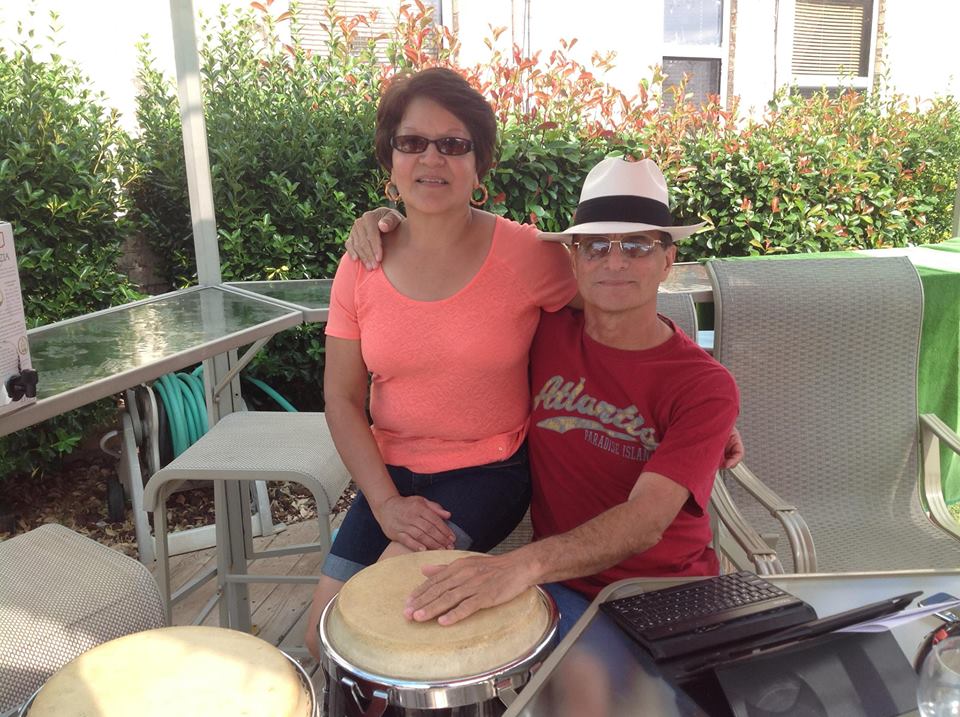
Its creator, founder, host and producer is the Puerto Rican Lino “Taino” Roldán Torres, a Disabled Vietnam and Persian Gulf wars Veteran, salsa lover, who together with his wife Carmen decided to undertake this project for the Latin market unattended for so many years.

Brisa Tropical with Taino

This pioneering program began its transmission for the first time in 1992, through the Amplitude Modulation (AM) dial. At first, this format had three hours of broadcast of only Tropical Music in its programming, novelty that made him a creditor of a preferential site in Frequency Modulation (FM) in 1995, with a duration of one hour in addition to the one established at the beginning in the AM circuit.

This way, Brisa Tropical con Taino had a total of four hours of continuous Latin music with advertising spaces, musical information and artists´ biographies, these transmissions lasted 18 uninterrupted years in that radio space.

Nam - Brisa Tropical con Taino
Nam – Brisa Tropical con Taino

“AN ANNOUNCER SHOULD FOCUS ON THE MUSIC AND LEAVE ASIDE ANY OTHER SUBJECTS THAT ARE NOT APPROPRIATE.”

Lino started with the idea of a Latin program for Latinos at a Local Radio Station when he arrived in Oklahoma after his work in the military in the early 90’s, at the same time, this retired military man with 23 years of service also worked as a DJ in two European countries: Italy and Germany. “… When I arrived to Oklahoma, I noticed the absence of a radio station in Spanish of tropical rhythms, such as Salsa, Merengue, Etc.

Taino in the studio
Taino in the studio

I went to several radio stations, but they were not interested in having a program in Spanish. I went to the commercial establishments of the city and told them about my idea that would bring them a market that was unexplored (the Hispanic market). The merchants and other commercial institutions immediately told me that they would give me their support. I presented the idea to an AM station, and they accepted it. (My goal was FM, but this opened the doors)”, Taino told us.

Currently, Brisa Tropical con Taino is developed only by network 2.0 since 2015, going from a Radio Program to a Digital Salsera Station with 24 hours programming each day with live interruptions between 10AM and 3PM, using that is commonly known as “Voice Track” for the rest of the time.

With this change, this interactive Web Station based in the city of Jenks, south of Tulsa in Oklahoma, has managed to obtain a loyal and numerous audience in Europe, the Caribbean, all of Latin America, the United States, and especially in remote areas such as: Iraq and Afghanistan, where the station fulfills a gratifying mission, as they carry greetings from the hundreds of soldiers deployed in those war zones to their relatives in the U.S. and Puerto Rico.

The also sociologist, Lino Roldan, along with his wife and great collaborating friends, are responsible for producing the varied programming for all Salseras generations all week, as well as to bring information capsules about Health, Consumer, Home Security, Maintenance of automobiles, etc., always with the firm purpose of bringing entertainment and, at the same time, education for the listening public.

Taino
Taino

“… LA SALSA LLEGÓ PARA QUEDARSE Y ES MUNDIAL”

This non-profit digital broadcaster is committed to the community, sponsoring Salsa events (without cost) such as: cruises and artist presentations, as well as helping to promote several activities of various organizations. In the same way, they are always present and united with the community in cases of emergencies such as natural disasters caused by the past hurricanes Mitch (1998) and María (2017), collaborating with the collection of food for the victims.

Lino “Taino” Roldán, as a good Salsa lover, hopes to continue praising this tropical music for many years, transmitting through his digital station different interpreters’ songs from all over the world, and to continue with this important work and pasion, Lino and Carmen need to raise $1000 in the account opened in “Go Fund Me” for maintenance expenses and music royalties that they promote. Would you like to help them?

Carmen and Lino Roldán - Brisa Tropical with Taino
Carmen and Lino Roldán – Brisa Tropical with Taino

“… AT MY AGE, PROJECTS AND GOALS ARE DONE EVERY DAY. I FEEL HAPPY WITH WHAT I DO”. Lino Roldán

For more information, please visit www.brisatropical.com or download the app for Smartphone Radio La Brisa Tropical.

Papo Lucca. The Giant of the South

Latin America / Puerto Rico

Papo Lucca born in Ponce, Puerto Rico on April 2, 1946, Enrique ‘Papo’ Lucca began playing the piano at age 11 with his father’s orchestra. Initially, La Ponceña played versions of tropical hits of the moment by bands like Cortijo y su Combo and La Sonora Matancera.

Papo Lucca. The Giant of the South

In the late 1960s, Papo became the orchestra’s musical director, beginning a profound transformation that would eventually establish la Ponceña as one of the most progressive groups in the history of Afro-Caribbean music. Papo’s orchestrations were bold, experimenting with elements of jazz, rock, and Brazilian music. Representing the authentic spirit of Puerto Rican salsa, his piano solos were velvety, displaying elegance, restraint, and infinite swing.

During the mid-’70s, La Ponceña began to enjoy unprecedented success with critics and the public. The band recorded for the Inca label, which eventually became part of the Fania empire. Papo was invited to arrange and play on sessions for the company’s biggest artists, including Johnny Pacheco, Celia Cruz and Cheo Feliciano. He also recorded and toured with the Fania All Stars.

This compilation pays tribute to the art of Papo Lucca through 14 classic songs recorded between 1967 and 1981. Although Lucca has recorded as a solo artist and also collaborated with a multitude of salsa stars, it is his work with La Ponceña that best expresses the clarity of his vision.

The music we make has to make people happy, as well as make them dance. That’s what it’s all about, says Lucca from her home in Puerto Rico. When the public can dance, no matter how complicated the music is. The first theme that this genre had was to divulge the things that happened in the different communities, as if it were a newspaper.

Our journey begins with two fiery songs from the beginnings of La Ponceña: “Hachero Pa’Un Palo” and “Fuego En El 23” are versions of songs by Cuban Arsenio Rodríguez. La Ponceña always had a soft spot for Puerto Rican folklore, but she also found inspiration in the golden age of Cuban music.

La Sonora Ponceña
La Sonora Ponceña

The precise moment in which La Ponceña becomes a mature orchestra in total control of its aesthetics can be found in the six songs from the Musical Conquest/Conquista Musical and El Gigante Del Sur albums. Launched on the market in 1976 and 1977 respectively, they represent the pinnacle of the salsa movement.

These songs combine a musical skill that approaches virtuosity with deep lyrics and a generous sense of humor. “Ñáñara Caí” is a hilarious narrative of pure magical realism, describing a world where everything is turned upside down (my favorite phrase: I saw a cow/Hit with Pacheco). Also included in Musical Conquest, “El Pío Pío” achieves the perfect cross between Afro-Cuban rhythm and contagious pop. This hit is a mandatory part of all La Ponceña concerts.

The opening theme of the El Gigante Del Sur album, “Boranda” seems to offer a salsa version of progressive rock. Its lyrics contain an important sociopolitical message, and the sophistication of its arrangement is a slap in the face for all those who believe that this music is only for dancing. “Soy Tan Feliz” combines bolero climates with an electric piano solo that recalls the psychedelic sound of jazz-rock from the ’70s. “Noche Como Boca ‘E Lobo” creates a tasty collision between salsa fever and Brazilian rhythms.

Lucca was not alone in his mission to reinvent the rules of Puerto Rican dance music. It was also benefited by the prowess of some of the best instrumentalists on the island. Furthermore, his instinct for choosing singers was always irreproachable.

Some of the vocalists of la Ponceña that appear here are Tito Gómez, who would later find fame with the Grupo Niche de Colombia; the inimitable Luigi Texidor, who gave a sense of placidity to all the songs he performed; and Yolanda Rivera, who added variety to the band’s sound with her unique timbre.

One of Rivera’s happiest moments is included here: Coming from 1980’s Unchained Force, Johnny Ortiz’s “Borinquen” is a soulful anthem to Puerto Rico, blessed with a sinuous melody and subtle instrumental arrangement–one of Rivera’s happiest moments. transcendental within the Ponceña canon.

The golden days of salsa are a distant memory in the new millennium, but Papo Lucca hasn’t stopped shining. Perhaps precisely because he continues to record new music, he refuses to idealize the past when I ask him what his favorite album with “La Ponceña.”

The last one, the most recent, he explained in his characteristically introverted tone. All the albums are very important in the career of the orchestra. They all fulfilled their mission at the time, which was to reaffirm the previous one. That’s the way to maintain a pool after 50 years.

Papo Lucca
Papo Lucca

The teacher was a little more direct when I asked him about his favorite concert of all time.

It was my first concert with the Fania All Stars at Madison Square Garden, back in 1974, he said. All the stars of the Fania were still alive. A few years later we played in front of 47,000 people in Cali. My knees always shake before I go on stage, but this time they shook a little more.

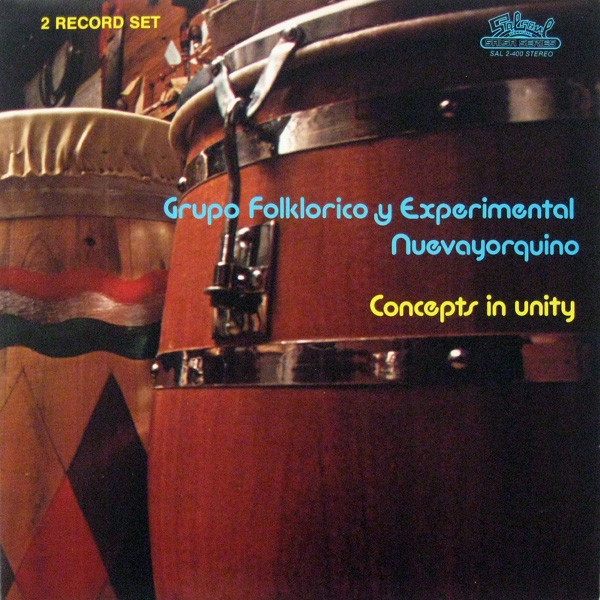
Virgilio Martí participated as aVirgilio Martí participated as a vocalist in the Grupo Folklórico Experimental Newyorkino in which he composed the song “Cuba Linda”

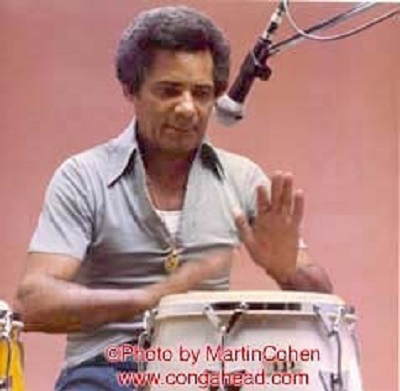
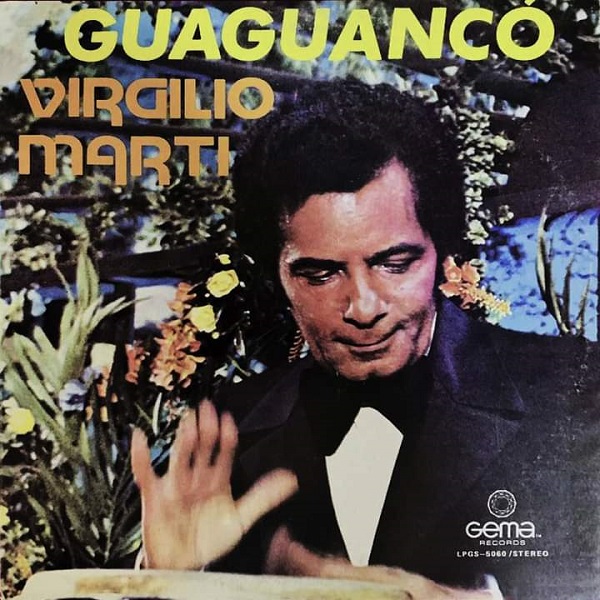
Virgilio Martí, born in the year 1919 Havana, Cuba, Rino Rumbero, Singer, Composer, Arranger, Percussionist, Actor and Orchestra Director, well known since the late 40’s, especially as a guaguancó singer.

He began touring the world in 1949 and met his later wife in 1960 in Peru.

Virgilio Martí participated as a vocalist in the Grupo Folklórico Experimental Newyorkino in which he composed the song "Cuba Linda".
Virgilio Martí participated as a vocalist in the Grupo Folklórico Experimental Newyorkino in which he composed the song “Cuba Linda”.

That same year, he settled in New York, participating in the local scene.

He participated in the LP “Patato y Totico” in 1967, he also participated with his brother Eloy Martí, in a Quintet accompanied by Gene Golden, for the year 1979.

Israel López (Cachao), Arsenio Rodríguez, Héctor Cadavieco, Francisco Valdés, Papaíto, Tony Mayari and Mario Cadavieco also worked on that album.

He participated in the “Grupo Folklórico Experimental Newyorkino”, where he was their vocalist and percussionist, in 1975. During his stay with them, he composed the song “Cuba Linda”.

"Grupo Folklórico Experimental Newyorkino, donde fue vocalista y percusionista del mismo, en 1975
“Grupo Folklórico Experimental Newyorkino, donde fue vocalista y percusionista del mismo, en 1975

Another work of Martí of great remembrance is the album entitled: “Saludando A Los Rumberos”, published by the Caimán label in the early 80’s and in which the Cuban acts as vocalist and main star. In it, Martí is involved with talents such as: Tony Cofresí, Andy and Jerry González, Yomo Toro, Paquito Pastor, Ray Romero, Claudio Roditti and Ignacio Berroa, among others.

Virgilio Martí, born 1919 Havana, Cuba.

“Iya Modapue”, constitutes in itself, a guaguancó with open rumba being at the same time the favorite number of the “Grupo Folklórico”, and even the first groove that was recorded.

The levels of experimentation and the freedom to unload several rhythms in a single musical performance are the factors producing the attraction of the musicians for “Iya Modupue” (which means Thank You Mother).

The vocal part is in the hands of Virgilio Martí. The trumpet of “Chocolate” Armenteros, the trombones of José Rodríguez and Reinaldo Jorge, the flute of Gonzalo Fernández and the percussion of Frankie Rodríguez stand out.

“Se Me Olvidó” – a bolero by Lolita de la Colina – but adapted in guaguancó to the style of the Grupo Folklórico, which, by the way, turned out to be the piece with the greatest radio airplay in the tropical environment and, therefore, the one that would open the doors to the group. The song was performed by Virgilio Martí, who also plays the congas. In “Se Me Olvidó”, the violin of Cuban Alfredo de la Fe, the quinto of Julito Collazo, the street redoblante of Jerry González and a Mexican marimba played by Andy González in counterpoint to the notes of the double bass, also played by Andy, stand out.

Here it is worth mentioning that Alfredo de la Fe is a virtuoso violinist and among his many performances, I remember his work with Eddie Palmieri, Larry Harlow (the wonderful Jew), the Fania All-Stars and the avant-garde Típica 73.

In the early 80’s he formed a band with brothers Andy and Jerry González, and percussionist Ignacio Berroa.

It is worth mentioning Virgilio Martí’s 1985 performance in the film by Cuban filmmaker León Ichaso entitled: “Crossover Dreams” (Sueños truncados). In it, the Havana native plays the role of “Cheo Babalú” and sings the song “Llora Timbero”.

In this film production made in New York City, the actor Rubén Blades, who plays the role of “Rudy Veloz”, also participates. There they sing the song “Todos Vuelven”.

In 1990, he contributed to the “Soundtrack” of the movie Azúcar Amarga.

He maintained a great skill in converting songs from other genres into rumba arrangements. We can mention the adaptation of the song by Brazilian composer Jorge Ben, “Más Que Nada”, which appears on the LP with Patato y Totico. Martí died on October 17, 1995. (Tom Data “Facebook”)

Virgilio Marti - Guaguanco (1979)
Virgilio Marti – Guaguanco (1979)

Virgilio Marti – Guaguanco (1979)

Tracks:

  1. Amanecer (Armando Manzanero)
  2. Todos vuelven (Rafael Otero)
  3. A tus pies (D.R.) (Agustin Lara)
  4. My childhood (Laureano Martinez)
  5. Saluting the rumberos (Manolo Albo)
  6. I’m going to divide it (R. Livi)
  7. Acanapon (D.R.)
  8. The little handkerchief (D.R.)
  9. Que susto (Virgilio Marti)
  10. Odiame (Rafael Otero)

Information realized (June 1, 2024)

Sources:

DiscoGS

Spotify Virgilio Marti

Virgilio Marti Youtube

Also Read: Justo Betancourt Querol Cuban sonero and singer famous for his interpretation of the song “Pa’ bravo yo”

North America / July 2024

Patrón Latin Rhythms

Ivan camblor FROM pellejo seco

Irma Kaché

Edwin Ortiz la mafia del guaguancó

PBS

Thumbnail about the salsa museum

Las Maracas promo

Martinez attorney

Canada flag

CANADA

DIRECTORY OF NIGHTCLUBS

Dirty Martini
Dirty Martini Oakville
2075 Winston Park Dr
Oakville, OntarioN, Canada L6H 6P5
+1 905 829-8400

El Rancho
El Rancho
430 College St
Toronto, Ontario, Canada M5T 1T3
+1 416 921-2752

LULA LOUNGE
Lula
1585 Dundas West
Toronto, Ontario, Canada M6K1T9
+1 416 588-0307

Marlowe Restaurant & Bar
55 York Blvd
Richmond Hill, Ontario, Canada L4B 3B4
+1 905-771-8645

Sahara
Sahara
1855 Dundas St E
Mississauga Ontario L4X 1M1
+1 905 282-0316

Smokeshow BBQ & Brew
744 Mt Pleasant Rd
Toronto, Ontario, Canada M4S 2N6
+1 416 901-7469

Mangos Kitchen Bar
Mangos Kitchen Bar
1180 Howe Street
Vancouver, BC, Canada V6Z 1R2
+1 604 559-5533

Baza
Baza Dance Studios
1304 Seymour Street
Vancouver, BC, Canada V6Z 1R2
+1 778-379-2292

Studio Nightclub
Studio Nightclub
919 Granville street
Vancouver, BC, Canada V6Z 1L3
+1 604 620-6604


United States flag

UNITED STATES

DIRECTORY OF NIGHTCLUBS

CALIFORNIA FLORIDA  ILLINOIS
MICHIGAN NEW JERSEY NEW YORK
OHIO PENNSYLVANIA TEXAS
VIRGINIA WASHINGTON
JULY 2024 FESTIVALS

Nevada circular Flag
NEVADA, US
Las vegas super congress 2024

Las Vegas  Super Congress

Jul 03 / 08 2024

3801 Las Vegas Blvd
Las Vegas, NV 89102

Washington DC circle flag
WASHINGTON DC
Sawa 2024

SAWA SAWA Kizomba

Jul 04 / 07 2024

400 New Jersey Ave NorthWest
Washington, DC 20001

Florida circle flag
FLORIDA
MSC 2024

Miami Salsa Congress

Jul 17 / 22 2024

100 Chopin Plaza
Miami, FL 33131

California US circular flag
CALIFORNIA
SFIBF 2024

San Francisco International Bachata

Jul 19 / 22 2024

1001 Broadway
Oakland, CA 94607

Escape 2024

Escape

The Hottest Bachata & Salsa

Jul 19 / 22 2024

67967 Vista Chino Cathedral City
Palm Springs, CA 92234

SFBF 2024

Hello Bachata Fest

Jul 26 / 29 2024

1333 Old Bayshore Hwy
Burlingame, CA 94010

Oxnard Salsa fest 2024

Oxnard Salsa Festival

Jul 27 / 28 2024

325 W 5th St
Oxnard, CA 93030

  • « Go to Previous Page
  • Page 1
  • Interim pages omitted …
  • Page 38
  • Page 39
  • Page 40
  • Page 41
  • Page 42
  • Interim pages omitted …
  • Page 129
  • Go to Next Page »

International Salsa Magazine (ISM) is a monthly publication about Salsa activities around the world, that has been publishing since 2007. It is a world network of volunteers coordinated by ISM Magazine. We are working to strengthen all the events by working together.