North America / USA / Miami
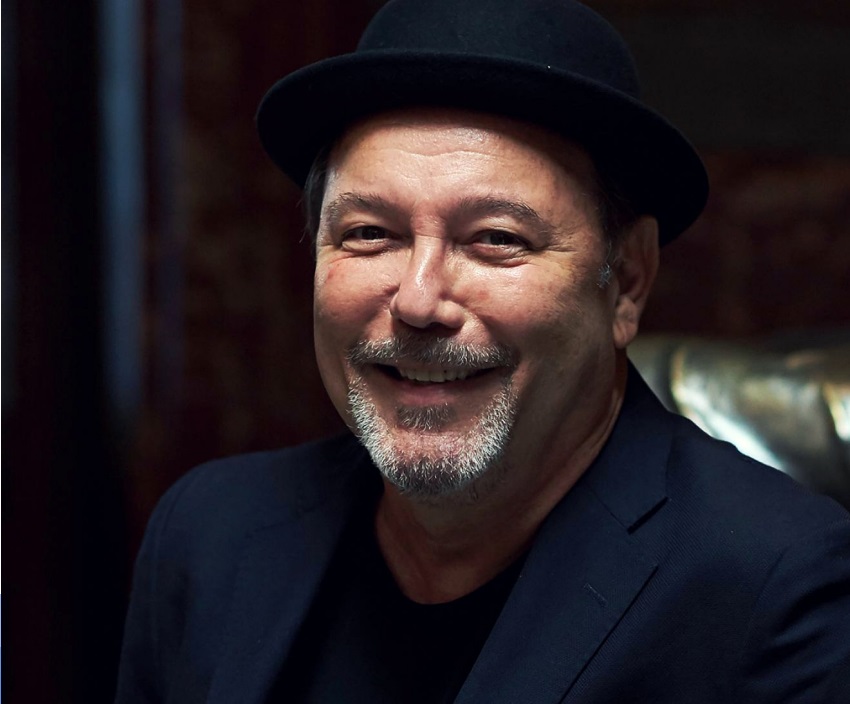
The author of many of the most popular hits in the history of salsa, reached the seventh decade and music has not stopped playing for him.
The indisputable social sense of his songs made the difference in times when the themes of every other song were about love and unloved.
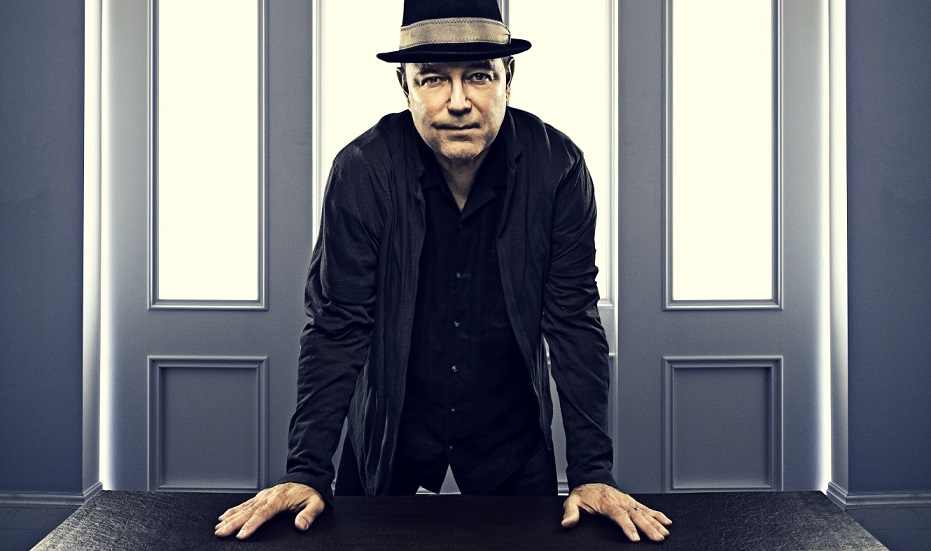
“The poet of salsa” was born on July 16, 1948 in a humble family, in Panama City, leaded by musicians, because his father was a percussionist and his mother was a pianist.
With an amazing multifaceted nature, Blades was the first in his family to go to college; so music was a hobby, like any other. Shortly after graduating as a lawyer, he arrived to Miami running away from Omar Torrijo’s dictatorship.
Since the time of Fania, he has walked through different currents of the same genre and composed the song Patria, which is still the second national anthem of his native Panama. In his last awarded albums, he returns to the company of great orchestras and to an intentional change in his voice to give nostalgia airs to the songs he sings. He has won 17 Grammy Awards and has been nominated 3 times for the Emmy Awards.
He has ventured into film, television and politics. His deeply critical nature does not allow him to ignore injustice and the abuse of power, and does not skimp on making his point of view known. Recently, he hinted his presidential aspirations in Panama for the 2019 elections, and this would not be his first time at the presidency’s run. In addition, he was Minister of Tourism between 2004 and 2009.
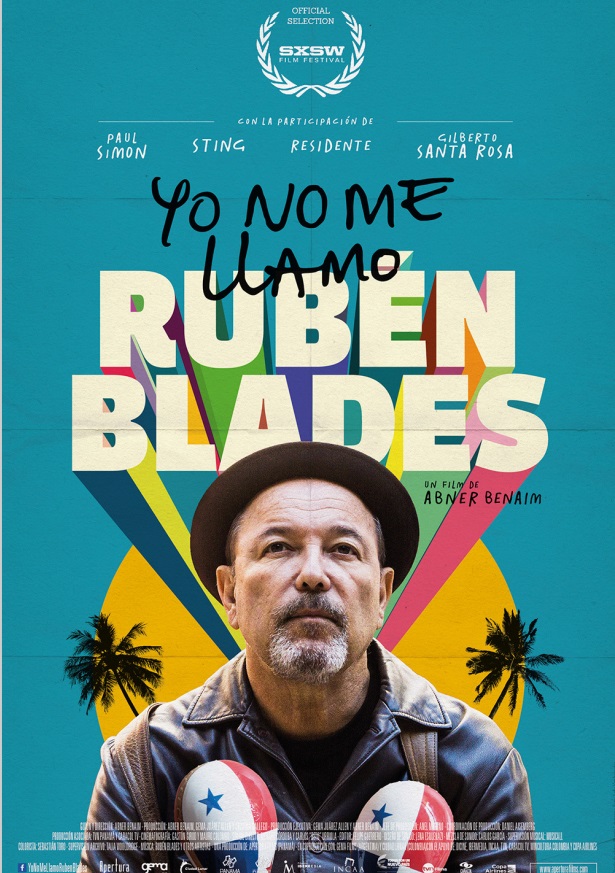
Blades has acted in 35 films and three series, and we must add the recently released documentary, “Yo no me llamo Rubén Blades” directed by Abner Benaim. Apart from his apparition in the popular TV series “Fear The Walking Dead”, he recently participated in the film “Hands of Stone” about the mythical Panamanian boxer Roberto “Manos de Piedra” Durán. There is no artistic space which Blades has not dabbled in.
How does he celebrate 70 years of life and 50 of career?
Singing! Although he has stated on several occasions that he wants to devote himself to other artistic facets and perhaps on purpose, he has allowed himself to think retired and then reappear with excellent albums like “Cantares del subdesarrollo” or, “Medoro Madera” the truth is that everybody is wondering, what will Rubén Blades do now, will he retire?

Currently, Blades writes opinion articles and publishes them on his website www.rubenblades.com, while on tour with the Panamanian group Roberto Delgado & Orquesta, until September. As if that was not enough, he prepares a book of poems, two scripts for cinema, is considering a couple of offers for the big screen, and will continue promoting the documentary “Yo no me llamo Rubén Blades” that although HBO has not revealed when it will be released on TV, will continues its journey in film festivals, and on cinema until August 30th in Panama, and 31th in Mexico to start the next premieres.
As a cherry pie will keep us in suspense about his possible presidential candidacy, because ” “antes necesito saber lo que el país quiere y si está dispuesto a abandonar el clientelismo a cambio de un plan nacional a largo plazo” Likewise, Blades clarified that ” no es algo que esté ya decidido “, it is a possibility, which requires society’s “apoyo masivo”.
This year near his 70th birthday, he affirmed without doubts: ” No me despido de los escenarios, sino de las giras de salsa. En este momento tengo muchos otros planes y proyectos y, a mi edad, tengo que priorizarlos”.
Anyway, Rubén Blades is that salsero that integrated action and politics into his social struggle. What else can we ask of him?
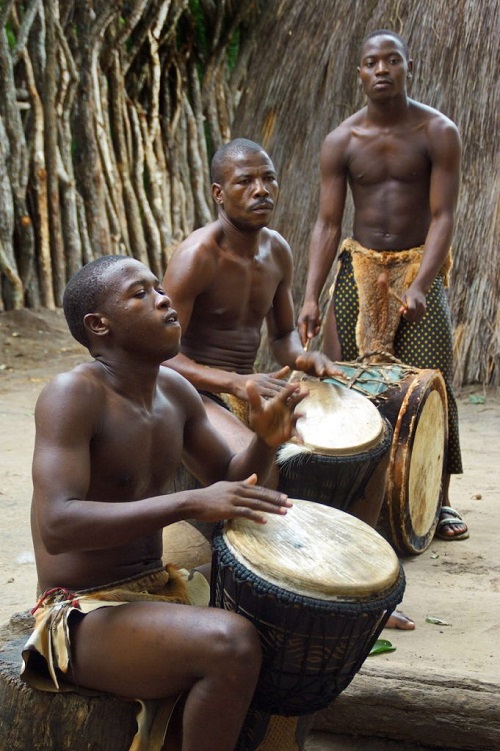
It is believed that this migration was due to the Numu, who were (and still are) blacksmiths [[professionals considered guardians of certain powers.
They were in charge of making the Komo masks, performing circumcision and ablation of adolescents to mark their passage to adulthood, as well as sculpting and playing the yembes.
As a result of differences in shape, wood density, internal engravings and skin, there is a wide range of tones that can be emitted by the yembe.
Striking the skin near the center produces lower notes, striking it near the edge.
It is struck with the fingers together and stretched, but without leaving them glued to the drumhead, so that the sound comes out.
On the other hand, to produce the highest pitched sound, the slap is used.
The palm of the hand is slightly curved and the membrane is hit with the fingertips.
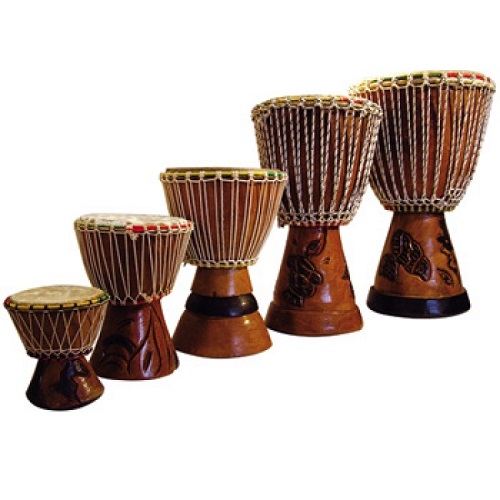
The word yembé comes from the Bambara language and means together in peace.
Membranophones are musical instruments that produce sound through the vibration of a taut membrane or drumhead.
The membranes can be made of animal skin or synthetic material and the instruments can be mounted on wooden cylinders, ceramic vessels or gourds.
Membranophones can be played by percussion or rubbing and can have one or two membranes, closed or open bottoms.
Some examples of membranophones are:
– Bombo: A direct hit membranophone whose sound is extracted by striking it with a wooden striker.
– Snare: A membranophone instrument
– Drum: A percussion instrument with a resonance box, which is usually cylindrical, and a membrane called a drumhead that covers the opening of the box.
– Zambomba: A friction drum.
– Cuica: A friction drum
– Juque: A Costa Rican instrument that is a friction drum
– Mirlitón: A blown membranophone instrument.
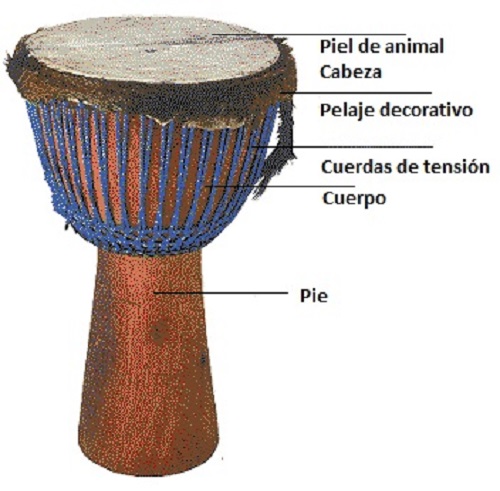
Membranophones. The membranophones produce the sound by means of the vibration of a tensed membrane. The vibration of this membrane can be provoked by hitting it, rubbing it or by voice (humming).
The castanets or “palillos” are a percussion instrument created by the Phoenicians three thousand years ago.
The oldest instrument is the flute, invented by Homo habilis in the Paleolithic and made of bird bone and mammoth ivory, this instrument is about 42 000 years old.
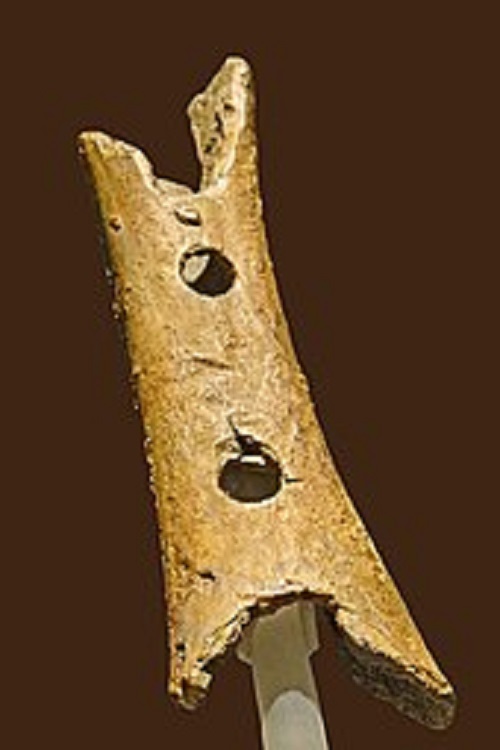
The Divje Babe flute is the oldest instrument in the world and is currently in the National Museum of Slovenia.
The combination of Asian Oak shell, Remo Skyndeep Natural head and premium Gon Bops hardware produces massive bass and impressive volume on Alex Acuna’s Signature 14″ Djembe.
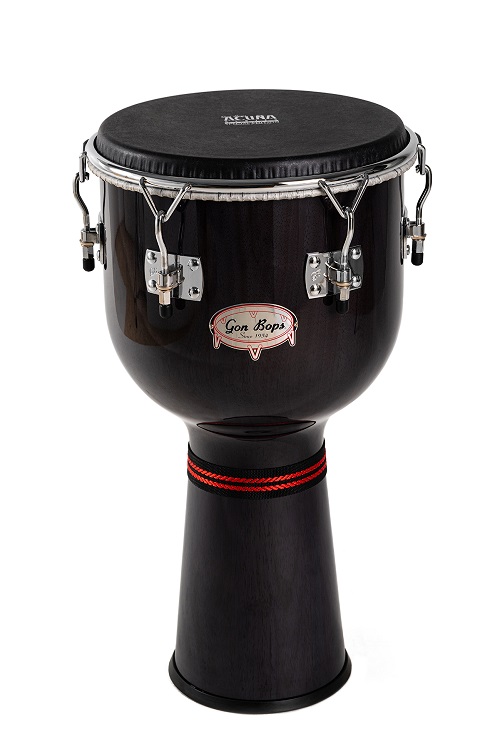
Source: Gon Bops
Also Read: Orestes Vilató es una de las figuras más influyentes en el mundo de la percusión Latina
We know that the most of our Latin countries have historically become known for genres such as salsa, merengue, bachata and more recently reggaeton and trap. However, the popularity of the aforementioned genres made us leave aside other more local rhythms that also deserve exposure.
On this occasion, we wanted to talk about the bomba and plena, so we resolved to interview Nanette Hernandez, who is one of its main proponents here in the United States, more specifically in New Jersey.

Nanette began by telling us that her interest in music was born thanks to her parents, who are Puerto Rican and moved to the United States, Pennsylvania, during the 1950s to continue their life in this new country. However, his home was built based on Puerto Rican culture and, of course, that included language and music. Her father had an ensemble that played jibaro music and Nanette grew up watching this, so this musical environment was always very familiar to her.
As she grew up, Nanette also became very interested in dancing and discovered that she really liked salsa when she was just a teenager. She remembers listening to Celia Cruz, Johnny Pacheco, El Combo de Puerto Rico and many of the most popular groups and musicians of the time, who also inspired her to keep dancing. She felt that she was encouraged just by dancing, so she continued to do so over the years, but not professionally.
After marrying Juan Cartagena and seeing that she and her husband shared a taste for Latin music, they began to frequent places where Puerto Rican music groups performed. That is how they were in a show of the dance and drum ensemble ”Los Pleneros de la 21”. They were so fascinated by what they saw and heard that both Nanette and Juan began to study the plena and bomba because they wanted to know everything about these rhythms. Their interest was such that they were even in contact and consistently et with the Cepeda family, which is a cultural institution with many years of experience in everything to do with the bomba and plena.
She also mentions that Roberto Cepeda, part of the aforementioned family, was very important in her decision to devote herself to promoting the bomba and plena and feels that he saw something in her that even herself was not able to see, so she decided to search for expert teachers in these genres to become more professional in the dancing and instrumental part in order to be able to teach them to others.

When we asked Nanette about the differences between the bomba and plena, she made it very clear that people often think that they are almost the same, but they are not. They are extremely different and have many differences from each other.
In the case of the bomba, it has re than 400 years of existence and originated in Africa. The genre arrived in America along with the slaves who were brought to the New Continent and the new inhabitants of these lands brought their improvised instruments with them such as the so-called ”barrels”, which have a great resemblance to drums. They are often accompanied by maracas.
In the case of the plena, this rhythm uses the pandero, the güiro and other smaller hand instruments with which they make a completely different sound from the bomba. To complement what Nanette told us, we can also say that the plena is believed to originate in Ponce, Puerto Rico, and its lyrics are very focused on comedy, activism and denunciation. In addition, it is also seen as a very peculiar mix between African and European music.
Another difference between the bomba and plena is that, in the bomba, it is the dancer who leads and guides the musicians, while in plena the opposite happens. These genres are very different from each other, but that does not change the fact that both complement each other perfectly well in any show or class.

Segunda Quimbamba is a project initiated in 1989 by Juan Cartagena, Nanette’s husband, which was born as a result of the couple’s interest in promoting two of the most important ancestral rhythms from Puerto Rico and preserving the most important musical traditions on the Island of Enchantent, such as the ”parrandas”. A few years later, they began introducing the bomba and plena until they became the center of the project.
In 1997, Nanette and Juan founded the Segunda Quimbamba Folkloric Center, which is a non-profit arts organization that seeks to promote the bomba and plena in New Jersey and the rest of the United States so that those interested can learn more about Puerto Rican music and culture in general. The organization also seeks to offer music and dance workshops at solidarity prices and even for free at times.
Nanette and Juan have been invited to participate in numerous events and have been recognized for the role they have played in promoting Latin music, especially that of Puerto Rico. For example, in 2023, The New Jersey State Council of The Arts recognized the couple with the New Jersey Heritage Fellowship Award in honor of what they have accomplished with this wonderful and ambitious musical project.
Read also: Edwin Ortiz y La Mafía del Guaguancó is present in ISM
This rhythm is a product of the same phenomenon of transculturation that other genres of the Cuban traditional music have undergone by the hybridization of cultures.
Uncertainties about the origin of son montuno
According to Fuentes Matons himself, he is only a compiler of the verses and the authors were the sisters Micaela and Teodora Ginés, who wrote the lyrics in Santiago de Cuba around 1560.

But this story does not have sufficient evidence, and may be the result of the author’s modesty, the oldest son montuno that is collected is that of Ma’Teodora, from 1893.
Many authors assure that the real author is Fuentes Matons, in an attempt to validate the musical roots of the Island. What is certain is that the expansion of this rhythm from the 18th century in Cuba was very fast.
Evolution and popularity of son montuno in the 20th century.
From the 19th century onwards, migration from East to West was significant.
This was due to the wars of independence that had taken place in the eastern part of the island.
This migration brought as a consequence that the rhythm also expanded and mixed with the rhythms that already existed in the West.
In the western provinces, mainly in Havana and Matanzas, there was the concept of a band composed of six or seven members, which favored the new genre.
Arsenio Rodríguez (1911-1970), known as “el ciego maravilloso” (the wonderful blind man), was one of the great musicians who brought this sonority to the forefront.
Among his most popular works are “Papa upa”, “Mami, me gustó”, “La vida es sueño”, “La yuca de Catalina”, among many others.
The lyrics are characterized by the picaresque jocularity, the simplicity of the message, the easy to memorize refrains and the exchange with the public in occasional interpretations.

Legacy of Son montuno
The legacy of this Cuban rhythm is present in genres such as Latin salsa, mambo, Latin jazz, timba and chachachá. Some outstanding musicians kept its rhythmic base and incorporated their own melodic creations.
Among these are: Benny Moré, Pío Leyva, Roberto Faz, among many others.
The primitive instruments of the Cuban son are the Cuban tres, the bongo, the maracas, the claves and the marimbula.
The Cuban tres is a kind of guitar with three pairs of strings. The bongo constantly improvises. The maracas and claves accompany the guitar and the bongo.
The marimbula was used as a bass in the traditional Cuban son.
Later, other instruments such as the guitar, double bass, trumpet and timbales were added.
What kind of instruments did the African slaves bring to Cuba?
Among the typical instruments we find the chekeré, the güiro and the batá drums. The chekeré in Cuba is also known as ágbe.
What is the national instrument of Cuba?

This small double drum is by many considered the most characteristic instrument of Cuba.
It is easy to identify the bongo at first glance as it has been used and popularized in countless celebrations until it has become an indispensable instrument.