
Latin America / Venezuela /Caracas
Did you know that people have several ways of communicating?
Oral communication is what we normally use to communicate in such a way to establish and maintain personal relationships, and to show not only words and express emotions and/or feelings, body communication is used, which can be said in a few words that it is a form creatively expressing through gestures, eye contact, poses, and arm and leg movements; turning this form of communication into something more intimate and accurate without the need for the use of words.
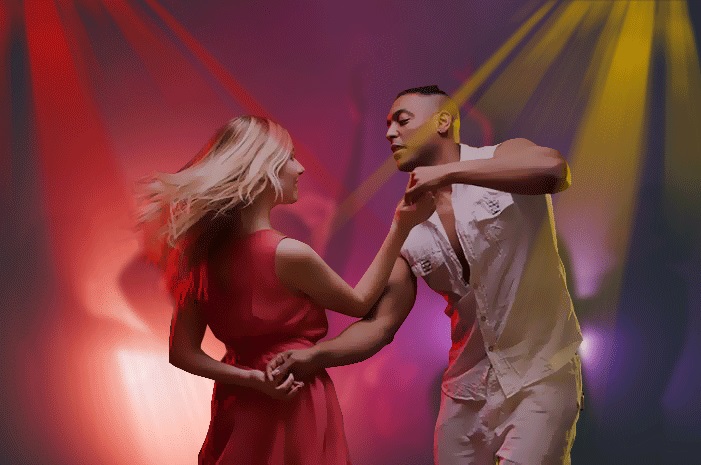
In social activities, one of the most popular is dancing, where body communication is very important since the couple or group needs to know certain signs that indicate “when” or “how”, in order to perform the steps and how. As a result, the success of said interpretation will test the quality, maturity and growth of the dancers in the rhythms they dance.
Of course, it should be noted that each musical genre has its own rules, especially in the counting of steps in music, which gives grace, stability and rhythm to the dancers in the song played either in a musical event and is of vital importance not only for a casual event but for a competition. For this reason, it is important to know the steps and turns to perform and have excellent body communication (especially if it is as a couple) to know what they are going to do.
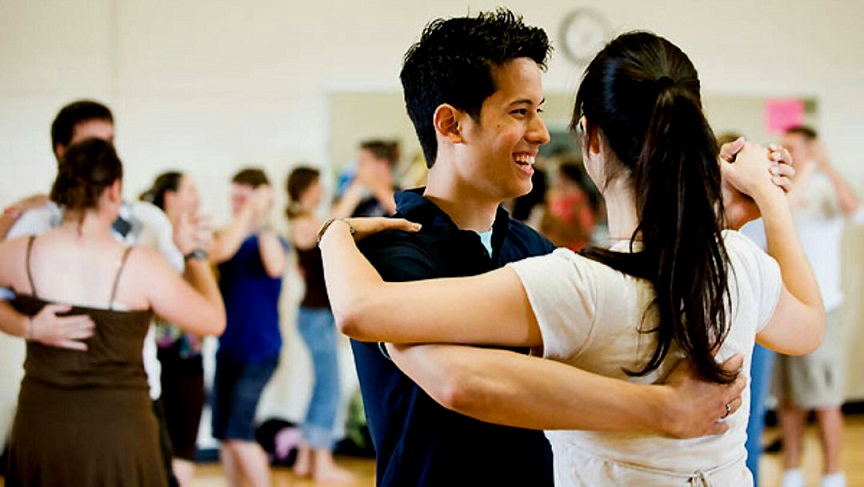
In Latin rhythms, this type of communication is really important, otherwise the grace of the dance is lost. Among the most important Latin rhythms that are essential and/or significant are:
So, if you want to give life, grace, elegance and popularity to your dance, keep in mind, keep in mind these characteristics and how you manage to synchronize with your partner and show your spectators either in a personal party, competition, event and/or or congress, whether national or international, which is a true dance.
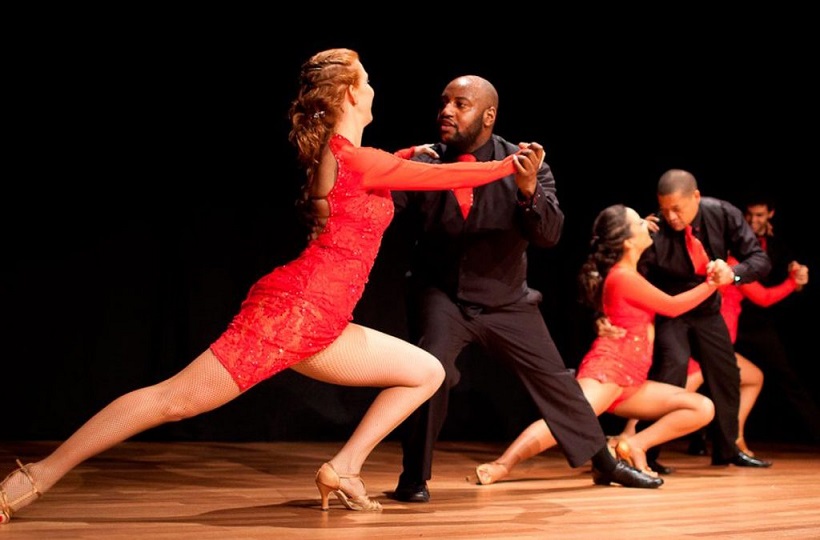
Latin America/ México / México City
Irawo is an Afro-Caribbean Rhythms (Salsa) orchestra that arises with the purpose of rescuing the original sound of La Salsa Dura from the 70s`s created in the city of New York and Puerto Rico, to bring this concept to the style of Irawo to the new generations.
Understood and interpreted from the vision of the Mexican musician, since its music and arrangements are original, which makes it an orchestra that plays salsa 100% made in Mexico with a modern, dynamic, energetic and unique sound.
Irawo Orchestra is made up of musicians who have a career in which they have participated with great international figures of Salsa, as well as other genres such as: rock, pop, Mexican music, jazz, which is projected with a high level of execution.
Irawo Orchestra is for the Mexican and international salsa public, knowledgeable and demanding, and for anyone passionate about dancing and enjoyment.


Latin America/ Mexico / Mexico City
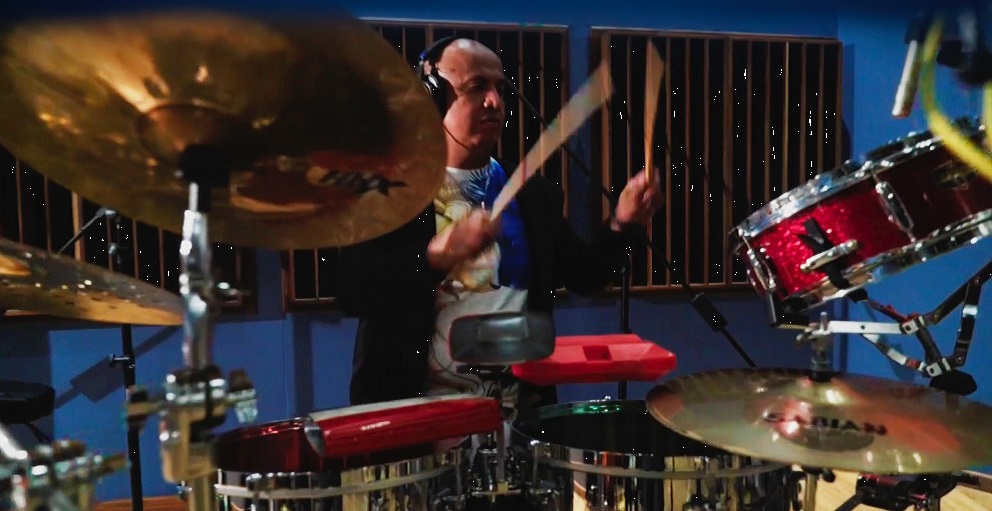
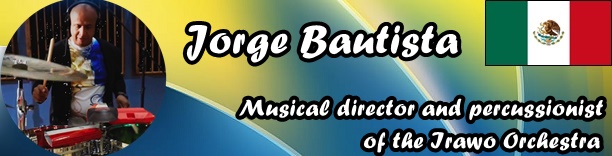
Jorge Bautista is a musician from Mexico City, he began his percussion studies at the age of 5 due to family tradition.
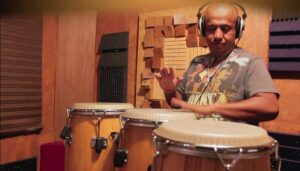
The timbal, conga and bongo are the first percussion instruments that he studies empirically until at the age of 15 he studies at the autonomous music school for 5 years and then diversifies his knowledge in percussion from various places in Latin America such as : Colombia, Dominican Republic, Cuba, Peru and Brazil among others as well as in Africa.
Accompaniments Sauce
The experienced percussionist musician Jorge Bautista has performed important musical accompaniments with great exponents of our Afro-Caribbean music such as: Jerry Rivera, Maelo Ruiz, Tito Nieves, Willie González, Alfredito de La Fe, Oscar D`León, Larry Harlow, Ismael Miranda. , Ritchie Ray, Bobby Cruz, Roberto Roena, Oscar Hernández, Alberto Barros, Arturo Ortiz, Arturo Ortiz, Jimmy Bosch, Tito Allen, Viti Ruiz, Ray Sepúlveda, Herman Olivera and among others.
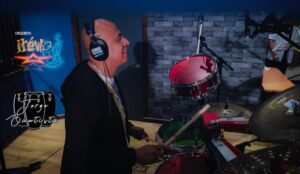
Latin Jazz Accompaniments
Among the stars of Latin Jazz, percussionist Jorge Bautista has performed accompaniments, among them we have: Arturo Sandoval, Ed Calle, Waney Bergeròn, Hector Infanzòn, Ola Onabule, Tlaxcatecalt Latin Jazz, Papo Sánchez, Ofunan, Daniel López, Latin Jazz On, Latin Hot Band, Density 6 and among others.
Other accompaniments
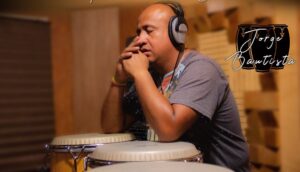
The Mexican multi-instrumentalist has also accompanied great music performers such as: Armando, Manzanero, Susana Zabaleta, Emmanuel, Kalimba, Samo, Víctor García, Carlos Cuevas, Alexander Acha, María León, Lisset, Aleks Syntek, Maria del Sol and Raul D’blasio.
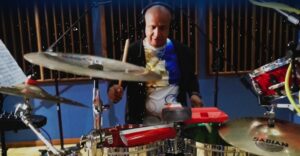
Due to his great versatility, he has been invited to give clinics in different cities of the Mexican Republic as well as in several countries in the United States, Honduras, Colombia and Guatemala.
Currently the musician is sponsored by several major instrument brands worldwide: Gon Bops, Tama, Sabían, Promark, Remo, Rockears, GR, NND Percusión, and Veerkamp.