• Skip to primary navigation
  • Skip to main content

International Salsa Magazine

  • HOME
  • Previous editions
    • 2026
      • ISM / April 2026
      • ISM / March 2026
      • ISM / February 2026
      • ISM / January 2026
    • 2025
      • ISM / December 2025
      • ISM / November 2025
      • ISM / October 2025
      • ISM / September 2025
      • ISM / August 2025
      • ISM / July 2025
      • ISM / June 2025
      • ISM / May2025
      • ISM / April 2025
      • ISM / March 2025
      • ISM / February 2025
      • ISM / January 2025
    • 2024
      • ISM / December 2024
      • ISM / November 2024
      • ISM / October 2024
      • ISM / September 2024
      • ISM / August 2024
      • ISM / July 2024
      • ISM / June 2024
      • ISM / May 2024
      • ISM / April 2024
      • ISM / March 2024
      • ISM / February 2024
      • ISM / January 2024
    • 2023
      • ISM / December 2023
      • ISM / November 2023
      • ISM / October 2023
      • ISM – September 2023
      • ISM – August 2023
      • ISM July 2023
      • ISM Edition June 2023
      • ISM – May 2023
      • ISM April 2023
      • ISM March 2023
      • ISM February 2023
      • ISM January 2023
    • 2022
      • ISM December 2022
      • ISM November 2022
      • ISM October 2022
      • ISM September 2022
      • ISM August 2022
      • ISM July 2022
      • ISM June 2022
      • ISM May 2022
      • ISM February 2022
      • ISM January 2022
    • 2021
      • ISM December 2021
      • ISM November 2021
      • ISM October – 2021
      • ISM September 2021
      • ISM August 2021
      • ISM July 2021
      • ISM May 2021
      • ISM April 2021
      • ISM June 2021
      • ISM March 2021
      • ISM February 2021
      • ISM January 2021
    • 2020
      • ISM December 2020
      • ISM November 2020
      • ISM October 2020
      • ISM September 2020
      • ISM August 2020
      • ISM July 2020
      • ISM June 2020
      • ISM May 2020
      • ISM April 2020
      • ISM March 2020
      • ISM February 2020
      • ISM January 2020
    • 2019
      • ISM December 2019
      • ISM November 2019
      • ISM October 2019
      • ISM Septembre 2019
      • ISM August 2019
      • ISM July 2019
      • ISM June 2019
  • Spanish
  • Download Salsa App
    • Android
    • Apple

Search Results for: samba

Samba The dance that wakes up Carnival in Brazil 

Latin America / Brasil 

“The samba” The dance that wakes up Carnival in Brazil 

Despite the fact that carnivals are known worldwide for their costumes and samba parties, none is as good as the carnival that takes place in Brazil, Rio de Janeiro, especially in the Sambadrome, known for being one of the largest open-air spaces in the city. city ​​where one can hold big events.

The Brazilian Carnival or the Carioca Carnival is a great event where Brazilians and tourists meet to dance and see the great festivals offered by the different dance academies and/or samba studios where the evaluation of each one will depend on the rhythm, participation, costumes and the originality of the parade.
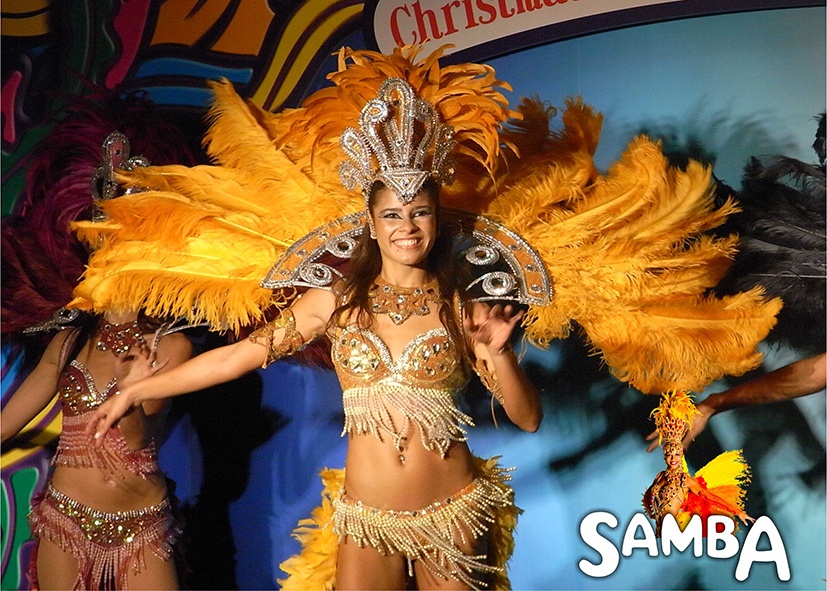
Samba dancers at the carnival

Samba is the national music of Brazil, which has Afro-Brazilian origin of 2 times 4 times but the beginning was specifically in Angola before reaching Brazil; It currently has a style that has currently received many fusions and is very varied.

To learn to dance it, one begins with the progressive basic movement that consists of the normal basic step and the lateral basic step (left and right, front and back), then the whisk step that consists of the variation of the lateral basic step and instead of carrying the other foot next to the leading foot, you will take it backwards if you want to know all the details of this step visit the following page (https://es.wikihow.com/bailar-samba), the next step is the stationary walk of samba where the person who performs it in a closed position holding the partner with both hands, unlike the position explained at the beginning; the arms should be extended.

The leader will have his left leg extended behind him, while the follower will have the same position but with his right leg behind him, the inside leg will be the one that stabilizes him and in this way the couple will not move and will stay in one place.

The samba walk is the displacement that is carried out in a very similar way to the stationary one, but in a walking position; it is very similar to the closed one, but it forms an open “V”; the left side of the leader and the right side of the follower should be slightly turned outwards so that the opposite sides of both are next to each other. To perform this move, start with your outside leg diagonally behind your inside stabilizer leg.

One of the secrets so that the movement reflects the essence of this music is the “rebote” between one step and another, there must be a fluid transition that engages the whole body and to achieve this it is possible to think that we are constantly stepping on different objects that appear in our way and that we quickly try to lift our foot so as not to break them. It is very important that this bounce is expressed with the whole body, and not just with the legs.

Among the recommendations to perform an effective and great dance is concentration and looking forward over the shoulders of your partner.

Among the many benefits that dances give, Samba has certain privileges not only physically but also psychologically.

  • On a physical level:
    • Strengthens the legs, as it tones them since the movements are very fast and continuous.
    • Flat stomach, since in the dance they must have the abdominals contracted and the body stretched.
    • Slims the hip for extensive movements.
  • On a psychological level: it releases stress since the person plays sports by practicing it, in such a way that it helps the body to release tension, resulting in fun and relaxation.
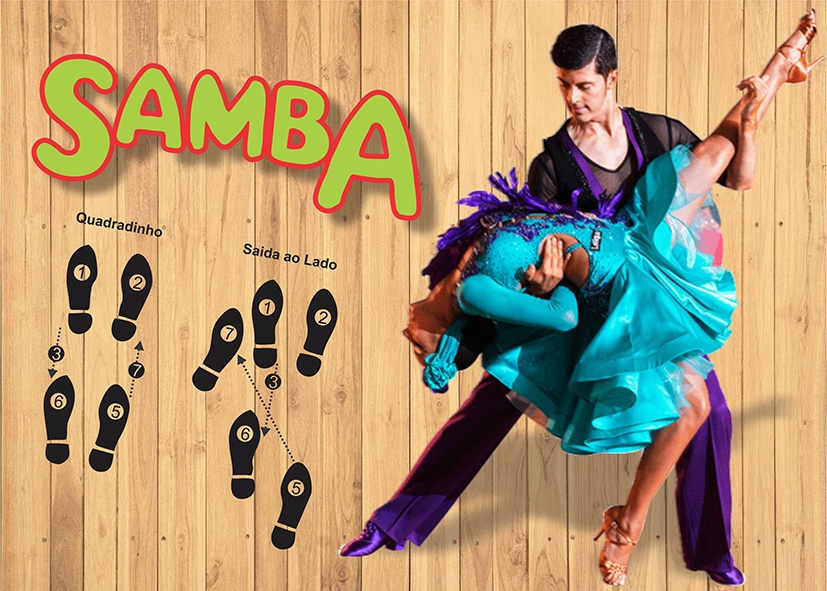
Steps to dance samba

Now that we know more about samba and its influence on carnival at an international level, can we say that it is a single style? Well, no… Did you know that the “Carnival” differs in the different ways in which it is carried out or developed in each city?

It is true that there are many traits in common, such as their origins and motivations. One of the most attractive characteristics in Brazil is that it takes place in the open air, which means that the visitor has a more active participation at a lower cost and can dance and enjoy the shows and/or shows that take place during the marches.

by the academies with their dancers wearing their best costumes and Samba steps as well as the allegorical cars and also the public can enjoy and see the electric trios (they are musical groups that travel the city in equipped trucks playing music) at street parties river; and not only in “Rio” it is celebrated but it can be found in Recife and Olinda, in Salvador de Bahía, the city where Samba was born – Florianópolis, among others.

These cities have an architectural beauty that seduces the visitor and transports them historically both historically and culturally.

If you want to have your own experience, do not miss the next carnival in Brazil 2020 that will take place from February 21 to 26, you can buy your tickets here https://www.carnavales-brasil.com/rio-brasil/carnaval /tickets-tickets/dates-2020/buy .
Salsa Viva & Tango Vivo

Latin America / Colombia /Cali

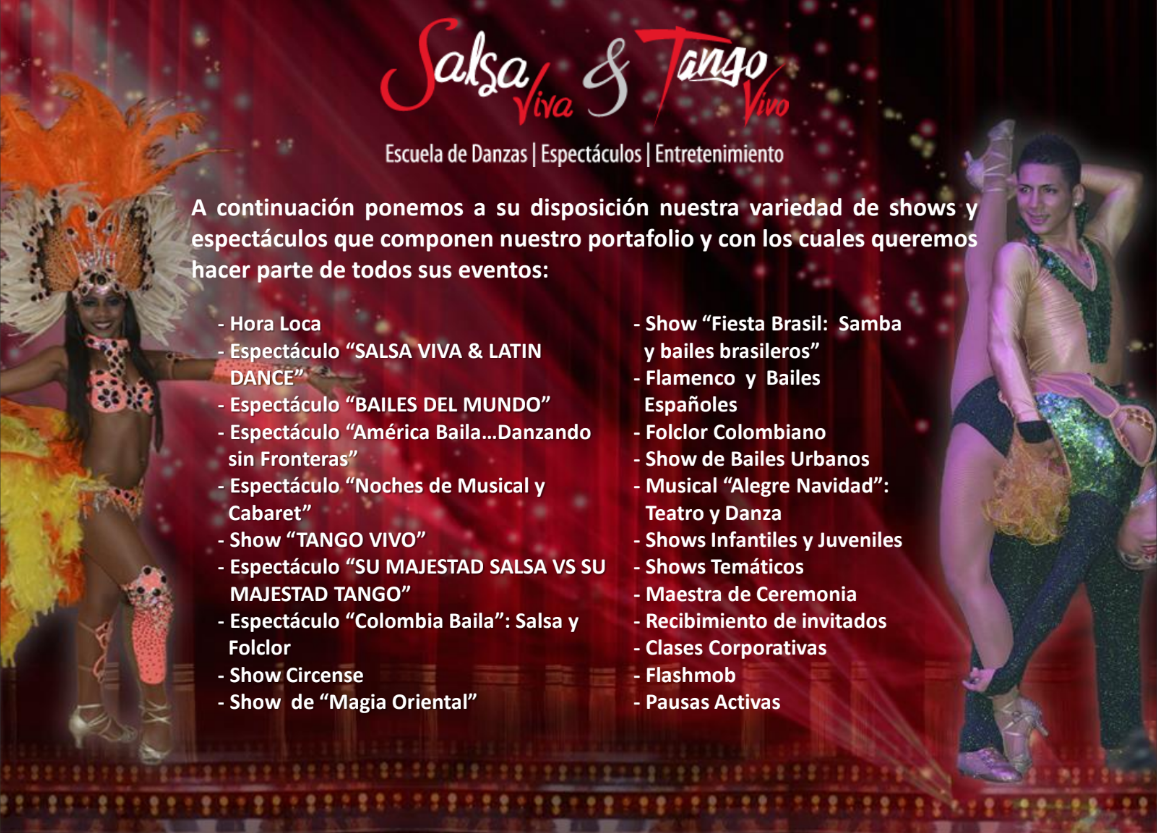
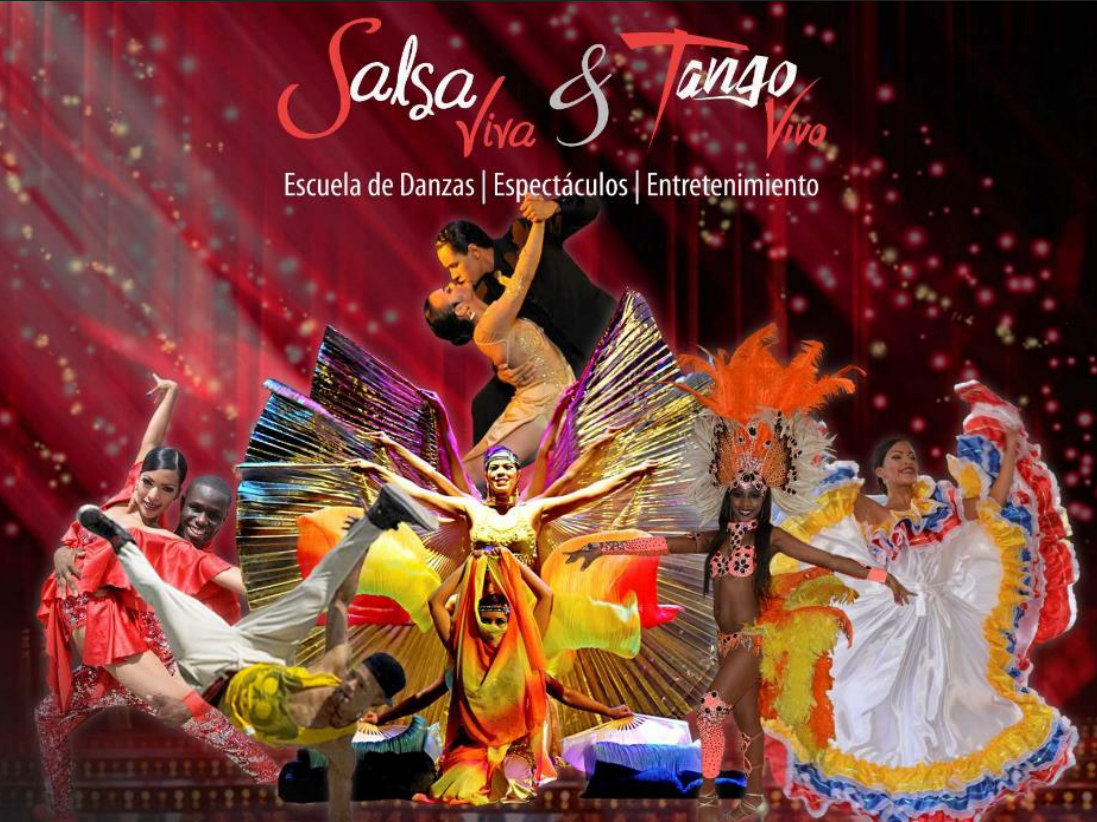
Located in Cali, Colombia, the artistic company “Salsa Viva & Tango Vivo” has been in business for 12 years. They are dedicated to teaching, presenting, and producing dance shows, boasting a distinguished cast of artists, instructors, and professional dancers in all styles.

Salsa Viva & Tango Vivo

The company’s services offer a wide variety of high-quality options, ranging from personalized dance classes to shows featuring over 80 artists on stage.

Photo 1: Salsa Viva & Tango Vivo

Shows and Performances

Among the most captivating “Salsa and Latin” shows are:

Salsa Viva and Latin Dance: This show includes dances such as Salsa, Mambo, Cha Cha Cha, Boogaloo, Bolero, Pachanga, Bachata, and Merengue.

“The Majesty of Salsa vs. The Majesty of Tango”:

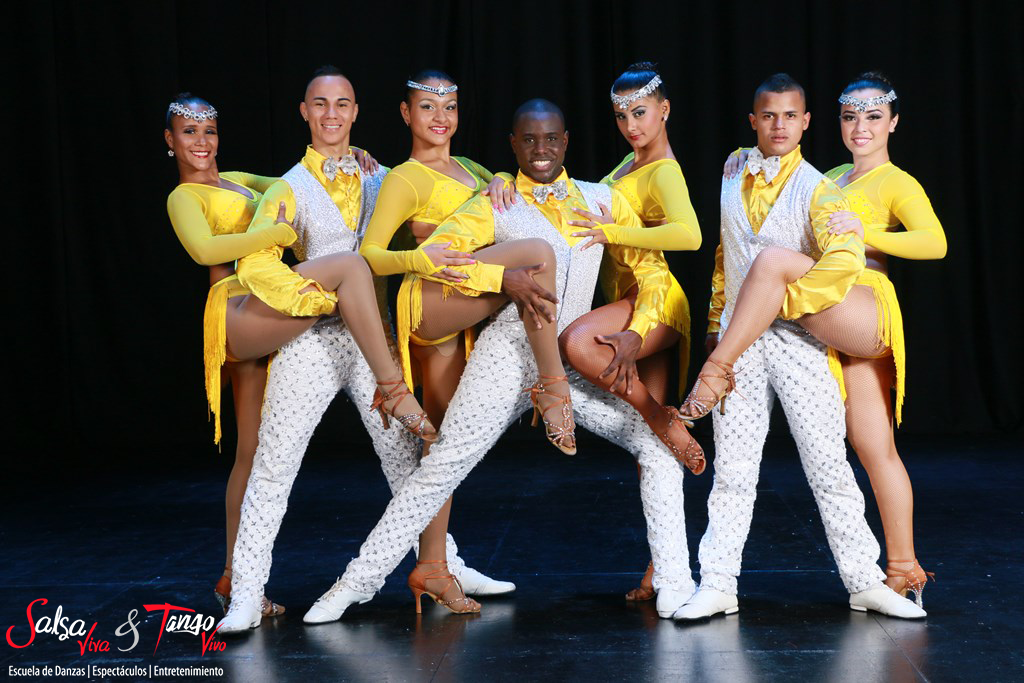
Here, you can witness the fusion of the joy, energy, and acrobatics of Salsa with the passion and elegance of Tango.

Photo 2: Salsa Viva & Tango Vivo

Colombia Dances: Here, traditional and joyful Colombian folk dances come together with a fusion of Salsa and Latin dances. You can appreciate the beautiful and colorful typical costumes that bring to life the diverse cultures and dances of Colombia’s regions, taking you on a journey through dances such as cumbia, bambuco, sanjuanero, mapalé, currulao, and others.

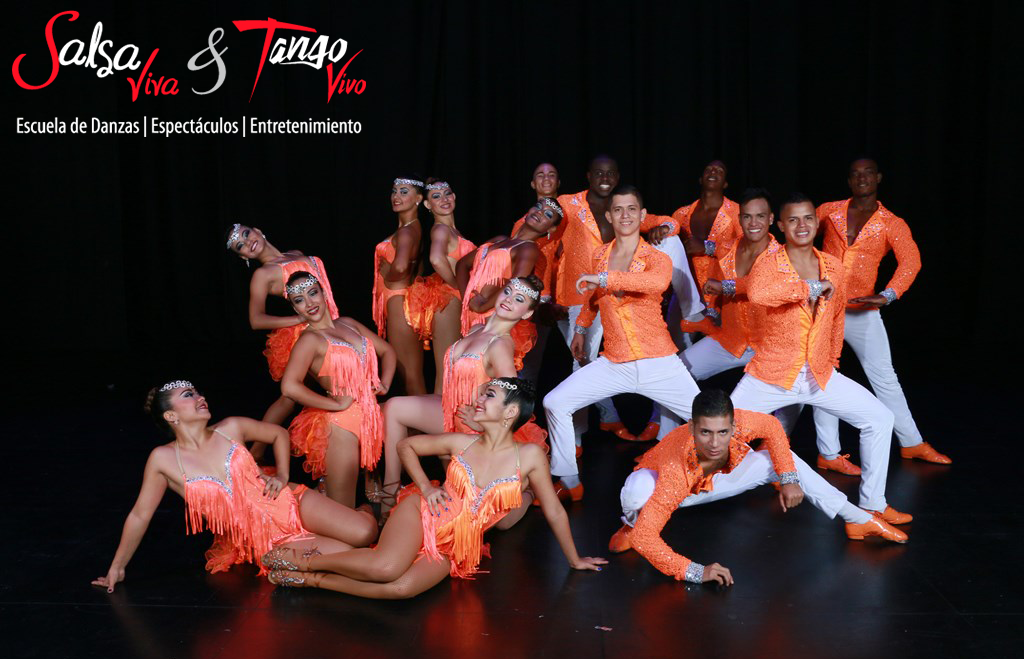
Children’s Salsa: This show features children in the learning process who have grown into professional dancers, showcasing their trajectory and international recognition.

Photo 3: Salsa Viva & Tango Vivo

It’s worth mentioning that the venue doesn’t just offer Salsa and Latin dances; it also features Tango, Milonga, and Arabic dance shows, Samba, Capoeira, Spanish dances (Pasodoble, Sevillanas, Flamenco Rumba, and a banderilla show), Colombian dances (Cumbia, Bambuco, Sanjuanero, Mapalé, Currulao, among others), and urban shows (Hip Hop, showcasing different styles such as breakdancing, sexy style, popping, locking, dancehall, kromp, and others).

The Dance School offers the opportunity to learn one or more rhythms. You can even combine Salsa and Latin dance classes, Zumba Fitness, Tango, or any other rhythm you desire, whether with a group of friends, family, children of all ages, and there’s even a special program for babies where parents and their little ones share the dance experience and learn the baby’s first steps.

Zumba Fitness and Zumba Toning: This is a fun way to practice Latin rhythms, exercise to stay in shape, learn, and have fun. The team is trained and certified to lead both Zumba classes.

  • Crazy Hour
  • Children’s Entertainment
  • Quinceañera and Wedding Preparations
  • Flash Mob
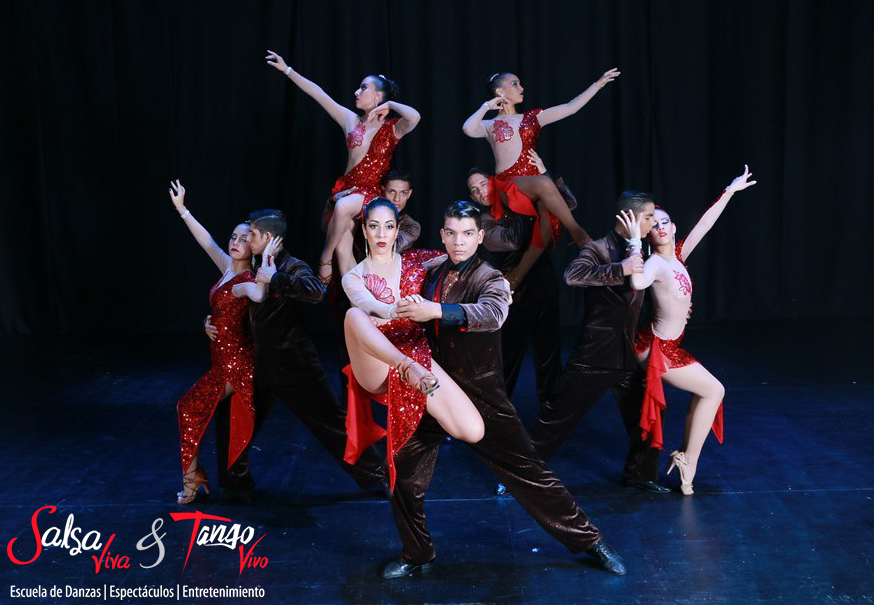
Photo 4: Salsa Viva & Tango Vivo

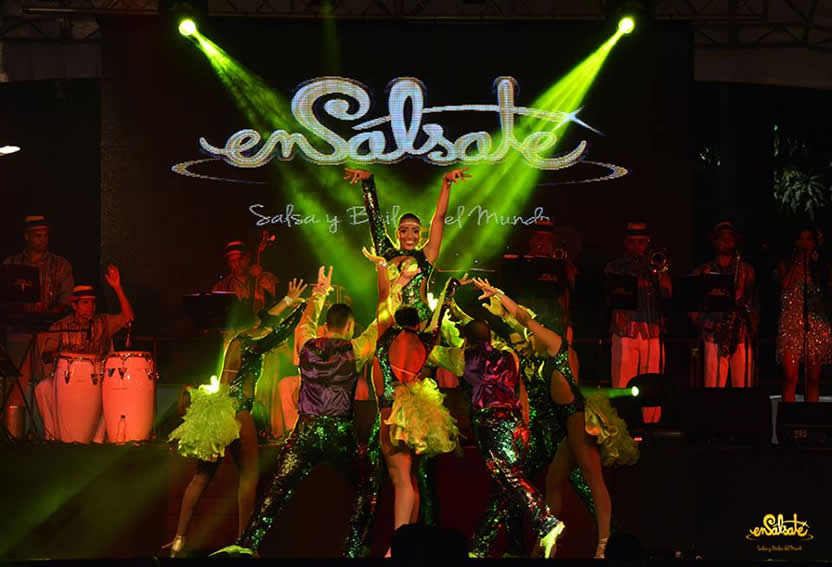
The Salsa Viva & Tango Vivo Artistic Company is part of the main cast of the Ensálsate Show. They are World Tango Champions, International Champions in choreographic groups, World Salsa Runners-Up, and finalists on the Caracol Television reality show LA PISTA. They have delighted thousands of spectators in Colombia and around the world with performances on seven international cruise ships and tours in countries such as Panama, Cuba, Venezuela, Brazil, Argentina, Chile, Ecuador, Uruguay, Trinidad and Tobago, Curaçao, Aruba, Korea, Japan, Turkey, Dubai, Cyprus, France, Italy, and Spain.

  • Crazy Hour
  • Children’s Entertainment
  • Quinceañera and Wedding Preparations

Flash Mob Dance schools in Colombia have two specially equipped locations in San Fernando and Ciudad Jardín, with programs for children, youth, adults, foreigners, business groups, family groups, home classes and summer courses.

Photo 5: Salsa Viva & Tango Vivo

Productions, Works, and Shows

  • “Dance Christmas” Show (2016)
  • “America Dances…Dancing Without Borders” Show (2016)
  • 2nd Comfenalco Valle de la Gente Salsa Encounter (2016)
  • “Colombia Dances” Show (2016)
  • Comfenalco Valle de la Gente International Tango Festival (2014 and 2015)
  • 1st Comfenalco Valle de la Gente Salsa Encounter (2015)
  • “Dances of the World” Show (2011, 2012, 2013, 2014, and 2015)
  • “Salsa Viva & Latin Dance” Show (2014)
  • “Tango Vivo – Tango Forever” Show (2013, 2014, and 2015) 2015)
  • Show “Her Majesty Salsa vs. Her Majesty Tango” (2014)
  • Show “Oriental Magic” (2015)
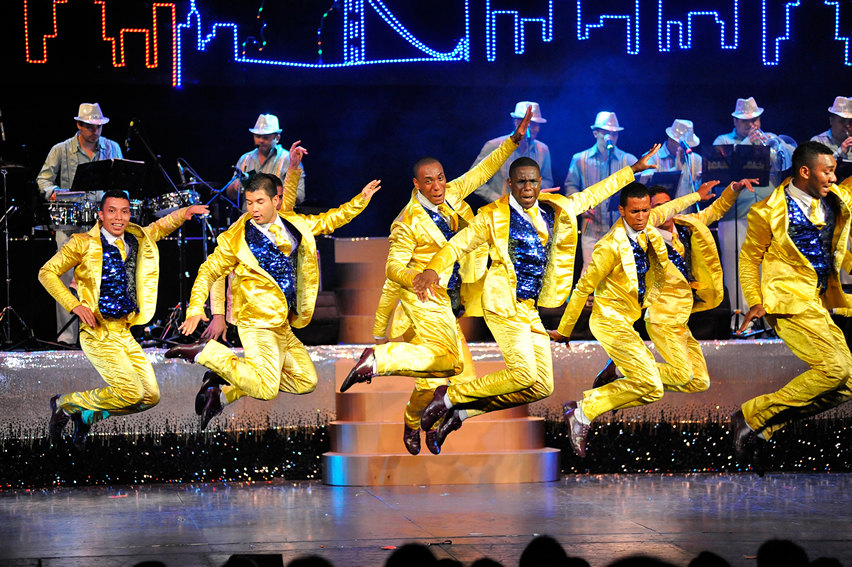
  • Show “Merry Christmas” (2014 and 2015).
  • Show “Merry Christmas” (2014 and 2015).
Photo 6: Salsa Viva & Tango Vivo

Awards and Recognitions

  • World Salsa Championship Runners-Up, Ensemble Category – Santiago de Cali (2016)
  • World Salsa Championship Champions, Cabaret Couples Category – Santiago de Cali (2016)
  • Fourth Place – World Salsa Championship, Ensemble Category – Santiago de Cali (2016)
  • Champions, Cabaret Salsa Team – 7th Ecuador Salsa Congress (2016)
  • Runners-Up, Salsa Team (No Acrobatic) – 7th Ecuador Salsa Congress (2016)
  • Runners-Up, Tango Show Dance – 7th Ecuador Salsa Congress (2016)
  • Champions, Amateur Salsa Couples – 7th Ecuador Salsa Congress (2016)
  • Champions, Cabaret Salsa Couples – 7th Ecuador Salsa Congress (2016)
  • Champions, Stage Tango – 7th Ecuador Salsa Congress (2016)
  • Third Place, Stage Tango – 7th Ecuador Salsa Congress (2016)
  • Professional Solo Champions – 7th Ecuador Salsa Congress (2016)
  • Professional Same Gender Couple Runners-Up – 7th Ecuador Salsa Congress (2016)
  • International Salsa Champions and Runners-Up at the II Pan American Dance Championship
  • Sports: III Open “Al Ritmo del Cielo” – Santiago de Cali (2016)
  • World Salsa Runners-Up – Santiago de Cali (2014)
  • World Salsa Runners-Up – Quito (2013)
  • World Tango Champions – World Tango Championship (2012)
  • International Choreographic Group Champions (2011)
  • Fourth Place in the World Tango Championship at the Trex Games Busan, Korea (2008)
  • Don Juan del Corral Order of Merit – Gold Category – Mayor’s Office of Medellín (2006). For all these details, we recommend visiting, Participate, learn, and enjoy the services offered by this successful company.
Salsa Viva & Tango Vivo shows

If you would like more information, you can contact them at:

  • Web: http://www.tangovivoysalsaviva.com/quienes-somos.php
  • Facebook: https://www.facebook.com/salsavivatangovivo
  • Twitter: https://twitter.com/salsavtangov
  • Instagram: https://www.instagram.com/salsavivatangovivo/
  • Youtube: https://www.youtube.com/c/salsavivatangovivo
Salsa Viva & Tango Vivo social media

Latin Bayarea WebSite

North America / USA

Latin Bayarea WebSite

Sitio web de Latin Bayarea

At present, the search for information about Latin music and its culture in California (USA) has been put into the technology, because it is a very practical tool. On the internet, you can find an online site where you can investigate practically everything: music, culture, entertainment, clubs and concerts. The Web site is Latin Bay Area.

Among its many events that advertise monthly is that of:

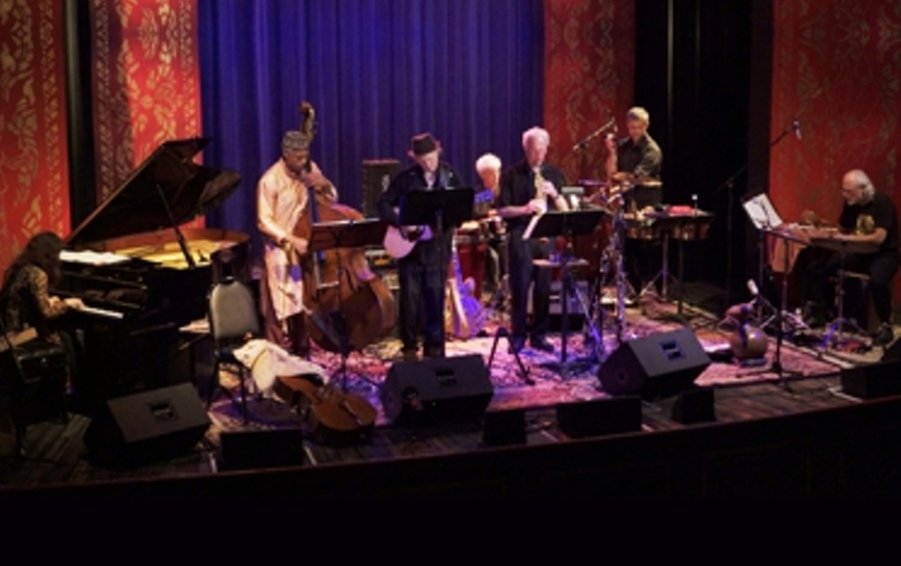
Mariah Parker’s Indo Latin Jazz Ensemble CD Release Concert

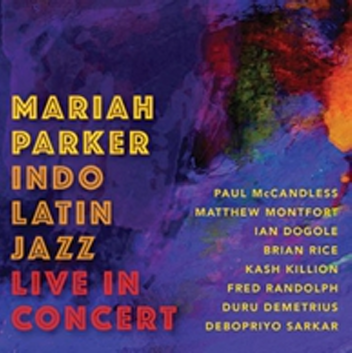
This concert celebrates the upcoming release of Mariah Parker’s new CD, Indo Latin Jazz Live in Concert.

According to Latin Beat Magazine, Mariah Parker’s Indo Latin Jazz Ensemble “blends the rhythmic syncopations of Latin jazz music with the entrancing, asymmetrical meters of East Indian rhythms resulting in first- class world music. Intriguing melodies that draw musical inspirations from the tempos of Brazil, Cuba, India, and Spain make for an uplifting serene yet passionate musical journey into an idealworld.”

Sunday, January 22, 2017, 7:00 PM Freight and Salvage

2020 Addison Street

Berkeley, California

Tickets: $24 in advance, $28 at the door

For more info, call (510) 644-2020 or visit www.thefreight.org

Featuring Mariah Parker (composition, piano, santur), Paul McCandless (woodwinds), Matthew Montfort (guitar), Kash Killion (bass, cello), and percussionists lan Dogole, Brian Rice, and Michaelle Goerlitz.

Indo Latin Jazz Live in Concert CD Release 1/20/17

Lanzamiento del CD "Indo Latin Jazz Live in Concert", 20/01/17
Lanzamiento del CD “Indo Latin Jazz Live in Concert”, 20/01/17

In 2009, Mariah Parker launched her Indo Latin Jazz Ensemble with a sold- out debut concert at Yoshi’s in Oakland, California. Mariah’s new release for AncientFuture.com records, “Indo Latin Jazz Live in Concert,” captures the magic of that first performance, as well as subsequent Northern California concerts at the Freight & Salvage in Berkeley, the Throckmorton Theater in Mill Valley and a studio session at Bob Weir’s TRI Studios in San Rafael. These multi-track live recordings were painstakingly mixed and mastered over a seven-year period by veteran Ancient Future producer Matthew Montfort. Indo Latin Jazz Live in Concert is a follow-up recording to Sangria, Mariah’s debut CD, which received airplay on over 468 New World, Jazz, and Latin radio programs, and earned over 365 reviews and media placements, including two songs that ascended to the Smooth Jazz Now Top 100 Songs of 2009 Chart.

Bios Mariah Parker

Mariah Parker in concert

(Composition, piano, santur) http://www.mariahparkermusic.com

“Parker, who holds a degree in music from UC Santa Cruz, wrote the eight instrumental compositions on this exquisite collection of pieces that fuse Latin rhythms with influences from South America and India with a dash of straight-up American jazz. It’s an intoxicating blend of East and West performed by musicians of astounding virtuosity. Like all the best jazz bands, this group is as disciplined as it is innovative, stopping on a dime when the composition calls for it and soaring into gorgeous landscapes of free association the next moment that are as pleasing as they are adventurous.

Mariah Parker's
Mariah Parker’s

This is sophisticated stuff, an album of global fusion performed by a group with character, charisma and the confidence that comes across when world-class musicians at the top of their games come together and create magic in the here and now of a live performance.” -Marin Independent Journal

Mariah Parker has been playing music from the time she could reach the keys on the grand piano in her family home. While completing her degree in music at UC Santa Cruz, she worked with ethnomusicologist Fred Lieberman and drummer Mickey Hart on the “Planet Drum” project and became fascinated with the possibilities of bridging musical concepts from different traditions.

She has performed her original compositions in festivals in the US and Europe. A gifted composer and band leader, she released her first solo recording of her compositions, “Sangria,” in February of 2009. This release received extensive airplay and critical acclaim worldwide.

“Dazzling…. Parker’s subtle and sensuous sounds reflect exotic flavors of India, the Middle East and Latin America.” -Palo Alto Daily News.

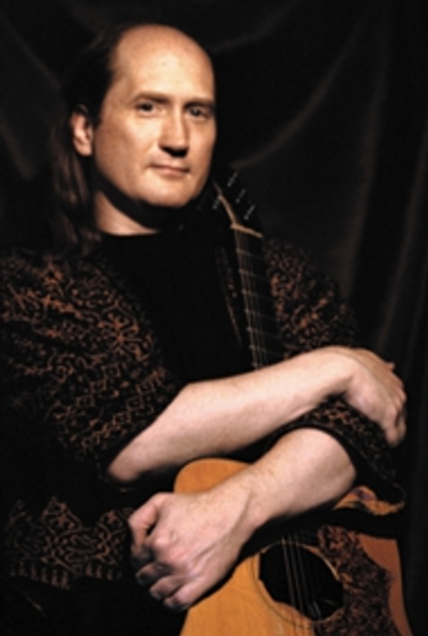
Matthew Montfort (Scalloped Fretboard Guitar)

Matthew Montfort
Matthew Montfort

Recently recognized as one of the world’s 100 Greatest Acoustic Guitarists, Montfort is a pioneer of the scalloped fretboard guitar and the leader of the seminal world fusion music ensemble Ancient Future. He has performed concerts worldwide, including at the Festival Internacional de la Guitarra on the golden coast of Spain near Barcelona and the Mumbai Festival at the Gateway of India in Bombay.

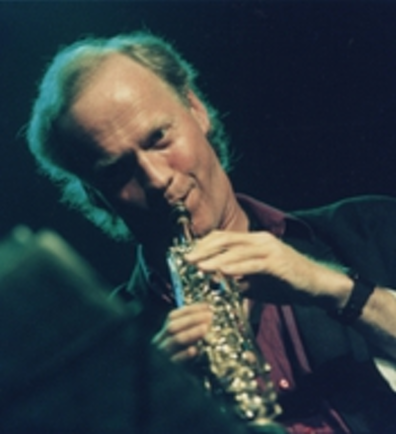
Paul McCandless (Reed Virtuoso)

Paul McCandless
Paul McCandless

During a distinguished career spanning three decades, Grammy-winning woodwind virtuoso Paul McCandless has brought a soaring lyricism to his playing and composing that has been integral to the ensemble sound of two seminal world music bands, the original Paul Winter Consort and the relentlessly innovative quartet, Oregon.

A gifted multi-instrumentalist, McCandless has specialized in an unusually broad palette of single and double reed instruments that reflect his grounding in both classical and jazz disciplines.

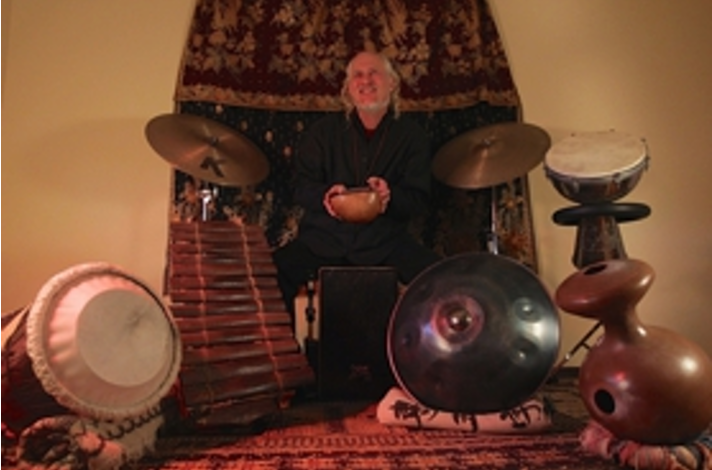
lan Dogole (Global Percussion)

Ian Dogole is an accomplished bandleader, composer, and multi- percussionist who has recorded and performed with artists such as Hamza el Din, Tito La Rosa, Ancient Future, and Alex de Grassi on a wide variety of percussion instruments, including udu, cajon, hang, African talking drum, kalimbas, cymbals and dumbek.

Ian Dogole
Ian Dogole

Kash Killion (Bass, Cello)

Kash Killion plays cello, bass and assorted African and Middle Eastern stringed instruments, and has worked with Donald Byrd, George Cables, Billy Higgins, Cecil Taylor, John Zorn, Sun Ra, Butch Morris, George Lewis, Reggie Workman, and the Sun Ra Arkestra.

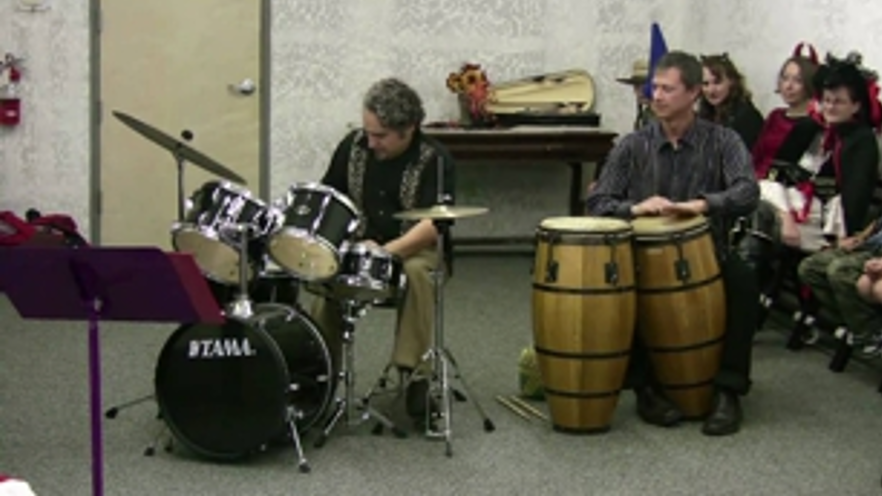
Brian Rice (Latin Percussion)

Brian Rice is a highly acclaimed musician specializing in Latin, Afro- Cuban, and Brazilian percussion who performs with acts such as Mike Marshall with Choro Famoso and the Antionio Calogero Quartet featuring Paul McCandless and Mike Manring.

Brian Rice
Brian Rice

Michaelle Goerlitz (Latin Percussion)

A talented percussionist with a focus on Brazilian, Afro Cuban, Venezuelan and Peruvian rhythms, Michaelle has played, recorded and toured with Mark Levine, Wayne Wallace, Houston Pearson, Denise Perrier, Joan Jeanrenaud, the Pickpocket Ensemble, Samba Rio, Novo Tempo, Bossa 5-0, and many others.

The Callao Carnival A Burst of Gold, Rhythm, and Tradition

The Cultural Heartbeat of Bolívar State

In the mining heart of Venezuela, where gold dictates the pulse of the land, an annual celebration arises that transcends simple festivity: The Callao Carnival.

This is not merely a costume party; it is a living chronicle of resistance, cultural fusion, and joy that has echoed through Bolívar State for over a century. Declared a UNESCO Intangible Cultural Heritage of Humanity in 2016, this festival is the result of a fascinating blend of West Indian, African, and European cultures.

El Carnaval de El Callao de Venezuela, Patrimonio Inmaterial de la Humanidad

A Journey to the Roots: The Origins of Calypso

The history of this carnival is intrinsically linked to the 19th-century gold rush. Immigrants from the British and French West Indies (Trinidad, Grenada, Saint Lucia) brought with them their languages (patois), their cuisine, and, above all, their music: calypso.

Unlike Trinidadian calypso, Callao Calypso developed its own distinct identity. It is sung in both English and Spanish, accompanied by the bumbac drum, the rallo (metal scraper), the bell, and the Venezuelan cuatro, creating a contagious rhythm that narrates the hardships and hopes of the miners of that era.

Iconic Characters: Guardians of Heritage

El Carnaval del Callao. Un Estallido de Oro, Ritmo y Tradición

What makes the Callao Carnival unique is its colorful and unchanging hierarchy of characters, each carrying deep significance:

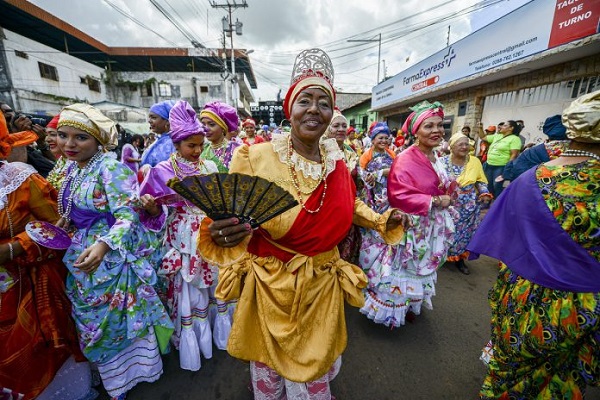
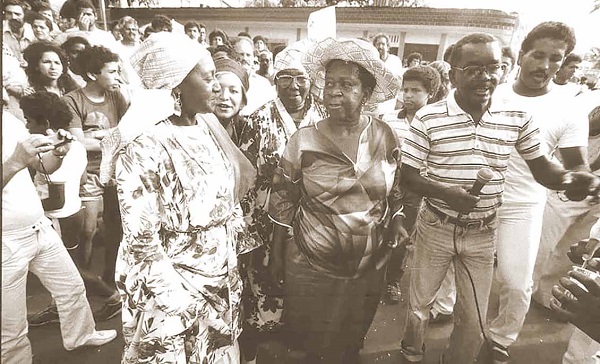
  • The Madamas: They are the central figures and pillars of the tradition. They represent the matriarchs of the West Indies, dressed in regal, brightly colored gowns, headscarves (turbans), and abundant jewelry. The figure of Isidora Agnes, the legendary “Negra Isidora,” is remembered as the great defender of this culture.
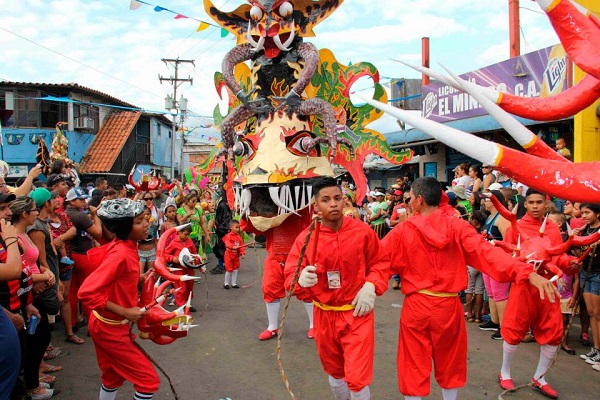
  • The Dancing Devils: Dressed in red and black, they wear impressive masks with multiple horns. Their original role was to clear the path for the parade and maintain order with their whips, symbolizing the protection of the festivities.
  • The Mediopintas: Characters who roam the streets smeared in a mixture of charcoal and molasses. With humor, they threaten to “paint” passersby unless they are given a coin (a medio).
  • The Miners: Clad in helmets and carrying tools, they pay homage to the region’s primary economic activity and the workers who founded the town.

More Than a Party: An Identity

En el corazón minero de Venezuela

The Callao Carnival is a prime example of cultural resilience. During the festivities, social barriers dissolve under the sound of the bumbac. Families prepare all year to sew costumes and rehearse songs, passing this legacy from generation to generation.

Visiting El Callao during this time is to immerse oneself in a whirlwind of energy, history, and hospitality, where every parade tells a story and every beat celebrates freedom.

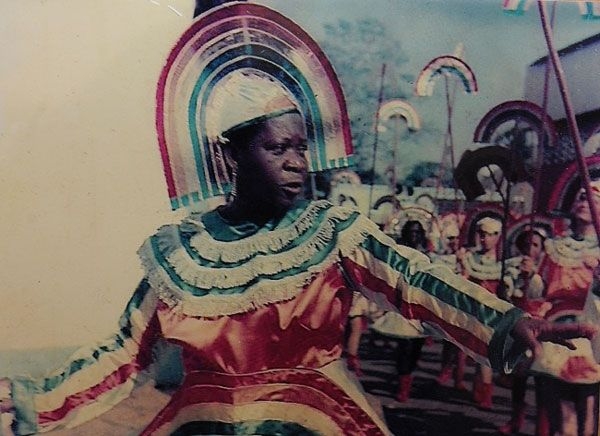
Isidora Agnes: The Eternal Queen Who Turned Calypso into World Heritage.

To speak of Isidora Agnes, universally known as “La Negra Isidora,” is not just to remember a figure from the past; it is to invoke the very soul of the El Callao Carnival. She was the vital force who rescued, protected, and championed this tradition until it reached its current status as a UNESCO World Heritage treasure.

Isidora Agnes La Reina del Calipso de El Calla

A Leader Forged in El Callao

Born on August 17, 1923, Isidora was much more than a festive figure. With a firm character and clear convictions, she stood out as a social leader and labor unionist. Her role as the town’s first telephone operator was no coincidence; this position allowed her to be the town’s communication hub, hearing firsthand the needs and struggles of her people.

With deep West Indian roots (the daughter of immigrants from Saint Lucia and Martinique), Isidora grew up with calypso in her blood, leading her to fiercely defend her identity at a time when the tradition was beginning to fade.

Rescuing a Fading Tradition

In the mid-20th century, the El Callao Carnival was facing an identity crisis and losing ground to outside influences. Determined not to let her heritage die, Isidora launched a cultural crusade:

  • Institutionalization: In 1954, she founded the “Friends of Calypso Association,” giving the festival a formal structure.
  • Discipline and Aesthetics: She organized the parades under strict standards of authenticity, demanding rigor in costume making and respect for traditional music.
  • National Exposure: She took calypso beyond the borders of Bolívar State. Thanks to her, Caracas and the rest of Venezuela discovered the thundering bumbac and the patois choruses.

The “Madama” Par Excellence

While the carnival features many “Madamas,” Isidora became the ultimate icon. She didn’t just wear the dress; she personified the elegance, respect, and stately joy of the figure. Her presence in the streets dictated the rhythm of the entire festival.

Beyond the Dance: Her Social Legacy

“La Negra” Isidora’s commitment didn’t end when the drums were put away. She was a tireless advocate for El Callao. It is said she never hesitated to travel to the Miraflores Palace to demand improvements from the nation’s presidents, achieving milestones such as the installation of the sewage system and the construction of the local hospital.

Isidora Agnes
Isidora Agnes

Facts That Immortalize Her Legend

  • The Carnival Anthem: The famous song “Isidora, Isidora, Isidora Callao Calipso Queen,” composed by her close friend Lulú Basanta, is considered the unofficial anthem of the festivities today.
  • A Poetic Farewell: She passed away on March 5, 1986. Ironically, it was Ash Wednesday—the day the carnival ends. She was laid to rest with state honors and, as per her final wish, to the rhythm of calypso.
  • A Date of Honor: In commemoration of her birth, every August 17th is celebrated as Municipal Calypso Day in El Callao.

Also Read: Samba el baile que despierta el Carnaval en Brasil 

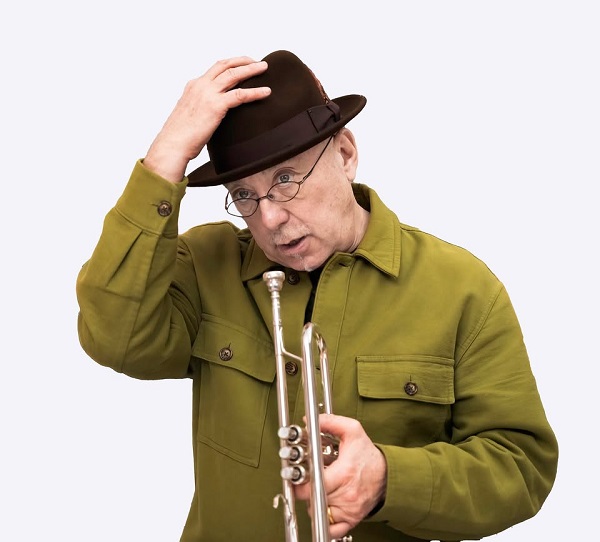
Brian Lynch is known for his versatility, excelling in Jazz (primarily post-bop and hard bop) and notably in Latin Jazz

Brian Lynch is a top-tier jazz trumpet, flugelhorn player, and arranger, highly respected for his work in both traditional jazz and his fusion with Afro-Cuban and Latin rhythms.

Lynch has been on the jazz scene for the better part of the last three decades. He is known primarily for his work as a sideman for many of the top musicians in jazz and as co-leader of a major Latin ensemble alongside Eddie Palmieri. For a long time, he has championed the music of the great trumpet players who preceded him.

Brian Lynch is a top-notch jazz trumpeter, flugelhorn player, and arranger

On this album, which is a natural follow-up to his 2000 album, Tribute to the Trumpet Masters, Lynch pays homage to the works of some of the most prominent, yet undeservedly unknown, jazz trumpeters, such as Joe Gordon, Claudio Roditi, Tommy Turrentine, Louis Smith, Idrees Sulieman, Charles Tolliver, and Kamal Adilifu (also known as Charles Sullivan).

Some of the tributes consist of performing compositions by these artists. In other cases, Lynch performs a tune he composed in the artist’s honor. In all cases, Lynch and his team, which includes Vincent Herring and Alex Hoffman on saxes and Rob Schneiderman on piano, are more than up to the task. They make each of the honorees proud.

Lynch ha estado en la escena del jazz durante la mayor parte de las últimas tres décadas

While there isn’t a single bad track on the album, standouts include Gordon’s “Terra Firma Irma,” which moves along to the potent beat of Pete Van Nostrand, along with excellent solos from all three horn players; Turrentine’s “Big Red” and Sulieman’s “Saturday Afternoon at Four,” both part of a treasure trove of unreleased compositions that were part of the Turrentine and Sulieman estates and that Lynch was able to tap into for these sessions; the hard bop of Tolliver’s “Household of Saud” (again, Van Nostrand’s drumming blew me away) and Lynch’s “RoditiSamba,” a tribute to the Brazilian master.

In short, Unsung Heroes is Brian Lynch’s best album as a leader in his long career. The musical mastery is top-notch, the compositions are always interesting, and the backstory of the whole project is a compelling history lesson for jazz trumpet fans who want to dig deeper than Miles, Diz, and Satchmo. The best news is that there’s more where that came from: this is only Volume 1 of the project; Volumes 2 and 3 are currently available online as downloads.

Paying tribute to the unsung masters of the jazz trumpet is a natural project for trumpeter and flugelhorn player Brian Lynch (the original text mentioned “Bryan Lynch” in this section, it is assumed to be a typo), who has been immersed in the hard-bop lineage since he was part of Horace Silver’s band in the 1980s.

He is accompanied by a mid-sized group that includes Vincent Herring on alto saxophone, Alex Hoffman on tenor saxophone, Rob Schneiderman on piano, David Wong on bass, Pete Van Nostrand on drums, and Vicente “Little Johnny” Rivero on congas.

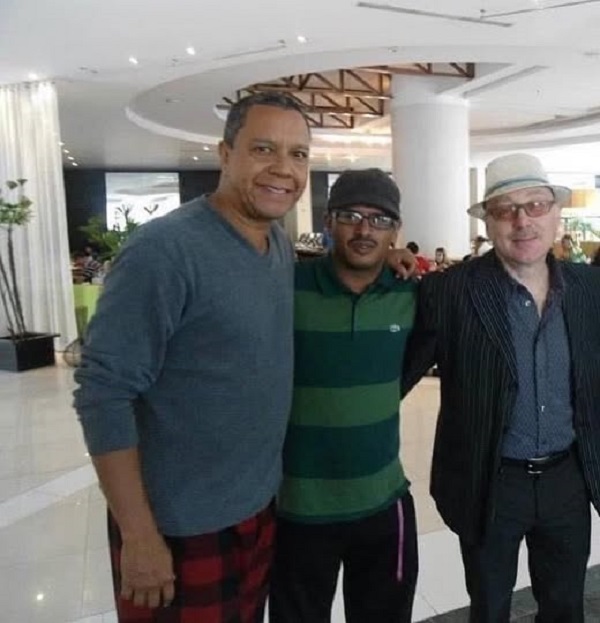
Herman Olivera El Sonero del Siglo XXI voz líder de La Perfecta II de Eddie Palmieri, Dj. Augusto Felibertt y Brian Lynch un trompetista de jazz ganador de varios premios Grammy.

Moving through rhythms ranging from ballads to riffs and Latin jazz, the band masterfully navigates the material with solo and ensemble passages executed with great fluidity. The title suggests that there may be more installments in this series, and hard-bop fans will certainly hope so. Lynch has a wealth of material to draw inspiration from and a talented band with which to make an indelible mark.

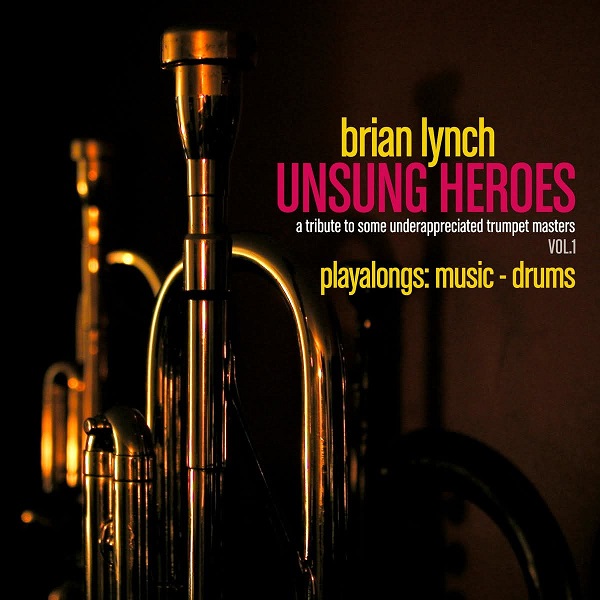
Brian Lynch – Unsung Heroes Vol. 1 (2011)

Brian Lynch - Unsung Heroes Vol. 1 (2011)
Brian Lynch – Unsung Heroes Vol. 1 (2011)

Tracks:

  1. Terra Firma Irma
  2. I Could Never Forget You
  3. Further Arrivals
  4. Saturday Afternoon At Four
  5. Household Of Saud
  6. Roditisamba
  7. Big Red
  8. Unsung Blues
  9. Wetu

Musicians: Brian Lynch (Trumpet, Flugelhorn) Vincent Herring (Alto Sax) Alex Hoffman (Tenor Sax) Rob Schneiderman (Piano) David Wong (Bass) Pete Van Nostrand (Drums) Little Johnny Rivero (Congas 1-3, 1-6, 3-5)

Recorded October 12-13, 2008 and December 22, 2009 at Knoop.

Also Read: Oskar Cartaya “My Music, My Friends, My Time” Featured collaborations with illustrious friends such as Eddie Palmieri, Giovanni Hidalgo, Dave Valentin, and Justo Almario

  • Page 1
  • Page 2
  • Page 3
  • Interim pages omitted …
  • Page 8
  • Go to Next Page »

International Salsa Magazine (ISM) is a monthly publication about Salsa activities around the world, that has been publishing since 2007. It is a world network of volunteers coordinated by ISM Magazine. We are working to strengthen all the events by working together.