The main artists who put on a show always get the lead on stage, but nothing much is being said about the instruments accompanying them, which are a fundamental part of music as we know and enjoy it. One of these is the cajón, which has a most interesting and a little bit controversial origin, so there are certain considerations to express this regard.
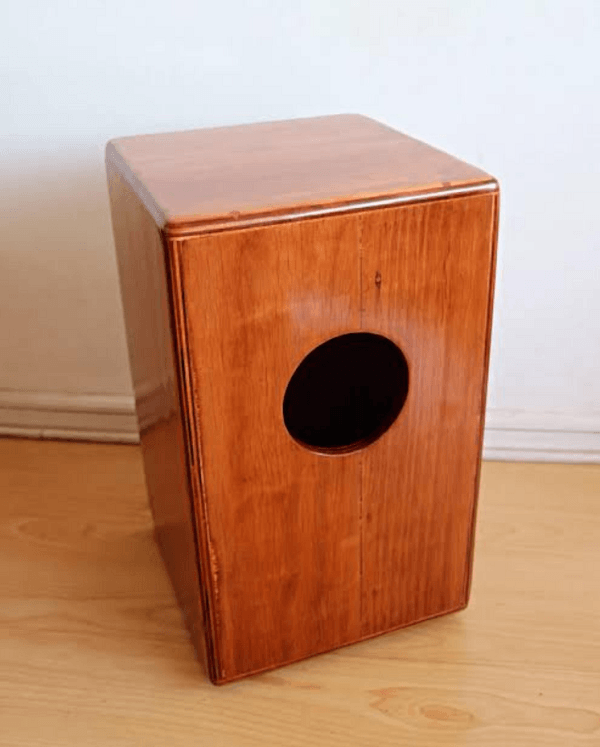
What is the cajón?
The cajón, also known as the Paruvian cajón or flamenco cajón, is a percussion instrument consisting of a wooden box on which the musician sits and taps with his fingers and palms to produce the desired sounds, whether bass or treble. On certain occasions, it is used as a substitute for the drum kit and has gained popularity in jazz, flamenco, and some Latin genres.
One reason it is so popular is because of its versatility, transportability, and ease to be played, even if the musician does not have much experience. Therefore, many prefer it to the drum kit, which is bigger and more cumbersome in certain cases.
Origins of the cajón
What is known about the origin of the cajón is that by the end of Spanish colonization, African slaves bound for America were not allowed to use their drums because the Catholic Church saw them as sinful and pagan tools. Not to mention that these prisoners also used these drums to communicate with each other, which is why the Spanish nicknamed them “talking drums.”
This led to the aforementioned instruments and several of their musicians being burned. Not to mention that slavers wanted to ban black songs that sent messages about slavery through their melodies.
By the early 1800s, there was absolutely no record that the drum had existed in what we now know as Peru, and any viceregal document mentioning it disappeared. However, there is evidence of the existence of the cajón from 1840, and it is believed that the first to use it were Afro-Peruvians.
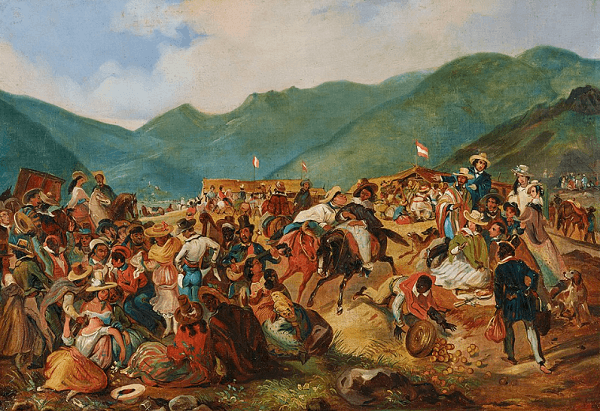
Afro-Peruvians encompass a collection of African ethnic groups who, unable to express themselves through music as they did before, had no choice but to find other instruments with which they could do so. They then saw wooden crates used to transport goods as a way to do percussion and thus continue to practice their sacred rites and play their music.
Initially, the cajones were used to play coastal and traditional dances to central and north Peru, which gradually popularized them. They also began to be used to play the “Fiesta de Amancaes,” which is a Limean festival held during the time of the Viceroyalty. This event usually brought together horse breeders, artisans, and bohemian musicians from the north and center of the country.
The arrival of the cajón in Spain
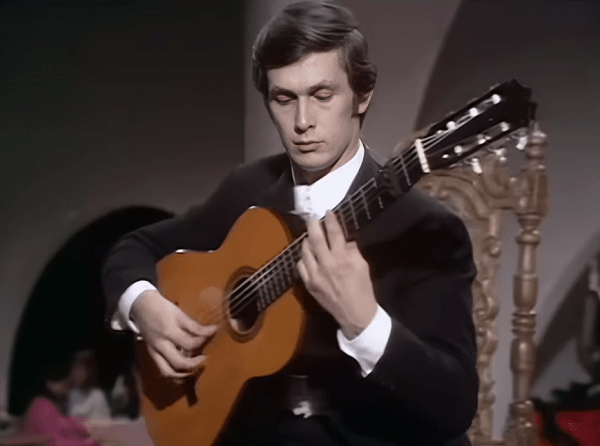
Many years later, specifically the year 1977, the cajón arrived in Europe. It was Spanish flamenco composer and guitarist Paco de Lucía who discovered the instrument during a tour of Latin America when he attended a reception hosted by the Spanish ambassador at the time. On that occasion, Paco heard Brazilian musician Rubem Dantas play it during a show by singer-songwriter Chabuca Granda, and he instantly realized that those sounds combined very well with flamenco percussion, which was always done with the palms, although it was not as consistent and precise as required. The cajón achieved this without a hitch.
It is for this that Paco decided to take the cajón to his country and only added some inner strings to adapt it and tinge its sounds, thus becoming one of the most important elements of a flamenco show today. Both Paco and Rubem decided to release it at an open-air concert at the Parque de Atracciones de Madrid of the Casa de Campo, and the Peruvian instrument was a resounding success, marking the beginning of its addition to flamenco guitarists’ shows.
At the time, Paco said that this contribution to flamenco culture in his country made him very proud and with good reason, as it was a great revolution that continues to bear fruit.
The cajón today
Today, the flamenco cajón has three screws that allow the musician to adjust the tone and a system of strings that gives the Peruvian version a different resonance and offers a range of many different sounds in which the musician’s body plays a very important role. The Peruvian version remains the most traditional of all because it gets no strings and its sounds are deeper, while the Spanish version incorporates strings or bourdons in order to make more tearing and vibrant sounds.
There are also more modern versions that include the use of drumsticks and pedals to expand their sound range a lot further.
Read also: Creator of Salsa Vida Takeshi Young graced us with his presence in International Salsa Magazine

- Bandleader and bongosero Ray Degaldo is here to talk about his life and career - February 28, 2026
- Background and reactions to Bad Bunny’s halftime show in The Super Bowl - February 27, 2026
- Don Perignon Y La Puertorriqueña releases his new album ‘‘Classique et Savoureux’’ - February 15, 2026