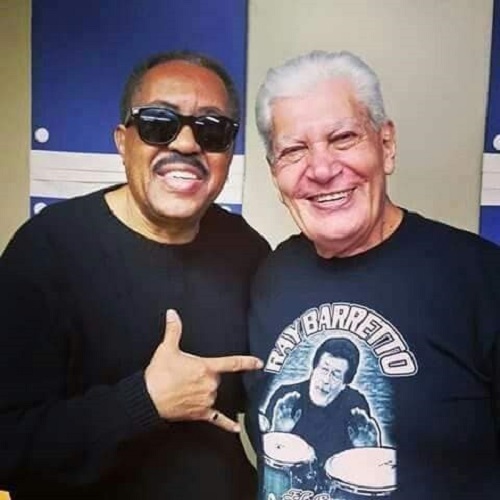
The world of Afro-Antillean music celebrates the birth of one of the genre’s most distinguished and sophisticated voices Roberto Romero Caballero, universally known in the music scene as Tito Allen.
Born on May 1, 1946, in the iconic neighborhood of Santurce, Puerto Rico, this pillar of salsa has left an indelible mark on the history of Latin music throughout a career spanning over four decades of artistic excellence.
The Origin of a Name with Tumbao
The stage name of this renowned sonero holds a curious history split into two parts. The first part, “Tito,” stems from a deeply rooted custom in Puerto Rican slang: the double diminutive. From Roberto, people began calling him “Robertito,” a nickname that over time affectionately evolved into “Tito.”
On the other hand, the surname “Allen” has a much more urban and accidental origin. The singer himself has confessed that during his youth, he saw the word painted as graffiti on a wall. The visual impact and the sound of the name pleased him so much that he decided to adopt it on the spot as his signature trademark for the entertainment world.
The Beginnings of a Multifaceted Star
Tito Allen’s musical journey formally began in 1962, when he was just a 16-year-old teenager. In his early days, the young Roberto showed a strong inclination toward rock and roll, a genre that was causing a frenzy among the youth of the 1960s.
During this formative period, Allen stood out as a bassist and guitarist, forming part of various musical trios that emulated the great bands of the era. These groups even enjoyed successful appearances on Puerto Rico’s Channel 4 television.
Fortunately for lovers of Caribbean rhythms, destiny guided him toward tropical music. His powerful voice, characterized by impeccable tuning and elegant phrasing, quickly made him a highly sought-after singer.
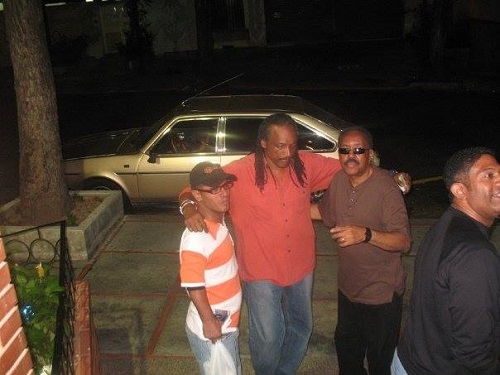
Among his major aesthetic influences, Allen has always expressed a deep admiration for Cheo Feliciano, whom he listened to with devotion during Feliciano’s era with the Joe Cuba Sextet. Likewise, he has repeatedly pointed to the Bobby Valentín Orchestra as one of his favorite bands of all time.
Conquering New York and the Big Leagues of Salsa
Determined to take his career international, Tito Allen traveled to New York in 1972. Although he initially tried to join the orchestra of the “King of the Timbal,” Tito Puente, Puente had no vacancies at the time. Far from discouraged, Allen joined forces with the prominent Colombian pianist Eddie Martínez to form a quintet that performed successfully in Big Apple nightclubs.
The true turning point came in May 1973. After a brief return to his native Puerto Rico, Allen went back to New York and, thanks to a recommendation from Eddie Martínez, scored an audition at the famous club El Corso. There, maestro Ray Barretto was looking for a vocalist to replace none other than Adalberto Santiago.
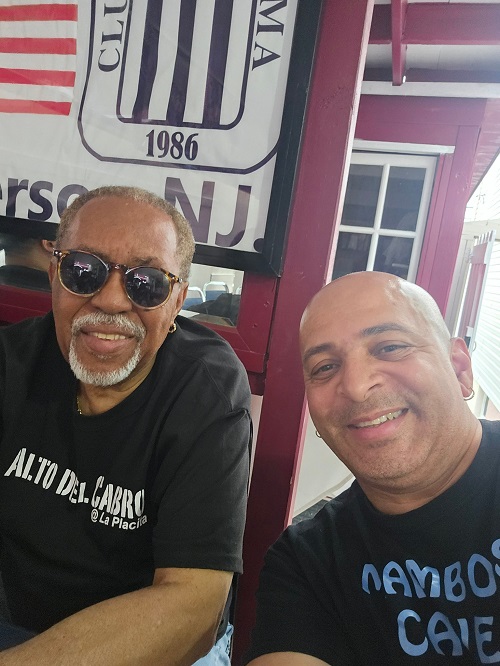
Allen rose to the challenge masterfully, recording the acclaimed album Indestructible (1973), a work that instantly enshrined him in the pantheon of salsa royalty.
A Legendary Journey: Following his successful run with the Ray Barretto Orchestra, Tito Allen fulfilled his dream of working alongside Tito Puente. Later, he joined the ranks of the legendary Típica 73 before launching a solid solo career.
His impeccable reputation also led him to become a fundamental part of the Puerto Rico All Stars, participating in two of their most iconic album productions. Additionally, he collaborated closely with the virtuoso Louie Ramírez, leaving an indelible mark thanks to his versatility.
The Golden Backup Singer of the Latino Neighborhood
Beyond his brilliance as a soloist and bandleader, Tito Allen’s career stands out for his generosity and professionalism in the recording studio.
His trained, melodious voice graced countless productions for artists of the stature of Pupi Legarreta, Ralphy Santi, and Conjunto Clásico, among many other representatives of “the ultimate expression of the Latino neighborhood.” His work as a backup vocalist was essential in defining the sound of New York and Caribbean salsa during the ’70s and ’80s, solidifying his status as a complete artist and a gentleman of music who today, more than ever, deserves the applause of his audience.
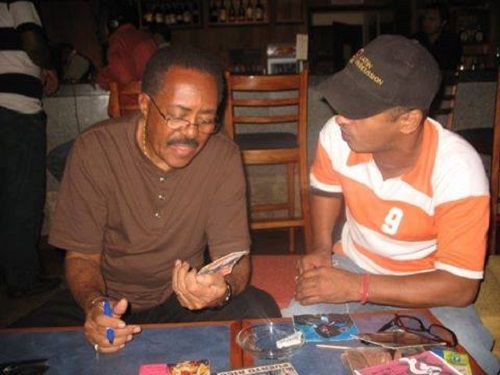
Also Read: Our friend Tito Allen supports the Salsa Museum

- Teresa Carreño: The Walkyrie of the Piano Who Conquered the World - September 29, 2026
- Charlie Palmieri The Giant of the Blancas y las Negras - September 29, 2026
- Ray Barretto: The Unshakable Beat of Latin Jazz and Salsa - September 29, 2026