The Indelible Footprint of a Masterful Voice in the Golden Era of SAR Productions.
Introduction and Musical Legacy, Fernando Lavoy was one of the best-kept and most dazzling secrets of 20th-century Afro-Cuban music.
Born on May 6, 1950, in Havana, Cuba, he possessed an exceptional mastery and vocal quality that quickly caught the attention of the era’s biggest icons.
It was the legendary trumpeter Alfredo “Chocolate” Armenteros who, blown away by Lavoy’s innate gift for traditional phrasing and improvisation, affectionately dubbed him “El Montunero” (The Montuno Master).
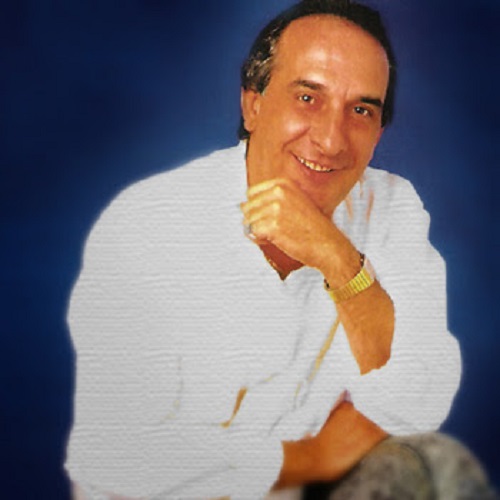
Throughout his career, Lavoy showcased his talent as both a singer and songwriter in heavyweight ensembles, including:
- The celebrated Sonora Matancera
- Chocolate Armenteros’ orchestra
- Conjunto Dinastía Diez
- Roberto Torres’ mythical SAR All Stars
He also led his own group, “Los Soneros.” His tragic murder in 1992 in Miami, United States, cut short the life of a brilliant artist, but left an indelible mark on the heritage of tropical music.
The Rise in New York and the Alliance with SAR Productions
After emigrating to the United States in 1980 in search of new artistic horizons, Lavoy immediately immersed himself in New York’s effervescent Salsa and Son scene.
His first big break came courtesy of Chocolate Armenteros, contributing masterfully to the album “Y sigo con mi...” under the SAR Productions record label.
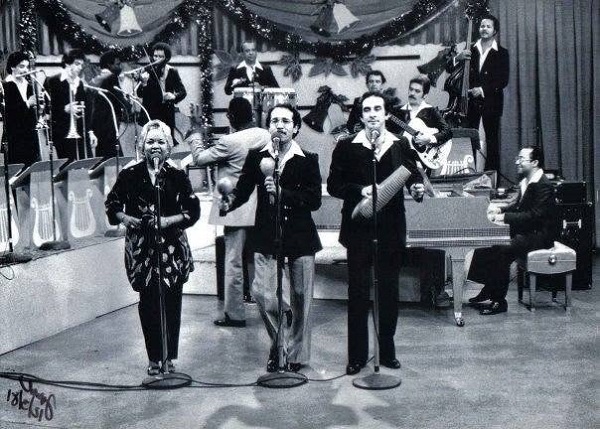
Founded by Roberto Torres, this record label was characterized by a unique musical aesthetic: it championed the classic texture of Cuban son, extending song lengths to allow generous space for instrumental solos and pure improvisation.
In 1981, Lavoy solidified his place as a member of the SAR All Stars, catapulting his voice into the spotlight of the most demanding music lovers.
Unlike other commercial acts of the era (such as Fania Records) that leaned heavily into crossovers with the English-speaking market, SAR Productions stood firm in direct Cuban roots. While they injected subtle nuances of jazz, they preserved that traditional, deep, and organic cadence that captivated Hispanic audiences.
Fernando Lavoy y Los Soneros: A Distinct Identity
Between 1981 and 1982, Fernando Lavoy recorded two foundational albums under his own name: “Los Soneros” (1981) and “Fernando Lavoy y Los Soneros” (1982).
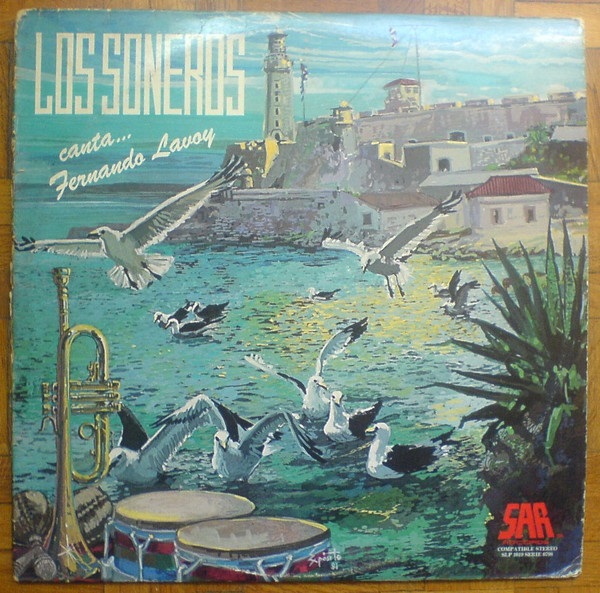
Although the norm at SAR was to use the talented house band to back soloists, Los Soneros presented themselves as an autonomous group with their own identity, produced by the infallible Roberto Torres.
The ensemble stood out for its solid instrumentation led by trumpeter Juan González, who served as director and arranger, accompanied by his son Juan González Jr. on piano and the virtuoso Juan Méndez on bongo.
The band was formally structured as a classic, old-school conjunto: four powerful trumpets, bass, conga, bongo, and three backing vocalists stylishly led by Norman Rodríguez.
Analysis of a Masterpiece: The 1982 Album
The 1982 record is absolute proof of Lavoy’s musical maturity; he composed 50% of the repertoire.
- “No voy a dormir”: The album opens electrifyingly, where a powerful trumpet introduction gives way to Fernando’s entrance, followed by a masterful trumpet solo by Juan González and an explosive bongo breakdown by Juan Méndez that builds into a montuno climax.
- “Cóquela suave”: A son montuno penned by Lavoy that, true to its name, begins with a smooth, gentle cadence before transforming into a hard-hitting, danceable son, enriched by a sublime piano solo from Juan González Jr.
- “Pegaditos”: A famous composition by Miguel Matamoros who, along with Arsenio Rodríguez, stands as one of the pillars of son is reinterpreted while respecting the purity of its traditional structure. The track shines with a high, piercing trumpet that floats above the Cuban singer’s vocals, experimenting with tempo variations that gradually increase the rhythmic intensity alongside flawless backing vocals.
- “Juana la sin goma” & “No vuelo contigo”: The album closes with the former, a track packed with playfulness, dance energy, and high-octane lyrics, and the latter, a more laid-back son that, without quite becoming a bolero, maintains the majestic structure of Cuban son with a vibrant closing montuno.
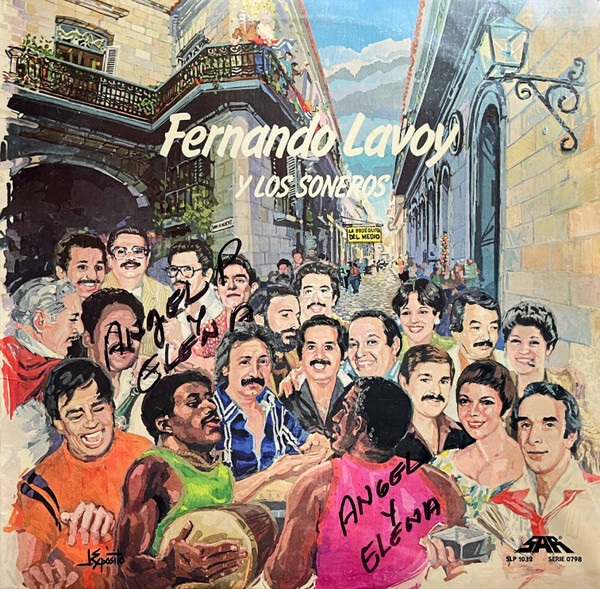
Ultimately, Fernando Lavoy’s work remains a foundational pillar that vindicates the sabor, rhythm, and eternal essence of son montuno.
Text courtesy of Maida Lorena Lavoy.
Also Read: Alfredo “Chocolate” Armenteros: The Golden Legacy of the Cuban Trumpet

- Teresa Carreño: The Walkyrie of the Piano Who Conquered the World - September 29, 2026
- Charlie Palmieri The Giant of the Blancas y las Negras - September 29, 2026
- Ray Barretto: The Unshakable Beat of Latin Jazz and Salsa - September 29, 2026