• Skip to primary navigation
  • Skip to main content

International Salsa Magazine

  • HOME
  • Previous editions
    • 2026
      • ISM / March 2026
      • ISM / February 2026
      • ISM / January 2026
    • 2025
      • ISM / December 2025
      • ISM / November 2025
      • ISM / October 2025
      • ISM / September 2025
      • ISM / August 2025
      • ISM / July 2025
      • ISM / June 2025
      • ISM / May2025
      • ISM / April 2025
      • ISM / March 2025
      • ISM / February 2025
      • ISM / January 2025
    • 2024
      • ISM / December 2024
      • ISM / November 2024
      • ISM / October 2024
      • ISM / September 2024
      • ISM / August 2024
      • ISM / July 2024
      • ISM / June 2024
      • ISM / May 2024
      • ISM / April 2024
      • ISM / March 2024
      • ISM / February 2024
      • ISM / January 2024
    • 2023
      • ISM / December 2023
      • ISM / November 2023
      • ISM / October 2023
      • ISM – September 2023
      • ISM – August 2023
      • ISM July 2023
      • ISM Edition June 2023
      • ISM – May 2023
      • ISM April 2023
      • ISM March 2023
      • ISM February 2023
      • ISM January 2023
    • 2022
      • ISM December 2022
      • ISM November 2022
      • ISM October 2022
      • ISM September 2022
      • ISM August 2022
      • ISM July 2022
      • ISM June 2022
      • ISM May 2022
      • ISM February 2022
      • ISM January 2022
    • 2021
      • ISM December 2021
      • ISM November 2021
      • ISM October – 2021
      • ISM September 2021
      • ISM August 2021
      • ISM July 2021
      • ISM May 2021
      • ISM April 2021
      • ISM June 2021
      • ISM March 2021
      • ISM February 2021
      • ISM January 2021
    • 2020
      • ISM December 2020
      • ISM November 2020
      • ISM October 2020
      • ISM September 2020
      • ISM August 2020
      • ISM July 2020
      • ISM June 2020
      • ISM May 2020
      • ISM April 2020
      • ISM March 2020
      • ISM February 2020
      • ISM January 2020
    • 2019
      • ISM December 2019
      • ISM November 2019
      • ISM October 2019
      • ISM Septembre 2019
      • ISM August 2019
      • ISM July 2019
      • ISM June 2019
  • Spanish
  • Download Salsa App
    • Android
    • Apple

Biography

Orquesta la Identidad is one of the most nationally and internationally recognized groups in the salsa genre

Winner Identidad Orchestra on several occasions of the Cali fair disc with songs such as MUJERES in 1987, QUIÉREME in 1991 and COMO YO TE AME, the most played song at a historical level in the different Latin FM stereo stations in 2003.

ORQUESTA LA IDENTIDAD

Among other works of recognition such as: LAS COSAS SON COMO SON, TU DESDÉN, GOLPE DE GRACIA, SI ELLA VOLVIERA, DESENGAÑOS, among others.

This group was founded by the Colombian composer and musician Carlos Enrique Navia in 1981 in the capital of salsa in the city of Cali – Colombia, which came to fame in 1987.

Following the release of his first album entitled LA IDENTIDAD, under the Codiscos label, musical production that includes the works, LAS COSAS SON COMO SON, Y ME QUIERES, PARA QUERERTE, CADA CUAL, POR SU LADO, LA FUMA, GENTE CORRIENTE, BRABAJE and MUJERES.

Work that was awarded as the official album of the Cali Fair and gave him the opportunity to make his first international tour of the United States, visiting the states of Florida, New York, California, Texas, Illinois, among others.

This group had a very important boom in Colombia and the whole world for being elected revelation orchestra of the year and gave him the participation in the most important events and fairs throughout the Colombian territory.

Thanks to the success and recognition, the orchestra recorded its second album called LA MÚSICA in 1989, album that expanded its audience in other countries such as: Mexico, Venezuela and Ecuador with the works TU DESDÉN, AMOR ETERNO, TE QUIERO TANTO, LA MÚSICA, SON SABORIONDO, SENTIMIENTOS POR TI and BOMBA NAVIDEÑA, work that occupied the first places in the FM radio stations, preselected as Cali’s fair disc and elected the second most important song of the fair.

Orquesta la Identidad is one of the most nationally and internationally recognized groups in the salsa genre

Identidad Orchestra in 1990 the orchestra recorded its third album entitled UN TOQUE DE MISTERIO, album produced by the renowned Venezuelan musician Cesar Monges “Albondiga” who has participated in countless productions of artists and orchestras of international recognition in the salsa genre.

After a long tour in the United States, the orchestra arrives in Colombia to record their fourth album entitled SALSA CON ENERGÍA, a product produced in the studios of Grupo Niche.

This production included songs such as: LA RETIRADA, ESE SOY YO, BOROJO, AGITACIÓN, SI ELLA VOLVIERA, LLEGASTE A MI VIDA, DESENGAÑOS and COMO YO TE AMÉ, one of the hits of preference of our listeners, occupying the first places and beating the record of the most played song in all salsa genre stations in Colombia, United States, Mexico, Venezuela, Ecuador, Peru, Spain, Italy and many more countries.

ORQUESTA LA IDENTIDAD is an orchestra that has been characterized by its perseverance.

Identidad Orchestra in 1992 they recorded their fifth album titled PROFESIÓN SALSA and ended their relationship with the record label Codiscos to start their independence as a brand under the direction of composer, singer and founder Carlos Enrique Navia to produce their works as an independent record label.

Orquesta la Identidad is one of the most nationally

This album included songs such as: GOLPE DE GRACIA, PECADORA, COCTEL DE AMOR, SI YO PUDIERA, SEÑORA CALI, MUJER AMADA, TE PILLÉ, NO IMPORTA, among others. This product was widely distributed in countries such as Ecuador, Venezuela, Mexico, Peru, United States, among others.

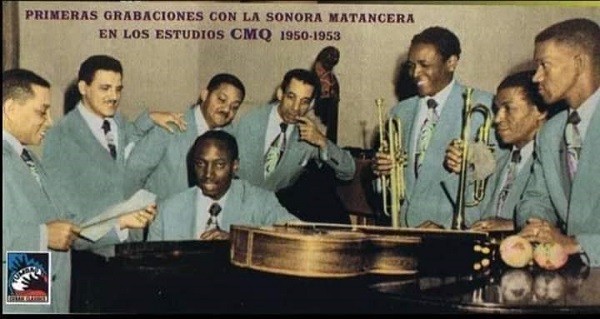
As a record label Identidad Producciones, ORQUESTA LA IDENTIDAD has recorded albums such as A TIEMPO, a production that has captivated the salsa public with songs like: CUANDO EL AMOR SE ACABA, MI NIÑA, LA ESQUINA DEL MOVIMIENTO, LE CANTO AL PACÍFICO, TE QUIERO Y TE AMO, TU DESDÉN, LA FUMA and singles such as: POR SIEMPRE ELLA, FRACASO, DICIEMBRE EN CALI, SON PA EL BAILADOR, COLOMBIA REAL, A MI PADRE, BENDICIÓN DE MADRE, MI GUAGUANCÓ, HOMENAJE A LA SONORA MATANCERA, GUAYAQUIL among others.

Works that are played on Latin radio stations and massively on digital platforms. Orquesta LA IDENTIDAD is a group that has participated in important Latin music events such as: SEBASTIÁN DE BELALCÁZAR awards on two occasions and nominated for best salsa genre orchestra, event organized by FALCON MANAGEMENT BOOKING & ENTERTAINMENT, INDEPENDENCE FESTIVAL OF GUAYAQUIL – ECUADOR, INDEPENDENCE FESTIVALS OF COLOMBIA IN THE UNITED STATES, WORLD SALSA FESTIVAL, BILLBOARD LATIN MUSIC, FESTIVAL OF ORCHESTRAS IN COLOMBIA AND FAIRS THROUGHOUT THE COLOMBIAN TERRITORY.

ORQUESTA LA IDENTIDAD is currently preparing the celebration of 40 years of artistic career, an album that will include the greatest hits such as MUJERES, QUIÉREME, GOLPE DE GRACIA, MUJER AMADA, LAS COSAS SON COMO COMO SON, TU DESDÉN, UN TOQUE DE MISTERIO, COMO YO TE AMÉ and DESENGAÑOS, which will have collaborations with national and international artists of recognition in the salsa genre and is preparing to make its next international tour of the United States year 2024.

CONTACT Carlos Enrique Navia General Manager Contact: 310 822 8068 – 317 642 1031 Email: [email protected]

ORQUESTA LA IDENTIDAD

Also Read: Colombia’s legendary Grupo Niche and its founder Jairo Varela

The Royalty of our Latin Music Pete “El Conde” Rodríguez first singer signed by Fania Records label

Pedro Juan Rodríguez, Pete “El Conde” Rodríguez “La Realeza de la Salsa” (Born in Ponce, Puerto Rico on January 31, 1933).

First singer signed to the Fania Records label in conjunction with the Johnny Pacheco Orchestra and of outstanding participation with the Fania All Stars and his own orchestra.

Pete “El Conde” Rodríguez

His father, who made his living as a musician playing in a string quartet that entertained parties and social gatherings, guided him during his first steps as a musician.

By the age of 6, little Pedro was very skilled with the bongo and singing popular Puerto Rican songs of the time.

Things became difficult after the death of his father and as a teenager Pete had to emigrate to the United States (1946) to live with his aunt in New York.

Once in New York, Pete managed to establish himself as a percussionist in the Orquesta Oriental Cubana. Before, long before joining the great Pacheco, Pete had to go through several orchestras among which stand out: Las Jóvenes Estrellas de Cuba (57), the Típica Novel and the Broadway from which he left for personal reasons.

In May 1962 Pete Rodriguez (he was not yet called El Conde), joined Pacheco in a Charanguero orchestra (flute, violin, rhythm and chorus). The first album with Pacheco was Suavito in 1963.

By 64 Jhonny Pacheco and Jerry Massucci founded Fania Records and created the internationally recognized Fania All Stars.

Pete was the first singer that Fania had, and on his shoulders was the responsibility of taking that project forward. On Fania’s first album Cañonazo (1964) Pete performs the song Fania, a composition by Josualdo Bolanos, with which the orchestra was inaugurated.

The Realiza of our Latin Music Pete "El Conde" Rodriguez
The Realiza of our Latin Music Pete “El Conde” Rodriguez

Rodriguez’s first appearance with Fania was at the Greenwich Village Red Garter Club in 1968.

For reasons of life Pete had to leave Jhonny Pacheco’s group; the concrete reasons for this separation will remain a mystery, but it seems that his departure was due to personal disagreements with other members of the group.

After Pacheco, Pete packed up his motets and moved with Rey Roig and the Sensación group (1964-1968). From his time with this group w For the years 66-67, Pete returned to the ranks with Pacheco. This was a more mature stage where the marvelous duo achieved their greatest hits: Azuquita Mami, Convergencia, La Esencia del Guaguanco, Sonero, Viralo al Reves and others.

The turmoil of the time, the world events, the new way of dressing and people’s way of thinking made Pete change his appearance; he let his beard grow and changed his hairstyle a little. This change gave him a new image and a new name “EL CONDE”.

The Pacheco-Rodriguez duo lasted approximately 8 years, since in 74 El Conde decided to go solo.

That same year El Conde released his best selling and Grammy award winning album El Conde (1974). Two years later (1976) El Conde became part of the Salsa Hall of Fame immortalizing himself with Catalina la O.

With the appearance of Salsa Romántica and the onslaught of Dominican merengue in the markets, salsa entered a crisis which was reflected in the musical work of El Conde. So between 1983 and 1990 El Conde managed to record only 5 albums of which Salsobita (1987) stands out.

In 1993 El Conde made way for his son Pete Emilio and his daughter Cita Rodriguez who joined the group as second voice and backing vocalist.

The family was already complete because Francis Rodriguez, his wife, was in charge of the administrative and financial part of the group.ere the following songs Salsa, Bailando Conmigo and his hit El Rincón.

El Conde made his last recording on the Masterpiece Album (1999) with Tito Puente (1923-2000) and Eddie Palmieri. This album is considered posthumous because in that same year (2000) Tito and El Conde passed away.

Cepelio de Pete El Conde Jhonny Pachoco, Cheo Feliciano, Ismael Miranda y Papo Lucca

El Conde had suffered from heart problems for many years, but was always reluctant to have open heart surgery. Pete “El Conde” Rodriguez passed away of a heart attack on Saturday, December 2, 2000.

His remains were taken to his native Puerto Rico. He is survived by his wife Francis, his two sons Cita and Pedro Emilio, and his grandchildren.

Remains of Pete “El Conde” Rodríguez finally rest on the island. December 7, 2023 – After his death in 2000, the remains of Ponceño singer Pete “El Conde” Rodríguez were transferred from New York to the National Cemetery for veterans in Bayamón.

Ashes of Pete El Conde Rodriguez

Source: El Pozo de la Salsa

Also Read: Héctor Martignon has been one of the most sought-after pianists on the Latin jazz scene in New York

Poncho Sanchez visited us at the Salsa Museum

Like every month, we are going to dedicate this edition to a very special name in the Latin music scene and it is about the extraordinary percussionist and conguero Poncho Sanchez, who has given us the honor of donating some of his congas and the suit he wore during the Grammy Awards to the Spaha Salsa Gallery Museum.   

In gratitude to such a generous act, we want to dedicate the following lines to his brilliant career and everything he has contributed to Latin music with his work and talent.    

Poncho playing the congas
Poncho Sánchez playing the congas live

Poncho’s beginnings in music 

Pablo Sanchez, better known as Poncho Sanchez, is currently a percussionist and salsa singer who leads a renowned Latin jazz and Cuban music band. He became such a talented artist after a long journey in the difficult and competitive music industry. 

Poncho is the son of two Mexicans from different cities who had eleven children, the musician being the youngest of them all. From a very young age, he developed an intense love for music, which led him to learn to play instruments on his own.   

Although Poncho was born in Laredo, Texas, he spent all his childhood in Los Angeles with his family. In that place, he began to have a lot of contact with American jazz, Latin jazz and soul. During his adolescent years, his musical tastes were dominated by artists such as Mongo Santamaría, James Brown, John Coltraine, Miles Davis, among many others.   

Poncho at Catalina Bar
Poncho Sánchez performing at Catalina Bar and Grill in Hollywood

When he decided he wanted to take music up professionally, he began to teach himself to play the congas, guitar, drums, timbales and flute. This is how he was preparing for what was to come in his professional life later on.   

When he reached adulthood in his twenties, he was playing in various dance clubs for a while, until finally he got Cal Tjader and his group to notice his talent and invite him to join them.   

Today, Poncho is very grateful to Cal and said that he learned a lot from him during the time he was in the group. In fact, he even recalled in an interview that he gave him some lessons just as he was a teacher and Poncho was a student. This, in order to be on par with his bandmates and be able to put on a good show to the public.   

Poncho and Tito Puente
Poncho Sánchez and Tito Puente ”The King of Timbales”

Poncho as a soloist  

In 1980, Poncho finally managed to form his own group with which he began to carry out certain projects, although he had not completely departed from Cal’s band. In fact, the conguero worked with the musical director till the end of his days in 1982.   

Just a few months later, he signed with the Concord Records label to release his first official solo album, which he titled ”Sonando”, marking the beginning of a partnership that remains intact to this day. So far, Poncho has some two dozen recordings with Concord.  

Following decades of starting his career, Poncho saw his dreams become a reality when he won a Grammy for ”Best Latin Album” in 1999 thanks to the Latin soul album he had recorded at the time. That’s when the artist finally felt that everything he had worked for in the previous years had paid off.   

As for his latest album called ”Trane’s Delight”, Poncho seeks to pay homage to the artists who have inspired him and helped him develop his own art, as he considers that these personalities have been a fundamental basis for his growth as a music professional. 

Johnny Cru ISM corresponde in New York City

Read also: The Great Pichie Pérez and his brilliant career 

Juan Valdez Byte Dominican musician, arranger, composer and singer-songwriter.

Juan Valdez Born in San Juan de la Maguana on June 24, 1962. Son of Mrs. Martha Ramona Ybert and Mr. Jose Ignacio Valdez (Kiko), he is the eldest of 6 siblings (all musicians).

Juan Valdez Byte Dominican musician, arranger, composer and singer-songwriter

He started in his father’s band (also a musician) La Gran Dimensión, he was the first saxophonist of the municipal music band of his town where he studied solfeggio and saxophone with maestro Plinio Feliz. Later he studied piano at the school of fine arts of the same town.

Juan Valdez Ybet at the age of 19 he moved to Santo Domingo, capital of the Dominican Republic, where he became a pianist and arranger for the Rosario Brothers Orchestra, Aramis Camilo, Alex Bueno, Sergio Vargas, Alex Mansilla and Canaveral, pianist for Juan Luis Guerra and 440, then director and arranger for Luis Diaz, Michel El Buenon, Asdrubar, Felix Manuel, Big Bang Congreso del Bolero, Felix De Oleo, Jaqueline Estevez, Anthony Rios, Camboy Estevez, Homenaje a Felix del Rosario, among others.

He was also Director of the Television Programs: Buen Provecho with Yaqui Nuñez, Viceversa with Mariela Encarnación and Georgina Duluc, En Resumidas Cuentas and Sábado de Corporan.

Juan Valdez Ybet he has participated as a pianist in concerts and studio recordings with Aramis Camilo, Alex Bueno, Sergio Vargas, Luis Diaz, Michel El Buenon, Asdrubar, Felix Manuel, Felix De Oleo, popular concerts, Orquesta Sinfónica Nacional conductor Jose A. Molina, Grupo Cañaveral, Wilfrido Vargas, Fernando Villalona, Sandy Reyes, Henry Garcia, Grupo Licuado de Crispin Fernandez, Maridalia Hernandez, Milly Quezada, Juan Luis Guerra, Andy Montañez, Paquito Guzman, Tito Gomez, Zacarias Ferreira, Eddy Herrera, Hermanos Rosario, Kaki Vargas, Hector Acosta y Toros Band, The New York Band, Grupo Ilegales, Manuel Tejada, Jorge Taveras, Rasputin, Pablo Martinez, Marcos Hernandez, Luis Miguel del Amargue, Aniversario Telemicro, among others.

He has made Musical Arrangements (Orchestrator) for: Aramis Camilo, Alex Bueno, Sergio Vargas, Luis Diaz, Michel El Buenon, Asdrubar, Felix Manuel, Felix De Oleo, National Symphony Orchestra, Placido Domingo Jr, Grupo Canaveral, Wilfrido Vargas, Fernando Villalona, Sandy Reyes, Henry Garcia, Milly Quezada, Zacarias Ferreira, Olga Tañon, Manny Manuel, Mayra y Celines, Placido Domingo Hijo, Hermanos Rosario, Kaki Vargas, Hector Acosta y Toros Band, The New York Band, La Coco Band, Grupo Ilegales, Rasputin, Pablo Martinez, Jailine Cintron, Grupo La Linea, Premios Casandra, Primera y Segunda del Merengue, Que Viva El Merengue, Dimanchy, Conjunto Quisqueya, Giselle, Isha, Pakole, Manolé, Yanfourd, David Kada, Shadow Blow, Vakero, Gingers for Brugal, Coca Cola and Pastas La Famosa.

Juan he is also a professor of Piano and Popular Latin Orchestration at the National Conservatory of Music (CNM) since 2001 to date. He has been nominated for the Cassandra Awards since 1987 until the last Sovereign Awards.

Juan Valdez ByteBorn in San Juan de la Maguana on June 24, 1962.

Recognized by the green valley foundation in his town, by the city council and the syndic.

Recognized by the Grammy awards as an arranger and musician.

Arranger:

The Rosario Brothers: El Chicharron, Buena Suerte.

Aramis Camilo: Nena, Si la Ven, El Alicate, Hellow, Al Maestro Con Cariño, La india, A La Talalala, I Will Always Love You, Si Yo Pudiera (Salsa), Ya Te Digo Adiós.

Alex Bueno: Como Nadie (lyrics, composition and arrangement), Soy Rebelde, Una Lagrima Por tu Amor, Nuestro Juramento, Quien Soy Yo Sin Ella, Número C.

Quien Soy Yo Sin Ella, Número Cero.

Sergio Vargas: Marola, La Ventanita, La Pastilla, Bamboleo, Perla Negra, Se Acabo, Me Muero, El Merengue Se Baila Pegao, Dias de

Junio, Yo Soy, Muele, Maquina Olandera, Dudas, Por H o por R (Composicion y Arreglo), Perfume de Rosas, En Esta Casa Humilde, A Dar Amor, Tu Vacilandome, Tu Ausencia, Causas y Azares, Lejos, Ciclon, Que No Halla, Mas Fronteras, Amor De A Ratos, Que Linda, Mujeres, Dile Mas, Baile ae, Si Volvieras, Palo Palo, Eres Tu, Ramona, Musica para la fiesta, Soy Sergio, Ay Ombe, El Dolorcito, Jugue sin saber, Aunque mal paguen ellas, Magia, Sin Ella Sufro, Llore Llore, Lucerito.

Benny Sadel: Que pasará, Te He Prometido, Mis manos en tu cintura (Arrangement and Chorus), Homenaje a Wilfrido, Rompamos El Contrato, Quiero Ser, Por Que Yo Quiero, En Esta Navidad, Por Ti, Un Mal Sueño, Así Es La Vida, Yo Te Daba Amor.

Juan Valdez Byte
Juan Valdez Byte

Wilfrido Vargas: El Baile Del Perrito, Por La Plata Baila El Mono.

Fernando Villalona: Yo Soy Aquel, Sin Ti, Que Chuleria, Hoy Le Pido Al Señor, No Te Rindas (Bachata).

Rubby Perez: I Must Do It.

Eddy Herrera: Carolina, Callejón Sin Salida, Vete, Dueno De Nada, Desde Que Te Conoci, Lo Tiene Todo.

Hector Acosta (El Torito): Menos Que Nada, Sin Tu No Me Quieres, Déjala, Si Me Recuerdas (Salsa).

New York Band: Quien Piensas Tu Que Soy, Me Quedé Con Las Ganas.

Pochi y La CocoBand: Olvida Las Penas.

Diomedes: Balsie, Las Estrellas Brillaran, El Negro Chombo, Locos De Amor (Karen Records).

Kaki Vargas: Los Mosquitos Puyan (Complete Album), No Cojas Sola Pa Allá, El Hombre De Mamá, Muchachita De Los Limones, Arisleyda, Mampote, among others.

Juan Valdez Ybet

Also Read: Betsy Colombian Salsa, Bolero and Son Cubano Singer

“The Sun of Latin Music” the first Grammy Award for Salsa Eddie Palmieri’s historic album

It has been 49 years since “The Sun of Latin Music”, Eddie Palmieri’s historic album, which marked a fundamental milestone in the history of Latin music by becoming the first production to win a Grammy Award in the category of Best Latin Recording, awarded on February 28, 1976.

"The Sun of Latin Music" the first Grammy of Salsa Eddie Palmieri's historic album
“The Sun of Latin Music” the first Grammy of Salsa Eddie Palmieri’s historic album

Recorded in New York at Electric Lady Studios, the album was released by Coco Records on Wednesday, September 18, 1974.

The album featured vocals by Lalo Rodríguez, who was only 16 years old at the time.

It includes: ‘Nada De Ti’, ‘Deseo Salvaje’, ‘Una Rosa Española’, ‘Nunca Contigo’, ‘Un Día Bonito’, ‘Mi Cumbia’.

“The Sun of Latin Music” proved to the world that Latin music, especially Salsa, was an honorable art form and opened the doors for many other Latin artists to receive solid recognition for their talent and work.

Eddie Palmieri

The sun of Latin music

MP, 1990. MP-3109 CD

Recorded in 1975

The Sun of Latin Music was a controversial album. It was too far from the easy formula of the middle salsa boom – what César Miguel Rondón calls the “mtancerization of salsa”.

“Ahead of its time” was one of the comments; “a piece like Un día bonito, had to be mutilated” with a 6-minute piano intro just to be able to play it on the radio; a danzón (Una rosa española) with lyrics by the Beatles; a cumbia that is not very Colombian, despite the name (Mi cumbia) and the chorus that says “very Colombian…”.

Nevertheless, this album represents the strength of the spirit of salsa: the encounter between the harshness of the street and the majesty of the most sophisticated musical sound.

One of the best albums of Caribbean music ever released.

Palmieri was always in search of something new. The Sun Of Latin Music is the culmination of a phase that began with an earlier album, Sentido (1974).

This time he chose the Panamanian Vitín Paz for the trumpet solo, Barry Rogers for his trombone and an unusual tuba, which formed a kind of basso continuo, and besides Barry, José Rodrigues, who for a long time was, and despite his absence still is, his most emblematic trombonist.

Cover of issue 36 of Latin New York magazine (April 1976) where Eddie Palmieri appears.

Ronnie Cuber and Mario Rivera were chosen as the first saxophonists in a Palmieri orchestra.

For many it is Palmieri’s best album, the most experimental and universal. One that borders on academic music, but without forgetting the dancer.

With spices like the violin of Alfredo de la Fe, who contributes his creativity everywhere, the tuba, the penetrating power of the brass, the overwhelming percussion.

Thus, Una rosa española is a modern danzón that later becomes a montuno that revives the joyful Palmerian game with the dignified uproar of trumpets, saxophones and trombones.

A young man of only 17 years, Lalo Rodríguez, who years later would become the standard-bearer of what was called salsa erotica, was chosen as the singer. Another novelty: the timbre of his voice, with a very high register, and the way he faced the montuno, which did not correspond to his age, caused different reactions.

But the most amazing thing about this 1974 album is the 14:20-minute track Un día bonito, arranged by Barry Rogers, which would keep even the most trained dancers busy. But Palmieri wasn’t just thinking about leg sets or dance floors.

The piece begins with a long piano interlude, the same structure he used in the track Adoración from the album Sentido, which would mark a new musical phase in his career.

It was more than experimental, it had some electro-acoustic music; no one had ever had the audacity to do that on a salsa album. Palmieri made the leap, he could do it, it sounded more like Stravinsky or Milhaud than Puente or Fania.

Suddenly, back in the piece, the orchestra bursts in, harder and heavier than ever, wishing the city of Los Angeles a beautiful day and San Francisco a “warm greeting,” and it is certain that Keruack and Borrough heard the call.

First Eddie Palmieri Grammy

Then Eddie Palmieri was consecrated by the intellectuals and the educated and also by the Grammy.

Eddie Palmieri

The sun of Latin music

Produced by Harvey Averne

Eddie Palmieri: piano

Lalo Rodríguez: vocals

Vitín Paz: trumpet

Virgil Jones: trumpet

Barry Rogers: trombone, tenor tuba

José Rodrigues: trombone

Ronnie Cuber: Baritone Saxophone, Flute

Mario Rivera: Baritone Saxophone, Flute

Alfredo de la Fe: Violin

Eddie Guagua Rivera: Bass

Tommy Chuckie Lopez, Jr.: Bongo

Eladio Pérez: conga

Nicky Marrero: timbales, percussion

Peter Gordon: French Horn

Tony Price: Tuba

Jimmy Sabater: Chorus

Willie Torres: Chorus

Tommy López Sr.: conga

Tracks: Nada de ti; Deseo salvaje; Una rosa española; Nunca contigo; Un día bonito; Mi cumbia

Arrangements by René Hernández and Barry Rogers

One of the most valuable pieces in the exhibition “Rhythm and Power: Salsa in New York”, which will be presented until next November at the Museum of the City of the Big Apple, is the first Grammy in the history of Latin music, awarded in 1976 to Eddie Palmieri for his album “Sun of Latin Music”.

“The Sun of Latin Music”

Sources:

Anapapaya

Salsero Radio

D j. Augusto Felibertt

Also Read: Salsa and its detractors “Caiga quien Caiga”

  • « Go to Previous Page
  • Page 1
  • Interim pages omitted …
  • Page 16
  • Page 17
  • Page 18
  • Page 19
  • Page 20
  • Interim pages omitted …
  • Page 22
  • Go to Next Page »

International Salsa Magazine (ISM) is a monthly publication about Salsa activities around the world, that has been publishing since 2007. It is a world network of volunteers coordinated by ISM Magazine. We are working to strengthen all the events by working together.