• Skip to primary navigation
  • Skip to main content

International Salsa Magazine

  • Home
  • Previous editions
    • 2026
      • ISM / January 2026
      • ISM / February 2026
    • 2025
      • ISM / December 2025
      • ISM / November 2025
      • ISM / October 2025
      • ISM / September 2025
      • ISM / August 2025
      • ISM / July 2025
      • ISM / June 2025
      • ISM / May2025
      • ISM / April 2025
      • ISM / March 2025
      • ISM / February 2025
      • ISM / January 2025
    • 2024
      • ISM / December 2024
      • ISM / November 2024
      • ISM / October 2024
      • ISM / September 2024
      • ISM / August 2024
      • ISM / July 2024
      • ISM / June 2024
      • ISM / May 2024
      • ISM / April 2024
      • ISM / March 2024
      • ISM / February 2024
      • ISM / January 2024
    • 2023
      • ISM / December 2023
      • ISM / November 2023
      • ISM / October 2023
      • ISM – September 2023
      • ISM – August 2023
      • ISM July 2023
      • ISM Edition June 2023
      • ISM – May 2023
      • ISM April 2023
      • ISM March 2023
      • ISM February 2023
      • ISM January 2023
    • 2022
      • ISM December 2022
      • ISM November 2022
      • ISM October 2022
      • ISM September 2022
      • ISM August 2022
      • ISM July 2022
      • ISM June 2022
      • ISM May 2022
      • ISM February 2022
      • ISM January 2022
    • 2021
      • ISM December 2021
      • ISM November 2021
      • ISM October – 2021
      • ISM September 2021
      • ISM August 2021
      • ISM July 2021
      • ISM May 2021
      • ISM April 2021
      • ISM June 2021
      • ISM March 2021
      • ISM February 2021
      • ISM January 2021
    • 2020
      • ISM December 2020
      • ISM November 2020
      • ISM October 2020
      • ISM September 2020
      • ISM August 2020
      • ISM July 2020
      • ISM June 2020
      • ISM May 2020
      • ISM April 2020
      • ISM March 2020
      • ISM February 2020
      • ISM January 2020
    • 2019
      • ISM December 2019
      • ISM November 2019
      • ISM October 2019
      • ISM Septembre 2019
      • ISM August 2019
      • ISM July 2019
      • ISM June 2019
      • ISM May 2019
      • ISM April 2019
      • ISM March 2019
      • ISM February 2019
      • ISM January 2019
    • 2018
      • ISM December 2018
      • ISM November 2018
      • ISM October 2018
      • ISM September 2018
      • ISM August 2018
      • ISM July 2018
      • ISM June 2018
      • ISM May 2018
      • ISM April 2018
      • ISM March 2018
      • ISM February 2018
      • ISM January 2018
    • 2017
      • ISM December 2017
      • ISM November 2017
      • ISM October 2017
      • ISM September 2017
      • ISM August 2017
      • ISM July 2017
      • ISM June 2017
      • ISM May 2017
      • ISM April 2017
      • ISM March 2017
      • ISM February 2017
  • Download Salsa App
    • Android
    • Apple
  • Spanish

Latin Music

Oscar D’ León. Confessions by Oswaldo Ponte by William Briceño Part II

Latin America / Venezuela / Caracas

“Continuing the musical biography of Oscar D’ León. He moved on to new horizons, new learnings, difficult experiences, and decisions, as life always holds a wide variety of surprises over time. One of those changes was his breakup with Dimensión Latina due to various internal group problems.
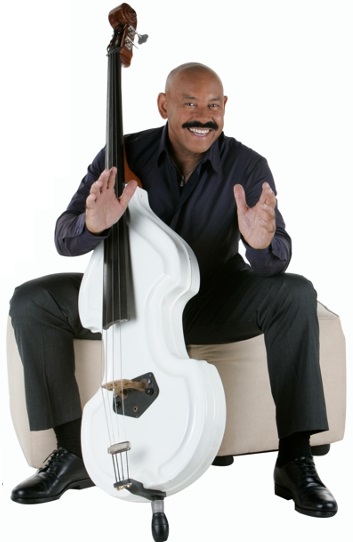
Photo 1: Oscar D' León
Photo 1: Oscar D’ León

Oscar’s departure caused issues for the group, as several of their scheduled performances in other countries were canceled, and over time, they lost audience, leading most of their members to split up and leave. Nevertheless, the group managed to carry on successfully but without the unique touch or ‘sazón’ that Oscar D’ León provided.

After leaving Dimensión Latina, Oscar ingeniously created La Salsa Mayor in 1976 and was able to release his first discography with his new group, thanks to the record label TH, which provided it because they were very interested in his new project, naming it ‘Con bajo y to’.’ From that moment, Oscar knew that he could consolidate himself with this group or any other, as his exceptional and unparalleled talents, so much originality, had never been witnessed”

“In any generation of Venezuelan artists. He also created another group called ‘La Crítica’ with the purpose that if any member of the Salsa Mayor Group was absent, one of them would substitute. However, the orchestra ‘La Salsa Mayor’ lasted only 4 years due to a strong disagreement Oscar had with his band on stage because the songs played during those two performances ‘were not accepted,’ leading to the closure of ‘Salsa Mayor.’ From that moment, he began to practice with his orchestra ‘La Crítica’ before his performances in Curaçao, where his songs, ‘Suavecito,’ ‘No ha pasado nada,’ served as a way to allude that everything had been overcome.”

“With this group, he achieved significant success. From that era, Oscar D’ León was known as the leading artistic figure in the country and on the American continent, with his music being heard in various homes in Venezuela and other Latin American countries. During that time, he traveled throughout the Latin American continent, the Caribbean islands, and the United States. From that moment, he leveraged his figure as he ventured into artistic promotion. He did so with Daniel Santos, Héctor Lavoe, El Gran Combo de Puerto Rico, and Celia Cruz.

If we have to mention which country Oscar liked or idolized the most, it was Cuba, because ever since he was very young, he loved the music played there, which over the years underwent various transformations in different stages, such as ‘La inmortal guaracha Celia Cruz’ which brought glory to the island; ‘la sonora Matancera’ carried the name of Martí’s land around the world; ‘Dámaso Pérez Prado,’ among other artists who contributed to the origin of Cuban music.”

“When Oscar D’ León first visited Cuba, it was an unforgettable experience and held extraordinary significance not only for the young artist but for the country itself. Its magnitude was such that, first and foremost, the ministers of culture and foreign affairs welcomed him, and every time he performed, large numbers of fans awaited to see and hear him. The respect and admiration for him were immense. In fact, this book mentions that ‘Cuban music,’ among other things, made Oscar D’ León’s existence as an artistic figure and as a person possible.”

Photo 2: Oscar D' León presenting his bibliography
cccc

“For Cubans, Oscar D’ León’s arrival had a profound effect; it was the rebirth of existing music. In short, he rescued it, causing Cuban music, ‘son,’ the central show, and entertainment venues to become their activities for relaxation and fun.

Oswaldo Ponte, in his research, mentions that when he looked for everything related to Oscar D’ León, there was immense admiration for him. Everyone he interviewed, even if they knew he was his manager and his biographer accompanied him, always said incredible things about Oscar. He not only rescued Cuban ‘son’ but also taught them to dance Cuban music, opening the minds and perspectives of Cubans, as Cuban ‘son’ continued to be known internationally. Everyone mentions what a good musician he is, that they can’t believe he isn’t Cuban and has that ‘sazón’ (flavor/charisma).

He was famous not only in Cuba but also in other countries. An example of this was Oscar’s participation in the Rome Festival when he sang a song by Adalberto. Mr. Adalberto Álvarez passed backstage and commented: ‘Cuba will never be able to repay Oscar for what he has done for Cuban music. He has kept it alive; if it hadn’t been for him, for Johnny Pacheco, for Celia Cruz, for La Sonora Ponceña and others who took it upon themselves to keep ‘son’ alive outside our country’… ‘and of all of them, the fundamental leader was Oscar D’ León because he is the most connected to authentic Cuban musical roots.'”

“In short, every time Oscar goes out to sing and dance, he is representing Cubans. For Cubans, dancing is almost a ritual. In 1950, they danced ‘son,’ ‘danzón,’ ‘mambo,’ ‘chachachá,’ ‘rumba,’ and other dances, some of which lasted a very short time, such as ‘dengue,’ ‘monzambique,’ ‘pilón,’ ‘carioca’; and others transcended time, like ‘conga’ and ‘rumba.’ Salsa is the continuation of, or the same as, ‘son,’ which can be danced with the same style or with different styles.
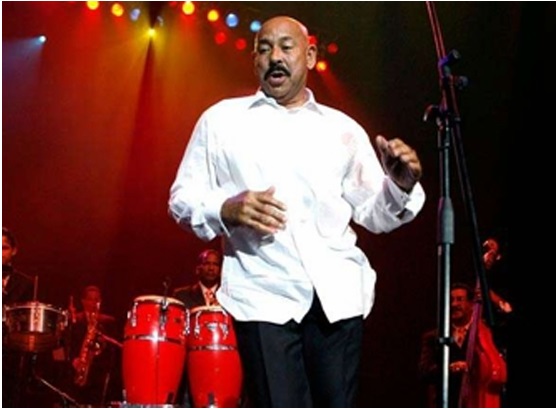
Photo 3: Oscar D' León in concert
Photo 3: Oscar D’ León in concert

Oswaldo Ponte began his promoter plan by hiring figures, among whom was Oscar D’ León. Becoming a serious entertainment promoter, he took the risk of doing it internationally (outside Venezuela) where he bought a contract from Guillermo Arena to present Celia Cruz with La Sonora Matancera. He also partnered with Juan Caravallo and managed to present the biggest show in Higuerote, Venezuela; with this great step, he was becoming a potential successful entrepreneur in international shows.”

“In 1983, he hired Oscar for 3 performances with ‘Roberto Blades,’ two at the Ávila Hotel and one at San Jacinto Park (both in Venezuela). At that time, Oscar was returning from Cuba, and with a new event, Oswaldo, upon seeing the show, pondered the difference between the two artists.

The Panamanian star was well-managed by his team. However, when it came to judging which was the better show, it was Oscar D’ León’s. When Ponte went to talk with him, he proposed becoming his manager on the condition that Oscar follow his instructions, as he always directed everything, which Oscar accepted. From that moment, many things changed not only artistically but also personally, offering the public not just Oscar D’ León and his orchestra, but Oscar D’ León himself, giving more charm and charisma to his audience.

One of the challenges he had to face was a stagnation in record sales. His new record productions weren’t taking off, so he decided to rely on television. Venezuela was both a recipient and a transmitter country, so his performances were broadcast on different television channels that gave great musical importance, such as ‘Siempre en Domingo,’ which covered the center and north of the American continent, and ‘Sábado Gigante,’ which covered South America, thus giving him international exposure.

One of his best and most unforgettable collaborations was with singer Celia Cruz, who was a great friend of Oscar’s. They participated in many events, one of which was in 1993, where Ralph Mercado did what he called ‘The Perfect Combination,’ which consisted of combining stars for public performances.

Participants included Oscar D’ León, Celia Cruz, Marc Anthony, La India from New York, Tito Nieves, Tony Vega, Cheo Feliciano, José Alberto El Canario, and Domingo Quiñones, of which the most recommended songs were ‘El Son de Celia y Oscar’ and ‘Vivir lo nuestro’ by Marc Anthony and La India. At that time, Oscar had left the TH label and was now with Ralph Mercado; his colleagues were Tito Puente, Celia Cruz, Sergio George, Cheo Feliciano, Tito Nieves, La India, José Alberto El Canario, and other significant stars.

There are many other details and more events up to the present day, but it would be too much to explain in one article. What is very clear is that Oscar D’ León has conquered countless goals in his life, and we can all do the same in the different areas in which we operate, if we set our minds to it with determination and an iron will.
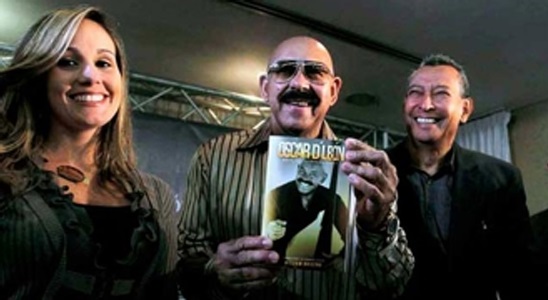
Photo 4: Oscar D' León and his bibliography
Photo 4: Oscar D’ León and his bibliography

To learn more about this, we recommend reading ‘Oscar D’ León, Confesiones De Oswaldo Ponte’ by William Briceño, published by Fundación Simón Bolívar.”
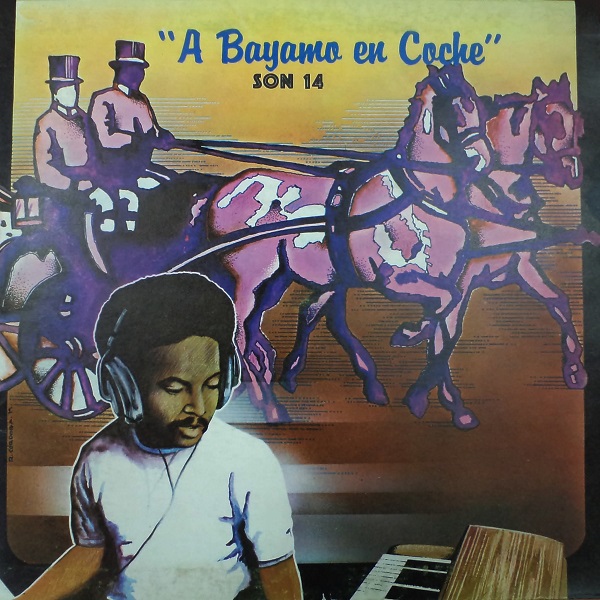
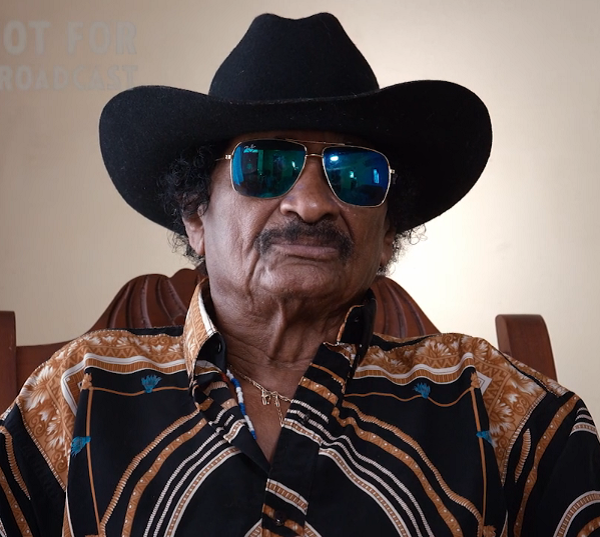
 

Son 14 The History of the Orchestra and the Success of “A Bayamo en Coche”

The Son 14 orchestra was founded in Santiago de Cuba in 1977 by vocalist Eduardo “El Tiburón” Morales (born in Cuba in 1935) and pianist and musical director Adalberto Álvarez.

As the name suggests, it is a 14-member ensemble dedicated to performing son, the national musical genre of Cuba. In 1978, Lázaro Rosabal (born in Santiago de Cuba in 1953) joined the group.

They quickly recorded several albums for the local EGREM label, many of which became bestsellers throughout Latin America, allowing them to undertake extensive tours across the Americas and Europe.

In 1992, co-founder Álvarez left the band to form his own group. Nevertheless, Son 14 continued its journey under the musical direction of Rosabal.

In addition to their continued success in the Latin market, the band began to gain international recognition, first with the song “El Son De La Madrugada,” included on the compilation Cuba – Fully Charged (Earthworks Records, 1993), and later with the release of Son – The BIG SOUND (Tumi Records, 1995), a compilation of their material from the Álvarez era.

Son 14 de «A Bayamo en Coche»

After introducing a modern, vibrant version of son and its variations (son montuno, bolero son, etc.) to non-Latin audiences, Tumi Records commissioned a new recording at Cuba’s EGREM studios. Released in 1996 as part of the Cuba Explosion series, the album Cubanía proved that the band had not lost an ounce of its musical talent and energy under Rosabal’s direction. Three years later, the group released La Máquina Musical, which incorporated Colombian tropical rhythms into their sound, promoting the album with a European tour that included a performance at the Cuba Presente Festival at the Barbican Centre in London. (Source: AllMusic)

Eduardo Morales Orozco Tiburón

 The Milestone of “A Bayamo en Coche”

The album A Bayamo en Coche (A Bayamo by Carriage) was released in 1979, with its biggest hit being the title track itself. The album’s opening song, composed and arranged by Adalberto Álvarez from Camagüey, instantly transformed him into one of the leading figures in popular Cuban dance music from that year on.

The song “A Bayamo en coche” not only revives traditional son and enriches it with new sounds but also artistically recreates a cherished tradition rooted in Bayamo, the cradle of Cuban nationality. In this city, coches (horse-drawn carriages) are used for pleasure rides and recreation, and the song’s lyrics narrate these moments.

The album contained other tracks that were hugely popular in Cuba between 1978 and 1980, such as “Calle Enramada” (a son elegy to that main Santiago street), “El Son De La Madrugada” (with a beautiful later version by Omara Portuondo), “Se quema la trocha,” and “Elena la cumbanchera,” which turned the record into a landmark within this genre of Cuban music. Most of the tracks were performed by Tiburón Morales, the group’s lead vocalist.

Tribute to The Gentleman of Son

Recently, Son 14 founder Adalberto Álvarez, known as “El Caballero del Son” (The Gentleman of Son), was honored with a concert at the Karl Marx Theatre. This event celebrated his 46 years in music and the 35th anniversary of his later orchestra, Adalberto Álvarez y su Son.

The concert was a memorable tribute to the work of the composer of “A Bayamo en coche.” Some of his best songs were performed by notable Cuban musicians:

  • Septeto Santiaguero (Son para un sonero)
  • Pancho Amat and Alain Pérez (Tu fiel trovador)
  • Alexander Abreu (Pura imagen)
  • Paulo F. G. (Fin de semana)

At other points, Frank Fernández performed a duet accompaniment with the voices of Adalberto Álvarez and Jorge Luis Rojas, “Rojitas,” on Santa Cecilia.

Additionally, Rojitas sang with Tania Pantoja (Vivir lo nuestro) and solo (Y qué tú quieres que te den). Robertón and Lele, vocalists from Van Van, performed Agua que cae del cielo, while the orchestra Adalberto Álvarez y su Son took on De Cuba pa’l mundo entero, Son de la madrugada, and Los caminos de Ifá.

En La Sala Show “El Saraito” Adalberto Álvarez (R.I.P) Fundador, Director. Arreglista y Pianista del Son 14 de Cuba, Dj. Augusto Felibertt y Vicente López

That night, Maestro José Luis Cortés highlighted Álvarez’s musical quality, focusing specifically on “A Bayamo en coche,” the song that, in 1979, announced the existence of a great artist to the public. Álvarez was capable of bringing son to Cuban art schools and has defended Cuban son with grace and artistry, all while staying true to the essence of one of the dance music genres that best represents Cuban identity. (Source: Joel del Río, Cibercuba)

“A Bayamo En Coche” Album Details (1980)

No. Track Genre Composer
01. A Bayamo En Coche Son Adalberto Álvarez
02. El Son De La Madrugada Son guaguancó Adalberto Álvarez
03. Se Fue Mi Amor Y No Lo Vi Partir Bolero son Adalberto Álvarez
04. Calle Enramada Son Pedro Gómez
05. Elena La Cumbanchera Son Gerardo Martínez
06. Se Quema La Trocha Bachata-Son Adalberto Álvarez
07. Tal Vez Vuelvas A Llamarme Son montuno Adalberto Álvarez
08. Gimen Las Rosas Por Una Triste Ilusión Bolero Adalberto Álvarez
09. Vamos, Háblame Ahora Bachata-son Adalberto Álvarez

Musicians who participated in the recording (1979):

  • Director, Acoustic Piano, Keyboards: Adalberto Álvarez
  • Vocals, Minor Percussion: Eduardo “El Tiburón” Morales, Héctor Wedderbron, Daniel Carmenates
  • Bass: Jorge Machado
  • Guitar: Efisio Barroso
  • Trumpet: Eduardo Sánchez, Guillermo Femández, José Fernández, Dagoberto Rodríguez
  • Trombone: Lázaro Rosabal
  • Tumbadora (Conga Drum): Ubaldo Canes
  • Bongó, Cowbell: Guillermo Viera

Recorded at: EGREM Studios (1979)

Collaborators:

L’Òstia Latin Jazz

Dj. Augusto Felibertt

Also Read: Luis Conte: The Cuban-American percussionist who fuses Cuban son with global music

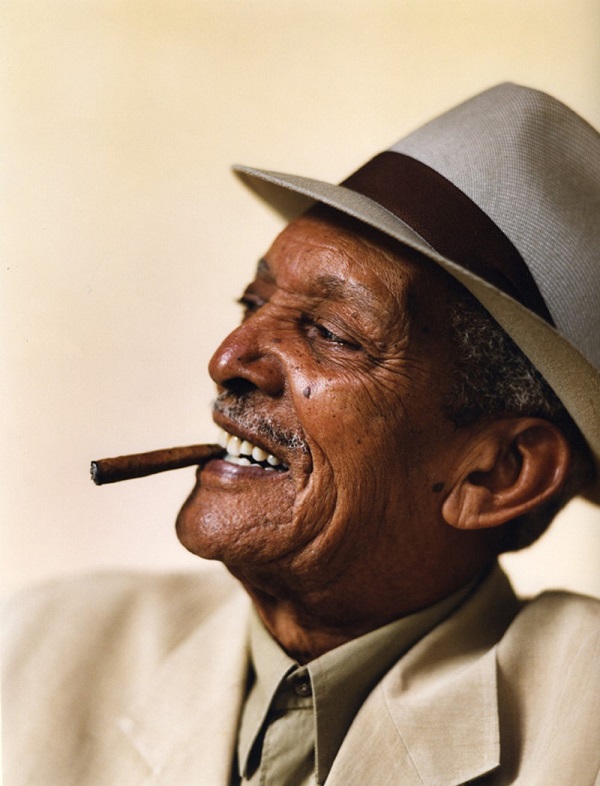
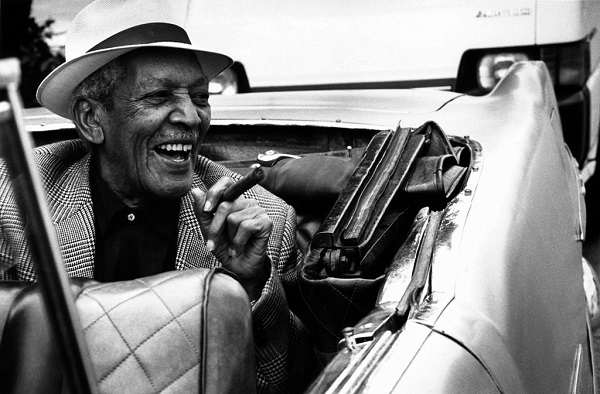
Compay Segundo The Eternal Patriarch of Cuban Son

Máximo Francisco Repilado Muñoz better known as Compay Segundo (1907-2003) The voice that conquered the world in the nineties.

Máximo Francisco Repilado Muñoz, globally known as Compay Segundo, is one of the most emblematic and essential figures in traditional Cuban music.

Born on November 18, 1907, in Siboney, Santiago de Cuba, his life was a dedication to music that culminated in a late, but well-deserved, global fame before his passing in Havana on July 13, 2003.

Máximo Francisco Repilado Muñoz, known worldwide as Compay Segundo

Origins and Musical Training

Compay Segundo was raised in a highly musical and manual environment. His father, Máximo Repilado, was a bricklayer and a great lover of traditional santiaguera music, while his mother, Caridad Muñoz, provided a strong cultural influence.

Coming from a large family, his brother Lorenzo Repilado was also an active figure in the Santiago music scene.

His beginnings were typical for the era. Compay started his career as a clarinetist in the Santiago Municipal Band, consolidating his training by later joining the Army Band. In the 1930s, he migrated to Havana, a crucial step that fully integrated him into the capital’s professional circuit.

Compay Segundo se crio en un ambiente musical y manual

Los Compadres and the Birth of the Name

The stage that would give him his artistic name and national fame was the formation of the Dúo Los Compadres in the 1940s alongside Lorenzo Hierrezuelo.

  • The Nickname: The name “Compay Segundo” (Second Compadre) arose because Máximo Repilado always sang the low harmonic or “second” voice (segundo) in the song, while Hierrezuelo performed the main voice. Hence, the affectionate Cuban diminutive “Compay” (short for compadre) plus “Segundo” (Second).
  • National Success: The duo became a sensation throughout Cuba, leaving behind unforgettable classics of son oriental such as “Macusa,” “Mi Son Orientál,” and the early version of what would become his most famous song: “Chan Chan.”
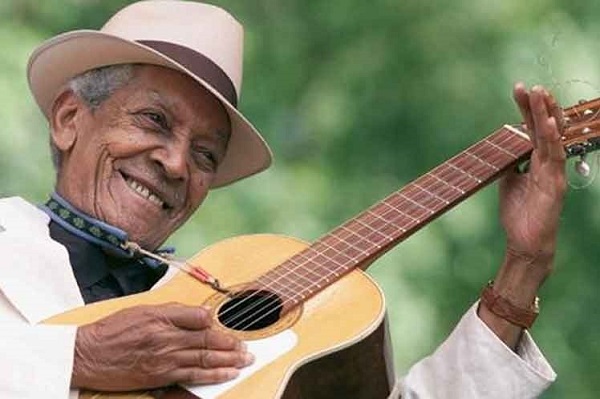
Compay created the armónico, a hybrid between a Spanish guitar and a Cuban tres, with 7 strings

The Armónico: His Instrumental Contribution

One of Compay’s most unique contributions was the invention of the “armónico,” an instrument he designed himself. It is a seven-string hybrid, halfway between the traditional Spanish guitar and the Cuban tres. This instrument allowed him to simultaneously execute bass lines, harmony, and melody, creating a unique sound that became the foundation of his style.

The Buena Vista Social Club Phenomenon

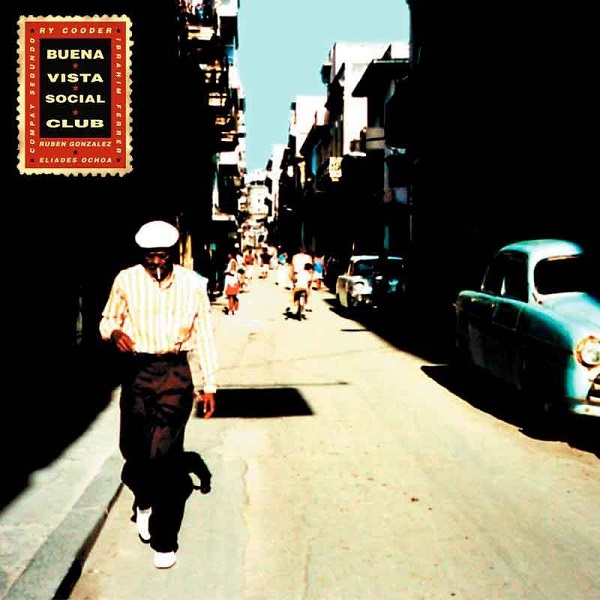
When it seemed Compay’s career was waning, destiny reserved the most glorious stage for him. In 1997, at the age of 90, he was invited by American musician Ry Cooder to participate in the recording of the album “Buena Vista Social Club.”

  • Global Fame: The success of the album and the subsequent documentary directed by Wim Wenders catapulted him to worldwide fame.
  • The Anthem: His unmistakable voice and the magical rendition of the song “Chan Chan” turned him into an international superstar, leading him to perform on the world’s most prestigious stages and bringing Cuban son to audiences of all ages.
The Buena Vista Social Club Phenomenon

Legacy and Family Continuity

Compay Segundo left behind a repertoire of songs considered national treasures. His most prominent tracks include “Chan Chan,” “Sarandonga,” “Las Flores de la Vida,” “Orgullecida,” and the popular bolero “Veinte Años,” which he popularized.

Compay was a father to at least nine children. His musical legacy not only lives on through his recordings but also through the activity of his descendants:

  • Basilio Repilado (1954–2012): Founder and arranger of the Grupo Compay Segundo.
  • Salvador Repilado: Upright bass player and current director of the Grupo Compay Segundo, the official international touring ensemble.

Furthermore, the younger generations (grandchildren and great-grandchildren) such as Yohel, Alejandro, and Yurisley Repilado continue the tradition in Havana with the ensemble “Los Herederos de Compay Segundo” (The Heirs of Compay Segundo), ensuring that the unmistakable sound of the Patriarch of Cuban Son continues to resonate in Cuba and the world.

Collaboration: 

Sr. Eduardo Guilarte

Also Read: Son Cubano is one of the most popular musical styles in Cuba and Kiki Valera is one of its leading exponents

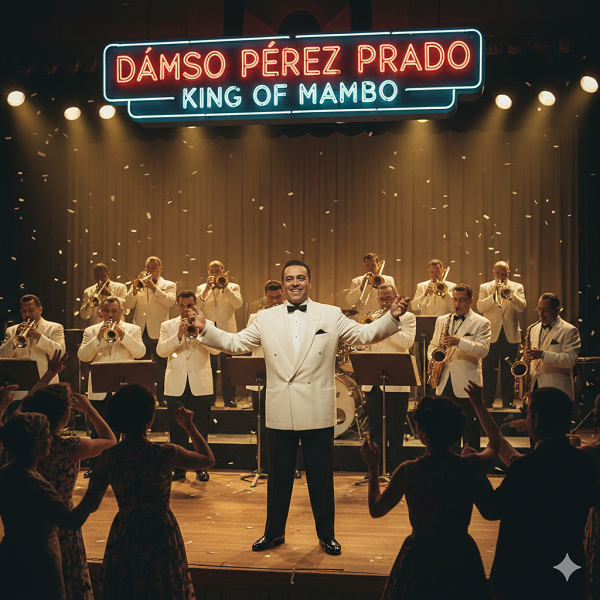
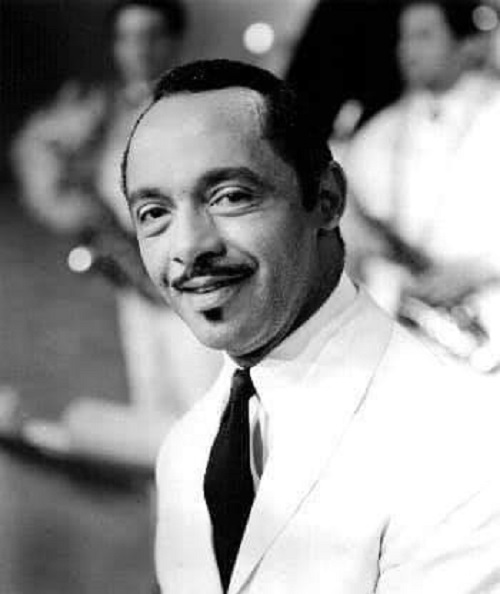
Dámaso Pérez Prado and the Succession of the “Mambo King”

Dámaso Pérez Prado was a Cuban musician, composer, arranger, and orchestra conductor, known worldwide as the “Mambo King.”

On December 3, 1983, Pantaleón Pérez Prado, an excellent bass player and composer, passed away in Milan, Italy. He was born on December 27, 1926, in Matanzas, Cuba.

Pantaleón’s Beginnings and Career

Pantaleón followed in the footsteps of his famous older brother, Dámaso Pérez Prado. At age 18, he formed his first orchestra, which he left in 1950 to join Dámaso’s group as a double bassist, accompanying him for several years.

He also played for a short time in Havana with the Laito Castro Orchestra. In the mid-1950s, Pantaleón Pérez Prado went independent and traveled to Europe, where he led an orchestra of Cuban musicians. This group achieved great success performing the songs that Dámaso had popularized.

Dámaso Pérez Prado and the Succession of the King of Mambo

The Legal Dispute

In 1956, a dispute between Dámaso Pérez Prado and his younger brother, Pantaleón (1926–1983), led to an unusual legal conflict. Dámaso sued his brother for $500,000, accusing him of impersonation.

In Hispanic culture, it is common for children to receive both parents’ surnames. In this case, the brothers’ birth names were Dámaso Pérez Prado and Pantaleón Pérez Prado, respectively, with Pérez being the father’s surname and Prado the mother’s.

In Portugal, the song Pantaleón performed, “Mambo del Estudiante” (Student’s Mambo), became the “official anthem” of the University of Coimbra. He also succeeded in Spain, France, and Italy, where he was introduced as “Pérez Prado, Rey del Mambo” (King of Mambo), which produced intentional confusion with his brother Dámaso.

Dámaso initiated legal action that concluded with Pantaleón being prohibited from using the title “Mambo King,” while also being required to use his full name. Some suggest that, beyond the lawsuit, there was a tacit agreement between the two brothers, based on the fact that Dámaso visited Europe infrequently, focusing his activities in the Americas, while Pantaleón permanently settled in Milan.

Name Confusion and The Conflict’s Revival

Originally, RCA credited the recordings to Dámaso Pérez Prado. However, when his records began appearing in the US, the record company shortened his name to the more alliterative Pérez Prado. In 1955, Dámaso dropped his full name and legally changed it to Pérez Prado.

Around that time, Pantaleón, who played bass with his own group, appeared at the Alhambra theater in Paris under the name “Pérez Prado, el Rey del Mambo.” Pantaleón was subsequently restricted by court order from passing himself off as Pérez.

However, hostilities resumed when an angry French visitor called the Hollywood Palladium, where Pérez Prado was performing, and yelled at the management for featuring an “imposter,” claiming he had danced with the “real” Prado (actually Pantaleón) in Deauville a few weeks prior.

Dámaso Pérez Prado fue un músico, compositor, arreglista y director de orquesta cubano, conocido mundialmente como el Rey del Mambo.

The ensuing lawsuit effectively put Pantaleón out of commission, but the younger brother had a form of posthumous revenge. When Pantaleón died in 1983, a widely circulated obituary was headlined “Mambo King Dies in Milan,” leading many people to (erroneously) believe it was Dámaso who had passed away.

Pantaleón’s Career and Legacy

Pantaleón Pérez Prado performed in Greece and traveled to Iran at the invitation of the Shah himself and his wife, Princess Soraya. He remained active until shortly before his death in 1983.

Dámaso Pérez Prado’s Notable Hits

Dámaso Pérez Prado’s best-known songs include:

  • “Mambo No. 5”
  • “Qué rico el mambo” (also known as “Mambo Jambo”)
  • “Mambo No. 8”
  • “Cherry Pink and Apple Blossom White,” which was a number one hit in the United States.
  • “Patricia,” which was a worldwide hit and was included in Federico Fellini’s film La Dolce Vita.
Dámaso Pérez Prado
Dámaso Pérez Prado

Legacy: In addition to his recordings, Dámaso Pérez Prado participated as an actor and musician in several Mexican films. His music was key to the international popularization of the mambo, and his style remains influential in Latin music and jazz.

Collaboration:

Los Mejores Salseros del Mundo 

Dj. Augusto Felibertt

Also Read: Israel “Cachao” López, a Cuban musician and composer, has been hailed as “the Inventor of Mambo

Raúl Eliza: from the army barracks to the stage and recording studios

It is increasingly common to find Puerto Rican artists who have had something to do with the United States Army, and our guest today is yet another example of how the music scene is not entirely separate from the military world. Bandleader and drummer Raúl Eliza has told us his fascinating story, focusing on his most important facets: military and art.

Raúl Eliza playing live
Puerto Rican bandleader and drummer Raúl Eliza playing live at Christmas

Adolescent musical tastes and the beginning of military life

In the 1980s, Raúl was a young resident of the Fairview neighborhood, located between the city of San Juan and Trujillo Alto, who was an obsessive fan of rock music. Of course, that was until he turned 19, when he enlisted in the U.S. Army in search of his purpose in life. 

According to his own tale, his poor academic performance and lack of interest in other disciplines led him to join the navy, where he would love his profession shortly after. At first, he and a group of friends joined up to opt for a different alternative to the one they had, move forward from the stalemate, and be able to travel the world, but in his case, he ended up in love with this world.

In fact, a short time after entering military service, he was involved in the Gulf War, which consisted of the Iraqi occupation of Kuwait and its subsequent liberation by a US military coalition. During those days, Raúl realized that he was into something greater than himself and that the shallowing mindset with which he chose that life could turn into something bigger.

So, the then-soldier dedicated himself to doing his work as good as possible, bringing with it rewards like the opportunity to go to college, become an officer, receive medals, and much more. 

Introduction to salsa

After three or four months of enlisting, he started to feel a wave of nostalgia for his country. He wanted to see his family and missed the music and food of his homeland. Then his sister sent him a package with two cassettes, one by Frankie Ruiz and the other by Eddie Santiago, which he says changed his life completely. He used to listen to them on old-fashioned players with headsets while cleaning the boat or doing the rest of his other assigned tasks.

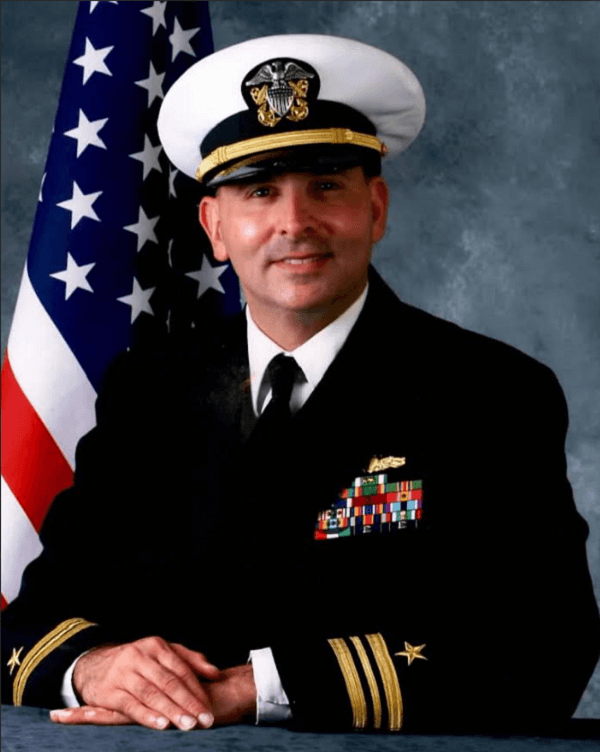
Raúl Eliza in his uniform
Raúl Eliza in his service dress uniform

Subsequently, his brothers sent him cassettes by La Fania, Alex D’ Castro, Gilberto Santa Rosa, Cano Estremera, and many others. This made him reconnect with his roots and realize that he wanted a career in music at some point, which he would end up doing years later.

Raúl’s role as the United States representative for the Supreme Headquarters Allied Powers Europe

As the end of his military career approached, Raúl was designated as the United States representative for the Supreme Headquarters Allied Powers Europe (military wing of NATO) during President Donald Trump’s first term.

This was a tough stage of his service, as the president had a lot of run-ins with other member countries due to the excessive economic and armament burden borne solely by the United States. For this reason, every time he made some sort of announcement about that, Raúl received thousand calls from representatives of other countries asking him for explanations. He had his own office and received orders directly from the Pentagon. 

Thanks to his position, he had a lot of freedom, so he always played salsa music in the background, and when his officers got into his office, they laughed and danced along with the tunes Raúl was listening to at that moment. Everyone knew that when he was in charge, there was always salsa music playing in the room.

Raúl in front of a tank
Raúl Eliza in front of an army tank while on duty

The beginning of his musical career

Finally in 2018, Raúl retired from military service, but already in 2017, he was making arrangements to devote himself to music once his duty with the army had been fulfilled. Specifically, he was in talks with Puerto Rican artists who were sending him samples and demos based on original songs that he had previously sent them. He was also writing his own lyrics and taking bass lessons to get ready for the future.

Once in Puerto Rico in 2018, he released his first single with his orchestra Conciencia Clásica, which is so named because his music was intended to raise awareness to his fans on social issues such as war, the injury suffered by the civilian population during periods of armed conflict, post-traumatic stress in soldiers, and racism, to name a few.

Artists he has collaborated with

Throughout his short career, Raúl has been blessed to count on the support and collaboration of music greats like Andy Montañez, Willito Otero, Jerry Medina, Carlos Esteban Fonseca, Medina Carrión, among others. While it is true that they all had much to contribute to the Puerto Rican artist at the level of knowledge, Montañez wrote him a song he dedicated to his Dominican wife called “Quisquellana,” which he is enormously thankful for.

He also has songs with Choco Orta and those already mentioned above. Raúl came into contact with these figures thanks to his music producer Manolo Navarro, who was the guy who introduced them to the project and managed to get them to collaborate.

Conciencia Clásica's third album
Cover of Conciencia Clásica’s third album ”Conciencia Clásica 3”

Read also: Cristobal Verdecia and his quartet Son Qba in Miami

  • « Go to Previous Page
  • Page 1
  • Interim pages omitted …
  • Page 4
  • Page 5
  • Page 6
  • Page 7
  • Page 8
  • Interim pages omitted …
  • Page 78
  • Go to Next Page »

International Salsa Magazine (ISM) is a monthly publication about Salsa activities around the world, that has been publishing since 2007. It is a world network of volunteers coordinated by ISM Magazine. We are working to strengthen all the events by working together.