• Skip to primary navigation
  • Skip to main content

International Salsa Magazine

  • HOME
  • Previous editions
    • 2026
      • ISM / March 2026
      • ISM / February 2026
      • ISM / January 2026
    • 2025
      • ISM / December 2025
      • ISM / November 2025
      • ISM / October 2025
      • ISM / September 2025
      • ISM / August 2025
      • ISM / July 2025
      • ISM / June 2025
      • ISM / May2025
      • ISM / April 2025
      • ISM / March 2025
      • ISM / February 2025
      • ISM / January 2025
    • 2024
      • ISM / December 2024
      • ISM / November 2024
      • ISM / October 2024
      • ISM / September 2024
      • ISM / August 2024
      • ISM / July 2024
      • ISM / June 2024
      • ISM / May 2024
      • ISM / April 2024
      • ISM / March 2024
      • ISM / February 2024
      • ISM / January 2024
    • 2023
      • ISM / December 2023
      • ISM / November 2023
      • ISM / October 2023
      • ISM – September 2023
      • ISM – August 2023
      • ISM July 2023
      • ISM Edition June 2023
      • ISM – May 2023
      • ISM April 2023
      • ISM March 2023
      • ISM February 2023
      • ISM January 2023
    • 2022
      • ISM December 2022
      • ISM November 2022
      • ISM October 2022
      • ISM September 2022
      • ISM August 2022
      • ISM July 2022
      • ISM June 2022
      • ISM May 2022
      • ISM February 2022
      • ISM January 2022
    • 2021
      • ISM December 2021
      • ISM November 2021
      • ISM October – 2021
      • ISM September 2021
      • ISM August 2021
      • ISM July 2021
      • ISM May 2021
      • ISM April 2021
      • ISM June 2021
      • ISM March 2021
      • ISM February 2021
      • ISM January 2021
    • 2020
      • ISM December 2020
      • ISM November 2020
      • ISM October 2020
      • ISM September 2020
      • ISM August 2020
      • ISM July 2020
      • ISM June 2020
      • ISM May 2020
      • ISM April 2020
      • ISM March 2020
      • ISM February 2020
      • ISM January 2020
    • 2019
      • ISM December 2019
      • ISM November 2019
      • ISM October 2019
      • ISM Septembre 2019
      • ISM August 2019
      • ISM July 2019
      • ISM June 2019
  • Download Salsa App
    • Android
    • Apple
  • Spanish

News

The 5 most famous Latin music DJs in USA

Latin music is characterized by its incomparable rhythm. Those who have Latin blood vibrate when listening to songs that remind them of their roots. However, Latinos are not the only ones who enjoy them, audiences of all ages and nationalities end up trying to dance to the tune of salsa, merengue or bossa nova.

Its growth has been increasing over the years and more and more Latino artists are performing on large stages; Important events in the United States and become the favorites of non-Hispanic people.

For this reason, it is very common to listen to these types of songs in different bars and clubs. Some DJs based in the US have wanted to enhance their roots and, even when they dabble in other genres, they are still famous for their Latin mixes .

Famous DJs of Latin music

DJ Deorro

Erick Orrosquieta, is a DJ and music producer, born in California but to Mexican parents. It is characterized by its inclination towards electro house. However, it does not neglect the Latin music sets. To his credit he has pieces such as “Bailar” with Elvis Crespo, where he did not hesitate to place his personal stamp.

Dj Deorro
Dj Deorro

He is working on a new album where he plans to gather more Latin songs and songs in Spanish. Even when he tours different countries, he always plays in his native USA again.

“I want to grab the sounds we used to hear when we were little, cumbia, merengue, mariachi, everything, in order to give them new music”

DJ Louie Vega

Luis Ferdinand Vega Jr. is an American with Puerto Rican roots. His uncle was nothing more and nothing less than the famous singer Héctor Lavoe. Little Louie Vega, as he is also known, grew up surrounded by Latin music. For this reason, his training and his passion for music of this style have always been noticed.
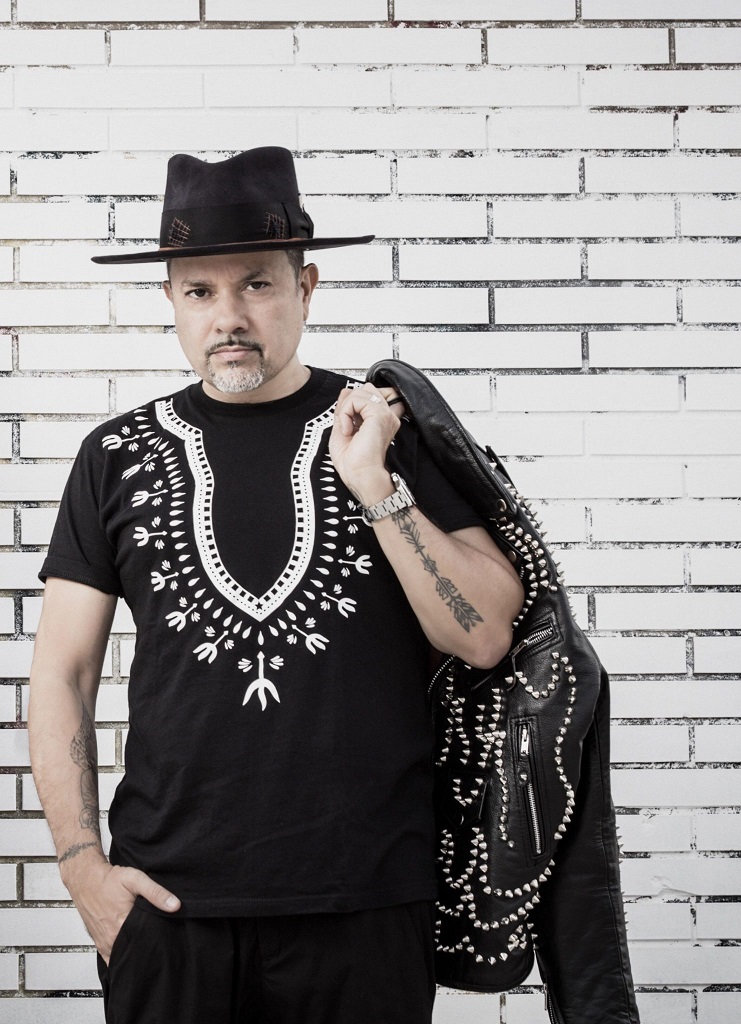
Dj Louie Vega
Dj Louie Vega

He is one of those artists who enjoy each show and immerse themselves in what they do. Dj Louie had his beginnings at parties in the Bronx and has not neglected his Hispanic side. Making different Latin mixes that he does not stop taking advantage of in many of his presentations. One of his most requested songs is “My people by Héctor Lavoe”. He has also participated in songs with a tropical rhythm like “Starring” with Roberto Roena and performed live with the accompaniment of different percussionists.

“Music comes from our hearts and we try to express it. We don’t look at the others, we just follow what we think is our path, ”  he told ­estaybullshit.com.

DJ Buddha

Dj Buddha
Dj Buddha

Urals Vargas, born in the United States, is a renowned DJ, songwriter, producer and music publisher who has earned a good place in the industry. Recognized for including Latin music and dancehall among his mixes. He is one of the critics’ favorites and remains in constant innovation. DJ Buddha has an album called “Ultra Latino” that contains some of his most requested Latin tracks. In addition, it has countless tracks produced, remixed or written that today belong to renowned Latino artists.

“For me, success has been not putting myself alone in a genre because I make electronic music, … and yet, I have also made songs in the Latin market,” he said in an interview with Deyanira Martínez.

DJ Alex Sensation

Dj Alex Sensation
Dj Alex Sensation

He is a Colombian who grew up in the United States and from an early age began mixing at nightclubs. He also worked at the station La Mega 97.9 Fm, walking through different musical genres but not forgetting where he came from.

“I grew up listening to salsa and cumbia because of my roots. One of the fi­rst clubs where he played on the weekends was a Dominican club. There, I learned about the Dominican culture Bachata, Merengue, typical merengue when I was still very young. I made many Dominican friends and fell in love with their culture. I mix everything under that genre,” he commented for an interview.

He is considered a very valuable artist for music. In fact, he has participated in different festivals, parades in the Dominican Republic and Puerto Rico and has been awarded the ACE, an award from the Association of American Entertainment Critics.

DJ Cristhian Terán

Dj Cristhian Terán
Dj Cristhian Terán

This is a Venezuelan who has positioned herself in the city of the sun. Its proposal is based on Latin rhythms and is the favorite of most nightclubs. He has a history that has accompanied her since its inception in Venezuela. Caramelos de Cianuro, Chyno, Nacho and Guaco are some of the artists from her country with whom she has shared the stage. However, he has also managed to rub shoulders with singers such as Maluma, Alexis and Fido and Arcangel. Cristhian is one of the DJs who has managed to get the most out of the Latin genres and keep them present in the United States. His music is usually heard in the different clubs in Miami.


” Latin music “, a legacy that does not go out

Musical genres have been part of the citizen’s common life for more than fifty years. In principle, it originated to differentiate religious music from other styles. Starting the great variety of musical genres that we know today. The term “Latin music” was born in the United States to refer to the rhythms from Latin America.

This is due to the large number of groups that emerged in the 1950s. It sought to differentiate African American music from Latin American ones. From now on, different rhythms belonging to this category have come off, such as: salsa, merengue, bachata, cumbia, bossa nova, among others.

Long live Latin music!

Salsa, merengue and bachata, to name just a few, have become the flag of most Latinos; inside and outside their borders they dance, sing and teach others to move with that particular “son”. It is a rhythm that prints passion and a lot of dedication. The music industry is part of the history of this genre. Those who have managed to belong to their ranks have been immortalized through their songs. This movement has been on the rise, making those who were born in Latin American lands proud and accommodating documentaries and movies. Everyone wants to tell a story around Latin music!

5 movies you can’t miss

Films have become a window into the past and what we do not live but would like to recreate. In the case of music, there have been many themes that have been exposed. For this reason, we wanted to compile some of the best ones. You will love their content and you will want to see them immediately. Make your notes!

El Cantante, 2006

Movie - The Singer, 2006

The Singer, 2006

Héctor Lavoe is a Puerto Rican legend. A singer, composer and musical producer with a voice and talent what catapulted him as the greatest salsa performer in history. The film starring the also Puerto Rican Marc Anthony describes Lavoe’s life from his teenage years. The singer, as he is fondly remembered, traveled to New York City at just 16 years old.

Against his father’s will, he decided to go after his dreams. In the scenes we can see how he is part of a musical group and perform in a bar, he meets Eddie (Manny Pérez), Willie Colón (John Ortiz) and gets his first contract with a record label.

However, you will also get to know the darker side of Héctor Lavoe who went through drug and alcohol problems. Héctor meets and falls in love with Puchi (Jennifer López), mother of his son and a very important character in the film. Puchi accompanies him on this path of constant ups and downs until little by little his life begins to change.

They lose their son Tito, as a result of an accident with Héctor’s weapon, and he is definitely not the same again. A story that shows us the success of an artist, his talent and dedication, without neglecting his bad habits that led to his death.

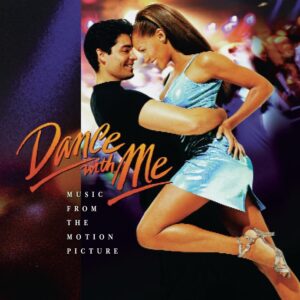
Dance with Me, 1998

Dance With me - Img

Dance With me – 1998

A film in which rhythm and romance will run through your veins. Chayanne and Vanessa Williams play a dance couple who meet in the middle of a great coincidence. Rafael Infante (Chayanne) loses his mother and decides to travel from Cuba to Texas to meet his father, the owner of a dance school.

When she gets to see him, she doesn’t know how to tell him the truth and prefers to apply for a job as a cleaning assistant. However, they realize how great a dancer he is and he begins to have participation in the academy. In the scenes we will be able to see how they get together through dance and enjoy the Latin rhythms. A fun film that should be among your weekend selection. Enjoy it!

Cuban Fury, 2014

Image of Cuban Fury 2014

Cuban Fury 2014

It tells us a story of love, self-improvement, improvement of self-esteem and, of course, salsa. Bruce Garrett (Nick Frost) is attracted to his boss Julia (Rashida Jones) and wants to conquer her through dancing. Garret had qualities for salsa but during his teens he was intimidated and put it aside.

Today, he wants to regain that rhythm, overcoming self-esteem issues and personal fears. For the character it is not easy to leave behind those events that marked his life. However, you must put aside self-pity and allow the dance to define everything. Will it have good results? Find out for yourself!

Ciudad Delirio, 2014

4- City of Delirium 2014

City of Delirium 2014

Cali, Colombia becomes the setting for an adventure full of dance and new experiences. Javier (Julian Villagrán) is a Spaniard who travels to Colombia for work and cannot help but fall in love with its people, customs and women. He meets Angie (Carolina Ramírez) a Colombian who owns a dance school. Their encounters are marked by the music and dancers that characterize this city. Javier ends up learning to dance salsa and guess what? Become an expert!

If you want to know more, find it now!

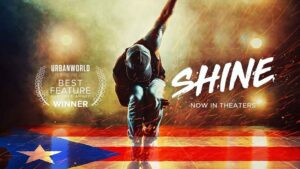
Shine, 2017

Shine 2017 - Latin music
Shine 2017 – Latin music

Shine tells us about two Puerto Rican brothers Ralphi Matas (Jorge Burgos) and Junior (Gilbert Saldivar) who have separated due to bad experiences and after a few years, they meet again. Between them, an even greater distance is created when they are on opposite sides of the fight for the gentrification of the area where they grew up.

The dance and cultural roots are present throughout the film, with Uncle Julio (Nelson Gonzales) trying to unite them again. Drama, dance and romance take sides in Shine, a very common story among Latinos in the United States who struggle not to let their principles die.

Latin music is life, it gives color, improves mood and is part of a cultural legacy that will continue to be maintained through the years. Every day new exponents of the genre appear and this will continue to happen over the years. So be it!

Influence of Latin Music in Europe and Vice Versa


European union 


When we refer to any Latin element that has been influential at the European continent or vice versa, it is almost inevitable that we think back to the Discovery of the Americas on the part of Christopher Columbus.

It was about this time when various instruments present in cumbia and salsa started to be used. No wonder we attach so much importance to this event, as this is how Spanish and the Portuguese arrived in the so-called New World. It is no coincidence that these languages are the protagonists of these rhythms at this time.

While it is true that Europe gave its languages to Latin music, we cannot fail to mention that the African slave trade played a major role in this context. Its beats and drums closely tied to religious ceremonies were inspirational for salsa, bachata and samba and African-American music, in which the famous Jazz may be included.

Neither can we leave out the fact that many pre-Colombian civilizations created many types of percussion music instruments, which are very present in Andean music and its very traditional flute-like sounds.

 What has led Latin American music to become so popular in recent times?

There is no denying that Latin music has achieved a tremendous global reach in recent years, but things were not always like this. In the past, it was ballads of love with heartbreaking lyrics that dominated this market and its primary target audience was female.

With the passing of years, this reality radically changed. We can see it in the emergence of an encouraging number of commercial songs and very simple to dance like La Macarena by Los Del Rio, Livin La Vida Loca by Ricky Martin, A Dios Le Pido by Juanes, among others. These pieces of theme music were the ones that broke the barrier of traditional radio in due course.

Later, hip hop and R&B gave origin to other urban rhythms that took hold of everyone’s attention

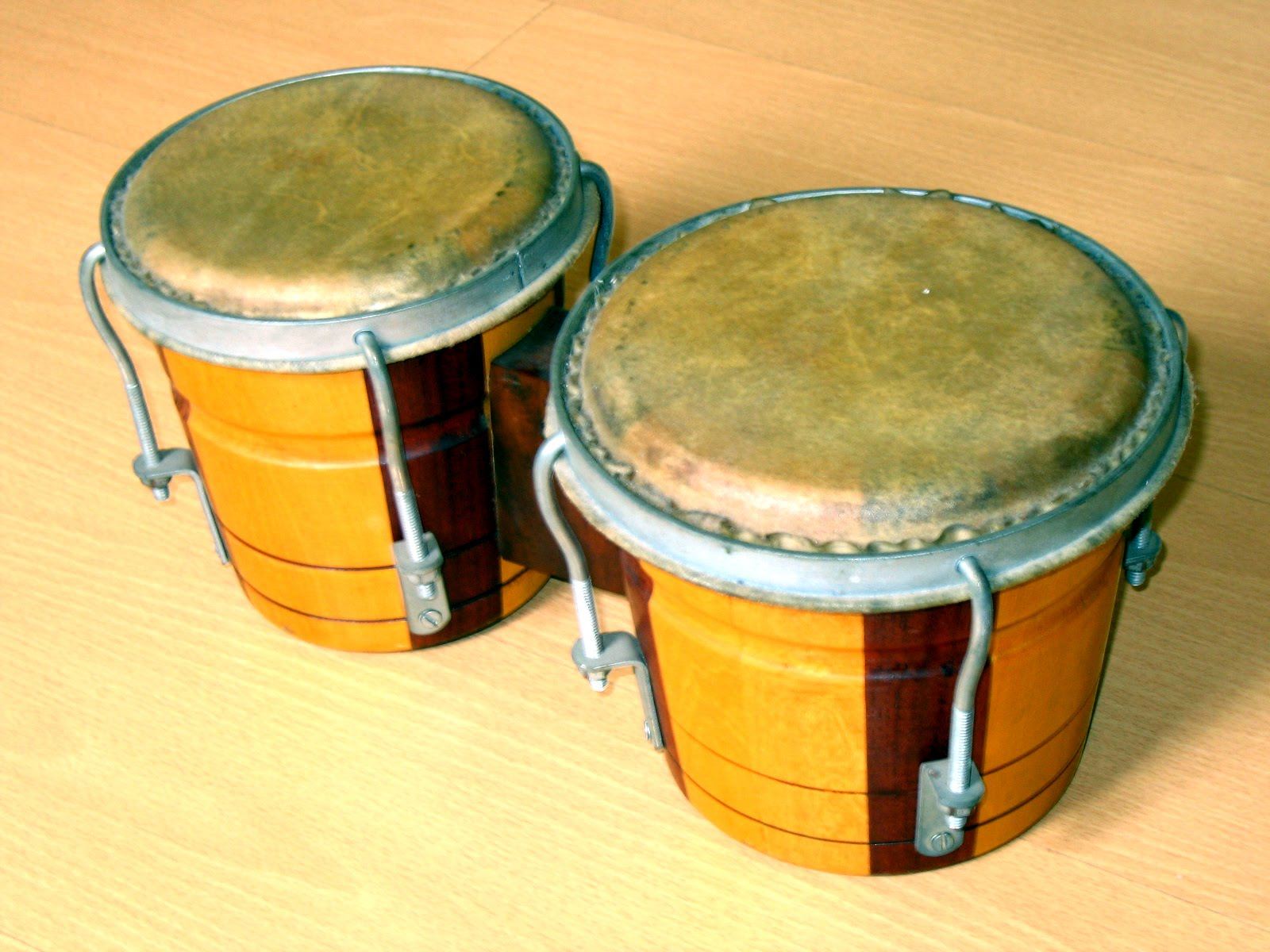
Bongos
Bongos


Latin music for some time now

That mode of nightclubs of Latin origin that have been inaugurated  the length and breadth of the old continent is nothing new. What is new though is the type of attendees received in these places in recent years. There’s a very large audience of all ages who show real interest in rhythms whose language they don’t even know, but they do not seem to care at all. In fact, this peculiarity seems to give an extra touch of excitement to the point. They see Latin music as an array of sounds and rhythms that may not understand, but that simply cannot stop dancing them.

When making a comparison of the monotonous pop style with this recent wave of Latino artists that have been conquering hearts throughout the world, it is evident that things are different now and did not seem to go back to the way they were. What is true is that traditional styles have been overthrown surprisingly.

It is not a secret that singers such as Shakira or Ricky Martin became immensely popular in the late nineties and the early 200All Posts0s, but now things go much further. We are saying that there is a very important number of musicians in these genres that have drawn the attention of all audiences of all ages and countries.

Further, there is a lot of Americans who have appropriated these styles and the Spanish language to give a lot of freshness to their musical projects. A telling example is the Canadian Justin Bieber who has worked with Luis Fonsi and other artists from Latin America, giving as a result a fan base that became interested in these genres and the Spanish language.

It looks like musical lyrics no longer need to be in English to reach all corners of the globe and make everyone dance. In fact, many people look for this type of music to enjoy it, even if they understand little to nothing about it.

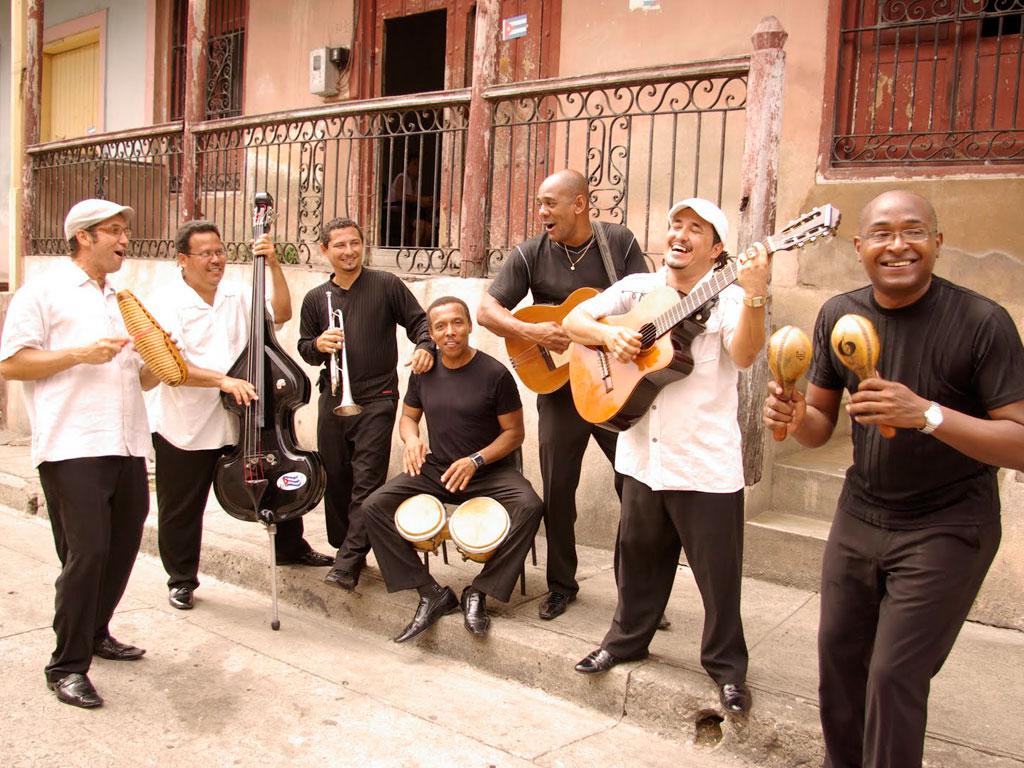
Orchestra Latin music playing in the roads

What can we deduce from all this?

After having analysed all these data, we can say that Latin music is a very rich and intense mix of a cluster of cultures that were linked up between them until we find the heterogeneity that we see today. Undeniably, this whole process of miscegenation between so many rhythms would not have been possible under the influence of pre-Columbian, African and European culture. However, the same can be said in the opposite case.

Yes, this also occurs in the contrary case. Europeans’s musical tastes are no longer those of a few decades ago. Nowadays, there are many adults and young people who cannot stop dancing when they listen to certain salsa or merengue songs that have gone across all possible borders.

In short, we are talking about a continuous feedback loop between both cultures that keeps going until now. No musical rhythm is completely pure and Latin rhythms are the perfect example.

Image source 1: http://nuevacaravana.blogspot.com/2010/08/bongo.html

Image source 2: https://presencia.unah.edu.hn/noticias/los-origenes-de-la-musica-y-la-identidad-en-america-latina-4-de-4/

Image source 3: https://www.correo.ca/2015/07/willie-colon-la-clave-es-la-experimentacion/

Image source 4: https://www.youtube.com/watch?v=QH_3h43nGf4


You always can count with friends

Latin America / Puerto Rico

I want to congratulate Gilberto Santa Rosa for a great job done with his first Virtual concert “Canta Mundo” to inaugurate the Coca-Cola Music Hall in El Distrito, located near the Puerto Rico Convention Center, in Miramar.

Gilberto offered a magnificent a virtual live concert with his band of Puerto Rican musicians. This is the first time, since the emergency began in Puerto Rico due to the pandemic created by COVID-19, that this modern room was activated to present a live concert recorded live, especially for Rums of Puerto Rico, and that they have chosen such an extraordinary artist for the inauguration was without a doubt a great success.

After much expectation, the Coca Cola Music Hall had its opening in a totally different way than imagined, with a concert that did not have the presence of the public or applause between songs, due to the limitations imposed by the COVID pandemic- 19. Gilberto Santa Rosa was entrusted to offer the first recital in the space. Both the singer and his musicians took all possible security measures to prevent the spread of the disease, but obviously, without the use of masks that would prevent them from playing their instruments or singing.

The concert “Canta Mundo” continues online so that the millions of Gilberto fans throughout the world become intimate audiences in their favorite spaces, you will surely enjoy it. The event was exclusively presented by Rums of Puerto Rico, and can be seen through the social networks of Gilberto Santa Rosa, as well as those of Coca-Cola Music Hall and Rums of Puerto Rico.

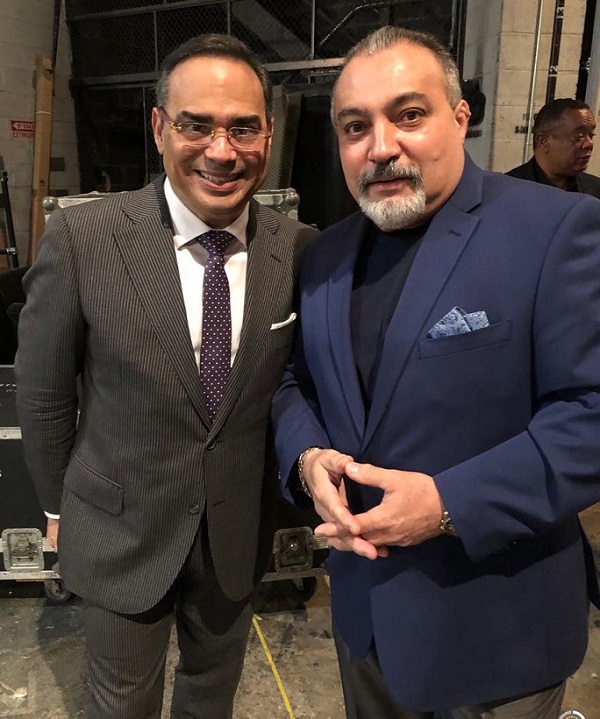
Gilberto Santa Rosa and Johnny Cruz - friends
Gilberto Santa Rosa and Johnny Cruz

I send a warm greeting to my good friend Jerry Rivas, singer of “El Gran Combo de Puerto Rico” since April 19, 1977, who now shares hits and music with his son Gerardo Rivas. In 1977 Andy Montañez, the lead vocal of the Gran Combo de Puerto Rico, announced his departure from the orchestra. Many saw the group debacle coming. When everyone expected to see an experienced singer, the always-wise director Rafael Ithier found a young singer to suit his group’s style.

The chosen one was a young man of just 21 years: Jerry Rivas. A shy Jerry Rivas presented himself with a cassette recorded with the music of the first groups that he joined for a short time, the musicians of the Gran Combo, looked at him suspiciously. Ithier, with his traditional good humor, contained his musicians with these words: “you rest easy, it is a black painted white”.

On April 19, 1977, Jerry began singing with El Gran Combo de Puerto Rico. Jerry Rivas’ first performance was “Buscando Ambiente” at El Club Caborrojeño de Guaynabo and his first international success was “La Clave y el Bongó”. Rivas, self-taught and who in addition to singing plays guitar, cuatro and cuban tres guitar, remembers that as a young man he was a rocker, but he was struck by the joy that the members of the Gran Combo projected in their dances and choreography.

In his long career with El Gran Combo, Jerry Rivas, has become a renowned sonero and one of the oldest members of the Universidad de la Salsa, has recorded 30 albums with the group and many of the greats were recorded in his voice. hits from the orchestra, such as “Y No Hago Más Na”, “El Menú”, “Azuquita pa’l Café”, “Que me lo Den en Vida”, “Ojitos Chinos”, “Me Liberé”, among many others. The Gran Combo was the key to success for Jerry, who thanks Quique Lucca, founder of Sonora Ponceña, for his recommendation that Ithier give him the opportunity to audition. His talent was passed on to his sons, who became Los Rockolos as children.

Gilberto Santa Rosa Concert Without Public

Today, Gerardo begins his solo career, and Jerry Junior together with Samuel conducts the Los Rivas Orchestra organized more than a decade ago. Gerardo always affirms that no matter how many differences they may have, music unites them. He revealed on some occasion that his father did not want him to dedicate his life to popular music due to the strong and unstable environment, the risks and swings of the artistic world.

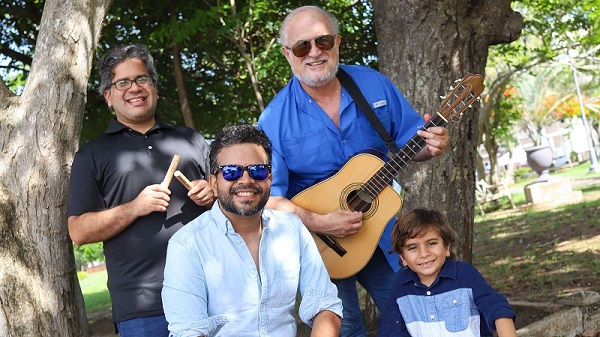
However, when Jerry looks at them during rehearsals and on stage, he is proud and always advises them to be responsible, avoid the negative and assimilate the positive. Recently, the vocalist of El Gran Combo joined with his son, also singer Gerardo Rivas, and his grandson Gerardo Gabriel to carry a musical message to his followers in the midst of the coronavirus pandemic (Covid-19).

The trio came together to perform a classic by the legendary salsa orchestra, Mente Positiva. “In difficult times, the best we can do is carry a positive message,” wrote Gerardo, also a member of NG2, in his social media. Rivas father was in charge of the Cuban tres guitar, Gerardo Gabriel of the key and the maracas and Rivas son interpreted the theme. It is not the first time that they have joined this quarantine to delight their followers with a musical number.

Photo by Jerry Rivas and his family

I applaud the initiative of Pedro Oggie García as CEO of Salsa Artist Booking Entertainment Group (SAB), who with his daily work supports all the salseros in the world at SalsaArtistBooking.com. SAB is the company specialized in the digital coding of music, administration, promotion and representation of Artists of the Salsa genre, With an experience of more than 30 years in the media and with relationships worldwide, always characterized by our responsibility, seriousness and compliance.

Using their experience, international relations and positioning, they will make your musical work a success. Always taking care of their interests and rights, trying to take the artists and their music where their public requires it. Contact them +1 956-442-0099

José Mangual Jr
José Mangual Jr

I would like to share with you my admiration for José Mangual Jr. “El Campanero Mayor”, who is an American percussionist, of Puerto Rican origin, son of also percussionist José Mangual Sr. He was born in New York on January 11, 1948 and has a trajectory of almost half a century in Salsa.

His contribution to this genre began in the mid-sixties in his native city, when he joined the group of Monguito Santamaría, son of the great percussionist Ramón “Mongo” Santamaría. He also played with La Conspiración. He was part of Tony Pabón’s band, which marked the beginning of his role as a singer. On the LP “La protesta”, recorded in 1972 for the Rico Records label, José Mangual Jr. sang the song “San Miguel”.

In 1971 he joined the Willie Colón band, and since the singer was Héctor Lavoe, José participated in the best and biggest albums recorded by that great duo. Mangual Jr. also recorded with Rubén Blades on some of the most representative albums in the Panamanian singer’s musical career. His talent has allowed him to be making simultaneous recordings with other groups, musicians and singers, such as Ismael Miranda, Mon Rivera, Frankie Dante, Ismael Quintana, Celia Cruz and the Willard Orchestra, conducted by Willie Pastrana.

In 1977 he launched as a soloist, recording with his own group the album titled Tribute To Chano Pozo, and so far, he has around twenty of his own albums. These are added to almost thirty recordings with Willie Colón, Rubén Blades and Héctor Lavoe. But they are only part of the huge list of his recordings with other orchestras, musicians and singers. His meritorious career has allowed him to travel to many countries of the world alongside countless great musicians and singers, and become an example of dedication and love for music.

This has also allowed him to make friends around the world who admire, love, respect; and be with him in important moments, triumphs, defeats and also in goodbyes … José Mangual Jr. lost his grandson Tyrell Bryant a few weeks ago to the covid-19. I extend my heartfelt words of condolence for such an irreparable loss, and reiterate my unconditional support for the entire family at this difficult time. You are not alone! I dedicate special tribute to his grandson Tyrell Bryant who always be present in our hearts. RIP 04/04/1992 – 04/18/2020.

My friends, I need you know that we continue working hand in hand with prominent artists from New York and Puerto Rico on the CD dedicated to maestro Adalberto Santiago on his 60th Anniversary. I promise to have more details about this fantastic musical production very soon.

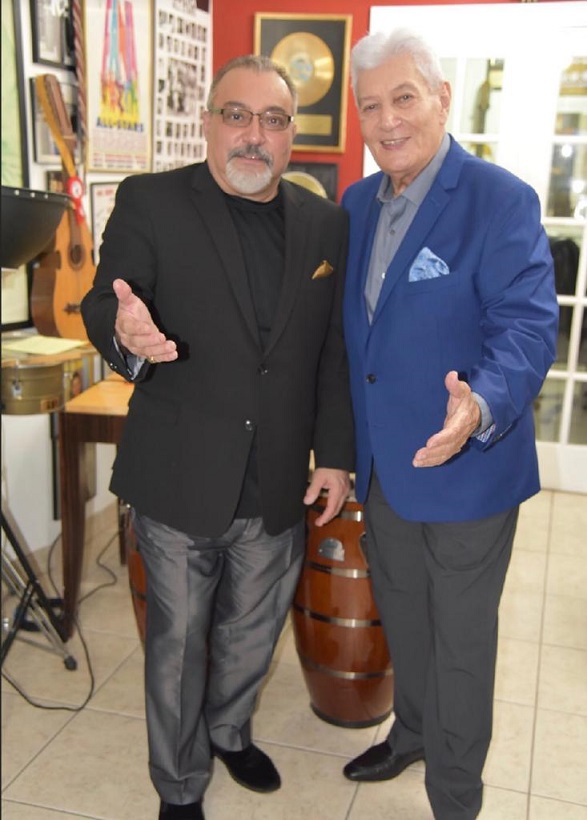
Johnny Cruz and Adalberto Santiago

I appreciate the support of Carl Cristiano, L&S Custom Tailors and cKc for my TV Show outfits and my public performances. Tailored suits with total care and confidence. Contact them, I recommend them with pleasure. www.LSTailors.com. Address: 138 E 61st Street Suite 201. New York, NY 10065. Phone: +1 212 752 16 38.

Don’t forget tune in to my new Fm / Internet radio station on Live365.com: Salsagallery. Great music, artist interviews and much more made with love for you all. There is the link: https://live365.com/station/a77973

Although yet It will not be possible to open to the public the Spanish Harlem Salsa Gallery in 1708 Lexington ave New York N.Y. 10029, you can see the entire exhibition with more than 200 articles through our social media. Check the updates in our website: spahasalsagallery.com.

Salsa Artist Bokking logo

New York City is slowly returning to normal. We hope to be sharing with you physically again, but now we follow the instructions of the authorities to keep us safe and healthy.

Contact: Johnny Cruz. 917-747-8505. [email protected].

By Johnny Cruz, ISM Correspondent, New York, New York City

The message of the Latino community in the United States to Goya Foods

or weeks, we have witnessed how the Latino community in the United States has withdrawn its support, and has even considered its decision to buy Goya Foods, after the demonstration of support by its CEO to Donald Trump.

Goya Foods, or Goya as this Hispanic-rooted food company is popularly known, faces calls for a boycott in the United States. This comes after its CEO, Robert Unanue, fervently praised the President of the United States, Donald Trump, saying that his leadership is “a blessing.”

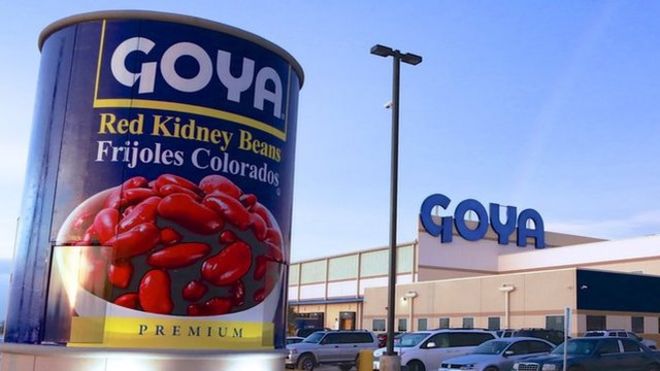
La Goya Food Company

Goya Foods is the largest Hispanic-owned food company in the US With these statements, many of its loyal consumers and even some high-profile Democratic supporters are asking that they not buy the company’s products.

Unanue attended an event at the White House where President Trump signed the Hispanic Prosperity Initiative, which was described as an effort to improve access to educational and economic opportunities for members of this community.

Unanue’s exact words were: “We are all truly blessed to have a leader like President Trump, who is a builder.”

For many regular consumers it is puzzling and contradictory that the CEO of the largest empire of food consumed by Latinos in the United States, suddenly decides to support so openly a president who is not exactly the favorite for Hispanics.

Since then, much criticism has rained, not only for the political affinities of the highest representative of Goya Foods, but for what this company represents for the millions of Latinos in the United States.

The White House, has made controversial anti-immigration decisions, sought to end a policy that protects hundreds of thousands of undocumented youth from deportation, and sought to build a border wall in the south. enacted a policy that separated children from parents when they were detained at the border.

Many consumers have since said that they would no longer buy the company’s products, which include basic inputs for the preparation of traditional food in many Latin American countries. Those who promote this boycott have shared brands and alternative recipes on different social networks, with the hashtags #Goyaway and #BoycottGoya.

What message do Latinos want to send to Goya?

Some consumers say they have grown up with a sense of cultural attachment to the brand, but are now disappointed by the CEO’s comments. Many have relied on the company for affordable products that are often hard to find, but are key ingredients in Hispanic cuisine. Now they feel slighted by a CEO who has left the community that supports their company.

Unanue defended himself and pointed out that he has also worked with initiatives of former US first lady Michelle Obama. She stated that, in her view: “This is repressing (freedom) of expression,” she said. “I don’t apologize for speaking – and especially when the president of the United States calls you – you’re going to say, ‘no, sorry, I’m busy, thank you.’

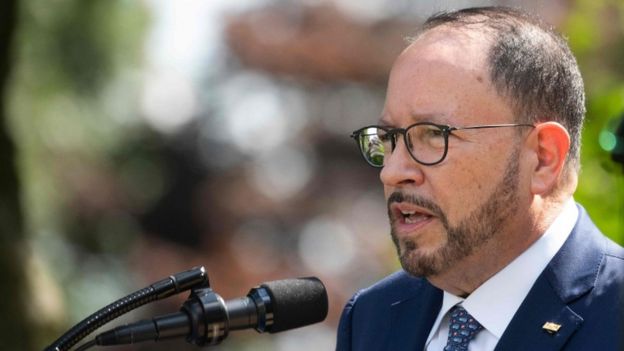
Robert Unanue and his message at the Goya Foods

But the debate seems to involve more than just Latinos, as Goya has always been concerned about also attracting non-Latino consumers, from Asians to white Americans, using advertising slogans in English such as “Goya, O-Boya.” For many non-Latinos, consuming Goya products is a fairly authentic, albeit superficial, way of practicing Latinidad.

Goya fans are divided on whether or not to follow the boycott, a considerable number planning to end their attachment to the brand. Some have even published recipes for making adobo and stir-fry, among other alternatives to the brand’s products. Others have posted suggestions for lesser-known brands like Sun Vista, Pilón and Badia.

Goya will have to deal with a significant drop in sales and its perception in the market, at least in the short term, during a time when so many economic indicators are in recession. It’s also true that earlier this year, Goya donated some 136,000kg of food, or roughly 270,000 meal portions, to food banks and organizations to help with the coronavirus crisis. In the event that generated all the controversy, Unanue announced that it would donate another million cans of Goya chickpeas and 454,000 kilos of food products to food banks to help families affected by the pandemic.

Elections in key states are often defined by very narrow margins; even a small dropout of Latinos from the Republican side could be decisive for the results.

The White House Hispanic Prosperity Initiative Act created a 20-member commission designed to work with various Cabinet members to implement vague initiatives related to employment, education, and small business development. But most Latinos will find this effort too little, too late, and too much like election-year complacency.

Robert Unanue and his message at the Goya Foods

The message of the Latino community in the United States is very clear, they are a united front and will not be manipulated by last minute actions, even with the support of important figures in various sectors of the Hispanic community.

Why is Goya an icon of Hispanicity?

Like many of the immigrants in search of the “American dream”, Prudencio Unanue landed with his wife in New York in 1921, from Puerto Rico. The Unanue family had emigrated from Spain to the island in the early years of the 20th century. In New York he settled in the Latin quarter of Harlem and after several years of hardship, one day in 1936 he made the best investment of his life: he bought a bankrupt company (Seville Packing Company) and the Goya brand.

In 1936, Prudencio Unanue found the name Goya perfect: simple and easy to pronounce in Spanish and English. And he decided that his new business venture would bear that name, convinced that this time he would achieve his goal. He bought the brand for $ 1. He never imagined that that day a giant was being born that today has a turnover of more than US $ 1,500 million a year, according to company figures, and sells all kinds of foods of Hispanic American origin, such as beans, rice, canned meat and seafood, condiments, cheese, oil and even frozen dishes.

Goya Foods Products
Goya Foods Products

It started by importing products from Spain – like olives and olive oil – to sell to Spanish expatriates, but quickly expanded the business to import food from Latin America to reach other immigrant communities. In fact, as after the Second World War, a wave of Puerto Ricans entered New York to fill the lack of labor in the factories, Unanue realized that there was a great opportunity.

Then, in the 1960s, the first Cuban wave arrived and thus, little by little, Latino immigrants were opening up space in the different states of the country, and in the same way the business began to expand. Goya gave an answer to the “nostalgia” of those who leave their country.

Prudencio was succeeded by his son Joe, who inherited the challenge of expanding Goya internationally and today the firm is under the executive direction of his grandson: Robert Unanue. It only remains to wait to see how high the price Goya Foods will have to pay for having disheartened so many, to maintain a political stance rejected by the majority of its consumer base.

Goya Foods Empire
Goya Foods Empire

  • « Go to Previous Page
  • Page 1
  • Interim pages omitted …
  • Page 14
  • Page 15
  • Page 16
  • Page 17
  • Page 18
  • Interim pages omitted …
  • Page 24
  • Go to Next Page »

International Salsa Magazine (ISM) is a monthly publication about Salsa activities around the world, that has been publishing since 2007. It is a world network of volunteers coordinated by ISM Magazine. We are working to strengthen all the events by working together.