• Skip to primary navigation
  • Skip to main content

International Salsa Magazine

  • HOME
  • Previous editions
    • 2026
      • ISM / March 2026
      • ISM / February 2026
      • ISM / January 2026
    • 2025
      • ISM / December 2025
      • ISM / November 2025
      • ISM / October 2025
      • ISM / September 2025
      • ISM / August 2025
      • ISM / July 2025
      • ISM / June 2025
      • ISM / May2025
      • ISM / April 2025
      • ISM / March 2025
      • ISM / February 2025
      • ISM / January 2025
    • 2024
      • ISM / December 2024
      • ISM / November 2024
      • ISM / October 2024
      • ISM / September 2024
      • ISM / August 2024
      • ISM / July 2024
      • ISM / June 2024
      • ISM / May 2024
      • ISM / April 2024
      • ISM / March 2024
      • ISM / February 2024
      • ISM / January 2024
    • 2023
      • ISM / December 2023
      • ISM / November 2023
      • ISM / October 2023
      • ISM – September 2023
      • ISM – August 2023
      • ISM July 2023
      • ISM Edition June 2023
      • ISM – May 2023
      • ISM April 2023
      • ISM March 2023
      • ISM February 2023
      • ISM January 2023
    • 2022
      • ISM December 2022
      • ISM November 2022
      • ISM October 2022
      • ISM September 2022
      • ISM August 2022
      • ISM July 2022
      • ISM June 2022
      • ISM May 2022
      • ISM February 2022
      • ISM January 2022
    • 2021
      • ISM December 2021
      • ISM November 2021
      • ISM October – 2021
      • ISM September 2021
      • ISM August 2021
      • ISM July 2021
      • ISM May 2021
      • ISM April 2021
      • ISM June 2021
      • ISM March 2021
      • ISM February 2021
      • ISM January 2021
    • 2020
      • ISM December 2020
      • ISM November 2020
      • ISM October 2020
      • ISM September 2020
      • ISM August 2020
      • ISM July 2020
      • ISM June 2020
      • ISM May 2020
      • ISM April 2020
      • ISM March 2020
      • ISM February 2020
      • ISM January 2020
    • 2019
      • ISM December 2019
      • ISM November 2019
      • ISM October 2019
      • ISM Septembre 2019
      • ISM August 2019
      • ISM July 2019
      • ISM June 2019
  • Download Salsa App
    • Android
    • Apple
  • Spanish

North America

José Mangual Sr. “Buyú”: The Architect of Bongo Sound Defining the Rules of How it Should Sound

In the history of Afro-Latin music, there are names that didn’t just play an instrument they defined the rules of how it should sound. José Mangual Sr., known universally as “Buyú,” is one of those pillars.
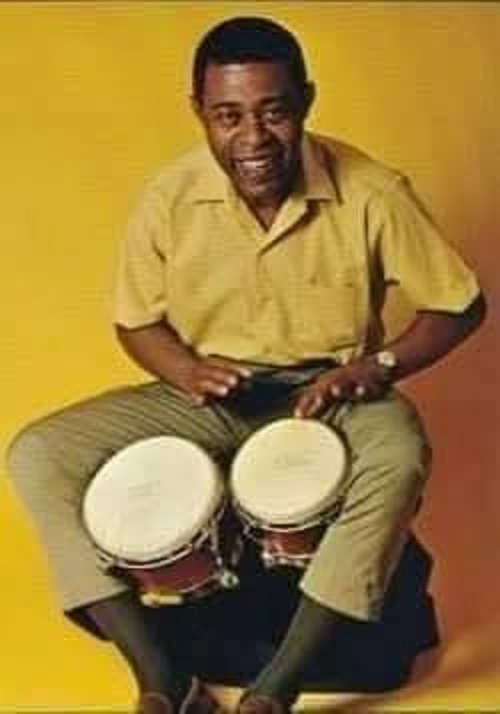
José Mangual Sr., known universally as Buyú, is one of those pillars

An extraordinary and legendary percussionist, José Mangual Sr. was the founder of the prestigious percussive lineage that carries his surname.

Since his childhood in Juana Díaz, he professed a deep love for music; by age ten, he was already playing professionally, and during his youth, he even enjoyed crafting his own bongos.

Over time, he became the musician who endowed the instrument with an extraordinary sonority. He was the father of the equally prominent percussionists José Mangual Jr. and Luis Mangual.
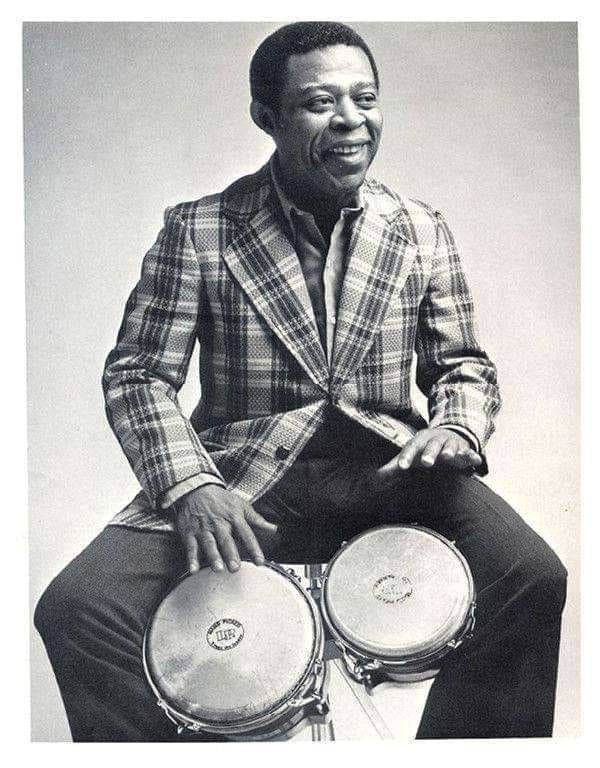
The Architect of Sound on the Bongos defining the rules of how it should sound

The Architect of Sound on the Bongos defining the rules of how it should sound

Considered by experts as one of the greatest bongo players of all time, his legacy remains the gold standard for meter and tuning in Latin Jazz and Salsa.

From Juana Díaz to the Heart of Spanish Harlem

Born on March 18, 1924, in Juana Díaz, Puerto Rico, Mangual discovered his vocation at age 10. However, his musical destiny was sealed in 1938 when he migrated to New York at the age of 14.

Settling in Spanish Harlem (“El Barrio”), he found himself at the epicenter of a cultural explosion that was about to change world music forever.

The Consecration: Machito and his Afro-Cubans

Although he began by filling the timbales position, it was with the Machito and his Afro-Cubans orchestra where “Buyú” made history. Under the direction of Mario Bauzá (who is said to have given him his nickname), Mangual remained with the group for nearly 17 years.
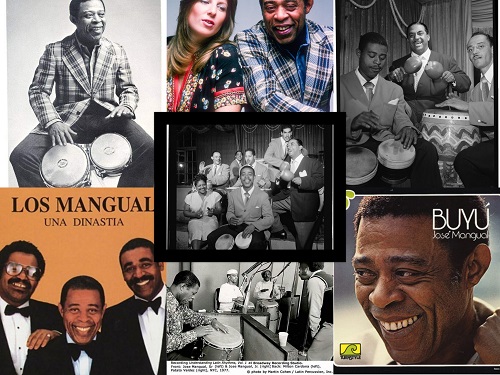
The Legacy and the Patriarch of a Dynasty
  • Rhythmic Innovation: He was part of the “perfect percussion trio” alongside Carlos Vidal (congas) and Machito (maracas).
  • Historic Fusion: His performance was key to blending the complexity of Afro-Cuban rhythms with the harmonies of New York Jazz in the 1940s and 50s.

An Unrivaled Session Musician

His technique was so clean and his sound so bright that he became the preferred collaborator for the biggest stars. Throughout his career, he contributed his mastery to projects led by:

  • Tito Puente: The “King of the Timbales.”
  • Israel López “Cachao”: Participating in historic Afro-Cuban Jazz “descargas” (jam sessions).
  • Jazz Greats: His versatility allowed him to navigate fluidly between the world of Big Bands and traditional Salsa ensembles.

Pedagogical Legacy and Solo Career

In the 70s and 80s, Mangual recorded music not only for enjoyment but also for instruction:
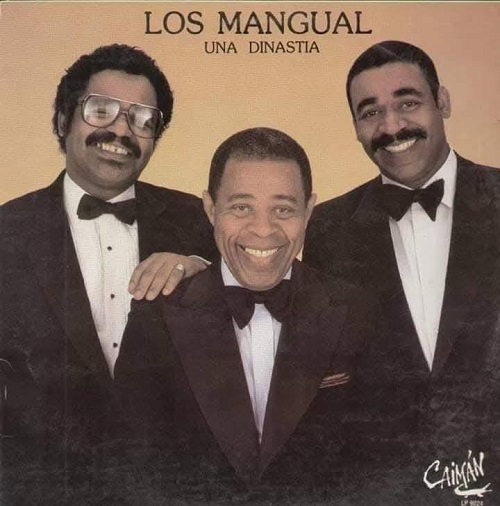
The Patriarch of a Dynasty
  • Album “Buyú” (1977): A Latin Jazz gem on the Turnstyle label, featuring tracks like “Black & Brown Boogie.”
  • Musical Education: Alongside conguero Carlos “Patato” Valdés, he recorded the volumes of Understanding Latin Rhythms. These LPs became the auditory manual for thousands of percussionists around the globe.
  • The Mangual Dynasty: In 1986, he consolidated his family heritage with the album Los Mangual: Una Dinastía, recording alongside his talented sons.

“The sound of his cowbell and his bongo didn’t just mark time; they cemented the foundations of the music we dance to today.”

The Patriarch of a Dynasty

The impact of José Mangual Sr. extends through his sons, who inherited his musical excellence:

  • José Mangual Jr. (“El Milamores”): Famous bongo player and singer, a key figure in the orchestras of Willie Colón and Héctor Lavoe.
  • Luis Mangual: Renowned percussionist and musical director.

Passing and Recognition: Buyú passed away in 1998, leaving an irreplaceable void. In 2001, he was posthumously inducted into the International Latin Music Hall of Fame  a fitting tribute to the man who gave the bongo unprecedented brilliance and elegance.

Also Read: Israel “Cachao” López, a Cuban musician and composer, has been hailed as “the Inventor of Mambo”
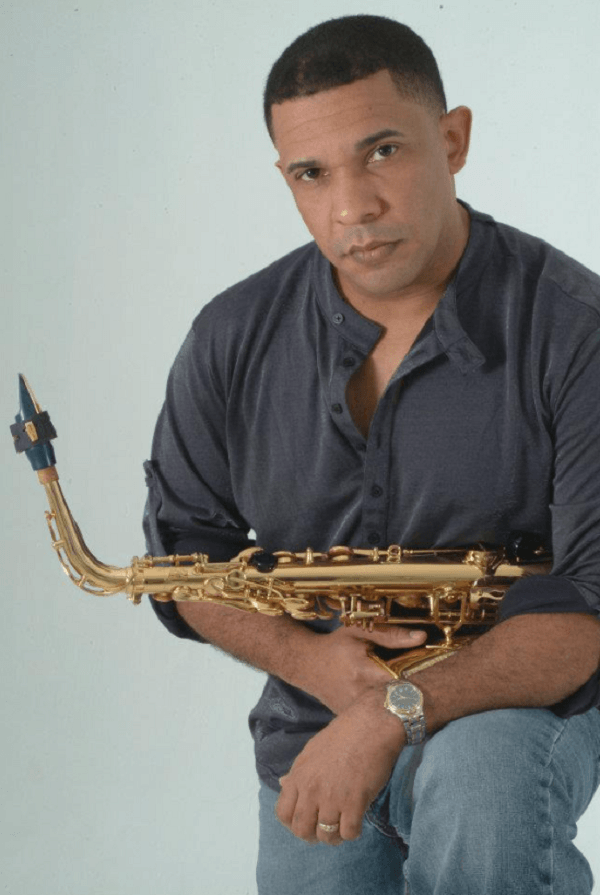
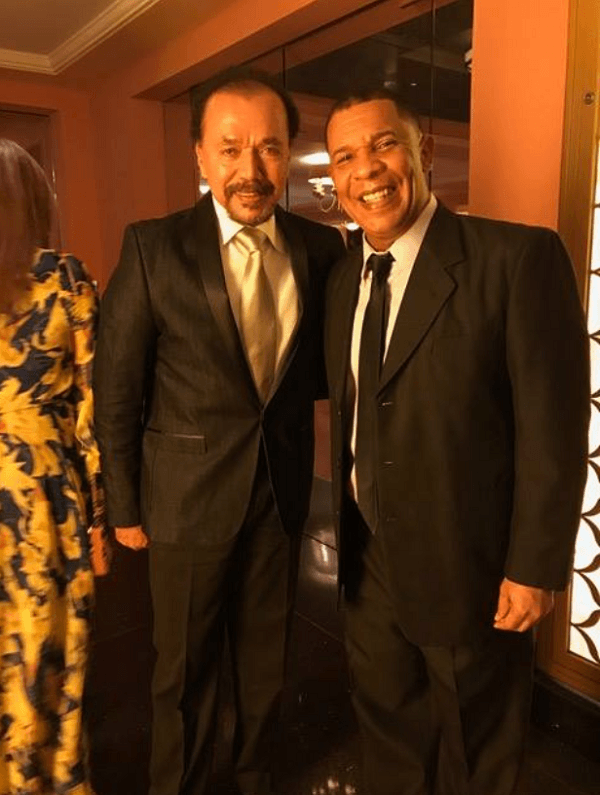
Dominican bandleader and musical director Orlando Santana talks about La Makina and his career in general

Orlando Santana, the bandleader and musical director of La Makina, has made room in his busy schedule filled with studio recordings to talk about the most interesting topics of his career and, of course, the group that has given him more fame.

The Dominican artist has built an interesting career that led to his aforementioned group, which was founded in Borinquén (the name given to Puerto Rico before the arrival of the Spanish). Naturally, the genre by which La Makina is best known is merengue, implying that the Dominican Republic is still present in mind and heart.

Orlando with his saxophone
Orlando Santana with his saxophone

Orlando’s Beginnings in Music

Orlando started his story by saying that music had a significant presence in his life because his father, Santiago Santana, was a music teacher who taught in their own home. He taught all types of instruments such as the saxophone, trumpet, flute, piano, bandoneon, clarinet, guitar, and many more. Additionally, he also knew about harmony, solfège (sung), and solfège (spoken).

This led to his son learning to play instruments at a very young age and being interested in this way of life. 

Orlando’s Music Education

When Orlando moved to Miami, he took private piano lessons for a while, just as his father did with his students, but it was from Richie Ray and Bobby Cruz whom he really learned. He attended their church and took advantage of his visits to receive some piano lessons from Richie, while his brother David Santana, who was already a veteran musician, bought him his first saxophone and taught him many other tricks of the trade.

Early experiences as a paid professional

As for the beginning of his professional practice, Orlando, as a 15-year-old boy, started with the orchestra Dioni Fernández y El Equipo, from which the great Sergio Vargas emerged. In fact, they entered together a television channel (Color Visión, Channel 9) on the same day in Santo Domingo. This group is still active today, and Sergio Vargas’s own brother, Caqui Vargas, is currently part of it.

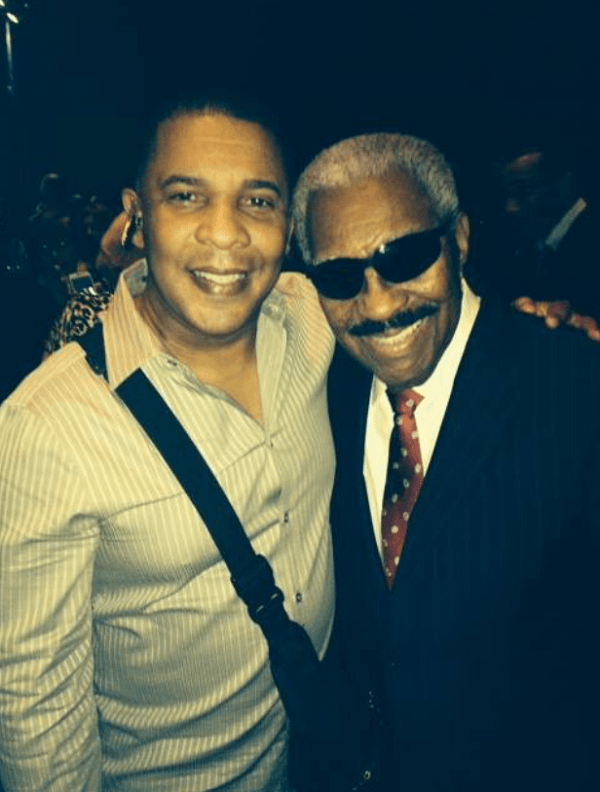
Bobby and Orlando
Bobby Valentín and Orlando Santana

Some time later, he had the opportunity to perform along with Wilfrido Vargas, which he describes as an incredible experience, since Vargas’s orchestra had a very challenging repertoire and he had to prepare himself very well in order to play along with the merengue exponents and his musicians. Orlando came on as a substitute replacing his brother on some tours, where he showed he had the capacity to keep up with their pace and improvise just like Wilfrido did so with ease on stage.

Among the most important things this time taught him, the artist mentioned discipline, the importance of always practicing his instruments, and a permanent focus on what he wanted to achieve. Another thing he mentioned was the significant improvement in his ability to improvise and release new material constantly.

He also learned a lot from Toño Rosario, Peter Cruz, Cuco Valoy, Ramón Orlando, and Elías Santana (Orlando’s first cousin and trumpeter for Conjunto Quisqueya). With all of them, he also came to play both merengue and other genres. 

How La Makina Band was founded

Orlando met Fernando Colón in Toño Rosario’s orchestra, while he was a saxophonist, and Fernando entered as a bassist. At the same time, Orlando was writing some arrangements for Los Sabrosos del Merengue, and as it so happens that Fernando was also working with them, so they were always in constant contact.

When Orlando decided to found an orchestra, it was he who called him and accepted his proposal. That was when both artists founded La Makina in 1996, though the process started a year earlier when they set up a company for that purpose.

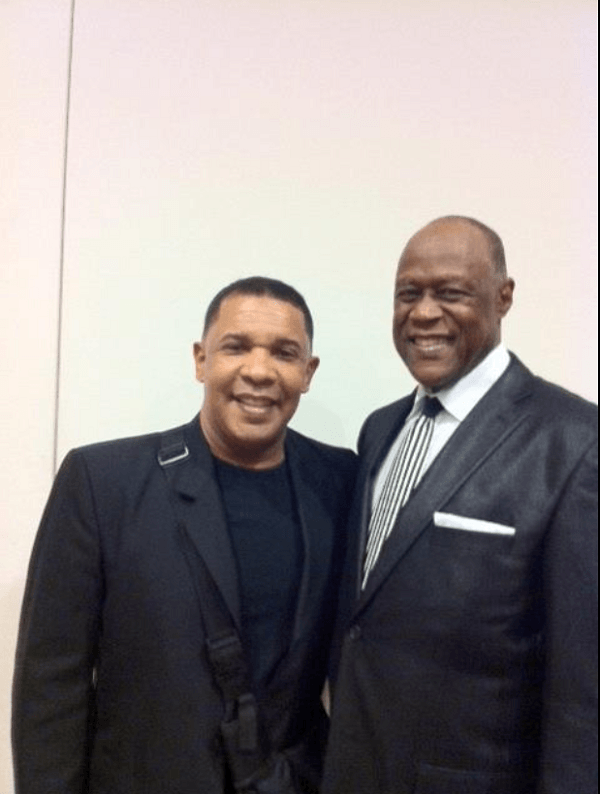
Orlando and Rafael
Orlano Santana and Rafael Ithier from El Gran Combo de Puerto Rico

His Role as producer and director

Regarding his role as producer and director of La Makina, he points out the importance of preparing and studying to exercise these areas of music. In his case, he had already spent many years working on important record productions, including those he did together with his cousin Cesar Cuesta, with whom he formed a small orchestra that covered songs by very famous bands. He created his own musical arrangements for these new versions to differentiate them from the original songs and wrote scores for other musicians.

In addition, he served as music producer for Grupomanía and wrote songs for artists such as Toño Rosario, Elvis Crespo, Oscarito, Manny Manuel, and many others.

Current Members of La Makina

Of the original members of La Makina, the only one left is Orlando himself, but he has been joined by other equally-talented musicians, including Carlitos Rivera and his own son, Anderson Santana.

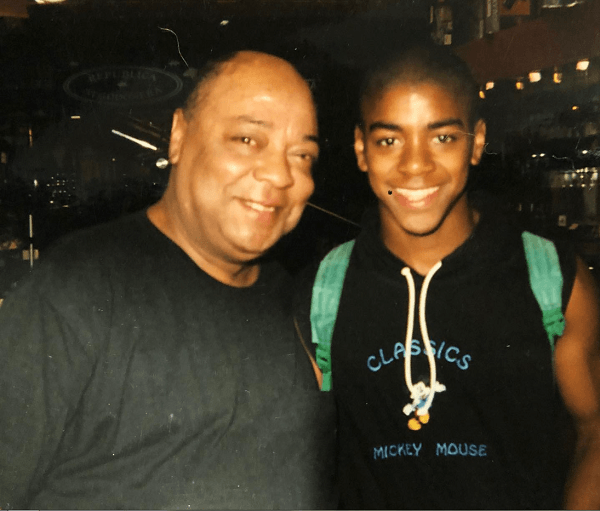
Orlando and Johnny
Orlando Santana and Johnny Ventura in San Juan, Puerto Rico

Current projects

This conversation had been delayed a few times due to how busy Orlando was in the studio working on new music, so obviously we had to ask what it was all about.

He told us that he and the rest of the group were working on a remastering of La Makina’s greatest hits, but with other arrangements and a fresh color. They also plan to include songs recorded by other artists but written by Orlando for them. He did not want to say what these would be so they would be a surprise for the audience.

Read also: Don Perignon Y La Puertorriqueña releases his new album ‘‘Classique et Savoureux’’

Uruguayan composer and multiinstrumentalist Sebastián Natal and his band Grupo Sensación

After having contact for days and overcoming some pitfalls, we could finally get to talking with producer, composer, and multi-instrumentalist Sebastián Natal, who kindly attended and revealed his views on the path he has followed to become the great artist he is today. 

Sebastián Natal posing
Sebastián Natal posing for the camera with his instruments

Sebastián Natal’s beginnings

First, Sebastián appreciated our interest in learning a little more about him and began to describe his native country’s musical and cultural context at the time. First of all, the artist was born in Montevideo, Uruguay, where a tropical music movement was established by then, considering many genres from the tropics and the Caribbean, such as salsa, bachata, merengue, cumbia, guaguancó, and many more.

Obviously, these genres did not originate in Uruguay, as bomba is Puerto Rican, salsa is Cuban, and bachata is Dominican. However, there were quite a few groups and musicians who used these tropical roots to create their own identity. Outside of Montevideo, other provinces listened much more to cumbia and charanga.

The orchestras that played these rhythms were dedicated to developing covers of salsa songs, but by bringing them into other genres that were emerging at the time, such as plena, plena danza, and bomba, among others. Sebastián grew up with this sonority in his country, so the whole musical environment he was exposed to abroad became very familiar to him and easy to assimilate. From the early ‘nineties, as a young boy, he began to absorb all the influence from the dawn of romantic salsa and iconic songs such as “Aquel Viejo Motel,” “Cinco Rosas,” “Sin Sentimiento,” “Amores Como El Nuestro,” and many others of its kind. 

It is worth adding that Sebastián comes from a family of musicians, starting with his own father, Yeneca Natal, who was the musical director and pianist for Grupo Sensación. Music always surrounded him, so it can be said that he was meant to follow this path. 

Sebastián and Yeneca Natal
Sebastián Natal next to his father Yeneca Natal

When and why Sebastián left Uruguay and moved to New York

In 2005, at just 21 years old, Sebastián joined the Sonora Borinquen, which was the most popular orchestra at the time. Thanks to them, he had the opportunity to tour the United States and Canada, where he could see environments and ways of working that were completely different from what he was used to. Two years later, he toured the United States again, but by then he already saw the country as a new destination to advance his career.

Unfortunately, Uruguay was becoming too small for the plans he had for his development in salsa, which sparked his curiosity about the Big Apple and all it had to offer him musically speaking.  

By 2008, he decided to move to New York for a few months, but so many doors opened for him that he never left and continues to live there to this very day. 

Sebastián, the multi-instrumentalist

The first instrument Sebastián came in contact with was the piano, which he started playing it at age four and from which he graduated at age 11. Since he had not attended high school yet, he could not study a master’s degree to continue his musical education. In addition, he was a child who wanted to play football and do the usual things for his age, so a few years later, his father made him join an Afro-Uruguayan music group. In that orchestra Sebastián played piano and bass, which allowed him to further develop his skills with those instruments. 

Sebastián in Panama
Sebastián Natal in Panama City

After that, he began to create his own tropical music band, inspired by the Venezuelan orchestra Los Adolescentes. All the members were minors, and, as well as in the previous group, Sebastián also played piano and bass.

Sebastián as a producer and composer

Regarding his role as a producer and composer, Sebastián confessed that he has no idea how he came to learn these areas of music. He did emphasize that he always lets his music and his feelings flow to deliver the message he wants to convey in each of his pieces. After that, he defines the ideas and adds the music.

He says he greatly admires professional lyricists and composers. He admits he is neither the best nor the worst composer, but he always tries to reach his own heart to convey what he feels. 

Sebastián Natal Y Grupo Sensación

The idea of Grupo Sensación started with the orchestra of the same name where his father worked in 1982, but unfortunately the group did not have much impact due to how closed that environment was at the time. There were a number of orchestras that got the best contracts, and it was very difficult for the rest to achieve. Over time, Yeneca left Grupo Sensación and managed to join several of these more established orchestras to gain more reputation.

Soon after, when Sebastián moved to the United States, he almost immediately noted that the Uruguayan community needed a tropical orchestra, but he did not know what name give it. With the passing of his father on October 19, 2010, he chose to use the name “Grupo Sensación” as a way to continue the legacy of his father and the tropical movement born in his country so many years ago. 

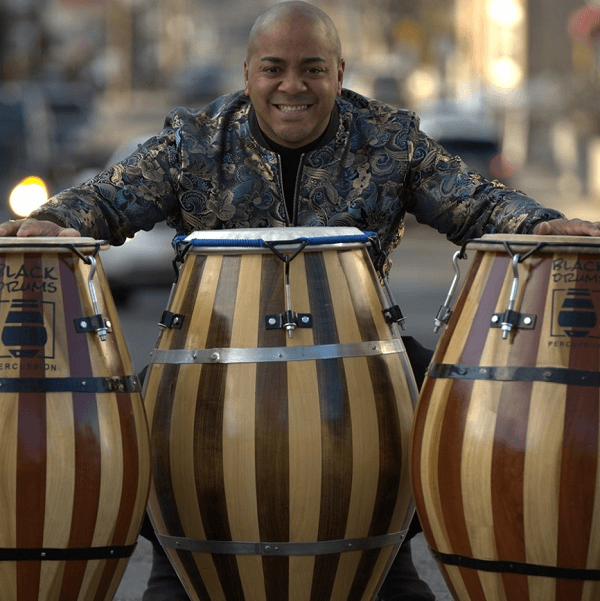
Sebastián and Pedrito
Pedrito Martínez and Sebastián Natal on stage

Artists he has collaborated with

Sebastián has had the opportunity to collaborate with artists of the stature of Nino Cegarra, Oscar D’León, José Alberto “El Canario,” Domingo Quiñones, Tony Vega, Roberto Blades, Cheo Feliciano, Tito Nieves, Viti Ruiz, and many more. However, few were the ones with whom he has truly been able to have a conversation or a close connection beyond purely profesional relationships.

“You can only say you played with someone if you’ve had a connection with that person. I’ve been able to play with great artists, but many times they don’t even know who I am. That’s why I don’t include them on my resume. Now if they call you back, then you can say you did things very well and that there’s someone really interested in you,” said Sebastián on this interesting subject.

The cases of Bill Murray and Camila Cabello were completely different, as he managed to record songs with them through his friend and fellow musician, Pedrito Martínez, whom he describes as “the best percussionist in the world”. It was also Martínez who connected him with the world-famous composer and guitarist Eric Clapton, with whom he performed at the American Airlines Center in Dallas—one of the most beautiful experiences he has had in his career and his life in general.

Read also: Bandleader and conga player Tony Rosa tells us how he built his career

Miami Bachata Festival 2017

North America / USA / Miami

The Miami Bachata Festival (MBF) 2017 will be held January 26-30 at the beautiful Deauville Beach Resort in Miami. MBF is a celebration of culture through live music and dance attended by a diverse international audience. For attendees looking to be adventurous or take their dancing skills to the next level we provide instructional dance classes from beginner to advance with a line-up of World class local and international dance artists www.miamibachatafestival.com

At night, MBF brings out the entertainment! Each evening begins with live dance showcases that are sure to wow any audience with a mix of acrobatic, sexy and high-energy performances. Then, move on to live music with internationally recognized artists and then end the evening with some of the best tropical music DJs in the world to ensure you dance the entire night away. MBF is an event that provides something for everyone and we hope you join for the fun.

Confirmed Artists

Music

  • Grupo Extra

Dance

  • Ataca & La Alemana
  • Daniel & Desiree Ronald & Alba
  • Sara Lopez
  • Alex & Desiree
  • El Tiguere & Julianna Pablo Vilches & Yaima Billy & Ahtoy
  • Jose Ferrante & Elena Simone & Serena
  • Alfredo & Andrea
  • Frank Santos & Gatica Andrea & Silvia
  • Gregory & Jessica
  • Rodrigo & Wendy Paso Fino
  • Zeke Ruvalcaba
  • Roberto Lay
  • Mike G y Pura Vida

DJs

  • El Tiguere
  • Soltrix
  • Emerzive
  • Khalid


Grupo Extra

The hardest thing for new projects in the music business is to find an identity, a new concept, a new sound, a different style, and new colors. All the above describes Grupo Extra. The key members of Grupo Extra are: El Nene Flow (Neftali Caba), El Turko (Yassir Neher), Tony Santana (Edward Anthony Regalado Santana), Manny Rod (Emmanuel Rodriguez) y Yewdry Alvarado.

Grupo Extra
Grupo Extra

Grupo Extra is already known as a group with a big stage presence, a lot of strength and energy, perfect choreographies and beautiful harmonies. In their relatively short career Grupo Extra has shared the stage with great figures of the International Latin Music scene like Daddy Yankee, Wyclef Jean, Jorge Celedon, Kasav, Los Van Van de Cuba, Guayacan of Colombia, Prince Royce, Hector Acosta and others.

Dance

Alex & Desiree

Alex Morel is known for his musical style and flavor on the dance floor. He has been teaching workshops and performing in countries such as Germany, Portugual, and Israel, to name a few. After moving to NYC, Desiree Godsell began choreographing and dancing for Atlantic recording artist Santigold, and touring all over the world. She was part of the opening act for artists such as Coldplay, Kanye West, Jay-Z, M.I.A., and Rihanna. Desiree began her Salsa career straight at the top, partnering with the Mambo King himself, Eddie Torres. She’s appeared on late night TV shows David Letterman, Jimmy Fallon, Conan O’Brian, and Jules Holland. She’s currently producing a dance concert series called the Pearl in BK.

Alex & Desiree
Alex & Desiree

Ataca & La Alemana

Tanja “La Alemana” Kensinger began teaching professionally in 2008 with Jorge “Ataca” Burgos. Initially, their primary dancing style was Salsa, but switched to a Bachata emphasis after a friend of Tanja’s recommended they do a routine together. Their dance organization, Island Touch Dance Academy, currently has over 100 teams in many countries across the globe.

Ataca & La Alemana
Ataca & La Alemana

Gregory & Jessica

Gregory and Jessica were the champions of the TV program Yo Bailo Bachata in Spain. They also won 2nd place at the World Championship in the Bachata Cabaret division in Miami, Florida. They are known for their fusion of Salsa, Bachata, and Hip Hop. They have choreographed numbers for television appearances for artists such as Luis Fonsi, Chino y Nacho, and RedOne.

Gregory & Jessica
Gregory & Jessica

Daniel & Desiree

Daniel and Desiree are one of the hottest Bachata couples in Europe, and now, in the world! In a short partnership of only 3 years, they have achieved multiple titles, including the 2012 World Bachata Masters. Together, Daniel and Desiree have more than 15 years of combined dancing experience. They are known for their Bachata, but they also teach all kinds of Latin dancing. Some of their titles include Campeones BachataStars España 2010, Subcampeones BachataStars Europe 2011, and Campeones World Bachata Masters 2012.

Daniel & Desiree
Daniel & Desiree

Jose & Elena

Jose and Elena Ferrante Avella started dancing together in September 2011, debuting with “Just Promise,” a mix of Acro Dance and Bachata that represents the fusion of love and passion. This choreography, created in no time, was their winning piece in two choreographic Bachata competitions in March 2012: Bachata Day in Italy and The King of Bachata in France. In 2013, they won the Bachata Open in Spain and qualified for the 2014 World Bachata Masters. To date, Jose y Elena continues studying in various disciplines such as ballet, pas de deux, acrobatics, Latin Hustle, Bachata, Salsa, and Kizomba.

Jose & Elena
Jose & Elena

Kizomba Chick

Maria Ivanova (AKA Kizomba Chick) is a Kizomba instructor, promoter, and performer who has been sharing her love and passion in the U.S. and overseas. Maria is the first official face of Kizomba in Florida, spreading her vision for this breathtaking sensual dance tempestuously. She learned Kizomba with some of the greatest masters, such as Kwenda Lima, Petchu, Ricardo Sousa and Paula Loureiro, Albir & Sarah, and Joao & Mafalda. She continues to travel abroad to satisfy the thirst of learning and dancing, bringing back to her students the latest techniques and newest patterns.

Kizomba Chick
Kizomba Chick

Paso Fino

Paso Fino Dance is a brand dedicated to teach you the joys of Latin Dancing. Their mission is to bring passion to the people, to bring out the dancer in everyone, and empower people along the journey. Their instructors guide students through a fun dance experience that is designed to benefit the mind, body, and soul. They describe the experience as tribal, primal, and fun.

Paso Fino
Paso Fino

Tiguere & Julianna

EI Tiguere’s father was a self-taught musician, and he imparted a feel and love for music that would permeate in all that El Tiguere does. Some of El Tiguere’s earliest memories are dancing the night away with his mother in New York. El Tiguere has been dancing formally (studio taught) for three years and gotten his name for his sexy, and sometimes unconventional, style of dancing with swag. A true believer in “dance what you feel,” El Tiguere loves and embraces all styles of dancing. However, his true loves are Bachata and Mambo. A passionate teacher, El Tiguere has been teaching students what he knows about dance since his third month dancing!

Tiguere & Julianna
Tiguere & Julianna

Ronald & Alba

Ronald (from Colombia) and Alba (from Spain) were the Champions of the 2012 BachataStars in Spain and 2- time BachataStars Champions in Europe in 2012 and 2014. They’re currently the Champions of the World Bachata Masters 2015. They both currently reside in Alicante, Spain.

Ronald & Alba
Ronald & Alba

Rodrigo & Wendy

Rodrigo and Wendy Jimenez are renowned instructors and performers who have graced numerous stages locally and abroad. With intensive training under World Master Instructors and ESPN World Salsa & Argentine Tango champions, they also have been featured in several public broadcast television shows as well as the International Latin Dance Film “La Epoca.” They have conducted workshops and performed “SalsaTango” and “Bachatango” fusions at numerous Salsa congresses, festivals, and galas in major national & international cities. They have performed with Salsa star Eddie Santiago, the Queen of Salsa “La India,” and Salsa bands Guayacan and DLG.

Rodrigo & Wendy
Rodrigo & Wendy

Clubs Tour in Tennessee

North America / USA / Tenessee

Do you want to party in Tennessee? Then, this tour is made for you! It is the perfect opportunity to meet people and dance Latin tropical music all night in the best clubs of the moment.

The Rumba Room

The tour starts with The Rumba Room nightclub every Friday and Saturday from 9:30 pm to 3:00 am. Remember to bring your ID and try the mojitos. Guys first shot is on the house.

The Rumba Room is the first salsa nightclub located in downtown Memphis! Their mission is to introduce Latin culture to the Greater Mid-South through food, music, and dance.

The Rumba Room specializes in Latin food, tropical mixed drinks and live entertainment. They feature salsa lessons, live salsa bands, dance competitions, shows, concerts, after- parties, and reservations for private events.

THE RUMBA ROOM

There’s a swanky bar area, a colorful mural, a menu full of Cuban and Latin-inspired appetizers, and a large dance area that pulses with a salsa beat. Primarily a DJ-driven dance club, the Rumba Room offers salsa music every Friday and Saturday night, with an occasional live band featured. Free salsa lessons are offered both evenings starting at 09:30pm. On Friday nights starts at 07:00 p.m until salsa time. The minimum age is 21; entry for salsa nights is 18 and up; ladies over 21 are free until 10 p.m., and there’s a $10 cover for all others.

The Rumba Room
The Rumba Room

Website: www.memphisrumba.com Address: 303 S. Main Street, Memphis, TN 38103, USA.

FRIDAY

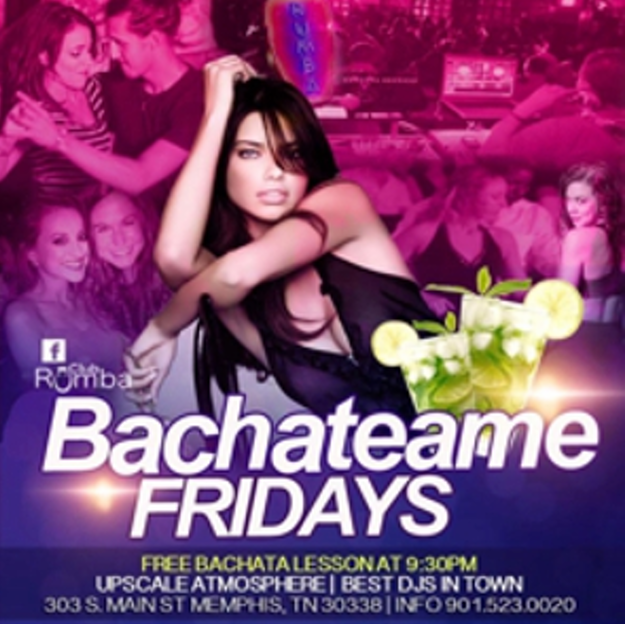
Bachateame Fridays

  • 9:30pm – 3:00am Free bachata lesson at 9:30pm. Ladies free all night. Guys first shot is on the house.
  • The Rumba Room - Bachateame Fridays
    The Rumba Room – Bachateame Fridays

SATURDAY

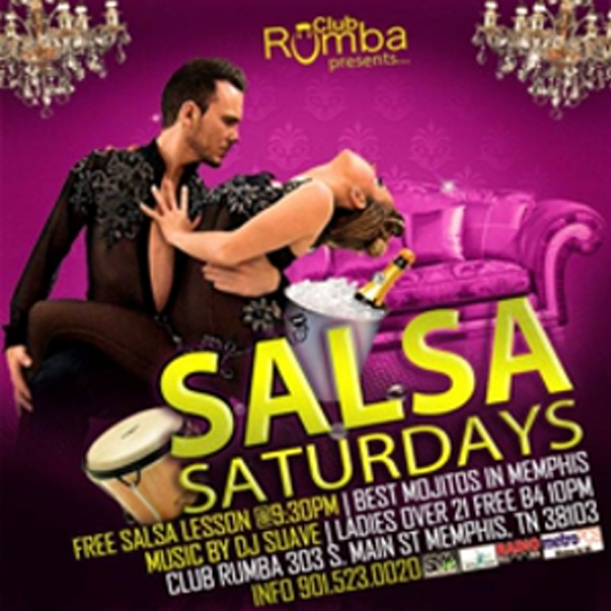
Salsa Saturdays

  • 9:30pm – 3:00am Free lesson at 9:30pm. Best DJs in town.
  • The Rumba Room - Salsa Saturdays
    The Rumba Room – Salsa Saturdays

Salsa Puerto Rican And Latin Cuisine

Explore the limits of your Nashville experience by dancing in this most important nightclub in Tennessee! You will know why Salsa is the queen of the parties and you will meet many people with the same passion as you for this tropical rhythm.

In January of 2013 Salsa Puerto Rican and Latin Cuisine opened its doors to the public in the heart of this city, bringing new flavors to Music City and adding the Caribbean taste to the great cultural variety of Nashville, with Latin dancing evenings and special events.

Salsa Puerto Rican And Latin Cuisine

FREE Salsa Dancing Lessons are presented every Tuesday, starting at 8pm. Aquí el instructor Francisco te ensenara los pasos básico de la Salsa, si eres principiante, para que aprendas a bailar esta música con facilidad y adoptes este ritmo rápidamente. La meta de Francisco es que tú aprendas a bailar Salsa. Es sencillo, te divertirás y socializarás a la vez. No Cover. Free Parking.

  • Address: 818 Palmer Pl, Nashville, TN 37203, USA.
  • Website: www.salsarestaurantnashville.com

404 BAR & GRILL

No queuing, no stress, just one of the best experiences of your life in the nightlife town of Nashville. EVERY SATURDAY, Sexy Salsa Dancing, 08:00pm. As always, on the main floor, we will be playing the hottest mix of Salsa and Bachata with just a splash of Cha Cha, Merengue, and Cumbia. It’s a mix that is proven to keep you on the dance floor all night long, so join for great music, people, and a cool time!

Joining for a very special Havana Nights! They will also be opening up the back patio for Kizomba by Moonlight, a separate area strictly kizomba and some afrohouse. (Weather permitting)

404 Bar & Grill
404 Bar & Grill

It has a small parking lot, but there is also plenty of free parking in the lot across the street.

  • Ticket: 8,00 USD/per person
  • 9:00pm Salsa Lesson
  • 10:00pm-01:00am Open Dancing
  • $8 cover charge
  • Website: www.404barandgrill.net
  • Address: 404 Elysian Fields Rd, Nashville, TN 37211, USA.

IBIZA NIGHT CLUB

And finally, take a walk on Ibiza Nightclub. A Club with 11 years of experience and great reputation in South Nashville. Their owners are Colombians and they put 100% Latin music: Salsa, Merengue, Bachata, Reguetón, etc…, punctured by Djs. They have a great musical repertoire that walks you from the great old successes until the present time. You dance all night and the safety is best.

Ibiza Night Club
Ibiza Night Club
  • Parking: In the street or beach
  • Open: Thursdays – Saturdays: 21:00-03:00 & Sundays: 22:00-03:00
  • Address: 15128 Old Hickory Blvd, Nashville, TN 37211, USA.
  • Facebook: Ibiza Night club
  • « Go to Previous Page
  • Page 1
  • Page 2
  • Page 3
  • Page 4
  • Interim pages omitted …
  • Page 129
  • Go to Next Page »

International Salsa Magazine (ISM) is a monthly publication about Salsa activities around the world, that has been publishing since 2007. It is a world network of volunteers coordinated by ISM Magazine. We are working to strengthen all the events by working together.