• Skip to primary navigation
  • Skip to main content

International Salsa Magazine

  • HOME
  • Previous editions
    • 2026
      • ISM / April 2026
      • ISM / March 2026
      • ISM / February 2026
      • ISM / January 2026
    • 2025
      • ISM / December 2025
      • ISM / November 2025
      • ISM / October 2025
      • ISM / September 2025
      • ISM / August 2025
      • ISM / July 2025
      • ISM / June 2025
      • ISM / May2025
      • ISM / April 2025
      • ISM / March 2025
      • ISM / February 2025
      • ISM / January 2025
    • 2024
      • ISM / December 2024
      • ISM / November 2024
      • ISM / October 2024
      • ISM / September 2024
      • ISM / August 2024
      • ISM / July 2024
      • ISM / June 2024
      • ISM / May 2024
      • ISM / April 2024
      • ISM / March 2024
      • ISM / February 2024
      • ISM / January 2024
    • 2023
      • ISM / December 2023
      • ISM / November 2023
      • ISM / October 2023
      • ISM – September 2023
      • ISM – August 2023
      • ISM July 2023
      • ISM Edition June 2023
      • ISM – May 2023
      • ISM April 2023
      • ISM March 2023
      • ISM February 2023
      • ISM January 2023
    • 2022
      • ISM December 2022
      • ISM November 2022
      • ISM October 2022
      • ISM September 2022
      • ISM August 2022
      • ISM July 2022
      • ISM June 2022
      • ISM May 2022
      • ISM February 2022
      • ISM January 2022
    • 2021
      • ISM December 2021
      • ISM November 2021
      • ISM October – 2021
      • ISM September 2021
      • ISM August 2021
      • ISM July 2021
      • ISM May 2021
      • ISM April 2021
      • ISM June 2021
      • ISM March 2021
      • ISM February 2021
      • ISM January 2021
    • 2020
      • ISM December 2020
      • ISM November 2020
      • ISM October 2020
      • ISM September 2020
      • ISM August 2020
      • ISM July 2020
      • ISM June 2020
      • ISM May 2020
      • ISM April 2020
      • ISM March 2020
      • ISM February 2020
      • ISM January 2020
    • 2019
      • ISM December 2019
      • ISM November 2019
      • ISM October 2019
      • ISM Septembre 2019
      • ISM August 2019
      • ISM July 2019
      • ISM June 2019
  • Spanish
  • Download Salsa App
    • Android
    • Apple

Search Results for: Academy

Fidelis Studio

Latin America / Venezuela / Caracas

The Fidelis studio is located in Caracas Venezuela, Urb. El Cafetal, El Morao street, Qta. Tere, is an excellent recording studio, where national and international artists and groups created their records; An example of this, Maracaibo 15, Billo’s, Los Melodicos, Salserin, Los Adolentes, Oscar D’ León…, the Latin Dimension recorded 8 of its 20 albums.
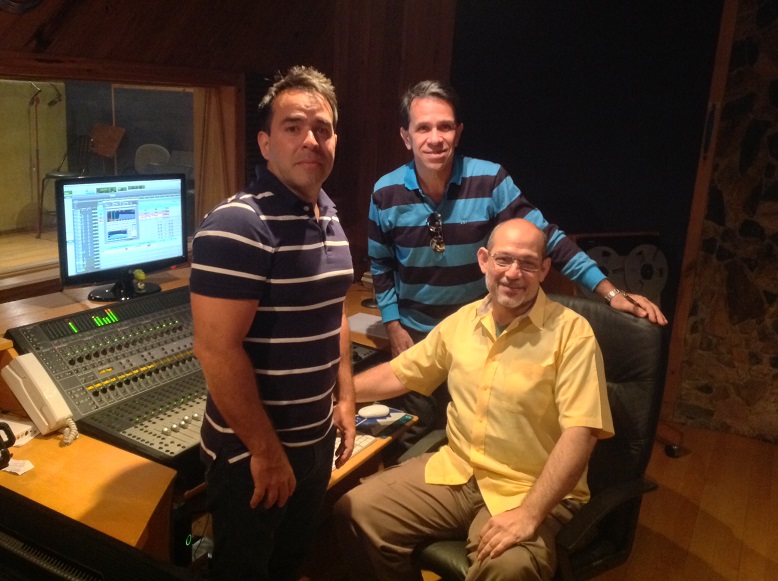
Fidelis Studio - Photo 1
Fidelis Studio – Photo 1

Currently those in charge of the study are Javier and Francisco González, who succeed their father Antonio José González “Gonzalito” founder of the Study in 1952 with great professionalism; who, despite being a professional photographer, had the inspiration and musical taste that led him and his friend “Toro” to go to the United States where he studied audio, upon arriving in Venezuela he was recognized as the pioneer of Recording Engineering since he did not This race exists to date in Venezuela.

Fidelis Studio - Photo 2
Fidelis Studio – Photo 2

Javier and Francisco González narrate how the recording of music was at that time, where it was recorded on a “Reel” tape where the channels were previously mixed in the matrix and then passed to the “Stamper” which is a metal disc where it was kept. the information to the factory and later this information was transferred to the acetate disc through electromagnetism.

Fidelis Studio - Photo 3 of Reel Tape
Fidelis Studio – Photo 3 of Reel Tape

As the years went by, recording equipment was modernized, going from “vinyl” to analog cassettes, and now it is digitized to CD’s, and digital formats such as FLAC, mp3… to send over the internet through a computer and with this new technology the artist has higher quality and content capacity than the 33 ½ rpm LP disc to record their songs.

Fidelis Studio - Photo 4 sound program
Fidelis Studio – Photo 4 sound program

Now if the artist wishes to transfer an acetate disc or tape that he had, to a current digital format, the studio is able to make the transition without losing the quality of the music recorded on it.

The current recording equipment has 72 channels, usually 24 are used. With each channel the instrument or voice of the artist(s) is recorded, and with the program they are unified, adjusting the appropriate volume levels where the artist or group listens to it and sees if it is to their liking or not, having the ability to modify it.
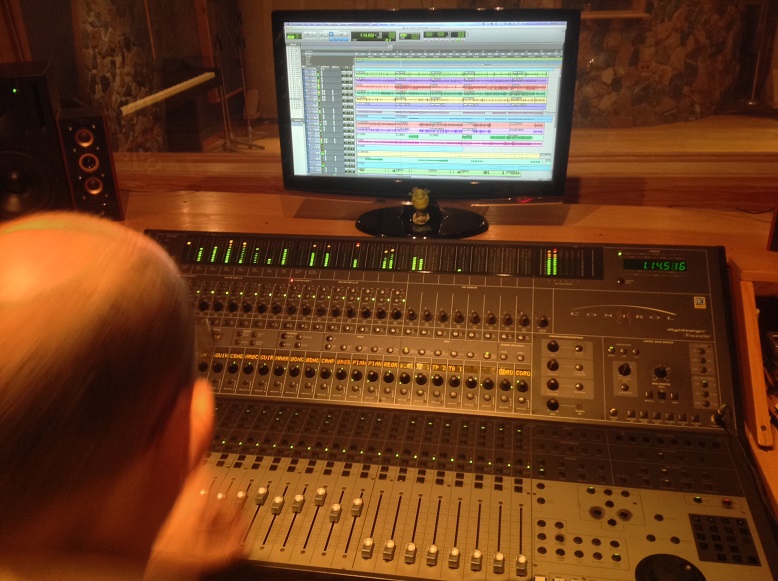
Fidelis Studio - Photo 5 - instruments and sound program
Fidelis Studio – Photo 5 – instruments and sound program

The studio and especially the room where the singers or members of a band or orchestra are placed has been designed in such a way that the sound that is produced has no alterations such as echo, making the sound that is generated the most pure possible.

They also make recordings both inside and outside the studio, since they have the right equipment (portable studio, headphones, microphones, amplifiers, recorder, among others), so that there would be no difference in the recording either inside the Fidelis Studio or in the outside.

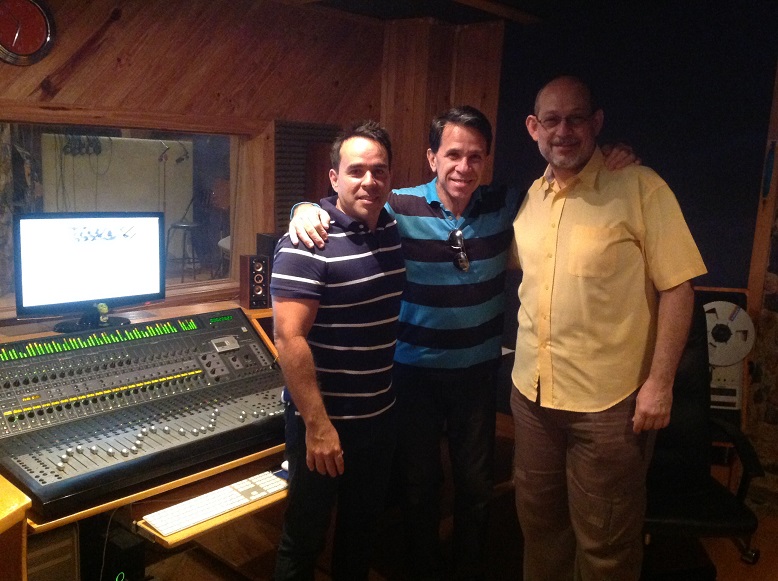
Fidelis Studio - Photo 6
Fidelis Studio – Photo 6
Fidelis Studio - Photo 7
Fidelis Studio – Photo 7

And they tell us that their experiences over the years have been very lively, fun and interesting at the time of making the recordings since each singer or band has their own personality when playing and producing their music, whatever the genre they play, that in the studio all types of music are recorded today.

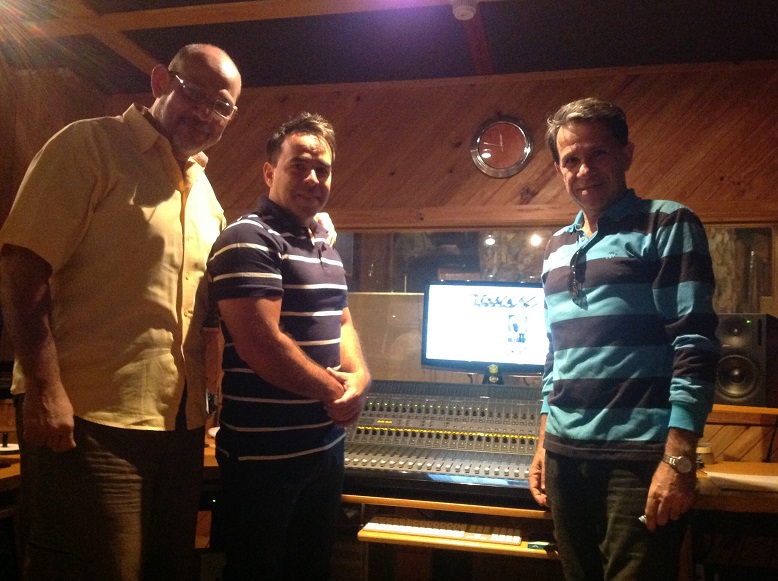
Fidelis Studio - Photo 8
Fidelis Studio – Photo 8
Fidelis Studio - Photo 9
Fidelis Studio – Photo 9

The most significant artist for the studio and especially for “Gonzalito” according to his children was Alfredo Sadel whose voice ranged from opera to the popular rhythm of Venezuela, later it was Simón Díaz, Mauricio Torrealba… although they are all very important.
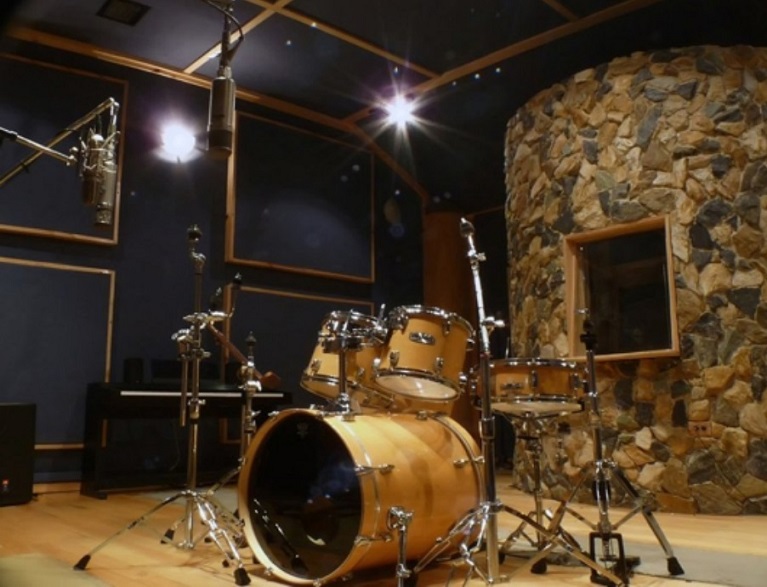
Fidelis Studio - Photo 10
Fidelis Studio – Photo 10
Fidelis Studio - Photo 11
Fidelis Studio – Photo 11

The Grammy Awards are a distinction given by the National Academy of Recording Arts and Sciences to recognize an especially outstanding achievement of the music industry to a specific artist, obtaining this award is a great honor since an extensive study is carried out to the CD where sound engineers, producers and other specialists participate to determine the physical and sound quality of the CD created and to participate in this award you must register in the academy to participate.

Fidelis Studio - Photo 12
Fidelis Studio – Photo 12

The Studio currently has 2 Latin Grammy Awards:

1st Recording “Treasures of Venezuelan Music” with Ilan Chester (2010).

2nd Recording “Maria Teresa Chacin Canta Cuentos” with María Teresa Chacín (2012).
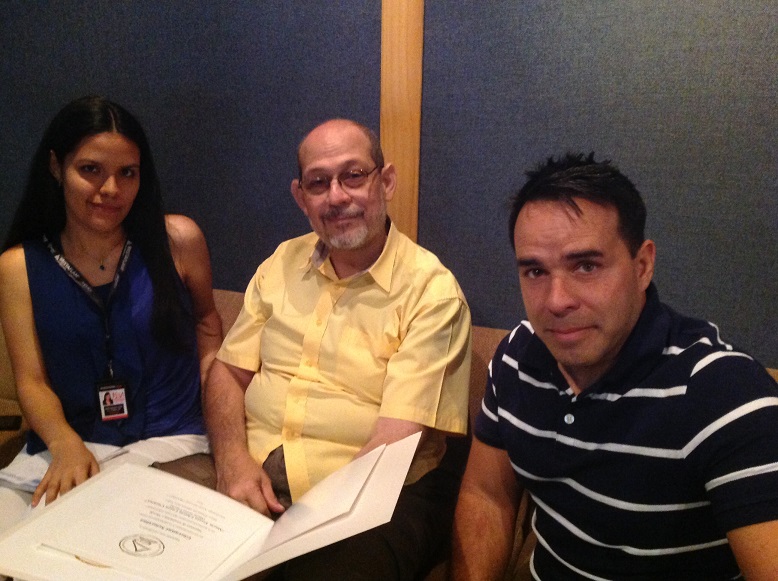
Fidelis Studio - Photo 13
Fidelis Studio – Photo 13
Fidelis Studio - Photo 14
Fidelis Studio – Photo 14

Where the team that makes up this renowned recording studio feels proud and happy for the work they are doing.

It should be noted that despite the situation in the country, they continue to provide the best service to singers and musical groups, whether national or international, being a strong competition for other recording studios in other countries, in relation to cost / quality. .

Fidelis Studio - Photo 15
Fidelis Studio – Photo 15

My person who had the opportunity to visit and interview its members, see, know and appreciate the type of study that is Fidelis I can say that the following:

“There are many recording studios in Caracas, Venezuela, but if you want your songs to be recorded with excellent audio quality in a recognized center, don’t think twice and choose them, they are the best”

Fidelis Studio - Photo 16
Fidelis Studio – Photo 16

For more information:

  • WebSite: http://fidelis.com.ve/
  • Teléfono: +58-212-9860722

Fidelis Studio Flyers

Gira Tango

Latin America / Venezuela / Caracas

For lovers of Tango, what better way to learn or practice it than at the “Gira Tango” Dance Academy that offers tango classes in Caracas, Venezuela. They also organize dinners, shows and tastings, not to mention that they work with the Embassies of Argentina and Uruguay.

The Vision and objective of the Academy is to promote national tango talent, where they seek meeting places to share knowledge, entertain the public in order to connect everyone through this style of dance.

Photo by Siulhy Santander and Leonel Colina - Gira Tango
Photo by Siulhy Santander and Leonel Colina – Gira Tango

Starting in 2015, the “National Tango Encounter” was organized, an artistic production that for a week offered the 5 municipalities of Caracas opportunities to enjoy classes, concerts, live shows and milongas in plazas, shopping centers and restaurants; and from that moment it was held annually, being for this month of November 2017 its 3rd edition in conjunction with the embassies of Uruguay and Argentina.

The workshops will be held on the 4th, 11th, 18th and 25th. If you wish to attend the classes at CELARG, look for information through 0412-9507209 or 0414-3206975 and register through the email [email protected]. Wear comfortable clothes and choose shoes that slide. In the case of women, Gira Tango recommends wearing heels without a platform that support the ankle.

Dancers and Teachers

The dancers and teachers that make up the academy are Siulhy Santander and Leonel Colina, founders of the Academy, who are dedicated to teaching tango and cultural management, not to mention that both were trained by internationally recognized teachers John Erban and Clarissa Sanchez. , Sofiani Figueroa, Daniel Martinez, Mario Morales, Daniel Naccuchio, Cristina Sosa, Fernando Galera and Vilma Vegas, among other exponents of tango with a great career.

Siulhy Santander and Leonel Colina

Siulhy Santander

She began his Tango studies in 2008 at the Centro Uruguayo Venezolano with the Academia Tango Caracas, directed by professors Frank Zambrano and Yore Rivas, without mentioning that he worked as a member of the dance corps of the Tango Caracas group until 2014, where He participated in various stagings and shows such as “Misterio Tango” and “10 Años de Tango Caracas”, where he met Leonel Colina. I also carry out workshops in Buenos Aires, Argentina, with professors Mario Morales, Fernando Galera and Vilma Vega in 2009 and 2012.

Siulhy Santander
Siulhy Santander

Leonel Colina

He was a student of Nationalist Dances from 1994 to 2001 in the Los Cocuyos Dance Group. He learned different types of dance such as Joropo, Calypso, Gaita, Drums, Bagpipes, Drums and Venezuelan Merengue. However, he decided to start studying again in 2007 at Academia Tango Caracas with professors Frank Zambrano, Yore Rivas, Frank Obregon and Sofiani Figueroa.

Leonel Colina
Leonel Colina

Starting in 2008, she worked as a member of the dance corps of the Tango Caracas group, participating in shows such as “Misterio Tango” and “10 years of Tango Caracas”, meeting Siulhy Santander Since 2011, the pair of dancers participated in the staging of the show “Misterio Tango”, which ran for two seasons at the Celarg theater and this couple has participated in cultural festivals such as:

  • IV International Meeting and III National Tango Championship, Caracas 2009.
  • V International Meeting and IV National Tango Championship, Tango 2010.
  • VI International Meeting and V National Tango Championship, Caracas 2011.
  • XVI International Dance Festival – Maracaibo (2011).
  • XVIII International Dance Festival – Maracaibo (2013).
  • Second Edition of the Ucab Dance Festival (2013).
  • Caracas International Theater Festival (2015).
  • World Tango Championship Medellin (2015).
Photo by Siulhy Santander and Leonel Colina

For more information:

  • WebSite: http://giratango.net/
  • Facebook: https://www.facebook.com/giratango/
  • Instagram: https://www.instagram.com/giratango/
  • Twitter: https://twitter.com/giratango
  • Email: [email protected]
  • Phones: +58 4129507209 / +58 4143206975


Oscar Dudamel continues to achieve dreams and presents “La Rumba Me Llama”

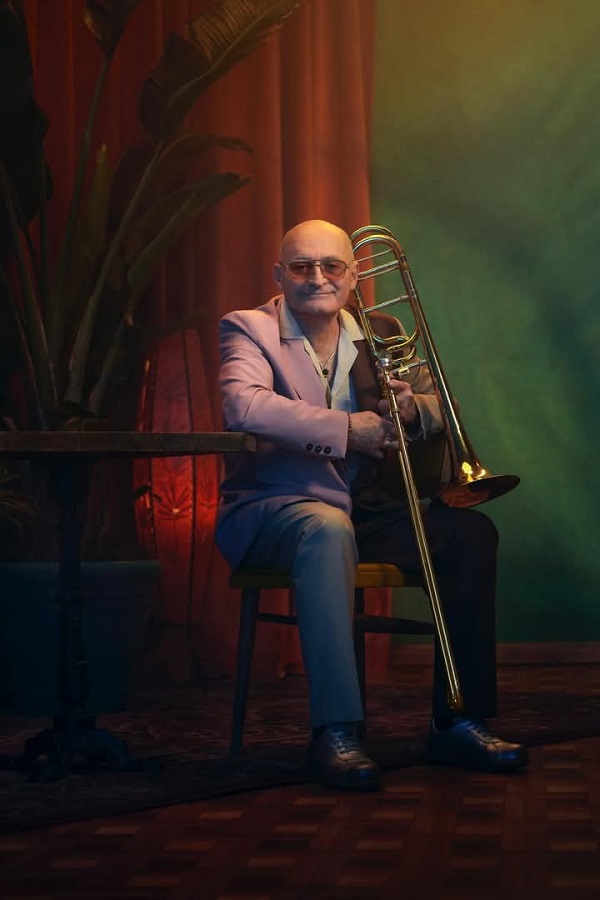
Legendary Venezuelan trombonist Oscar Dudamel expands his musical vision with a new single that fuses the essence of classic salsa with his unmistakable style, which is why he does not hesitate to express “La Rumba Me Llama”.

This song is part of his upcoming album “Sueño Alcanzado”, a production that will be released on May 30 and represents the culmination of years of musical research, fusing the classic salsa sound with jazz influences and the romantic tradition of boleros.

El legendario trombonista venezolano Oscar Dudamel

In “La Rumba Me Llama”, Dudamel brings his trombone to the forefront of a vibrant composition that captures the essence of the rumba as an inescapable call. With a musical structure that evokes the great salsa orchestras and an impeccable instrumentation.

The piece stands out for its meticulous arrangements, powerful brass and an irresistible cadence, faithful to the spirit with which Dudamel has approached his music. The track is an invitation to the dance floor and a testament to the rhythmic power that has defined his career.

The album Sueño Alcanzado not only takes its name from a personal concept of triumph, but also from one of his most significant pieces.

The title track was born in an intimate creative encounter in Caracas, Venezuela, with Maestro Alberto Crespo, composer Eliel Rivero and Solange Ramírez, mother of his son Gustavo Dudamel.

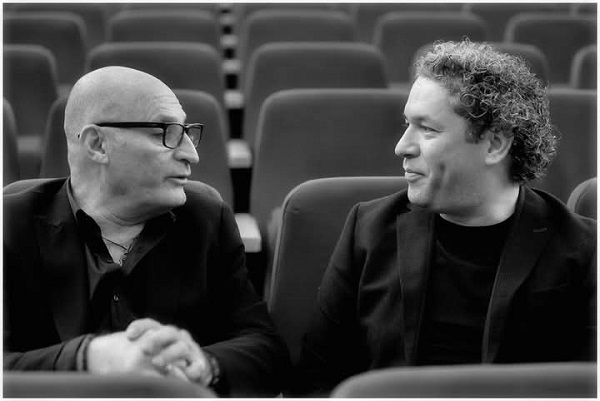
Oscar y Gustavo Dudamel

Dedicated to her son and with her special participation on violin, this piece encapsulates the spirit of a project that transcends the musical to become a testimony of life.

More than a nostalgic production, “Sueño Alcanzado”, of which the song “La Rumba Me Llama” is part, is the reflection of an evolution. The music that accompanied him since his childhood now takes a new form under his direction, in a creative process that has brought together talented musicians with whom he shares the same vision.

His orchestra, based in Madrid, has become the vehicle to continue taking his proposal to international stages, demonstrating that salsa is still alive in every note and every drum beat.

“La Rumba Me Llama” is now available on all digital platforms and is just a preview of ‘Sueño Alcanzado’, Oscar Dudamel’s new album, consolidating his legacy with authenticity and mastery.

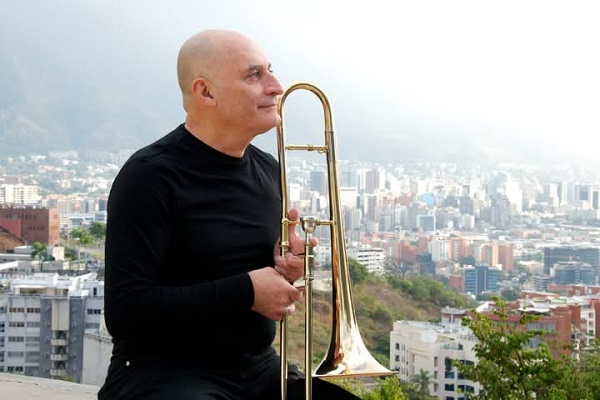
Oscar Dudamel Virtuoso Musician, Trombonist and Orchestra Conductor.

Oscar Dudamel, a Venezuelan trombonist, discovered his passion for salsa as a child when he first heard “La Murga” by Willie Colón. Although his formal musical training began with Maestro Pablo Canela and later continued within El Sistema as a classical musician, that early experience left a profound mark on him, inspiring his dream of playing the trombone and solidifying his love for salsa as his ultimate passion.

Dudamel was born on January 14, 1961, in Barquisimeto, Venezuela. He grew up in a musical family where every gathering was celebrated with music, fostering his passion for the art from a young age. His parents purchased him a trombone, and he began his studies at the Yamaha Music Academy.

Oscar Dudamel sigue alcanzando sueños

At the age of 7, he was enrolled in a music academy under the guidance of Maestro Pablo Canela, a composer and prominent figure in the music of the Lara State region of Venezuela.It was there that he started his training with the Cuatro, the traditional Venezuelan instrument, and the guitar, which became his first instruments.

In addition to his Cuatro training, Dudamel began studying and playing various percussion instruments, further broadening his musical repertoire.

His academic training took place at the Lara State Conservatory in Barquisimeto, and at the National System of Youth and Children’s Orchestras and Choirs of Venezuela, also known as El Sistema.

During his teenage years, he became a member of the Youth Orchestra of Lara State (El Sistema Lara) and the Liceo Mario Briceño Iragorry Band, where he had the opportunity to expand his musical knowledge and explore various genres.

Dudamel entered a new phase of his life when he enrolled at the Vicente Emilio Sojo Music Conservatory to study theory and solfège, continuing his trombone studies under the guidance of his maestro, Óscar Vivenes.

Over the years, he became a member of the Lara Youth Symphony Orchestra of Lara, part of the national network of Venezuela’s El Sistema orchestras, actively participating in classical music.

However, his fascination with the Caribbean rhythms of salsa never disappeared. Thus, he combined his classical training with his passion for salsa, performing with renowned artist and sharing the stage with legends of the genre, such as Héctor Lavoe, Ismael Rivera, Ismael Miranda, Celia Cruz, Justo Betancourt, Marvin Santiago, and other great artists.

In Caracas, Venezuela, he founded his own orchestra, with which he had the opportunity to share the stage with notable figures such as Rubén Blades, Gilbert Santa Rosa, Luis Enrique, Guaco, Oscar D’ León, and many others.

Dudamel’s surname is synonymous with music. He is the father of Gustavo Dudamel, one of the most acclaimed classical music conductors in the world. Gustavo’s well-known fondness for salsa stems from his father, who recently fulfilled his lifelong dream of releasing a solo album titled Sueño Alcanzado, dedicated to his son.

Dudamel currently resides in Madrid, Spain, where he leads his ensemble, Oscar Dudamel y su Orquesta, performing salsa alongside his Venezuelan musician friends and colleagues at Café Berlín Madrid.

Oscar Dudamel y Dj, Augusto Felibertt

‍Research Sources:

Contact: Katie Baloian of Radio Notas (Compartiendo Ideas)

Alberto Crespo (Pianist and Arranger)

Dj. Augusto Felibertt

Café Berlin in Madrid

Also Read: Mariana “The Sonera of Venezuela and for the world”

Amore Dance

North America / USA / New York

Provide quality teaching at affordable prices, allowing anyone that has a love for movement, dance and fitness to partake, ensure that clients have fun while promoting good health. Personal gains, such as improved self-esteem and self-motivation, combined with measurable benefits are only some of the proven benefits of a fun dance and fitness program. And serve as a source of quality dance instruction, fitness instruction and performances are the mission in Amore Dance.

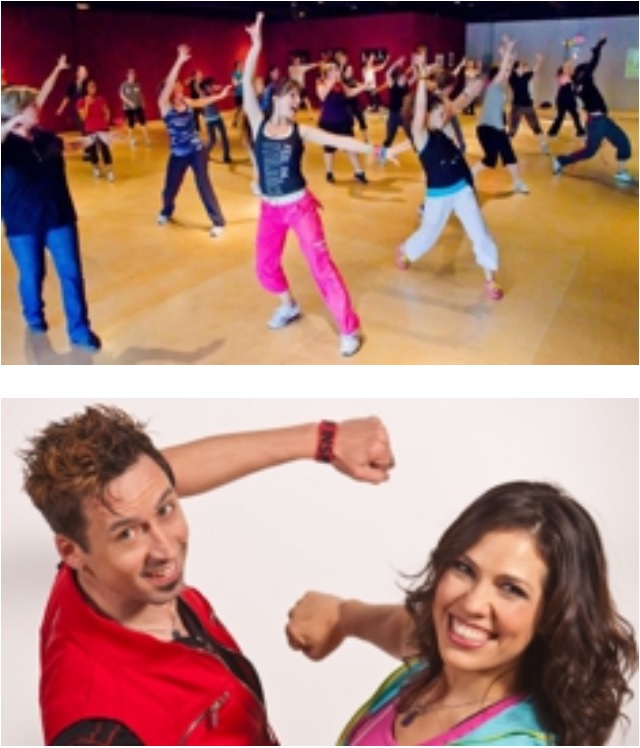
Tony & Jessica Witt, owners of Amoré Dance, are both ZUMBA® International Presenters and ZUMBA Education Specialists. They are 2 of the original 13 that helped introduce ZUMBA to the world as ZUMBA went global.

Tony & Jessica Witt are a certified ACE/AFAA instructors / presenters & Zumba Education Specialist, based in Kansas City . They are also professional dancers trained in International Latin and Standard Ballroom, Salsa & Swing. In 2004, Jessica & Tony’s passions for Latin Ballroom dancing and for Zumba leadComm them to open their very own dance studio, Amore Dance.

Amore Dance
Amore Dance

Tony and Jessica have been featured in the commercial zumba videos, created choreography for zumba training videos, helped write & develop zumba programs: Zumba Basic 1, Zumba Basic 2, Aqua Zumba and Zumba Kids, and education materials, launched the zumba program in Taiwan, China, Japan and Canada. They have been featured in Zumba Conventions 2008-2013 and currently teach and perform at worldwide dance and tness conventions including, Idea Fitness, Chicago Salsa Congress, New York Salsa Congress, SCW Fitness, Can Fit Pro, DCAC, AFAA Japan Conventions, AFAA Taiwan Conventions, and much more. With all this experience, Tony & Jessica have established Amore Dance, the dance academy able to provide and teach the best of ZUMBA and all its exciting movements.

You can contact them or find all the information you’re looking for at http://amoredance.com/

Dancing in Riverside

North America / USA / Chicago

Dancing in Riverside, an incredible dance academy that provides PRIVATE DANCE LESSONS as the quickest and most effective way of learning how to dance This type of learning is based in dance science and it maximizes the mind/body connection with an emphasis on the student’s personal experiences.

GROUP DANCE CLASSES consisting of a group of students that can range in numbers, from 6 students to 20 or more, and one dance instructor. In a typical group class at Dancing in Riverside, they will teach 2 to 4 patterns in whichever style that the class is learning. In addition to learning those individual patterns, also will teach you how to be able to instantly use the patterns in any social setting. We teach a variety of classes such as Ballroom, Latin, Swing, Salsa and much more.

Dancing in Riverside

The benefits of dancing

In Dancing in Riverside, you will learn all the benefits of dancing, such as:


  1. Physical Benefits

Lose Weight: A recent study that was published in Volume 8 issue #3 of the Journal of Applied Research, suggests that the combination of a proper diet and a regular dance program could be the key to shedding those extra unwanted pounds. The study was conducted by the Department of Physical Therapy at Loma Linda University in the city of Loma Linda California. The researchers combined a sensible diet with a 1 hour a day dance program, and this is what they found: 7.5 pounds lost, 3.2 inches lost from the hips and 28.6% increase in the core muscle strength.

Healthier Bones

Circular System / Stronger Muscles Brain Function


  1. Mental Benefits

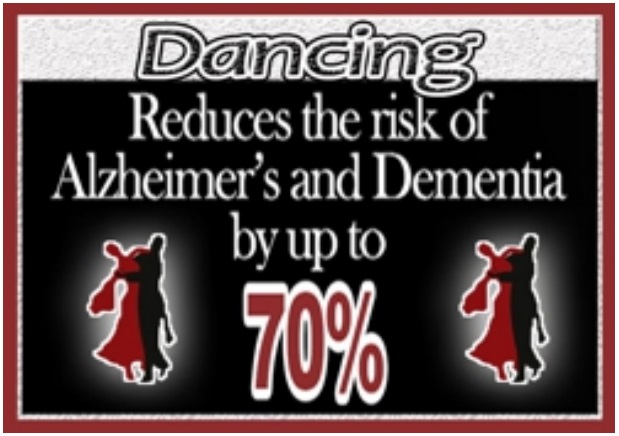
According to the New England Journal of Medicine, studies have found that dancing increases cognitive activity, and subsequently decreases the risk of developing dementia. And based on a reading of these results by Stanford University, dancing frequently reduces the risk of dementia by 76% – considerably more than any other activity studied, including reading. The reason for this is that dancing requires you to make split-second, rapid-fire decisions, basically with every step you take. These kind of exercises have been shown to increase and maintain brain function in people of all ages. According to Stanford, In freestyle social dancing, both men and women are spontaneously open to the infinite possibilities of the moment, responding to one’s partner and to the music.


  1. Social Benefits

Improved social skills Connecting with community and meeting new people Providing a forum of self-expression


Dancing Benefit
Dancing Benefit

You can learn all of this and much more in Dancing in Riverside

http://www.dancinginriverside.com

Location: 1760 Chicago Ave J11/13, Riverside, CA 92507, EE. UU.


Types of Dancing

Beside you will learn different dances and type of application such as:


  • Social Dancing: Social dancing is designed to develop poise and confidence on the dance floor. Its primary objective is to strengthen the individual’s leading or following ability to the point that no matter who your partner is, you will feel physically and mentally confident. The patterns used are generally suitable for smaller floors and so is the arm styling. Advanced styling is not the primary objective of social dancing.


  • Showcase Dancing: Showcase dancing is a means of developing one’s ability by spending concentrated time on one or more dances. Preparing a showcase routine is very beneficial for developing confidence, style, pattern knowledge and smoothness. This type of dancing is very stylized and much of the time is spent on footwork, technique and the character of the dance as well as the personality of the dancer. Once the routine is complete, one feels they have gained a tremendous amount of knowledge and confidence in a relatively short period of time.


  • Competitive Dancing: Competitive dancing combines the skills of both the social dancer and the showcase performer. Like the social dancer, competitors must maneuver, maintain poise and adjust to the various conditions surrounding them while having all of the flare, style, technique and precision of an exhibition dancer.


Pete and Michelle Lakin
  • « Go to Previous Page
  • Page 1
  • Interim pages omitted …
  • Page 5
  • Page 6
  • Page 7
  • Page 8
  • Page 9
  • Interim pages omitted …
  • Page 28
  • Go to Next Page »

International Salsa Magazine (ISM) is a monthly publication about Salsa activities around the world, that has been publishing since 2007. It is a world network of volunteers coordinated by ISM Magazine. We are working to strengthen all the events by working together.