• Skip to primary navigation
  • Skip to main content

International Salsa Magazine

  • HOME
  • Previous editions
    • 2026
      • ISM / April 2026
      • ISM / March 2026
      • ISM / February 2026
      • ISM / January 2026
    • 2025
      • ISM / December 2025
      • ISM / November 2025
      • ISM / October 2025
      • ISM / September 2025
      • ISM / August 2025
      • ISM / July 2025
      • ISM / June 2025
      • ISM / May2025
      • ISM / April 2025
      • ISM / March 2025
      • ISM / February 2025
      • ISM / January 2025
    • 2024
      • ISM / December 2024
      • ISM / November 2024
      • ISM / October 2024
      • ISM / September 2024
      • ISM / August 2024
      • ISM / July 2024
      • ISM / June 2024
      • ISM / May 2024
      • ISM / April 2024
      • ISM / March 2024
      • ISM / February 2024
      • ISM / January 2024
    • 2023
      • ISM / December 2023
      • ISM / November 2023
      • ISM / October 2023
      • ISM – September 2023
      • ISM – August 2023
      • ISM July 2023
      • ISM Edition June 2023
      • ISM – May 2023
      • ISM April 2023
      • ISM March 2023
      • ISM February 2023
      • ISM January 2023
    • 2022
      • ISM December 2022
      • ISM November 2022
      • ISM October 2022
      • ISM September 2022
      • ISM August 2022
      • ISM July 2022
      • ISM June 2022
      • ISM May 2022
      • ISM February 2022
      • ISM January 2022
    • 2021
      • ISM December 2021
      • ISM November 2021
      • ISM October – 2021
      • ISM September 2021
      • ISM August 2021
      • ISM July 2021
      • ISM May 2021
      • ISM April 2021
      • ISM June 2021
      • ISM March 2021
      • ISM February 2021
      • ISM January 2021
    • 2020
      • ISM December 2020
      • ISM November 2020
      • ISM October 2020
      • ISM September 2020
      • ISM August 2020
      • ISM July 2020
      • ISM June 2020
      • ISM May 2020
      • ISM April 2020
      • ISM March 2020
      • ISM February 2020
      • ISM January 2020
    • 2019
      • ISM December 2019
      • ISM November 2019
      • ISM October 2019
      • ISM Septembre 2019
      • ISM August 2019
      • ISM July 2019
      • ISM June 2019
  • Spanish
  • Download Salsa App
    • Android
    • Apple

Search Results for: Africa

José Fajardo was a virtuoso flutist, composer, orchestra conductor and music producer

José Antonio Fajardo, in the month of November we refer to one of the greatest musicians that the island of Cuba has given in the last century; we are talking about maestro José Antonio Fajardo Ramos: flutist, composer, orchestra conductor and music producer; one of the great promoters of Cuban music represented in the rhythms of bolero, son, guaracha, mambo, chachachá and pachanga.

José Fajardo was born in Guane, province of Pinar del Río in 1919. He began his musical career as a maraquero in his father Alberto Fajardo’s orchestra, later he took up the flute.

From the age of 16 he was part of several groups such as: Joseíto Fernández, Paulina Álvarez, Melodías del 40, La Romance de René Álvarez, the orchestra of maestro Antonio María Romeu, the orchestra of pianist Luis González Valdés: “Neno” González and the orchestra of Antonio Arcaño, known as Arcaño y sus Maravillas.

José Fajardo fue un virtuoso flautista

After his time in these famous groups, in 1949, Fajardo created his own orchestra called Fajardo y sus Estrellas, with musicians such as: Orlando “Cachaito López”, René Fernández on piano, violinists Ignacio Berroa and Félix Reyna, who was also the composer; percussionist Jesús Esquijarrosa on timbales; Carlos Real on tumbadora and Rolando Valdés on güiro; in the vocal part he initially integrated Joseito Valdés.

In the early fifties, with the boom of chachachá in 1951, things improved a lot and the charangas orchestras began to perform in the best cabarets, aristocratic salons and private parties of high society, such as the Montmatre and Tropicana cabarets.

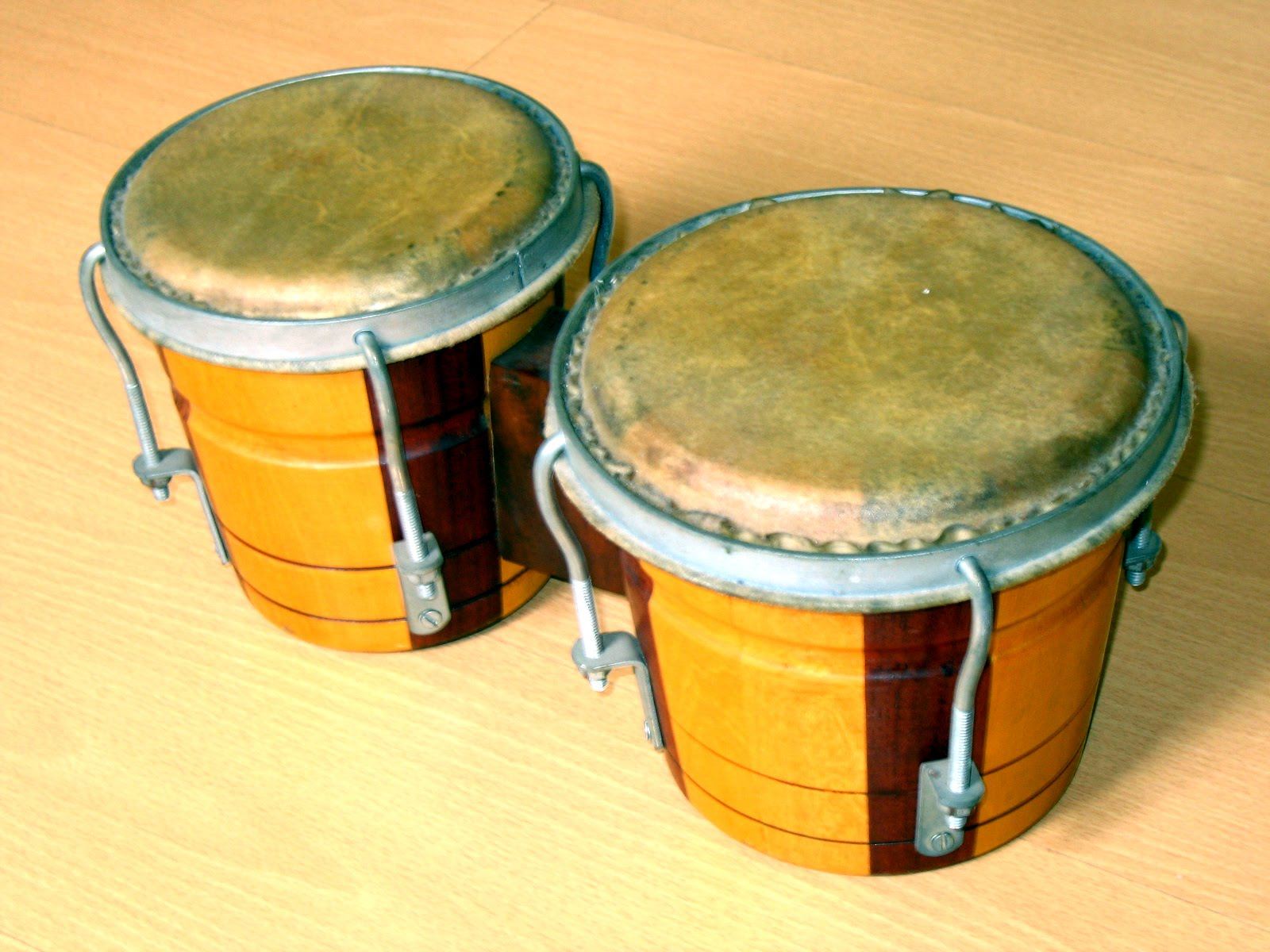
Fajardo became internationally known in the mid 50’s at the head of his orchestra, Fajardo y sus Estrellas, he was the first charanguero to introduce the cymbals to the timbal and the pioneer in the incorporation of the cowbell and the bongo to the charanga, his group was one of the sensations of the golden age of chachacha and pachanga.

After going into exile in the 1960s, he toured Asia, Africa, Europe and Latin America, popularizing an eminently Cuban repertoire.

Maestro José Fajardo has been one of the only musicians who have stood out in different periods of Latin music; initially in Cuba, in the 50’s with the arrival of Chachachá, later in the era of Pachanga and Boogaloo, in the sixties in the United States, and he also came to prominence in the golden era of salsa in the seventies and eighties of the last century.

In the seventies, eighties and later, the flute master recorded with Joe Quijano & His Conjunto Cachana, Tico-Alegre All Stars; Ray Barretto and Adalberto Santiago; Johnny Pacheco, Pupi, Javier Y Su Charanga; Jimmy Sabater, Orlando Contreras, Alfredo Valdés Jr, Fania All Stars, Louie Ramirez, Graciela and Mario Bauza, Israel “Cachao” Lopez, with our great Joe Arroyo in the nineties and with Hector Casanova, Mario Muñoz, Andy Gonzalez, Eddie Montalvo, Manny Oquendo, Alfredo “Chocolate” Armenteros, Carlos “Patato” Valdes, Alfredo Rodriguez and Francisco Aguabella.

After a brilliant musical career spanning more than six decades, Maestro José Antonio Fajardo passed away in New York City on December 11, 2001, leaving an enormous legacy to our culture.

José Fajardo fue un virtuoso flautista, compositor, director de orquesta y productor musical

The great musical contribution of this portentous son of Pinar del Rio, has highlighted him as the highest flute of Cuba and Latin America, a true ambassador of Cuban music and salsa in the world; from our beautiful page ‘Los Mejores Salseros del Mundo’ we want to highlight the enormous artistic career of maestro José Antonio Fajardo Ramos as a tribute to his wonderful musical work.

José Antonio Fajardo,  uno de los más grandes músicos que ha dado la isla de Cuba

José Fajardo Jr.

You can read: Ángel Bonne He was part of Juan Formell’s Los Van Van Orchestra, and collaborated with the impressive Irakere band of maestro Chucho Valdés

EFG London Jazz Festival

Commemorates 30 Years With A Display Of International Latin Jazz Artists

The first seasons of the EFG London Jazz Festival took place in May

EFG London Jazz Festival celebrates its 30th birthday with the innovation and musical freedom that has always characterized the London Jazz scene.

This festival, the largest and in constant transition in North London, opens its space from Friday, November 11th to Sunday, November 20th to present a program of live and digital presentations with world-class artists, emerging talents, collaborations specials, avant-garde sounds, and the latest music for a massive audience that has established the EFG London Jazz Festival https://efglondonjazzfestival.org.uk/ as one of the main international Jazz events in Europe.

This emblematic event in the United Kingdom has three outstanding aspects that have characterized it over the years, they are Character, Impulse, and Wealth. The Character is evidenced in each edition with the contribution of special collaborations, discoveries, and exclusive commissions. The second aspect of this festival is the Impulse, being this event the highlight of the Jazz calendar in the capital. Finally, the third aspect is the Wealth that can be easily found in a club or concert hall packed with spectators to enjoy 300 live shows in more than 70 places attracting around 100,000 people daily.

In this 2022 edition, the star lineup is represented by nine international Latin Jazz artists such as Fiona Ross (Friday, November 11th), Katriona Taylor Quintet presenting “La Reina de la Bossa Nova” (Saturday, November 12th), Yuri Hernández (Sunday, November 13th), Colectiva (Thursday, November 17th), Mexico’s Woman of the Year for Arts and Culture, Migdalia Van Der Hoven (Thursday, November 17th), the Jazz/Latin group led by Steve Rubie from the 606 Club, Samara (Friday, November 18th), Trombonist Laura Impallomeni (Saturday, November 19th), Osvaldo Chacón (Sunday, November 20th) and Chucho Valdés (Sunday, November 20th).

L I V E   B A N D S

Fiona Ross

 “Voices celebrate the power, connection, and expression of song, beauty, and aptitude…”

At fourteen she lied about her age to play weekend Jazz clubs in London. Photo: Alexander Barnes-Ross

Vocalist, pianist, songwriter, and producer, Fiona Ross, has become known for having an authentic contemporary Jazz sound obtained by mixing the fast rhythm of Latin Jazz, a brief flirtation with vintage Jazz, a bit of Neo Soul, and a touch of melancholy ballads.

Multi-award-winning Jazz artist, editor-in-chief, journalist, and founder of the award-winning organization Women in Jazz Media Fiona Ross was Director of the British Academy of New Music in London for nearly a decade, where she was responsible for the formation of Ed Sheeran, Rita Ora, among many others. Fiona’s date will be on November 11th at 8:30 PM at the London Polish Jazz Café Posk (238-246 Kings St. W6 0RF), and the ticket is £15.

Yuri Hernández + DJ Flecha

 “…Celebrating unity with the power of music.”

Many describe her album Loco Soñador as “a wild and sensual masterpiece.”

This multifaceted 10-day event brings to its lineup the established singer within the Latin music industry for the last two decades, Yuri Hernández. The establishment that will host it will be Juju’s Bar & Stage (Ely’s Yard, 15 Hanbury St, London E1 6QR) on Sunday, November 13th from 6 PM, and the cost of the ticket doesn’t exceed £9.

Hernández is one of the most sought-after musicians in northern Spain and is introduced to the UK Latin Jazz scene through Loco Soñador, his second studio album released in 2020. Joining this musical genius will be DJ Flecha (Joel Verdecia) with his supporting act promoting Cuban music. This veteran DJ (25 years of career) has been nominated three times as Best Latin Tropical DJ in a European country for his technique and originality when mixing.

Colectiva & Osvaldo Chacón

“Beyond the margins, some of the most innovative artists at the forefront of Jazz are pushing its limits and expanding the definition of the genre while drawing influences from a wide range of other languages.”

Osvaldo Chacón and his band have played at the Royal Festival Hall, among many others.

This Afro-Latin and Jazz music band, Colectiva, reflects on themes of sisterhood and female empowerment. They are rooted in the sounds of Africa, Latin America, and the diaspora, creating a genre that the group has dubbed Jazz Tropicaliente (Hot/Tropical/Jazz). Their debut single is Under The, written in collaboration with pianist María Grapsa and released in April 2021. This track received great support from global radio stations and famous DJs in the music industry.

Colectiva will be presented on November 17th at 8:30 PM at the London Kings Place-Hall Two-(90 York Way, N1 9AG), and tickets have a permanent price of £15.

On the other hand, Osvaldo Chacón’s band is the leading Timba orchestra in the UK and has been nominated multiple times for the prestigious LUKAS awards. Osvaldo Chacón, composer, producer, and singer-songwriter, has shared the stage with great Salsa figures such as Adalberto Santiago, Azuquita, Tito Allen (Fania All Stars), Salsaceltica, Eddie Palmieri, as well as the greatest world-famous stars such as Celia Cruz, Oscar D’León, Rubén Blades, and Alberto “El Canario”. Supporting Osvaldo Chacón will be DJ Javier La Rosa mixing Salsa, Cuban Timba, Reggaeton, Latin Hip-Hop, and R&B. Sunday, November 20th is the date when you can enjoy these presentations. Time: 8 PM. Venue: Juju’s Bar & Stage. Ticket: £10.

Chucho Valdés

 “The Icons are the living legends of Jazz and the leading heroes of the genre who paved the way and continue to create, inspiring artists, and audiences alike.

Valdés, with his valuable contribution, has given direction to Afro-Cuban Jazz

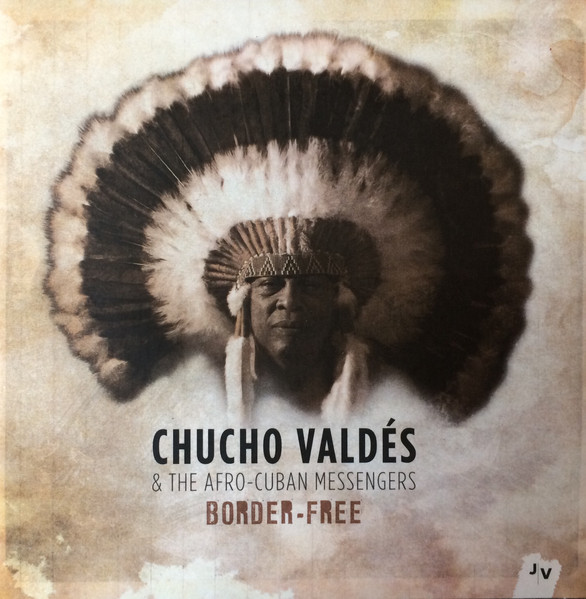
The EFG London Jazz Festival brings the Cuban pianist, composer, and arranger Chucho Valdés, who celebrates his 80th birthday with his extraordinary work La Creación with the Yoruban Orchestra and Hilario Durán & John Beasley.

The winner of six Grammy Awards and three Latin Grammy Awards is the most influential figure in Afro-Cuban Jazz of the 20th and 21st centuries. In an extensive career spanning six decades, Valdés has pushed the boundaries of new expressions in Afro-Cuban music. His influence and inspiration in the genre are immeasurable to the point that his work sets the standard by which new generations are governed and drives their careers. To see Chucho Valdés head to the London Southbank Center (Royal Festival Hall, Belvedere Road SE1 8XX) at 7:30 PM. and tickets range from £30 – £45.

Along with Chucho will be the cellist, vocalist, composer, and niece Ana Carla Maza. Within her discography is the album La Flor (2020) which incorporates Latin rhythms, Pop melodies and Jazz harmonies along with classical techniques. Bahía (June 26, 2022) is her most recent production inspired by Cuban Son, Samba, Bossa Nova, Tango, Jazz, and Chanson with a rich mix of classical cello and voice.

Michel “El Buenon” is a singer, composer and considered the most sought-after salsa singer in the Dominican Republic

On September 7th in the province of Baharona in Batey 7, Dominican Republic, Michel Batista or better known as Michel “El Buenon” was born, he is a singer and composer.

Considered the most sought after salsa singer, he is a man with a big heart and a story worth admiring, because despite all the vicissitudes he went through during his childhood and youth, he became great, as his grandmother Dona Crisiana instilled in him.

From a very young age he attended Sunday school at the Baptist church with his mother Crisiana Abraham, with whom he attended the evangelical church shepherded by herself, where he also sang in the church choir on Sundays.

In elementary school she participated in a music festival where she won first place at only 8 years of age.

Later she competed in a regional festival in the town of Barahona in the radio station Radio Barahona, winning first place at the age of 12.

He then migrated from the south to the city of Santo Domingo, where he began singing in bars, nightclubs and hotels like the Sheratton, Napolitano, El Embajador.

In addition to the resorts Talanquera, Casa de Campo Sosua, Puerto Plata, among others.

At the beginning he was part of the Tabú Combo, a group from Puerto Príncipe based in New York City, recording hits such as “Inflaciones General”, “La Llave”, “Relimen” and composing the song “Apipi”, known in French and in Spanish as “El Jardinero”, which he recorded with his friend Wilfrido Vargas.

He would later be part of Johnny Ventura’s orchestra for 5 years, from 1982 to 1987.

He recorded the song “Tuyo Más Que Tuyo” by Bienvenido Fabián, then he joined again the Tabú Combo Superstar orchestra with Adolfo Chanci, its director.

In 1995 he went solo and recorded his first salsa CD titled “Amigo De Qué”, which was played all over Latin America, occupying for 12 weeks the first place of the radio station La Mega in the city of New York.

Later he released his second album “Brujería”, and seven others: “De Ahí Nadie Como Él” (2001), “100% Sabroso” (2002), “Llego Michel El Buenon” (2005), “Víveme” (2005) and “Extrañándote” (2005), which contained ballads interpreted in the rhythm of salsa in the style of “El Buenon”, this production has unpublished songs of Michel himself such as “Que Te Vaya Bonito” and “Yo Que Me Lo Creo”.

Throughout his career he has been winner of the Casandra Awards 2005-2006-2007 and nominated in 2008 and 2011.

Among his languages interpreting songs are English, Portuguese, Italian, Papiamiento, Creole, Spanish and French as he did in the song “Se Finit” by Charles Asnabul and the song Wonderful World in tribute to Mr. Luis Armstrong.

In his repertoire of the most outstanding songs in 2008 are “La Primavera”, “Cuando Los Sapos Bailan Flamenco”, “La Playa”, “Víveme”, “Tú Ni Te Lo Imaginas”, “Hoy Daría Yo La Vida”, “Me Has Echado Al Olvido”, “A La Primer Persona” and “Wonderful World”, all with hits and diffusion in all the radios and discotheques of his country.

Among his most outstanding albums in the last ten years are “Extrañándote”, “Todo Terreno”, “Estilo Y Conciencia”, “Arriba Siempre De Pura Sangre”, “Reserva Especial Impecable”, “El Insuperable De La Salsa” and “Claro, Fino, Nítido, Control Total”.

Throughout his career he has traveled to all of Europe, the United States, the Lesser Antilles, Switzerland, England, Colombia, Panama, Costa Rica, Venezuela, Mexico, Curacao, La Reunion, Tahiti, Africa, Japan, Dubai and Colombia, the latter was where he recorded the video clip of his song “Maldito El Tiempo” written by Alexander Pires.

Michel “El Buenon”

You can read: Génesis de la Salsa, su esencia, características, ritmo, historia y expansión

Synthesis on the song “El Cazanguero” written by Rubén Baldes for the album The Good, the Bad, the Ugly

“It is the lament of the cazanguero in Coiba at dawn, hurry up Chino Juan, they are already calling the line, the guard says not this time, don’t fall so far behind”.

“Whether it is sunny or raining hard, you have to take care of the sowing; don’t let the hunanga come to spoil your effort”.

In 1974, El Malo del Bronx, after 8 years of touring with El Jíbaro de Ponce, decided to take some time off, he did not attend the presentation of Fania All Star in Africa and dedicated himself to solving personal problems and producing.

He was working on his next album with Yomo and Hector, he remembered that there was a Panamanian boy he had met in 1969 at a carnival in Panama, whom he had invited to come on stage to sing with Hector in several of the presentations in clubs in the Big Apple.

This guy was already part of Barretto’s band and had given songs to luminaries of the genre that became hits, such as Guaguancó Triste to Richie and Bobby, Las Esquinas to Niño Bonito and Amor Pa’ que to Conjunto Candela.

These songs put him on Willie’s radar who asked him for a song to complete his next album. Ruben, who was that Panamanian boy, happy for El Malo’s request, writes his first song while living in New York.

Ruben arrives at the studio where that song was being recorded and Hector approaches him and tells him that he would not record it because he didn’t understand it, he didn’t feel it and that’s why it wouldn’t sound right.

Ruben is disappointed by what Hector said, but Willie really liked the song and asks Ruben to record it himself.

Ruben reminds Willie that he is part of the band El de Las manos Duras and that it would be a problem, Willie replies that he would fix it, which he did, obtaining don Masucci’s permission.

This marked the end of Ruben with Barreto and the beginning of what would become the duo that would dominate Salsa for the next 6 years.

This song we are talking about is El Cazanguero,

It is the lament of the cazanguero in Coiba de madrugá’. Hurry up Chino Juan, they’re already calling the line, the guard says not this time, don’t fall so far behind”.

“Whether it is sunny or raining hard, you have to take care of the sowing, so that the cazanga does not come to spoil your effort”.

Part of Coiba’s history as a penal colony, for 74 years, is described in El Cazanguero, a song by Rubén Blades that began to be heard in 1975.

The song describes who the cazangueros were, some of the punishments to which inmates who broke the rules were subjected, and the sadness of being far from their families, with the uncertainty and fear of an enemy attack, in an open penal system like Coiba.

Although the main value of the island is in its natural wealth, it is also important its history and the history of the prisoners it housed, the anecdotes of those who paid long sentences for going against the laws and the rights of others.

How many cans of gravel are there from here to Catival?” Blades ask in his song. The rubble, which is everywhere in Coiba, was used to fill the holes in the roads, to fill land or in construction”.

The Cazangueros were the inmates who chased away the cazanga, a climbing bird of the parrot family, green in color, with a blue head and neck, black beak and legs, which killed, like a plague, any planting it found in its path.

“The cazanga would come down from the mountains by the thousands, in the early morning, and the hunters had to scare them away by ringing empty oil cans and shouting. Sometimes they had to make dolls in human shapes to win the battle against the birds”.

As mentioned above, El Cazanguero was the first song Ruben wrote in the United States. To write it, he was inspired by his trip to the penal island of Coiba where he wrote his law degree thesis. It seems that this song was placed as filler on the 1975 album “The good, the bad, and the ugly” featuring Willie Colon, Hector Lavoe and guitarist Yomo Toro on the cover. However, it was “El Cazanguero” that sold the acetate record.

“El Cazanguero” was cut 6 of the album “The good, the bad & the ugly” which was recorded in 1974, at Good Vibrations studios. It was the last album in which Willie Colón and Héctor Lavoe collaborated.

It contained 3 instrumental tracks, three sung by Colón in his first appearance as a solo singer on record (“Toma”, “Cua cua ra, cua cua” and “Guaracha”, 2 with Lavoe’s solo voice (“Popurri III” and “Que bien te ves”) and “El Cazanguero” written and sung by Blades.

Hablemos de EL CAZANGUERO

You can read: Louie Ramírez «El Quincy Jones de la Salsa» y su talento progresivo un Genio escondido de La Fania All Stars

International Salsa Magazine presents Alexander Abreu and his Habana de Primera

International Salsa Magazine presents a Cuban musician today considered by critics as one of the best trumpet players of the moment in Cuba and probably in the whole world.

He is Alexander Abreu Manresa, born on September 6, 1976 in Cienfuegos.

Owner of innate conditions and a unique talent to play the trumpet in a wonderful way.

Alexander Abreu, in spite of his youth, equals greats of the instrument such as El Guajiro Mirabal, Arturo Sandoval or Dizzy Gillespie, without ignoring that as a singer he has a melodious voice and, as if that were not enough, he also works as a composer and musical director.

He began playing trumpet at the age of ten, he studied music at the conservatory of music in his hometown Cienfuegos and at the National School of Art where he graduated in 1994 and in that same institution has served as a teacher, the impeccable way of playing his instrument allowed him to reach the top in Cuban music with only twenty years of age; he was part of the Cuban jazz group Irakere, worked with exponents of Cuban Timba Paulo FG and Issac Delgado and his Orchestra.

On the other hand, he has made recordings in other genres with musicians, composers and singers such as:

Armando Anthony Corea, known as Chick Corea, is an American jazz pianist, keyboardist and composer.

Arnaldo Rodríguez, young talented arranger, composer, singer and director of the Cuban Musical Group Arnaldo y su talismán, born in Ciego de Avila, Cuba.

Baby Lores, musician, singer and arranger from the city of Cienfuegos, the Pearl of the South.

Hugh Ramopolo Masekela, trumpeter, flugelhornist, cornetist, composer and South African jazz singer from South Africa.

James Morrison Catchpole, English soul and pop rock singer, songwriter and guitarist.

Luís Represas, Portuguese singer and composer.

Ron Sexsmith, Canadian singer-songwriter.

Alexander Abreu created, in 2007, his own group, which he called Havana D’ Primera, with several of the most talented Cuban musicians, the first presentation of the band took place on October 4, 2008 at the Cabaret Turquino of the Habana Libre Hotel in Havana.

With Havana D’ Primera, he has made three albums, they are: Haciendo Historia in 2011, Pasaporte in 2013 and La Vuelta al Mundo in 2015.

He has also released the singles: Rosa la Peligrosa, Me Dicen Cuba and Prohibido. Alexander Abreu Manresa is trumpet and lead vocalist of Havana D’ Primera, as well as composer, arranger and musical director of the group.

This work aims to highlight the enormous and excellent musical career of one of the best musicians of the island of Cuba in the new generation, with just thirty-eight years of age, the music of Alexander Abreu has transcended borders, his recordings exceed one hundred albums in different countries and in multiple musical genres.

From our website, we want to highlight the magnificent musical career of Alexander Abreu Manresa.

Despite his youth, Alexander Abreu’s musical gifts and excellence have allowed him to play and record with a great number of musicians and groups, not only in his native Cuba, but also in other countries of the world, to mention a few, we have then, as far as our music is concerned: Adalberto Álvarez, Amaury Pérez, Andy Montañez, Irakere, Juan Manuel Ceruto, Klimax, Mayito Rivera, Orquesta Sinfónica Nacional, Pablo Milanés, Pachito Alonso, Team Cuba, Teresa García Cataurla, Van Van and Yurumí y sus Hermanos.

Havana D’Primera nominated to the Latin Grammy Awards 2022

“We are nominated once again for the Latin Grammy Awards, this time with the album Será que se Acabó. But it’s not just me. Cuban music is nominated, which is reflected in this album with all the energy. I think it’s the most powerful album I’m going to make in the history of my life.” This is how Alexander Abreu announced the magnificent news.

Será que se Acabó, Havana D’Primera’s latest album, was nominated for the 2022 Latin Grammy Awards in the category of Best Salsa Album.

“At The Latin Recording Academy, we continually strive to support and encourage Latin music creators, and these nominees epitomize musical excellence and represent the great moment our music is going through,” said Manuel Abud, CEO of The Latin Recording Academy.

Alexander Abreu & Habana de Primera

You can read: Yissy García Calzadilla, former member of the Anacaona Orchestra, plays drums, timbal and bongo

  • « Go to Previous Page
  • Page 1
  • Interim pages omitted …
  • Page 33
  • Page 34
  • Page 35
  • Page 36
  • Page 37
  • Interim pages omitted …
  • Page 51
  • Go to Next Page »

International Salsa Magazine (ISM) is a monthly publication about Salsa activities around the world, that has been publishing since 2007. It is a world network of volunteers coordinated by ISM Magazine. We are working to strengthen all the events by working together.