Europe / Colony / Germany
Renis Mendoza “San Agustín is like a continent and Marín is its capital”
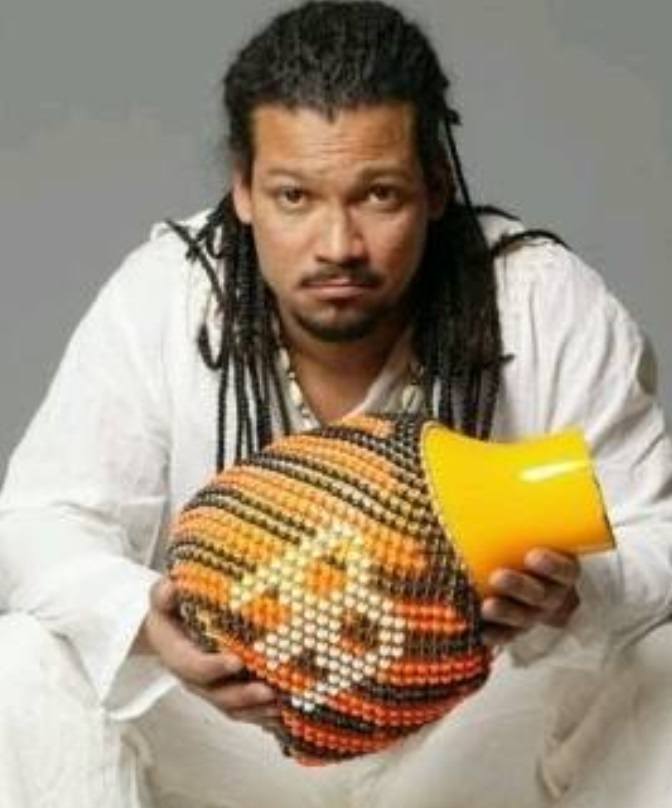
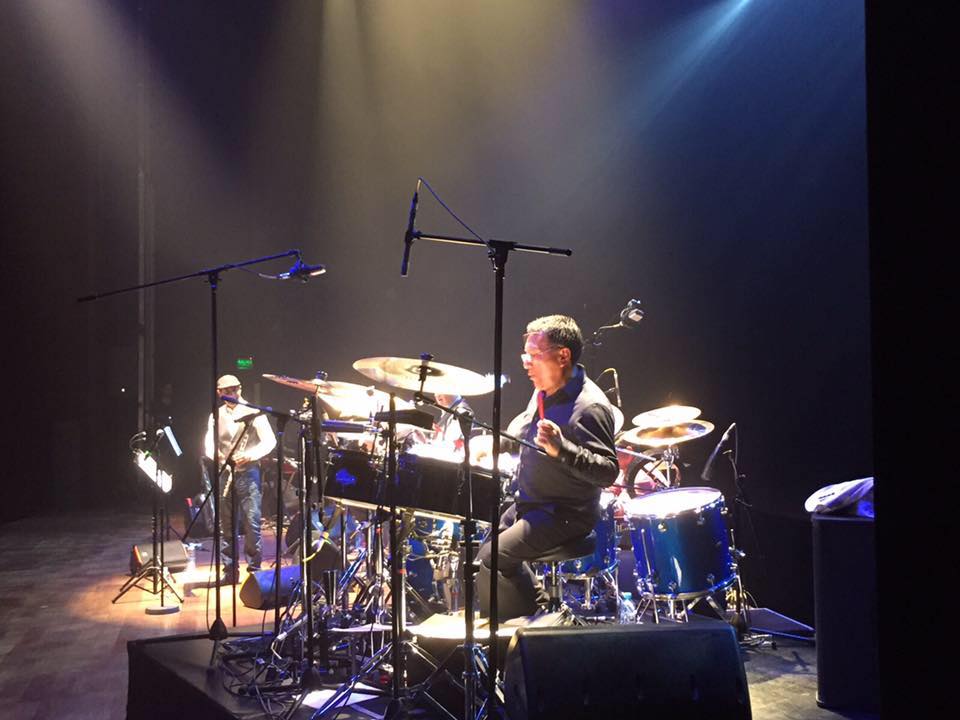
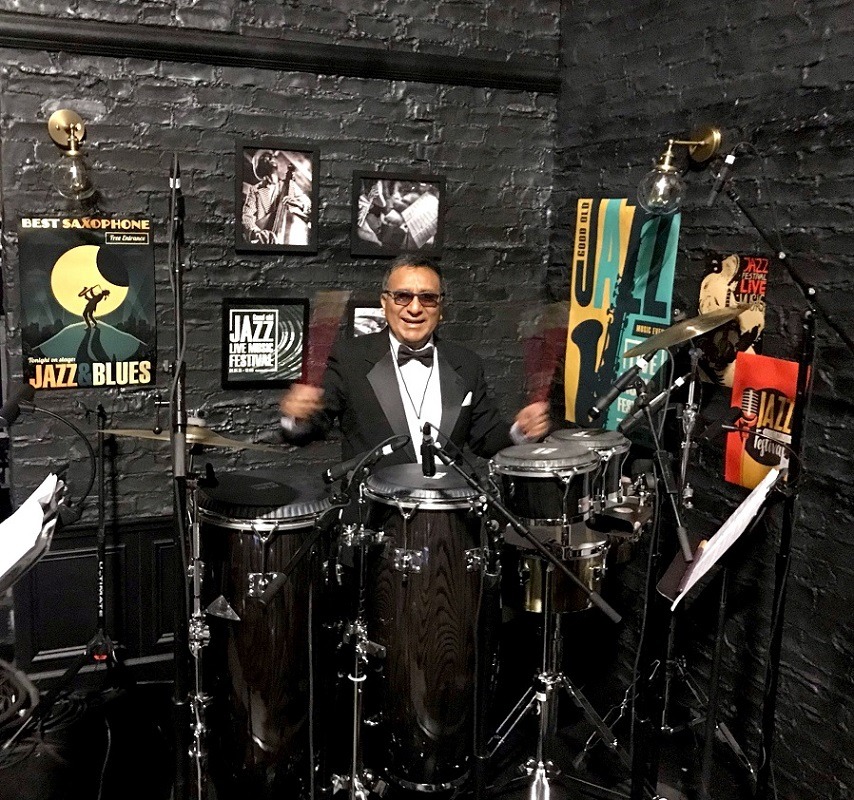
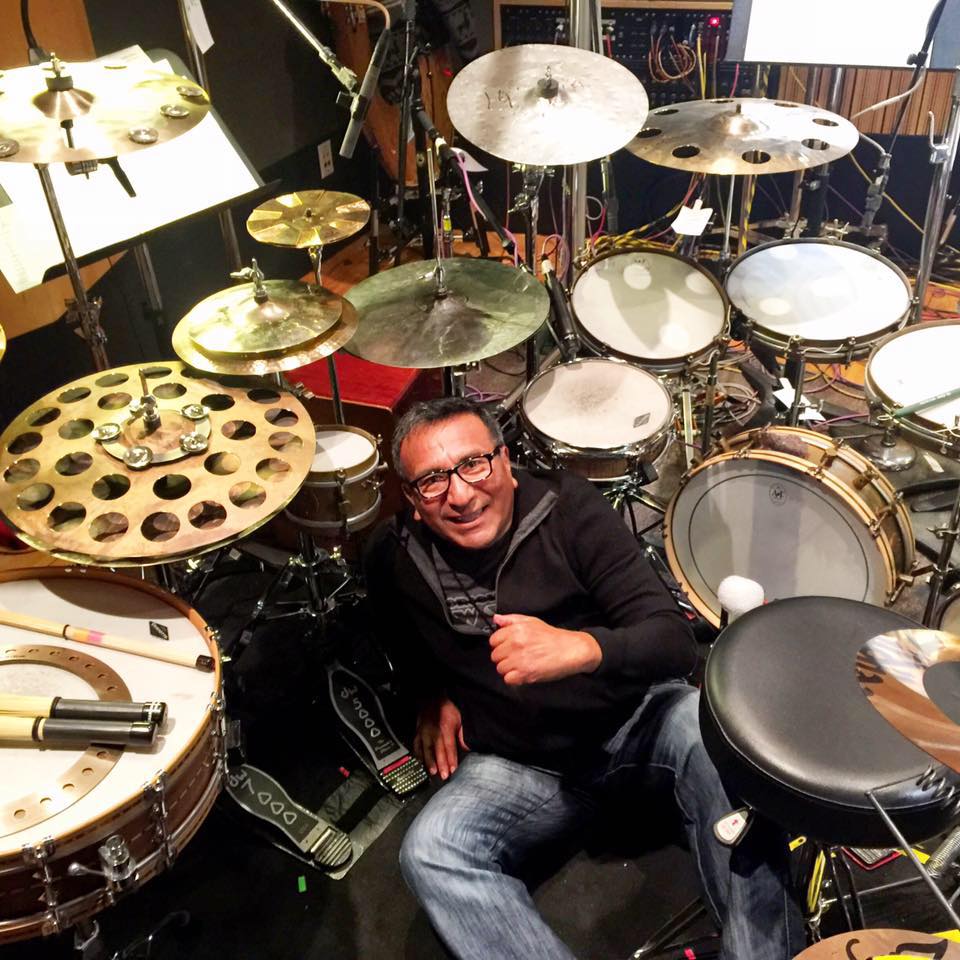
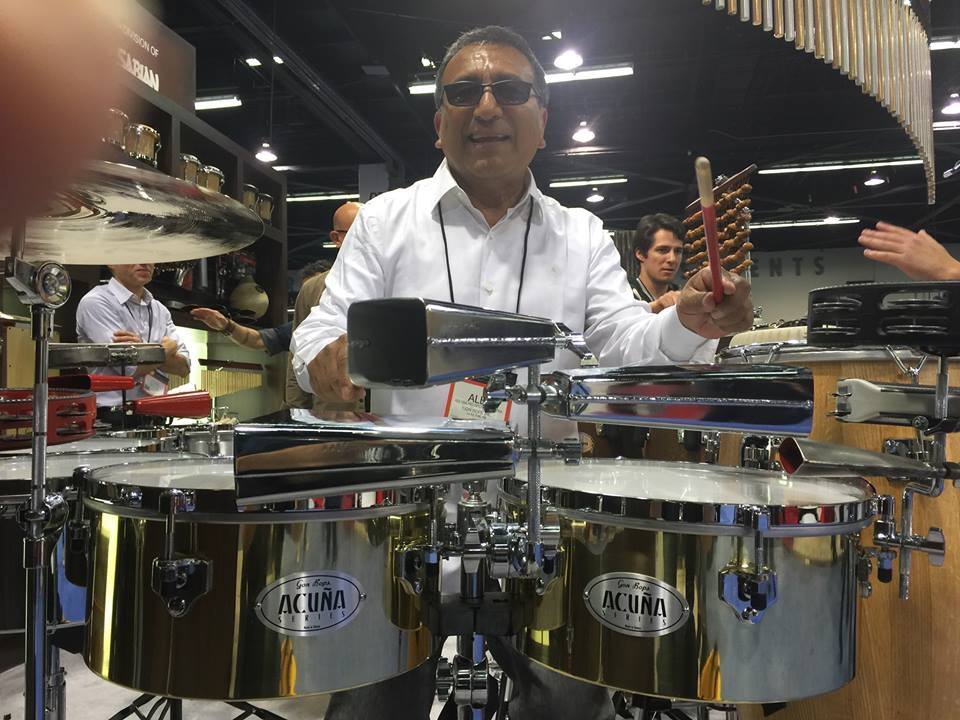
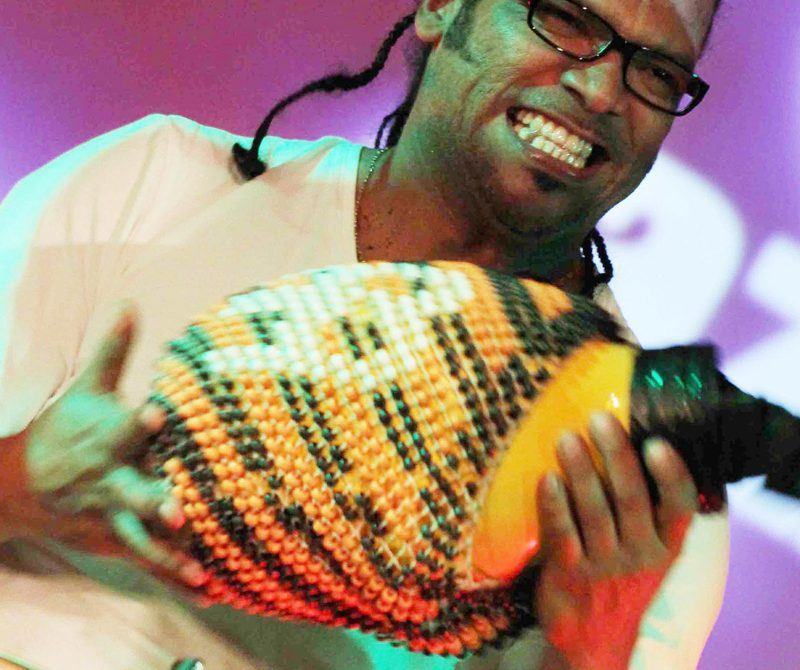
Renis Mendoza is a long-standing Venezuelan percussionist, who has participated with renowned groups inside and outside our country, sprouting from the Marín neighborhood, in the San Agustín parish. A character full of great spirituality and magic, transmits us with his joy and slow way of talking.
He has been based in German Colony for 33 years, together with a group of countrymen who decided to expand their borders and internationalize, to leave the tricolour imprint throbbing in every touch of a drum.
He remembers San Agustín as a vibrant neighborhood, where as a child he listened to “gaitas” (typical venezuelan December music), rock, salsa, parrandas, drums, music downloads, among other cultural activities. In his home, art was always present, his parents were excellent dancers, and Mendoza always lived with his ear attached to the radio to listen to what was playing.
In his early stage, he also liked to rub shoulders with the greats of the neighborhood, Jesús “Chu” Quintero, Carlos “Nené” Quintero, Alfredo Padilla, Crucito Mijares, Carlos Daniel Palacios, Pedro “Guapachá” Father, Manuel Madriz, Carlos Orta, as they were his great teachers and role models. He witnessed many famous people visiting the parish, among them the visit of Ángel Canales, Eddie Palmieri, Peter Conde Rodríguez and many others.
Everything has not been rosy for our interviewee, he had to go through a difficult health situation and be almost on the verge of death, this did not intimidate him and he confesses that; “In the midst of this tragedy I never lacked love, the warmth, the prayers and good vibes of my dearest beings,” – it was a true miracle – he assures us. He recovered from an aneurysm, the doctor said he was going to die despite the 2 interventions performed, but the desire to live, love and music broke with all the prognosis, Mendoza woke up and the machines he was connected to started working normally, it was a real miracle.
Living in a musical parish does not allow anyone to escape from this spell. How were your beginnings in music?
“Being surrounded all the time by people who sing, dance, listen to different types of music, allows you to open a range of possibilities, there it all started, at home, in the corner, watching the “Gaitetricos” and the “Super Cremas” rehearse, your parents , your grandparents, your friends, the sound neighborhood and how not to be part of that musicality, the milk pot, any object that allowed you to play and download ”.
Is it true that the best percussionists were born in San Agustín?
“It would be necessary to make a survey – laughter -, before“ Guapachá ”- father – arrived in the neighborhood, there were musicians and people who played percussion, it is important to name them all, we must not forget them, nor can we name two or three people, but in my way of seeing it, I think it’s great that many percussionists were born in San Agustín, I love it because there is so much quantity and quality that is very important, the quantity and quality of the percussionists specifically from Marín, the neighborhood where I am from. ”
So all this influenced your life. Could you have had any other profession not having lived in San Agustin?
“I don’t know, but, -how do you escape your destiny if there was art in your house-, my dad wanted me to be a sailor, but there was a great influence with everything I experienced, my father was a sailor and he brought many records, many Lp’s, a lot of varied music, he was a tremendous dancer, a great salsa player, just like my uncle Joselito, they called him José salsa ”. “At the age of 4, I was pumping the “Super Crema” rehearsal, I had to listen to all that, as I saw all those people playing, that was a great influence for me.”
“In the period of the “Gaitas” I was the drummer – Marín, Marín, Marín, Marín, is the neighborhood that’s always in something, and in it the Christmas carols are enjoyed – right now I don’t remember the name of the group, at that moment I realized that I liked to play, although my grandmother didn’t like that noise at home. ”

The music from home seduced you..?
“Yes, I learned from all those great musicians, Crucito Mijares, Manuel Rico (my father), José “Salsa” Quintero, José Alberto “Caraotica” France,“Chacho” Pérez, Nano Grant, Melquiades, Carlos Orta, Los Quintero, Los Palacios, Los Rengifos, Los Blanco, watching the rehearsals of Mon Carrillo, Frank and his Tribe, Group 3, Los Gaitetricos, took us to the downloads, with the Maderita group (Wood Group), to the young people I advise you to pay attention to our history, all those people who have been trainers must be given credit, they are eternal for me. ”
“On the other hand, Felipe Rengifo announced the parties, with a lot of talent, he has been a key guy in percussion and the creation of instruments, his influence was Mr. Jesús Blanco, they always did something out of nothing, for me it was great to learn the percussion, San Agustín is a garden of different trees ”.
Talking about San Agustin and not talking about the Madera Group is almost a sin. Tell us about your time at the Maderita Group and after your growth with the Madera Group.
“Many people forget and we must activate the memory of all, the Madera Group for me is a nectar, the nectar of a fruit brought to juice, they were part of many groups at the beginning.”
“The Madera Group formed a group of young people since they were little, I believe the Maderita Group, there were Daniel silva, Jesús Paicosa, Chopo, Martin – with his noise – Robert and Chipilín were dancers, Ramón Gil, Cron Cron Orta, Luisito Quintero, there were others that I don’t remember. ”
“There was dance, theater, Venezuelan and Caribbean folk music, the texts that had significant depth, still today for me become eternity.” “Everyone should be mentioned, not one, two, those who left and those who survived, the wood represents wind, rain, sun, it’s sadness and joy, it’s creativity, it’s fidelity and musicality, those who were part of the Madera Group, are part of our trees, of which all of us are wood ”.
When did the tragedy dissolve the grouping?
“That hurt us a lot, there are wounds that do not heal, after the tragedy we finished all the concerts, one hand it was excellent, but sad on the other, we had to sell joy, when we were going through a very sad moment, many things happened , when the time is right, each one will say them, then I leave with the Coreoarte group with Carlos Orta, for me the wood is infinite, for me we are all wood, it is important to build, rebuild and continue creating ”.
The dilemma of the “original” Madera and the “copy” Madera, still, after so many years there are controversies between them, what do you think of this?
“With the reformed Madera group played; Felipe Rengifo, Migdalia Felipe’s mother, Noel Márquez -he was already taking the reins of the group-, Carlos Daniel, José Rivero, Simón Blanco, Farides Mijares, and many of the former members, then they left, they must explain their reasons, we played a lot, even with Ali Primera. ”
“With this current project we must see things from a constructive and objective criticism, from my point of view, they have done many things, they have been constructive and have kept that name, there are boys who are playing and it seems great, Noel has moved a lot as President of this new project, he is like an engine, without an engine, the car does not roll, although a name should not be repeated, it should be a tribute to the Madera, something that represents the Madera or something, we must recognize that he has done positive things. -Who is saying but not doing-, it is better to do than to say ”.
“This story is very long, yes, something original should be done.” “Following the death of some members of the Madera group we formed the Kimbiza group and then Cimarrón, the Madera Group should remind everyone, the Madera is root, stem, leaf, flower and fruits, who attack the Madera, -the parasites – Those who do nothing … We are all Madera”.
What does San Agustin mean to you?
“It is a beautiful parish, I consider it as a galaxy surrounded by various planets such as La Charneca, Los Hornos, La Fila, El Manguito, La Ceiba, El Mamón, La Ford, Marín, etc. you should not name a single family , a single person, we are a salad, we are a pavilion, we are what we are for what we are, and we have all put a grain of sand, we are taking root in many places ”…“ San Agustin is like a continent and Marín is the capital. ”
With so many experiences, what memories do you have of the parish?
“San Agustín has been boxing, volleyball, baseball, musicality, dance, as a child I remember the story of Los Rebeldes de Marín, a baseball group, they wanted to take them to play outside the country – a fascinating story – the final was against Willis Willis, the Marin Rebels won and the prize was a trip to Venezuela, this story is as fascinating as the Madera Group. ”
“I remember when we wanted to be evicted and the No to Eviction movement was formed, in the end they built the Yerbera buildings.” “The disc jockey in the neighborhood on weekends, the Parra family played excellent music, Carlos Daniel replied, on the other hand the chicheros -familia Mata-, each alternated, they were all excellent, the true history of the neighborhood , we must open that trunk and get the stories with all those names. ”
Your jump to Germany, How has been the receptivity of the public?
“The love is felt, we mix folklore with the classic, with the neighborhood and people like it, whatever you do, do it positively, transform and do not copy, do not imitate.”
His journey has paid off. On which projects have you worked in Germany?
“Of course, with the Modern Talking duo, the second most successful group in Germany, with Jesse Milliner -is like a brother to me-, a Rock monster quoted in the US, I owe him a lot, when I was serious he was always by my side Milliner has been a pianist to artists such as Lee Ritenour, Chaka Khan, Trilok Gurtu, Tierra Viento y Fuego; I also worked with Afro-Jazz-Gruppe Cámer; Nélio Costa Band, from Brazil; DJ Olly Tonköpfe ”. “With many famous artists, in the atmosphere of soul and funk. And I recorded a lot of Brazilian, African music, with the Chilean group called Loa. ”
“In the world of jazz I have accompanied great musicians such as Eric Marienthal, Nelson Rangel and Rick Braun, among others. In addition, I have participated in musicals such as “Saturday Night Fever”; “Tabaluga; Miami Night ”, at the“ Montreaux Jazz Festival ”. I am requested in the curricula of the institutions the “Folkswangs Hochschule de Essen”; the “Johannes Gutenberg-Universität Mainz”; “Hochschule für Musik und Tanz Köln”.
Dance and percussion, your two passions, the sublime and the loud, is not something ambiguous …
“Both go together, we dance through music, here the phenomenon of osmosis occurs, the drum is not to hit or slap, it is to caress it, the world of dance had a great dancer Pina Bausch, she created contemporary dance, with her danced Arnaldo Álvarez – nephew of Carlos Orta – whom I thank very much ”.
You went through a very difficult stage when you got sick, it almost ended in a sad outcome, what triggered all that?
“Look- I was playing a lot, I did not stop, my cousins and my brother told me (Luisito and Robert Quintero, my brother José Luis and Charles), and I simply ignored them, and then I began to feel tired, weak, sweaty. The first diagnosis was wrong (allergies), then they found me high blood pressure, I had to go to the doctor on December 2nd, but on December 1st, I lost track of me, I did not have time to go to the consultation ”.
“The medical evaluation determined that I had an aneurysm, the doctor told my relatives that I was going to die. Two operations were of no use to me, I was in a coma, however, in the midst of this tragedy, faith, love, and miracles, those that happen every day were always present, and there were my friends, they never failed, you know, Jesse Milliner came with his piano , others approached with their violins, they sang to me Godspel ”.
“When the day of the farewell arrived, they were going to disconnect me, they were all present, they started taking all the cables off, Jesse told me, then my daughter Fe arrived and started singing and rubbing my feet”… “ when they got sick I used to rub their hands and their feet, and the doctor, who didn’t let anyone come near me, let my daughter do it. ”
“I woke up, the machines started working, what could have been my funeral, became a miracle, the doctor said: -we are not going to get Renis out of the hospital, Renis is alive-, I weighed 40 kilos.” “The doctor was surprised, my daughter Fe came back the next day and was surprised by my physical improvement, and then repeated the therapy.”
“They played Kimbiza music, with themes of Yma América, and Jesse Milliner, it was a real miracle, the doctor says it and I reaffirm it.”
Being so close to death, How do you value or see life?
“It gave me a wide sensitivity, I am fully convinced that there are two dimensions, before I didn’t believe in anything, people change to another level, to another dimension, for me life is the awakening.” “Every day that passes is a day we win, but every day that passes, it is one day less, life is infinite, someone that leaves and leaves a good memory, is someone who lives forever by leaving us their energy.”
Currently, what activities are you doing?
“I am working in two universities; in one, I give what they call co-repetition, I teach contemporary dance students what is the rhythm and interpretation of the movement and feeling, and the creation of choreography. In parallel, I am at Johannes Gutenberg University, I work in Latin Jazz – which I thank the neighborhood, since I introduce things I have lived through -, besides this, I play a lot, I tour with jazz, soul, pop groups, the boys created a group and named it Renis “ Live ”, which means that I am alive, due to the health accident I had and when I returned they were impressed.
“To teach people, to contribute to my neighborhood, to create and not copy, to be part of those trees, I dream of taking these kids to my neighborhood, to exchange what they have learned with us, I reaffirm you” to be, you have to do. “
A recommendation for the new generation
“We must investigate all our roots, music, dance, boxing, theater, “bolas criollas” games, baseball, all this as a representative identity of our neighborhood, we must recognize everyone who has done something for the parish, because thanks to them, we will be eternal. ”
A phrase by Renis Mendoza …
“Live today and now, be constructive, do not copy.”
Translated by: Thisby Ferrara

By Eiling Blanco, Correspondent for Latin American