• Skip to primary navigation
  • Skip to main content

International Salsa Magazine

  • HOME
  • Previous editions
    • 2026
      • ISM / May 2026
      • ISM / April 2026
      • ISM / March 2026
      • ISM / February 2026
      • ISM / January 2026
    • 2025
      • ISM / December 2025
      • ISM / November 2025
      • ISM / October 2025
      • ISM / September 2025
      • ISM / August 2025
      • ISM / July 2025
      • ISM / June 2025
      • ISM / May2025
      • ISM / April 2025
      • ISM / March 2025
      • ISM / February 2025
      • ISM / January 2025
    • 2024
      • ISM / December 2024
      • ISM / November 2024
      • ISM / October 2024
      • ISM / September 2024
      • ISM / August 2024
      • ISM / July 2024
      • ISM / June 2024
      • ISM / May 2024
      • ISM / April 2024
      • ISM / March 2024
      • ISM / February 2024
      • ISM / January 2024
    • 2023
      • ISM / December 2023
      • ISM / November 2023
      • ISM / October 2023
      • ISM – September 2023
      • ISM – August 2023
      • ISM July 2023
      • ISM Edition June 2023
      • ISM – May 2023
      • ISM April 2023
      • ISM March 2023
      • ISM February 2023
      • ISM January 2023
    • 2022
      • ISM December 2022
      • ISM November 2022
      • ISM October 2022
      • ISM September 2022
      • ISM August 2022
      • ISM July 2022
      • ISM June 2022
      • ISM May 2022
      • ISM February 2022
      • ISM January 2022
    • 2021
      • ISM December 2021
      • ISM November 2021
      • ISM October – 2021
      • ISM September 2021
      • ISM August 2021
      • ISM July 2021
      • ISM May 2021
      • ISM April 2021
      • ISM June 2021
      • ISM March 2021
      • ISM February 2021
      • ISM January 2021
    • 2020
      • ISM December 2020
      • ISM November 2020
      • ISM October 2020
      • ISM September 2020
      • ISM August 2020
      • ISM July 2020
      • ISM June 2020
      • ISM May 2020
      • ISM April 2020
      • ISM March 2020
      • ISM February 2020
      • ISM January 2020
    • 2019
      • ISM December 2019
      • ISM November 2019
      • ISM October 2019
      • ISM Septembre 2019
      • ISM August 2019
      • ISM July 2019
      • ISM June 2019
    • 2016
      • ISM December 2016
  • Spanish
  • Download Salsa App
    • Android
    • Apple

Search Results for: Afro Latin Jazz

Paoli Mejías A Talent Forged in the Streets and Discipline with a New Sound in Latin Jazz

From legendary sideman to the leader of a limitless musical vanguard.

Paoli Mejías is a pivotal figure in the evolution of contemporary percussion, renowned for his seamless fusion of Latin jazz with masterful conga technique.
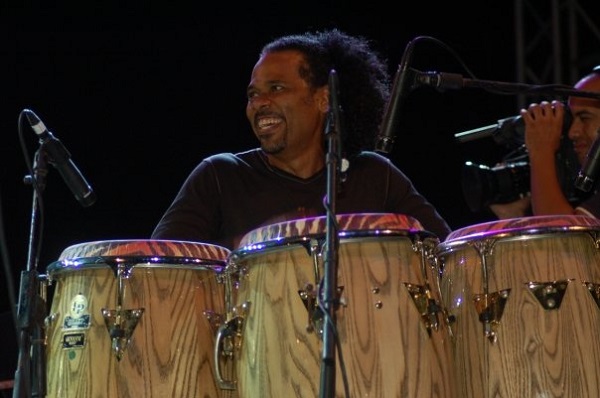
Paoli Mejias: From accompanying legends to leading a musical vanguard without borders

Paoli Mejias: From accompanying legends to leading a musical vanguard without borders

While he is an exceptional multi-percussionist, his command of the congas has established him as one of the most in-demand soloists in the world.

He is distinguished by a melodic style; he doesn’t just keep time he makes the drums “sing,” utilizing precise tuning and astonishing speed.

After touring the globe alongside icons such as Eddie Palmieri, Tito Puente, Seis del Solar, Chick Corea, and Marc Anthony, Mejías has solidified his status as an international benchmark. His vast musical, folkloric, and cultural knowledge positions him today not only as a percussion virtuoso but as a visionary leading his own quintet.

With a career marked by success, Mejías has produced three high-caliber independent albums: Mi Tambor (2004), which received a Latin Grammy nomination, Transcend (2006), and Jazzambia (2008).
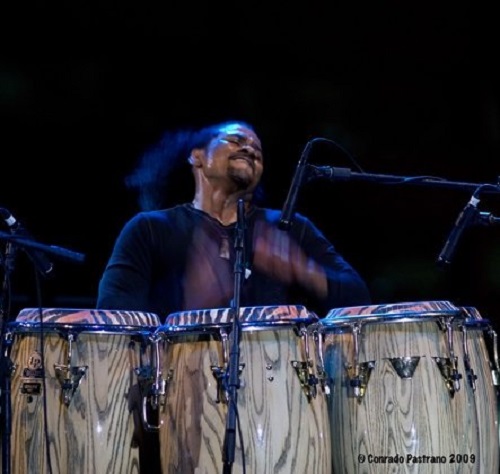
Paoli Mejías, a talent forged in the streets and through discipline

Paoli Mejías, a talent forged in the streets and through discipline

These works have placed the Puerto Rican percussionist at the forefront of the genre, earning glowing reviews in the world’s most influential publications, including JazzTimes, DownBeat, Jazziz, and Modern Drummer.

A Talent Forged in the Streets and Discipline

Born in Río Piedras, Puerto Rico, on March 7, 1970, Paoli discovered his calling at the age of twelve. Inspired by the records of Carlos “Patato” Valdés and Ray Barretto, and the innovation of groups like Batacumbele and Irakere, he bought his first conga and began a self-taught journey.

Without formal teachers, he learned the language of percussion by mimicking the sounds emanating from his favorite vinyl records.
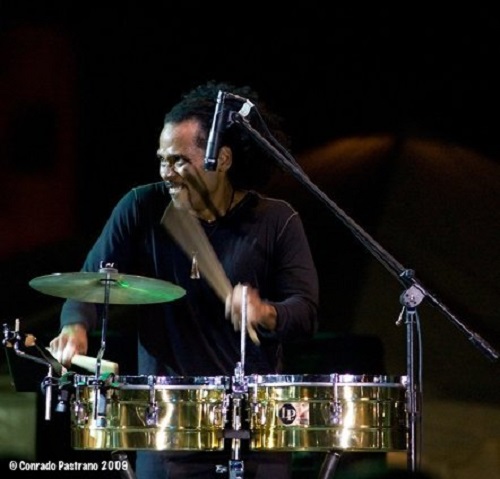
Paoli Mejía with Nuevo Sonido en el Jazz Latino

Paoli Mejía with Nuevo Sonido en el Jazz Latino

His true training took place in the effervescent musical atmosphere of San Juan, absorbing the styles of his mentors in street rumbas.

His professional debut came via Rafú Wagner (former vocalist for Bobby Valentín), and while still a teenager, he was already collaborating with renowned local artists such as José Nogueras, Glenn Monroig, and Charlie Sepúlveda.

The Leap to the Global Stage

His impeccable technique and melodic sensitivity quickly made him the preferred sideman for the greats. For over eight years, he was a key member of maestro Eddie Palmieri’s orchestra, recording on historic projects like Masterpiece/Obra Maestra (with Tito Puente), which won a Grammy Award.
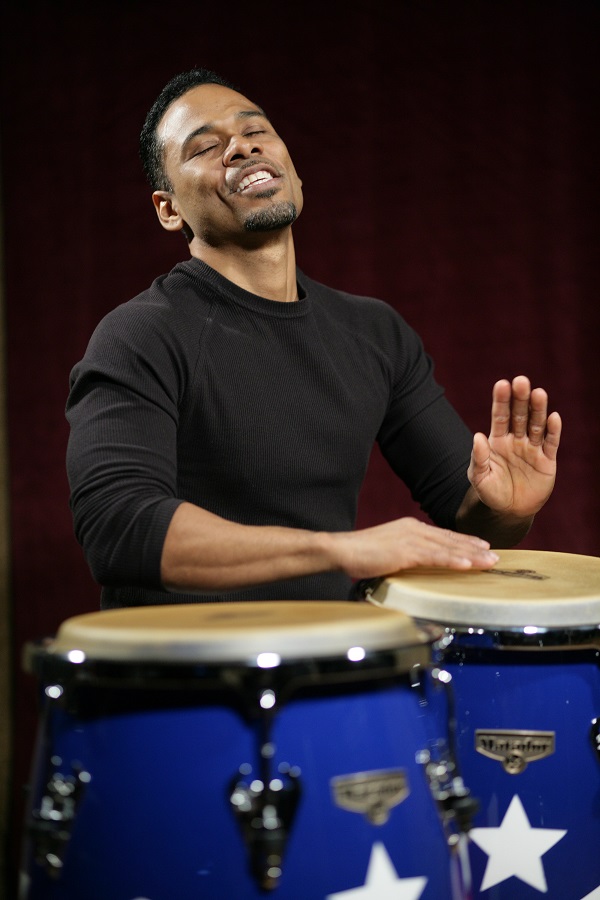
Paoli Mejías is a fundamental figure when discussing the evolution of contemporary percussion

His discography now exceeds 20 commercial productions, including the nominated Acuarela de Tambores.

This exposure to world music enriched his creative fire. As Elmer González noted in Latin Beat: “Through Mi Tambor, Paoli achieves a watercolor of rhythms and textures that make this album one of the best Afro-Latin jazz productions released as a leader, and he aspires to continue a career forged on the stages of the world’s most important festivals.”

Beyond the Traditional Genre

Today, Paoli Mejías’ group offers a style that transcends labels. His proposal fuses the “Salsa Gorda” of the big orchestras with Puerto Rican bomba and plena, incorporating nuances of Greek, Flamenco, Indian, and African music. The result is a vibrant experience where the audience ceases to be spectators and becomes participants.

His versatility was cemented at the Heineken Jazz Festival, where critics highlighted his absolute mastery of minor percussion, timbales, bongos, and ethnic instruments like the Nigerian Udu, hailing him as one of the most complete percussionists of our time.
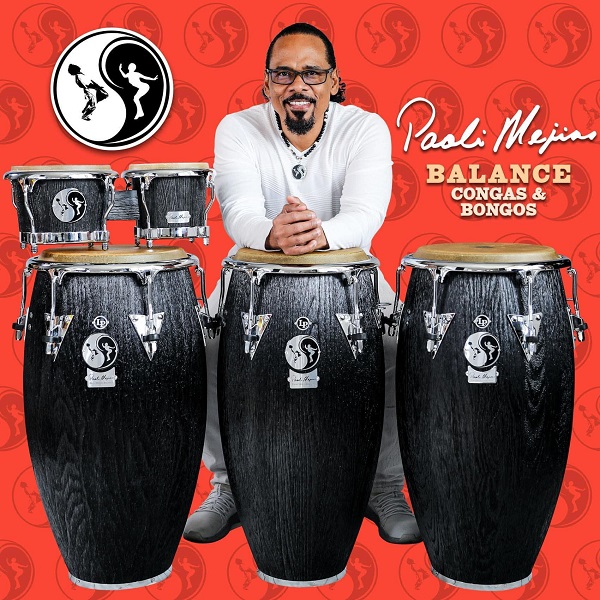
Paoli was there: Eddie Palmieri, Tito Puente, Seis del Solar, Chick Corea and Marc Anthony

Paoli was there: Eddie Palmieri, Tito Puente, Seis del Solar, Chick Corea and Marc Anthony

Beyond his role as a performer, the “Maestro” shares his knowledge by conducting clinics at prestigious institutions such as the University of Washington, the University of New Mexico, and the Puerto Rico Conservatory of Music.

Sponsored by leading brands like Latin Percussion and Sabian, Paoli Mejías continues to elevate the legacy of Latin jazz into exciting new dimensions.

Member of Santana

Paoli Mejías is a world-renowned percussionist who was a member of the band Santana, led by Carlos Santana.

Joining Santana: Paoli joined the group in 2013, taking over the conga chair. His arrival brought an impressive technical energy and rhythmic depth, establishing him as a fundamental piece of the band’s world tours for several years.

Source: Paoli Mejías

Photos: Paoli Mejías Archives / © Martin Cohen

Also Read: Carlos “Patato” Valdés: One of the Greatest Percussionists in Latin Jazz History

Latin Bayarea WebSite

North America / USA

Latin Bayarea WebSite

Sitio web de Latin Bayarea

At present, the search for information about Latin music and its culture in California (USA) has been put into the technology, because it is a very practical tool. On the internet, you can find an online site where you can investigate practically everything: music, culture, entertainment, clubs and concerts. The Web site is Latin Bay Area.

Among its many events that advertise monthly is that of:

Mariah Parker’s Indo Latin Jazz Ensemble CD Release Concert

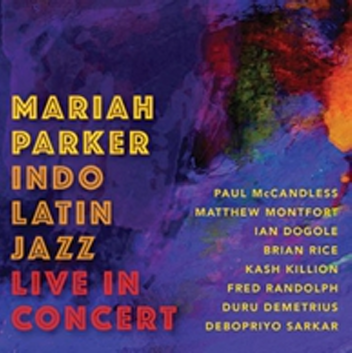
This concert celebrates the upcoming release of Mariah Parker’s new CD, Indo Latin Jazz Live in Concert.

According to Latin Beat Magazine, Mariah Parker’s Indo Latin Jazz Ensemble “blends the rhythmic syncopations of Latin jazz music with the entrancing, asymmetrical meters of East Indian rhythms resulting in first- class world music. Intriguing melodies that draw musical inspirations from the tempos of Brazil, Cuba, India, and Spain make for an uplifting serene yet passionate musical journey into an idealworld.”

Sunday, January 22, 2017, 7:00 PM Freight and Salvage

2020 Addison Street

Berkeley, California

Tickets: $24 in advance, $28 at the door

For more info, call (510) 644-2020 or visit www.thefreight.org

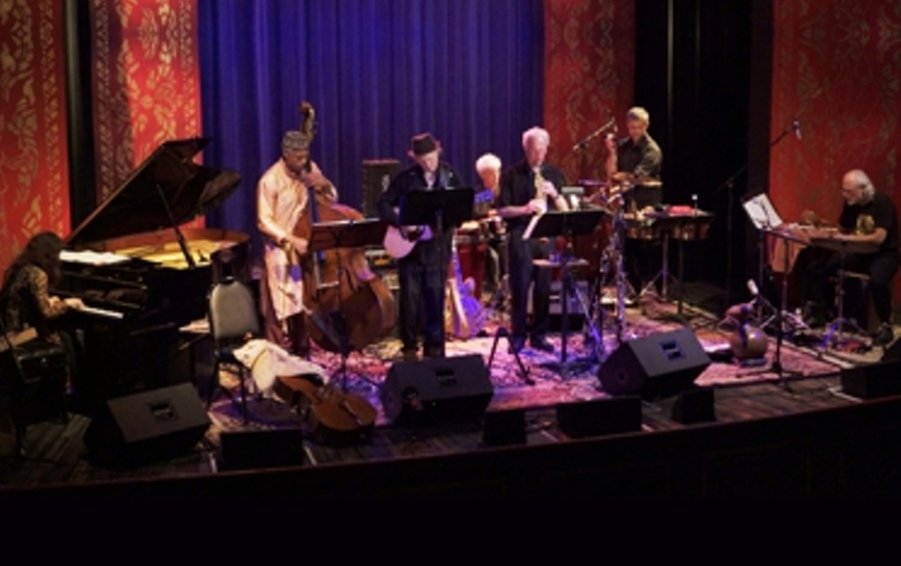
Featuring Mariah Parker (composition, piano, santur), Paul McCandless (woodwinds), Matthew Montfort (guitar), Kash Killion (bass, cello), and percussionists lan Dogole, Brian Rice, and Michaelle Goerlitz.

Indo Latin Jazz Live in Concert CD Release 1/20/17

Lanzamiento del CD "Indo Latin Jazz Live in Concert", 20/01/17
Lanzamiento del CD “Indo Latin Jazz Live in Concert”, 20/01/17

In 2009, Mariah Parker launched her Indo Latin Jazz Ensemble with a sold- out debut concert at Yoshi’s in Oakland, California. Mariah’s new release for AncientFuture.com records, “Indo Latin Jazz Live in Concert,” captures the magic of that first performance, as well as subsequent Northern California concerts at the Freight & Salvage in Berkeley, the Throckmorton Theater in Mill Valley and a studio session at Bob Weir’s TRI Studios in San Rafael. These multi-track live recordings were painstakingly mixed and mastered over a seven-year period by veteran Ancient Future producer Matthew Montfort. Indo Latin Jazz Live in Concert is a follow-up recording to Sangria, Mariah’s debut CD, which received airplay on over 468 New World, Jazz, and Latin radio programs, and earned over 365 reviews and media placements, including two songs that ascended to the Smooth Jazz Now Top 100 Songs of 2009 Chart.

Bios Mariah Parker

Mariah Parker in concert

(Composition, piano, santur) http://www.mariahparkermusic.com

“Parker, who holds a degree in music from UC Santa Cruz, wrote the eight instrumental compositions on this exquisite collection of pieces that fuse Latin rhythms with influences from South America and India with a dash of straight-up American jazz. It’s an intoxicating blend of East and West performed by musicians of astounding virtuosity. Like all the best jazz bands, this group is as disciplined as it is innovative, stopping on a dime when the composition calls for it and soaring into gorgeous landscapes of free association the next moment that are as pleasing as they are adventurous.

Mariah Parker's
Mariah Parker’s

This is sophisticated stuff, an album of global fusion performed by a group with character, charisma and the confidence that comes across when world-class musicians at the top of their games come together and create magic in the here and now of a live performance.” -Marin Independent Journal

Mariah Parker has been playing music from the time she could reach the keys on the grand piano in her family home. While completing her degree in music at UC Santa Cruz, she worked with ethnomusicologist Fred Lieberman and drummer Mickey Hart on the “Planet Drum” project and became fascinated with the possibilities of bridging musical concepts from different traditions.

She has performed her original compositions in festivals in the US and Europe. A gifted composer and band leader, she released her first solo recording of her compositions, “Sangria,” in February of 2009. This release received extensive airplay and critical acclaim worldwide.

“Dazzling…. Parker’s subtle and sensuous sounds reflect exotic flavors of India, the Middle East and Latin America.” -Palo Alto Daily News.

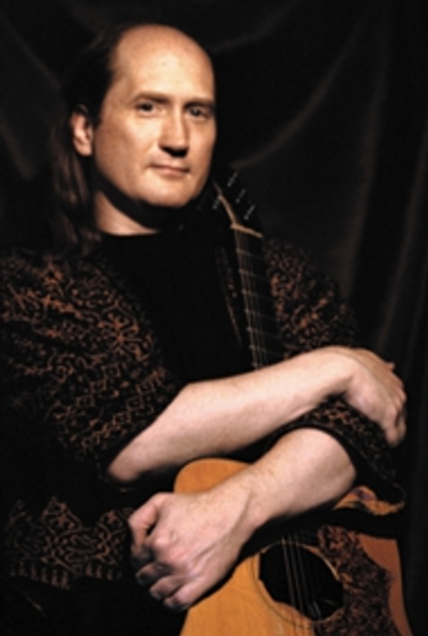
Matthew Montfort (Scalloped Fretboard Guitar)

Matthew Montfort
Matthew Montfort

Recently recognized as one of the world’s 100 Greatest Acoustic Guitarists, Montfort is a pioneer of the scalloped fretboard guitar and the leader of the seminal world fusion music ensemble Ancient Future. He has performed concerts worldwide, including at the Festival Internacional de la Guitarra on the golden coast of Spain near Barcelona and the Mumbai Festival at the Gateway of India in Bombay.

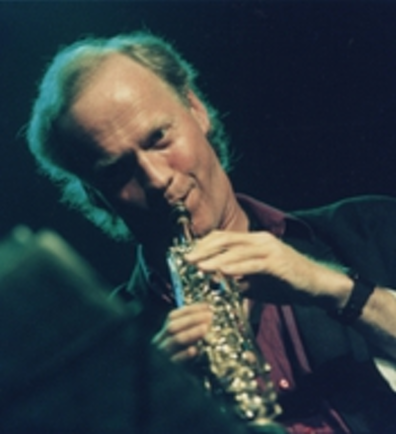
Paul McCandless (Reed Virtuoso)

Paul McCandless
Paul McCandless

During a distinguished career spanning three decades, Grammy-winning woodwind virtuoso Paul McCandless has brought a soaring lyricism to his playing and composing that has been integral to the ensemble sound of two seminal world music bands, the original Paul Winter Consort and the relentlessly innovative quartet, Oregon.

A gifted multi-instrumentalist, McCandless has specialized in an unusually broad palette of single and double reed instruments that reflect his grounding in both classical and jazz disciplines.

lan Dogole (Global Percussion)

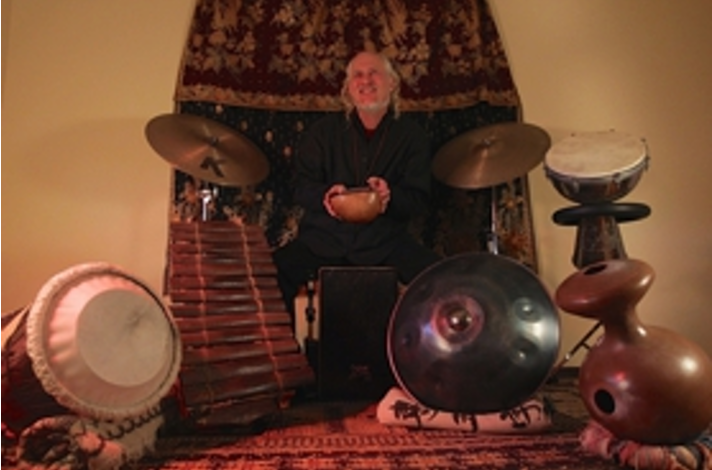
Ian Dogole is an accomplished bandleader, composer, and multi- percussionist who has recorded and performed with artists such as Hamza el Din, Tito La Rosa, Ancient Future, and Alex de Grassi on a wide variety of percussion instruments, including udu, cajon, hang, African talking drum, kalimbas, cymbals and dumbek.

Ian Dogole
Ian Dogole

Kash Killion (Bass, Cello)

Kash Killion plays cello, bass and assorted African and Middle Eastern stringed instruments, and has worked with Donald Byrd, George Cables, Billy Higgins, Cecil Taylor, John Zorn, Sun Ra, Butch Morris, George Lewis, Reggie Workman, and the Sun Ra Arkestra.

Brian Rice (Latin Percussion)

Brian Rice is a highly acclaimed musician specializing in Latin, Afro- Cuban, and Brazilian percussion who performs with acts such as Mike Marshall with Choro Famoso and the Antionio Calogero Quartet featuring Paul McCandless and Mike Manring.

Brian Rice
Brian Rice

Michaelle Goerlitz (Latin Percussion)

A talented percussionist with a focus on Brazilian, Afro Cuban, Venezuelan and Peruvian rhythms, Michaelle has played, recorded and toured with Mark Levine, Wayne Wallace, Houston Pearson, Denise Perrier, Joan Jeanrenaud, the Pickpocket Ensemble, Samba Rio, Novo Tempo, Bossa 5-0, and many others.

Víctor Cuica “The Eternal Breath of Latin Jazz and Venezuelan Identity “

The legacy of a visionary who fused the saxophone with the essence of the Caribbean and national cinema.

Víctor Cuica was more than just a musician; he was a bridge between two worlds. Born on April 19, 1949, in the iconic Caracas neighborhood of La Pastora, Cuica established himself as a preeminent saxophonist and actor, earning global acclaim for his innovative fusion of Jazz with Afro-Caribbean roots.

His presence defined a golden era in Venezuelan culture, as he shared the stage with legends such as Tito Puente, Paquito D’Rivera, Porfi Jiménez, and Gerry Weil.

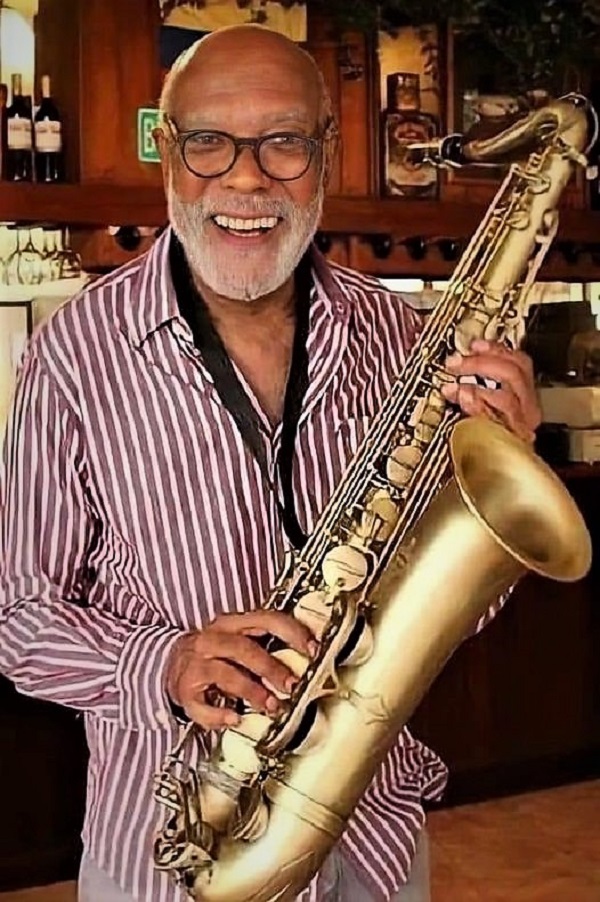
Victor Cuica “The Eternal Breath of Latin Jazz and Venezuelan Identity”

Victor Cuica “The Eternal Breath of Latin Jazz and Venezuelan Identity”

Training and First Steps: The Birth of a Style

The journey of this virtuoso—master of the tenor and soprano saxophone as well as the flute—began in 1963 at the Military Music School of La Victoria. His time in the Venezuelan Navy band served as the catalyst for his love of Jazz, leading him to deepen his knowledge of flute, harmony, and composition at the “José Ángel Lamas” Higher School of Music.

His professional career took off in Chucho Sanoja’s orchestra. Shortly thereafter, he joined Oscar D’León’s ensemble. It was actually Cuica who suggested the name “Dimensión Latina” to replace the group’s former name, “Oscar y sus Estrellas,” thereby christening what would become the most iconic salsa orchestra in Venezuelan history.

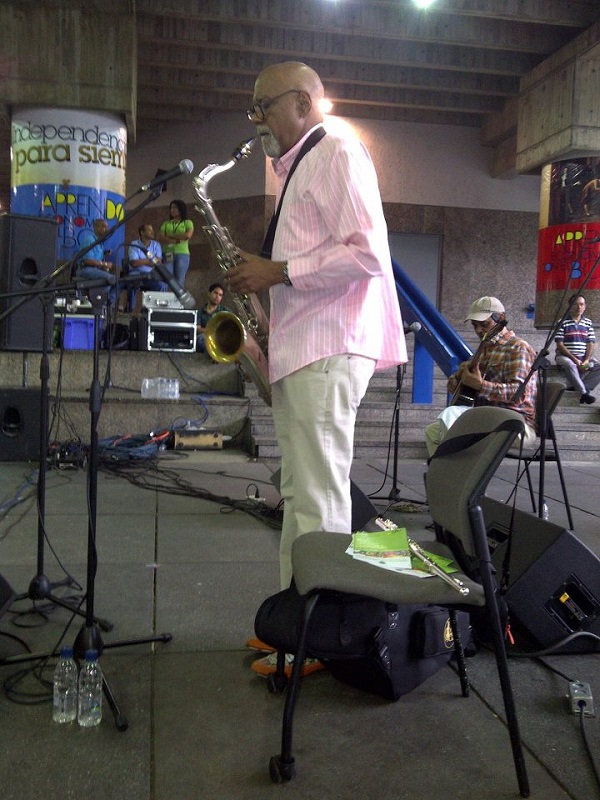
Victor Cuica in concert held on August 22, 2011 in Juan Pedro Lopez Square in Caracas

Victor Cuica in concert held on August 22, 2011 in Juan Pedro Lopez Square in Caracas

Latin Jazz: From the Silver Screen to International Stages

By the late 1970s, Cuica expanded his horizons into the “seventh art.” In 1978, he composed and performed the soundtrack for “The Sea of Lost Time” (El Mar del Tiempo Perdido), based on the short story by Gabriel García Márquez. A year later, he solidified his own group, “Víctor Cuica y su Jazz Latino,” debuting to resounding success at the Alcázar Theater in Caracas and gaining international momentum in Costa Rica.

Throughout the 1980s, critics hailed him as the most important innovator of jazz fusion in the region. His talent brought him to historic venues:

  • 1981: He triumphed at the “Memphis in May” festival in Tennessee.
  • 1982: He performed at the prestigious “Domicile” club in Munich, Germany.
  • 1985: He reached a milestone as the leader of the first Venezuelan group invited to the Montreal International Jazz Festival, where he shared the limelight with the legendary vibraphonist Lionel Hampton.

Artistic Maturity and Recognition

In the 1990s, his music reached new academic heights when Maestro Eduardo Marturet composed the work “Music for Six and Sax” specifically for him. It premiered with the Sinfonietta Caracas and represented Venezuela at the 1992 Universal Exposition in Seville.

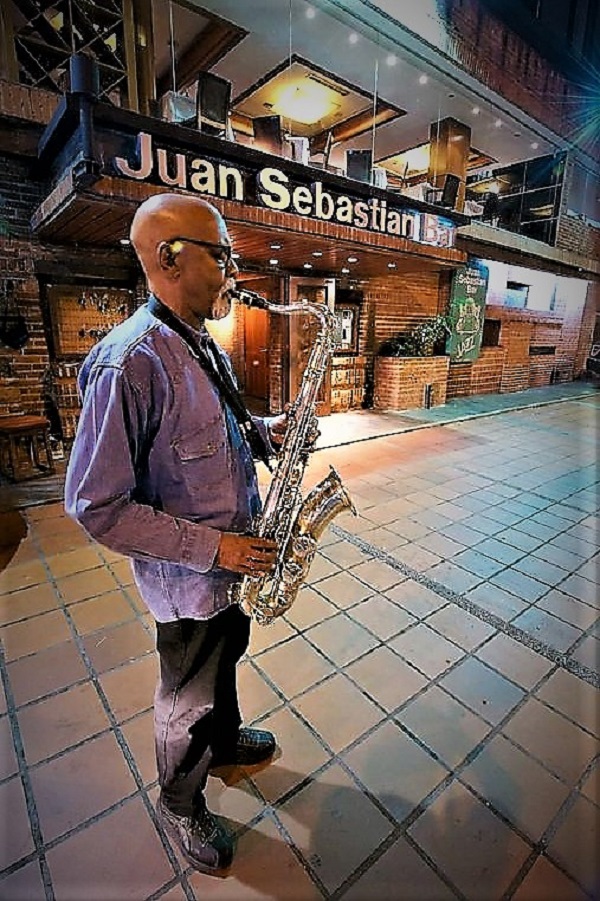
Víctor Cuica was not just a musician; he was a bridge between two worlds. Photograph at Juan Sebastian Bar

Víctor Cuica was not just a musician; he was a bridge between two worlds. Photograph at Juan Sebastian Bar

His discography, which includes gems such as Que sea para siempre (1984), Noctámbulo (1993), Just Friends (1998), and Los Locos de Caracas (1999), stands as a testament to his versatility. In 1995, the Venezuelan Artist’s Guild (Casa del Artista) honored him as Musician of the Year.

A Farewell with the Flavor of the Streets and Bohemia

Víctor Cuica passed away on Saturday, December 26, 2020, at the age of 71 due to a heart attack. His departure left a void in the film industry, where he starred in memorable films such as Santera (for which he also composed the award-winning soundtrack in 1997), and in the bohemian nights of Caracas, where his saxophone was often the soul of the evening.

A Tribute from His Peers

Multi-percussionist José Hidalgo, known as “El Tokun Mayor,” describes Cuica with words that summarize his essence:

“Víctor Cuica is the finest example of an artist intimately linked to his daily reality and cultural origins, without ever losing sight of the cosmopolitan and universal nature of his musical message. Cuica is the expression of genuine jazz performed with the simplicity of the streets.

Víctor is as authentic in his personal character as he is as an artist. This virtue was his companion as he traveled across numerous international stages, spanning the worlds of music, film, theater, and opera always with the transcendence of a bohemian, simple, and bold minstrel.

Cuica never ceases to surprise us, whether through his voice or the sound of his saxophone an instrument that, with his habitual ingenuity, he turned into a centerpiece of performance through his creativity and versatility.

His talent has graced stages across Europe and the Americas. His work projects far beyond the commercial mainstream and, today, leaves us with a brilliant musical improvisation that is truly beyond compare.”

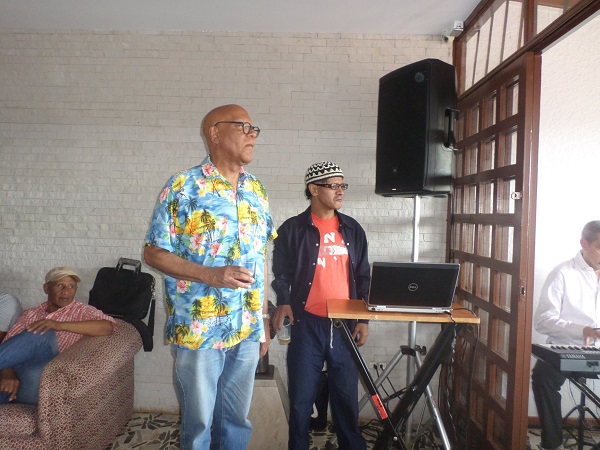
DJ Augusto Felibertt with the one and only virtuoso Víctor Cuica

DJ Augusto Felibertt with the one and only virtuoso Víctor Cuica

Today, the name Víctor Cuica remains etched in history as the man who gave Jazz a Caribbean color and gave the Venezuelan saxophone a voice of its own.

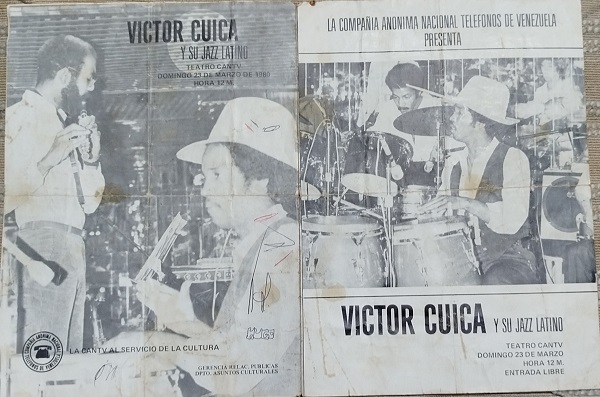
Victor Cuica and his Latin Jazz, March 23, 1980 at the Cantv Theater in Caracas

Victor Cuica and his Latin Jazz, March 23, 1980 at the Cantv Theater in Caracas

Also Read: Oscar Rojas Oscar Rojas has 54 years of musical career full of passion, rhythm and flavor

Manhattan Latin Music by Jon Horn

In the year after the big war ended, a terrific hurricane tore across the island, and in the town of Santa Barbara de la Loma the Catholic church was destroyed, but the modest compound of Senora– devotee of the seven powers and gifted daughter of Yemaya, spirit of the seas – went untouched by the storm. The people of Santa Barbara were not surprised. They called Senora “La Poderosa,” the powerful one, for she could heal the sick better than doctors, break and cast spells – but only for good – and see beyond the now and here. Believers in the natural religion came weekly to the walled yard behind her neat, two-room bohio to praise the mighty spirits who might possess them as they danced and chanted to the inspired drumming of the tumbadores.

On the next full moon, Senora called her gente to a special midnight ceremony. Dressed as always in immaculate white robe and turban, smoking a long cigar and swigging from a flask of rum, she told the assembly that Hate was hard at work everywhere, and worse things than hurricanes or even the war just fought were soon to come. Now they must all concentrate their prayerful energies and send goodness in the guise of music to an evil world. The native rhythms of their island, produced from the potent mix of slaves, colons, and indios, could bring people of all kinds and colors together. As dark hands beat out on taut skins a deep, steady roll like distant thunder, Senora called up into the moonlit sky: “May the babies born of Mambo be bringers of justice and peace where there is none! Go, my Mambo! Go now and work your musical magic at the center of the biggest city in the strongest nation on the earth!”

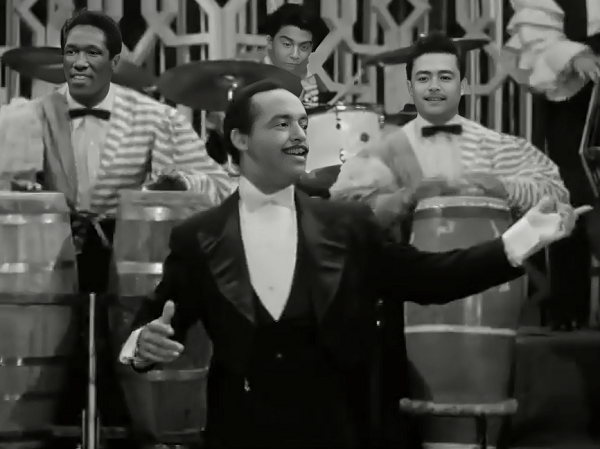
Damaso Pérez performing Latin music
The King of Mambo Damaso Pérez Pardo performing live

And the Mambo went and did all this, and much, much more…

Story goes that a certain midtown Manhattan dancehall was dying a slow death at the tag end of the Big Band era, just after the so-called “Good War.” The guy who was managing this musical venue (maybe for the Mob) was bemoaning the lack of customers to a canny Broadway promoter who poked a sallow finger at the bemoaner and said “Hey! If you don’t mind spics and
niggers in the joint, I can fill it six nights a week!” “At this point I don’t mind if it’s spics, niggers, or little green men!” “Done deal!”

Twas the season of Jackie Robinson “integrating” baseball’s major leagues. Smart money knew that American apartheid couldn’t last forever, at least not overtly. And where else would the winds of change blow first and hardest but in the Empire City, aka Nueva York? So the Palladium opened with a hot mambo policy, the best Afro-Cuban bands were hired, and lines formed around the block. Harlem and Spanish Harlem were now welcome in a big midtown venue. And not only “spics” and “niggers” showed up, but “wops” and yids” as well, the bridge-and-tunnel “mamboniks.” The word spread, and whitebread cafe-society mavericks came to check it out and stayed to shake a tail feather. For the next couple of decades it was the “place to be, thing to do” in NYC, if you wanted to move to and be sent by the best hot Latin sounds.

Around 1954/’55, the mambo crested in the Pop consciousness, with “Papa Loves Mambo,” “Mambo Italiano,” and “What The Heck is the Mambo?” on the mainstream Hit Parade. Perez Prado even took “Cherry Pink and Apple Blossom White” to Number One on the charts. But the real mambo, cha-cha- cha, guaracha, charanga, and son stayed underground, a niche thing, ethnic dance
music for Manhattan Latins and the cool cognoscenti. Raided and harassed by authorities who didn’t cotton to Mambo’s miscegenating powers, the Palladium lost its liquor license in the early ’60s and closed for good in ’66, just as the “new breed” wave of Latin Soul & Bugalu was making noise on the mean streets. And the beat goes on…

The Mamboniks were cool-looking Italian & Jewish guys & gals, out of high school but not in college, who hung out around Dubrow’s on the Hiway. If one of them had a dented sportscar or an old but flashy convertible, they’d congregate around the car at the curb, the dash radio loudly broadcasting Dick“Ricardo” Sugar’s mambo show of an evening, trying out hip-swinging cha-cha steps, casually dap guys and foxy girls in tight skirts; and tho the guys were not really hoods, they’d hang with future felons down the poolroom sometimes, and push a little weed to the hipper highschoolers, who whispered that these guys rolled queers in the Village for bucks and kicks…. but the big kick for the Mamboniks was the Latin Kick, hitting the Palladium at least once a week to hobnob with Ricans and Cubans and dap Harlem dudes and debs, all dressed up in continental suits and cocktail gowns, moving & grooving to the hot, blaring rhythms of Tito Puente and Tito Rodriguez, Eddie Palmieri, Joe Cuba, Orquesta Aragon, the La Playa Sextet, and many more smokin’ outfits who played en clave. Rest of the time they hung outside the cafeteria almost
under the BMT El, hanging on the Hiway but vibing they were too hip for the Hiway, still living at home in Brooklyn only ’cause it was free, but definitely on the way out and on up – or so it appeared to those a few years younger, hung up in mundane Midwood and Madison scenes. I didn’t really know the Mamboniks, but I knew who they were (the distance between 15 and 18 being even greater than between the Hiway and Broadway): one of them would fall with the felons and do time… another would marry his little sexpot cha-cha partner and go into the restaurant business downtown… yet another would become a musician/dope dealer, accent on the dope dealer. I only glimpsed these Mamboniks passing by Dubrow’s, but they called me (while ignoring me) to a more magical city than the one I knew as yet.

Tito Puente performing Latin music
Tito Puente performing ”Oye Como Va”

Jose de la Subway Speaks of Working the Mountains

There’s one or two agents book all the bands, and you best not get on their bad side! This guy I know from El Barrio, he plays timbales – he’s no Puente but he’s still young – he pulled me into this gig, subbing for the guy who was too fucked up on duji to make the job. We all meet at the bus terminal near the Dixie Hotel on the Deuce. Takes a couple hours to get up there and it’s real country, you can smell the trees! There’s these big Jewish hotels, they all book one Latin band to alternate with whatever square Pop band they got, and of course the biggest hotels get the big name bands and the smaller hotels get the cheaper bands who sometime hire kids just breaking in who look eighteen and can play some but don’t expect no union scale. You got this shack full of bunk beds to crash in, you eat leftover childrens’ meals – if there’s a hip Rican or Soul working in the kitchen you may get extras – and they don’t want to see your face around the place till showtime. Maybe they let you take a rowboat out on the lake, but you best stay away from the pool till you’re sent out there to play a cocktail set. They always call it an ‘Olympic-sized pool’ even if it’s four foot
deep! All these white chicks are out there in bikinis trying to get as dark as the people they don’t want in the pool with them. You play some cha-chas poolside late in the afternoon and you get to check out these chicks, some of them are hot, some give you the eye, but you wear shades and keep a stone face, and of course you’re high ’cause everybody be smokin’ weed in the band, that’s all you do, and you keep the job by keeping your distance from the hotel’s clientele. Some hustling bands be doubling, tearing around those mountain roads from one little hotel to another, making two jobs a night, wearing those ridiculous rhumba shirts with the big ruffled sleeves. After the last set everybody goes to eat and hang at Corey’s Chinese Restaurant in Liberty. When it’s Mambo Night at the Raleigh you sit in. And if you fuck up, or when the contract’s over, you’re back on the Hound to the Deuce, and you don’t have much loot to show for it. You’re paying your dues, you’re getting experience.

Musically, the late ’50s/early ’60s were dynamic times in NYC. Monk with Trane at the Five Spot, Ornette Coleman introducing “the new thing” aka “Free Jazz,” the hard-bop funk of “Moanin’” by Art Blakey’s Jazz Messengers, “Kind of Blue” by Miles, Trane’s classic quartet coming into its own with “Giant Steps” and “My Favorite Things.” And the Folk boomlet peaking in the Village
with Baez and Dylan, Paxton, Van Ronk, Ochs, and many more. R&B was in a slump and the Top 40 sucked bigtime… but over in Brooklyn and the Bronx, a new generation of Nuyoricans was coming of age, and tho they still dug the Afro-Cuban sounds, the mambo and the cha-cha-cha belonged to the (recent) past, so they were experimenting: Bronx Pachanga was revved-up charanga… trombones lent a harder edge to a conjunto like Eddie Palmieri’s La Perfecta… and “Latin Soul” was Doowop (a big influence en la calle) mated with the bolero feel and the bongo/congas beat. Joe Cuba knew he was onto something when his “To Be With You” (a bolero in English) became a street fave circa ’62/’63. Ace Cuban conguero Mongo Santamaria had a crossover hit of sorts with a jazzy horn chart on “Watermelon Man.” And Ray Barretto charted nationally with a speeded-up charanga featuring a streetwise Spanish rap superimposed: “El Watusi.” The times they were a-changin’ in the barrio. Joe Bataan was “Singin’ Some Soul.” Willie Colon was getting “Jazzy.” Eddie Palmieri’s hot, eight-minute jam on “Azucar Pa’ Ti” was a breakthru, played in its entirety on the radio by Symphony Sid and even by Dick Ricardo Sugar. Pete Rodriguez came on strong with the irresistible “I Like It Like That”… and the Latin Bugalu was a mid-’60s sub-genre (e.g. Johnny Colon’s “Boogaloo Blues”). But by the early ’70s, the newly branded “Salsa” hyped by Fania Records (the Latin Motown) prevailed, and Latin Soul’s swan songs were sung by Ralfi Pagan (“Make It With You”), and Paul Ortiz (“Tender Love & Sweet Caresses,” produced by “Subway Joe” Bataan). Musical artifacts remain, but as for the vibe, “You hadda be there, folks!”

That Latin Thing

The Afro-Cuban sounds, and the extensions and variations on those templates by their New York inheritors, were the hottest and coolest Latin sounds. Musicians have big ears, and there was always cross-fertilization between the seemingly segregated genres of Latin and Jazz (eventually producing – wait for it – Latin Jazz). So why aren’t more jazz buffs, and other musically savvy civilians, into the rich “Spanish Tinge” heritage? (They’ve always been into it in their own way down in Norlins.) Different languages as well as divergent styles, plus the commercial priorities of bottom-line execs who package musical product, perpetuate musically exclusive marketing niches, even unto today. But many stateside Jazz greats especially groovitated towards the Latin
thing. Dizzy Gillespie with Chano Pozo creating Cubop… Charlie Parker’s jams with Machito… Cal Tjader with Eddie Palmieri… Herbie Hancock’s “Watermelon Man” definitively rendered by Mongo Santamaria: these are some of the finest fruits of the Jazz + Latin marriages, and there have been many more in recent years. Yet the hardcore tipico and original classics are still all but unknown to generations of US Americans, and that’s a lowdown dirty shame.

Tio Jonny to the rescue! If you dig rhythms that won’t let you sit or stand still, or love to love a great love song, I’ve got two Latin strains to introduce into your musical bloodstream: superlative slow jams of yearning, ecstasy, betrayal, and loss in the best bittersweet boleros… and hip-shaking, toe-tapping dance classics of musica caliente. Maestro Cachao wasn’t just boasting when he titled one of his signature jam sessions in miniature “Como mi ritmo no hay dos.” There’s nothing quite like this Latin thing. But don’t take my word for it. Go check it out for yourselves, sis & bro!

Joe Bataan singing Latin music
Joe Bataan singing ‘ ‘Gypsy Woman” some years ago

Musica Caliente 101

Salsa dura? Salsa Brava? Salsa romantica? Such consumer designations are so much caca de toro. To quote el rey Tito Puente, “Salsa is something you put on your food.” As a brand, “Salsa” moved a lot of units for Fania and other smaller labels in their heyday. But it was still music with Afro-Cuban roots, refined (or, purists might aver, debased) by Puerto Ricans and Nuyoricans, as insiders and aficionados well know. It was a music all about rhythm (we’ll consider the beautiful boleros shortly), pegged to the clave beat, where the Afro drums could sing melodiously while the Euro piano, violins, and horns remade themselves into rhythm instruments ( the repetitive, tension-building keyboard montunos, twin charanga fiddles, or twin trombones).

As the music morphed from Havana to New York, it got faster and louder (como no?), but the rhythms certainly didn’t cool down, tho they could sound hot and cool at the same time when vibes were featured, as in the ’50s party classic “Chop Suey Mambo” by Alfredito (Al Levy) or on many jams by T.P., Joe Cuba, or Latin-converso Cal Tjader. Anyone who felt this music in their bodies and souls (which are most definitely not separated in this art) would know this was musica caliente – and, as Ray Barretto titled one of his best workouts: “Que Viva la Musica.”

Say you’ve heard some of the great old school sounds and want to hear more? Tio Jonito is going to start you off with a sampler of the best (or at least some of my favorites) from the great days of this musica caliente, sometime in the late ’40s on into the ’70s. You go online and find these smokers on my list and you’ll not only get a little musical education but you’ll swing your butt off and have a ball. Vaya!

Orq. Casino de la Playa w/Miguelito Valdes: “Bruca Manigua”
Arsenio Rodriguez Orq.: “Dame un Cachito pa’ Huele”
Machito & his Afro-Cubans: “Tanga”
Chano Pozo: “El Pin-Pin” (nice later version by El Gran Combo)
Los Astros: “Que Lindo Yambu”
Arcano y sus Maravillas: “Rico Melao”
Sonora Matancera w/Celia Cruz: “Caramelos”
Sexteto La Playa: “Jamaiquino”
Randy Carlos: “Smoke” (“Humo”)
Fajardo y sus Estrellas: “Ay! Que Frio” (+ jazzy ’70s cover by Ocho)
Cortijo y su Combo w/Ismael Rivera: “El Negro Bembon”
Orquesta Aragon: “Caimitillo y Maranon”
Cachao y su Ritmo: “Malanga Amarillo”
Chappotin y sus Estrellas w/Miguelito Cuni: “Alto Songo”
Mongo Santamaria: “Afro Blue” “Para Ti”
Mongo Santamaria w/La Lupe: “Canta Bajo”
Tito Puente: “Oye Como Va” “Ran Kan Kan”
Eddie Palmieri & Cal Tjader: “Picadillo”
Tito Rodriguez & Orq.: “Mama Guela” “Ave Maria Morena”
Joe Cuba Sextet w/Cheo Feliciano: “El Raton”

Mon Rivera: “Lluvia con Nieve”
Orquesta Broadway: “Como Camino Maria”
Ray Barretto: “Cocinando”
Pete “Conde” Rodriguez w/Johnny Pacheco Orq.: “Azuquita Mami”
Willie Colon Orq. w/Hector LaVoe: “Abuelita”
Eddie Palmieri w/Charlie Palmieri: “Vamanos pa’l Monte”

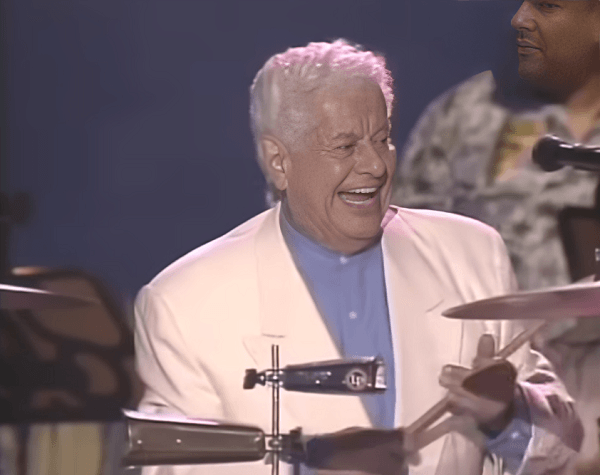
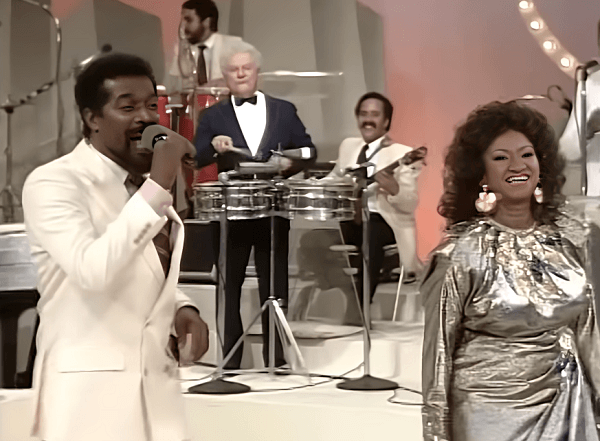
Pete, Celiz, and Tito performing Latin music
Pete El Conde Rodríguez, Tito Puente, and Celiz Cruz performing ”Qué Bueno Baila Usted”

Boleros 101

Boleros are Latin love songs, and the best are equal to any operatic aria, Broadway show-stopper, or Pop ballad, especially those written and sung from the 1940s through the ’60s, the era of the bolero. Behind even the slowest bolero there’s a rhythmic roll (maintained by bongos, congas, or light timbales taps), analogous to the roll of “r” in spoken Spanish. Can’t abide musica romantica? The bolero, friend, is not for you. Latin America – notably Cuba, Mexico, and Puerto Rico – turned out great boleristas in the epica de oro, and the tunes they sang were world-class, true standards which sound just as strong today as ayer. But leave me not wax rapturous; rather let me share some of my fave boleros with you, and point you YouTubeward to hear them all.

Beny More: “Como Fue” “Hoy Como Ayer”
Olga Guillot: “Mienteme” “Tu Me Acostumbraste”
Trio Los Panchos: “Nosotros” “Sabor a Mi” “Los Dos”
Vicentico Valdes: “Tus Ojos” “La Montana”
Tito Rodriguez: “Inolvidable” “En La Soledad”
Los Tres Ases: “Delirio” “Estoy Perdido” “El Reloj”
Cheo Feliciano (w/Joe Cuba sextet): “Como Rien” “Incomparable”
La Lupe w/Tito Puente Orq.: “Que te Pedi”

Santos Colon w/Tito Puente Orq.: “Ay Carino”
Armando Manzanero: “Mia”
Los Tres Diamantes: “La Gloria eres Tu”
Javier Solis: “Si Te Olvides (La Mentira)”
Los Tres Caballeros: “La Barca” “Regalame Esta Noche”
Los Tres Reyes: “No Me Queda Mas”
Pedro Infante: “Contigo en la Distancia” “No Me Platiques Mas”
Jacaranda Castillon: “La Gata Bajo La Lluvia”

Read also: Dominican bandleader and singer Papo Ross is triumphing in Montreal

Brian Lynch is known for his versatility, excelling in Jazz (primarily post-bop and hard bop) and notably in Latin Jazz

Brian Lynch is a top-tier jazz trumpet, flugelhorn player, and arranger, highly respected for his work in both traditional jazz and his fusion with Afro-Cuban and Latin rhythms.

Lynch has been on the jazz scene for the better part of the last three decades. He is known primarily for his work as a sideman for many of the top musicians in jazz and as co-leader of a major Latin ensemble alongside Eddie Palmieri. For a long time, he has championed the music of the great trumpet players who preceded him.

Brian Lynch is a top-notch jazz trumpeter, flugelhorn player, and arranger

On this album, which is a natural follow-up to his 2000 album, Tribute to the Trumpet Masters, Lynch pays homage to the works of some of the most prominent, yet undeservedly unknown, jazz trumpeters, such as Joe Gordon, Claudio Roditi, Tommy Turrentine, Louis Smith, Idrees Sulieman, Charles Tolliver, and Kamal Adilifu (also known as Charles Sullivan).

Some of the tributes consist of performing compositions by these artists. In other cases, Lynch performs a tune he composed in the artist’s honor. In all cases, Lynch and his team, which includes Vincent Herring and Alex Hoffman on saxes and Rob Schneiderman on piano, are more than up to the task. They make each of the honorees proud.

Lynch ha estado en la escena del jazz durante la mayor parte de las últimas tres décadas

While there isn’t a single bad track on the album, standouts include Gordon’s “Terra Firma Irma,” which moves along to the potent beat of Pete Van Nostrand, along with excellent solos from all three horn players; Turrentine’s “Big Red” and Sulieman’s “Saturday Afternoon at Four,” both part of a treasure trove of unreleased compositions that were part of the Turrentine and Sulieman estates and that Lynch was able to tap into for these sessions; the hard bop of Tolliver’s “Household of Saud” (again, Van Nostrand’s drumming blew me away) and Lynch’s “RoditiSamba,” a tribute to the Brazilian master.

In short, Unsung Heroes is Brian Lynch’s best album as a leader in his long career. The musical mastery is top-notch, the compositions are always interesting, and the backstory of the whole project is a compelling history lesson for jazz trumpet fans who want to dig deeper than Miles, Diz, and Satchmo. The best news is that there’s more where that came from: this is only Volume 1 of the project; Volumes 2 and 3 are currently available online as downloads.

Paying tribute to the unsung masters of the jazz trumpet is a natural project for trumpeter and flugelhorn player Brian Lynch (the original text mentioned “Bryan Lynch” in this section, it is assumed to be a typo), who has been immersed in the hard-bop lineage since he was part of Horace Silver’s band in the 1980s.

He is accompanied by a mid-sized group that includes Vincent Herring on alto saxophone, Alex Hoffman on tenor saxophone, Rob Schneiderman on piano, David Wong on bass, Pete Van Nostrand on drums, and Vicente “Little Johnny” Rivero on congas.

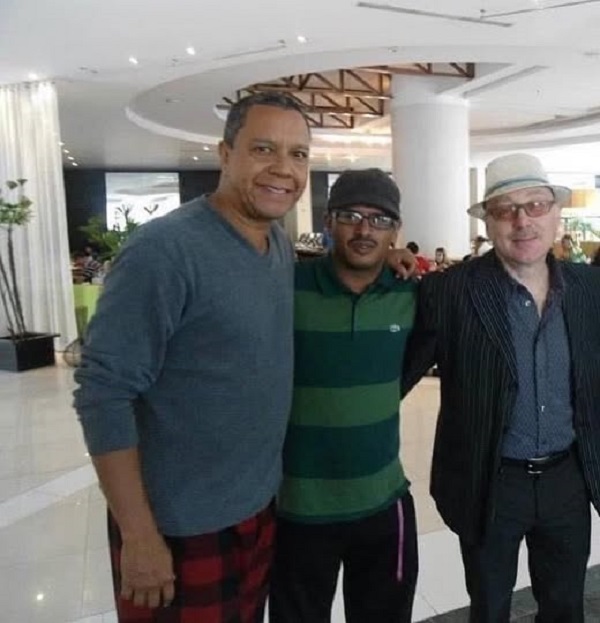
Herman Olivera El Sonero del Siglo XXI voz líder de La Perfecta II de Eddie Palmieri, Dj. Augusto Felibertt y Brian Lynch un trompetista de jazz ganador de varios premios Grammy.

Moving through rhythms ranging from ballads to riffs and Latin jazz, the band masterfully navigates the material with solo and ensemble passages executed with great fluidity. The title suggests that there may be more installments in this series, and hard-bop fans will certainly hope so. Lynch has a wealth of material to draw inspiration from and a talented band with which to make an indelible mark.

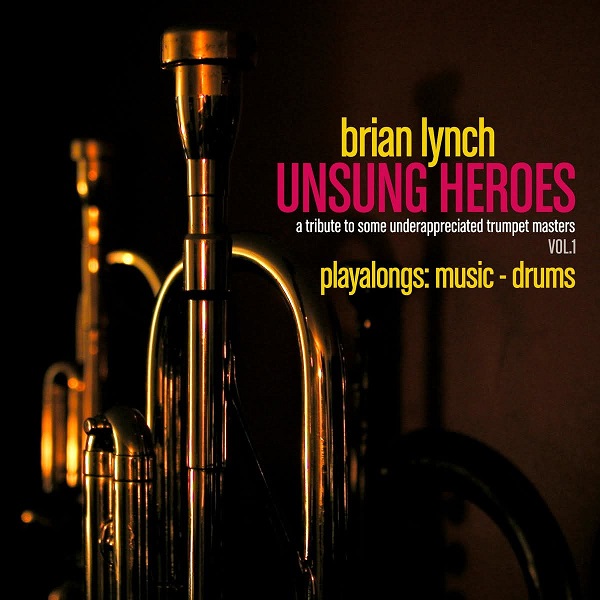
Brian Lynch – Unsung Heroes Vol. 1 (2011)

Brian Lynch - Unsung Heroes Vol. 1 (2011)
Brian Lynch – Unsung Heroes Vol. 1 (2011)

Tracks:

  1. Terra Firma Irma
  2. I Could Never Forget You
  3. Further Arrivals
  4. Saturday Afternoon At Four
  5. Household Of Saud
  6. Roditisamba
  7. Big Red
  8. Unsung Blues
  9. Wetu

Musicians: Brian Lynch (Trumpet, Flugelhorn) Vincent Herring (Alto Sax) Alex Hoffman (Tenor Sax) Rob Schneiderman (Piano) David Wong (Bass) Pete Van Nostrand (Drums) Little Johnny Rivero (Congas 1-3, 1-6, 3-5)

Recorded October 12-13, 2008 and December 22, 2009 at Knoop.

Also Read: Oskar Cartaya “My Music, My Friends, My Time” Featured collaborations with illustrious friends such as Eddie Palmieri, Giovanni Hidalgo, Dave Valentin, and Justo Almario

  • Page 1
  • Page 2
  • Page 3
  • Interim pages omitted …
  • Page 37
  • Go to Next Page »

International Salsa Magazine (ISM) is a monthly publication about Salsa activities around the world, that has been publishing since 2007. It is a world network of volunteers coordinated by ISM Magazine. We are working to strengthen all the events by working together.