Search Results for: Festival
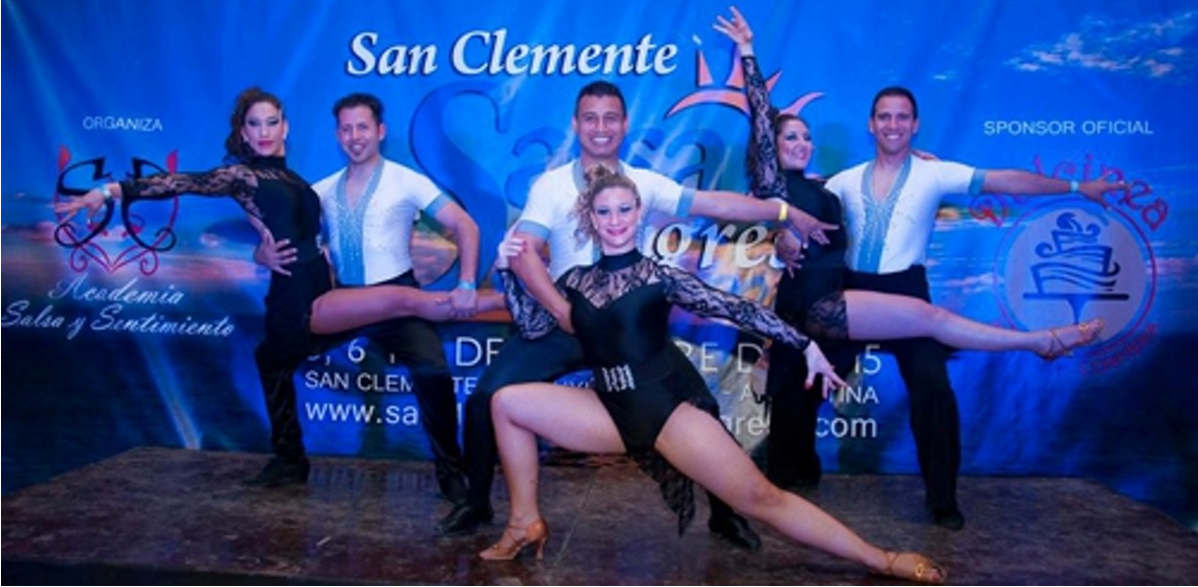
Salsa y Sentimiento Academy
Latin America / Argentina / San clemente del Tuyú
Salsa y Sentimiento is renowned as the first dance academy in the Partido de la Costa. Founded in April 2012 by its current director, Mr. Gerardo Osvaldo Russo, the academy offers a wide range of classes for both adults and children.
The curriculum includes Salsa, Bachata, Reggaeton, Pop Dance, Contemporary, “Ritmos” (various rhythms), Tango, and Introduction to Dance. Beyond daily classes, the academy is a vibrant community hub that organizes parties, festivals, conventions, and events. These activities bring together Salsa and Bachata enthusiasts from across the country and around the world, making it a premier destination for international visitors every year.

Gerardo Osvaldo Russo
Mr. Gerardo Osvaldo Russo was born on July 3, 1984, and resides in the coastal town of San Clemente del Tuyú, Argentina. His passion for Latin music began in 2005 when he first started dancing and listening to Salsa. This spark soon grew into a lifelong dedication to various Caribbean rhythms.
In 2009, he pursued a professional certification in Caribbean Rhythms at “SAOCO” Studio, one of the top training facilities in Argentina. To complete his studies, Gerardo demonstrated immense commitment by traveling 300 kilometers (approx. 185 miles) every week. It was during this time that he made the pivotal decision to dedicate his life to teaching and developing the ambitious dance projects he had envisioned for the future.
“He mentions that the city where he lived offered no way to get trained since there were few resources, and he couldn’t manage to carry out everything he had in mind. Additionally, his motivation was to grow personally as an instructor and dancer, allowing him to share all the knowledge he was acquiring with the people attending his classes. In 2008, he began teaching—initially as a hobby for a year and a half—until he made the decision to work 100% in his profession. Consequently, today he has his own dance studio called ‘Academia Salsa y Sentimiento,’ which opened in 2012 and where he currently serves as coordinator and instructor. He is also in charge of organizing the ‘San Clemente Salsa Congress,’ which he has done for about 3 years, and he organizes annual Salsa, Bachata, and other Caribbean rhythm parties for his institution; these include seminars and training sessions with high-quality, experienced instructors.”
The reason behind the opening of the “Salsa y Sentimiento Academy” was essentially a need among the people, not only in their own city but also in neighboring towns within the Partido de la Costa—the region where San Clemente del Tuyú is located. This provided them the opportunity to learn how to dance, express themselves, and find a place of freedom and belonging, while also meeting people and socializing. Consequently, it is known for being the first registered dance academy in the entire region, with the founder feeling very proud of both the team and himself.
In short, they mention that their goal has always been for people to feel identified with the activities they perform, finding a place where they can learn and have fun while recharging their energy. Students joining the academy can do so without any prior experience or knowledge of the rhythm they wish to practice. For this year, 2017, they plan to launch their official website to provide more information beyond their Facebook account. At the academy, students can start from scratch, but those who already have experience are also welcome since there are several different levels.
We work with people from 3 years old and up. The greatest goal achieved was creating an International Salsa Congress, where they aimed to take their students to compete. In 2016, they were able to do so with the reggaeton group led by teacher “Maximiliano Laplaca,” reaching the finals of one of the most important competitions in Argentina and South America, called the “Argentine Aerobics and Dance Tournament” (TAAD).
This year, along with other businesses in the city, they are working to provide benefits to their students. The goal is not only for them to have the chance to learn and have fun, but also to access discounts and benefits at shops in San Clemente. There is also a project for the coming years to train teachers who graduate from our Academy.
At the end, Gerardo Russo gives us a message for both current students and future apprentices: “My message as a teacher, but primarily as a human being, is for you not to stop chasing your dreams. As long as you work hard with responsibility, passion, and respect, things can be achieved. I also want to tell anyone who wants to come to the Salsa y Sentimiento Academy that they will find a place not only to learn to dance and train, but also a supportive group of people. It is a place where you can freely express yourself and bring out everything you have inside. Both adults and children are united by our passion for dance. We are teachers who love what we do and wish to pass it on to new generations. We are always open to hearing from anyone with new ideas to build a better SALSA Y SENTIMIENTO ACADEMY every year”.
For this year, 2017, the schedule for the various rhythms mentioned above has been available since January and February, so that everyone is informed before joining.
This magnificent Academy is located at 21st Street No. 139, between 24th and 1st Streets in San Clemente del Tuyú, Argentina
ISM / February 2026
Víctor Cuica “The Eternal Breath of Latin Jazz and Venezuelan Identity “
The legacy of a visionary who fused the saxophone with the essence of the Caribbean and national cinema.
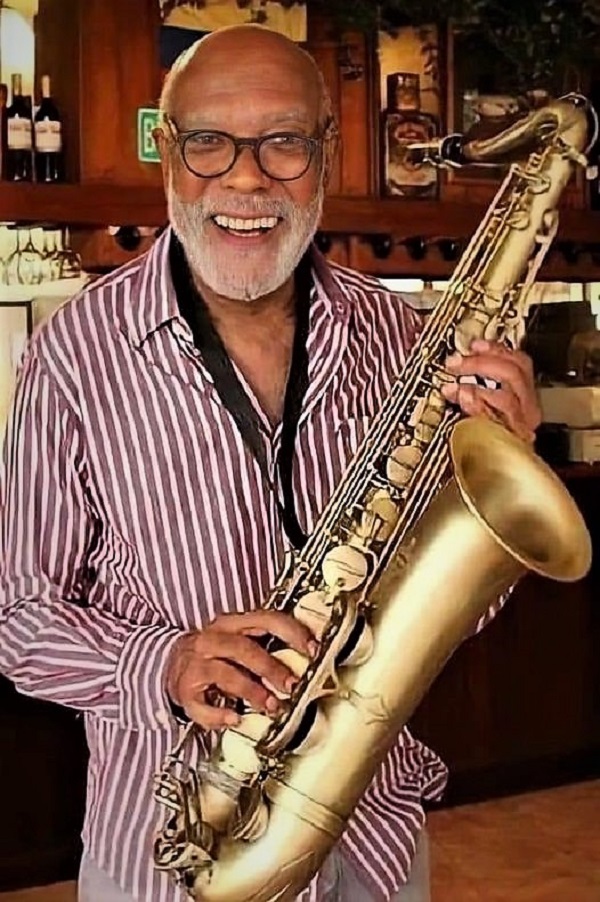
Víctor Cuica was more than just a musician; he was a bridge between two worlds. Born on April 19, 1949, in the iconic Caracas neighborhood of La Pastora, Cuica established himself as a preeminent saxophonist and actor, earning global acclaim for his innovative fusion of Jazz with Afro-Caribbean roots.
His presence defined a golden era in Venezuelan culture, as he shared the stage with legends such as Tito Puente, Paquito D’Rivera, Porfi Jiménez, and Gerry Weil.

Victor Cuica “The Eternal Breath of Latin Jazz and Venezuelan Identity”
Training and First Steps: The Birth of a Style
The journey of this virtuoso—master of the tenor and soprano saxophone as well as the flute—began in 1963 at the Military Music School of La Victoria. His time in the Venezuelan Navy band served as the catalyst for his love of Jazz, leading him to deepen his knowledge of flute, harmony, and composition at the “José Ángel Lamas” Higher School of Music.
His professional career took off in Chucho Sanoja’s orchestra. Shortly thereafter, he joined Oscar D’León’s ensemble. It was actually Cuica who suggested the name “Dimensión Latina” to replace the group’s former name, “Oscar y sus Estrellas,” thereby christening what would become the most iconic salsa orchestra in Venezuelan history.

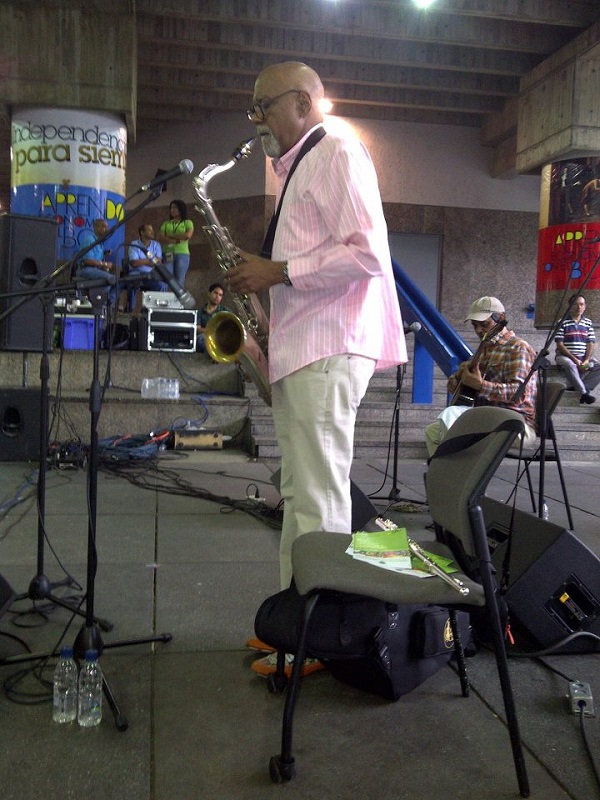
Victor Cuica in concert held on August 22, 2011 in Juan Pedro Lopez Square in Caracas
Latin Jazz: From the Silver Screen to International Stages
By the late 1970s, Cuica expanded his horizons into the “seventh art.” In 1978, he composed and performed the soundtrack for “The Sea of Lost Time” (El Mar del Tiempo Perdido), based on the short story by Gabriel García Márquez. A year later, he solidified his own group, “Víctor Cuica y su Jazz Latino,” debuting to resounding success at the Alcázar Theater in Caracas and gaining international momentum in Costa Rica.
Throughout the 1980s, critics hailed him as the most important innovator of jazz fusion in the region. His talent brought him to historic venues:
- 1981: He triumphed at the “Memphis in May” festival in Tennessee.
- 1982: He performed at the prestigious “Domicile” club in Munich, Germany.
- 1985: He reached a milestone as the leader of the first Venezuelan group invited to the Montreal International Jazz Festival, where he shared the limelight with the legendary vibraphonist Lionel Hampton.
Artistic Maturity and Recognition
In the 1990s, his music reached new academic heights when Maestro Eduardo Marturet composed the work “Music for Six and Sax” specifically for him. It premiered with the Sinfonietta Caracas and represented Venezuela at the 1992 Universal Exposition in Seville.

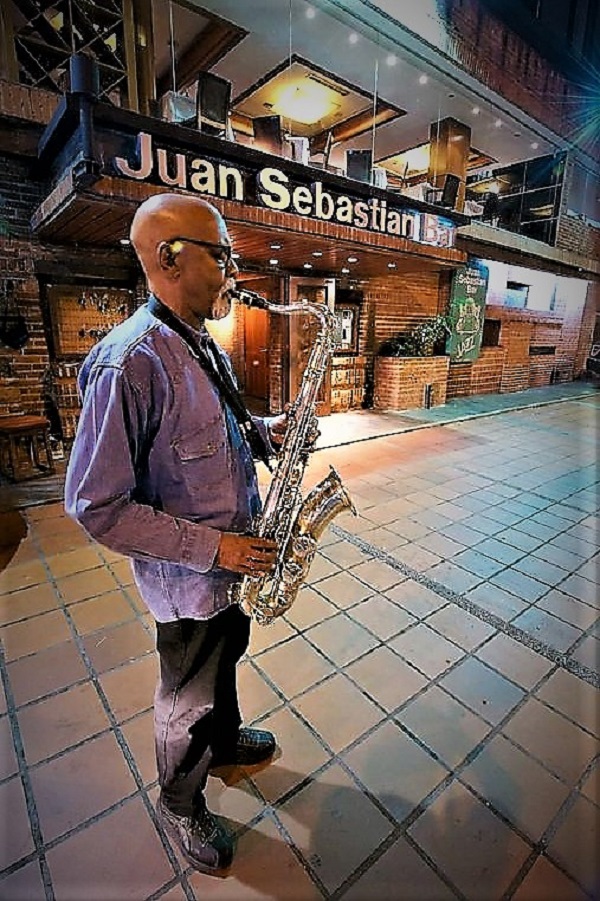
Víctor Cuica was not just a musician; he was a bridge between two worlds. Photograph at Juan Sebastian Bar
His discography, which includes gems such as Que sea para siempre (1984), Noctámbulo (1993), Just Friends (1998), and Los Locos de Caracas (1999), stands as a testament to his versatility. In 1995, the Venezuelan Artist’s Guild (Casa del Artista) honored him as Musician of the Year.
A Farewell with the Flavor of the Streets and Bohemia
Víctor Cuica passed away on Saturday, December 26, 2020, at the age of 71 due to a heart attack. His departure left a void in the film industry, where he starred in memorable films such as Santera (for which he also composed the award-winning soundtrack in 1997), and in the bohemian nights of Caracas, where his saxophone was often the soul of the evening.
A Tribute from His Peers
Multi-percussionist José Hidalgo, known as “El Tokun Mayor,” describes Cuica with words that summarize his essence:
“Víctor Cuica is the finest example of an artist intimately linked to his daily reality and cultural origins, without ever losing sight of the cosmopolitan and universal nature of his musical message. Cuica is the expression of genuine jazz performed with the simplicity of the streets.
Víctor is as authentic in his personal character as he is as an artist. This virtue was his companion as he traveled across numerous international stages, spanning the worlds of music, film, theater, and opera always with the transcendence of a bohemian, simple, and bold minstrel.
Cuica never ceases to surprise us, whether through his voice or the sound of his saxophone an instrument that, with his habitual ingenuity, he turned into a centerpiece of performance through his creativity and versatility.
His talent has graced stages across Europe and the Americas. His work projects far beyond the commercial mainstream and, today, leaves us with a brilliant musical improvisation that is truly beyond compare.”

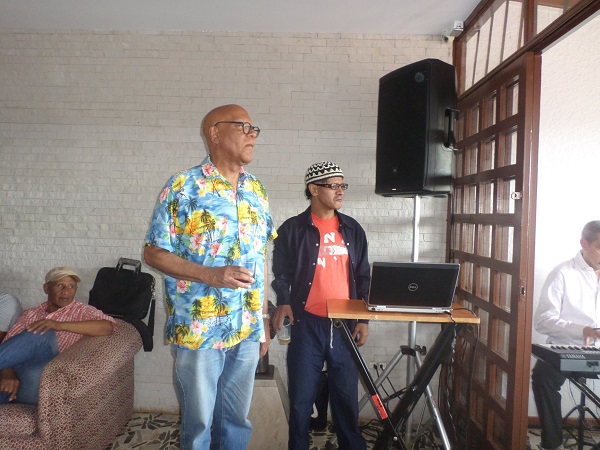
DJ Augusto Felibertt with the one and only virtuoso Víctor Cuica
Today, the name Víctor Cuica remains etched in history as the man who gave Jazz a Caribbean color and gave the Venezuelan saxophone a voice of its own.

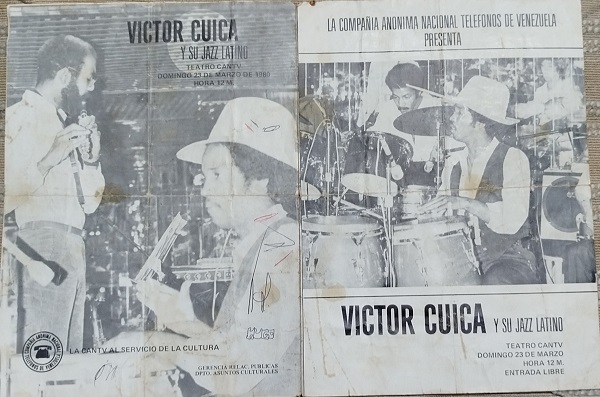
Victor Cuica and his Latin Jazz, March 23, 1980 at the Cantv Theater in Caracas
Also Read: Oscar Rojas Oscar Rojas has 54 years of musical career full of passion, rhythm and flavor
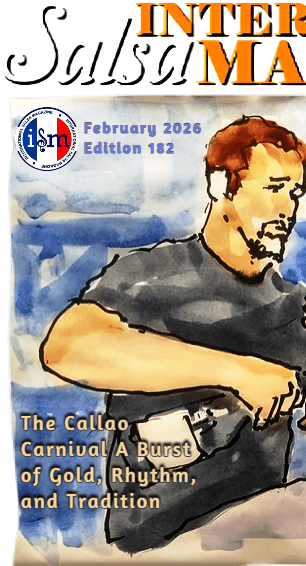
The Callao Carnival A Burst of Gold, Rhythm, and Tradition
The Cultural Heartbeat of Bolívar State
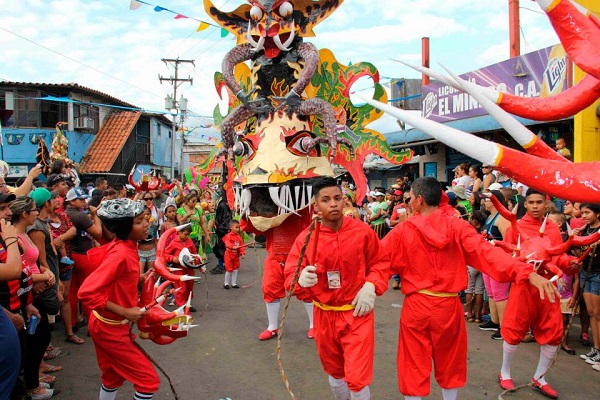
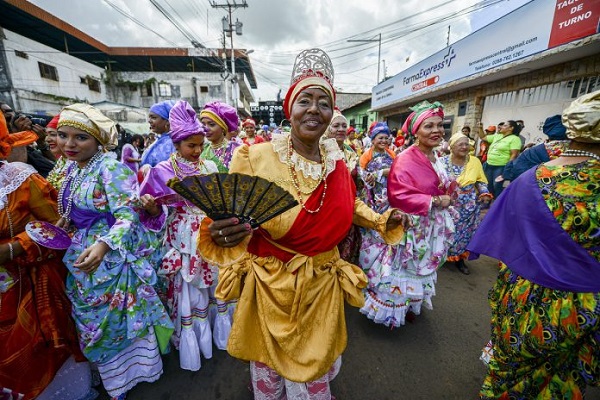
In the mining heart of Venezuela, where gold dictates the pulse of the land, an annual celebration arises that transcends simple festivity: The Callao Carnival.
This is not merely a costume party; it is a living chronicle of resistance, cultural fusion, and joy that has echoed through Bolívar State for over a century. Declared a UNESCO Intangible Cultural Heritage of Humanity in 2016, this festival is the result of a fascinating blend of West Indian, African, and European cultures.

A Journey to the Roots: The Origins of Calypso
The history of this carnival is intrinsically linked to the 19th-century gold rush. Immigrants from the British and French West Indies (Trinidad, Grenada, Saint Lucia) brought with them their languages (patois), their cuisine, and, above all, their music: calypso.
Unlike Trinidadian calypso, Callao Calypso developed its own distinct identity. It is sung in both English and Spanish, accompanied by the bumbac drum, the rallo (metal scraper), the bell, and the Venezuelan cuatro, creating a contagious rhythm that narrates the hardships and hopes of the miners of that era.
Iconic Characters: Guardians of Heritage

What makes the Callao Carnival unique is its colorful and unchanging hierarchy of characters, each carrying deep significance:
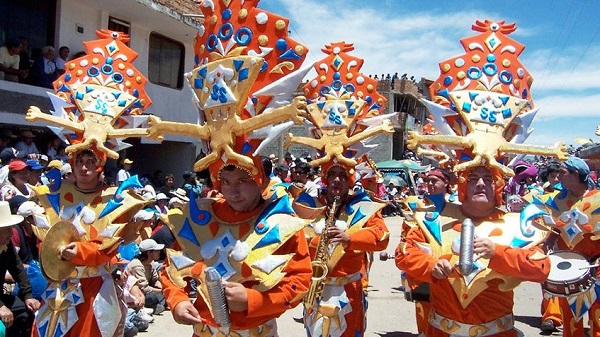
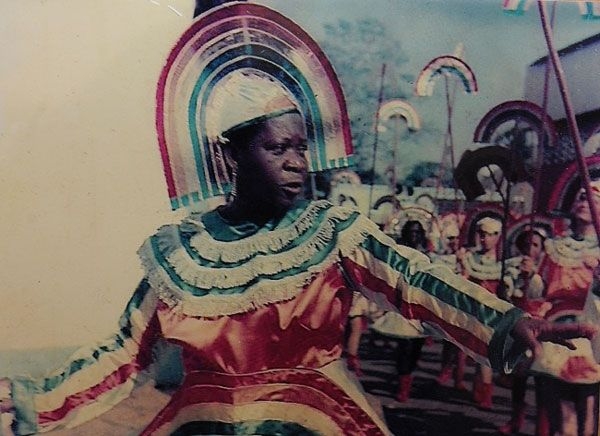
- The Madamas: They are the central figures and pillars of the tradition. They represent the matriarchs of the West Indies, dressed in regal, brightly colored gowns, headscarves (turbans), and abundant jewelry. The figure of Isidora Agnes, the legendary “Negra Isidora,” is remembered as the great defender of this culture.
- The Dancing Devils: Dressed in red and black, they wear impressive masks with multiple horns. Their original role was to clear the path for the parade and maintain order with their whips, symbolizing the protection of the festivities.
- The Mediopintas: Characters who roam the streets smeared in a mixture of charcoal and molasses. With humor, they threaten to “paint” passersby unless they are given a coin (a medio).
- The Miners: Clad in helmets and carrying tools, they pay homage to the region’s primary economic activity and the workers who founded the town.
More Than a Party: An Identity

The Callao Carnival is a prime example of cultural resilience. During the festivities, social barriers dissolve under the sound of the bumbac. Families prepare all year to sew costumes and rehearse songs, passing this legacy from generation to generation.
Visiting El Callao during this time is to immerse oneself in a whirlwind of energy, history, and hospitality, where every parade tells a story and every beat celebrates freedom.
Isidora Agnes: The Eternal Queen Who Turned Calypso into World Heritage.
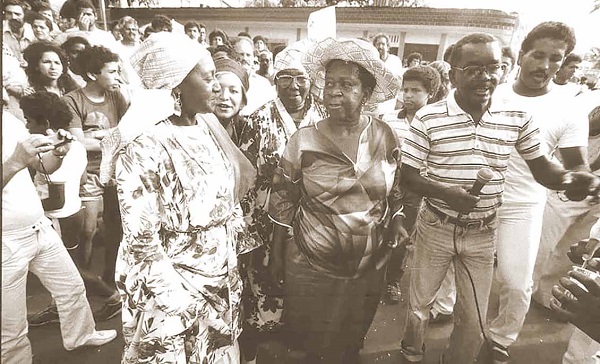
To speak of Isidora Agnes, universally known as “La Negra Isidora,” is not just to remember a figure from the past; it is to invoke the very soul of the El Callao Carnival. She was the vital force who rescued, protected, and championed this tradition until it reached its current status as a UNESCO World Heritage treasure.

A Leader Forged in El Callao
Born on August 17, 1923, Isidora was much more than a festive figure. With a firm character and clear convictions, she stood out as a social leader and labor unionist. Her role as the town’s first telephone operator was no coincidence; this position allowed her to be the town’s communication hub, hearing firsthand the needs and struggles of her people.
With deep West Indian roots (the daughter of immigrants from Saint Lucia and Martinique), Isidora grew up with calypso in her blood, leading her to fiercely defend her identity at a time when the tradition was beginning to fade.
Rescuing a Fading Tradition
In the mid-20th century, the El Callao Carnival was facing an identity crisis and losing ground to outside influences. Determined not to let her heritage die, Isidora launched a cultural crusade:
- Institutionalization: In 1954, she founded the “Friends of Calypso Association,” giving the festival a formal structure.
- Discipline and Aesthetics: She organized the parades under strict standards of authenticity, demanding rigor in costume making and respect for traditional music.
- National Exposure: She took calypso beyond the borders of Bolívar State. Thanks to her, Caracas and the rest of Venezuela discovered the thundering bumbac and the patois choruses.
The “Madama” Par Excellence
While the carnival features many “Madamas,” Isidora became the ultimate icon. She didn’t just wear the dress; she personified the elegance, respect, and stately joy of the figure. Her presence in the streets dictated the rhythm of the entire festival.
Beyond the Dance: Her Social Legacy
“La Negra” Isidora’s commitment didn’t end when the drums were put away. She was a tireless advocate for El Callao. It is said she never hesitated to travel to the Miraflores Palace to demand improvements from the nation’s presidents, achieving milestones such as the installation of the sewage system and the construction of the local hospital.

Facts That Immortalize Her Legend
- The Carnival Anthem: The famous song “Isidora, Isidora, Isidora Callao Calipso Queen,” composed by her close friend Lulú Basanta, is considered the unofficial anthem of the festivities today.
- A Poetic Farewell: She passed away on March 5, 1986. Ironically, it was Ash Wednesday—the day the carnival ends. She was laid to rest with state honors and, as per her final wish, to the rhythm of calypso.
- A Date of Honor: In commemoration of her birth, every August 17th is celebrated as Municipal Calypso Day in El Callao.
Also Read: Samba el baile que despierta el Carnaval en Brasil