• Skip to primary navigation
  • Skip to main content

International Salsa Magazine

  • HOME
  • Previous editions
    • 2026
      • ISM / April 2026
      • ISM / March 2026
      • ISM / February 2026
      • ISM / January 2026
    • 2025
      • ISM / December 2025
      • ISM / November 2025
      • ISM / October 2025
      • ISM / September 2025
      • ISM / August 2025
      • ISM / July 2025
      • ISM / June 2025
      • ISM / May2025
      • ISM / April 2025
      • ISM / March 2025
      • ISM / February 2025
      • ISM / January 2025
    • 2024
      • ISM / December 2024
      • ISM / November 2024
      • ISM / October 2024
      • ISM / September 2024
      • ISM / August 2024
      • ISM / July 2024
      • ISM / June 2024
      • ISM / May 2024
      • ISM / April 2024
      • ISM / March 2024
      • ISM / February 2024
      • ISM / January 2024
    • 2023
      • ISM / December 2023
      • ISM / November 2023
      • ISM / October 2023
      • ISM – September 2023
      • ISM – August 2023
      • ISM July 2023
      • ISM Edition June 2023
      • ISM – May 2023
      • ISM April 2023
      • ISM March 2023
      • ISM February 2023
      • ISM January 2023
    • 2022
      • ISM December 2022
      • ISM November 2022
      • ISM October 2022
      • ISM September 2022
      • ISM August 2022
      • ISM July 2022
      • ISM June 2022
      • ISM May 2022
      • ISM February 2022
      • ISM January 2022
    • 2021
      • ISM December 2021
      • ISM November 2021
      • ISM October – 2021
      • ISM September 2021
      • ISM August 2021
      • ISM July 2021
      • ISM May 2021
      • ISM April 2021
      • ISM June 2021
      • ISM March 2021
      • ISM February 2021
      • ISM January 2021
    • 2020
      • ISM December 2020
      • ISM November 2020
      • ISM October 2020
      • ISM September 2020
      • ISM August 2020
      • ISM July 2020
      • ISM June 2020
      • ISM May 2020
      • ISM April 2020
      • ISM March 2020
      • ISM February 2020
      • ISM January 2020
    • 2019
      • ISM December 2019
      • ISM November 2019
      • ISM October 2019
      • ISM Septembre 2019
      • ISM August 2019
      • ISM July 2019
      • ISM June 2019
    • 2016
      • ISM December 2016
  • Spanish
  • Download Salsa App
    • Android
    • Apple

Search Results for: Héctor Lavoe

Isidro Infante is one of the most successful producers and arrangers in the history of Salsa

Born August 12, 1952, San Juan, Puerto Rico) is a professional pianist, arranger, composer and music producer, working in genres such as Classical Music, Rock, Pop Rock, Latin Ballad, Rock in Spanish, Salsa, Latin Jazz etc.

Isidro Infante is one of the most successful producers and arrangers in the history of Salsa

In addition, he has 5 awards and 47 Grammy nominations and several Billboard projects, Lo Nuestro Awards and Ace & Paoli Awards.

His parents were Dr. Isidoro Infante and Carmen Santiago.

From a young age Isidro was influenced by listening to his father play the violin, getting involved with music at age 14 when he participated in a band that played songs by Santana and Chicago.

At the age of 15 he formed his band “Carpe Diem” (Live Life), a Rock/Salsa group that played Rock’n’Roll, Pop, Salsa and included Tommy Villarini on trumpet, Cuto Soto on trombone and guitarist Manolo Sastre.

With this band Isidro wrote his first arrangement “Tiempo De Ti”.

Two years later, Infante was in charge of the background music for Myrta Silva’s television show.

After taking private piano lessons with the famous pianist Carmen Socorro Duclerc, he studied at the Conservatory of Music of Puerto Rico and at the University of Puerto Rico, obtaining bachelor’s degrees in music and chemistry.

Although he was inclined towards medicine because it was his father’s profession, he decided to delve into music and graduated in composition and arrangements at Temple University in Philadelphia in the late 1970s.

In 1995, Isidro Infante and ‘La Élite’ signed a contract with RMM Records as an exclusive artist. Isidro also signed as A&R director for RMM records.

With him he gained experience, quality and evident success in his productions for the label. His work with La India earned him double platinum sales and a Grammy nomination for their album “Sobre El Fuego.”

Within just four years of its founding, La Élite became a dominant force in the Salsa music industry. The band’s first release earned a gold record as well as awards from AS, Paoli and Diplo.

Isidro Infante He also has 5 Grammy awards and 47 nominations and several Billboard projects, Lo Nuestro Awards and Ace & Paoli Awards.

The hit songs “Que Tengo de Ti,” “Nave de Papel,” “Ganas” and “Has Quedado Retratada” all topped the Tropical Salsa charts.

On Isidro Infante y La Élite II, the group’s second production, Isidro added vocalist Maggie Ramos. This helped him create an album with an exceptional variety of music.

Songs like “Quítame ese Hombre” and “Santo Militar y Montuno” made Isidro Infante a favorite of many.

Along with Louie Ramírez, Infante was credited as one of the creators and pioneers in the Salsa movement. Romantic Salsa.

In 1998, his production “Licencia Para Engañar” was released, which was the result of his creativity and flexibility as a musician. In his orchestra, Isidro Infante y La Élite, Jennifer Jiménez and Guillermo Duval participate as vocalists.

In his first album “Secretos”, Kevin Ceballo made his debut as a soloist in “Licencia Para Engañar”, produced by Isidro Infante.

His work as a producer earned his album “India’s Sola” a Grammy nomination. Venezuelan Oscar D’León also received a nomination for “La Fórmula Original” which Isidro also produced.

Isidro’s commitment to everything related to the Latin community prompted him to produce the event “Canto Para La Guaira”.

The concert was held with the purpose of raising funds for the victims of the disaster that affected thousands in Venezuela and thus “Poliedro de Caracas” has been filled to full capacity.

Among the RMM artists who performed were Kevin Ceballo, Ray Sepúlveda, Cheo Feliciano, Tito Nieves, Roberto Avellanet, Michael Stuart and Tony Vega.

In 1981, Ramírez and Infante were approached with the idea of ​​producing an album of famous ballads with Salsa arrangements.

Both found the project interesting and ambitious, so they accepted the challenge. Isidro added his experience in the field of ballads, acquired through his work with José Luis Rodríguez, Camilo Sesto and Yolandita Monge, to Ramírez’s knowledge of Latin jazz.

The result was “Noche Caliente”, the first album in the genre to sell over a million copies.
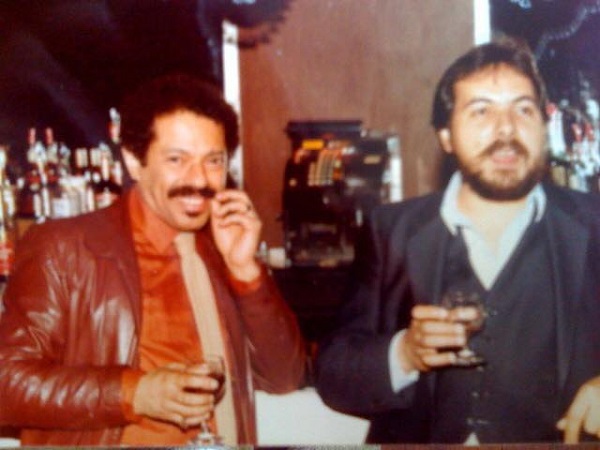
Memories at El Corso Night Club in New York City with my friend and mentor, Master Louie Ramirez, producer, arranger, vibraphonist, timpanist, marimba player

Isidro Infante is one of the most sought-after arrangers in Salsa.

Venturing into a genre other than salsa, he also participated in Willennium, Will Smith’s most recent recording where Isidro played piano and keyboards.

Isidro Infante was working with artists such as Stevie Wonder, Herb Alpert, Gloria Estefan, Dizzy Gillespie, Dionne Warwick, Patty La Belle, Will Smith, Wyclef Jean, Clark Terry, Jon Anderson & Yes, Vangellis, Sheila E., Tito Puente, Celia Cruz, Machito, Marc Anthony, La India, Fania All-Stars, Oscar D’Leon, Hector Lavoe, Willie Colon, Larry Harlow, Roberto Roena, Johnny Pacheco, Pete El Conde Rodriguez, Louie Ramirez, Ray De La Paz, Jose Alberto “El Canario”, Adalberto Santiago, Eddie Santiago, Lalo Rodriguez, Paquito Guzman, Marvin Santiago, Domingo Quinones, Camilo Azuquita, Kako, Rafael Cortijo, Ismael Rivera, Manny Manuel, Raul Marrero, Vitin Aviles, Papaito, Tony Vega, Puerto Rico All Stars, Ralphy Leavitt & La Selecta, The Latin Corporation, Jose Mangual Jr,Jr. Gonzalez, Ramon Rodriguez,Orquesta La Terrifica, German Olivera, Wichy Camacho, Johnny Ventura, Sergio Vargas, Cuco Valoy, Ramon Orlando, Los Hermanos Rosario, Los Niches, Los Fabulosos Cadillacs, Little Louie Vega, Robert Avellanet, Michael Stuart, Yanko, Kevin Ceballo Danny Rivera, Sophy, Mirta Silva, Ivy Queen, Tego Calderon, Mickey Perfecto, TNT and many more.

Among his compositions are “Viejo Pachanguero”, “Vicio de Quererte”, “Esa Niña” etc.

With more than 2,500 arrangements in his resume, Isidro is one of the most successful producers and arrangers in the history of Salsa.

Isidro Infante has been working for major record labels such as Sony BMG (Epic, Sony Discos, Sony International, etc.), Universal EMI Capitol TH Records Salsa International Velvet (Venezuela), Co Discos (Colombia), J&N Records, Univision Poligram, Luna Records Fonovisa, Sono Tone, Caiman Records, Faisán Records, GB Records, Ibero- Records, Salsoul Records and many more.

Isidro Infante produced the Special for Banco Popular 2010: Truibuto Al Gran Combo on CD & DVD which achieved platinum sales.

The project included the participation of El Gran Combo, Ismael Miranda, La India, José Alberto, Isaac Delgado, Michael Stuart, Domingo Quiñones, NG2, Luisito Carrión, Sammy García and El Sabor de Puerto Rico.

He was sharing the Fania All-Stars as musical director with maestro Johnny Pacheco in several concerts throughout Latin America and was involved in musical projects with the Mexican singer-songwriter Juan Gabriel.

In 2010, Isidro Infante and Iván Joy established the new company Artist System Inc. which is in collaboration with Diamond Music and has gained important positions in the market of digital production and promotion and also has a lot of experience in the creation and management of digital content.

Con India y La Cantante cubana, Laritza Bacallao

The company is working with such artists as Isidro Infante, Lucecita Benítez “La Voz Nacional De Puerto Rico”, Lunna, Lourdes Robles, Conjunto Canayón, Сorporación Latina, Manolo Lezcano, Lou Briel, Jowell & Randy, Arcángel, Tego Calderón, Jadiel, Endo, Guelo Star, Kastrofobia, Los Metalicoz and many more.

Awards

5-time Grammy winner

47 Grammy nominations and several Billboard projects

Premios Lo Nuestro and Ace & Paoli Awards.

Also Read: Ezequiel Lino Frías Gómez was an excellent musician, pianist, arranger and composer.

Source and Collaboration: Marino de Jesus (1588) from Salsa History of the Dominican Republic

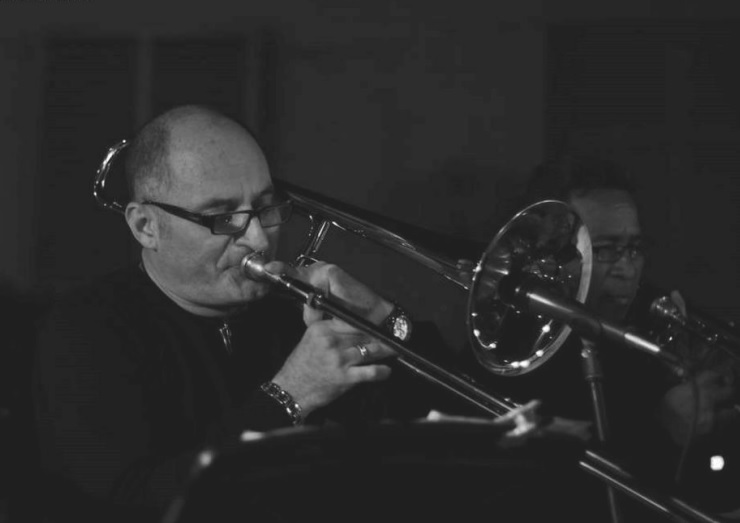
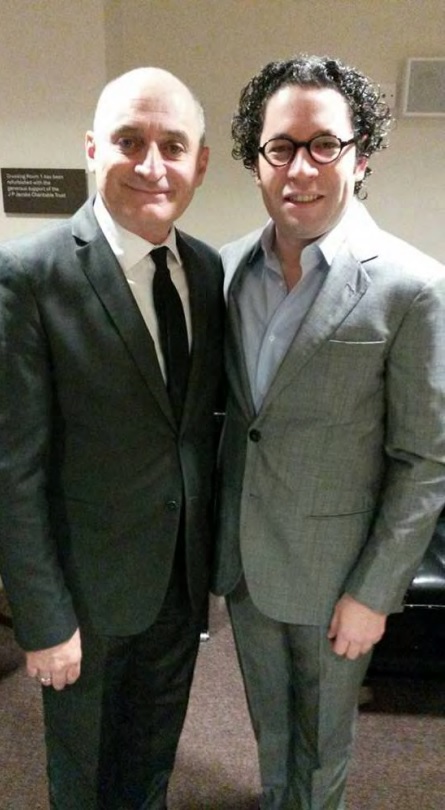
The Dudamel | Father and son

Latin America / Venezuela / Caracas

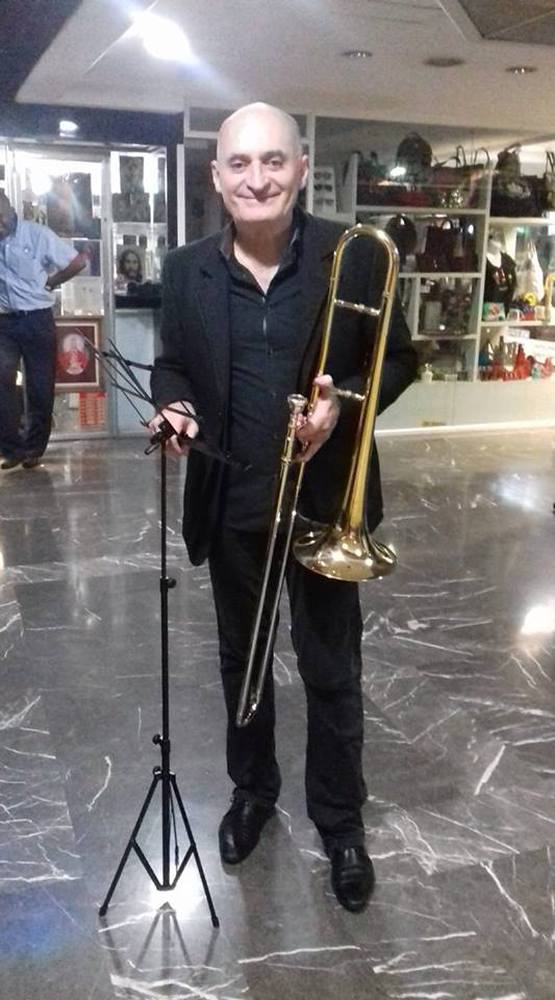
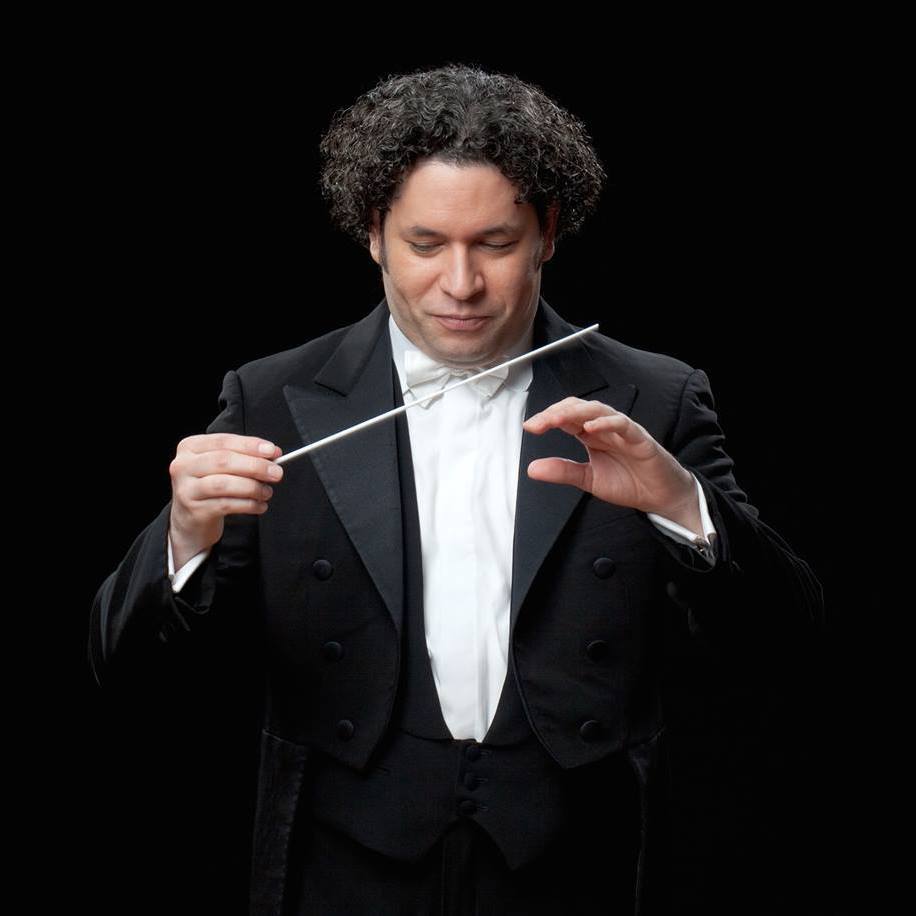
Oscar Dudamel, the father of Gustavo Dudamel, director of the Los Angeles Philharmonic Orchestra and the Simón Bolívar Orchestra of Venezuela, has been a musician for many years. Every Friday and Saturday, he receives applause from the public in the place where he plays the trombone since a small stage with “La Otra Banda de Dudamel” the Agraz ensemble, a salsa group whose main course is the songs of the duo made famous by Héctor Lavoe and Willie Colón.

Dudamel Padre e Hijo
Dudamel Father and Son

On Sundays, Oscar Dudamel has to be on the other shore and applaud standing up, as parents do, swollen with pride at the talent of their son who, with baton in hand, conducts a world-renowned Symphony Orchestra and if he think about it, his musical vein germinated from the brass bands of charanga, salsa and guaguancó.

After 10 at night it is difficult to find a place in “The Temple of Salsa”, the tickets are not sold out, but the tables and the best stalls of this place located on 7th Street that crosses Bolivar Avenue in Maracay, there fanatics and amateur dancers meet. of salsa and logically admirers of Héctor Lavoe and Willie Colón

Oscar Dudamel on the trombone is accompanied by Charly Guzmán, a talented young man who, at just 18 years old, shows the gifts of his voice; Oswaldo Agraz (musical director, piano and backing vocals), Gerardo Vargas (bass), Vicente Guzmán (timbale), Júnior Narváez (bongo), Diego Camus (conga and backing vocals), Ventura Prieto (trombone) and Johan Figueroa (alternate trombone). It is about the same format, instruments and identical distribution (the trombones next to the vocalist) of the orchestra that captivated him.

Dudamel father playing trumpet

And it is that music often also enters through the eyes, as Oscar Dudamel says, who knew he wanted to be a trombonist when he saw Willie Colón at La Feria de la Alegría holding his instrument while puffing out his cheeks, in that In this way, it is known that the first approach of the today brilliant, young and valued Orchestra Director Gustavo Dudamel to music, was not appreciating the Tchaikovsky that he likes to conduct so much, on the contrary, it was appreciating the music that came out of the trombone of his beloved dad.

The previous June, Oscar paid homage to Hector Lavoe as usual, for commemorating years of his death. “Héctor Lavoe died on Monday, June 29, 1993 at 11:45 in the morning”, an event that he remembers with the accuracy that sad events mark, but despite the pain, with satisfaction and pride, he mentions that his son Gustavo de Only 29 years old, before entering the stage he repeats a special ritual: “Before entering New York to direct, someone asked Gustavo: ‘“Master, what are you listening to? Tchaikovsky? and Gustavo replied: ‘No, Tito Rodríguez because he gives me swing'”.

If someone were to say that Gustavo Dudamel owes a debt to Willie Colón and Héctor Lavoe for his vocation as a musician, he would not be wrong, or acknowledge his father, who has often referred that his son’s versatility is due to the fact that he always listened to popular and classical music. . “I listened to more salsa than Beethoven, that’s why it has so much rhythm,” he says with a laugh.

Dudamel Padre
Dudamel Father

“I am his number one fan. He fulfilled the goals that I, due to various circumstances, could not fulfill, he made the dream that I wanted come true. He has reached where I would have liked”, reveals the father, who sees in his son an extension of his, “ .

In a life marked by music, a soundtrack for falling in love could not be missing. It was during the visit of El Gran Combo de Puerto Rico to Barquisimeto in the late 1970s that Oscar noticed Solange Ramírez, his wife and Gustavo’s mother; Today, 30 years later, when Falsaria sounds in Maracay, the song leads him to remember that indelible moment.

Gustavo Adolfo, as his mother calls him, began playing the güiro before he was four years old; later he would build his own battery out of biscuit tins and safety helmets.

Dudamel Padre e Hijo photo
Dudamel Father and Son photo

Gustavo received his first knowledge of music from his father, who was then a trombonist with the Lara Symphony, who had plenty of passion to play and lacked patience to teach. He wanted to be a trombonist, like his father, but his small arm could not reach the instrument.

“I imagined that Gustavo was going to be a musician,” he says. “I told him: ‘You have to be the best or among the best and never lose your principles or forget where we come from.'”

At the age of seven Gustavo played the timpani with La Banda Actual and at the age of nine he arranged for this salsa orchestra in which Oscar played for 16 years and with which he met again after many years.

Gustavo Dudamel
Gustavo Dudamel

Gustavo decided on the violin, an instrument that adjusted to his size, and at home, father and son had the habit of studying while walking. There were times when one would bend down for the other to pass, so that the slide of the trombone and the bow of the violin would not trip over each other. However, popular music and academic music finally made their own meeting.

Oscar does not shake his hair, but he inflates his lungs with force and from that mouth-to-mouth breathing with his instrument, he manages to get the best out of it…. The father speaks of his salsa orchestra with the same pride that the son (Gustavo) does of his classical musicians.

Leo Mendoza and “El Sonero Natural”

Latin America / Venezuela / Caracas

Get to know the new song “El Sonero Natural” by Leo Mendoza

Did you know that great international musical talents have emerged in Venezuela? This is due to the fact that in this Latin land, the seasoning is experienced, the joy is experienced, the desire to excel is seen, they demonstrate their talent to all those who see and listen to them. In this opportunity, we have a new talent to present; Meet the Caracas musician Leonardo Mendoza, also known as “Leo Mendoza”.

He tells us that since he was a child he felt a deep inclination for music, specifically salsa, this was because his father Héctor Mendoza, a record collector, was always putting on music, from salsa bands such as: Johnny Pacheco, Héctor Lavoe, Oscar D León, Rubén Blades, Willie Colon, among others.

Leo Mendoza and “El Sonero Natural”

This was only the first indication of his inclination and dedication to music, especially to singing in the salsa genre, practicing his favorite artists even within his family gatherings; Starting in 2008, he joined the group “Salsa Son y Fuego”, where he worked for 2 years, and thus continued his path of musical training until in 2016, participating in a festival organized by the Mayor’s Office of Caracas, he competed with a theme of his authorship entitled “Sonero al Natural” receiving the ovation and acceptance of the viewing public.

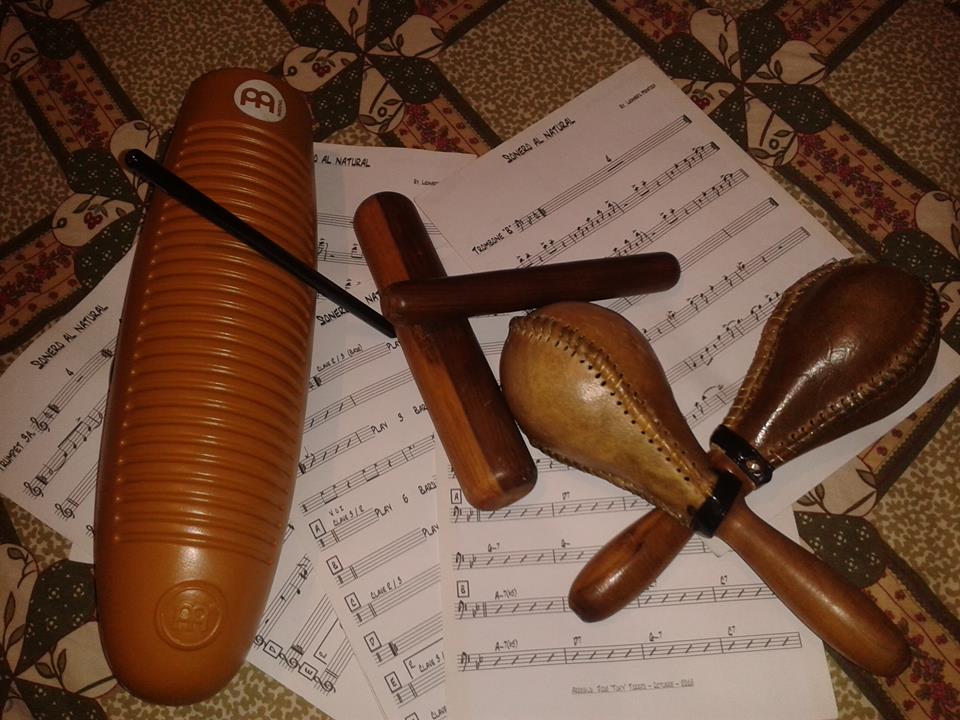
Intruments of Leo Mendoza and “El Sonero Natural”

The qualifying jury was made up of Mariana Guevara the “Sonera de Venezuela”, Cheo Valenzuela “El Sonero de la Dulzura”, Juan José “el Indio” Hernández and the teacher Andy Durán, with their participation he managed to achieve 3 mentions, best unpublished song, 2nd place as interpreter and best arrangement of the song “Sonero al Natural” by Maestro José “Tuky” Torres, on this occasion he presents his first single “Sonero al Natural”, which is an invitation to good rumba and feeling sonero… If you want to know more about Leo Mendoza or his new musical theme, find out through:

  • Instagram: @lendozab
  • Twitter: @lendozab
  • Facebook: Leo Mendoza
  • Email: [email protected]
  • Phone: +58 424-1420962
  • YouTube of “Sonero Natural” https://www.youtube.com/watch?v=83cXHeQXO0E&feature=share


Rubby Haddock is one of the greatest exponents of our most danceable Latin Music in the Island of Enchantment

Our orchestra was born at the end of 1969, year in which we also began to record the 1st production “Presenting” which was released at the end of 1970.

Many talented musicians have passed through our orchestra such as Juancito Torres, Mario Ortiz, Rey Santos, Frank Morell, Hugo Dumont and many more that we will mention later.

Rubby Haddock is one of the greatest exponents of our most danceable Latin Music in the Island of Enchantment

Singers such as Sergio Cariño, Juan Acosta, Raul Carbonell Jr., Tony Rivas, Cucho Caro, Andres Reyes, Pedro Arroyo, Ricky Ramos, Tito Gomez, Yolanda Rivera, Eddie Rosario and Johnny Maldonado.

Rubby Haddock is one of the greatest exponents of good Latin music. His orchestra is known as one of the most danceable “Big Bands” on the Island.

He is called “El Maestro” by his followers and fellow artists. Because of his long artistic career, exposed to the world of show business, Rubby has become one of the best connoisseurs in the history of Latin music.

Born in Manhattan, New York on February 6th to Puerto Rican parents. His mother lived in Miami most of her life and in the late 60’s his father, Ruben Haddock who was a musician in New York, founded the most famous Dance Club in Puerto Rico, MIRAMAR CENTER when he owned El Club Coameño in Rio Piedras and El Club Caborrojeño in Bayamon.

A glorious time where his Producer Father brought to the Island of Puerto Rico the biggest stars of Latin music such as: TITO RODRIGUEZ, TITO PUENTE, LA LUPE, EDDIE PALMIERI, RICKY RAY, JOEY PASTRANA, JOE CUBA, WILLY COLON, HECTOR LAVOE, LARRY HARLOW, ISMAEL MIRANDA, CHIVIRICO DAVILA, TNT BAND among others, besides being manager and producer of ROBERTO Y SU NUEVO MONTUNO.

Rubby Haddock grew up with his father as a teenager in Puerto Rico within the entire business operation of Don Ruben, knowing these top stars of our music and hence the vein of musician and producer during his artistic career and experience in show business.

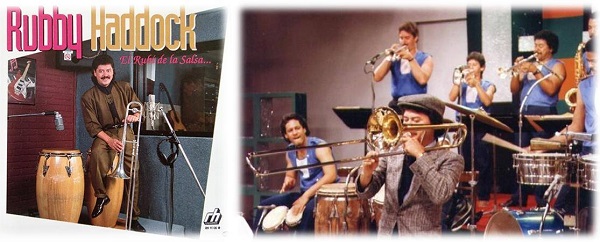
Celebrating the Rubi of Salsa Rubby Haddock. One of the greatest exponents of good Latin music

Rubby Haddock studied piano but showed that his passion was playing trombone.

For the years 1972 under the label UNIART, Rubby Haddock launches his first record production, “PRESENTING ORCH HADDOCK” becoming a powerful hit on the Island with the musical cut MONACILLO Y CORREA COTTO as some of the hits of this production.

In this first stage of Rubby’s musical career are among the different recordings: “PRESENTING”, “ASI ME LLAMAN”, “LA LEYENDA”, “DE REGRESO”, “UNLIMITED”, “2ND CONCIERTO FAMILIA TH”, “THE ENTERTAINER”, “THE ENTERTINER 2”, “OTRA VEZ”, “SALSA TROPICAL”, “EL RUBI DE LA SALSA”, “PASAPORTE MUSICAL”, “EL RUBI DE LA SALSA” and “PASAPORTE MUSICAL”.

In the second stage of his career, in 1978, when Rubby was the most popular in Puerto Rico with the song “Son Los Nervios”, one of the songs that propelled merengue on the island, Rubby surprised everyone by joining the U.S. Armed Forces in San Antonio Texas and Washington State, where in addition to completing medical courses, he also completed his Bachelor of Music Education at the Universities of Puget Sound and Pacific Lutheran.

In the 9th Infantry Div. Rubby became a member of the 9th Infantry Division Band where in addition to the Division Military Orchestra, Rubby most enjoyed the experience of being a member of the JAZZ ENSEMBLE BAND and the Big Band Jazz.

It didn’t take long for some of these great musicians to come and join Rubby’s Orchestra… At the request of a great Puerto Rican friend, and high ranking Army officer Eddie Velez, Rubby agreed to form his Orchestra back in Tacoma Washington State.

Remembering beautiful moments lived outside of his homeland until 1980, when he returned to Puerto Rico for a recording contract with the firm TH RECORDS, In this “come-back” in his return to Puerto Rico for the 80’s Rubby produces one of his most successful works: “De Regreso” with songs like: A Mi Jibarita, El Amor, Maria Teresa, Sra. Temptation with singers Raul Carbonell and Tony Rivas.

At the end of the 80’s Rubby Haddock ventured into Puerto Rican television, Wapa TV and Telemundo Channel 2, as producer of shows such as “Un puertorriqueño para la Historia (José Feliciano)”, New Year’s Eve Specials, etc.

Rubby Haddock y Sus Amigos, where the most prestigious artists such as: José José, José Feliciano, Mongo Santamaría, Barry Rogers, Eddie Palmieri, Julio Angel, and many more paraded in this section produced within the Midday Show. …. This show remained on the air for five and a half years.

Rubby Haddock
Rubby Haddock

By 1992 Rubby Haddock y su Orquesta represented Puerto Rico in the Puerto Rican Pavilion at Expo 1992 in Seville, Spain.

In the mid 90’s, although Rubby still continued as the Director of his Orchestra, he also ventured as an Entrepreneur with his own commercial Advertising Agency, where in addition to directing the entire operation of the agency Haddock & Haddock Adv, he was also the Creative, being in charge of all the production of Radio, Press and Television commercials for all the clients of the Agency.

By that time Rubby had already founded his own Recording Studio (Pentagrama Round), where he produced his three most recent productions of this decade in addition to sharing recordings for artist friends such as: Omar Alfano with Son By 4, it was from this studio that hits such as “A puro Dolor” were released.

His recording engineer was the outstanding engineer Sonny Hernandez. With him he shared works with artists such as: Danny Rivera, Andrés Jiménez, Ismael Miranda, Elvis Crespo, Melina León, Edwin Colon Sayas, Trió Borinquén, and others.

In 2000 Rubby moved to the United States where he currently lives. His fans constantly ask him to re-form his Orchestra because they miss his music and they also ask him for a compilation of his hits and a “Historia DVD” exposing the History of his Salsa, which seems to be Rubby Haddock’s next endeavor as an Artist.

Rubby has 3 sons, the first 2 Reuben Haddock and Rubby Haddock Jr, dedicated their careers to the business world and his youngest son Randy Haddock, who currently lives in New York, is a musician, singer and composer, already demonstrating great talent and the vein that comes from Don Ruben (grandfather) and Rubby (his father).

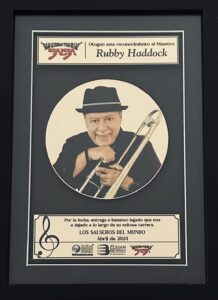
A very special thanks to Edgar Berrio and all the staff of Las Leyendas Vivas De La Salsa #8 for this great recognition, on behalf of Rubby Haddock and his family

Sources:

https://www.rubbyhaddock.com/news

pequi34 via Musica.com

Also Read: Jerry Ferrao says in salsa key: “My life is a drum”.

Pedro ”Pocholo” Segundo supports the Spaha Harlem Salsa Museum

At the Spanish Harlem Spaha Museum we always welcome the best of Latin music and, on this occasion, we could not stay behind, so we are glad to have had the opportunity to share with one of the best percussionists of the moment, Pedro Pocholo, who has a very interesting career that we will review below.   

Pocholo signing his album
Pedro ”Pocholo” Segundo signing a copy of his album ”A Guapetear” in 2022

Who is Pedro ”Pocholo” Segundo? How were his beginnings in music like?   

Pedro ”Pocholo” Segundo is an important producer and percussionist who has made a recognizable name in the Latin music industry thanks to his participation in some of the most critically acclaimed salsa and jazz orchestras.   

In music, it all started for him at the young age of 13, which is when he began playing with Ismael Miranda, representing the formal beginning of his professional career as a teenager. His efforts fortunately paid off, since a few years later, he was playing with Andy Montañez.   

In 1988, he joined Johnny and Ray’s group, causing him move to New York City, a place that gave him the greatest opportunities he would ever have in the artistic area. He became so well known for his skills as a percussionist that he was sought after by many artists to play with them such as Celia Cruz, Héctor Lavoe, Andy Montañez, Tito Rojas, Tito Nieves, José Alberto ”El Canario”, David Pabón, among many others.  

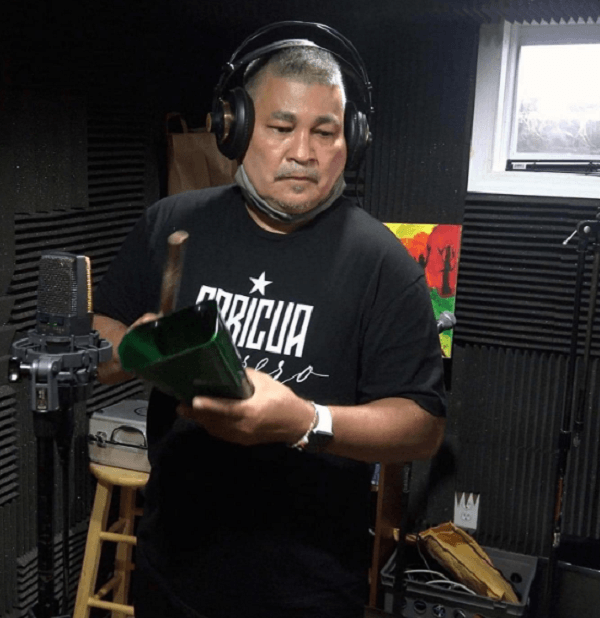
Pocholo playing the cowbell
Pedro ”Pocholo” Segundo playing the cowbell in his studio

Important things Pedro ”Pocholo” Segundo has done in his career 

Pedro ”Pocholo” lived many peak moments in the musical aspect, but without a doubt, the possibility to play to former presidents Bill Clinton and Al Gore with Celia Cruz and ”El Rey de Los Timbales” Tito Puente has been extremely important to his prestige as an artist, so he just went for more and more.    

This performance would not be the only collaboration he would have with Puente, as he also joined his talent to that of the timbalero in the DVD entitled ”Live at Manhattan Center” and traveled with him, The Big 3 Orchestra and Jimmy Bosch’s group to several countries in South America, Central America and Europe.   

Sometime later, in partnership with vocalists Carlos Santos and José Peña, Pocholo formed the group Madera Fina, with which he and his two fellow musicians managed to place some hits such as ”Guarimbo”, ”Palo de Son”, ”Desde Que Te Casaste”in very good places on the charts. They also went to Puerto Rico to promote the group and seek the support of local media such as La Mega 97.9 FM, being this radio station very important in the dissemination of these musicians’ work.   

Thanks to the experience gained from belonging to Madera Fina, Pocholo was more than ready to face bigger musical challenges, which led him to take on the creation, production and percussion of Boricua Legends, which has become one of the most popular New York orchestras of the moment.   

One of the best years of Boricua Legends was undoubtedly 2015, which was when it released its own version of ”Si Por Mi Llueve”, a song that was part of the world-renowned Cheo Feliciano’s repertory.  He also took second place in the GenGenSalsa Top 70 chart and eighth in the LatinosUnidosOnline chart.   

Pocholo performing live
Pedro ”Pocholo” Segundo during a live performance

Pocholo supports the Salsa Museum   

As many other Latin artists, Pocholo also supported the Spaha Harlem Salsa Museum and was a special guest on The Johnny Cruz Show to talk with the host and director of the museum, who was very pleased to welcome him on his show.   

In a video uploaded to Johnny Cruz’s social networks, the host can be seen introducing his guest and saying that they would talk about a number of very interesting topics, such as the beginning of his career, the founding of Boricua Legends and much more. Then, Cruz asks Pocholo to greet the audience and the musician, who was decked in a grayish suit and pink shirt, invites people to tune in to the show and assures them that they will talk about important things such as Latin music in New York and Puerto Rico.   

Finally, Johnny closes by saying that viewers can enjoy the show from 3:30pm to 4:30 every Saturday on channel 67 and says goodbye with the song ”La Fama” by Héctor Lavoe playing in the background. 

Johnny Cru ISM corresponde in New York City

Read also: Here we have Brazilian bandleader and composer Paula Maya 

  • « Go to Previous Page
  • Page 1
  • Interim pages omitted …
  • Page 6
  • Page 7
  • Page 8
  • Page 9
  • Page 10
  • Interim pages omitted …
  • Page 28
  • Go to Next Page »

International Salsa Magazine (ISM) is a monthly publication about Salsa activities around the world, that has been publishing since 2007. It is a world network of volunteers coordinated by ISM Magazine. We are working to strengthen all the events by working together.