• Skip to primary navigation
  • Skip to main content

International Salsa Magazine

  • HOME
  • Previous editions
    • 2026
      • ISM / May 2026
      • ISM / April 2026
      • ISM / March 2026
      • ISM / February 2026
      • ISM / January 2026
    • 2025
      • ISM / December 2025
      • ISM / November 2025
      • ISM / October 2025
      • ISM / September 2025
      • ISM / August 2025
      • ISM / July 2025
      • ISM / June 2025
      • ISM / May2025
      • ISM / April 2025
      • ISM / March 2025
      • ISM / February 2025
      • ISM / January 2025
    • 2024
      • ISM / December 2024
      • ISM / November 2024
      • ISM / October 2024
      • ISM / September 2024
      • ISM / August 2024
      • ISM / July 2024
      • ISM / June 2024
      • ISM / May 2024
      • ISM / April 2024
      • ISM / March 2024
      • ISM / February 2024
      • ISM / January 2024
    • 2023
      • ISM / December 2023
      • ISM / November 2023
      • ISM / October 2023
      • ISM – September 2023
      • ISM – August 2023
      • ISM July 2023
      • ISM Edition June 2023
      • ISM – May 2023
      • ISM April 2023
      • ISM March 2023
      • ISM February 2023
      • ISM January 2023
    • 2022
      • ISM December 2022
      • ISM November 2022
      • ISM October 2022
      • ISM September 2022
      • ISM August 2022
      • ISM July 2022
      • ISM June 2022
      • ISM May 2022
      • ISM February 2022
      • ISM January 2022
    • 2021
      • ISM December 2021
      • ISM November 2021
      • ISM October – 2021
      • ISM September 2021
      • ISM August 2021
      • ISM July 2021
      • ISM May 2021
      • ISM April 2021
      • ISM June 2021
      • ISM March 2021
      • ISM February 2021
      • ISM January 2021
    • 2020
      • ISM December 2020
      • ISM November 2020
      • ISM October 2020
      • ISM September 2020
      • ISM August 2020
      • ISM July 2020
      • ISM June 2020
      • ISM May 2020
      • ISM April 2020
      • ISM March 2020
      • ISM February 2020
      • ISM January 2020
    • 2019
      • ISM December 2019
      • ISM November 2019
      • ISM October 2019
      • ISM Septembre 2019
      • ISM August 2019
      • ISM July 2019
      • ISM June 2019
    • 2016
      • ISM December 2016
  • Spanish
  • Download Salsa App
    • Android
    • Apple

Search Results for: Latin Jazz

NOTICIAS CON SABOR on June 2022

The latest of salsa in the Bay Area of San Francisco

Someone to look out for is percussionist/bandleader/catalyst Javier Navarette who has been creating a serious buzz with his new group Javier Navarette and His Socially Distant Friends which features a “who’s who” of stellar Bay Area talent including esteemed violinist Anthony Blea, vocalist/percussionist Hector Lugo, rising star on the guitar, Kai Lyons, bassist Ayla Davila, percussionist Jesse Weber and charter members such as tresero/guitarist Camilo Landau, NY based trombonist and Javier’s brother Raul Navarette and PMO vocalist Chriselle Durandy.  Navarette and friends play an intoxicating brew of danceable Salsa, Cuban descarga, Rumba, Afro-Cuban folklore, Bomba, Timba and Latin Jazz played superbly by this all-star ensemble that have impressed large audiences at Carnaval San Francisco, the UC Theatre, Rocky’s Market and other festivals and hot spots.

Navarette is also currently a member of the hot Bobi Cespedes Band and was formerly a member of renowned bands such as Charanson, La Mixta Criolla, Linda Tillery and the Cultural Heritage Choir among others.  He has established himself as one of the SF Bay’s rising stars….a rumbero with excellent chops, taste and well versed both in the Cuban and Puerto Rican culture and heritage.  Navarette also has taught in the classroom spreading the knowledge to younger grade school children in the Bay Area.  Navarette is also booking the popular Modupue Sundays series at Rocky’s Market in Oakland.  Go Javier!! 
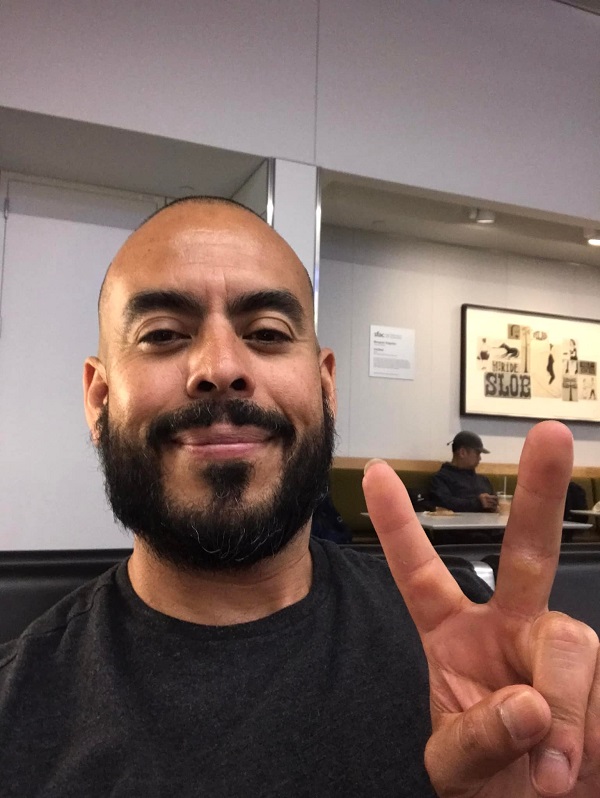
Javier Navarrette from Javier Navarrette and His Socially Distant Friends

The Western Region Puerto Rican Council will once again present their “El Dia De San Juan” Salsa Festival on Saturday, June 18, 11 am to 7 pm at Swiss Park, 5811 Mowry Avenue in Newark.  Headlining the show will be Frankie Vasquez “El Sonero Del Barrio”.  Vasquez is considered one of the finest soneros in the business today.  With a star studded career that includes working with Manny Oquendo and Libre, Spanish Harlem Orchestra, Los Soneros Del Barrio, Pedro Bermudez, Doug Beavers and many others, Vasquez displays his art of the soneo, his distinctive vocal tone always backed up by a swinging band on record and live.  Also appearing for the first time will be Izis La Enfermera De La Salsa from Puerto Rico, Gambizi & Dos Four hot from Carnaval SF, Hip Hop Jibarito, Orquesta Saboricua and Rinkinkaya playing Bomba, Plena and Jibaro music and DJ Santos Lopez.  For more information, go to wrprc.org!

SF JAZZ and the San Francisco Jazz Festival are featuring an impressive array of Salsa, Cuban and Latin Jazz starting Wednesday June 8 with Pacific Mambo Orchestra.  Followed by Gonzalo Rubalcaba and Grammy nominee Aymee Nuviola 6/9; Chucho Valdes with Dianne Reeves and Joe Lovano 6/12; Changui Majadero 6/13, Danilo Perez Global Messengers 6/14; Issac Delgado’s Con Tumbao Project w/Miguel Zenon, Oscar Hernandez, Pedrito Martinez, Alain Perez, Tony Succar and more 6/18.  SF JAZZ and Stanford University also co-presents two legends: Piano master Eddie Palmieri and trumpet phenom Arturo Sandoval at Stanford’s Frost Amphiteater on July 23.  Info: www.sfjazz.org.

The new hot spot for live music on Thursday’s is Charley’s LG, 15 N Santa Cruz Avenue in Los Gatos featuring the following for June: Orquesta La Moderna Tradición on 6/2; Carlos Xavier and his band 6/9; Edgardo Cambon and Candela 6/16; Son Y Clave from Los Angeles on 6/23 and Julio Bravo and Salsabor on 6/30.  Presented by your friends at International Salsa Magazine and World Salsa Radio.  Yours truly, Luis Medina from KPFA/WorldSalsaRadio.com will be your MC and DJ for the evening.  WSR’s El De La Clave SF-Felipe Martinez will give dance lessons starting at 8 PM.  Get a discount on your advance tickets by visiting charleyslosgatos.com.
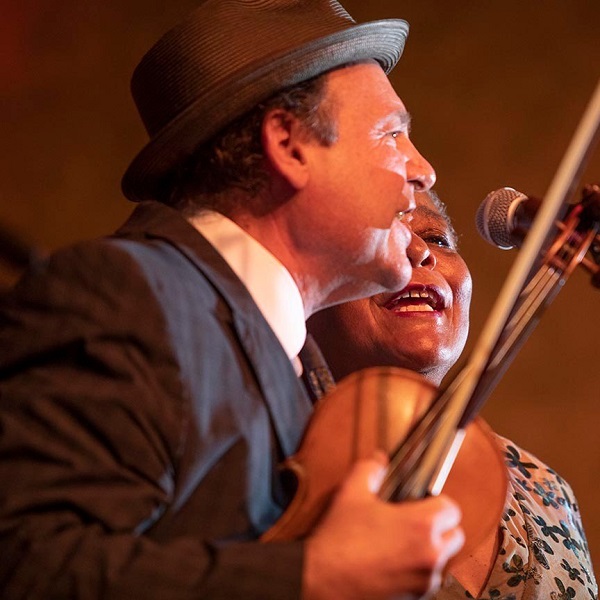
Tregar Otton from Orquesta La Moderna Tradición

More clubs and events (título 3)

La Peña Cultural Center, 3105 Shattuck Avenue in Berkeley has been gaining a lot of notoriety with their monthly Baila events.  The June edition will also celebrate the cultural center’s 47th Anniversary on Friday, June 17th starting at 7 pm.  Corey Raynor, the venue’s production manager who organizes the event will also be celebrating his birthday.  The show will feature the explosive sounds of veteran timbalero Eric Rangel and his Orquesta America as well as KPOO/KPFA DJ Jose Ruiz in the main theater and DJ Ron Palma in the Bachata lounge. Salsa and Bachata dance lessons start at 7:30 pm.  For tickets and information, please visit lapena.org.

It’s Summertime and outdoor venues have opened back up for Salsa, Timba and Latin Jazz!  Modupue Sundays at Rocky’s Market at Oakland’s Brooklyn Basin is featuring the exciting band La Mixta Criolla on Sunday, June 5 under the direction of percussionist/vocalist Hector Lugo and a special Bomba dance performance by Shefali Shah. The festivities start at 5:30 pm.  Another great band Orquesta La Moderna Tradición will be at Rocky’s on Friday night, June 10th from 6 to 9 pm.   Rocky’s Market events are all outdoors and located at 288 Ninth Avenue in Oakland.  For more information, visit rockysmarket.com.

The Office on 1796 Willow Pass Road in downtown Concord is now offering Rumba Sundays every Sunday from 5 to 10 pm in a large, covered outdoor patio with a huge dance floor featuring Salsa bands such as Orquesta Taino on Sunday, June 5th.  The Office features live salsa monthly with SF Salsa Congress staple DJ Super Chino spinning Salsa, Bachata and more in-between the breaks!  Check out their Facebook page for more info!
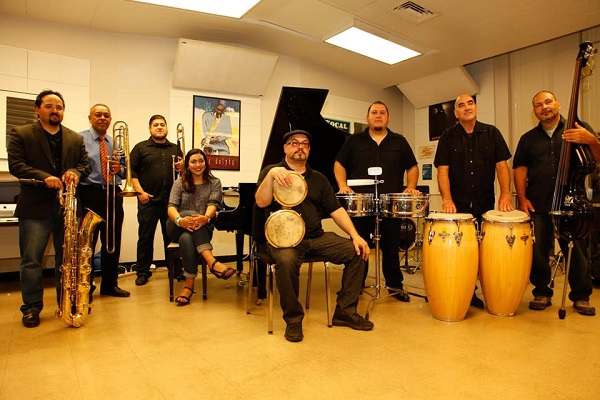
Orquesta Taino posing for the camera

The Cigar Bar continues with their mission to bring you exciting danceable bands in their unique venue that combines great food, fine drinks, a parlor for cigar enthusiasts and a hot dance spot for weekend patrons.  The June Latin music offerings are the following: Pacho y Orchesta Evolution 6/3; Orquesta La Original w/Alexis 6/4; Orquesta Borinquen 6/10; Josh Jones Latin Jazz Ensemble 6/11; N’Rumba 6/17 ; Manteca 6/18; Orquesta Taino 6/24 and La Clave Del Blanco on 6/25.

The Ramp is heating things up for the Summer at their fine outdoor venue with their huge dance floor at 855 Terry Francois Blvd in San Francisco.  Their calendar includes great acts on Saturday afternoons starting at 4 pm with DJ Mendy with live music starting at 5 pm featuring N’Rumba on 6/4; Julio Bravo y Salsabor on 6/11; Somos El Son with Braulio Barrera 6/18 and Orquesta Borinquen on 6/25.

The Seahorse in Sausalito features fine Italian cuisine, beer and wine and a fine space for dancing on Saturday and Sundays starting at 6 pm with KPOO/KPFA DJ Jose Ruiz.  Featured acts for the month of June include La Clave Del Blanco on 6/4; Julio Bravo y Salsabor 6/5; Ricardo Lemvo and Makina Loca from Los Angeles on 6/11 and 6/12; Edgardo Cambon y Candela 6/18; Louie Romero and Mazacote 6/19; The Latin Rhythm Boys 6/20 and Eric Rangel and Orquesta America on 6/26.

Be sure to check out my radio programs Con Sabor on Saturday evenings from 9 to 11 PM PST on KPFA 94.1 FM and www.kpfa.org and Sabiduria Con Tumbao every Wednesday evening from 5 to 7 PM PST on worldsalsaradio.com. Enjoy your Summer!  Ciao 4 now!!
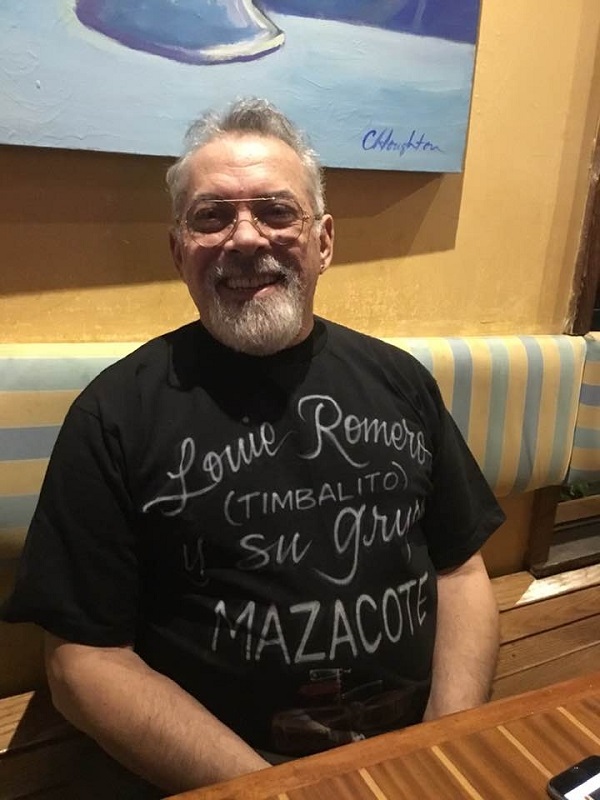
Louie Romero from Louie Romero Y Su Orquesta Mazacote


By Luis Medina, ISM Correspondents, San Francisco, California By Luis Medina, ISM Correspondents, San Francisco, California

Cuba Will Be the Protagonist at the Music Meeting Festival

Nijmegen is the city that will host this musical meeting with “Cuba Al Revés” as the main theme

Music Meeting Festival was organized in Concertgebouw de Vereeniging and Stadsschouwburg Nijmegen until 2003

This year Latin America will invade the 37th edition of the Music Meeting Festival with Cuban music from Saturday, June 4th to Monday, June 6th at the Park Brakkenstein facilities. This park can accommodate 12,500 visitors and is in the Nijmegen city in the province of Gelderland. Nijmegen has more than 170,000 inhabitants (2015 data provided by the UN) and is very close to the border with Germany.

This festival in the Netherlands will have as its main theme this time Cuba Upside Down. In this event, around 30 concerts will be presented with the participation of established artists and new promises from the Cuban music scene, Spanish, and Brazilian.

Regarding the main theme of this edition, the Dutch trumpeter and Artistic Director of the Music Meeting Festival, Maite Hontelé, pointed out: “I would like to have been born in Havana, to have grown up with Son, Mambo, and even the beginning of Cuban Salsa modern, Timba. But I grew up in Haaften…although almost every day, I listened to Cuban music on cassettes and played it on my trumpet.”

The artists from the Afro-Caribbean Island that will converge at the Music Meeting Festival 2022 are:

Alain Pérez with the Orchestra demonstrates the origin and future of Cuban music

The musical genius in the Salsera scene, Latin-Jazz and Flamenco, Alain Pérez will take the stage on Sunday, June 5th at 11PM for an improvisation party at the Jam. This show will last 50 minutes. Alain with the rhythm section of his orchestra will establish the basic rhythm to which countless musicians will join and improvise, bringing special guests for that day. Who are they? They are still a surprise.

After 24 hours, Alain Pérez returns to the stage, but this time with his young Orchestra for the closing day. They will perform for the first time on Monday, June 6th from 8:40PM to 10:50PM. Alain with this band of young Cuban artists brings a sound in which traditional Cuban music is intertwined with modern Jazz and Funk.

The same way will also join this celebration of Afro-Caribbean music Osain Del Monte with a group of young percussionists, singers, and dancers. They will recreate during their musical act a traditional cult with initiation rituals to be members of a secret brotherhood. This one-hour act will take place on the first day of the festival, on Saturday, June 4th, starting at 5:30 PM.

Likewise, Music Meeting Festival will feature the percussionist and singer Brenda Navarrete as a special guest in several musical presentations. Brenda has trained in Batá drums and has belonged to Latin Jazz bands such as Joaquín Betancourt and Alain Pérez, as well as in the Interactivo group, where Funk and Ska melodies are mixed with Afro-Cuban rhythms.

Cellist Ana Carla will also be brought to this stage of the festival. She will be on Sunday, June 5th from 8PM to 8:40PM. Her third studio album is Bahía and has influences from Cuban Son, Tango, Samba, Bossa Nova, Jazz, and even the classic French Chanson. She currently is touring for South America.

Ramón Valle, Marialy Pacheco, Rolando Luna, and Ivan “Melón” Lewis

Joining this constellation of established and emerging Cuban artists on Sunday, June 5th, starting at 2PM, is the Ping Pong Piano project. This 50-minute musical project brings together the following virtuous of this instrument: Rolando Luna, Marialy Pacheco, Ramón Valle, and Ivan “Melón” Lewis, the latter winner of the Latin Grammy for Best Latin Jazz Album for his album Voyager in 2021.

The starting point of this “four-sided” meeting is spontaneous. It consists of placing two grand pianos on stage and letting four stellar pianists converse musically. There will be friendship, rivalry, confrontation, and harmony putting aside their impressive resumes.

“Marialy Pacheco is a concert pianist known for her duets with Omar Sosa and her contagious rhythmic interpretation. Grammy winner Ivan ‘Melón’ Lewis counters this with almost mathematical precision as the founder of modern Cuban Salsa, Timba. Ramón Valle swings across styles and feels best when given the freedom to let his Cuban heritage hang over the music. The quartet of star pianists is completed by the whirlwind Rolando Luna, one of the most important Cuban pianists of the last ten years, who became world-famous for his work with Omara Portuondo”. Fragment extracted from the Music meeting Festival 2022 website. www.musicmeeting.nl

Likewise, the band El Comité will be present (Saturday, June 4th, 10:30 PM – 11:30 PM), the Son Bent Braam orchestra (Saturday, June 4th, 4PM – 5PM), African electronics, percussion from Brazil with the duo made up of Oleg Fateev & Simone Sou, and the New York afrobeat represented by the musical group from Brooklyn, Antibalas.

This interesting congregation of artists will be completed by the Spanish trombonist Rita Payés, one of the emerging artists of the new era of the Catalan scene.

Tickets for the three days of the Music Meeting Festival in Nijmegen are €80 at the box office. It costs €34 daily, and for those under 16 who want to attend, the admission is free.

Sr Ortegón is a big success in Hollywood

Our nice talk

Good afternoon, we have here José Miguel Ortegón. He is a music producer, composer, DJ and violinist. Pleasure to meet you, Mr. Ortegón, how are you feeling?

I’m fine. Thank you very much for the invitation.

Your name is José Miguel Ortegón, but you are known as Sr Ortegón in artistic circles. Why?

I think that is a cultural tradition in the Hispanic world. Men are always called by their last name. That was natural and came spontaneously. Taking advantage of that señor is a Latin cliché, it was perfect for the work I was doing.

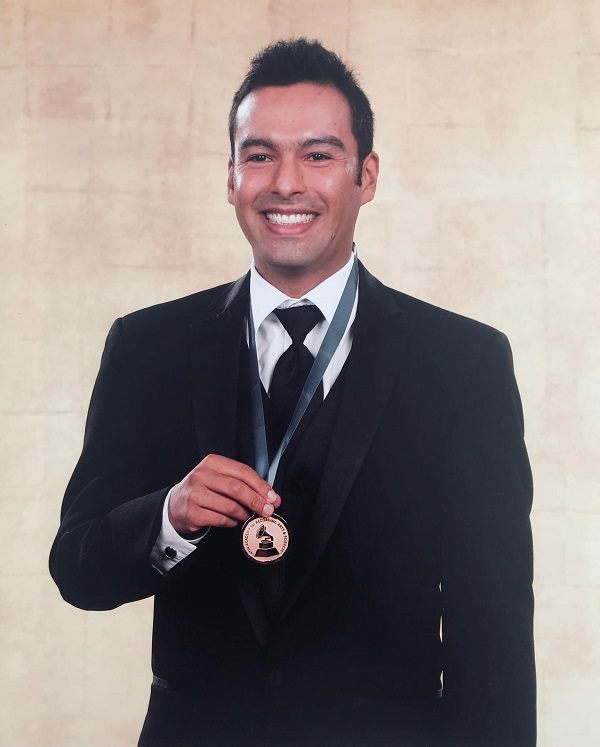
José Miguel Ortegón at the Latin Grammys

What was your first approach to the entertainment world?

I started recording with Guayacán, which is a salsa orchestra from Cali, Colombia. I received a lot of help from maestro Zumaque, who is a musician that does contemporary and classical fusion with Latin American rhythms. This was during my teens.

Then, you ventured into other facets, correct?

That’s correct. I started studying music at the conservatory when I was five years old and was in some rock bands. You know that our culture is divided into two musical styles in Latin America, which are classical and popular music. My first professional recordings came with the first computer we had at home as well as most of my generation. When the first computers came to our homes, the concept of music also changed.

How did you go from playing rock and classical rhythms to boogaloo and urban rhythms? How was that transition?

Cali has always been very linked to pachanga, boogaloo and charanga. Rock comes from blues and boogaloo is more or less part of the same trend, so it’s not uncommon for rockers to want to experiment with those rhythms I mentioned at the beginning. I also had teachers at the conservatory who taught classical music during the day, but played with professional orchestras at night. For me, that transition is inevitable.

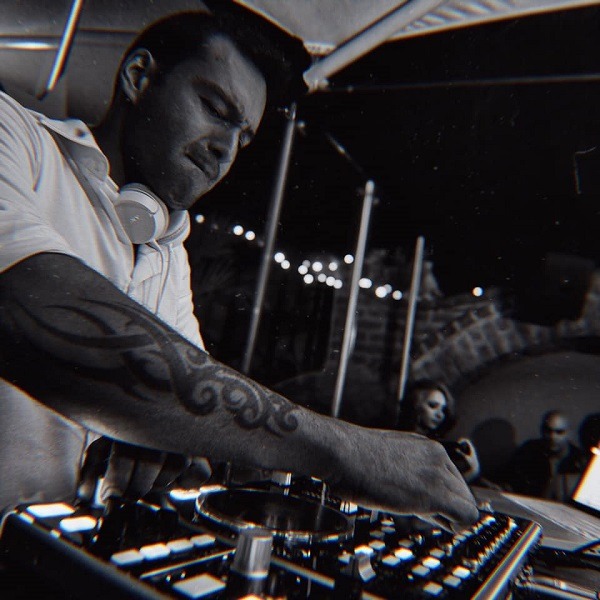
Sr Ortegón doing his job as a DJ

You have created music for series, movies, digital platforms, Disney, Netflix, animated series, etc. Did you think your career would go that far?

Thank you for your words. I make music. I have the same worry since I started in this world, I think I still have a lot to learn and maturing ideas, The truth is I never imagined it. I simply took the opportunity before me in Europe, where I was studying musicology at the Sorbonne. It is true that Latin music is very exotic there because there are not many Latin composers and producers.

At university, I got a chance to make music for a television channel. Subsequently, there was a snowball effect, a colleague who is now working in Hollywood contacted me for one of those jobs and that was my big opportunity. When I got the script, it was a Dominican series, which made me immediately discard salsa and mariachis. I thought about using bachata or something that really belonged to the Dominican Republic.

When you talk about Hollywood, it should be emphasized that there are several generations of Latinos born in the United States of any origin. A Cuban knows that a ranchera is not Cuban but from Mexico. Such a thing happenned a lot in the industry in previous years. The same rhythms and mixes were always used regardless of the Latin country involved in a production like, for example, West Side Story. I love that movie and think it’s excellent, but the music they used doesn’t sound Puerto Rican at all. That’s why I thought I should take this opportunity to respect the rhythms and traditions of each country. I know we all speak Spanish but each country has its own identity, so I respectfully take each rhythm and use it to make it authentic.

Latin music in Hollywood

When you did music for any series or film, were you given parameters to follow or did you have to be free to experiment with your music?

That’s one of the best questions I’ve ever been asked because the vast majority of producers are American and not connected with Latin culture, so salsa and merengue are the same for them. I just tell them to trust me, send me some samples to guide me, we analyze everything and move on. If the director or the editor doesn’t like what I did, we reach an agreement. Nowadays, this process is easier because there is more musical and cultural education on the part of the producers in the United States.

Sr Ortegón at the party in the Jetset Magazine

You were nominated for a Latin Grammy thanks to a mix of boogaloo and urban rhythms that you made. How did you think of it?

I’m 40 years old, so I spent my adolescence at the time when Californian hip hop was in full swing. Cali is one of the most Americanized cities in Colombia, so you were always listening to all those American groups and songs. Mixing all those rhythms with boogaloo has always seemed very interesting to me and I had no idea how to do that until I learned.

Since a mix between hip hop and Latin music is complex to make, a lot of people gsurrended and opted for reggaeton as culture. There are other groups such as Control Machete that have done an excellent job, but I felt they were lacking something. That’s how I started to learn, but it took me a long time because of lack of resources, since I didn’t have the right elements to respect the codes. So, I did a boogaloo song and a hip hop beat to mix them, which made me realize that they are sister rhythms. This work was very popular and even appeared in series and movies.

In fact, I heard about you from an email that included your new album entitled Latin Boogaloo Volume 2. I also listened to Volumen 1 and noticed the difference. What is the main difference between one volume and the other?

Volume 1 includes what I called Boogaflow, which is boogaloo with flow. Volume 2 is pure boogaloo. I tell you this because, for example, salsa is a term, but it’s really Afro-Cuban music made by Nuyoricans in New York if we go back to basics. Prior to that New York sound known as salsa, there was that phenomenon called boogaloo, shingaling or Latin soul.

I had to listen to disco to get to those rhythms because nobody teaches you anything about those genres. Unfortunately, those who created those rhythms are already dead or doing other things like Joe Cuba, Jimmy Sabater, the people from Sexta All Stars, Eddie Pamieri, Ray Barreto and many others. That fashion lasted about six or seven years and that was that. Every time I go to create a boogaloo, I have to listen very well because there are no scores or models to follow. Poncho Sanchez is one of the few who brings up the torch of that sound, although he is inclined more to Latin jazz.

I wanted to do a boogaflow, but my editor David Santiago proposed to me that we make two versions, one boogaloo version and the a little more acoustic one. What we were looking for was to please both audiences, the one who wants something urban and the one that wants something classic.

Which of the two volumes was more successful?

I know you have the answer (laughs). Volume 2 was the most successful. Number one has put me in touch with my salsa friends, but I didn’t want to tell them that I was going to make a volume two because boogaloo is not a very common rhythm.

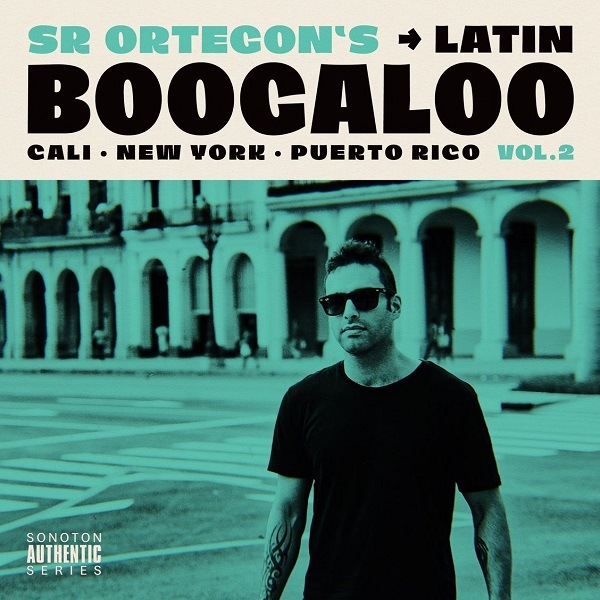
Cover of the album Latin Boogaloo Vol. 2

In Concert: Hacenoba Salsa & Jimmy Bosch In Saint-Étienne

They will be together in an exceptional concert at Le Fil this May 14th

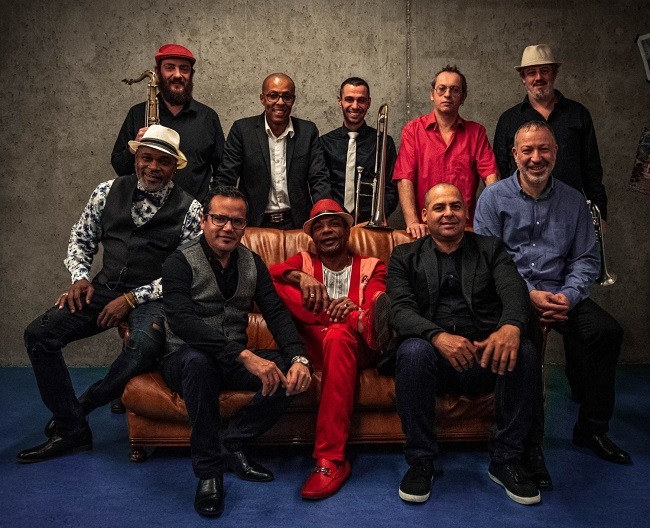
Adiel Castillo (Musical Direction – Piano), Aymel Gómez (Voice), Wilbert Valera (Voice), Nadir Slimani (Bass), Miguel Río Puntilla (Bongo), Philippe Fougerouse (Timbales), Hamid Benabella (Art Direction – Congas), Guillaume Monier (Saxophone), Laurent Sedent (Trumpet), Romain Bourlhonne (Trombone)

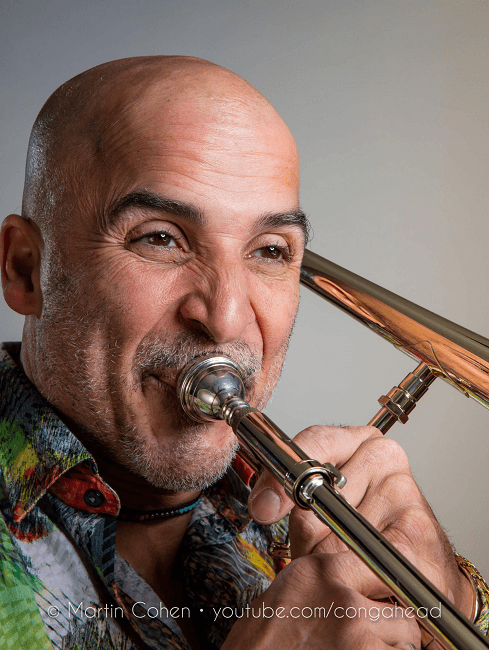
The Hacenoba Salsa group and the world-renowned Trombonist Jimmy Bosch will present a unique salsa show in which lovers of this Latin rhythm will sing and dance from the first notes. This concert will be preceded by a Salsa lesson by the couple (Aurélie and Rémi) belonging to the Barrio Latino humanitarian association under the best salsa mixes of the DJ from the city of Callao (Peru), Oscar D Lyon.

This show will take place on the second Saturday of May at Le Fil, an artistic platform for contemporary independent music and cultural life developed in the city located in southeast France, Saint-Étienne. Its address is 20 bd Thiers 42000 Saint-Étienne, France, and the cost of pre-sale tickets is €20 and the Box Office €22.

The Cuban Salsa orchestra, Hacenoba, brings to this concert the essential rediscovery of the island’s music (Mambo, Salsa, Cha-Cha, and Timba) accompanied by brushstrokes inspired by internationally famous composers and artists of the genre such as Oscar D’ León, Héctor Lavoe, and others.

This ten-member band with its explosive music combines percussion with piano, saxophone, and bass for a frenetic and bewitching rhythm that has led them to participate in different festivals, cultural events, parties dedicated to Cuban music (or Latin music ), and private parties in the region.

Jimmy Bosch has collaborated with Rubén Blades, Ray Barretto, and Celia Cruz, among many others.

Likewise, the master Jimmy Bosch is acclaimed in more than 70 countries as an exceptional Latin music Trombonist, has 11 Grammy Awards, and more than 100 recordings in the Salsa and Latin Jazz genres. He also has a great career as an orchestra leader and is coveted by his audience due to his extraordinary performances on stage.

The creator of hits like Otra Oportunidad (1998), La Cacharra (1999) Qué Bonito es Soñar (2004), La Noticia (2004), El Avión de la Salsa (2004) y Ay Mamacita-Boogaloo (2018) among many others, also will be dictating a Masterclass for professional musicians where he will explain and demonstrate the variations in Salsa. The lessons will be oriented towards practice and active participation with the instrument during the clinic. This masterclass will be held on May 24th -25th at Kafésynk located at Øvingshotellet, Trondheimsveien 2, Bygg H, 0560 Oslo, Norway from 5 PM to 8 PM, and tickets cost NOK 1,600 approximately $174.26.

The trombone master has worked with FANIA All-stars, Eddie Palmieri, Ruben Blades, Ray Barretto, Machito, Cachao, and many more. He has participated in Salsa conventions, Latin and Jazz music festivals around the world, as well as performed in clubs in Asia, Europe, America, and Oceania.

Jimmy Bosch’s record productions include Soneando Trombón (1998), Salsa Dura (1999), El Avión de la Salsa (2004) ,and A Millón (2009).

Oscar D Lyon was born in Callao, known as the capital of Salsa in Peru.

The perfect DJ for this magnificent evening at Le Fil will be Oscar D Lyon, who has more than 30 years of career in the music scene. He started in Lyon in the ‘90s, continued at Latino 1, and pursues his rise at Casa Latina for ten years. His likes and musical inclination from South America have made him stand out in the Latin environment of the region. Currently, Oscar D Lyon mixes the rhythms of Salsa and Bachata in various clubs in Saint-Étienne, such as Cabana Café, the Fox, and recently, Barrio Club.


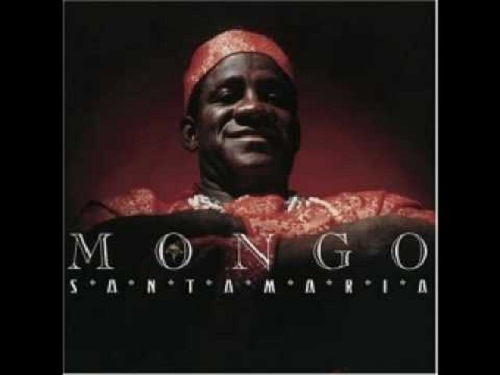
Ramón “Mongo” Santamaría “I wanted to do something that sounded like home”.

April 7, 1917, Mongo Santamaría was born in the Jesús María neighborhood of Havana, Cuba.

Exceptional percussionist of Latin Jazz and related rhythms, whose first name was Ramón Santamaría.

Mongo left to continue playing his Congas hard in the sky on February 1st, 2003.

“I wanted to do something that sounded like home”. With these simple words, Ramón Santamaría Rodríguez “Mongo Santamaría” spoke of his essence.

The purpose of his music pursued a sonority and a memory, possibly located in Cuba, in Jesús María, a marginal neighborhood where he grew up and enjoyed a tradition attached to the drum, to religion, to the street and from where this great Cuban percussionist drank infinitely.

But surely those drums also came to him from far away, from the Congo, where his grandfather came from to be a slave on the island and who also filled his head with sounds full of meanings and colors, which he later masterfully spread around the world.

The name of Mongo Santamaría (Havana, April 7/1917 – Miami, Feb. 1/2003) is, for the glory of all music, an inevitable reference of Cuban percussion.

Since he was a child he knew that his thing was to play the drum and he was lucky enough to belong to a family of empirical musicians, singers and drummers who supported him in the learning and mastery of these instruments.

During his time in Cuba, already a professional musician, he participated in numerous groups that little by little gave him a place among the most outstanding percussionists of the time. Some names of these groups are El Conjunto Boloña, Lecuona Cuban Boys, with whom he was able to participate in the recording of his first album, Conjunto Matamoros, Segundo Grupo de Arsenio Rodríguez, among others.

Each group had its own style and stamp, but in each of them Santamaría put his personal “touch”.

At the prestigious Tropicana cabaret he played with Chano Pozo as a member of Armando Romeu’s orchestra.

From that moment on, his career would not stop. Conjuntos, Septetos de Son were the perfect selection to complete the sap from which he would draw all his style and technique.

Later, from carnival to carnival, he would gather with other percussionists to play in the comparsas and experience the festive musical atmosphere par excellence of those years.

Alongside him played other friends who soon became a Cuban reference in the United States: Patato Valdés and Armando Peraza.

As part of the Tropicana orchestra and located in a show in Mexico, he decided to settle there as did many musicians of his time and came to play with Pérez Prado and Benny Moré.

It was precisely in the latter orchestra where he met Clemente Piquero “Chicho”, another Cuban percussionist whose style made him rethink the role of percussion in Cuban popular orchestras.

Mongo Santamaría belongs to the second wave of Cuban percussionists who arrived in New York in 1950.

His new idea of restructuring and designing his own style in the use of Cuban percussion was perfectly in tune with the reality that a few years earlier was being experienced in the music produced and sold in New York, after the arrival of the Cuban rumbero Chano Pozo.

“The rhythm produced by the conga organizes all the percussion of a band, from which melodies and counter-melodies can be experimented with.”

“I think percussion is the base from which things come out.”

Already in the United States, Mongo plays with Gilberto Valdés, again he is part of Pérez Prado’s orchestra and finally with Tito Puente’s, where he stayed for 7 years. Once in the line of Afro-Cuban jazz, so popular at the time, he joined George Shearing’s group and later the vibraphonist Cal Tjader.

With his own orchestra, he accompanied La Lupe, one of his favorite singers, and undertook projects of novel formats for the time, such as small formations of brass trio, piano, bass, percussion and drums, at a time when jazz bands predominated.

Mongo Santamaría, perhaps without the theatricality to which Chano had accustomed the New York public, focused all his strength on achieving his own sonority, with a fusion of Cuban styles and genres, perfected and deepened in the introduction of Afro-Cuban rhythms with a naturalness and using colorful timbre elements by using several tumbadoras in his set.

His creativity is highly demonstrated in the great amount of music that is part of his catalog of works and the quality becomes indisputable when seeing the amount of outstanding jazz interpreters that version and recreate his work.

In 1959 he recorded Tambores y cantos, which contains the song Afro blue, which over the years became “a jazz anthem of all times”, according to Nat Chediak, author of the Latin Jazz Dictionary.

His long recording career (50 albums), testifies to the musical activity that this great percussionist carried out throughout his professional career. He worked with American jazz legends such as Chick Corea, Herbie Hancock, flutist Hubert Maws, Dizzy Gillespie, trumpeter Marty Seller, among other musicians who today still pay tribute to this Cuban conguero who was the architect of the fusion of rhythm & blues rhythms and Afro-Cuban music, recognized the connection of Cuban music to African roots and placed the congas in an indispensable instrument for the determination of Latin jazz.

In 1977 Mongo Santamaría received the American Grammy Award for “Best Latin Recording” for the work Dawn.

In 1999, Rhyno Record Company, based in Los Angeles, California, recognizing his contribution to Latin Jazz, released the “box set” (CD) Skin On Skin: The Mongo Santamaría Anthology (1958-1995), which includes 34 of his most successful pieces (from his rumba albums, his LP with La Lupe and his projects in the fusion of Jazz and Latin) and an extraordinary literature about his career written by actor Andy García, musician Poncho Sánchez and other connoisseurs of the Latin Jazz genre such as José Rizo, Luis Tamargo, Joel Dorn and Miles Pelich.

The legendary musician was extremely honored and grateful for the distinction Rhyno gave him by introducing this historic anthology to the world. As stated in the conversation with Jaime Torres, Mongo said:

“This is the fruit of many years of work, music made with taste and love.”

May he rest in peace and eternal glory to him.

  • « Go to Previous Page
  • Page 1
  • Interim pages omitted …
  • Page 45
  • Page 46
  • Page 47
  • Page 48
  • Page 49
  • Interim pages omitted …
  • Page 95
  • Go to Next Page »

International Salsa Magazine (ISM) is a monthly publication about Salsa activities around the world, that has been publishing since 2007. It is a world network of volunteers coordinated by ISM Magazine. We are working to strengthen all the events by working together.